
 Bangladesh Defense
Saif
Senior Member
- Jan 24, 2024
- 21,523
- 9,744
- Nation

- Residence
- Axis Group

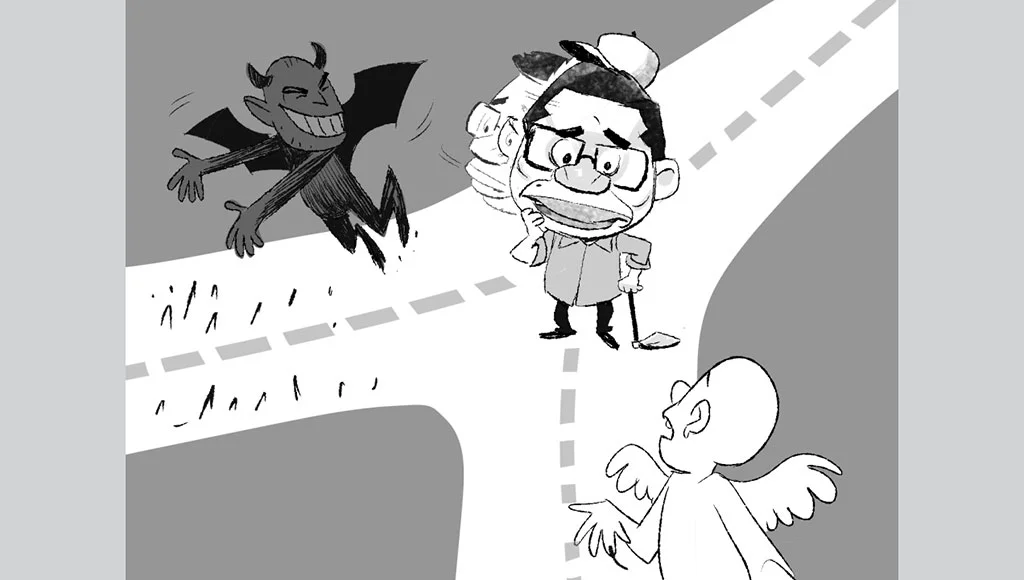
BNP at the crossroads of power and accountability
Ahammad Foyez 07 October, 2026, 00:00
New Age/Mehedi Haque
A FAMILIAR pattern recurs whenever there is a transfer of power in Bangladeshi politics. Indictments for extortion, illegal property occupation, tender manipulation and abuse of influence are filed against leaders and activists of the ruling party. The opposition are using these charges as political weapons against the government. Eventually there is a change of government, but the nature of the allegations remains the same; only the identities of the accused change.
On February 12, the Bangladesh Nationalist Party won a landslide victory in the parliamentary elections and came to power after nearly 17 years. Election Commission data showed BNP winning 209 seats with 49.97 per cent of the vote. Tarique Rahman was sworn in as prime minister on February 17.
But one of the major political challenges faced by the BNP after coming to power is mounting charges of extortion, illegal occupation and other irregularities against the party leaders and activists. The initial question here is direct: are BNP leaders and activists truly becoming involved in extortion?
Based on existing information, the answer is that in some instances, these allegations are not merely political propaganda; there is substantial evidence and a factual basis supporting them.
The problem continued even after the government was formed in 2026. Faced with the situation and increasing complaints, the BNP leadership decided—within two months of taking office—to implement stricter organisational and legal measures against grassroots members. However, these steps did not prove particularly effective. Consequently, seven months into the government’s tenure, police reports indicate that the extortion of small traders in Dhaka is backed by powerful political patronage — and a significant portion of these patrons are leaders and activists from the BNP and its affiliated bodies.
In other words, the issue cannot simply be dismissed as mere ‘propaganda’. Instead, the critical question for the BNP is: why are these incidents occurring, and what political and organisational mechanisms is the party devising to prevent them?
Lessons for the BNP?
SHORTLY after the Awami League assumed power in 2009, newspaper reports frequently highlighted allegations of extortion, tender manipulation, and other irregularities involving leaders and activists from its student and youth wings. In September 2009, Sheikh Hasina instructed party lawmakers not to patronise tender manipulation or extortion. The following month, the issue of extortion and other irregularities by party members was also discussed during a meeting of the Awami League’s Central Working Committee. In other words, the Awami League faced the same problem immediately after coming to power.
However, the nature of the problem underwent a significant transformation in the ensuing years. The nexus formed between political power and sectors such as business, development projects, local government, transport, markets, and various economic activities meant that extortion was no longer confined to petty demands on street vendors or footpaths.
A white paper prepared by a special committee during the tenure of the interim government highlighted serious irregularities and the squandering of funds associated with the expansion of major government development projects and the rise of politically influential contracting and business groups. The committee on the economy assessed that a substantial portion of development expenditure over the 15-year period was linked to waste and embezzlement.
It is crucial to clarify one point here: this does not mean that extortion ceased during the Awami League’s tenure. Rather, the nature and scope of the extortion changed. Alongside the money collected from small shops, footpaths, or local transport, the association with power created avenues for pursuing major economic interests. Consequently, for a local political activist, the need to collect small sums diminished, while opportunities arose to become involved in large-scale projects, markets, transport, or business control; such an interpretation is significant in discussions of political economy. However, it would be incorrect to present this as a universal truth.
Where does the problem lie for BNP?
ONE aspect of the BNP’s current predicament is that the party had been out of power for a long time. The political landscape shifted abruptly after August 5, 2024. Leaders and activists who had long been engaged in struggle suddenly found the opportunity to become politically active. Simultaneously, a power vacuum emerged at the local level.
In this context, allegations of land grabbing, extortion, and attempts to establish dominance arose against a large number of BNP leaders and activists. Although the BNP had not yet assumed state power, the party realised that such allegations could become a significant political liability — either upon coming to power or during the transition toward it.
Consequently, after initially downplaying the issue, the party eventually disclosed that it had taken extensive disciplinary measures during the period of interim government. Party chief Tarique Rahman stated that action had been taken against more than 7,000 leaders and activists for various infractions.
The question then arises: why did the problem persist despite such widespread disciplinary action? This brings us to the BNP’s most critical organisational challenge. Merely expelling individuals cannot eliminate the tendency toward criminal behaviour within a political party. Expelling a leader involved in extortion is necessary, but it is equally important to understand the underlying causes: Why did they resort to extortion? How is the party’s organisational structure functioning at the local level? What is the political economy involved? With whom are they aligned? What is the nature of their relationship with the local administration, business sectors, transport networks, markets, or contracting systems? Most importantly, does the party have a mechanism in place to ensure that an activist knows their political career will be ruined if they use their party affiliation to amass illegal wealth?
Another major issue facing the BNP is the tension between long-serving activists and new centres of power. A segment of the party’s veteran leaders and activists had sustained their political engagement over the past 17 years amidst lawsuits, arrests, imprisonment, physical attacks, torture, and immense political pressure. Many of them likely anticipated that their long-standing sacrifices would be recognised and valued should the party return to power.
However, if they observe that seasoned activists, who remained active on the ground, are denied the expected recognition, while relatively new figures or those who have only recently emerged are securing key positions, it is only natural for frustration to fester within the party ranks. This sense of disillusionment does not always manifest as open opposition; sometimes, it appears as silence. A veteran party worker might simply think, ‘Let those currently running the party handle it. Let’s see what happens.’
This mindset is extremely dangerous for a political party. If experienced members fail to warn the leadership during a crisis, no one escapes the ensuing catastrophe.
BNP needs an accountability framework
ONE thing is abundantly clear from the BNP’s current situation: while disciplinary measures are necessary, they are not enough. What is required is a framework for party compliance and accountability.
Independent mechanisms for receiving complaints could be established. Specific committees could be formed to conduct preliminary verification of these complaints. Transparency regarding the assets and business interests of public representatives and key party officials could be enhanced. Written policies could be formulated to prohibit the use of party affiliation to control businesses, tenders, transport sectors, markets, or land.
Most importantly, the responsibility for law enforcement lies with the police and the state; internal party disciplinary action is no substitute for this.
Before the election, the BNP repeatedly stated that it had no objection to legal action being taken against its leaders and activists; since they were not in power, the responsibility rested with the government. Now that they are in power, the practical application of that very policy serves as a test of their credibility.
The real test facing the BNP
THE massive public support the BNP garnered in the February 12 election represents more than just a party victory; it marks a pivotal moment for the transfer of power through the ballot box following a long period of political instability. Consequently, if the BNP fails, the repercussions will extend far beyond the party itself.
If an elected government fails to meet public expectations — if party affiliation exerts undue influence over the administration and economic activities, or if extortion and illegal occupation go unchecked — then public confidence in democracy itself could be undermined. For this reason, supporting the BNP and criticising its mistakes should not be viewed as contradictory.
In fact, pointing out the party’s errors is an integral part of genuine political support. The BNP now needs individuals who will not merely praise the party but will also speak uncomfortable truths to the leadership when necessary. It needs political activists who will not exploit opportunities for power to amass personal wealth.
Above all, it requires a political culture where the party being in power does not automatically open special doors within the state and economy for everyone associated with it.
This is because the most critical question facing the BNP is not merely about isolated incidents of extortion. The issue is far more significant: will the BNP bring about only a change in power, or can it also transform the political culture surrounding the exercise of that power?
The answer to this question will ultimately determine the extent to which the public mandate received in the 2026 election becomes a lasting political asset for the BNP.
Ahammad Foyez is managing editor at New Age
Ahammad Foyez 07 October, 2026, 00:00
New Age/Mehedi Haque
A FAMILIAR pattern recurs whenever there is a transfer of power in Bangladeshi politics. Indictments for extortion, illegal property occupation, tender manipulation and abuse of influence are filed against leaders and activists of the ruling party. The opposition are using these charges as political weapons against the government. Eventually there is a change of government, but the nature of the allegations remains the same; only the identities of the accused change.
On February 12, the Bangladesh Nationalist Party won a landslide victory in the parliamentary elections and came to power after nearly 17 years. Election Commission data showed BNP winning 209 seats with 49.97 per cent of the vote. Tarique Rahman was sworn in as prime minister on February 17.
But one of the major political challenges faced by the BNP after coming to power is mounting charges of extortion, illegal occupation and other irregularities against the party leaders and activists. The initial question here is direct: are BNP leaders and activists truly becoming involved in extortion?
Based on existing information, the answer is that in some instances, these allegations are not merely political propaganda; there is substantial evidence and a factual basis supporting them.
The problem continued even after the government was formed in 2026. Faced with the situation and increasing complaints, the BNP leadership decided—within two months of taking office—to implement stricter organisational and legal measures against grassroots members. However, these steps did not prove particularly effective. Consequently, seven months into the government’s tenure, police reports indicate that the extortion of small traders in Dhaka is backed by powerful political patronage — and a significant portion of these patrons are leaders and activists from the BNP and its affiliated bodies.
In other words, the issue cannot simply be dismissed as mere ‘propaganda’. Instead, the critical question for the BNP is: why are these incidents occurring, and what political and organisational mechanisms is the party devising to prevent them?
Lessons for the BNP?
SHORTLY after the Awami League assumed power in 2009, newspaper reports frequently highlighted allegations of extortion, tender manipulation, and other irregularities involving leaders and activists from its student and youth wings. In September 2009, Sheikh Hasina instructed party lawmakers not to patronise tender manipulation or extortion. The following month, the issue of extortion and other irregularities by party members was also discussed during a meeting of the Awami League’s Central Working Committee. In other words, the Awami League faced the same problem immediately after coming to power.
However, the nature of the problem underwent a significant transformation in the ensuing years. The nexus formed between political power and sectors such as business, development projects, local government, transport, markets, and various economic activities meant that extortion was no longer confined to petty demands on street vendors or footpaths.
A white paper prepared by a special committee during the tenure of the interim government highlighted serious irregularities and the squandering of funds associated with the expansion of major government development projects and the rise of politically influential contracting and business groups. The committee on the economy assessed that a substantial portion of development expenditure over the 15-year period was linked to waste and embezzlement.
It is crucial to clarify one point here: this does not mean that extortion ceased during the Awami League’s tenure. Rather, the nature and scope of the extortion changed. Alongside the money collected from small shops, footpaths, or local transport, the association with power created avenues for pursuing major economic interests. Consequently, for a local political activist, the need to collect small sums diminished, while opportunities arose to become involved in large-scale projects, markets, transport, or business control; such an interpretation is significant in discussions of political economy. However, it would be incorrect to present this as a universal truth.
Where does the problem lie for BNP?
ONE aspect of the BNP’s current predicament is that the party had been out of power for a long time. The political landscape shifted abruptly after August 5, 2024. Leaders and activists who had long been engaged in struggle suddenly found the opportunity to become politically active. Simultaneously, a power vacuum emerged at the local level.
In this context, allegations of land grabbing, extortion, and attempts to establish dominance arose against a large number of BNP leaders and activists. Although the BNP had not yet assumed state power, the party realised that such allegations could become a significant political liability — either upon coming to power or during the transition toward it.
Consequently, after initially downplaying the issue, the party eventually disclosed that it had taken extensive disciplinary measures during the period of interim government. Party chief Tarique Rahman stated that action had been taken against more than 7,000 leaders and activists for various infractions.
The question then arises: why did the problem persist despite such widespread disciplinary action? This brings us to the BNP’s most critical organisational challenge. Merely expelling individuals cannot eliminate the tendency toward criminal behaviour within a political party. Expelling a leader involved in extortion is necessary, but it is equally important to understand the underlying causes: Why did they resort to extortion? How is the party’s organisational structure functioning at the local level? What is the political economy involved? With whom are they aligned? What is the nature of their relationship with the local administration, business sectors, transport networks, markets, or contracting systems? Most importantly, does the party have a mechanism in place to ensure that an activist knows their political career will be ruined if they use their party affiliation to amass illegal wealth?
Another major issue facing the BNP is the tension between long-serving activists and new centres of power. A segment of the party’s veteran leaders and activists had sustained their political engagement over the past 17 years amidst lawsuits, arrests, imprisonment, physical attacks, torture, and immense political pressure. Many of them likely anticipated that their long-standing sacrifices would be recognised and valued should the party return to power.
However, if they observe that seasoned activists, who remained active on the ground, are denied the expected recognition, while relatively new figures or those who have only recently emerged are securing key positions, it is only natural for frustration to fester within the party ranks. This sense of disillusionment does not always manifest as open opposition; sometimes, it appears as silence. A veteran party worker might simply think, ‘Let those currently running the party handle it. Let’s see what happens.’
This mindset is extremely dangerous for a political party. If experienced members fail to warn the leadership during a crisis, no one escapes the ensuing catastrophe.
BNP needs an accountability framework
ONE thing is abundantly clear from the BNP’s current situation: while disciplinary measures are necessary, they are not enough. What is required is a framework for party compliance and accountability.
Independent mechanisms for receiving complaints could be established. Specific committees could be formed to conduct preliminary verification of these complaints. Transparency regarding the assets and business interests of public representatives and key party officials could be enhanced. Written policies could be formulated to prohibit the use of party affiliation to control businesses, tenders, transport sectors, markets, or land.
Most importantly, the responsibility for law enforcement lies with the police and the state; internal party disciplinary action is no substitute for this.
Before the election, the BNP repeatedly stated that it had no objection to legal action being taken against its leaders and activists; since they were not in power, the responsibility rested with the government. Now that they are in power, the practical application of that very policy serves as a test of their credibility.
The real test facing the BNP
THE massive public support the BNP garnered in the February 12 election represents more than just a party victory; it marks a pivotal moment for the transfer of power through the ballot box following a long period of political instability. Consequently, if the BNP fails, the repercussions will extend far beyond the party itself.
If an elected government fails to meet public expectations — if party affiliation exerts undue influence over the administration and economic activities, or if extortion and illegal occupation go unchecked — then public confidence in democracy itself could be undermined. For this reason, supporting the BNP and criticising its mistakes should not be viewed as contradictory.
In fact, pointing out the party’s errors is an integral part of genuine political support. The BNP now needs individuals who will not merely praise the party but will also speak uncomfortable truths to the leadership when necessary. It needs political activists who will not exploit opportunities for power to amass personal wealth.
Above all, it requires a political culture where the party being in power does not automatically open special doors within the state and economy for everyone associated with it.
This is because the most critical question facing the BNP is not merely about isolated incidents of extortion. The issue is far more significant: will the BNP bring about only a change in power, or can it also transform the political culture surrounding the exercise of that power?
The answer to this question will ultimately determine the extent to which the public mandate received in the 2026 election becomes a lasting political asset for the BNP.
Ahammad Foyez is managing editor at New Age

