New Tweets

General Philosophies, Spiritualism, Thoughts, Quotes, Inspirational Stories, Mythologies, Ancient wisdom.

G General
General Philosophies, Spiritualism, Thoughts, Quotes, Inspirational Stories, Mythologies, Ancient wisdom.
More threads by Krishna with Flute

From IIT to the Divine: 9 IITians Who Chose Spirituality Over High-Paying Jobs​

Story by Nidhi
• 1w • 5 min read

1737624549373.webp

The Indian Institutes of Technology (IIT) have produced some of the brightest minds in the country, many of whom have gone on to excel in the corporate world. But in a fascinating twist, several IIT graduates have chosen to walk away from lucrative careers to follow a higher calling—spirituality. These individuals have traded their engineering degrees for robes and meditation cushions, embracing monastic life and seeking a deeper understanding of existence. Here are nine IITians who gave up the fast-paced corporate world to follow their spiritual journeys.

Piramal aranya OC Received


Piramal AranyaPiramal aranya OC Received

Ad


1. Masani Gorakh (IIT Bombay): From Aerospace Engineer to Devotee of Lord Shiva​

Masani Gorakh, born Abhay Singh, graduated from IIT Bombay with a degree in Aerospace Engineering. Like many of his peers, he had the potential to lead a successful career in science and technology. But despite his academic achievements and promising career prospects, Abhay felt a deeper calling that couldn’t be ignored. He explored various fields, including design, photography, and even coaching students in physics. However, it was spirituality that resonated with him the most.
Abhay's quest for spiritual meaning led him to adopt the monastic name Masani Gorakh, dedicating his life to Lord Shiva. He renounced his professional life to embrace asceticism and meditation. His journey garnered significant attention when he appeared at the Maha Kumbh Mela in 2025, where his presence inspired many seekers. Masani Gorakh’s story proves that the path of self-discovery and spirituality is as valuable, if not more, than any corporate title.


2. Aviral Jain (IIT BHU): From Tech Professional to Jain Monk​


Aviral Jain

Aviral Jain
Aviral Jain, a Computer Science graduate from IIT BHU, had a successful career at Walmart, earning a prestigious position with a high-paying salary. Yet, in 2019, Aviral felt a strong spiritual calling and made the life-changing decision to renounce his corporate career and become a Jain monk. Under the guidance of Vishuddha Sagarji Maharaj, Aviral underwent intense meditation and penance, eventually being initiated as Muni Shri 108 Nisang Sagarji Maharaj. His transformation from a tech professional to a spiritual ascetic has inspired many to reflect on the true purpose of life and the quest for inner peace.


3. Sanket Parekh (IIT Bombay): From Atheism to Jain Monkhood​


Sanket Parekh

Sanket Parekh
Sanket Parekh, an IIT Bombay graduate in Chemical Engineering, worked in the United States, enjoying a successful corporate career. However, despite his atheist upbringing, Sanket experienced a profound shift in his outlook on life. After much introspection, he decided to embrace spirituality, leaving behind his comfortable life to become a Jain monk. Sanket’s journey led him to Acharya Yug Bhushan Suri, under whose guidance he learned the principles of Jain monastic life. His story is a powerful reminder of how spirituality can transcend cultural and familial expectations, offering a new way of seeing the world.


4. Acharya Prashant (IIT Delhi): A Life of Intellectual Awakening​


Acharya Prashant

Acharya Prashant
Prashant Tripathi, better known as Acharya Prashant, graduated from IIT Delhi and later pursued an MBA from IIM Ahmedabad. After briefly working in civil services, Acharya Prashant felt an overwhelming desire to explore spirituality. He founded Advait Life Education, a platform dedicated to fostering self-awareness and intelligent spirituality. Through his teachings and books, he bridges ancient wisdom and contemporary challenges, guiding people toward self-discovery and enlightenment.


5. Mahan Mj (IIT Kanpur): Merging Mathematics and Spirituality​


Mahan Mj

Mahan Mj
Mahan Maharaj, also known as Swami Vidyanathananda, earned his degree from IIT Kanpur before pursuing a Ph.D. at the University of California, Berkeley. In 2008, he chose the monastic life, joining the Ramakrishna Order. Today, Mahan Maharaj serves as a Professor of Mathematics at the Tata Institute of Fundamental Research in Mumbai, demonstrating how intellectual rigor and spiritual commitment can coexist harmoniously. His journey underscores the idea that the pursuit of knowledge and spiritual growth need not be mutually exclusive.


6. Gauranga Das (IIT Bombay): From Chemical Engineering to ISKCON Monk​


Gauranga Das

Gauranga Das
Gauranga Das, an IIT Bombay graduate in Chemical Engineering, chose to follow the spiritual path and became a monk associated with the International Society for Krishna Consciousness (ISKCON). As a motivational speaker, Gauranga Das draws upon his scientific background to inspire personal development, spiritual growth, and sustainability initiatives. He integrates his knowledge of science with the principles of Krishna Consciousness, offering practical solutions to life’s challenges through spiritual wisdom.

2BHK Balcony Homes @ ₹1.25 CR


Hiranandani Fortune City2BHK Balcony Homes @ ₹1.25 CR

Ad


7. Swami Mukundananda (IIT Delhi): A Journey from Engineering to Spiritual Leadership​

Swami Mukundananda, an IIT Delhi graduate in Electrical Engineering and an MBA from IIM Calcutta, initially thrived in the corporate world. However, he felt an inner urge to seek a deeper truth, which led him to renounce his professional life and embrace spirituality. Swami Mukundananda founded the Jagadguru Kripaluji Yog (JKYog) organization, focusing on yoga, meditation, and holistic living. His teachings aim to harmonize the mind, body, and soul, showing people how to achieve a balanced life.


Attachments

  • 1737624549382.webp
    1737624549382.webp
    72 bytes · Views: 27
Analyze

Analyze Post

Add your ideas here:
Highlight Cite Respond
dvaita or advaita

that is the question

various shakkracharya over the ages have tried to steer our ship either this way or that

duality, non duality.. I don't know asli hisaab kya hai

50 - 50 hai shayad
 
Analyze

Analyze Post

Add your ideas here:
Highlight Cite Respond
we are part of, yet separate from the source

split particle type

both dimensions only we are doing at same time :D
 
Analyze

Analyze Post

Add your ideas here:
Highlight Cite Respond
2 photon double slit ke maafik
 
Analyze

Analyze Post

Add your ideas here:
Highlight Cite Respond
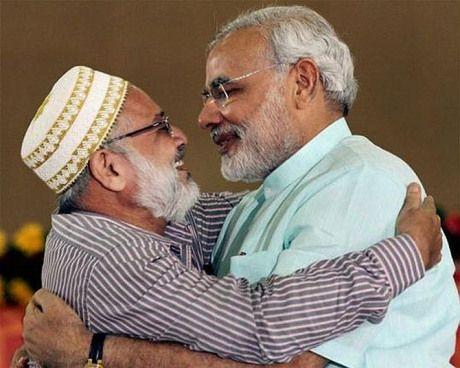
liberal fascism ftw !

a liberal hindutvo- islamist fascist secularism !

01modi1.jpg
 
Analyze

Analyze Post

Add your ideas here:
Highlight Cite Respond

An American Mother’s Bold Move: 8 Reasons India Is Better for Her Children​

Story by Noopur Kumari
• 5d•
5 min read

1746003957361.webp

People expect me to respond with something like "it's cheaper" or "we have family there" when they ask me why I abandoned the American dream to raise my children in India. However, the reality is far more profound. As a mother, I yearned for a home where my kids would be loved, grounded, and genuinely happy—not simply prosperous. In India, I discovered that location. Even though it wasn't a simple choice, it was the most rewarding one. For the following eight reasons, I think my kids will develop more emotionally, culturally, and spiritually in India than they might in the US.


1. Stronger Family Bonds and Support System​


Unlike in the West, where kids often grow up isolated in nuclear units, India offers a built-in village that holds your child when you can't.

Unlike in the West, where kids often grow up isolated in nuclear units, India offers a built-in village that holds your child when you can't.
Family is more than just blood in India; it's a heartbeat that permeates every second. My children are being raised by cousins, grandparents, uncles, and aunts who care for them as if they were their own. It can be found in the meals spent together, the stories Dadi tells at bedtime, and the life lessons that are murmured in private. This is a community raising a child with love, values, and happiness, not just parenting. When we need it most, India gives our kids a village—a real, breathing haven of love—in contrast to the peaceful nooks and crannies of nuclear life in the West.

2. Cultural Roots and Identity That Ground Them​


It’s something they could never get from occasional weekend classes in the U.S.

It’s something they could never get from occasional weekend classes in the U.S.
My children are surrounded by Indian customs on a daily basis, so they don't only learn about them. They experience the blessings of elders, the warmth of Diwali diyas, the sacred tie of Raksha Bandhan, and the cadence of age-old customs. These are soul memories being created, not only traditions. Their hearts are woven with pride, identity, and ingrained principles by every celebration and prayer. There is a bond and a sense of belonging that no weekend course elsewhere could ever replicate. It's heart, home, and heritage—all lived, not merely learnt.


3. A Simpler, More Grateful Life​


They’ve learned to be content with less and grateful for more, something I found hard to instill back in the States.

They’ve learned to be content with less and grateful for more, something I found hard to instill back in the States.
India has given my kids a valuable gift: joy that is unaffected by price tags or screens. Muddy puddles, mango-stained faces, and the excitement of barefoot tree climbing are all sources of delight for them here. They no longer plead for devices or toys. Rather, they pursue laughter and butterflies. Where I formerly found it difficult to impart contentment, they have embraced the magic in the little things. Their hearts, as well as mine, now include gratitude. This country, with all its charm and volatility, has taught us the value of living simply.

4. Safety and Emotional Freedom​


In India, safety isn’t just about crime rates—it’s about the emotional safety net that the community provides.

In India, safety isn’t just about crime rates—it’s about the emotional safety net that the community provides.
Here, I breathe easier. I don’t wake up each morning haunted by fear—fear that school might mean sirens, drills, or headlines. Here, children still play in open lanes, giggling as they chase each other, their laughter echoing through familiar streets. Neighbors are more than just faces—they’re guardians, a circle of care. A shopkeeper waves, a friend’s mother offers lunch. In India, safety wraps around you quietly—not just in numbers, but in the warmth of community, in knowing that someone, somewhere, always has your child’s back. That’s peace. That’s home.

5. Less Pressure, More Childhood​


In India, childhood still means muddy knees, afternoon naps, and carefree laughter . My kids can be kids for a little longer here.

In India, childhood still means muddy knees, afternoon naps, and carefree laughter . My kids can be kids for a little longer here.
I saw my 6-year-old bear the silent weight of competition back in the United States—flashcards, rankings, and the pressure to be "ahead." Too soon, it took the gleam out of his eyes. However, childhood feels precious once more here in India. Stories of adventures, not failures, are told by muddy knees. After-school worry is replaced by afternoon sleep. Laughter fills the air, not deadlines. My kids live leisurely, imagine big dreams, and breathe freely. They are free to just be here; they are not in a haste to mature. And I've discovered a serene, lovely tranquillity in that.


6. Spiritual Wisdom From Everyday Life​


Spirituality is woven into daily life, not reserved for Sundays.

Spirituality is woven into daily life, not reserved for Sundays.
Every sunrise in India is infused with spirituality. It's in the chants that reverberate quietly through tiny pathways, the smell of Agarbatti, and the temple bells. Not only are my children learning traditions, but they are also learning compassion, serenity, and the silent bravery of surrender. A straightforward aarti is transformed into a Ramayana tale, an instruction in thanks, and a manual for inner power. Here, faith isn't planned; rather, it permeates daily existence like a holy river. They're learning how to feel, connect, and just be at every little moment, in addition to how to think.


7. Diverse Friendships and Deep Empathy​


it’s celebrated. And that’s teaching them empathy in the most natural way possible.

it’s celebrated. And that’s teaching them empathy in the most natural way possible.
My kids are growing up in the middle of Indian playgrounds and classrooms, learning not only language and algebra but also the real meaning of humanity. They share more than just lunchboxes; they share tales, laughter, and love with friends from all walks of life, regardless of their language, religion, or class. They now understand that being different does not imply being far away. They are developing into kindhearted individuals who put their feelings before their judgments as they celebrate Diwali, Eid, Christmas, and Pongal together. Their hearts are being shaped with empathy by this everyday harmony, which is making them kinder citizens in a world that is incredibly different.


8. Freedom to Grow Into Their Own Person​


There’s more space to be creative, quirky, and spiritual —and less pressure to be “popular” or “perfect.” They are growing up real, not filtered.

There’s more space to be creative, quirky, and spiritual —and less pressure to be “popular” or “perfect.” They are growing up real, not filtered.
I have seen my children flourish in India, unhindered by filters or the need to blend in. They aren't pushed into molds or held to unachievable standards here. They speak their truth with unwavering confidence, laugh louder, and dream bigger. Spirituality, silliness, messiness, and magic are all acceptable. Avoid making comparisons all the time. No need to be flawless or well-liked. Just space to develop—truly, deeply. Every day, I am filled with thankfulness as I watch them grow into who they are rather than what others want them to be. They're really maturing.


Choosing Love Over Labels​

Some may call me brave, others might call me crazy. But this decision wasn’t about rebellion—it was about returning to what truly matters. Raising kids in India has brought us closer to our roots, our hearts, and each other. Here, my children aren’t just surviving—they’re thriving in every way that counts. And that, to me, is success.

Explore the latest trends and tips in Health & Fitness, Travel, Life Hacks, Fashion & Beauty, and Relationships at Times Life!


An American Mother’s Bold Move: 8 Reasons India Is Better for Her Children​

Story by Noopur Kumari
• 5d•
5 min read

1746004087927.webp

People expect me to respond with something like "it's cheaper" or "we have family there" when they ask me why I abandoned the American dream to raise my children in India. However, the reality is far more profound. As a mother, I yearned for a home where my kids would be loved, grounded, and genuinely happy—not simply prosperous. In India, I discovered that location. Even though it wasn't a simple choice, it was the most rewarding one. For the following eight reasons, I think my kids will develop more emotionally, culturally, and spiritually in India than they might in the US.


1. Stronger Family Bonds and Support System​


Unlike in the West, where kids often grow up isolated in nuclear units, India offers a built-in village that holds your child when you can't.

Unlike in the West, where kids often grow up isolated in nuclear units, India offers a built-in village that holds your child when you can't.
Family is more than just blood in India; it's a heartbeat that permeates every second. My children are being raised by cousins, grandparents, uncles, and aunts who care for them as if they were their own. It can be found in the meals spent together, the stories Dadi tells at bedtime, and the life lessons that are murmured in private. This is a community raising a child with love, values, and happiness, not just parenting. When we need it most, India gives our kids a village—a real, breathing haven of love—in contrast to the peaceful nooks and crannies of nuclear life in the West.

2. Cultural Roots and Identity That Ground Them​


It’s something they could never get from occasional weekend classes in the U.S.

It’s something they could never get from occasional weekend classes in the U.S.
My children are surrounded by Indian customs on a daily basis, so they don't only learn about them. They experience the blessings of elders, the warmth of Diwali diyas, the sacred tie of Raksha Bandhan, and the cadence of age-old customs. These are soul memories being created, not only traditions. Their hearts are woven with pride, identity, and ingrained principles by every celebration and prayer. There is a bond and a sense of belonging that no weekend course elsewhere could ever replicate. It's heart, home, and heritage—all lived, not merely learnt.


3. A Simpler, More Grateful Life​


They’ve learned to be content with less and grateful for more, something I found hard to instill back in the States.

They’ve learned to be content with less and grateful for more, something I found hard to instill back in the States.
India has given my kids a valuable gift: joy that is unaffected by price tags or screens. Muddy puddles, mango-stained faces, and the excitement of barefoot tree climbing are all sources of delight for them here. They no longer plead for devices or toys. Rather, they pursue laughter and butterflies. Where I formerly found it difficult to impart contentment, they have embraced the magic in the little things. Their hearts, as well as mine, now include gratitude. This country, with all its charm and volatility, has taught us the value of living simply.

4. Safety and Emotional Freedom​


In India, safety isn’t just about crime rates—it’s about the emotional safety net that the community provides.

In India, safety isn’t just about crime rates—it’s about the emotional safety net that the community provides.
Here, I breathe easier. I don’t wake up each morning haunted by fear—fear that school might mean sirens, drills, or headlines. Here, children still play in open lanes, giggling as they chase each other, their laughter echoing through familiar streets. Neighbors are more than just faces—they’re guardians, a circle of care. A shopkeeper waves, a friend’s mother offers lunch. In India, safety wraps around you quietly—not just in numbers, but in the warmth of community, in knowing that someone, somewhere, always has your child’s back. That’s peace. That’s home.

5. Less Pressure, More Childhood​


In India, childhood still means muddy knees, afternoon naps, and carefree laughter . My kids can be kids for a little longer here.

In India, childhood still means muddy knees, afternoon naps, and carefree laughter . My kids can be kids for a little longer here.
I saw my 6-year-old bear the silent weight of competition back in the United States—flashcards, rankings, and the pressure to be "ahead." Too soon, it took the gleam out of his eyes. However, childhood feels precious once more here in India. Stories of adventures, not failures, are told by muddy knees. After-school worry is replaced by afternoon sleep. Laughter fills the air, not deadlines. My kids live leisurely, imagine big dreams, and breathe freely. They are free to just be here; they are not in a haste to mature. And I've discovered a serene, lovely tranquillity in that.


6. Spiritual Wisdom From Everyday Life​


Spirituality is woven into daily life, not reserved for Sundays.

Spirituality is woven into daily life, not reserved for Sundays.
Every sunrise in India is infused with spirituality. It's in the chants that reverberate quietly through tiny pathways, the smell of Agarbatti, and the temple bells. Not only are my children learning traditions, but they are also learning compassion, serenity, and the silent bravery of surrender. A straightforward aarti is transformed into a Ramayana tale, an instruction in thanks, and a manual for inner power. Here, faith isn't planned; rather, it permeates daily existence like a holy river. They're learning how to feel, connect, and just be at every little moment, in addition to how to think.


7. Diverse Friendships and Deep Empathy​


it’s celebrated. And that’s teaching them empathy in the most natural way possible.

it’s celebrated. And that’s teaching them empathy in the most natural way possible.
My kids are growing up in the middle of Indian playgrounds and classrooms, learning not only language and algebra but also the real meaning of humanity. They share more than just lunchboxes; they share tales, laughter, and love with friends from all walks of life, regardless of their language, religion, or class. They now understand that being different does not imply being far away. They are developing into kindhearted individuals who put their feelings before their judgments as they celebrate Diwali, Eid, Christmas, and Pongal together. Their hearts are being shaped with empathy by this everyday harmony, which is making them kinder citizens in a world that is incredibly different.


8. Freedom to Grow Into Their Own Person​


There’s more space to be creative, quirky, and spiritual —and less pressure to be “popular” or “perfect.” They are growing up real, not filtered.

There’s more space to be creative, quirky, and spiritual —and less pressure to be “popular” or “perfect.” They are growing up real, not filtered.
I have seen my children flourish in India, unhindered by filters or the need to blend in. They aren't pushed into molds or held to unachievable standards here. They speak their truth with unwavering confidence, laugh louder, and dream bigger. Spirituality, silliness, messiness, and magic are all acceptable. Avoid making comparisons all the time. No need to be flawless or well-liked. Just space to develop—truly, deeply. Every day, I am filled with thankfulness as I watch them grow into who they are rather than what others want them to be. They're really maturing.


Choosing Love Over Labels​

Some may call me brave, others might call me crazy. But this decision wasn’t about rebellion—it was about returning to what truly matters. Raising kids in India has brought us closer to our roots, our hearts, and each other. Here, my children aren’t just surviving—they’re thriving in every way that counts. And that, to me, is success.

Explore the latest trends and tips in Health & Fitness, Travel, Life Hacks, Fashion & Beauty, and Relationships at Times Life!


Attachments

  • 1746003957369.webp
    1746003957369.webp
    72 bytes · Views: 23
  • 1746004027770.webp
    1746004027770.webp
    72 bytes · Views: 22
  • 1746004027778.webp
    1746004027778.webp
    72 bytes · Views: 21
Analyze

Analyze Post

Add your ideas here:
Highlight Cite Respond

Latest Posts

Back
PKDefense - Recommended Toggle