Bangladesh Defense

Saif
Senior Member
- Joined
- Jan 24, 2024
- Messages
- 22,367
- Likes
- 9,875
- Nation

- Axis Group

Relief for sweater makers as NBR eases yarn import restrictions
Staff Correspondent . Dhaka
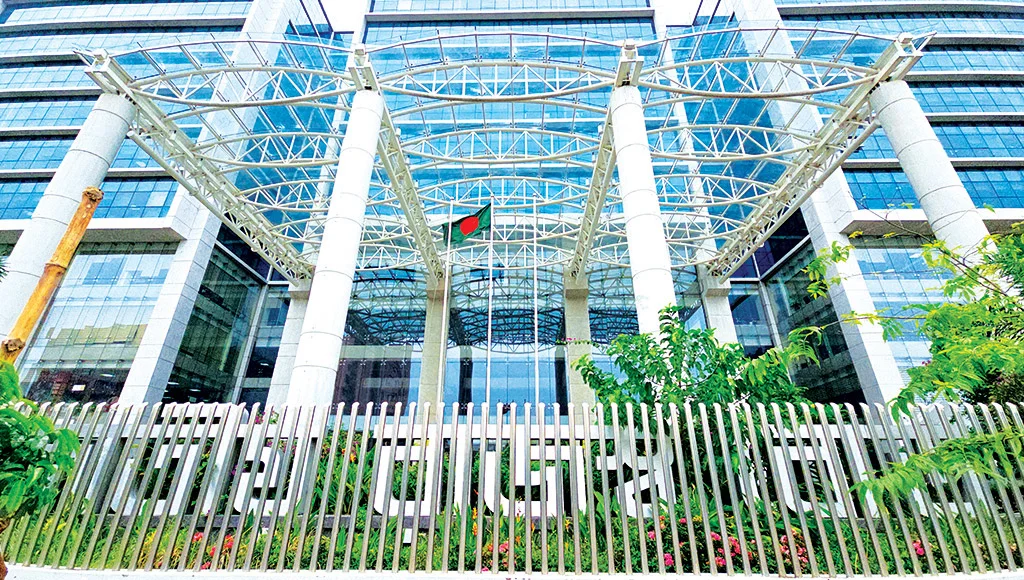
NBR headquarters at Agargaon in Dhaka. | New Age photo.
The National Board of Revenue has clarified that restrictions on bonded imports of 10-30 count cotton yarn apply only to single-count yarn, not double-count yarn, essential for sweater production, bringing some relief to manufacturers concerned about raw material shortages.
In an order issued on Thursday, the NBR specified that 10-30 count cotton yarn under HS headings 5205, 5206 and 5207 of the Bangladesh Customs Tariff refers to single-count yarn.
The clarification followed amendments to earlier orders withdrawing bonded warehouse facilities for imports of the specified yarn, not distinguishing between single- or double-count.
The NBR said the clarification followed recommendations from an inter-ministerial committee formed to address problems in the textile industry and protect local industries while ensuring raw material supplies for genuine exporters.
Bangladesh Knitwear Manufacturers and Exporters Association President Mohammad Hatem told New Age that although the clarification had provided some relief to sweater makers, it did not fully address the industry’s concerns or compensate for the losses already incurred.
He said that double-count yarn was essential for sweater production but was not manufactured in Bangladesh. The earlier restrictions had caused significant losses across the export sector. Following the clarification, imports of double-count yarn had been cleared and released.
The NBR’s September 7 order withdrew bonded import facilities for 10–30 count cotton yarn, requiring exporters to provide bank guarantees to import the yarn, subject to certification by relevant trade bodies, with the guarantees to be released after exports.
But following objections from manufacturers, the commerce ministry asked the NBR on September 13 to suspend the decision for review.
However, the NBR issued another order on October 14, retaining the restrictions.
The restriction was imposed to protect local textile mills and prevent misuse of the bonded facility, under which export-oriented manufacturers can import raw materials duty-free.
The Bangladesh Garment Manufacturers and Exporters Association and the BKMEA sought prime minister’s intervention in a joint letter sent on October 15, saying that the measure was disrupting raw material supplies and increasing production costs for export-oriented factories.
They argued that the restrictions could undermine production and export competitiveness by making it more difficult for manufacturers to obtain the yarn required to fulfil orders.
The Bangladesh Textile Mills Association, however, urged the government to retain the restrictions, saying they would protect domestic investment, prevent misuse of bonded facilities and ensure fair competition.
In a statement on October 18, the BTMA said policy decisions should take into account the $32 billion invested in the primary textile sector.
The controversy has also raised concerns among investors in export processing zones, whose factories rely on timely access to imported raw materials to fulfil export orders.
In a letter dated October 26, the Bangladesh EPZ Investors’ Association urged the Bangladesh Export Processing Zones Authority to seek written clarification from the NBR on whether the restrictions applied to approved EPZ enterprises.
In the letter, BEPZIA President Shahadat Musharraf Khan said uncertainty over the orders and their implementation had raised concerns about raw material supplies, working capital and the fulfilment of export commitments.
The association said EPZ investors had made investment decisions based on the existing legal framework and facilities administered by BEPZA, including duty-free imports of qualifying raw materials for approved export production.
BEPZIA urged the authority to seek written clarification from the NBR on the legal position of the restrictions in relation to the EPZ framework.
The association warned that applying the restrictions to EPZ factories could disrupt production, delay exports and undermine investor confidence.
Additional bank-guarantee requirements could tie up working capital, increase financing costs and delay customs clearance, potentially exposing exporters to claims from international buyers. Prolonged disruption, it added, could result in order cancellations, production cuts, layoffs and labour unrest, threatening workers’ livelihoods and the wider EPZ community.
BEPZIA proposed retaining existing import facilities for eligible EPZ enterprises, arranging interim clearance of yarn consignments and protecting existing letters of credit and confirmed export orders.
It also called for an urgent meeting involving BEPZA, the NBR, customs authorities and the association to agree on procedures and ensure consistent implementation through ASYCUDA World, the customs data system.
Staff Correspondent . Dhaka
NBR headquarters at Agargaon in Dhaka. | New Age photo.
The National Board of Revenue has clarified that restrictions on bonded imports of 10-30 count cotton yarn apply only to single-count yarn, not double-count yarn, essential for sweater production, bringing some relief to manufacturers concerned about raw material shortages.
In an order issued on Thursday, the NBR specified that 10-30 count cotton yarn under HS headings 5205, 5206 and 5207 of the Bangladesh Customs Tariff refers to single-count yarn.
The clarification followed amendments to earlier orders withdrawing bonded warehouse facilities for imports of the specified yarn, not distinguishing between single- or double-count.
The NBR said the clarification followed recommendations from an inter-ministerial committee formed to address problems in the textile industry and protect local industries while ensuring raw material supplies for genuine exporters.
Bangladesh Knitwear Manufacturers and Exporters Association President Mohammad Hatem told New Age that although the clarification had provided some relief to sweater makers, it did not fully address the industry’s concerns or compensate for the losses already incurred.
He said that double-count yarn was essential for sweater production but was not manufactured in Bangladesh. The earlier restrictions had caused significant losses across the export sector. Following the clarification, imports of double-count yarn had been cleared and released.
The NBR’s September 7 order withdrew bonded import facilities for 10–30 count cotton yarn, requiring exporters to provide bank guarantees to import the yarn, subject to certification by relevant trade bodies, with the guarantees to be released after exports.
But following objections from manufacturers, the commerce ministry asked the NBR on September 13 to suspend the decision for review.
However, the NBR issued another order on October 14, retaining the restrictions.
The restriction was imposed to protect local textile mills and prevent misuse of the bonded facility, under which export-oriented manufacturers can import raw materials duty-free.
The Bangladesh Garment Manufacturers and Exporters Association and the BKMEA sought prime minister’s intervention in a joint letter sent on October 15, saying that the measure was disrupting raw material supplies and increasing production costs for export-oriented factories.
They argued that the restrictions could undermine production and export competitiveness by making it more difficult for manufacturers to obtain the yarn required to fulfil orders.
The Bangladesh Textile Mills Association, however, urged the government to retain the restrictions, saying they would protect domestic investment, prevent misuse of bonded facilities and ensure fair competition.
In a statement on October 18, the BTMA said policy decisions should take into account the $32 billion invested in the primary textile sector.
The controversy has also raised concerns among investors in export processing zones, whose factories rely on timely access to imported raw materials to fulfil export orders.
In a letter dated October 26, the Bangladesh EPZ Investors’ Association urged the Bangladesh Export Processing Zones Authority to seek written clarification from the NBR on whether the restrictions applied to approved EPZ enterprises.
In the letter, BEPZIA President Shahadat Musharraf Khan said uncertainty over the orders and their implementation had raised concerns about raw material supplies, working capital and the fulfilment of export commitments.
The association said EPZ investors had made investment decisions based on the existing legal framework and facilities administered by BEPZA, including duty-free imports of qualifying raw materials for approved export production.
BEPZIA urged the authority to seek written clarification from the NBR on the legal position of the restrictions in relation to the EPZ framework.
The association warned that applying the restrictions to EPZ factories could disrupt production, delay exports and undermine investor confidence.
Additional bank-guarantee requirements could tie up working capital, increase financing costs and delay customs clearance, potentially exposing exporters to claims from international buyers. Prolonged disruption, it added, could result in order cancellations, production cuts, layoffs and labour unrest, threatening workers’ livelihoods and the wider EPZ community.
BEPZIA proposed retaining existing import facilities for eligible EPZ enterprises, arranging interim clearance of yarn consignments and protecting existing letters of credit and confirmed export orders.
It also called for an urgent meeting involving BEPZA, the NBR, customs authorities and the association to agree on procedures and ensure consistent implementation through ASYCUDA World, the customs data system.