Bangladesh Defense

Saif
Senior Member
- Joined
- Jan 24, 2024
- Messages
- 22,172
- Likes
- 9,869
- Nation

- Axis Group

Protecting RMG workers from heat stress
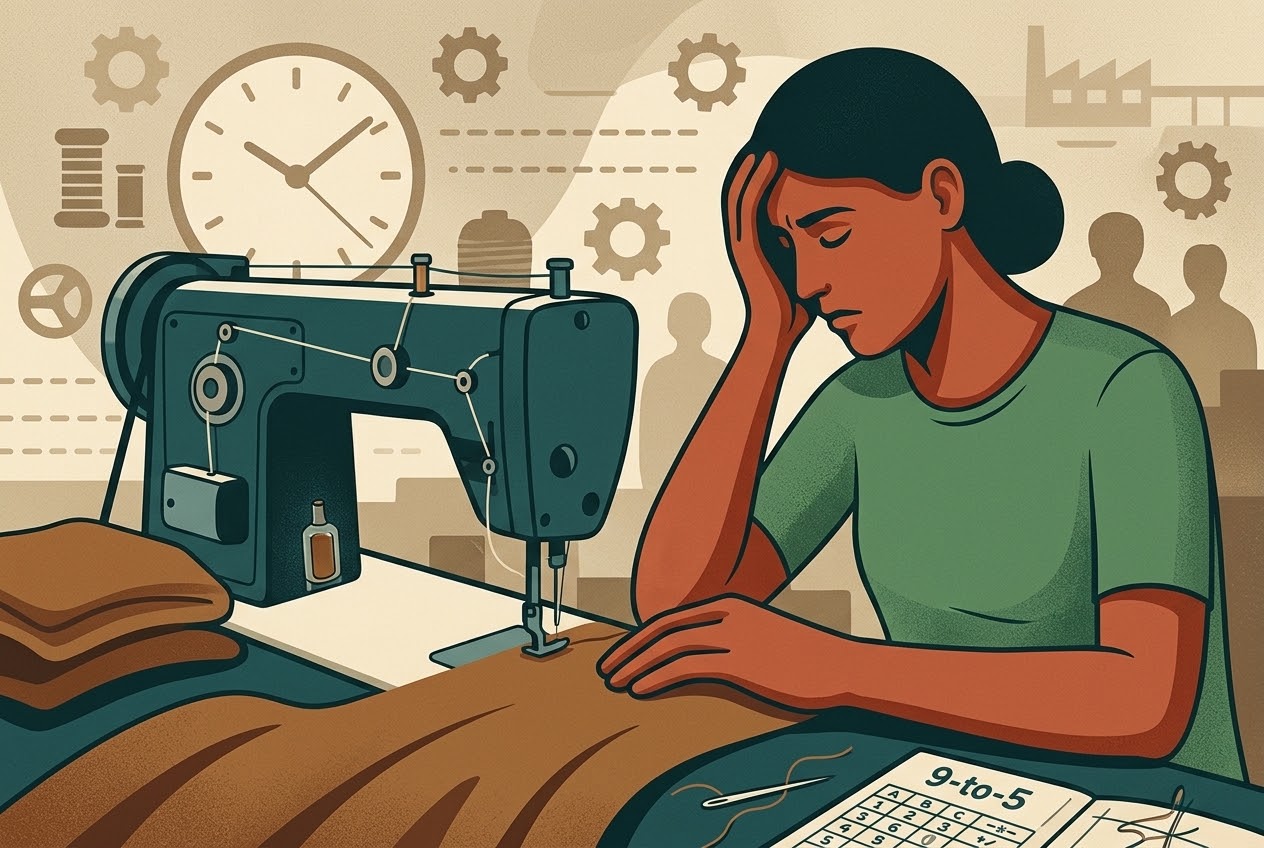
The growing intensity of heat in Bangladesh is no longer confined to climate discussions alone. Now, it is showing up on production floors of the country's most important export industry. A study on this issue conducted by the US-based Cornell University's Global Labor Institute (GLI) along with lo
Protecting RMG workers from heat stress
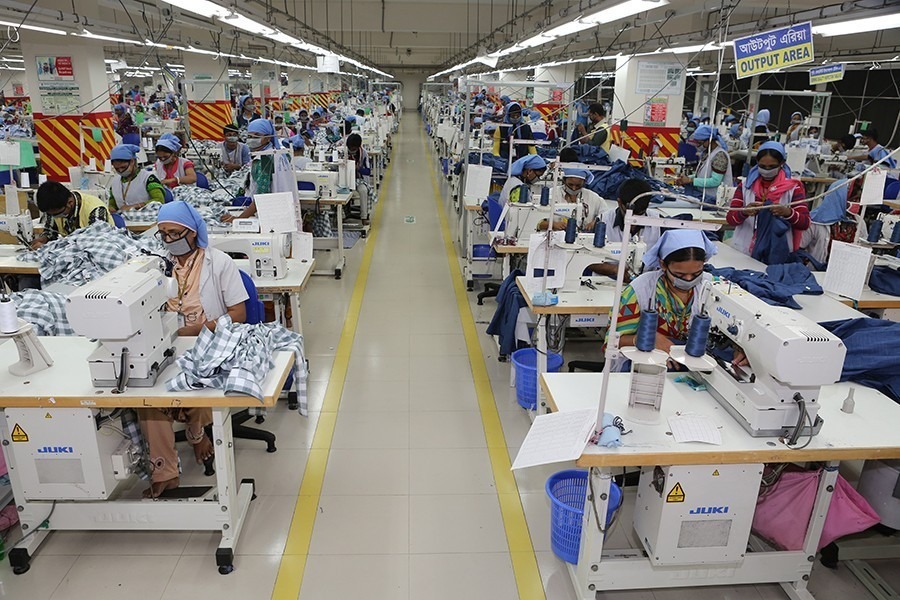
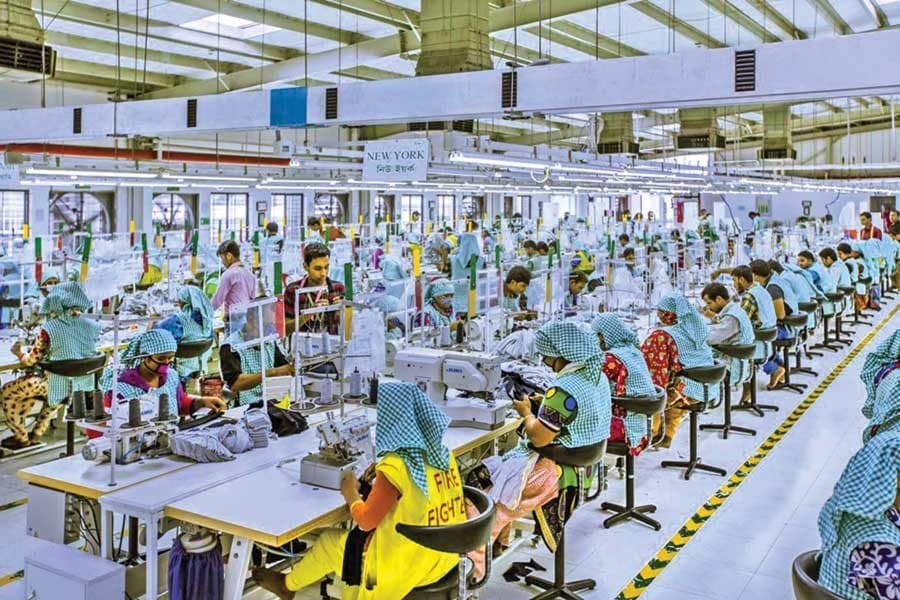
The growing intensity of heat in Bangladesh is no longer confined to climate discussions alone. Now, it is showing up on production floors of the country's most important export industry. A study on this issue conducted by the US-based Cornell University's Global Labor Institute (GLI) along with local partners, reportedly, is no doubt well-timed. Based on data from eight garment factories around Dhaka and workers' homes, the study found that the heat-stress season in 2025 expanded to seven months as a 'new norm'. But factory temperatures were often worse. Most exposed were workers in cutting, ironing and finishing sections in the hottest months. Obviously, a worker suffering from heat exhaustion, dehydration, headache or fatigue cannot maintain normal pace of work for hours. So, what might appear to factory owners as a workplace-comfort issue is actually one that involves workers' health and safety.
What makes the Cornell study noteworthy is that it translates the cost of heat stress into the language businesses understand-the loss of output and earnings-and shows spending on adaptation is not money thrown away. One representative small-and-medium-sized factory under study was estimated to lose 4.1 per cent of its annual revenue to high heat. Whereas, as the study noted, an industry-wide investment of around US$239 million, equivalent to a tiny fraction of Bangladesh's annual export earnings, could substantially reduce factory heat stress. The suggested measures include roof insulation, reflective coating, better ventilation, improved airflow and mechanical cooling, which might be used to meet specific needs. In fact, there is no one-size-fit-all solution to heat stress. The investment made for the cooling, however, can be recovered within one to four years through productivity gains. So, with temperatures rising, can an export industry dependent on millions of workers afford not to make such investments?
However, it would be unfair to place the entire cost burden on garment manufacturers, operating under intense price pressure from international buyers. The global brands whose supply chains benefit from Bangladesh's comparatively low production costs cannot ask suppliers to meet higher climate and labour standards while refusing to share costs. What is required, therefore, is a framework involving brands, manufacturers, government and international development partners to mobilise finance for heat adaptation, set enforceable workplace heat standards and monitor implementation. Such a framework should also look beyond factory gates. The study mentioned above has found workers facing heat stress also at their homes. That limits recovery after long working hours forcing additional spending on fans, electricity and medicine. In that case, safe housing, affordable electricity, social protection and commensurate wages become part of climate adaptation. Women workers, including pregnant and nursing mothers, and their children, are exposed to health risks during extreme heat. They need targeted protection and accessible healthcare.
There is no reason why such adaptive measures should remain confined to the RMG sector. Garment factories provide a visible example of what rising temperatures are doing to labour productivity across the economy. Workers in other manufacturing industries, warehouses, construction sites, transport services and informal workplaces are no less exposed, though their losses often remain unmeasured. The government should, therefore, treat occupational heat stress as an emerging national workplace hazard and develop sector-specific standards involving heat monitoring, rest breaks, drinking water, ventilation, cooling and emergency medical response. Incentives, concessional finance and technical support could help smaller enterprises make necessary changes without threatening viability. At the same time, industrial buildings and workers' residential areas need also to be brought within a wider heat-resilience strategy. Indeed, the Cornell University study shows that properly designed adaptation measures can protect workers' health and return the investment. So, industry leaders and policymakers should act fast before high heat exacts a still heavier price on life and the economy.