| Global Defense, OSINT & Geopolitics Wire

[🇧🇩] Textile & RMG Industry of Bangladesh

[🇧🇩] Textile & RMG Industry of Bangladesh
582
31K
More threads by Saif

G Bangladesh Defense

Bangladesh's denim exports to EU rise 12.71pc in August

BSS

1792885115587.webp

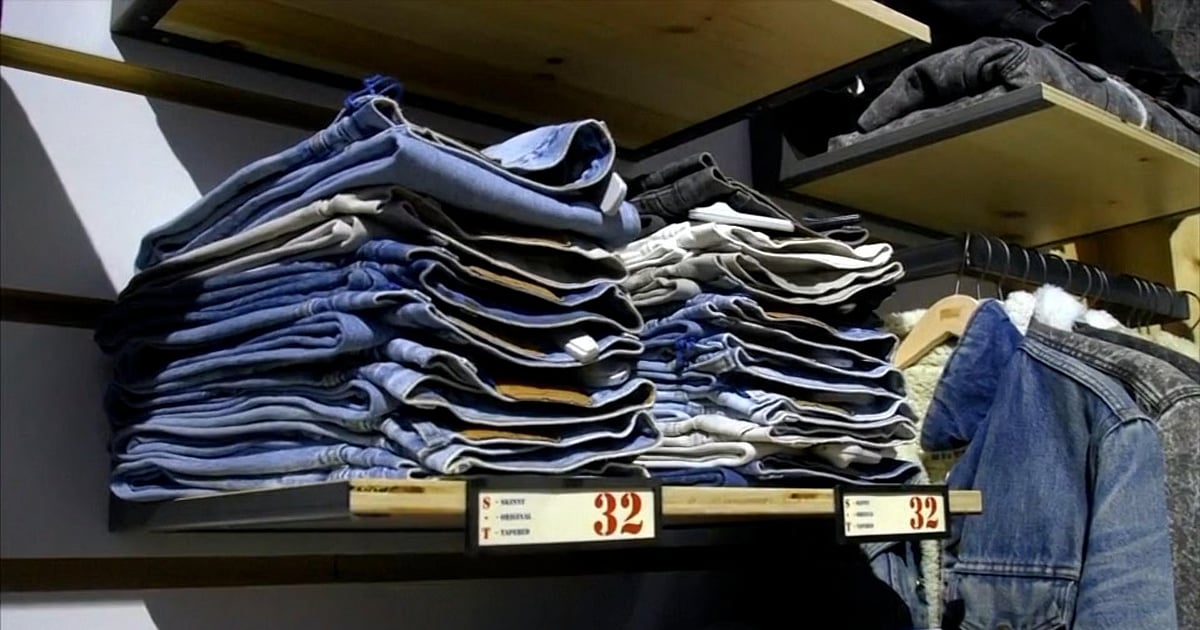
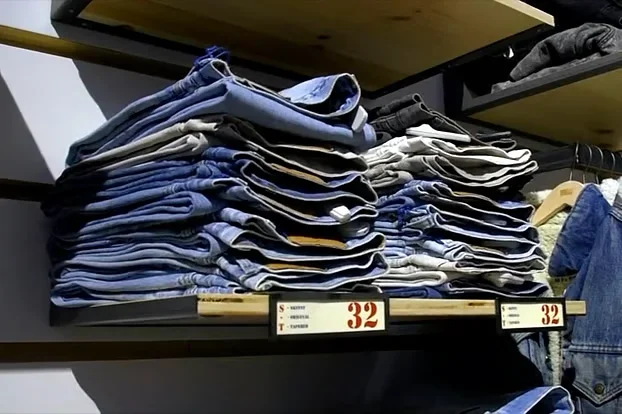
Denim jeans Reuters

Bangladesh's denim exports to the European Union grew 12.71 per cent year-on-year in August 2026 to 134.08 million euros, from 118.96 million euros a year earlier, according to Eurostat data.

The August growth outpaced the overall market, as total EU denim imports from the world rose 11.23 per cent to 430.16 million euros. Bangladesh's share of the EU's August imports stood at about 31.2 per cent, up from about 30.8 per cent a year earlier.

Over January-August, however, Bangladesh's shipments fell 5.85 per cent to 869.13 million euros from 923.11 million euros, a drop of about 54 million euros. The decline was sharper than the overall market's 4.40 per cent fall to 2,956.21 million euros.

As a result, Bangladesh's eight-month market share slipped to 29.40 per cent from about 29.9 per cent a year earlier. It nonetheless remained the EU's largest denim supplier, well ahead of Pakistan, by about 344 million euros.

Pakistan, the second-largest supplier, saw August exports grow 14.99 per cent to 87.71 million euros, but its January-August shipments fell 7.88 per cent to 525.49 million euros, a 17.78 per cent share.

Turkey, the third-largest, was hit hardest. Its August exports fell 13.26 per cent to 58.84 million euros, and its eight-month exports dropped 21.08 per cent to 438.25 million euros, a 14.82 per cent share.

Tunisia's eight-month exports fell 6.44 per cent to 219.94 million euros, while Cambodia's declined 6.47 per cent to 144.83 million euros. Morocco fell 14.48 per cent to 63.87 million euros.

Egypt was the standout, with exports up 59.57 per cent in August to 30.67 million euros and up 31.46 per cent over eight months to 188.14 million euros, for a 6.36 per cent share. China's exports rose 17.70 per cent over eight months to 197.13 million euros, giving it a 6.67 per cent share.

Vietnam and India, though small, posted strong growth. Vietnam's eight-month exports rose 45.38 per cent to 53.98 million euros, and India's rose 18.62 per cent to 31.40 million euros.

Bangladesh's eight-month decline was milder than that of Pakistan, Turkey, Tunisia, Cambodia and Morocco.

Talking to BSS, former Director of BGMEA Mohiuddin Rubel said Bangladesh has maintained a strong position in the European Union (EU) denim market despite an overall decline in apparel imports, thanks to its well-established supply chain, skilled workforce and technological capabilities.

He said Bangladesh had developed a strong foundation in denim manufacturing over many years, enabling the country to remain competitive in major markets, including Europe and the United States.

“Bangladesh has a strong supply chain base that has developed over many years. We have built expertise in technicians, technology and other areas of production,” Rubel said.

He said the country could further strengthen its position by shifting from volume-based production towards higher-value products, expanding value addition and adopting innovative technologies.

Although Bangladesh does not produce cotton, its strong fabric manufacturing capacity and established industrial base provide significant opportunities to upgrade denim products and increase export earnings, he added.

Rubel said the current slowdown in the European apparel market had affected exporters across countries, largely due to inflation, weaker imports and energy-related challenges.

Despite the difficult market conditions, Bangladesh continued to hold the leading position in the EU denim segment, with a substantial gap between the country and its nearest competitor, he said.

Rubel also stressed the importance of preparing for evolving EU trade rules, Generalised Scheme of Preferences (GSP) requirements and the European Green Deal.

Bangladesh should therefore focus on higher-value products, technological upgrading, innovation and compliance with emerging sustainability requirements to sustain its long-term growth in the global denim industry, he added.​
 

President stresses improved textile education to reduce reliance on foreign experts


1792971064319.webp


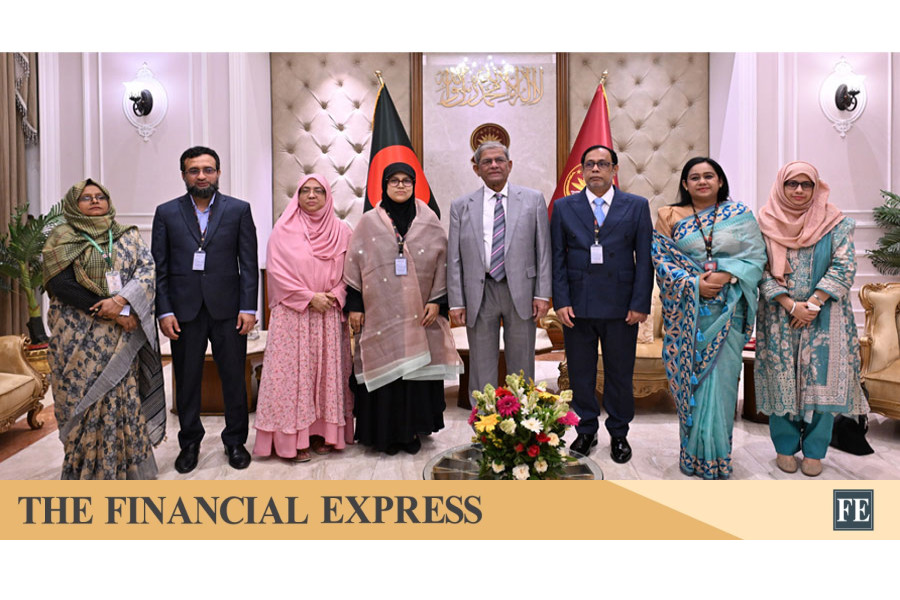
President Mirza Fakhrul Islam Alamgir on Sunday stressed the need to improve textile education and research to produce internationally competitive engineers and specialists and reduce the sector’s dependence on foreign experts.

He made the remarks when a seven-member delegation led by Bangladesh University of Textiles (BUTEX) Vice-Chancellor Prof Dr Md Julhas Uddin paid a courtesy call on him at Bangabhaban.

MP from a reserved seat for women and BUTEX alumna Sanjida Islam was also present.

Describing textiles as one of the country’s major economic sectors, the president emphasised ensuring suitable employment opportunities at home and abroad for textile graduates.

This would help make proper use of the country’s skilled human resources while earning foreign currency, he said.

The president also underscored the need to increase domestic cotton production to meet the raw material requirements of the textile industry.

He called for taking initiatives to encourage farmers, explore ways to reduce production costs and strengthen coordination between the agriculture and textile sectors.

He further stressed the need for more research into extracting fibres from natural sources, including jute, pineapple leaves and banana plants, alongside the development of synthetic yarn.

During the meeting, the delegation briefed the president on BUTEX’s contributions to the development of the country’s textile and readymade garment industries, as well as its academic and research activities.

They also highlighted several issues requiring attention, including infrastructure development, the establishment of modern laboratories, recruitment of additional staff, the creation of a separate BCS (Textile) cadre, increased budgetary allocations and the allocation of land in Purbachal, Dhaka, for a second campus.

The president listened to their concerns and advised them to contact the relevant ministries to resolve the issues.

He also assured the delegation of his cooperation.

During the meeting, the VC invited the president, also the chancellor of the university, to preside over BUTEX’s second convocation, scheduled for March next year.

The president accepted the invitation and assured the delegation that he would attend the event.

Other members of the delegation included Prof Dr Md Ahsan Habib, dean of the Faculty of Textile Management and Business Studies; Prof Shilpi Akter, dean of the Faculty of Textile Engineering; Prof Dr Hasina Akhtar, dean of the Faculty of Science and Engineering; Prof Dr Rasheda Begum Dina, dean of the Faculty of Textile Chemical Engineering; and Prof Dr Lamia Zahir of the Faculty of Fashion Design and Apparel Engineering.

The president's military secretary, secretary and press secretary were also present at the meeting.​
 

Bangladesh RMG price growth trails rivals in EU, US markets

Moinul Haque . Dhaka

1792974268137.webp

Representational image.

Bangladesh’s apparel unit prices grew more slowly than those of most competing suppliers in the United States and European Union markets over 2016-2025, reflecting the country’s concentration on low-cost products and continued reliance on cotton-based garments.

An analysis of 10-year data of US Department of Commerce’s Office of Textiles and Apparel, and Eurostat show that in the US market, Bangladesh’s unit price rose 8.1 per cent, compared with 10.5 per cent of Vietnam, 28.9 per cent of Cambodia and 8.6 per cent of Indonesia, while China fell 37.1 per cent.

10-yr apparel unit price growth

- In US: Bangladesh 8.1pc, Vietnam 10.5pc, Cambodia 28.9pc


- In EU: Bangladesh 5.9pc, Vietnam 12.2pc, Turkey 19.4pc

In the EU, Bangladesh recorded a 5.9 per cent increase, against 12.2 per cent in Vietnam and 19.4 per cent in Turkey, while China and India posted increases of 2.6 per cent and 1.2 per cent respectively.

Bangladesh began exporting garments to Western markets in 1978-80, while Vietnam’s large-scale entry into the global apparel trade took off in the early 1990s and accelerated after the 2001 US-Vietnam trade agreement.

Despite its later start, Vietnam has overtaken Bangladesh in US apparel export earnings and unit prices and recorded faster unit price growth in the EU, underscoring the importance of product diversification and value addition in boosting export competitiveness.

Data also showed that Bangladesh’s apparel export value to the US increased by 54.2 per cent, from $5.30 billion in 2016 to $8.18 billion in 2025. Shipment volume grew by 42.6 per cent, from 1.861 billion to 2.655 billion square metre equivalents, while the average unit price rose from $2.85 to $3.08 a square metre equivalent.

In the EU, the country’s apparel export value grew by 54.6 per cent, from €12.59 billion to €19.47 billion, while shipment volume increased by 46 per cent, from 9,33,000 tonnes to 1.362 million tonnes. The average unit price rose from €13.49 to €14.29 a kilogram.

Experts said Bangladesh’s apparel exports remained volume-driven because its product range was concentrated in a few items.

They said its image as a mass-scale, lower-value supplier also attracted buyers seeking bulk orders, underscoring the need for product diversification, advanced technology and stronger branding to attract higher-value buyers.

The two datasets use different measurement units: OTEXA records US apparel imports in square metre equivalents, while Eurostat measures EU imports in kilograms.

Bangladesh retained its position as the EU’s second-largest apparel supplier by export value, behind China, throughout the decade. Its share of EU apparel import value increased from 17.4 per cent in 2016 to 20.6 per cent in 2025, the largest percentage-point gain among the six suppliers examined.

Despite the increase, Bangladesh’s EU unit price remained the lowest among the six countries. China’s price rose from €18.63 to €19.12 a kilogram, while India’s increased from €19.51 to €19.74. Türkiye’s climbed from €22.44 to €26.80 and Vietnam’s from €23.94 to €26.85. Cambodia was the only supplier whose price declined, from €17.20 to €16.71 a kilogram.

Vietnam also outperformed Bangladesh in the EU market, increasing its export value by 82.9 per cent, shipment volume by 63.1 per cent and unit price by 12.2 per cent.

In the US, Bangladesh remained the third-largest supplier among the six countries examined. Its share of total apparel import value rose from 6.6 per cent in 2016 to 10.5 per cent in 2025.

Although Bangladesh’s US unit price remained below the six-country average, the gap narrowed from about 6 per cent in 2016 to less than 2 per cent in 2025. Its 2025 price of $3.08 per square metre equivalent was lower than Indonesia’s $4.03, Vietnam’s $3.56 and India’s $3.46, but slightly higher than Cambodia’s $3.06 and substantially higher than China’s $1.57.

Centre for Policy Dialogue research director Khondaker Golam Moazzem told New Age on October 8 that Bangladesh’s apparel export growth remained predominantly volume-driven because its product basket was highly concentrated, despite some diversification over the years.

Around 70 per cent of the country’s apparel exports, he said, were concentrated in five major products, including T-shirts and trousers.

Rival countries offered a more diverse range of medium- and high-value products, enabling them to secure higher unit prices, Moazzem said.

Bangladesh’s image as a mass-scale, lower-value supplier also attracted buyers seeking large-volume orders rather than higher-value products, he said.

Moazzem said the government and businesses needed coordinated efforts to diversify the products, adopt advanced technologies, strengthen environmental and social compliance, and improve country and product branding to attract buyers willing to pay higher prices.

Bangladesh Knitwear Manufacturers and Exporters Association Executive President Fazle Shamim Ehsan said Bangladesh lagged behind Vietnam in product prices and value addition, as Vietnam’s greater use of man-made fibres, compared with Bangladesh’s reliance on natural fibres, allowed it to produce higher-value garments.

‘Vietnam also enjoys a logistical advantage, with shipments reaching destinations about 20 days earlier than ours. The advantage enables Vietnamese manufacturers to undertake more value-added work and secure better prices, while Bangladesh continues to lag behind in unit prices,’ he said.​
 

HSBC, BGMEA to host apparel roadshow in Hong Kong

Staff Correspondent . Dhaka

HSBC Bangladesh and the Bangladesh Garment Manufacturers and Exporters Association would organise the Bangladesh Apparel Roadshow in Hong Kong on October 28 to showcase the country’s expanding apparel manufacturing capabilities and explore new opportunities for international trade and investment.

In collaboration with the Consulate General of Bangladesh in Hong Kong, the event would bring together global buyers, sourcing partners and industry stakeholders to highlight Bangladesh’s progress in product diversification, technical apparel, innovation and sustainable manufacturing, said a press release.

As one of the world’s leading apparel-exporting countries, Bangladesh is working to strengthen its position in the global value chain amid changing international sourcing strategies and evolving market dynamics.

The roadshow would provide a platform to showcase the sector’s growing capabilities and promote deeper international trade and business collaboration.

HSBC Bangladesh CEO Md Mahbub ur Rahman and BGMEA President Mahmud Hasan Khan would co-host the event.

Meanwhile, in a recent press conference, Mahmud Hasan Khan said that the roadshow would help connect Bangladeshi manufacturers directly with international buyers and investors and promote higher-value products and long-term business partnerships.

He said that Hong Kong, a major Asian financial hub and a strategic centre of global supply chains, offered an important platform for showcasing Bangladesh’s apparel manufacturing capabilities.

The roadshow would highlight manufacturers’ capabilities in vertical integration, innovation, sustainability, live product showcases, synthetic materials and technical apparel.

He said that they invited such international brands and buyers that do not usually source products from Bangladesh, with the aim of introducing them to the country’s manufacturing strengths and creating new market opportunities.

Khan also invited domestic and international buyers, brands and other stakeholders to participate in the Bangladesh Apparel Roadshow 2026.

The programme would feature presentations on Bangladesh’s apparel manufacturing capabilities, discussions on the global retail outlook and emerging sourcing trends, a panel discussion and an apparel showcase highlighting innovation and technical apparel, said the HSBC.

Senior officials from HSBC Hong Kong, including Oliver T Jones, Head of Global Network Banking, Hong Kong, would participate in the discussions.

The event aims to facilitate engagement between international buyers and industry stakeholders, encouraging dialogue on emerging business opportunities and the changing requirements of global apparel supply chains.

Through its international network, global trade expertise and longstanding presence in Bangladesh, HSBC supports businesses in navigating international markets and pursuing cross-border growth opportunities.

The roadshow reflects the bank’s commitment to strengthening international business connections and supporting Bangladesh’s participation in global trade.

BGMEA, the apex trade body representing the country’s apparel manufacturers and exporters, would contribute its industry expertise and representation to the initiative.

The collaboration would also highlight the importance of stronger international engagement in promoting product diversification, competitiveness and sustainable long-term growth in Bangladesh’s apparel sector.​
 

Bangladesh retains top denim exporter to Europe; China, India, Vietnam are also ahead

Staff Correspondent


1793065062682.webp

Bangladesh has retained its leading position in denim garment exports to the European Union (EU) File photo

Bangladesh has retained its leading position in denim garment exports to the European Union (EU). However, the country’s denim exports declined in the first eight months of this year (January–August), while exports from competitors such as China, Egypt, Vietnam and India grew rapidly.

According to data from Eurostat, the EU’s statistical office, EU member states imported denim garments worth 2.95 billion euros from countries around the world in the first eight months of this year. This represented a 4.40 per cent decline compared with the same period last year.

Bangladesh’s denim exports to the EU fell more sharply than the bloc’s overall imports.

The country exported denim garments worth 870 million euros in the first eight months of this year, down 5.85 per cent from the same period last year. Bangladesh now accounts for 29.40 per cent of the EU denim garment market.

Pakistan ranks second among denim garment exporters to the EU. The country exported denim worth 530 million euros in the first eight months of this year, a decline of 7.88 per cent compared with the same period last year. Pakistan currently holds a 17.78 per cent share of the EU denim garment market.

Türkiye and Tunisia rank third and fourth, respectively, among denim garment exporters to the EU. Türkiye’s denim garment exports fell by 21 per cent in the first eight months of this year, reaching 440 million euros.

Meanwhile, Tunisia, in Africa, exported denim worth 220 million euros. This represented a 6.44 per cent decline compared with the same period last year.

Competing countries are gaining ground

The figures for the three countries immediately behind Bangladesh in the EU denim export market do not tell the whole story. Four competing countries are rapidly increasing their denim garment exports.

For example, while Bangladesh’s exports fell by nearly 6 per cent in the first eight months of this year, Vietnam’s rose by 45 per cent.

According to Eurostat data, China’s denim garment exports to the EU rose by 17.70 per cent year on year in the first eight months of this year, reaching 200 million euros. China now accounts for 6.67 per cent of the market.

Similarly, Egypt’s denim garment exports to the EU increased by 31.46 per cent to 200 million euros between January and August. Egypt also holds a 6.67 per cent share of the market.

Cambodia and Morocco, which follow in the rankings, recorded declines of 6.47 per cent and 14.48 per cent, respectively, in their denim garment exports. During the first eight months of this year, Cambodia exported denim worth 140 million euros, while Morocco’s exports amounted to 60 million euros.

Meanwhile, Vietnam exported denim garments worth 50 million euros to the EU in the first eight months of this year, a 45 per cent increase compared with the same period last year.

India also exported denim garments worth 30 million dollars between January and August, recording growth of 18.62 per cent.

Bangladesh’s denim exports recover in August

Although Bangladesh lagged behind in the EU market earlier this year, its denim garment exports rose by 12.71 per cent in August, reaching 134.1 million euros. Overall EU imports of denim garments also increased during the month, rising by 11.23 per cent to 4.3 billion euros.

Pakistan recorded faster export growth than Bangladesh. Its denim exports rose by nearly 15 per cent in August to 87.7 million euros. During the same period, Türkiye’s exports fell by 13 per cent, while Tunisia’s increased by around 5.5 per cent.

Meanwhile, China’s denim exports grew by around 17.5 per cent in August. Egypt recorded an increase of 59.5 per cent. Cambodia’s exports rose by nearly 11 per cent, while Vietnam’s surged by 56 per cent. India’s exports increased by 52 per cent.

Mohiuddin Rubel, a former director of the Bangladesh Garment Manufacturers and Exporters Association (BGMEA) and additional managing director (AMD) of Bangladesh Denim Experts, told Prothom Alo: “Although orders remained low during the first five months of the year, the following three months were somewhat better. As a result, the rate of export decline is slowing. However, competing countries have recorded higher export growth than us. One of the main reasons is that we cannot offer buyers competitive prices. Factories are struggling with high gas and electricity costs, as well as other challenges. This is pushing up production costs. Moreover, our product range is less diversified than that of our competitors.”

In response to another question, Mohiuddin Rubel said: “Vietnam has signed a free trade agreement (FTA) with the EU, while India is in the final stages of negotiating one. As a result, buyers are becoming increasingly interested in sourcing denim garments from these two countries. Once Bangladesh graduates from the least developed country (LDC) category, it will lose preferential market access under the Generalised System of Preferences (GSP) after a specified transition period. We must therefore take effective steps to negotiate FTAs as well to secure duty-free market access.”​