[🇧🇩-Airforce] Will Bangladesh procure JF-17 from Pakistan?

Afghanistan Albania Algeria Andorra Angola Antigua Austria Azerbaijan Bahamas Bahrain Bangladesh Barbados Canada China Egypt Finland Germany India Iran Israel Japan Lebanon North Macedonia Pakistan Palestine Qatar Russia Syria Turkey Ukraine United Kingdom United States Yemen
[🇧🇩-Airforce] Will Bangladesh procure JF-17 from Pakistan?
4
49
More threads by Saif

G   Bangladesh Defense

Saif

Senior Member
Joined
Jan 24, 2024
Messages
20,623
Likes
9,644
Nation

Residence

Axis Group

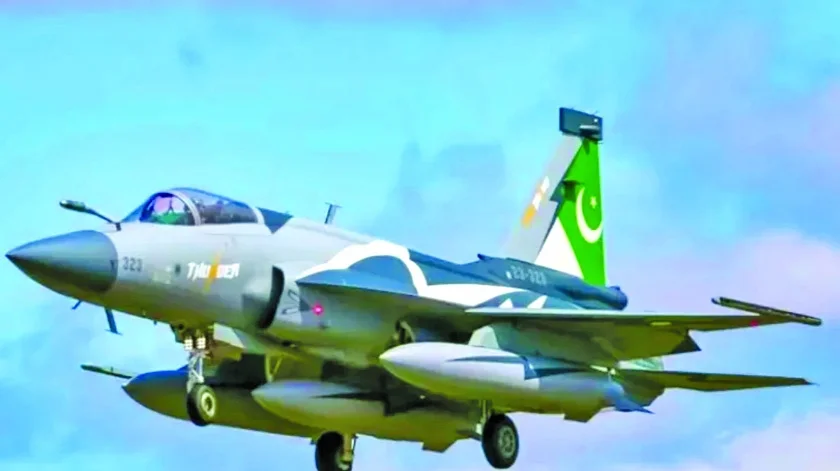
Pakistan hands over JF-17 fighter jet simulator to Bangladesh
1782365925498.webp


Pakistan has handed over a simulator of its top fighter aircraft, the JF-17 Thunder Block III, to Bangladesh. Military analysts believe this signals a major shift in the military balance of South Asia.

According to a report by Defence Security Asia, this should not be viewed merely as an ordinary gift; rather, it could be a significant preparatory step ahead of a final aircraft procurement agreement between the two countries.

During the first formal "Air Staff Talks" between the air forces of Bangladesh and Pakistan, held in Dhaka in May 2026, a high-level Pakistani delegation participated, after which the issue of the simulator came to light. Through this move, pilot skills and institutional infrastructure can be developed even before the arrival of the fighter aircraft, which would make any future fighter jet procurement agreement much smoother.

The Pakistani delegation at the meeting in Dhaka was led by Aurangzeb Ahmed. He is currently serving as Operational Deputy Chief of Air Staff, Commander Strategic Command, and Director General Public Relations. Other members of the delegation included Air Commander Shah Khalid, Air Commander Abdul Ghafoor Bazdur, Group Captain Mahmood Ali Khan, and Wing Commander Hasan Tariq Aziz.

Military experts say that the presence and composition of such high-ranking officials clearly indicate that the visit was not merely ceremonial or diplomatic in nature. Instead, it involved specific institutional, commercial, and strategic military objectives.

At the meeting, Pakistan Air Force officials particularly highlighted the multi-role combat capabilities of the JF-17 Block III aircraft.

It has also been reported that they presented Bangladesh with a comparative assessment of the JF-17's effectiveness against the Dassault Rafale during the war-like tensions between India and Pakistan in May 2025.

Such military promotion carries significant strategic and geopolitical importance. Through this type of export initiative, Pakistan aims not only to achieve its commercial objectives but also to send a strong strategic message to regional rivals and observers.

The simulator Pakistan has sent to Bangladesh is not an ordinary or basic training system. Rather, it is a full-scale JF-17 Thunder Block III simulator designed to maintain complete wartime operational standards.

Through this system, pilots will be able to conduct realistic exercises for missions and combat operations even before flying the actual aircraft.

The simulator is designed to help pilots adapt to modern fighter jets, master complex combat tactics, and enhance the overall operational capabilities of the air force.

Whenever a country decides to purchase new fighter aircraft, one of the most time-consuming aspects is training pilots to become proficient with the new platform. This is why the transfer of the simulator carries major strategic significance.

Even before the aircraft are formally inducted into the air force, pilots will be able to become fully familiar with the aircraft's operational procedures and control systems through the simulator. As a result, when the actual fighter jets are eventually added to the squadron, there will be no need for lengthy additional pilot training.

In addition, engineers and technicians responsible for maintenance will also gain practical knowledge of the fighter aircraft's internal systems through the simulator. This will help avoid institutional complications or delays once the new fighter jets are incorporated into the fleet.

Modern armed forces now place great importance on simulator systems when purchasing fighter aircraft. Successfully operating an advanced combat aircraft requires equal and coordinated preparation among pilots, engineers, and ground support infrastructure. Simply purchasing the aircraft is not enough; it also involves extensive logistics processes such as maintenance policies and skilled manpower development.

From this perspective, the transfer of the simulator represents a natural and crucial stage in the complex and multi-dimensional negotiations surrounding a potential fighter aircraft acquisition.

Therefore, this simulator should not be viewed merely as an isolated military donation. Rather, it may represent the earliest and most practical step toward a future fighter jet procurement agreement between Bangladesh and Pakistan.​
 
I don't know why Bangladesh buying fighters is seen as a threat by Delhi MEA idiots.

Bangladesh as a sovereign country has every right to defend its skies, its territory - whether land or sea. With whatever means necessary.

India cannot dictate the defense purchases of a neighboring country like Bangladesh - India should try to fix its foreign policy first.

And should give its anti-neighbor propaganda machine a rest.
 
I don't know why Bangladesh buying fighters is seen as a threat by Delhi MEA idiots.

Bangladesh as a sovereign country has every right to defend its skies, its territory - whether land or sea. With whatever means necessary.

India cannot dictate the defense purchases of a neighboring country like Bangladesh - India should try to fix its foreign policy first.

And should give its anti-neighbor propaganda machine a rest.
Currently, India is enjoying 0 threat in its Eastern front due to Bangladesh air force's weakness. But this will change as soon as new fighters, either from China or from Pakistan, comes to Bangladesh. India will be forced to deploy more resources to maintain balance of power situation in its Eastern front. That's why they are opposing any purchase of new aircraft by Bangladesh.
 

Bangladesh In Advanced Talks to Acquire 48 JF-17 Block III From Pakistan, Signaling Major Transformation of Generation 4.5 Air Power

Negotiations for the acquisition of 48 JF-17 Block III fighter jets mark Bangladesh's transition towards a 4.5 generation air power architecture centered on missiles, network warfare and regional deterrence under the Forces Goal 2030 plan.​

JF-17
The arrival of the 50th JF-17 Thunder Block III aircraft is a strategic indication of Pakistan's increasing aerospace production capabilities that carries larger implications for South Asia's military posture calculations.

Share
(DEFENCE SECURITY ASIA) — The Bangladesh Air Force (BAF) is reportedly in advanced negotiations with the Pakistan Aeronautical Complex for the acquisition of 48 JF-17 Block III multi-role fighter aircraft, a high-impact strategic move that has the potential to completely overhaul the South Asian country's air combat capabilities in an increasingly complex regional security context.

The potential acquisition of the JF-17 Block III is expected to fundamentally change Bangladesh's air power architecture by moving Dhaka towards an integrated, missile-centric and digitally driven air power framework, in line with 4.5 generation warfare standards and regional deterrence requirements under the Forces Goal 2030 plan.


JF-17
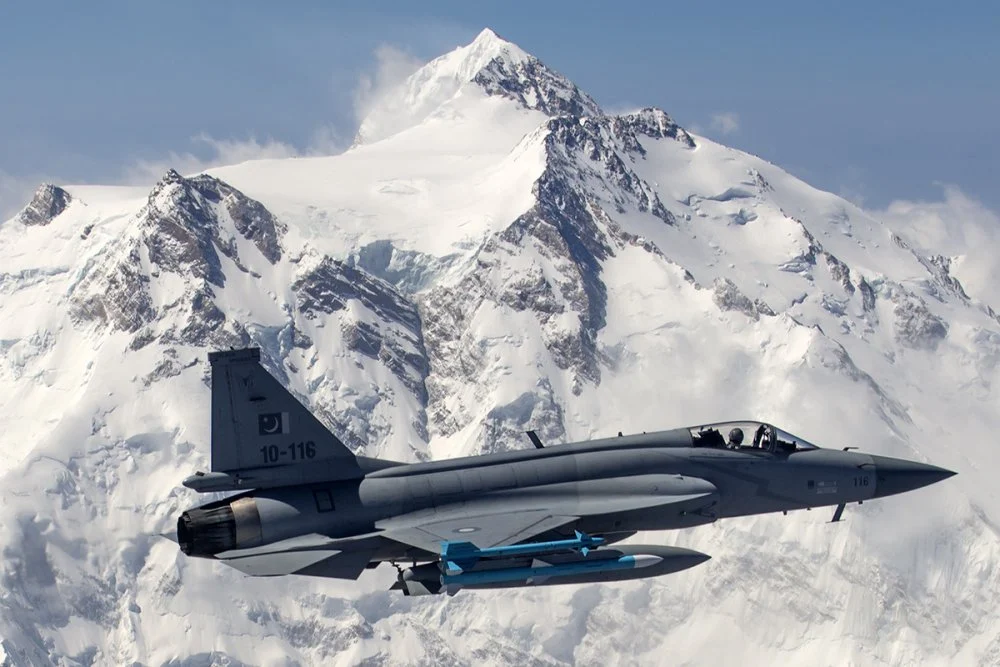
JF-17 “Thunder”

This potential agreement gained strategic momentum following the recent visit of Bangladesh Air Force Chief, Air Chief Marshal Hasan Mahmood Khan, to Islamabad when his meeting with Pakistan Air Force Chief, Air Chief Marshal Zaheer Ahmed Baber Sidhu, marked the most significant air force-level interaction between the two countries since 1971.

The meeting reflects a pragmatic rebuilding of defense relations driven by current operational needs, rather than influenced by historical factors, as the South Asian security landscape is increasingly shaped by air power competition, layered deterrence needs, and the emergence of integrated network warfare.

Sidhu stressed that "Pakistan is committed to supporting the Bangladesh Air Force through a comprehensive training framework," in addition to assuring "the speedy delivery of the Super Mushshak training aircraft, along with a complete long-term training and support ecosystem," thus placing the negotiations on the axis of operational sustainability and life-cycle resilience.

The statement framed the negotiations as not just a transactional sale of platforms, but rather as an effort to build comprehensive capabilities encompassing power generation rates, depth of logistical support and long-term operational sustainment capabilities in an increasingly challenging threat environment.

Hasan Mahmood Khan, for his part, stated that the engagement "reflects a shared determination to strengthen defense cooperation and build long-term strategic partnerships," thus signaling Dhaka's willingness to overcome old political sensitivities to meet contemporary air power needs.

These needs are increasingly shaped by increasingly intense regional competition, expanding maritime security responsibilities, and the importance of long-range precision strikes and beyond-visual-range (BVR) combat in modern airpower doctrine.

This engagement follows a year-long series of feasibility studies and technical assessments that began in early 2025, as Bangladesh quietly evaluated the JF-17 Block III against its evolving operational needs, including air sovereignty enforcement and Exclusive Economic Zone (EEZ) defense.

Speculation about the deal increased after Pakistan announced at the 2025 Dubai Airshow a fighter jet export deal with an undisclosed “friendly country,” a term widely interpreted as Bangladesh based on the alignment of timelines and concurrent procurement indications.

Local Bangladeshi media reports also stated the rapid induction of an initial squadron of 16 aircraft, estimated to cost USD720 million or about RM3.38 billion, revealing the high level of priority given to restoring combat mass and qualitative superiority in the BAF.

This move also plants a scalable path toward comprehensive fleet modernization and future growth, thereby reducing the capability gap that has long constrained the sustained operational capabilities of medium-scale air forces.

Beyond the number of aircraft, the comprehensive scope of the program includes training, operational infrastructure and maintenance, repair and overhaul (MRO), spare parts and a complete armament package, positioning the acquisition of the JF-17 Block III as a systemic power regeneration initiative.

This approach distinguishes the program from a stand-alone fleet replacement effort, instead emphasizing a comprehensive transformation of Bangladesh's air force doctrine, structure, and operational resilience.

Collectively, these factors place the JF-17 Block III deal at the heart of the evolution of the South Asian air power balance, with implications that extend beyond Bangladesh’s borders to regional deterrence stability and the strategic calculus of neighboring countries.


Strategic Rationale and Need for Force Transformation

Bangladesh's pursuit of the JF-17 Block III reflects a deliberate strategic shift from phased fleet maintenance to capability-centric capability regeneration, in line with the demands of contested airspace, evolving maritime security, and the need for credible long-range strikes.

The BAF's existing inventory constraints, combined with the increasing tempo of operations as well as its expanding EEZ responsibilities in the Bay of Bengal, have highlighted the limitations of legacy platforms that lack sophisticated sensors and long-range weapons integration.

The selection of a 4.5 generation platform equipped with AESA radar, advanced electronic warfare systems and network warfare architecture demonstrates Dhaka's priority for information dominance and first-look, first-shot capabilities in the modern threat environment.

The acquisition of 48 aircraft provides the critical mass to maintain rotational assignments, training channels and contingency operations without compromising frontline readiness, a challenge often faced by medium-sized air forces.

This recalibration of the force structure is closely linked to Forces Goal 2030 which emphasizes cohesion, rapid mobilization and the ability to impose costs across the air and maritime domains through precise engagement.

The open architecture design of the JF-17 Block III also offers growth margins for future avionics, armament and data link upgrades, ensuring operational relevance throughout the aircraft's service life.

The strategic logic of this program goes beyond the mere acquisition of aircraft by integrating BAF into an ecosystem of training, support and industrial collaboration that enhances long-term autonomy.

In this context, the JF-17 Block III emerged not simply as a fighter aircraft, but as a catalyst for doctrinal evolution and organizational reform adapted to the geostrategic realities of Bangladesh.


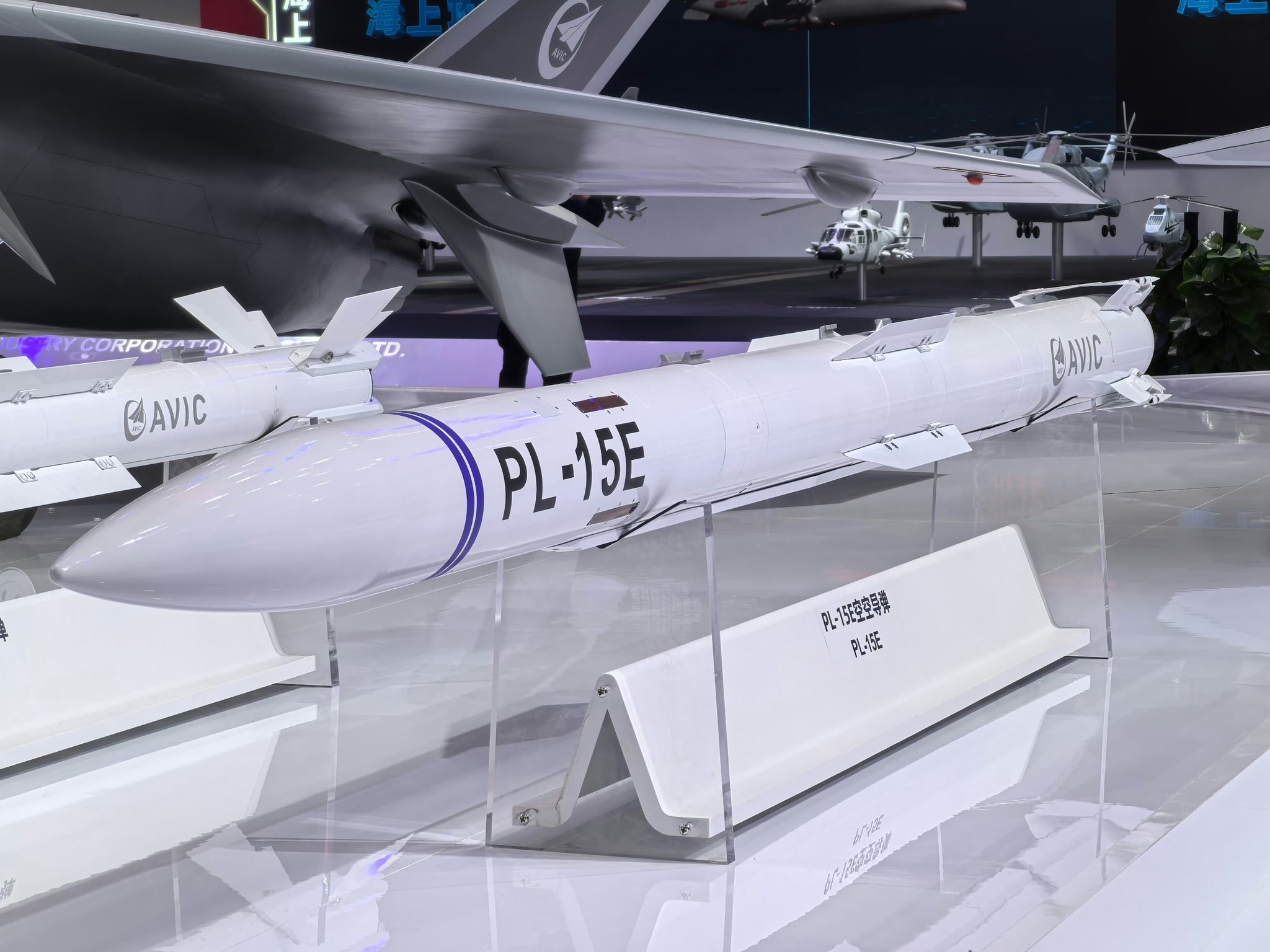
PL-15E
PL-15E

Rapid Induction and Program Economy

The rapid delivery of the initial squadron of 16 JF-17 Block III aircraft underscores the urgent operational needs driving the program, with a cost of USD720 million or about RM3.38 billion reflecting an integrated approach that encompasses platform and support.

This approach reduces the traditional gap between aircraft delivery and combat readiness by coordinating pilot and ground crew training simultaneously with aircraft arrival.

The overall program, estimated to cost between USD400 million and USD700 million, equivalent to RM1.88 billion to RM3.29 billion, offers a cost-effective path towards generation 4.5 capabilities compared to more expensive Western alternatives.

By leveraging the mature JF-17 production and support ecosystem, Bangladesh has the potential to enjoy predictable delivery schedules and a robust supply chain.

The inclusion of operational and MRO infrastructure reduces long-term dependence on external support, a critical factor in maintaining sortie generation rates during a crisis.

Fiscally, this program is in line with the reality of Dhaka's defense budget while providing a high return on capabilities, particularly in BVR engagements and long-range attacks.

This rapid induction model also sends a signal of confidence to regional observers about Bangladesh's determination to close the capability gap quickly.


Combat Power, Sensors and Network Warfare

The JF-17 Block III delivers a qualitative leap in combat power by incorporating AESA radar and advanced electronic warfare systems that not only increase detection range, but transform the entire chain of situational awareness, threat management and decision-making capabilities in high-density air combat environments.

This capability allows the Bangladesh Air Force to track, classify and engage multiple targets simultaneously in the contested electromagnetic spectrum, thus reducing reliance on conventional radar locking and increasing the effectiveness of beyond-visual-range missiles in high-intensity conflict scenarios.

The networked warfare architecture on the JF-17 Block III enables real-time tactical data sharing between air and ground assets, creating a comprehensive joint operational picture and strengthening command, control, intelligence, surveillance and reconnaissance capabilities in joint operations across multiple domains.

This capability is critical to Bangladesh's air defense and maritime strike missions as it enables rapid response, engagement of targets beyond line of sight, and maintenance of information superiority in defending the sovereignty of the country's airspace and Exclusive Economic Zone.

The AESA radar capabilities on the JF-17 Block III not only increase detection range, but also enable the Bangladesh Air Force to implement more sophisticated electromagnetic spectrum management, thus reducing the probability of detection by the enemy and increasing the aircraft's survivability in high-density electronic warfare environments.
The integrated electronic warfare system carried by the JF-17 Block III enables real-time detection, classification and response to radar and missile threats, thus giving Bangladeshi pilots a tactical advantage in defeating enemy lock-on and jamming attempts before the threat reaches the terminal phase.

Network-based data sharing capabilities make each JF-17 Block III not just an individual platform, but part of an integrated combat ecosystem that allows target information, threats and operational orders to be rapidly shared between aircraft, ground stations and other support elements.

In the context of national air defense, this capability allows Bangladesh to implement the concept of cooperative engagement, where a target can be detected by one asset but attacked by another, thus increasing the efficiency of missile use and reducing reliance on direct line of sight.

For maritime operations, the integration of these sensors and networks strengthens surveillance capabilities and rapid response to threats in the Exclusive Economic Zone, especially in the event of an invasion by enemy surface ships or air assets operating at a distance from the coast.

The open architecture-based software upgrade capability allows the JF-17 Block III to remain relevant in the long term, as Bangladesh can update sensor fusion algorithms, threat databases and network protocols without requiring costly modifications to the aircraft's structure.

Strategically, this combination of advanced sensors and network warfare transforms the Bangladesh Air Force's operational approach from reactive to proactive, allowing Dhaka to shape the battlespace in advance, control escalation and maximize information advantage in any conflict scenario.


Armaments Package, Deterrence and Regional Implications

The reported armament package enhances Bangladesh's deterrence posture through modern BVR and WVR missiles.

The integration of long-range weapons expands precision strike and strategic deterrence capabilities.

Overall, the JF-17 Block III program represents a holistic enhancement of Bangladesh's air combat capabilities with far-reaching regional stability implications.

and strengthening access denial and area control (A2/AD) capabilities in the increasingly strategic Bay of Bengal maritime environment, especially as international energy and trade shipping lanes are increasingly exposed to geopolitical pressures and layered regional power competition.

The PL-15 and SD-10 missiles offered with the JF-17 Block III provide the BAF with previously limited long-range air dominance capabilities, enabling Bangladeshi aircraft to effectively conduct beyond-visual-range engagements while maintaining a safe distance from enemy air defense systems and aircraft.

This capability directly enhances Bangladesh's conventional deterrence by creating a credible threat to any party that attempts to challenge the country's air sovereignty, thus changing the adversary's risk calculus in any low-scale conflict scenario or regional tension.

The PL-10 short-range missile further enhances close-range combat capabilities with its high level of maneuverability and helmet-mounted display and sight (HMD/S) integration, allowing pilots to perform off-axis target locking in dynamic combat environments.

In the ground attack domain, the integration of the H-4 Stand-Off Weapon (SOW) with a range of around 120 kilometers introduces a new dimension of precision strike capability from outside the air defense threat zone, allowing Bangladesh to attack high-value targets without having to expose the platform to excessive risk.

More significant from a strategic perspective is the offering of the Ra'ad II, an air-launched cruise missile, which has the potential to give Bangladesh a deep-range strike capability, thus expanding the spectrum of deterrence and the ability to impose strategic costs on opponents.

While the role of the Ra'ad II in the Bangladeshi context is still subject to policy decisions and operational configurations, its presence in the offer package signals Pakistan's willingness to provide advanced deterrence options in line with the evolution of regional air power doctrine.

Maritime strike capabilities through the integration of anti-ship missiles further strengthen Bangladesh's EEZ defense strategy, particularly in the context of protecting offshore energy resources, critical infrastructure and increasingly strategically valuable maritime trade routes.

With this capability, the JF-17 Block III transitions from the role of a point defense aircraft to a multi-domain attack asset capable of simultaneously influencing air, land and maritime space within an integrated operational framework.


Regional Perspective

From a regional perspective, the induction of such capabilities by Bangladesh introduces a new variable in the South Asian air power balance, which was previously more focused on large-scale air forces with higher-generation assets.

This move has the potential to prompt a reassessment of doctrine and capability planning by neighboring countries, especially in the context of the race for sensor technology, long-range missiles and network warfare integration.

For Bangladesh, this combination of long-range weaponry and network capabilities reflects a maturity of strategic thinking that focuses on deterrence through denial and cost-imposing capabilities, rather than reliance on sheer quantitative superiority.

Overall, the JF-17 Block III program is not just a fleet modernization effort, but a comprehensive transformation of air combat capabilities that has the potential to reshape Bangladesh's role in the broader South Asian and Indo-Pacific security landscape.

This transformation also has implications for the defence industry, as collaboration with Pakistan opens up space for the transfer of selected technology, the development of local expertise and increased maintenance capabilities in the country.

In the long term, the maintenance, repair and overhaul capabilities developed through this program have the potential to reduce life cycle costs and continuously improve fleet readiness without absolute dependence on external parties.

This factor is becoming increasingly critical in a global security environment that is vulnerable to supply chain disruptions, geopolitical restrictions and the volatility of international defense markets.

By deeply integrating elements of training, technical support and human capital development, Bangladesh is laying a solid foundation to operate the 4.5 generation platform effectively and resiliently.

This comprehensive approach also reduces the risk of a “capability gap” that often occurs when advanced platforms are acquired without the support of a matching operational ecosystem.

From a geopolitical perspective, Bangladesh–Pakistan defense cooperation on this scale signifies a strengthening of strategic ties that has the potential to have spillover effects into the areas of joint training, exchange of expertise, and regional security policy coordination.

While Dhaka maintains a balanced foreign policy, this move demonstrates an increasingly clear priority for practical security needs over historical political constraints.

In an Indo-Pacific environment increasingly influenced by great power competition, Bangladesh's ability to maintain credible deterrence and operational autonomy becomes increasingly important.

The JF-17 Block III, with its combination of advanced sensors, long-range weaponry and network architecture, offers a platform that aligns with those aspirations.

If this agreement is finalized, it would be one of the most significant air power modernization programs in Bangladesh's history, with long-term implications for the country's doctrine, structure and strategic position.

More importantly, it reflects a paradigm shift from asset ownership to capability mastery, an approach that is increasingly becoming a necessity for moderate states in an increasingly complex global security landscape.

In this context, the JF-17 Block III is not just a symbol of bilateral cooperation, but a manifestation of Bangladesh's national strategy to ensure sovereignty, stability and effective deterrence in the coming decades.


DEFENCE SECURITY ASIA
 

Bangladesh In Advanced Talks to Acquire 48 JF-17 Block III From Pakistan, Signaling Major Transformation of Generation 4.5 Air Power

Negotiations for the acquisition of 48 JF-17 Block III fighter jets mark Bangladesh's transition towards a 4.5 generation air power architecture centered on missiles, network warfare and regional deterrence under the Forces Goal 2030 plan.​

JF-17
The arrival of the 50th JF-17 Thunder Block III aircraft is a strategic indication of Pakistan's increasing aerospace production capabilities that carries larger implications for South Asia's military posture calculations.

Share
(DEFENCE SECURITY ASIA) — The Bangladesh Air Force (BAF) is reportedly in advanced negotiations with the Pakistan Aeronautical Complex for the acquisition of 48 JF-17 Block III multi-role fighter aircraft, a high-impact strategic move that has the potential to completely overhaul the South Asian country's air combat capabilities in an increasingly complex regional security context.

The potential acquisition of the JF-17 Block III is expected to fundamentally change Bangladesh's air power architecture by moving Dhaka towards an integrated, missile-centric and digitally driven air power framework, in line with 4.5 generation warfare standards and regional deterrence requirements under the Forces Goal 2030 plan.


JF-17
JF-17 “Thunder”

This potential agreement gained strategic momentum following the recent visit of Bangladesh Air Force Chief, Air Chief Marshal Hasan Mahmood Khan, to Islamabad when his meeting with Pakistan Air Force Chief, Air Chief Marshal Zaheer Ahmed Baber Sidhu, marked the most significant air force-level interaction between the two countries since 1971.

The meeting reflects a pragmatic rebuilding of defense relations driven by current operational needs, rather than influenced by historical factors, as the South Asian security landscape is increasingly shaped by air power competition, layered deterrence needs, and the emergence of integrated network warfare.

Sidhu stressed that "Pakistan is committed to supporting the Bangladesh Air Force through a comprehensive training framework," in addition to assuring "the speedy delivery of the Super Mushshak training aircraft, along with a complete long-term training and support ecosystem," thus placing the negotiations on the axis of operational sustainability and life-cycle resilience.

The statement framed the negotiations as not just a transactional sale of platforms, but rather as an effort to build comprehensive capabilities encompassing power generation rates, depth of logistical support and long-term operational sustainment capabilities in an increasingly challenging threat environment.

Hasan Mahmood Khan, for his part, stated that the engagement "reflects a shared determination to strengthen defense cooperation and build long-term strategic partnerships," thus signaling Dhaka's willingness to overcome old political sensitivities to meet contemporary air power needs.

These needs are increasingly shaped by increasingly intense regional competition, expanding maritime security responsibilities, and the importance of long-range precision strikes and beyond-visual-range (BVR) combat in modern airpower doctrine.

This engagement follows a year-long series of feasibility studies and technical assessments that began in early 2025, as Bangladesh quietly evaluated the JF-17 Block III against its evolving operational needs, including air sovereignty enforcement and Exclusive Economic Zone (EEZ) defense.

Speculation about the deal increased after Pakistan announced at the 2025 Dubai Airshow a fighter jet export deal with an undisclosed “friendly country,” a term widely interpreted as Bangladesh based on the alignment of timelines and concurrent procurement indications.

Local Bangladeshi media reports also stated the rapid induction of an initial squadron of 16 aircraft, estimated to cost USD720 million or about RM3.38 billion, revealing the high level of priority given to restoring combat mass and qualitative superiority in the BAF.

This move also plants a scalable path toward comprehensive fleet modernization and future growth, thereby reducing the capability gap that has long constrained the sustained operational capabilities of medium-scale air forces.

Beyond the number of aircraft, the comprehensive scope of the program includes training, operational infrastructure and maintenance, repair and overhaul (MRO), spare parts and a complete armament package, positioning the acquisition of the JF-17 Block III as a systemic power regeneration initiative.

This approach distinguishes the program from a stand-alone fleet replacement effort, instead emphasizing a comprehensive transformation of Bangladesh's air force doctrine, structure, and operational resilience.

Collectively, these factors place the JF-17 Block III deal at the heart of the evolution of the South Asian air power balance, with implications that extend beyond Bangladesh’s borders to regional deterrence stability and the strategic calculus of neighboring countries.


Strategic Rationale and Need for Force Transformation

Bangladesh's pursuit of the JF-17 Block III reflects a deliberate strategic shift from phased fleet maintenance to capability-centric capability regeneration, in line with the demands of contested airspace, evolving maritime security, and the need for credible long-range strikes.

The BAF's existing inventory constraints, combined with the increasing tempo of operations as well as its expanding EEZ responsibilities in the Bay of Bengal, have highlighted the limitations of legacy platforms that lack sophisticated sensors and long-range weapons integration.

The selection of a 4.5 generation platform equipped with AESA radar, advanced electronic warfare systems and network warfare architecture demonstrates Dhaka's priority for information dominance and first-look, first-shot capabilities in the modern threat environment.

The acquisition of 48 aircraft provides the critical mass to maintain rotational assignments, training channels and contingency operations without compromising frontline readiness, a challenge often faced by medium-sized air forces.

This recalibration of the force structure is closely linked to Forces Goal 2030 which emphasizes cohesion, rapid mobilization and the ability to impose costs across the air and maritime domains through precise engagement.

The open architecture design of the JF-17 Block III also offers growth margins for future avionics, armament and data link upgrades, ensuring operational relevance throughout the aircraft's service life.

The strategic logic of this program goes beyond the mere acquisition of aircraft by integrating BAF into an ecosystem of training, support and industrial collaboration that enhances long-term autonomy.

In this context, the JF-17 Block III emerged not simply as a fighter aircraft, but as a catalyst for doctrinal evolution and organizational reform adapted to the geostrategic realities of Bangladesh.


PL-15E
PL-15E

Rapid Induction and Program Economy

The rapid delivery of the initial squadron of 16 JF-17 Block III aircraft underscores the urgent operational needs driving the program, with a cost of USD720 million or about RM3.38 billion reflecting an integrated approach that encompasses platform and support.

This approach reduces the traditional gap between aircraft delivery and combat readiness by coordinating pilot and ground crew training simultaneously with aircraft arrival.

The overall program, estimated to cost between USD400 million and USD700 million, equivalent to RM1.88 billion to RM3.29 billion, offers a cost-effective path towards generation 4.5 capabilities compared to more expensive Western alternatives.

By leveraging the mature JF-17 production and support ecosystem, Bangladesh has the potential to enjoy predictable delivery schedules and a robust supply chain.

The inclusion of operational and MRO infrastructure reduces long-term dependence on external support, a critical factor in maintaining sortie generation rates during a crisis.

Fiscally, this program is in line with the reality of Dhaka's defense budget while providing a high return on capabilities, particularly in BVR engagements and long-range attacks.

This rapid induction model also sends a signal of confidence to regional observers about Bangladesh's determination to close the capability gap quickly.


Combat Power, Sensors and Network Warfare

The JF-17 Block III delivers a qualitative leap in combat power by incorporating AESA radar and advanced electronic warfare systems that not only increase detection range, but transform the entire chain of situational awareness, threat management and decision-making capabilities in high-density air combat environments.

This capability allows the Bangladesh Air Force to track, classify and engage multiple targets simultaneously in the contested electromagnetic spectrum, thus reducing reliance on conventional radar locking and increasing the effectiveness of beyond-visual-range missiles in high-intensity conflict scenarios.

The networked warfare architecture on the JF-17 Block III enables real-time tactical data sharing between air and ground assets, creating a comprehensive joint operational picture and strengthening command, control, intelligence, surveillance and reconnaissance capabilities in joint operations across multiple domains.

This capability is critical to Bangladesh's air defense and maritime strike missions as it enables rapid response, engagement of targets beyond line of sight, and maintenance of information superiority in defending the sovereignty of the country's airspace and Exclusive Economic Zone.

The AESA radar capabilities on the JF-17 Block III not only increase detection range, but also enable the Bangladesh Air Force to implement more sophisticated electromagnetic spectrum management, thus reducing the probability of detection by the enemy and increasing the aircraft's survivability in high-density electronic warfare environments.
The integrated electronic warfare system carried by the JF-17 Block III enables real-time detection, classification and response to radar and missile threats, thus giving Bangladeshi pilots a tactical advantage in defeating enemy lock-on and jamming attempts before the threat reaches the terminal phase.

Network-based data sharing capabilities make each JF-17 Block III not just an individual platform, but part of an integrated combat ecosystem that allows target information, threats and operational orders to be rapidly shared between aircraft, ground stations and other support elements.

In the context of national air defense, this capability allows Bangladesh to implement the concept of cooperative engagement, where a target can be detected by one asset but attacked by another, thus increasing the efficiency of missile use and reducing reliance on direct line of sight.

For maritime operations, the integration of these sensors and networks strengthens surveillance capabilities and rapid response to threats in the Exclusive Economic Zone, especially in the event of an invasion by enemy surface ships or air assets operating at a distance from the coast.

The open architecture-based software upgrade capability allows the JF-17 Block III to remain relevant in the long term, as Bangladesh can update sensor fusion algorithms, threat databases and network protocols without requiring costly modifications to the aircraft's structure.

Strategically, this combination of advanced sensors and network warfare transforms the Bangladesh Air Force's operational approach from reactive to proactive, allowing Dhaka to shape the battlespace in advance, control escalation and maximize information advantage in any conflict scenario.


Armaments Package, Deterrence and Regional Implications

The reported armament package enhances Bangladesh's deterrence posture through modern BVR and WVR missiles.

The integration of long-range weapons expands precision strike and strategic deterrence capabilities.

Overall, the JF-17 Block III program represents a holistic enhancement of Bangladesh's air combat capabilities with far-reaching regional stability implications.

and strengthening access denial and area control (A2/AD) capabilities in the increasingly strategic Bay of Bengal maritime environment, especially as international energy and trade shipping lanes are increasingly exposed to geopolitical pressures and layered regional power competition.

The PL-15 and SD-10 missiles offered with the JF-17 Block III provide the BAF with previously limited long-range air dominance capabilities, enabling Bangladeshi aircraft to effectively conduct beyond-visual-range engagements while maintaining a safe distance from enemy air defense systems and aircraft.

This capability directly enhances Bangladesh's conventional deterrence by creating a credible threat to any party that attempts to challenge the country's air sovereignty, thus changing the adversary's risk calculus in any low-scale conflict scenario or regional tension.

The PL-10 short-range missile further enhances close-range combat capabilities with its high level of maneuverability and helmet-mounted display and sight (HMD/S) integration, allowing pilots to perform off-axis target locking in dynamic combat environments.

In the ground attack domain, the integration of the H-4 Stand-Off Weapon (SOW) with a range of around 120 kilometers introduces a new dimension of precision strike capability from outside the air defense threat zone, allowing Bangladesh to attack high-value targets without having to expose the platform to excessive risk.

More significant from a strategic perspective is the offering of the Ra'ad II, an air-launched cruise missile, which has the potential to give Bangladesh a deep-range strike capability, thus expanding the spectrum of deterrence and the ability to impose strategic costs on opponents.

While the role of the Ra'ad II in the Bangladeshi context is still subject to policy decisions and operational configurations, its presence in the offer package signals Pakistan's willingness to provide advanced deterrence options in line with the evolution of regional air power doctrine.

Maritime strike capabilities through the integration of anti-ship missiles further strengthen Bangladesh's EEZ defense strategy, particularly in the context of protecting offshore energy resources, critical infrastructure and increasingly strategically valuable maritime trade routes.

With this capability, the JF-17 Block III transitions from the role of a point defense aircraft to a multi-domain attack asset capable of simultaneously influencing air, land and maritime space within an integrated operational framework.


Regional Perspective

From a regional perspective, the induction of such capabilities by Bangladesh introduces a new variable in the South Asian air power balance, which was previously more focused on large-scale air forces with higher-generation assets.

This move has the potential to prompt a reassessment of doctrine and capability planning by neighboring countries, especially in the context of the race for sensor technology, long-range missiles and network warfare integration.

For Bangladesh, this combination of long-range weaponry and network capabilities reflects a maturity of strategic thinking that focuses on deterrence through denial and cost-imposing capabilities, rather than reliance on sheer quantitative superiority.

Overall, the JF-17 Block III program is not just a fleet modernization effort, but a comprehensive transformation of air combat capabilities that has the potential to reshape Bangladesh's role in the broader South Asian and Indo-Pacific security landscape.

This transformation also has implications for the defence industry, as collaboration with Pakistan opens up space for the transfer of selected technology, the development of local expertise and increased maintenance capabilities in the country.

In the long term, the maintenance, repair and overhaul capabilities developed through this program have the potential to reduce life cycle costs and continuously improve fleet readiness without absolute dependence on external parties.

This factor is becoming increasingly critical in a global security environment that is vulnerable to supply chain disruptions, geopolitical restrictions and the volatility of international defense markets.

By deeply integrating elements of training, technical support and human capital development, Bangladesh is laying a solid foundation to operate the 4.5 generation platform effectively and resiliently.

This comprehensive approach also reduces the risk of a “capability gap” that often occurs when advanced platforms are acquired without the support of a matching operational ecosystem.

From a geopolitical perspective, Bangladesh–Pakistan defense cooperation on this scale signifies a strengthening of strategic ties that has the potential to have spillover effects into the areas of joint training, exchange of expertise, and regional security policy coordination.

While Dhaka maintains a balanced foreign policy, this move demonstrates an increasingly clear priority for practical security needs over historical political constraints.

In an Indo-Pacific environment increasingly influenced by great power competition, Bangladesh's ability to maintain credible deterrence and operational autonomy becomes increasingly important.

The JF-17 Block III, with its combination of advanced sensors, long-range weaponry and network architecture, offers a platform that aligns with those aspirations.

If this agreement is finalized, it would be one of the most significant air power modernization programs in Bangladesh's history, with long-term implications for the country's doctrine, structure and strategic position.

More importantly, it reflects a paradigm shift from asset ownership to capability mastery, an approach that is increasingly becoming a necessity for moderate states in an increasingly complex global security landscape.

In this context, the JF-17 Block III is not just a symbol of bilateral cooperation, but a manifestation of Bangladesh's national strategy to ensure sovereignty, stability and effective deterrence in the coming decades.


DEFENCE SECURITY ASIA
48 JF-17 will cost at least $3 billion. Is GoB ready to spend so much money on MRCA?
 

Latest Posts

Back