
 Bangladesh Defense
Saif
Senior Member
- Jan 24, 2024
- 19,943
- 9,350
- Nation

- Residence
- Axis Group

Date of Event:
Jun 26, 2026
Bangladesh’s J-10CE Fighter Deal With China Triggers Strategic Alarm in India, Reshapes Bay of Bengal Airpower Balance
Bangladesh’s planned acquisition of up to 24 Chinese J-10CE multirole fighters could dramatically reshape the Bay of Bengal security architecture, intensify India-China strategic competition, and strengthen Beijing’s expanding military footprint across South Asia.
Bangladesh is accelerating negotiations to acquire between 20 and 24 Chinese-made J-10CE multirole fighter jets in a move that could fundamentally alter the military balance across the Bay of Bengal and India’s vulnerable eastern strategic corridor.Military aircraft models
(DEFENCE SECURITY ASIA) — Bangladesh is accelerating negotiations to acquire between 20 and 24 Chinese-made J-10CE multirole fighter jets in a move that could fundamentally alter the military balance across the Bay of Bengal and India’s vulnerable eastern strategic corridor.
The proposed acquisition, expected to advance during Prime Minister Tarique Rahman’s high-level visit to China this week, represents one of the most consequential airpower modernisation decisions undertaken by Dhaka since the launch of its “Forces Goal 2030” defence transformation programme.
Bangladeshi officials reportedly aim to finalise or sign the agreement by August 2026, while multiple reports indicate the package could be valued at approximately USD2.2 billion (RM8.36 billion), including aircraft, training, logistics infrastructure, spares, maintenance support, and long-term sustainment.
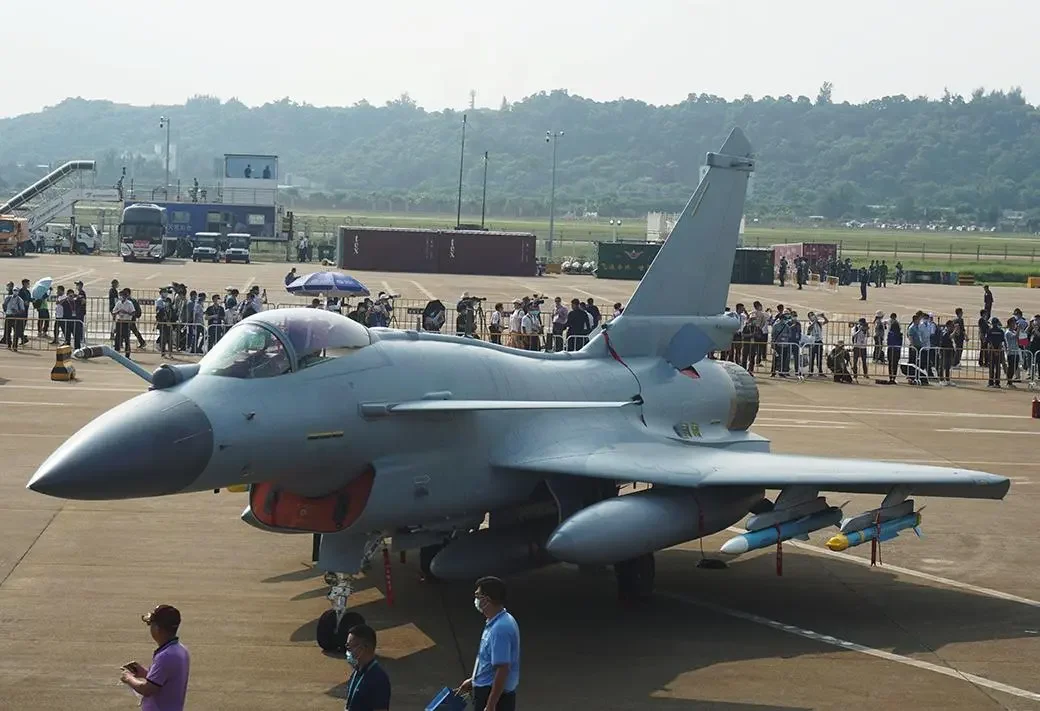
A senior Bangladeshi official stated that each J-10CE airframe is estimated to cost roughly USD40 million (RM152 million), although broader package calculations place effective programme costs substantially higher once weapons, maintenance ecosystems, and pilot conversion pipelines are included.Chinese military equipment
Chinese defence and diplomatic delegations reportedly visited Dhaka recently to accelerate negotiations before Bangladeshi officials conduct parallel discussions with China’s foreign and defence ministries regarding final procurement mechanisms and financing structures.
The negotiations are unfolding amid rapidly evolving regional security dynamics following Bangladesh’s post-2024 political transition, which has created new strategic opportunities for Beijing to deepen military-industrial influence along the northern Bay of Bengal littoral.
For China, the J-10CE proposal extends beyond conventional arms exports because it strengthens Beijing’s long-term defence access architecture across South Asia while expanding operational interoperability between Chinese-origin combat systems already dominating Bangladesh’s armed forces inventory.Geopolitical strategy consulting
For India, the potential emergence of a second South Asian J-10CE operator after Pakistan introduces a more complex two-front airpower calculation that could stretch Indian Air Force force allocation models across both western and eastern operational theatres.
The development also increases strategic anxiety in New Delhi regarding the security of the Siliguri Corridor, a narrow territorial chokepoint linking mainland India with its northeastern states and traditionally considered among India’s most vulnerable strategic geographic pressure points.
Military planners across the Indo-Pacific are closely monitoring the negotiations because the J-10CE acquisition would provide Bangladesh with its first credible beyond-visual-range combat capability supported by modern AESA radar systems, network-centric warfare architecture, and advanced electronic warfare resilience.India defense analysis
The proposed acquisition reflects a broader regional trend in which middle-power states increasingly pursue cost-effective fourth-and-a-half-generation combat aircraft capable of delivering strategic deterrence without incurring the financial and political burdens associated with Western fighter procurement ecosystems.
Although the deal has not yet been formally confirmed through official government announcements, multiple mainstream regional reports indicate negotiations have entered advanced stages with substantial political backing from both Dhaka and Beijing.
Bangladesh’s planned acquisition of up to 24 Chinese J-10CE multirole fighters could dramatically reshape the Bay of Bengal security architecture, intensify India-China strategic competition, and strengthen Beijing’s expanding military footprint across South Asia.
Bangladesh is accelerating negotiations to acquire between 20 and 24 Chinese-made J-10CE multirole fighter jets in a move that could fundamentally alter the military balance across the Bay of Bengal and India’s vulnerable eastern strategic corridor.Military aircraft models
(DEFENCE SECURITY ASIA) — Bangladesh is accelerating negotiations to acquire between 20 and 24 Chinese-made J-10CE multirole fighter jets in a move that could fundamentally alter the military balance across the Bay of Bengal and India’s vulnerable eastern strategic corridor.
The proposed acquisition, expected to advance during Prime Minister Tarique Rahman’s high-level visit to China this week, represents one of the most consequential airpower modernisation decisions undertaken by Dhaka since the launch of its “Forces Goal 2030” defence transformation programme.
Bangladeshi officials reportedly aim to finalise or sign the agreement by August 2026, while multiple reports indicate the package could be valued at approximately USD2.2 billion (RM8.36 billion), including aircraft, training, logistics infrastructure, spares, maintenance support, and long-term sustainment.
A senior Bangladeshi official stated that each J-10CE airframe is estimated to cost roughly USD40 million (RM152 million), although broader package calculations place effective programme costs substantially higher once weapons, maintenance ecosystems, and pilot conversion pipelines are included.Chinese military equipment
Chinese defence and diplomatic delegations reportedly visited Dhaka recently to accelerate negotiations before Bangladeshi officials conduct parallel discussions with China’s foreign and defence ministries regarding final procurement mechanisms and financing structures.
The negotiations are unfolding amid rapidly evolving regional security dynamics following Bangladesh’s post-2024 political transition, which has created new strategic opportunities for Beijing to deepen military-industrial influence along the northern Bay of Bengal littoral.
For China, the J-10CE proposal extends beyond conventional arms exports because it strengthens Beijing’s long-term defence access architecture across South Asia while expanding operational interoperability between Chinese-origin combat systems already dominating Bangladesh’s armed forces inventory.Geopolitical strategy consulting
For India, the potential emergence of a second South Asian J-10CE operator after Pakistan introduces a more complex two-front airpower calculation that could stretch Indian Air Force force allocation models across both western and eastern operational theatres.
The development also increases strategic anxiety in New Delhi regarding the security of the Siliguri Corridor, a narrow territorial chokepoint linking mainland India with its northeastern states and traditionally considered among India’s most vulnerable strategic geographic pressure points.
Military planners across the Indo-Pacific are closely monitoring the negotiations because the J-10CE acquisition would provide Bangladesh with its first credible beyond-visual-range combat capability supported by modern AESA radar systems, network-centric warfare architecture, and advanced electronic warfare resilience.India defense analysis
The proposed acquisition reflects a broader regional trend in which middle-power states increasingly pursue cost-effective fourth-and-a-half-generation combat aircraft capable of delivering strategic deterrence without incurring the financial and political burdens associated with Western fighter procurement ecosystems.
Although the deal has not yet been formally confirmed through official government announcements, multiple mainstream regional reports indicate negotiations have entered advanced stages with substantial political backing from both Dhaka and Beijing.

