Home Watch Videos Wars Movies Login

[🇧🇩] Agriculture in Bangladesh

Latest Posts Countries Wars Q&A

[🇧🇩] Agriculture in Bangladesh
242
10K
More threads by Saif

G Bangladesh Defense

Crops on 78,000 hectares of land under water
Torrential rains devastate coastal farmlands

1752976695608.webp


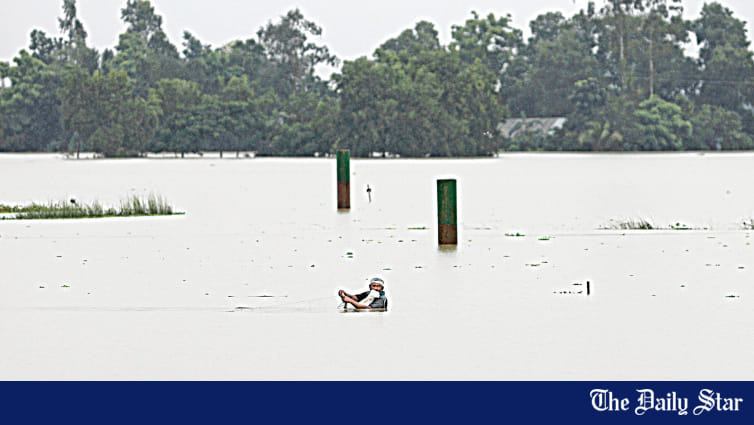
Heavy rains have inundated vast stretches of farmland across 21 districts in Barishal, Khulna, Chattogram and Dhaka divisions, leaving thousands of farmers devastated as crops and fish enclosures were washed away over the past week.

According to the Department of Agricultural Extension (DAE), weeklong torrential rains initially submerged 1.36 lakh hectares of cropland, including Aush paddy, Aman seedbeds, and seasonal vegetables, as of July 8.

I cultivated Aus paddy on three acres of land with a loan from the bank. I also prepared 30kg of paddy seedbeds there. All of it has been submerged— Abdus Shahid A farmer from Feni.

The affected area decreased to 78,173 hectares by yesterday evening.

Md Jamal Uddin, additional director of monitoring and implementation at the DAE's field service wing, said temporary waterlogging has occurred in the 21 districts due to very heavy rainfall across the country.

He said crops including Aush paddy, Aman seedbeds, bona Aman, jute, vegetables, fruit orchards, betel leaf, watermelon, and others have been submerged.

The affected districts include Cumilla, Chandpur, Brahmanbaria, Chattogram, Cox's Bazar, Noakhali, Feni, Lakshmipur, Khagrachari, Pabna, Khulna, Bagerhat, Satkhira, Narail, Barishal, Pirojpur, Jhalokathi, Patuakhali, Barguna, Bhola, and Shariatpur.

With the reduction in rainfall, water levels are gradually receding, and the submerged areas are declining, Jamal said. A final assessment of the damage to the crops will be possible once the water fully drains in the coming days.

Among the affected areas are 44,662 hectares of Aush, 14,393 hectares of transplanted Aman, 135 hectares of jute, 9,673 hectares of vegetables, 114 hectares of bananas, 293 hectares of papaya, 387 hectares of betel leaf, 297 hectares of broadcast Aman, 104 hectares of chilli, and 281 hectares of summer watermelons.

Many fish enclosures, especially in Noakhali and Khulna, have also been washed away, said local fish farmers and officials.

The Flood Forecasting and Warning Centre (FFWC) said an active monsoon and a low-pressure system in the Bay of Bengal are causing heavy rainfall in the coastal regions, which is expected to continue for another three to five days -- deepening farmers' worries. The downpour has already pushed up vegetable prices in local markets.

"I cultivated Aush paddy on three acres of land with a bank loan. I also prepared 30kg of paddy seedbeds there. All of it has been submerged by the rain in the last few days," said Abdus Shahid, a farmer from Fazilpur village in Sadar upazila. "I had hoped to harvest this paddy, keep some for my family, and sell the rest to repay the loan. But the rain has washed away all my dreams. I am now helpless."

Abul Kashem of Mukimpur village said his one and a half acres of Aush paddy, 100 sacks of ginger, a papaya orchard, and 30 decimals of Aman seedbeds are under four to five feet of water.

At New Market, Natun Bazar, Puran Bazar, and Kalatala Bazar in Patuakhali town yesterday, prices of most vegetables increased by Tk 10-20 per kg compared to last week. Green chilli prices more than doubled from Tk 120-150 per kg last week to Tk 320-350.

Green papaya was being sold at Tk 30 per kg, bottle gourd Tk 60–70, coriander leaves Tk 200, sweet pumpkin Tk 30, brinjal Tk 90-100, cucumber Tk 30-35, carrots Tk 100-150, bitter gourd Tk 60-65, and snake gourd Tk 35-40.

Saiful Islam, a vegetable seller in Pirojpur town, said, "You'll have to pay Tk 50–70 for any variety of vegetable. Supplies from Bagerhat and Khulna have dropped, pushing prices up."

In the same area, fish farmer Mannan Sheikh said, "There is too much water in the canals. The sluice gate in Orjakhali is closed, and the embankment built at Badhal Bazar for dredging the Bishkhali river has worsened the flooding."

Rampal upazila in Bagerhat district has also been hit hard. "I had fries in my seven-bigha enclosure. The sudden rise in water washed everything away. Recovering from this loss will be extremely difficult," said shrimp farmer Abu Huraira from Chakshree village.

Harunur Rashid, another shrimp farmer, said, "The embankments of all the ponds have broken due to incessant rain. I've lost over Tk 5 lakh. I can't afford to buy fries and start again."

Md Badiuzzaman, Khulna district fisheries officer, said the full extent of damage is still being assessed. However, several shrimp enclosures in Paikgachha upazila have been flooded. According to farmers, fish worth nearly Tk 4 crore have been lost.

Asked about livestock damages, officials from the Department of Livestock Services (DLS) said so far, 16 unions across eight districts -- Barishal, Bhola, Pirojpur, Jhalakathi, Patuakhali, Barguna, Feni, and Lakshmipur -- have reported damage to around 4,900 cows and buffaloes, and 992 goats and sheep.

Md Abu Sufiun, DLS director general, said approximately 25,342 poultry farms have also been significantly affected. "About 30,000 ducks, chickens, and cows have already been vaccinated," he added. The total estimated livestock loss stands at Tk 98 crore so far, though it is still a preliminary figure.

The FFWC bulletin noted that the water levels of the Muhuri and Selonia rivers in Feni are now flowing below the danger level. Meanwhile, the water of the Teesta, Dharla, Surma, Kushiyara, Ganges-Padma, and Brahmaputra-Jamuna are rising but still below the danger mark.

The forecast warns of further moderate to heavy rain in the next three to five days, which could worsen the flood situation.​
 
Analyze

Analyze Post

Add your ideas here:
Highlight Cite Respond
  • Sad (0)
Reactions: Bilal9

Precision farming can raise yields by 25%
Dutch scientist says in interview

1753234774105.webp


Bangladesh can boost crop yields by at least 25 percent through the adoption of modern technology in a cultivation method known as "precision agriculture", according to a Dutch environmental and soil scientist.


Precision agriculture, also known as precision farming or smart farming, is a modern approach to agriculture that uses data, technology, and targeted management to optimise crop production and reduce waste.

Google News LinkFor all latest news, follow The Daily Star's Google News channel.

During an interview with The Daily Star recently, Prof Jetse Stoorvogel of the Department of Environmental Sciences at Open University in the Netherlands, explained that the approach involves collecting information about variables in crop fields, such as soil conditions, weather patterns, and crop health, and using this data to make informed decisions about resource applications and management.

The country is in a unique position where agricultural production continues to rise—unlike in many countries where growth has plateaued or declined, said the professor.


To sustain and optimise this progress, precision agriculture is essential in a country like Bangladesh, he added.

According to him, Bangladesh's current crop yields, especially in rice, are at just 50 percent of their potential.

"You're often producing 4 tonnes to 5 tonnes per hectare, whereas 10 tonnes could be possible," he pointed out.


Precision agriculture can help close that gap, he added.

If a field has low yield in one section, precision agriculture may help identify whether it needs more fertiliser, said Stoorvogel, who had visited Dhaka in the middle of July.

This approach allows farmers to use resources more efficiently, reduce costs, improve yields, and minimise environmental harm, he added.

It is particularly important for countries like Bangladesh, where food security is a challenge, the population is growing, and agriculture must become more resilient to climate change and market fluctuations, he said.

The scientist said Bangladesh has made some progress, particularly in developing seeds and adopting technological innovations, and that is the starting point of precision agriculture.

While the rest of the world has moved further ahead, Bangladesh still appears to be in the early stages of adopting precision methods, he added.

He said 25 years ago, a soil test cost $200. Today, handheld sensors go for around $100, and subscription-based advisory services on mobiles now make it possible to deliver real-time, customised advice to even the smallest farms, he said.

These tools, along with increasing access to machinery like combine harvesters and mobile-based advisory services, can make precision agriculture accessible to smallholders over time, he said.

In countries like Kenya and India, smallholders are already benefiting from such tools, and the same can happen in Bangladesh, with its growing access to smartphones and mechanisation bridging the knowledge and technology gap.

Another key issue is fertiliser overuse—many Bangladeshi farmers apply more than 300 kilogrammes per hectare, even when yields do not justify it, he said.

Based on soil conditions and crop performance, many farmers could safely reduce fertiliser use by 10 percent to 25 percent, cutting costs and improving environmental outcomes, he added.

He also said pesticides and herbicides must be applied at the right time, and that is where data and decision-support tools become invaluable.

Stoorvogel said a major concern in Bangladesh is the dominance of smallholder farmers, who often lack the resources to invest in advanced technologies.

In Bangladesh, a large portion of land is rented. Without ownership, farmers may be less inclined to invest in long-term soil health, he said.

He also said climate change is a big challenge for local farmers.

He emphasised addressing these issues step by step.

Private companies in Bangladesh could play a role in this transition by bundling advice, inputs, and even soil testing services, as has been done successfully in Uganda, Kenya, and Vietnam, he added.

They must coordinate across departments—seed, fertiliser, crop protection, and machinery—to offer integrated solutions, he said.

The potential is real, but success will depend on customised solutions, cooperation, and gradual, well-informed implementation.

Ultimately, government policies must support a strong ecosystem involving extension officers, farmers, researchers, and private companies. None can succeed alone, he added.​
 
Analyze

Analyze Post

Add your ideas here:
Highlight Cite Respond
  • Like (+1)
Reactions: Bilal9

Early rains spur Aman cultivation in Chapainawabganj

UNB
Published :
Jul 24, 2025 12:15
Updated :
Jul 24, 2025 12:15

1753403277817.webp


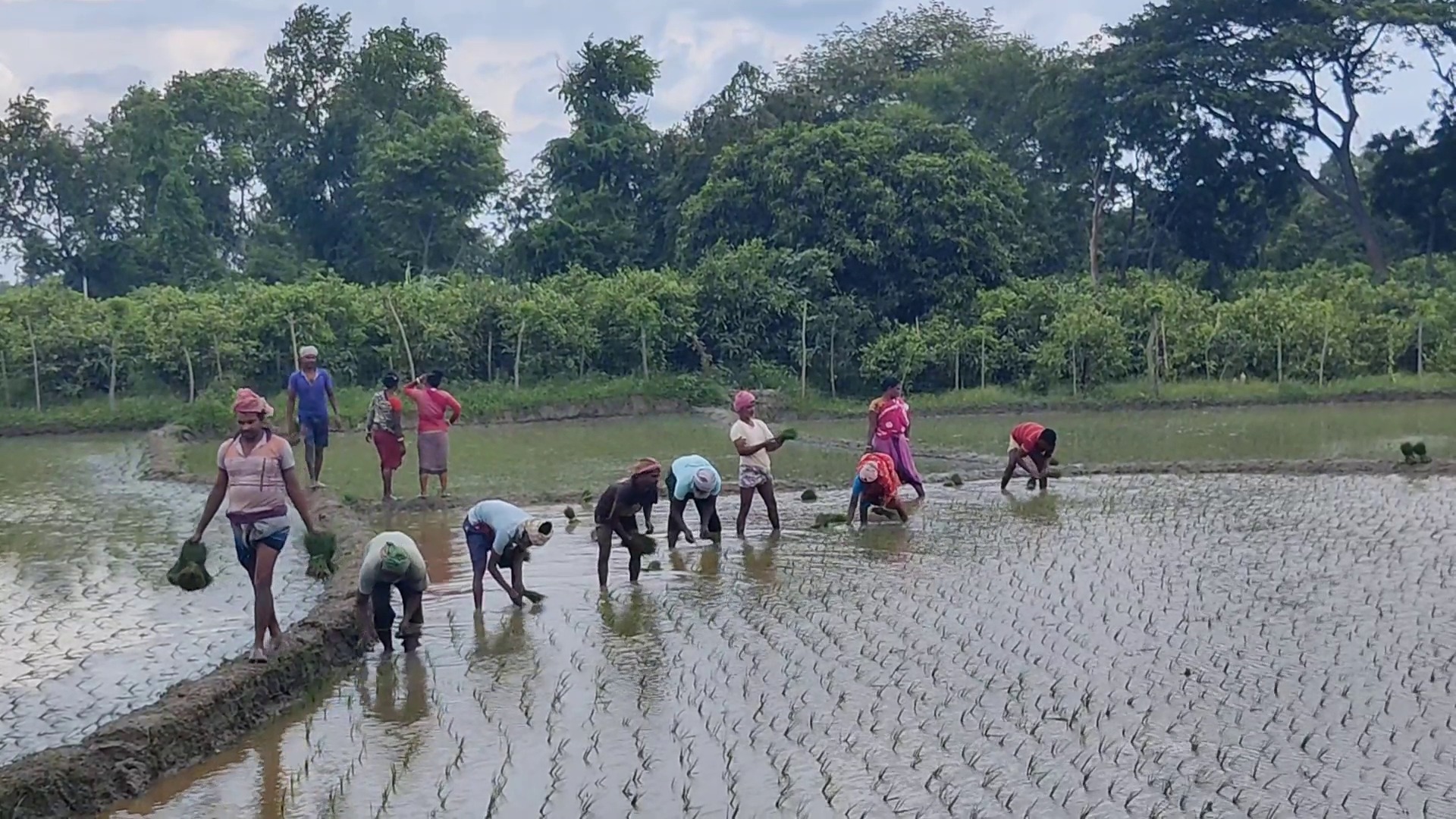
Farmers across the north-western district of Chapainawabganj, also renowned for its mango production, are passing busy days with Aman paddy cultivation, as timely monsoon rains have signalled the start of the season.

From transplanting seedlings to preparing fields and repairing bunds, agricultural lands across the district are abuzz with activities.

Shah Lal Ali, a farmer from Baliyadanga village in Sadar upazila, said he is cultivating Aman paddy on 12 bighas of land and plans to plant on another six bighas soon.

“The rains arrived early this year, which has been good for farming. The initial abundance of rainwater meant there was no need for irrigation in the beginning, helping reduce costs. If the rainfall continues like this, irrigation expenses will largely reduce,” he said.

Akbar Ali, a farmer from Atahar area, echoed the sentiment. “Aman paddy must be planted during the rainy season. I’ve seen my forefathers rely solely on rainwater for this crop. In years without rain, we’ve had to depend on deep tube wells for irrigation. But this year, timely rains have allowed all the farmers to begin cultivation,” he said.

Akbar said he has already planted paddy on eight bighas of land and plans to cultivate another two bighas once the standing rainwater recedes from a low-lying field. “The market price of paddy is good right now, which has encouraged more people to grow rice this season,” Akbar added.

Meanwhile, Jahangir Hossain, another farmer in the area, expressed concern over rising costs. “The price of ploughing and labour has gone up. On top of that, we have to feed the workers and even provide cigarettes,” he said with frustration.

Calling farming the only way to survive, Jahangir said he has planted paddy on five and a half bighas so far and has another six bighas to go.

In Nezampur of Nachol upazila, farmer Serajul is also preparing his land for cultivation. “Timely rain has helped us a lot. I plan to cultivate three bighas this year. If we continue to get periodic rainfall, it will be a good season,” he said.

According to the Department of Agricultural Extension (DAE), the target for Aman paddy cultivation in the district this year has been set at 54,415 hectares.

This includes 10,695 hectares in Sadar, 22,400 in Nachol, 15,670 in Gomastapur, 5,050 in Bholahat, and 600 hectares in Shibganj upazila.

Agricultural officials and farmers expect that 193,144 metric tonnes of paddy will be produced from the cultivated land, helping meet local demand for rice.

Dr Yasin Ali, Deputy Director of the DAE, said farmers are planting both Ufshi (high-yielding) and hybrid varieties of Aman paddy.

“There is no shortage of fertilisers or seeds, and we are providing full technical support to the farmers,” he said, expressing optimism that the district will exceed its cultivation target this year.​
 
Analyze

Analyze Post

Add your ideas here:
Highlight Cite Respond

Small farmers, big water choices
Makhan Lal Dutta 27 July, 2025, 00:00

1753581455109.webp

Barind Multilateral Development Authority

FOR millions of smallholder families, water remains a daily negotiation between hope and hardship. Whether tending boro rice on the dry soil of the Barind or collecting water for home use in flood-prone villages, such farmers balance survival against scarcity. Their water use reflects the resilience of rural Bangladesh and exposes systemic inefficiencies and an urgent need for smarter, equitable management.

During the dry-season boro harvest, groundwater remains the backbone of irrigation. Nearly 80 per cent of irrigation water comes from shallow and deep tube wells run with diesel and electric pumps. This reliance on groundwater comes at high cost. A USAID-funded analysis has found that Bangladesh’s boro production boom, from 18 million tonnes in 1991 to 33.8 million tonnes in 2013, has been driven by diesel pumps consuming 4.6 billion litres annually, costing $4 billion along with $1.4 billion in subsidies. Smallholders are trapped in this cycle, paying heavily to secure water while risking groundwater depletion.

Nowhere is this dilemma clearer than in the Barind region, where more than 90 per cent of rural households depend on groundwater for agriculture, leading to rapidly falling water tables. In Nilphamari, a small farmer had to delay his wife’s medical treatment to pay a water lord Tk 180 for an hour of irrigation. Such market-driven arrangements expose power imbalances as pump owners shift costs and risks onto the already vulnerable families.

Traditional irrigation practices further intensify inefficiencies. Most fields remain continuously flooded, wasting up to 30 per cent of water through evaporation and percolation. Alternate wetting and drying, which irrigates fields only when needed based on soil moisture, has shown promises. Trials in Bangladesh have demonstrated a 30–38 per cent reduction in pumping-related electric use without yield losses. Yet, without reforms to ensure that cost savings benefit farmers, inequities persist as pump owners accrue the benefits while smallholders continue to pay high water prices.

Surface water could be a cheap alternative where canal systems exist, but now, only around 20–25 per cent of irrigated land uses river or canal water. Large irrigation projects such as the Muhuri scheme have demonstrated gains by rehabilitating canals, installing pipelines and using prepaid meters, expanding service areas and increasing yields. Yet, smallholders often remain on the margins as private pumps and minor schemes dominate the rural water economy.

The complexity of water use extends into households, where drinking, cooking and hygiene water often come from the same sources used for irrigation. With arsenic contamination affecting nearly a half of shallow tube wells and microbial risks widespread, families are acutely aware of water safety. Promising interventions such as pond sand filtres and rainwater harvesting often face maintenance issues and women-headed households frequently bear the burden of fetching safe water.

This highlights a critical nexus: farm water decisions directly impact domestic water security. Programmes under multiple-use water supply models, which integrate irrigation, drinking and livestock water for clusters of households, offer an efficient pathway. These systems, at around $200 per household, can pay for themselves through income gains from horticulture and livestock but remain rare in Bangladesh.

Climate pressures are forcing a rethink. Solar-powered irrigation systems are expanding in remote areas, providing off-grid pumping without fuel costs. However, if not managed carefully, they risk accelerating groundwater depletion. In the Barind, proposals for increasing block tariffs, charging progressively higher rates for water use, have shown potential to reduce groundwater use while generating management funds. Coupling increasing block tariffs with canal expansion and alternate wetting and drying practices can align incentives for conservation while supporting productivity.

Institutional reform is central to this transition. Water user associations, often dominated by pump owners, need restructuring to represent actual users, including women and tenant farmers. Linking water use associations with training in alternative wetting and drying, water budgeting and governance, alongside integrating tariffs and pipeline grants, will foster equity and efficiency in local water management.

The private sector is emerging as a critical partner. Microfinance institutions are offering loans for efficient pumps, moisture sensors and drip irrigation systems, particularly for small horticulture and vegetable plots that deliver higher income per litre of water than rice. Research shows that water returns in high-value crops can be 5–10 times greater than in paddy fields. However, challenges in awareness, market connectivity and infrastructure must be addressed to fully realise these benefits.

Technological innovations offer hope. Internet of Things-enabled pumps, moisture sensors and remote sensing for monitoring aquifer health and drone-assisted irrigation planning are on the horizon. Yet, their successful adoption will require public-private partnerships, cost-sharing models and community training to ensure smallholder farmers can benefit.

Bangladesh is at a pivotal moment in its irrigation journey. An estimated 3 per cent of the nation’s electricity is consumed by farm pumps, with smallholders bearing the brunt of energy costs. Smarter water use, linking surface water systems, groundwater controls, efficient pumping technologies and integrated domestic supply, can unlock significant productivity gains while enhancing rural resilience.

Every drop saved in the field represents safer water at home. Every taka invested in efficient pumping yields healthier families, increased food security and better livelihood. It is time for policy to view irrigation not only as an agricultural necessity but as a communal resource central to rural livelihoods and health.

Smallholder farmers, who account for more than 85 per cent of Bangladesh’s farms, are key to this transformation. Empowering them with equitable water access, information and technologies can turn water management from a burden into an opportunity for resilience and economic growth. Lessons from Pakistan and India on groundwater tariffs and canal rehabilitation can guide Bangladesh’s efforts while scaling up alternate wetting and drying, multiple-use water supply pilots, prepaid metering and rainwater harvesting can ensure water sustainability.

Water is no longer merely a natural resource. It is an economic asset, central to the survival and advancement of rural Bangladesh. By balancing agricultural needs with household water security, Bangladesh can build a more resilient, equitable and water-secure future for its smallholder farmers.

Dr Makhan Lal Dutta, an agricultural engineer, is chair and chief executive officer of Harvesting Knowledge Consultancy.​
 
Analyze

Analyze Post

Add your ideas here:
Highlight Cite Respond

How precision agriculture can transform Bangladesh
1753756461568.webp

File photo: Palash Khan

Agriculture plays a pivotal role in Bangladesh's economy, employing approximately 35.27 percent of the workforce and contributing about 11.55 percent to the national GDP. Traditional farming methods, however, are becoming less sustainable due to their excessive reliance on synthetic fertilisers and excessive water use. Currently, Bangladesh imports 80 percent of the 6.9 million tons of fertiliser consumed annually. Furthermore, about 90% of the country's groundwater is used for agriculture. As a result, many parts of the country, especially the northwest and southwest such as Rajshahi, Naogoan, Natore, Dinajpur, and Jashore districts, often suffer from water scarcity.

Precision agriculture (PA) offers a promising solution to this acute problem. PA uses advanced technologies to enhance crop production while minimising waste and environmental impact. Tools like sensors, satellites, drones, and GPS-enabled machinery help farmers monitor their fields more efficiently. Soil sensors measure moisture levels, enabling precise irrigation and reducing water usage by 30-40 percent. Drones and satellites capture crop images to detect issues like diseases, pests, and nutrient deficiencies. GPS and sensor data highlight variations in the field, allowing farmers to adjust fertiliser application, which reduces waste and reliance on imports.

Additionally, soil health sensors track pH, nutrients, and organic matter to guide soil improvement. By gathering real-time data on soil moisture, pH, temperature, and electrical conductivity, PA helps determine plant water stress and nutrient requirements and allows farmers to make informed decisions. This data is analysed using software and AI to optimise irrigation, fertilisation, and pesticide use. PA also enables the automation of these processes, making it easier to apply the right resources at the right time, thus lowering the labour costs. Ultimately, PA improves resource efficiency, increases productivity, and reduces environmental impact.

Traditional rice farming using flooded irrigation method creates an anaerobic soil condition that emits methane, a greenhouse gas 25 times more potent than carbon dioxide. The International Rice Research Institute (IRRI) estimates rice farming accounts for 21 percent of Bangladesh's total greenhouse gas emissions. However, the negative impact doesn't end there. The environmental impact is exacerbated by the extensive use of diesel-powered irrigation pumps. Large amounts of carbon dioxide and harmful particles are released by these pumps, worsening rural areas' air quality and contributing to climate change. These unsustainable farming practices also pose serious health risks. The constant flooding of rice fields can create breeding grounds for mosquitoes, increasing the spread of diseases such as dengue and malaria. Additionally, methane emission also increases the per capita carbon footprint of our country.

The alternative wetting and drying (AWD), a modern irrigation method introduced by IRRI and the Bangladesh Rice Research Institute (BRRI), has already gained recognition as a sustainable water management practice in Bangladesh. Building on this foundation, we can more effectively integrate PA technologies to enhance efficiency and sustainability in rice farming. A combination of these two methods can take water management to the next level. By reducing water usage by 30-40 percent and optimising fertiliser management by 20-30 percent through PA, methane emissions can be significantly lowered. Furthermore, climate change mitigation can be supported, and rice yields can be increased by 10-20 percent. Additionally, soil moisture sensors can accurately determine irrigation needs, minimise over-irrigation and lead to savings in diesel. AWD can be implemented more effectively, ensuring fields are flooded only when necessary, thus conserving water and reducing methane emissions.

Studies conducted in countries such as the US, India, and the Netherlands have demonstrated that PA can minimise chemical runoff and cut water use by 20-40 percent, safeguarding the environment and yields.

To achieve this, pilot projects should be implemented to directly apply PA in real-world settings. These projects can include training programmes for farmers and demonstration farms to showcase the benefits of these technologies. Farmers can gain hands-on experience in precision agriculture from government agricultural offices at the upazila level.

Startups such as Aunkur, iFarmer, and Drip Irrigation BD Ltd are already leading the way in precision farming by providing Internet of Things (IoT) sensor-based services to farmers. These startups are helping to bridge the technology gap and can serve as valuable partners in scaling up PA across the country.

The Ministry of Agriculture, Bangladesh Agriculture Development Corporation, BRRI, and other agricultural bodies can come together to form strategic partnerships, creating incentives and support systems to ensure the widespread adoption of PA. By promoting collaboration between government, industry, and farmers, Bangladesh can adopt precision farming to build a more resilient, sustainable, and productive agricultural future.

Precision agriculture is essential for Bangladesh to enhance food security, reduce costs, and address climate change challenges. By investing in technology, training, and policy reforms, Bangladesh can transform its agriculture into a model of efficiency and sustainability.

Dr Sultan Ahmed is associate director at Bangladesh Institute of Governance and Management (BIGM). He can be reached at sultan.ahmed@bigm.edu.bd.

Afsana Akter is research associate at Bangladesh Institute of Governance and Management (BIGM).​
 
Analyze

Analyze Post

Add your ideas here:
Highlight Cite Respond
  • Love (+3)
Reactions: Bilal9

ENGINEERING REVOLUTION
Smart water, secure food

Makhan Lal Dutta 31 July, 2025, 00:00

1753927579516.webp


IN A sunlit classroom at Bangladesh Agricultural University, final-year students gather around a miniature canal model, tracing the path of water as it flows towards a simulated paddy field. It may seem like a simple academic exercise, but for these young engineers-in-training, it symbolises a quiet revolution. This is where Bangladesh’s future is being engineered — one drop of water, one line of code and one solar pump at a time.

Agricultural and water resources engineering education in Bangladesh has long operated in the background of mainstream development narratives. Yet, it lies at the intersection of two urgent national challenges: feeding over 170 million people and managing fragile, climate-threatened water systems. As Bangladesh faces rising climate risks, rapid urbanisation and shifting agricultural patterns, the demand for skilled, innovative and grounded engineers in this field is more critical than ever.

Agriculture continues to employ over 37 per cent of Bangladesh’s labour force and contributes more than 12 per cent to the GDP. Water is inseparable from this sector in a nation defined by its deltaic geography, 700 rivers and volatile weather cycles. Agricultural and water resources engineers play a vital role in designing irrigation systems, managing drainage, building flood control structures and developing water harvesting technologies that help farmers adapt to floods, droughts and salinity intrusion. Their importance was sharply evident during the 2020–2021 flood-drought cycles, when localised interventions helped rescue crops and protect livelihoods across northern Bangladesh.

Bangladesh’s engineering education sector has begun to respond strategically to this rising demand. Bangladesh Agricultural University pioneered this transformation in 1962 by establishing the Department of Irrigation and Water Management, now the Department of Agricultural and Water Resources Engineering. Its graduates now lead in research, infrastructure development and community engagement. Other institutions — including BUET, KUET, RUET, and newer universities like Sylhet Agricultural University and Patuakhali Science and Technology University — have integrated agricultural water engineering into their academic offerings, expanding regional access and enriching the talent pipeline.

University Grants Commission data show that enrolment in these programmes has increased by over 35 per cent in the past decade. Students and parents alike are recognising the value of a discipline that offers both career stability and the opportunity to solve real-world problems. But quality, not just quantity, determines impact. The strength of these programmes lies in their ability to equip students with both foundational engineering skills and the adaptability to confront evolving environmental and agricultural realities.

Today’s curricula are no longer confined to traditional hydraulics or irrigation. Programmes have evolved to include climate-resilient agriculture, geographic information systems, remote sensing, precision farming and solar-powered irrigation. Students also engage in hands-on training through internships, lab work and field projects with agencies like the Bangladesh Water Development Board, Bangladesh Agricultural Development Corporation, and research bodies such as BRRI and IRRI. This integration of theory and practice ensures that graduates are not just degree-holders, but solution-providers.

However, challenges persist. A 2023 Bangladesh Academy of Sciences review found that while technical capacity is improving, many institutions face shortages of modern lab facilities, simulation tools and practical exposure to large-scale water system management. Faculty development, industry collaboration and research investment must catch up with the sector’s growing importance to national development.

Graduates are increasingly in demand across public agencies, NGOs and donor-funded projects. The Department of Agricultural Extension, BWDB, and local government offices are deploying engineers to implement climate-resilient water solutions at the grassroots. Global partners — such as the World Bank, IFAD, FAO and JICA — are funding climate adaptation and irrigation initiatives, particularly in high-risk districts like Satkhira, Khulna and Rangpur. The private sector, too, is taking notice, especially in areas like solar irrigation, drip and sprinkler technologies and water-efficient agricultural machinery.

Technology is rapidly transforming this profession. Projects like IDCOL and SREDA’s solar irrigation pilots, along with community-based rainwater harvesting initiatives, are offering new career frontiers at the intersection of engineering, sustainability and rural development. IoT-based monitoring systems, real-time data analytics and automated irrigation scheduling are opening new research domains for graduates with both hardware and digital skills.

A quiet but notable change is also taking place in gender participation. While engineering has traditionally been male-dominated, BANBEIS data show that female enrolment in agricultural engineering rose from 8 per cent in 2010 to nearly 19 per cent in 2023. Many of these young women are contributing fresh perspectives on inclusive water solutions, especially for women farmers who form nearly half the agricultural labour force but often face limited access to irrigation and water infrastructure.

National development strategies now reflect this emerging importance. The Bangladesh Delta Plan 2100 and Perspective Plan 2041 prioritise water security and efficient water use. Delivering on these visions requires a pipeline of highly trained engineers who understand both the science and the social fabric of rural Bangladesh. In response, educational institutions are investing in updated syllabi, faculty training and research support to align with national goals and global best practices.

At the centre of this transformation is the unyielding passion of students. Whether it is a student in Barishal building a low-cost solar pump or a young academic in Mymensingh pioneering AI-based irrigation scheduling, the ingenuity and commitment on display reflect a deeper mission. These emerging professionals are redefining what engineering means in the 21st century — not just building bridges and towers, but creating lifelines for climate resilience, food security and inclusive development.

As Bangladesh marches towards its upper-middle-income aspiration, the role of agricultural and water resources engineers will only grow in significance. Their expertise will help determine how the country manages its land and water, secures rural livelihoods and adapts to climate extremes. More than just professionals, they are stewards of sustainability.

In a country where the rivers shape the land and the land feeds the people, these engineers are responding to a quiet but urgent call. And in the classrooms, labs and muddy fields where they train and test their ideas, they are sowing the seeds of a future where food and water security are not dreams, but engineered realities.

Dr Makhan Lal Dutta, an Agricultural Engineer, is chairman and CEO of Harvesting Knowledge Consultancy.​
 
Analyze

Analyze Post

Add your ideas here:
Highlight Cite Respond

In the absence of a pro-farmer policy

Nilratan Halder
Published :
Aug 02, 2025 00:19
Updated :
Aug 02, 2025 00:19

1754092032295.webp


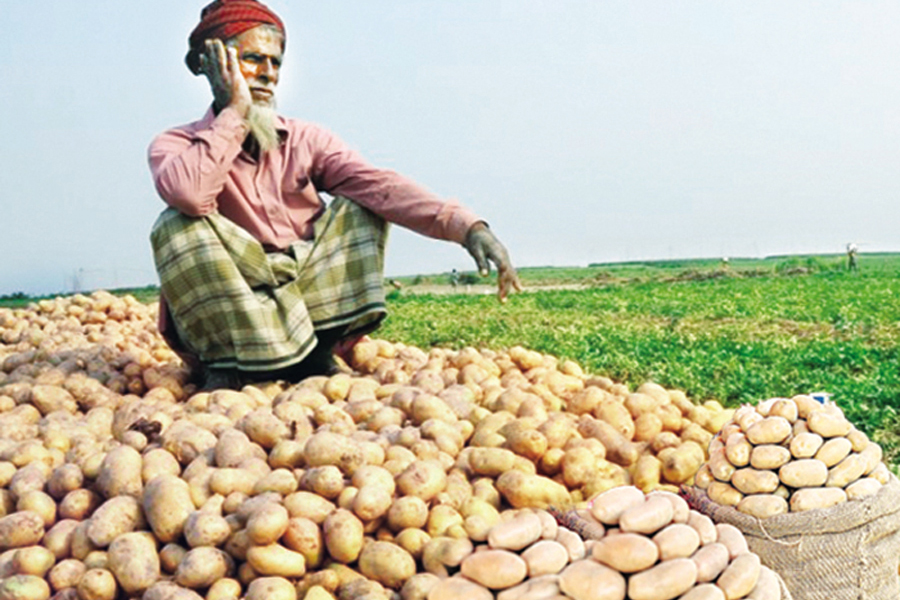
Farmers in this country could not be more discriminated against. Growers of major crops appear to be only more so. This year potato farmers have produced a record high of 13 million tonnes of potato---4.0 million tonnes in excess of the country's demand. Only 70,000 tonnes have so far been exported. The price never picked up, although at the start of the new harvest even in the country's growing north, the price of potato was Tk 70-80 a kilo. From then on the price has steadily slumped. Now farmers are counting losses between Tk 10-12 a kilogram of potato because production costs varied between Tk14-17 and with the addition of cold storage rent, the total cost for preservation of a kilogram of potato comes to about Tk25. But at the moment, the going price at cold storage gate is Tk 12-13 a kilogram.

This has raised the ominous spectre of farmers' unwillingness to take release of a huge quantity of potato from cold storages. Taking out the stock from cold storages and then bearing the costs of transportation will further increase the margin of loss. Similar things happened years ago when potatoes were left to rot or used as cattle feed. Frustration of potato growers this year may surpass the extent of that time. Fearing the reaction from potato farmers, the Bangladesh Cold Storage Association (BCSA) has sent a letter to the ministry of commerce (MoC) urging it to fix at least Tk25 a kilogram at the cold storage gate. The association has, moreover, suggested an alternative way of pragmatic disposal of potato. With the rice given to 5.5 million vulnerable families in the country at Tk 15 a kilogram, 10 kilogram of potato can as well be given to those families at a subsidised rate.

Its benefit will be manifold. First, the vulnerable people will get potatoes at a cheaper rate and will have their nutritious supplement all the same. Again, potato growers will at least be spared the outrageous losses they are now incurring. Apart from this immediate measure, the MoC should look for market abroad in order to export as much potato as possible. There are still three more months when this crop, a staple in some parts on this planet, will pass a lean season before the new harvest can be expected in November. If the opportunity can be exploited, the domestic potato glut can be overcome to a large extent.

Strangely, government intervention is fast and furious if any such appeal comes from the corporate world or the monopolistic trading houses. For example the Bangladesh Rice Industries Association (BRIA), a group of top auto rice millers, sent a letter to the MoC pleading for rescinding the directive issued by the Directorate of National Consumers' Rights Protection (DNCRP) on the sale of rice under fictitious names---in fact given the name of 'miniket' and 'jeerashail'. This is a kind of ultra-polished rice made from BRRI Dhan 28 and 29. In fact, BRRI Dhan 29 has lower yield and it is mostly the BRRI Dhan 28 that is used for the purpose. In no time, the MoC obliged. But in case of the appeal to save potato farmers, no prompt action is visible even though the plight of these growers has long been highlighted by the media and agriculture experts. The apprehension is not misplaced that farmers will lose interest in cultivation of potato and next year, the price of the item may hit rooftop as it did last year.

In case of rice, the BRIA has used the intimidation tactics threatening not to purchase 5.0 million tonnes of paddy from farmers to be processed as the finer variety of rice. If it is not purchased, farmers will count losses as that amount of rice will rot in the process. Wonder of wonders, the BRIA has at no point made it clear that it does not polish BRRI Dhan 28 to give it the name 'miniket". The DNCRP acted on an ethical and legal issue in order to prevent auto rice millers from resorting to the malpractice with the staple and abuse of the legal provision. By cutting it to size, the MoC has dealt a heavy blow to the institutional status such government agencies should have.

The problem here is the government attitude. If the earlier regime's constraints owed to graft and commission money, this government's week-kneed responses to issues of vital importance have mostly gone against the voiceless, farmers, workers and the marginalised finding themselves increasingly at the receiving end. Now the question is, will the farmers whose cause the BRIA has advanced as an excuse for allowing them to continue marketing 'miniket' and 'jeerashail' receive any benefit from the move? They are hardly likely to. The difference between the price of BRRI Dhan 28 and that of so-called 'miniket' or 'jeerashail' is no less than Tk20, if not more.

Had there been a pro-farmer and pro-people government, it would never have given in to the irrational and illegal demand from the corporate world. A government has to be smart to outdo machinations of the business syndicates. If it procured enough paddy and rice and had built sufficient warehouses and cold storages for rice and potatoes, the excess production would not be a cause for concern but an asset for the national economy.​
 
Analyze

Analyze Post

Add your ideas here:
Highlight Cite Respond
SAARC calls for a united push towards regenerative agriculture

UNB
Published :
Aug 06, 2025 22:55
Updated :
Aug 06, 2025 22:55

1754525902045.webp


Speakers at the regional consultation meeting of the SAARC Agriculture Centre (SAC) highlighted that regenerative agriculture is a transformative pathway to reverse decades of environmental damage, rejuvenate soil ecosystems, and restore harmony between agriculture and nature.

The consultation aimed to address growing environmental challenges in agriculture by focusing on key issues such as restoring degraded soils, enhancing biodiversity, and building climate-resilient food systems to ensure long-term food security in South Asia.

The SAC has concluded a three-day virtual Regional Consultation Meeting, from August 4 to 6, on "Promotion of Regenerative Agriculture in SAARC Member States." The event brought together delegates from six SAARC countries, agricultural research bodies, universities, and international agencies to develop a collaborative strategy for promoting regenerative agriculture across the region.

Urgency and Collaboration Emphasised

Ambassador Abdul Motaleb Sarker, additional foreign secretary (SAARC and BIMSTEC) of Bangladesh's Ministry of Foreign Affairs, served as the chief guest for the opening session. He stressed the urgent need to restore soil health and biodiversity and urged the SAC to lead a regional movement for agricultural transformation, integrating digital tools and practical strategies.

Md. Harunur Rashid, director of the SAARC Agriculture Centre, chaired the session. He highlighted that regenerative agriculture is a "transformative pathway to reverse decades of environmental damage, rejuvenate soil ecosystems, and restore harmony between agriculture and nature." He emphasised that these practices are crucial for long-term food security, improving farmer livelihoods, and strengthening regional agri-food systems.

Tanvir Ahmad Torophder, Director (ARD & SDF) of the SAARC Secretariat, Nepal, attended as a Special Guest. He pointed out the economic benefits of regenerative agriculture, stating, "This approach not only improves soil and environmental health but also delivers financial returns to farmers."

He called for a collaborative framework involving governments, scientists, and the private sector to scale up these practices.

Expert Presentations and Recommendations

Over the three days, six technical sessions featured more than 20 expert presentations. Focal point scientists and national specialists from SAARC member states presented country-specific papers, highlighting common regional challenges like rising temperatures, soil degradation, water scarcity, and financial constraints faced by farmers.

The experts advocated for knowledge sharing, farmer training, and the creation of large-scale extension programs tailored to the region's specific needs. Many speakers called for strong government support and greater cooperation among SAARC countries to facilitate the widespread adoption of regenerative practices, according to a press release.​
 
Analyze

Analyze Post

Add your ideas here:
Highlight Cite Respond

Members Online

No members online now.

Latest Posts

Back
 
G
O
 
H
O
M
E