Bangladesh Defense
Saif
Senior Member
- Jan 24, 2024
- 21,100
- 9,688
- Nation

- Residence
- Axis Group


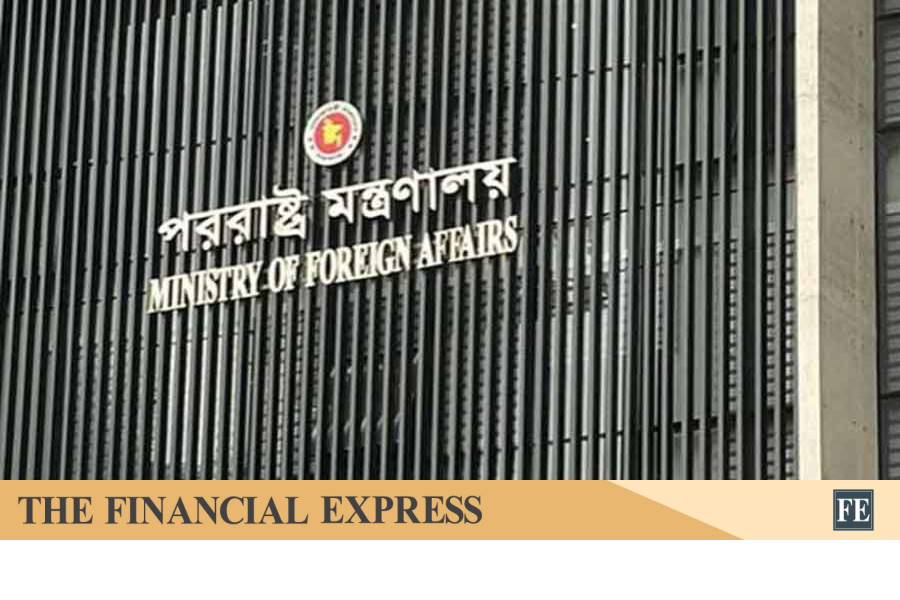
Issues with other countries to be resolved on mutual respect: FM
Foreign affairs minister Khalilur Rahman said on Monday that Bangladesh’s issues with other countries would be resolved on the basis of mutual respect as well as mutual benefit.
 www.newagebd.net
Issues with other countries to be resolved on mutual respect: FM
EU for continuation of reforms, China invites Tarique
Staff Correspondent 23 February, 2026, 16:44

A European Union delegation, led by EU Ambassador to Bangladesh Michael Miller, pays a courtesy call on foreign minister Khalilur Rahman at the foreign ministry in Dhaka on Monday. | PID photo
Foreign affairs minister Khalilur Rahman said on Monday that Bangladesh’s issues with other countries would be resolved on the basis of mutual respect as well as mutual benefit.
‘Our issues with other countries will be resolved on the basis of mutual respect and mutual benefit as well,’ he said, adding that the new government led by Tarique Rahman would always follow the policy of non-interference in internal affairs, freedom and sovereignty of other states.
He was talking to reporters at his ministry after separate meetings with several European diplomats and the United States ambassador to Bangladesh.
Meanwhile, Chinese ambassador to Bangladesh Yao Wen paid a courtesy call on prime minister Tarique Rahman at his Cabinet Division office at the secretariat.

Chinese ambassador to Bangladesh Yao Wen pays a call on prime minister Tarique Rahman at his Cabinet Division office at secretariat in Dhaka on Monday. — PID photo
Yao Wen invited prime minister Tarique Rahman to visit China and conveyed warm congratulations and greetings from Chinese president Xi Jinping and premier Li Qiang, according to a Bangladesh Sangbad Sangstha report.
Prime Minister’s Foreign Affairs Adviser Humayun Kabir disclosed this while briefing the journalists at the Secretariat after the meeting.
The Chinese envoy assured that his country would continue all kinds of cooperation to safeguard Bangladesh’s sovereignty,
During the meeting, the two sides discussed Bangladesh-China relations and the Rohingya crisis, BSS reported quoting the prime minister’s additional press secretary Atikur Rahman Ruman as saying.
The foreign minister said that they wanted to build mutually beneficial relations with foreign countries as co-equals.
He further said that all the friendly countries were expressing their intent to work closely with the Bangladesh Nationalist Party-led government formed on February 17 following the party’s victory in the February 12 parliamentary polls.
‘We are sharing our foreign policy outline with the Bangladesh First motto as we began meetings with foreign diplomats on Sunday... We want to build mutually beneficial relations with other countries as co-equals,’ stated Khalilur, a former diplomat, who worked as national security adviser for the immediate past interim government.
Diplomats from the Kingdom of Saudi Arabia, China, India and Pakistan also paid courtesy call on him on Sunday, he further said.
His government would establish a dynamic foreign policy upholding the ‘national dignity’, he added.
Asked about government measures to stop border killings along the Bangladesh-India frontiers, the foreign minister said that they were currently holding courtesy meetings and would discuss specific issues later.
After his courtesy meeting with foreign minister Khalilur and state minister for foreign affairs Shama Obaed Islam, European Union ambassador to Bangladesh Michael Miller said that the European Union being the country’s most reliable and largest commercial partner expected that the new government would carry on the reforms initiated by the interim government in various sectors, including judiciary and administration.
Responding to a question, the envoy said that the finalisation of the Partnership Cooperation Agreement with Bangladesh was near.
Earlier on the day, US ambassador Brent Christensen also called on the foreign minister at his ministry office.
‘Congratulations to Khalil Rahman on his new role as minister of foreign affairs. So pleased to continue working together to make both of our countries safer, stronger, and more prosperous,’ Christensen said in a statement shared on the US Embassy Dhaka official Facebook page.
EU for continuation of reforms, China invites Tarique
Staff Correspondent 23 February, 2026, 16:44
A European Union delegation, led by EU Ambassador to Bangladesh Michael Miller, pays a courtesy call on foreign minister Khalilur Rahman at the foreign ministry in Dhaka on Monday. | PID photo
Foreign affairs minister Khalilur Rahman said on Monday that Bangladesh’s issues with other countries would be resolved on the basis of mutual respect as well as mutual benefit.
‘Our issues with other countries will be resolved on the basis of mutual respect and mutual benefit as well,’ he said, adding that the new government led by Tarique Rahman would always follow the policy of non-interference in internal affairs, freedom and sovereignty of other states.
He was talking to reporters at his ministry after separate meetings with several European diplomats and the United States ambassador to Bangladesh.
Meanwhile, Chinese ambassador to Bangladesh Yao Wen paid a courtesy call on prime minister Tarique Rahman at his Cabinet Division office at the secretariat.
Chinese ambassador to Bangladesh Yao Wen pays a call on prime minister Tarique Rahman at his Cabinet Division office at secretariat in Dhaka on Monday. — PID photo
Yao Wen invited prime minister Tarique Rahman to visit China and conveyed warm congratulations and greetings from Chinese president Xi Jinping and premier Li Qiang, according to a Bangladesh Sangbad Sangstha report.
Prime Minister’s Foreign Affairs Adviser Humayun Kabir disclosed this while briefing the journalists at the Secretariat after the meeting.
The Chinese envoy assured that his country would continue all kinds of cooperation to safeguard Bangladesh’s sovereignty,
During the meeting, the two sides discussed Bangladesh-China relations and the Rohingya crisis, BSS reported quoting the prime minister’s additional press secretary Atikur Rahman Ruman as saying.
The foreign minister said that they wanted to build mutually beneficial relations with foreign countries as co-equals.
He further said that all the friendly countries were expressing their intent to work closely with the Bangladesh Nationalist Party-led government formed on February 17 following the party’s victory in the February 12 parliamentary polls.
‘We are sharing our foreign policy outline with the Bangladesh First motto as we began meetings with foreign diplomats on Sunday... We want to build mutually beneficial relations with other countries as co-equals,’ stated Khalilur, a former diplomat, who worked as national security adviser for the immediate past interim government.
Diplomats from the Kingdom of Saudi Arabia, China, India and Pakistan also paid courtesy call on him on Sunday, he further said.
His government would establish a dynamic foreign policy upholding the ‘national dignity’, he added.
Asked about government measures to stop border killings along the Bangladesh-India frontiers, the foreign minister said that they were currently holding courtesy meetings and would discuss specific issues later.
After his courtesy meeting with foreign minister Khalilur and state minister for foreign affairs Shama Obaed Islam, European Union ambassador to Bangladesh Michael Miller said that the European Union being the country’s most reliable and largest commercial partner expected that the new government would carry on the reforms initiated by the interim government in various sectors, including judiciary and administration.
Responding to a question, the envoy said that the finalisation of the Partnership Cooperation Agreement with Bangladesh was near.
Earlier on the day, US ambassador Brent Christensen also called on the foreign minister at his ministry office.
‘Congratulations to Khalil Rahman on his new role as minister of foreign affairs. So pleased to continue working together to make both of our countries safer, stronger, and more prosperous,’ Christensen said in a statement shared on the US Embassy Dhaka official Facebook page.