Bangladesh Defense

Saif
Senior Member
- Joined
- Jan 24, 2024
- Messages
- 22,262
- Likes
- 9,869
- Nation

- Axis Group

Bailing out rain-hit haor area's Boro farmers
Boro, with its annual share of the country's total rice output ranging approximately from 55 per cent to 60 per cent, is actually the largest contributor to Bangladesh's total rice production. As an irrigated crop of dry season, it outperforms the monsoon-dependent Aman (roughly 35-39 per cent ) an
Bailing out rain-hit haor area's Boro farmers
SYED FATTAHUL ALIM
Published :
May 04, 2026 00:23
Updated :
May 04, 2026 00:23

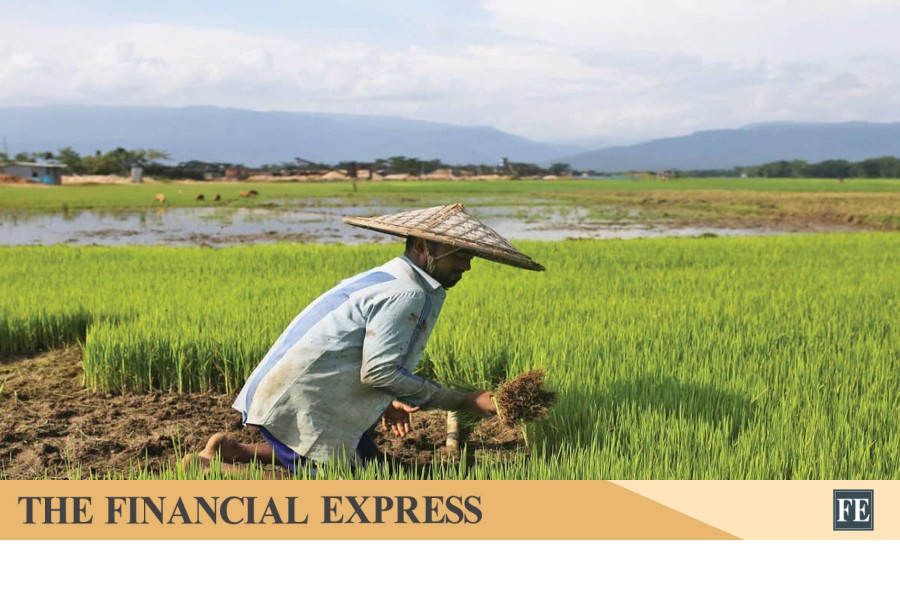
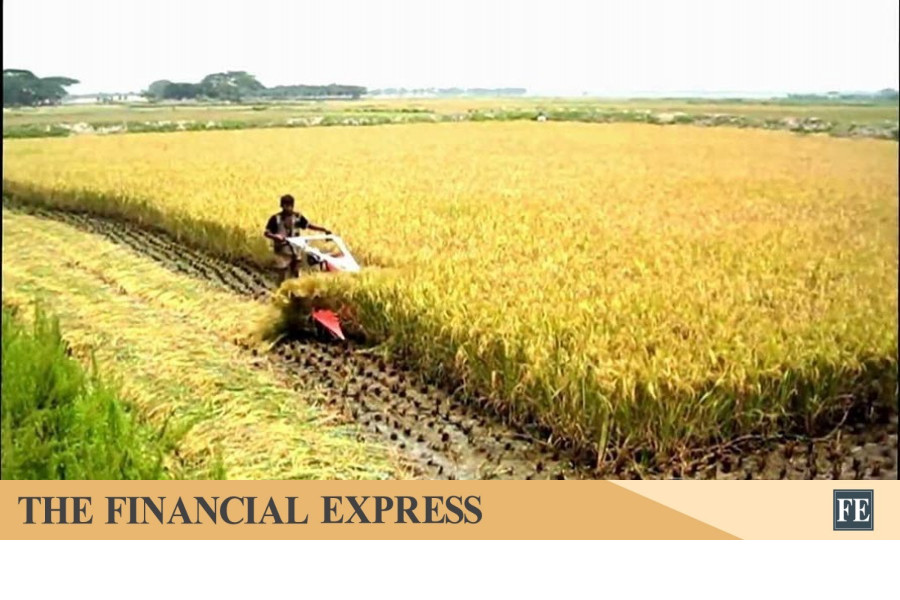
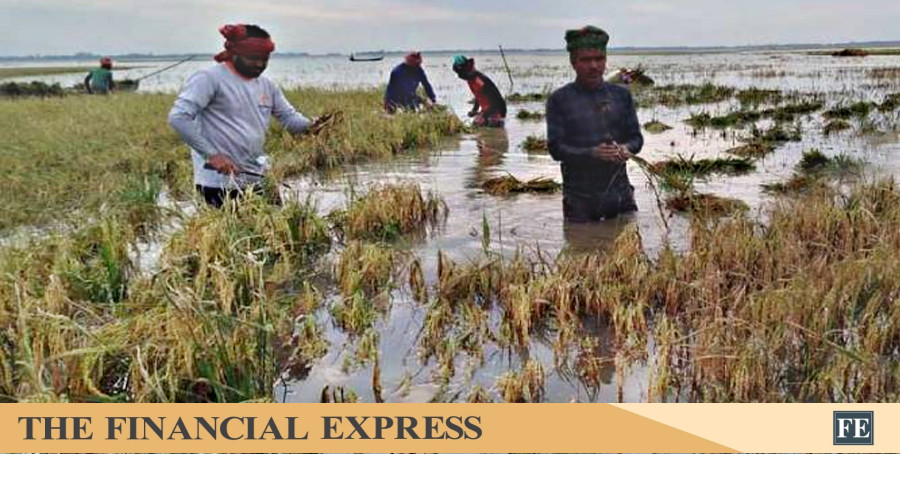
Boro, with its annual share of the country's total rice output ranging approximately from 55 per cent to 60 per cent, is actually the largest contributor to Bangladesh's total rice production. As an irrigated crop of dry season, it outperforms the monsoon-dependent Aman (roughly 35-39 per cent ) and Aus (roughly 7-10 per cent), making it critical for national food security. And of this total share, the seven haor districts, namely, Sylhet, Sunamganj, Moulvibazar, Habiganj, Netrokona, Kishoreganj and Brahmanbaria, together contribute approximately18 to 20 per cent to the total national Boro output. But the haor areas at present are facing serious climate-induced hazards originating from heavy pre-monsoon rain. As a result, the Boro crop of haor districts which is harvested between April and June have gone under water. Notably, in some districts such as Netrokona, most of the haor areas grow a single crop, which is usually Boro paddy. So, this crop is the only source of sustenance for the farmers of the haor areas of the districts all the year round. But due to the heavy rain and flash floods from the upstream region during the harvest time, farmers are facing an uncertain future. There is labour shortage and the harvesting machines, too, cannot work in deep water. Now with their rice under water, the predicament before farmers is not one of just counting losses, but also of their very survival. The indebted farmers, who loaned from banks, credit-giving NGOs or local money lenders, are in dire straits. Meanwhile, the production cost of rice has also increased due to rise in labour and other input costs. Especially, due to the rise in diesel price, the irrigation cost, too, has gone up. According to an estimate, last year a farmer would invest about Tk33 to produce a kg of rice.
FE
Considering the increased cost of labour and irrigation, thanks to diesel price hike, production cost of rice has increased by Tk 2.0 per kg. The rice which has already been harvested is rotting as drying is problematic without chatals (raised platforms for drying foodgrains) and enough sunshine. Obviously, the middlemen are taking advantage of the situation and buying the harvested rice at very low prices from farmers. In some rain-hit haor districts, to avoid their harvested wet rice getting further damaged, farmers are compelled to sell their rice at prices as low as Tk 500 to Tk600 per maund (1 maund is approximately 37.32 kg). District administrations of the haor areas are advising farmers to store rice and wait until the government procurement begins when they might get a fair price for their crop. But it all depends on the weather condition. If rain stops, the water recedes and sunshine returns, they will be able to dry and store their rice and expect better price for their rice from the government. In that case, the government officials in charge of procurement have to be instructed not to harass farmers as they usually do under various pretexts. But poor farmers cannot depend on just assurances of a future which is uncertain. They actually need government's financial support for survival. According to an estimate, this year, boro paddy was cultivated on 6.3 lakh hectares of land in the seven haor districts. It is feared that about 77,000 hectares of boro crop in the haor basin might have gone under floodwater. Going by the record of Boro yield of the previous year at four metric tons per hectare, around three hundred thousand metric tons of Boro crop in the haor basin are at risk of being damaged by floods. According to the Department of Agricultural Extension (DAE), that is a significant portion of the total Boro output at 21.30 million metric tons (last year's yield). However, it is not for the first time that haor basin farmers have been facing livelihood-destroying crop losses owing to vagaries of nature.
In fact, the pre-monsoon rainfalls, flash floods from the upstream regions from across the border, breach in the embankments and other kinds of unpredictability are not quite a new experience in the haor areas. In other words, this boro harvesting season's downpours or flashfloods are not something out of the ordinary. In fact, to haor farmers, such experience is common at least for a decade. So, one wonders, why were no appropriate measures taken in advance to protect haor farmers from the predictable natural calamities? In most cases, the makeshift embankments built by farmers cannot stand the pressure of flashfloods whether caused by untimely downpours or rush of water from the upstream. So, this season's damage to boro rice due to the inundation caused by rain could well be averted through early intervention by the government. The farmers of the inundated haor areas complain that there is no channel to drain out the accumulated rain or floodwater. If there was arrangement to empty the water from the flooded boro fields, they could harvest the crops to prevent those from rotting under water. So, purely blaming the untimely rain won't do. Some experts hold the view that as part of helping the rain-hit boro farmers, the government can buy the wet boro rice from farmers and get those dried from the chatals in other areas not affected by rain.
The chatal owners would help dry the wet paddy and even husk it into rice upon payment of the required charges. The cost of drying and husking the wet rice could well be adjusted from the higher price (Tk1400 per maund) at which the government is going to purchase unhusked rice from farmers this year. In fact, there are many ways to stand beside Boro farmers of the haor areas in need. The good news is that the government is learnt to have brought forward the date of purchasing the husked rice from farmers of six haor districts from 15th May to 3rd May when both husked rice and boro paddy would be bought from farmers. That would definitely be of help for farmers at a loss with rain-damaged Boro rice. While haor area Boro yield is part of ensuring the nation's food security, the upcoming Aman season would also play a significant role in that respect. So, procuring the required amount of fertilizers for the purpose will now be the main task before the government. There are 0.34 million tons of urea reportedly in government stock, where 0.4 million tons is considered safe level. The government has been trying to buy 0.2 million tons of urea from private sources through inviting tenders but with no success so far. So, ensuring an adequate stock of fertilizers for the next cropping seasons remains a challenge before the government.
SYED FATTAHUL ALIM
Published :
May 04, 2026 00:23
Updated :
May 04, 2026 00:23
Boro, with its annual share of the country's total rice output ranging approximately from 55 per cent to 60 per cent, is actually the largest contributor to Bangladesh's total rice production. As an irrigated crop of dry season, it outperforms the monsoon-dependent Aman (roughly 35-39 per cent ) and Aus (roughly 7-10 per cent), making it critical for national food security. And of this total share, the seven haor districts, namely, Sylhet, Sunamganj, Moulvibazar, Habiganj, Netrokona, Kishoreganj and Brahmanbaria, together contribute approximately18 to 20 per cent to the total national Boro output. But the haor areas at present are facing serious climate-induced hazards originating from heavy pre-monsoon rain. As a result, the Boro crop of haor districts which is harvested between April and June have gone under water. Notably, in some districts such as Netrokona, most of the haor areas grow a single crop, which is usually Boro paddy. So, this crop is the only source of sustenance for the farmers of the haor areas of the districts all the year round. But due to the heavy rain and flash floods from the upstream region during the harvest time, farmers are facing an uncertain future. There is labour shortage and the harvesting machines, too, cannot work in deep water. Now with their rice under water, the predicament before farmers is not one of just counting losses, but also of their very survival. The indebted farmers, who loaned from banks, credit-giving NGOs or local money lenders, are in dire straits. Meanwhile, the production cost of rice has also increased due to rise in labour and other input costs. Especially, due to the rise in diesel price, the irrigation cost, too, has gone up. According to an estimate, last year a farmer would invest about Tk33 to produce a kg of rice.
FE
Considering the increased cost of labour and irrigation, thanks to diesel price hike, production cost of rice has increased by Tk 2.0 per kg. The rice which has already been harvested is rotting as drying is problematic without chatals (raised platforms for drying foodgrains) and enough sunshine. Obviously, the middlemen are taking advantage of the situation and buying the harvested rice at very low prices from farmers. In some rain-hit haor districts, to avoid their harvested wet rice getting further damaged, farmers are compelled to sell their rice at prices as low as Tk 500 to Tk600 per maund (1 maund is approximately 37.32 kg). District administrations of the haor areas are advising farmers to store rice and wait until the government procurement begins when they might get a fair price for their crop. But it all depends on the weather condition. If rain stops, the water recedes and sunshine returns, they will be able to dry and store their rice and expect better price for their rice from the government. In that case, the government officials in charge of procurement have to be instructed not to harass farmers as they usually do under various pretexts. But poor farmers cannot depend on just assurances of a future which is uncertain. They actually need government's financial support for survival. According to an estimate, this year, boro paddy was cultivated on 6.3 lakh hectares of land in the seven haor districts. It is feared that about 77,000 hectares of boro crop in the haor basin might have gone under floodwater. Going by the record of Boro yield of the previous year at four metric tons per hectare, around three hundred thousand metric tons of Boro crop in the haor basin are at risk of being damaged by floods. According to the Department of Agricultural Extension (DAE), that is a significant portion of the total Boro output at 21.30 million metric tons (last year's yield). However, it is not for the first time that haor basin farmers have been facing livelihood-destroying crop losses owing to vagaries of nature.
In fact, the pre-monsoon rainfalls, flash floods from the upstream regions from across the border, breach in the embankments and other kinds of unpredictability are not quite a new experience in the haor areas. In other words, this boro harvesting season's downpours or flashfloods are not something out of the ordinary. In fact, to haor farmers, such experience is common at least for a decade. So, one wonders, why were no appropriate measures taken in advance to protect haor farmers from the predictable natural calamities? In most cases, the makeshift embankments built by farmers cannot stand the pressure of flashfloods whether caused by untimely downpours or rush of water from the upstream. So, this season's damage to boro rice due to the inundation caused by rain could well be averted through early intervention by the government. The farmers of the inundated haor areas complain that there is no channel to drain out the accumulated rain or floodwater. If there was arrangement to empty the water from the flooded boro fields, they could harvest the crops to prevent those from rotting under water. So, purely blaming the untimely rain won't do. Some experts hold the view that as part of helping the rain-hit boro farmers, the government can buy the wet boro rice from farmers and get those dried from the chatals in other areas not affected by rain.
The chatal owners would help dry the wet paddy and even husk it into rice upon payment of the required charges. The cost of drying and husking the wet rice could well be adjusted from the higher price (Tk1400 per maund) at which the government is going to purchase unhusked rice from farmers this year. In fact, there are many ways to stand beside Boro farmers of the haor areas in need. The good news is that the government is learnt to have brought forward the date of purchasing the husked rice from farmers of six haor districts from 15th May to 3rd May when both husked rice and boro paddy would be bought from farmers. That would definitely be of help for farmers at a loss with rain-damaged Boro rice. While haor area Boro yield is part of ensuring the nation's food security, the upcoming Aman season would also play a significant role in that respect. So, procuring the required amount of fertilizers for the purpose will now be the main task before the government. There are 0.34 million tons of urea reportedly in government stock, where 0.4 million tons is considered safe level. The government has been trying to buy 0.2 million tons of urea from private sources through inviting tenders but with no success so far. So, ensuring an adequate stock of fertilizers for the next cropping seasons remains a challenge before the government.