Bangladesh Defense
Saif
Senior Member
- Joined
- Jan 24, 2024
- Messages
- 20,934
- Likes
- 9,685
- Nation

- Residence
- Axis Group

Date of Event:
Jun 27, 2025
Bangladesh missing out on multibillion-dollar agro-processing potential

Experts attend a roundtable titled “Export readiness of agro-processing SMEs through skills development” at The Daily Star Centre in Dhaka yesterday. The event was jointly organised by The Daily Star and Swisscontact. Photo: Prabir Das
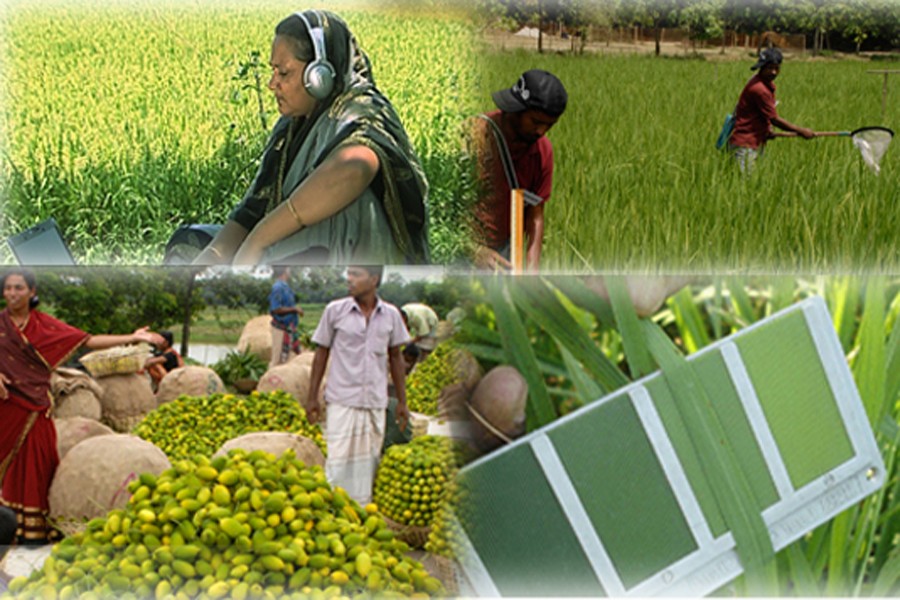
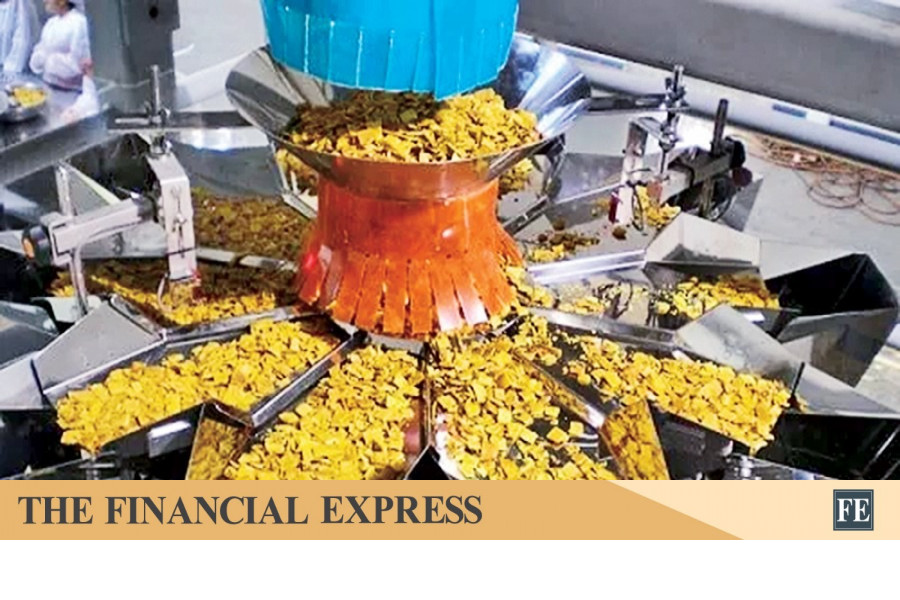
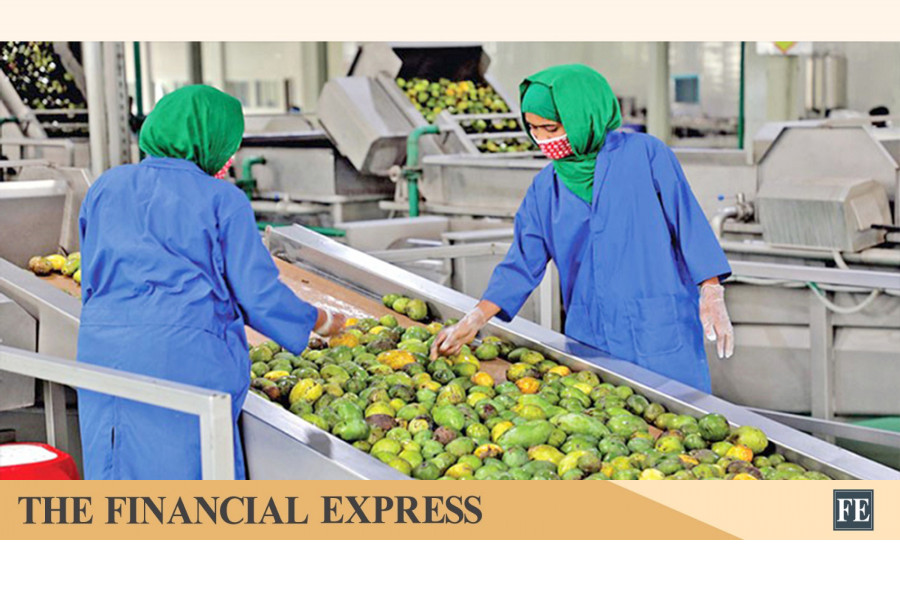
Despite their multibillion-dollar export potential, Bangladesh's agro-based products are yet to account for a substantial portion of the global market due to systemic challenges in compliance, quality control, and value addition, according to experts and industry leaders.
They emphasised the need for policy reform, targeted training, and stronger institutional support to address the challenges—ranging from certification gaps to limited testing infrastructure—to enable small and medium enterprises (SMEs) to thrive in international markets.
They were addressing a roundtable titled "Export readiness of agro-processing SMEs through skills development" at The Daily Star Centre yesterday.
The event was jointly organised by The Daily Star and Swisscontact under a BYETS project, with support from the Embassy of the Netherlands in Dhaka.
Bangladesh's agricultural exports could triple from the current $1 billion within the next three years—provided the government introduces adequate policy support, said Md Abul Hashem, president of the Bangladesh Agro-Processors' Association (Bapa).
Hashem identified several critical challenges, including the absence of internationally recognised testing facilities.
"The Bangladesh Standards and Testing Institution (BSTI) certifications are not globally accepted, limiting our export reach," he said.
He also pointed to a severe shortage of technical experts and farmers' limited skills in fertiliser application, which impacts product quality.
Hashem said while Bapa has trained 1,200 workers in large industries, SMEs—which form the backbone of agro-processing—often lack the capacity to comply with international standards.
This is now where the focus is shifting, said Nadia Afrin Shams, team leader at Swisscontact Bangladesh.
"Last month's international mango expo started this conversation. Today's roundtable builds on that momentum," she said, adding that Swisscontact aims to co-develop inclusive skills-based solutions with SME stakeholders.
The discussion also revealed how firms are working to overcome export compliance challenges.
Mahbub Baset, chief operating officer of consumer food manufacturer IFAD Multi Products Ltd, shared how regulatory setbacks in the US market—stemming from the use of banned additives—led his company to adopt natural alternatives.
"These experiences have helped us strengthen internal controls. Now, with Swiss-funded support, we provide GMP (good manufacturing practices) and food safety training to new recruits," he said.
He also said exporters continue to face logistical bottlenecks due to the lack of credible labs at the local level.
KH Nurul Momen Kayes, proprietor of agricultural food exporter Trust and Trade, ships sesame oil to 12 countries but often depends on foreign labs like Eurofins Scientific for quality testing, which delays shipments.
"We need investment in domestic testing infrastructure to improve efficiency and global competitiveness," he urged.
Helal Hussain, country director of Swisscontact Bangladesh, noted that while agro-exports amount to around $1.2 billion annually, volumes remain low due to poor compliance with global standards.
"Only a small portion of our tea is certified for key markets," he said.
To address this, Swisscontact has launched a project targeting 20 agro products across seven export markets, focusing on improving processing, traceability, packaging, and market knowledge.
"Sustained collaboration is essential to unlock this sector's potential," he added.
Tanzila Tajreen, senior policy advisor at the Netherlands embassy, emphasised the need for targeted skills development through projects like BYETS (Building Youth Employability Through Skills).
"Agriculture has always been a cornerstone of our economy, yet agro-processing still lacks an export-oriented strategy," she said.
She stressed that skilling youth and women for decent employment in agro-processing can also diversify Bangladesh's export base beyond readymade garments.
Ikramul H Sohel, senior programme officer at the Embassy of Sweden, echoed the sentiment.
"Agriculture holds export potential similar to RMG—if we get the policies right," he said.
With the right policies on food safety, labour standards, certification, and financing, agriculture can be transformed into Bangladesh's next major export engine, he added.
The event was moderated by Ananya Raihan, chairperson, iSocial Limited.
Shamsul Huda Asif, admin and coordinator manager, European Union Chamber of Commerce in Bangladesh; Palash Kanti Das, senior adviser, Climate Action Network South Asia; Mohammod Mosharrof Hossain, chief executive officer, Agro Food Industry Skills Council; and Saif Mohammad Moinul Islam, senior programme officer, International Labour Organization, also spoke at the event.
Experts attend a roundtable titled “Export readiness of agro-processing SMEs through skills development” at The Daily Star Centre in Dhaka yesterday. The event was jointly organised by The Daily Star and Swisscontact. Photo: Prabir Das
Despite their multibillion-dollar export potential, Bangladesh's agro-based products are yet to account for a substantial portion of the global market due to systemic challenges in compliance, quality control, and value addition, according to experts and industry leaders.
They emphasised the need for policy reform, targeted training, and stronger institutional support to address the challenges—ranging from certification gaps to limited testing infrastructure—to enable small and medium enterprises (SMEs) to thrive in international markets.
They were addressing a roundtable titled "Export readiness of agro-processing SMEs through skills development" at The Daily Star Centre yesterday.
The event was jointly organised by The Daily Star and Swisscontact under a BYETS project, with support from the Embassy of the Netherlands in Dhaka.
Bangladesh's agricultural exports could triple from the current $1 billion within the next three years—provided the government introduces adequate policy support, said Md Abul Hashem, president of the Bangladesh Agro-Processors' Association (Bapa).
Hashem identified several critical challenges, including the absence of internationally recognised testing facilities.
"The Bangladesh Standards and Testing Institution (BSTI) certifications are not globally accepted, limiting our export reach," he said.
He also pointed to a severe shortage of technical experts and farmers' limited skills in fertiliser application, which impacts product quality.
Hashem said while Bapa has trained 1,200 workers in large industries, SMEs—which form the backbone of agro-processing—often lack the capacity to comply with international standards.
This is now where the focus is shifting, said Nadia Afrin Shams, team leader at Swisscontact Bangladesh.
"Last month's international mango expo started this conversation. Today's roundtable builds on that momentum," she said, adding that Swisscontact aims to co-develop inclusive skills-based solutions with SME stakeholders.
The discussion also revealed how firms are working to overcome export compliance challenges.
Mahbub Baset, chief operating officer of consumer food manufacturer IFAD Multi Products Ltd, shared how regulatory setbacks in the US market—stemming from the use of banned additives—led his company to adopt natural alternatives.
"These experiences have helped us strengthen internal controls. Now, with Swiss-funded support, we provide GMP (good manufacturing practices) and food safety training to new recruits," he said.
He also said exporters continue to face logistical bottlenecks due to the lack of credible labs at the local level.
KH Nurul Momen Kayes, proprietor of agricultural food exporter Trust and Trade, ships sesame oil to 12 countries but often depends on foreign labs like Eurofins Scientific for quality testing, which delays shipments.
"We need investment in domestic testing infrastructure to improve efficiency and global competitiveness," he urged.
Helal Hussain, country director of Swisscontact Bangladesh, noted that while agro-exports amount to around $1.2 billion annually, volumes remain low due to poor compliance with global standards.
"Only a small portion of our tea is certified for key markets," he said.
To address this, Swisscontact has launched a project targeting 20 agro products across seven export markets, focusing on improving processing, traceability, packaging, and market knowledge.
"Sustained collaboration is essential to unlock this sector's potential," he added.
Tanzila Tajreen, senior policy advisor at the Netherlands embassy, emphasised the need for targeted skills development through projects like BYETS (Building Youth Employability Through Skills).
"Agriculture has always been a cornerstone of our economy, yet agro-processing still lacks an export-oriented strategy," she said.
She stressed that skilling youth and women for decent employment in agro-processing can also diversify Bangladesh's export base beyond readymade garments.
Ikramul H Sohel, senior programme officer at the Embassy of Sweden, echoed the sentiment.
"Agriculture holds export potential similar to RMG—if we get the policies right," he said.
With the right policies on food safety, labour standards, certification, and financing, agriculture can be transformed into Bangladesh's next major export engine, he added.
The event was moderated by Ananya Raihan, chairperson, iSocial Limited.
Shamsul Huda Asif, admin and coordinator manager, European Union Chamber of Commerce in Bangladesh; Palash Kanti Das, senior adviser, Climate Action Network South Asia; Mohammod Mosharrof Hossain, chief executive officer, Agro Food Industry Skills Council; and Saif Mohammad Moinul Islam, senior programme officer, International Labour Organization, also spoke at the event.