[🇧🇩] Budget For 2026-2027

[🇧🇩] Budget For 2026-2027
71
762
More threads by Saif

G Bangladesh Defense

Budget ‘positive’ but implementation a big question mark: CPD

Published :
Jun 12, 2026 02:01
Updated :
Jun 12, 2026 02:01
1781231975462.webp


The Centre for Policy Dialogue (CPD) says the new budget is positive in intent but lacks any clear announcement on how it will be implemented, calling that the biggest challenge ahead.

The private research organisation's Executive Director Fahmida Khatun shared immediate budget reaction at the organisation's Dhanmondi office on Thursday night, joined by CPD Distinguished Fellow Mustafizur Rahman and other staff, bdnews24.com reports.

She said several targets in the proposed 2026-27 budget, including revenue collection, should have been “more realistic”.

"If targets are not realistic, implementation becomes impossible. And when implementation fails, budget discipline breaks down -- uncertainty grows over where money will come from and where it will go.”

The current economic situation calls not just for growth but for stability, confidence, and clear direction, she added.

"The hard task right now is to restore macroeconomic stability on one hand and revive employment and investment on the other. Bringing down high inflation must come first."

The budget sets a 6.5 percent GDP growth target alongside a 7.5 percent inflation ceiling.

Fahmida argued that pushing growth up from the current 5 percent base to nearly 6.5 percent requires specific prerequisites, including stimulating private investment, boosting industrial output, and accelerating export dynamics.

She explained that achieving this growth path will be highly challenging given structural financial sector weaknesses paired with prevailing energy and fuel shortages.

With average inflation currently running at around 9.5 percent, bringing it down to 7.5 percent will also require meeting certain conditions, she said.

Stabilising the exchange rate, improving food and agricultural supply chains, ensuring fuel supply, and properly implementing monetary policy are all necessary.

She said the budget reflects several priorities from the BNP's election manifesto, including democratising the economy, job creation, institutional reform, private sector-led growth, and good governance.

“But there is no announcement in the budget on how any of this will actually be implemented”, she said.​
 

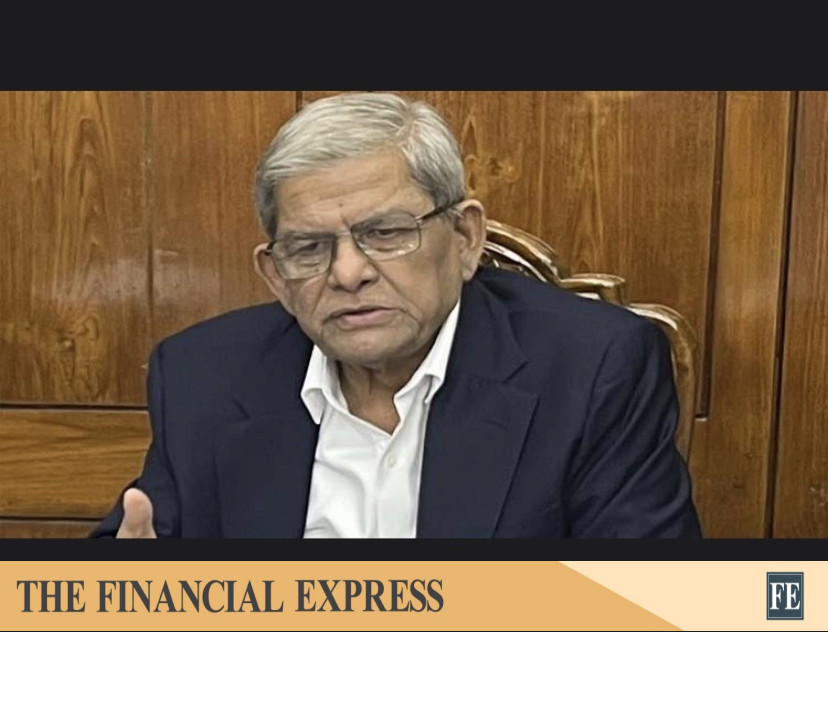
Proposed budget production-friendly, business-friendly: Fakhrul

Published :
Jun 11, 2026 23:30
Updated :
Jun 11, 2026 23:30

1781232314733.webp


BNP Secretary General and Local Government, Rural Development and Cooperatives Minister Mirza Fakhrul Islam Alamgir has described the proposed FY2026-27 budget as a "creative" budget that is production-friendly, investment-friendly and business-friendly.

"This budget has been formulated keeping in mind the welfare of all classes of people. It is a creative budget," Fakhrul said while reacting to the budget in his chamber at the Parliament Building on Thursday night, BSS reports.

The minister said, "This budget is essentially production-friendly, investment-friendly, and business-friendly. The concessions that have been given in this budget, the reliefs that have been provided, we have never seen such large concessions before."

Highlighting the allocations for the industrial and health sectors, the BNP Secretary General said, "The allocation for the industrial sector in this budget will give a significant boost to the economy. We hope that the Bangladeshi economy will recover very soon."

"During the last 15 years of rule, the economy of Bangladesh was almost destroyed, and not only the economy, but also all the democratic institutions were destroyed," he added.

The veteran BNP leader said that after assuming office, the BNP government took responsibility for rebuilding the economy, and Finance Minister Amir Khosru Mahmud Chowdhury's budget reflects that commitment.

Mirza Fakhrul further said, "This budget reflects the government's commitment to revitalising the country's economy and restoring its growth momentum."​
 

BALANCING POPULAR EXPECTATIONS AGAINST FINANCIAL LIMITATIONS
A budget for almost everybody in challenging times
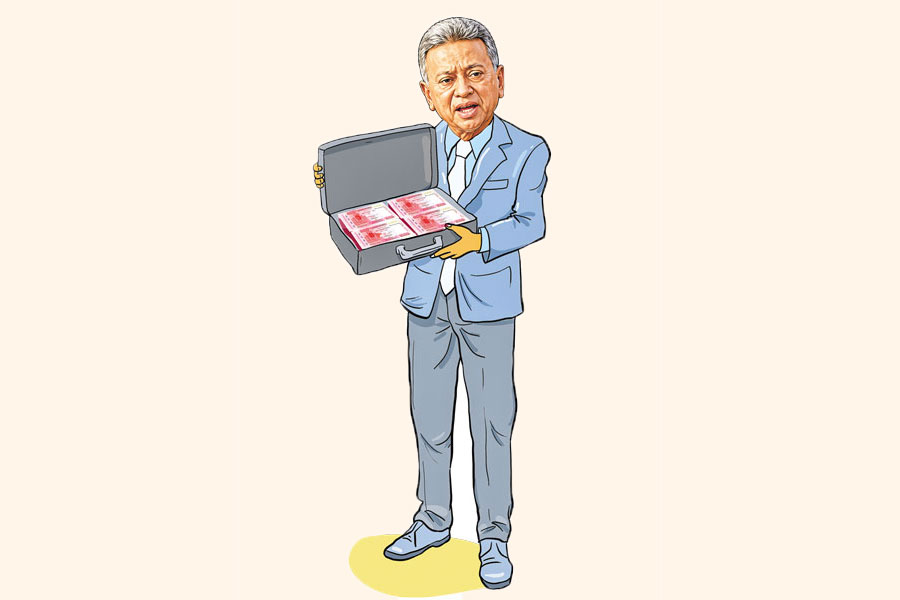
A hugely deficit Tk 9.38t budget placed in parliament with business-promoting reform recipes

Jasim Uddin Haroon

Published :
Jun 12, 2026 01:26
Updated :
Jun 12, 2026 01:26

1781232734189.webp


For umpteen people, BNP's return to power represents far more than a routine change of government rather an aspired upgrade in their standard of living.

It marked the culmination of a political struggle that had stretched over a decade and a half and culminated in the student-led uprising of 2024.

The election that followed brought with it hopes of economic relief, institutional renewal and a fresh start for a country weary of prolonged political turmoil.

Expectations were high.

Households hoped for respite from years of soaring cost of living. Many middle-income families, whose purchasing power had steadily eroded under persistent inflation, looked for measures that could ease their financial burden.

Young people sought employment opportunities, while businesses anticipated reforms that could spur sagging investment, restore confidence and put the economy back on a path of sustainable growth.

Yet Prime Minister Tarique Rahman's administration had little time to enjoy a political honeymoon.

Within days of taking office, a crisis erupted thousands of miles away.

War in the Middle East sent global energy prices spiraling, raising import costs and threatening to widen fiscal and external imbalances as well as threatening overseas employment.

The shock arrived at a particularly fragile moment-when the nation was passing by a crossroads.

The new government inherited an economy struggling with stubborn inflation, a banking sector burdened by rising non-performing loans, weakened institutions and one of the lowest levels of private-sector investment in recent years.

The government suddenly found themselves walking a tightrope: how to fulfil public expectations while navigating an increasingly inimical economic environment.

It was against this backdrop that Finance and Planning Minister Amir Khosru Mahmud Chowdhury rose in parliament Thursday to roll out the national budget for fiscal year 2026-27.

At Tk 9.38 trillion, the spending plan is among the largest in Bangladesh's history. Yet its significance lies not in how much the government intends to spend, but in how it plans to finance it.

The government expects to mobilise nearly Tk 6.95 trillion from domestic sources - an ambitious target at a time when even the revised revenue goals for the outgoing fiscal year appear difficult to achieve.

For tax authorities, the challenge resembles an ascent up Everest with uncertain weather and limited oxygen.

The financing strategy relies heavily on borrowing. Of the total resource envelope, around Tk 2.43 trillion is expected to be financed largely through the banking system despite a sector still struggling with weak governance, capital deficit and rising defaulted loans.

If revenues underperform while expenditure execution remains relatively strong, the fiscal deficit automatically widens. Bangladesh has seen this repeatedly.

The government then has three options: cut expenditure, increase domestic borrowing, or rely more heavily on monetary accommodation.

In practice, expenditure adjustment is rarely immediate. Salaries, pensions, subsidies and ongoing projects are difficult to cut quickly, meaning the burden of adjustment often shifts to domestic financing.

This is where the risks begin to reinforce one another. Higher domestic borrowing requires greater issuance of treasury bills and bonds. Banks respond by allocating more of their balance sheets to government securities, crowding out private credits.


A budget designed to accelerate growth may, therefore, end up reducing credits available to the private sector expected to generate that growth.

External financing presents another hurdle.

The budget just presented anticipates Tk 1.08 trillion in foreign borrowing, a level of financing the country rarely secured in the past.

At a time when global capital is becoming more expensive and development lenders increasingly selective, meeting the target may prove easier on paper than in practice.

Yet foreign borrowing has frequently underperformed projections because of implementation delays, slower disbursements and administrative bottlenecks. This year, uncertainty is compounded by questions surrounding the timing and scale of future external financing.


Inflation expected to remain high: To help ease inflationary pressures, the finance minister has reduced source taxes on around 60 essential goods. Yet the effectiveness of the measure remains uncertain.

Actually supply-side distortions - including extortion along transport routes, market manipulation and unauthorised toll collection - often play a more significant role in driving prices than taxes alone.

If those structural bottlenecks remain unaddressed, the benefits of tax reductions may not fully reach consumers.

The government correctly identifies inflation control as the immediate macroeconomic priority and the medium-term framework assumes a gradual return to price stability. Yet inflation remains above 9.0 per cent and has repeatedly exceeded official projections. More importantly, stabilisation and rapid growth do not always move together.


Tight monetary conditions, positive real interest rates and continued macroeconomic adjustment may be necessary to reduce inflation.

Finance minister's vision: Yet the budget is not solely a story of financing gaps and fiscal arithmetic. It also offers a glimpse into the government's broader economic vision.

Education, healthcare, social protection, the creative economy and the blue economy have all received greater emphasis while cancer and kidney patients are set to receive additional support through cash assistance and tax reductions on select medical equipment and machinery.

The government is seeking to promote a "creative economy" in its entire spectrum. Income generated through content creation remains outside the tax net--a move aimed at encouraging a rapidly expanding digital sector and attracting younger entrepreneurs into the formal economy.


Public-sector employees are expected to receive a new pay structure in phases, providing some compensation for years of inflation-induced erosion of real incomes.

For private-sector employees and middle-income households, however, the gains may appear less obvious.

The finance minister wants to reduce the economy's traditional dependence on bank lending by expanding the use of sukuk, corporate bonds, municipal bonds and other capital-market instruments.

Such reforms could broaden access to long-term financing and deepen domestic capital markets, although achieving that objective is likely to take years rather than months.


Among the most consequential proposals is the introduction of a five-year predictability framework for personal-income taxation.

The tax-free income threshold has been raised to Tk 375,000, while authorities plan to strengthen tax compliance by linking bank accounts more closely with the National Board of Revenue and requiring Taxpayer Identification Numbers (TINs) for opening new bank accounts.

Corporate tax rates remain unchanged.

However, companies conducting all transactions through formal banking channels will receive a 2.5-percentage-point tax waiver.


The measures could broaden the tax base, modernise revenue administration and reduce tax evasion.

The budget also contains an ambitious attempt to reverse one of Bangladesh's longstanding challenges: the migration of skilled workers.

Officials hope to transform decades of "brain drain" into "brain circulation" by encouraging talented Bangladeshis living abroad to return home.

Yet economic incentives alone may not be sufficient. Professionals who leave often cite governance, public services, quality of life, environmental concerns and social security alongside economic opportunities.

For businesses, meanwhile, the budget offers a broad package of incentives designed to stimulate investment and industrialisation.

To attract foreign direct investment, exploring new free-trade agreements, and promoting environmentally friendly transportation, including electric motorcycles, scooters and commercial vehicles, are among the priorities.

As part of a wider deregulation agenda, the government also plans to establish a digital single-window platform intended to simplify administrative procedures for investors and businesses.

The government's strategy is clear: encourage investment today in the hope of generating jobs and growth tomorrow.

Whether those ambitions can be realised remains the central question.

Many of the reforms outlined in the budget are structural and long-term ones. Their benefits, if realised, are likely to emerge gradually rather than immediately.

In the short term, households will continue to confront elevated living costs, businesses will face financing constraints and policymakers will remain under pressure to balance growth with stability.

The budget is, therefore, both a statement of ambition and a test of execution.

It reflects a government attempting to convert political goodwill into economic momentum while operating under severe fiscal and institutional constraints.

The success of that effort will depend not only on the policies announced in parliament but also on the government's ability to mobilise resources, restore confidence and deliver results in an increasingly uncertain world.

Whitening black money?

The National Board of Revenue (NBR) created an opportunity to show the actual value of a flat-plot without any question.

If a taxpayer wants to show the actual value on their own initiative, they will get this opportunity, according to the finance bill.

The bill states that regardless of anything contained in this Act or any other law in force in Bangladesh, a person will have the opportunity to show the actual value of the flat-plot displayed on their own initiative. "No questions will be asked for this."

If the actual purchase price of a taxpayer's land, building or apartment is higher than the deed value, he will pay income tax on that undisplayed additional purchase price at the regular tax rate applicable to the individual category.​
 

Good budget, but delivery constraints remain

Published :
Jun 12, 2026 23:53
Updated :
Jun 12, 2026 23:53

1781318077284.webp


Finance and Planning Minister Amir Khosru Mahmud Chowdhury deserves kudos for coming up with a budget that nobody possibly would dare in a situation marked by some daunting challenges both at home and external fronts. However, scepticism about meeting budgetary goals of appeasing almost everyone remains in place. Businesses, economists and relevant others in their post-budget reactions have found the finance minister's intention pious, but they are not sure about the final outcome.

The national budget for the fiscal year 2026-27 has already gathered lots of adjectives for its total outlay. Truly, the proposed budget deserves a few. For, the situation on the ground is not conducive for taking up such a capital-intensive budget. The finance minister has either preferred to follow his predecessors' inclination towards playing to the gallery or he has something up his sleeves to meet a bagful of budget objectives that are very much populist in nature.

The budget has a lot of paradoxes also; it offers fiscal concessions to businesses to help lower their cost of doing business and relief to consumers in the form of cheaper daily essentials. There is also a long list of domestically produced goods that will receive tariff protection, a move that goes against the much-touted trade liberalization campaign supported by multilateral institutions. Their response is awaited. The campaign, however, has lost much of its relevance due to the controversial protectionist measures launched by none other than the so-called leader of the free world, the USA, in recent months.

Of all the budget numbers, the ones concerning revenue receipt, deficit, development expenditure etc., have raised many eyebrows. The main reason behind widespread scepticism about these numbers is the poor track record of the National Board of Revenue (NBR) in achieving budgetary revenue targets. The revenue mobilization by the Board during the outgoing fiscal year is likely to fall short of the revised target by a notable margin.

Thus, setting a tax revenue target 51 per cent bigger than the likely revenue collection during FY'26 appears unrealistic.

The budget, as mentioned by the finance minister, has been crafted keeping in 10 priority areas, namely, (a) development for all; (b) quality education and healthcare for all; (c) universal social security; (d) building an investment-dependent and employment and production-oriented economy; (e) deregulation; (f) stable financial sector; (g) energy security; (h) growth of information and communication technology; (i) proper management of life, Nature, environment and water resources; and (j) creating a transparent, efficient and accountable public entities and administrative system. The priorities are right. Yet those cannot be met overnight. Most people would be happy if the incumbent government can initiate actions in these areas as a good beginning during the execution of the fiscal year (FY) 2026-27 budget. There will be hurdles as the capacity to execute plans and programmes by most government agencies is far from perfect.

For instance, the government, as per its electoral promise, has raised the health sector allocation to more than 1.0 per cent of GDP in the proposed budget. But the performance level of the most public sector health entities has been dismally poor. Larger allocation is unlikely to make any difference as far as their service delivery is concerned. Education is yet another area where the government is promise-bound to raise allocation and also service delivery. Then again, safety net operations that are used to extend social security to millions of poor and low-income people are flawed and need necessary correction.

Every time the national budget is presented, the issue of poor revenue-GDP ratio comes to the fore. The ratio is now hovering well below 7.0 per cent, one of the lowest in the region. Time and again, government policymakers have laid emphasis on expanding the tax-base to mobilise more revenues and reforms to help raise the ratio. Unfortunately, that has not happened. In every budget, more tax burden is imposed on loyal taxpayers. When the demand is to do away with tax exemption cultures, the new budget proposes to expand the exemption net.

The reform of the NBR through its bifurcation and automation has taken a backseat. The finance minister, deliberately or otherwise, has skipped the NBR bifurcation issue in his budget speech and promised 'End-to-End- Automation' of the revenue system. Automation of NBR has been a buzzword for more than one and a half decades. Even donor-financed projects and programmes could not make any headway in this respect. So, if the government wants to raise revenue earnings to help materialise the tax revenue target, it should concentrate more on reforms on the ground and less on rhetoric.

The budget has rightly placed emphasis on renewable energy and fossil fuel-saving strategy. Tax cut on solar panel and electric vehicles is being seen a positive move.

Overall, the budget has created a 'feel good' environment. Almost everyone would find something positive in the 178-page budget speech of the finance minister. Whether he would be able to deliver what he has promised is a question most people are asking.

What is, however, important is that a democratically elected government has diagnosed ills that are hurting the economy and offered a revival programme. It may not be that perfect but it has made a welcome departure from the recent past.

The government should have made the budget a bit smaller and stuck religiously to its '3R' (Recovery & Stabilisation, Restoration and Reconstruction) strategy to revive the economy. The economic recovery is supposed to take place in a year's time when the government's sole aim should be to ensure efficient revenue collection and quality public service delivery. Moreover, a few challenges---both domestic and external--- the government is encountering now are daunting. And, the finance minister has also referred to those in his budget speech. However, we would hope for the best and expect the budgetary measures work so that the economy makes a turnaround and offers the common people some respite from the high inflation.​
 

The sunny side of the budget

SYED MUHAMMED SHOWAIB

Published :
Jun 12, 2026 23:49
Updated :
Jun 12, 2026 23:49

1781318561400.webp


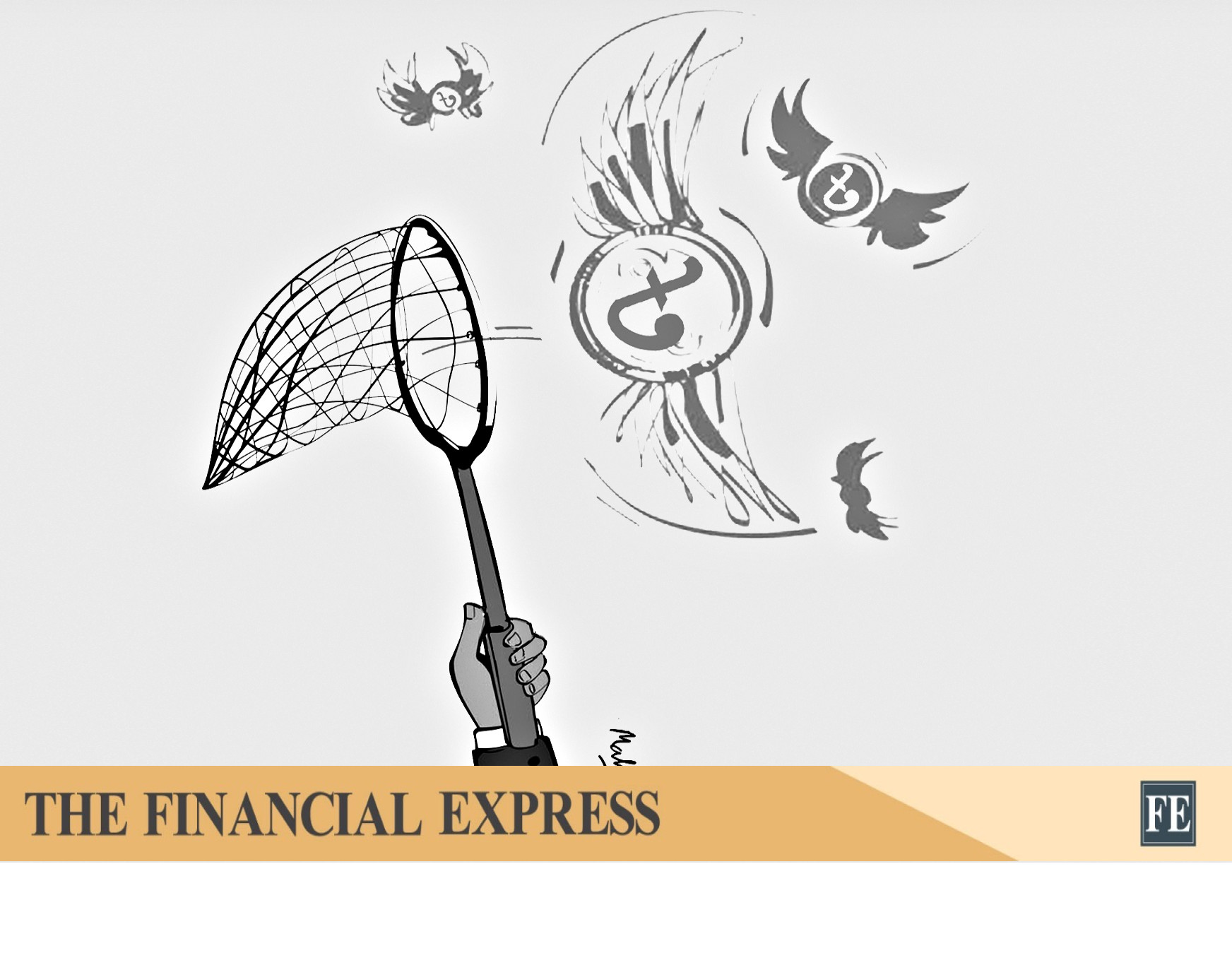
The budgetary decision to slash import duties on rooftop solar equipment is one of those rare fiscal moves that is simultaneously good economics and long overdue application of common sense. A total tax incidence of around 60 per cent on solar panels and associated equipment had long suffocated the renewable energy sector. Reducing that burden significantly while offering tax holidays for rooftop solar investors suggests that policymakers have finally begun to treat the country's energy future as a serious fiscal priority as it ought to be.

Energy self-reliance is a fundamental necessity for any nation seeking stable economic growth, and few countries are as naturally endowed to pursue it as Bangladesh. Situated in a region blessed with over 300 days of sunlight each year, the country receives an average of four to five kilowatt hours per square meter per day of solar radiation. Yet despite this abundance, it has barely tapped the potential after years of plans, committees and announcements leaving the sun's treasure untouched. Under the current structure of Bangladesh's economy, energy costs are so high that they have become a primary determinant of production costs across the economy. Manufacturers cannot run factories at full capacity because of gas shortages and erratic power supply and the bills they do pay eat significantly into margins. Farmers have watched how diesel price hikes render paddy cultivation unviable. Households continue to confront periodic increases in electricity tariffs also. At the same time, heavy dependence on imported fossil fuels leaves the country vulnerable to disruptions and price shocks originating far away from its borders. The war raging in the Middle East has once again demonstrated how perilously uncertain such dependence can be.

The high tariff regime Bangladesh maintained for so long on solar power components made no sense even on its own terms. The standard justifications for import duties on manufactured goods are revenue earnings and the protection of domestic industry, but neither holds up here. Between 90 and 95 per cent of renewable energy components in Bangladesh are imported, and there is no domestic solar manufacturing base of any real scale to protect. Some panels are assembled locally using imported cells, but most finished panels are imported directly as well, along with batteries and inverters that are almost entirely foreign. Keeping duties at 60 per cent did not nurture an infant industry. It simply added cost, slowed adoption and kept everyone more dependent on the very fossil fuel that drain foreign exchange reserves and require expensive subsidies to manage.

This subsidy dimension also makes little sense from a fiscal standpoint. The government currently spends between Tk 350 billion and Tk 400 billion a year subsidising conventional electricity generation. Average production cost of conventional electricity stands at roughly Tk 12 to 13 per unit whereas solar energy can be generated at Tk 8.0 to 9.0 per unit even under the previous punitive tax regime. Clearly public funds are sustaining a more expensive source of electricity while a cheaper alternative faced significant fiscal barriers. The revenue collected from solar-related import duties, meanwhile, is a mere few billion taka. Preserving such a negligible revenue stream at the expense of wider solar adoption, while still continuing to shoulder an enormous subsidy burden, amounts to a clear failure of fiscal prioritisation.

A look at international experience adds weight to the case for rapid expansion of solar energy. Across the world, solar power has become the fastest growing energy technology, and it is remarkable how countries with far less favourable climatic conditions have still achieved such results. Germany, despite receiving substantially less sunshine than Bangladesh, derives a significant share of its electricity from renewable sources. Vietnam used feed-in tariffs to guarantee long-term purchase prices, lifting its solar capacity from a negligible 86 megawatts to 19 gigawatts in just a few years. India established dedicated institutions coupled with massive financial incentives for rooftop installation and solar powered agricultural pumps. Pakistan presents perhaps an even more striking example of a grassroots energy transition. Faced with a 155 per cent increase in electricity prices over three years, Pakistani households and businesses imported massive quantities of solar panels without any government subsidy. That decentralised surge shielded the country from the worst impacts of recent global fuel shocks and even drastically reduced agricultural grid demand.

Bangladesh has previously attempted to promote solar energy multiple times, but those initiatives suffered from poor design and weak implementation. Requirements imposed on buildings often resulted in token installations intended merely to satisfy regulatory conditions, and low-quality equipment became widespread, delivering little practical value. Such experiences understandably created scepticism. Yet conditions today are fundamentally different. Solar technology has become dramatically cheaper over the past decade with costs falling by roughly 80 per cent. What was once extremely expensive has now become increasingly competitive.

That being said, reducing tariffs alone is not enough to transform energy mix. Solar powered irrigation, piloted in some areas, also needs to be scaled up aggressively given that agriculture accounts for enormous diesel consumption and that farmers are among those most visibly squeezed by fossil fuel price volatility. Factories that currently run on expensive grid power and captive generators have strong economic incentives to shift towards rooftop solar, but they need clear grid interconnection rules and reliable purchase agreements that make the initial investment worthwhile.

Sure, Bangladesh must make its way to a larger solar base and for now that is the right trade since importing panels is far more sensible than importing oil. But genuine energy self-reliance obviously requires domestic manufacturing capability, not just domestic installation. The budget measures are a proper first step, but real seriousness will be measured by whether they are followed through into the institutional and industrial frameworks needed to build that capability.​
 

The budget is a bet with high-stakes

Asjadul Kibria

Published :
Jun 13, 2026 22:41
Updated :
Jun 13, 2026 22:41

1781406777352.webp


When the finance and planning minister formally presented his maiden budget at the national parliament last Thursday, he was aware of the fact that the country's annual public spending plan faces several local and global headwinds. He had to outline the budget for fiscal year 2026-27 in less than four months after the much-desired national election in February. It was a tough task, and he performed fairly well despite some flaws and limitations.

With a legacy of a distorted economy and global turmoil due to the US-Israel joint war on Iran, it was highly challenging for Amir Khosur to design an optimal budget. He was, however, largely fortunate that the Yunus-led interim government could halt the economic slide and attempted to restructure key areas such as the financial sector. This gave the newly elected finance minister a breathing space, although he did not acknowledge it in his lengthy budget speech, which lasted for about five hours. He also did not mention the white paper on the economy published by the interim government to offer a 'transparent account of the impact of economic mismanagement, corruption, and cronyism under Hasina.' Last month, the Washington-based Carnegie Endowment for International Peace released an analytical piece titled 'Bangladesh's Unfinished Revolution.' The paper stated that stabilising a deeply distressed economy was one of the interim government's most significant achievements. "It allowed the BNP government under Rahman to hit the ground running, rather than contend with acute economic turmoil on the first day in office," it added. Khosru, however, repeatedly and rightly mentioned the misdeeds of the fascist regime. "The fascist regime not only caused a deep economic crisis but also damaged seriously the socio-cultural fabric of the country," he asserted.

There is no doubt that the ousted Hasina regime caused serious damage to the country's financial sector through unabated plunder and corruption. The regime also distorted data to show higher and rosy economic growth. Using oppression, the brutal regime silenced dissenting voices, leaving little room to challenge the fabricated picture of economic advancement. As a result, the desired outcome of growth was largely absent as joblessness increased, inflation surged, and socio-economic disparity widened. This ultimately fuelled the July 2024 uprising that toppled the regime at the cost of at least 1,400 lives. As Hasina fled to New Delhi, it presented an opportunity to reset the country despite chaotic events. The government led by Tariq Rahman is now tasked with seizing this opportunity, which is a very big and challenging task. The proposed FY27 budget can be considered the first critical step.

The proposed outlay of Tk 9.38 trillion for the next fiscal year is 18 per cent higher than the original budget outlay of Tk 7.90 trillion for F Y26. The big budgetary jump is driven by the government's ambition to expand the economy and turn it into a 'trillion-dollar' one by 2034. "We aim to transform Bangladesh into a one trillion-dollar economy by 2034, driven by investment, productivity and job creation," asserted Khosru in his speech. It is one of the three main goals of the government. Two others are: (a) increase the tax-to-GDP ratio to 10 per cent in the medium term; and (b) further increase the tax-to-GDP ratio to 15 per cent by 2035.

As the finance minister offers perks to attract businessmen and consumers, he also needs ways to offset the consequential revenue losses. Many of such ways are not clearly disclosed in his budget speech and kept concealed in the finance bill. This tactic is nothing new, as almost every finance minister resort to it. Khosru set a revenue collection target of Tk 6.95 trillion, with around 87 per cent to be collected by the National Board of Revenue (NBR). In this connection, he proposed some aggressive measures, such as requiring a mandatory Tax Identification Number (TIN) to open bank accounts. However, the NBR chairman during the finance minister's post-budget press conference hinted at reviewing this decision.

To finance the large deficit of Tk 2.43 trillion, about one-fourth of total expenditure, the finance minister relied on both domestic and foreign borrowing. He set a target of Tk 1.08 trillion in foreign credit to cover the deficit. As foreign borrowing is costly and sources are shrinking, the minister apparently bet on deferring the country's scheduled graduation from Least Developed Country (LDC) status. The minister said: "The Government has formally requested a deferral of LDC graduation for at least three years. This additional timeframe is necessary to implement key domestic reforms and ensure a smooth and resilient economic transition."

The three-year delay in graduation, if approved by the United Nations (UN) finally, means Bangladesh will enjoy LDC-linked trade benefits during the period and some benefits for an additional three years after graduation in November 2029 instead of November this year. Khosru probably bet on the three-year extension when he proposed raising tariffs on imports to protect and incentivise local industry. The move is considered as protectionist approach by many. So, he proposed a series of 'restructuring and rationalisation of import duty, supplementary duty, and regulatory duty for fiscal year 2026-27' to 'promote domestic industry development, safeguard revenue, and maintain alignment with international trade policies.'

The proposed restructuring and rationalisation includes both tariff increases and cuts on various products. At the core level, the existing eight-tier import duty structure (zero per cent, 1 per cent, 3 per cent, 5 per cent, 6 per cent, 10 per cent, 15 per cent, and 25per cent) remained unchanged for the next fiscal year. To 'fulfill commitments made to the World Trade Organization' and to 'rationalise tariffs on items', the minister proposed a cut in import duty on 69 products and also cut or withdraw supplementary duty on 9 products. He, however, kept the 13-tier structure of supplementary duty unchanged, while revising the nine-tier structure of regulatory duty to a six-tier structure. The minister's hectic efforts to balance the tariff rationalisation indicates that he did not want to send a wrong signal or make it difficult for domestic industries to cope with the challenges in the post-graduation period.

Overall, the proposed budget comes at a time when 200 million people are eagerly awaiting a positive move forward to improve their lives and livelihoods. They are now trying to find out what the finance minister offered them, and obviously, not everyone will be happy, as it is also not possible to make everyone satisfied. So, some of the fiscal proposals will be revised to accommodate public opinion before the budget is finalised.​
 

Can the budget finally put education right?

Atiqul Kabir Tuhin

Published :
Jun 13, 2026 22:38
Updated :
Jun 13, 2026 22:38

1781406886764.webp


One of the key features of the proposed national budget for the fiscal year 2026-27 is the strong emphasis placed on the education sector. Long neglected in terms of public investment, education has received a significant boost, both in absolute terms and as a share of gross domestic product (GDP). The government has allocated Tk 1.37 trillion to the sector, which is 14.56 per cent of the total budget and 2 per cent of GDP. This is the highest-ever allocation for education as a share of GDP. The government has also announced plans to gradually raise education spending to 5 per cent of GDP, in line with global best practices.

The increase deserves commendation, as it responds to a long-standing demand for greater investment in a sector critical to human development. However, while the enhanced allocation is undoubtedly a positive step, experience suggests that bigger budgets alone do not guarantee better outcomes. The real test will lie in how effectively these funds are utilised and whether they translate into meaningful improvements in the quality of education and development of a skilled workforce.

For decades, Bangladesh's education landscape has been characterised by expanding access but declining quality. Schools, colleges and universities have multiplied across the country, enrolment rates have risen steadily, and the number of students obtaining top academic results has grown dramatically. But one uncomfortable question has remained unanswered: what exactly is the outcome?

Despite the proliferation of degrees and academic credentials, employability, industry readiness, and practical skills continue to lag behind expectations. More than two million educated young people enter the labour market every year, many of them discovering that their qualifications do not match employers' needs. Graduate unemployment and underemployment remain alarmingly high, highlighting a disconnect between the education system and the demands of a rapidly changing economy. While this mismatch has long been a subject of discussion, meaningful efforts to address it have been few and far between.

The proposed national budget for fiscal year 2026-27, presented by Finance Minister Amir Khasru Mahmud Chowdhury, appears to address these challenges head on. The agenda outlined in the budget places greater emphasis on skills, employability, and competitiveness in a globalised economy.

Among the most notable initiatives is the introduction of technical and vocational education from Grade 6, a move that could help equip students with practical skills much earlier in their academic journey. The government has also announced plans to strengthen industry-academia collaboration, expand apprenticeship and internship opportunities, and support entrepreneurship through startup development programmes.

The budget also places considerable emphasis on preparing students for a more interconnected world. In addition to Bangla and English, students will be encouraged to learn a third language, including Japanese, Korean, Mandarin, Arabic, French, or German. The provision of education loans of up to Tk1 million for students pursuing higher education in countries associated with these languages reflects an effort to link education with overseas study and employment opportunities.

Technology-enabled learning is another central pillar of the budget. Programmes such as "One Teacher, One Tab," the expansion of multimedia classrooms, and the provision of free Wi-Fi in educational institutions are intended to modernise teaching methods and improve access to digital learning resources. Complementing these initiatives are plans for a nationwide mid-day meal programme, improved sanitation facilities for female students and teachers, support for children with disabilities, and free education for girls up to the undergraduate level. Together, these measures demonstrate an attempt to combine quality enhancement with greater inclusion and equity.

Thus, Budget 2026-27 has the potential to mark an important turning point for Bangladesh's education sector, provided that the additional allocation is directed towards strengthening institutional capacity rather than expanding physical infrastructure. While access to higher education has expanded significantly with the establishment of 55 public and 115 private universities, quality has not kept pace with rising enrolments. The next phase of reform must therefore focus on enhancing quality of education, strengthening research capacity, and improving employability outcomes. If the government can successfully implement its ambitious agenda, this budget may finally begin to bridge the long-standing gap between education and employment and better prepare students for a knowledge-driven economy.​
 

Budget to restore stability, boost private sector: FBCCI

Star Business Report

1781409531257.webp


Welcoming the proposed budget, the Federation of Bangladesh Chambers of Commerce and Industry (FBCCI) said it will help restore economic stability and boost investment and the private sector, as the government has prioritised improving the business environment and strengthening energy security.

In its reaction to the Tk 9.38 lakh crore budget, the FBCCI said the targets of 6.5 percent GDP growth and reducing inflation to 7.5 percent can be achieved if sustainable discipline is maintained in the economy.

However, it said achieving the revenue target of Tk 6.95 lakh crore, including Tk 6.04 lakh crore assigned to the National Board of Revenue (NBR), will be challenging due to current domestic and global economic conditions.

The apex trade body said reforms in the NBR are necessary to meet the revenue target while ensuring economic stability, better revenue management and a more investment-friendly environment that supports growth.

It also warned that heavy borrowing from the banking sector could reduce the flow of loans to the private sector, potentially affecting job creation.

The FBCCI added that the government should, as far as possible, rely on low-cost foreign funding to meet its expenditure needs.

It noted that the government will face challenges in raising funds to pay Tk 1.05 lakh crore in bank loan interest and Tk 22,500 crore in interest on foreign borrowing.

High inflation, a low tax-to-GDP ratio, a large volume of defaulted loans, pressure from external debt and an unstable geopolitical situation could also make budget implementation difficult.

To address these challenges, the FBCCI suggested prioritising the operationalisation of investment-friendly economic zones, diversifying exports and markets, developing human resources in the IT sector, reducing the cost of doing business, strengthening the capital market, and ensuring quality and accountability in implementing the Annual Development Programme.

The FBCCI said the government’s plan to sign trade agreements with major trading partners and introduce necessary customs rules is positive, as Bangladesh is set to graduate from the least developed countries (LDC) category to a developing nation in November this year.

It also welcomed the proposal for zero duty on imports for the renewable energy sector and the introduction of a Tk 60,000 crore stimulus package for the private sector.

The trade body said simplifying online VAT return submission, shifting to quarterly returns, enabling online income tax filing and payments, and introducing a national single window will help attract both domestic and foreign investment.

The FBCCI welcomed the proposal to set the corporate tax rate for five years, but said it would have been better if it could be reduced further to 2.5 percent.

It also appreciated treating source tax as advance income tax, but said the minimum tax should be reduced to 0.5 percent from 1 percent.

The trade body further welcomed the proposal to reduce source tax on imports of 60 essential commodities, including rice, wheat, potato, onion, garlic, salt, sugar and edible oil, from 5 percent to 4 percent.​
 

Latest Posts

Back