Bangladesh Defense
Saif
Senior Member
- Jan 24, 2024
- 21,457
- 9,743
- Nation

- Residence
- Axis Group

The Financial Express | First Financial Daily of Bangladesh
Get latest stock share market news, financial news, economy news, politics news, breaking news, Bangladesh economy news at The Financial Express.
China won't oppose India's entry into economic corridor: Envoy
Chinese envoy says Beijing to send experts for Teesta feasibility study
FE ONLINE REPORT
Published :
Jul 02, 2026 19:38
Updated :
Jul 02, 2026 19:38
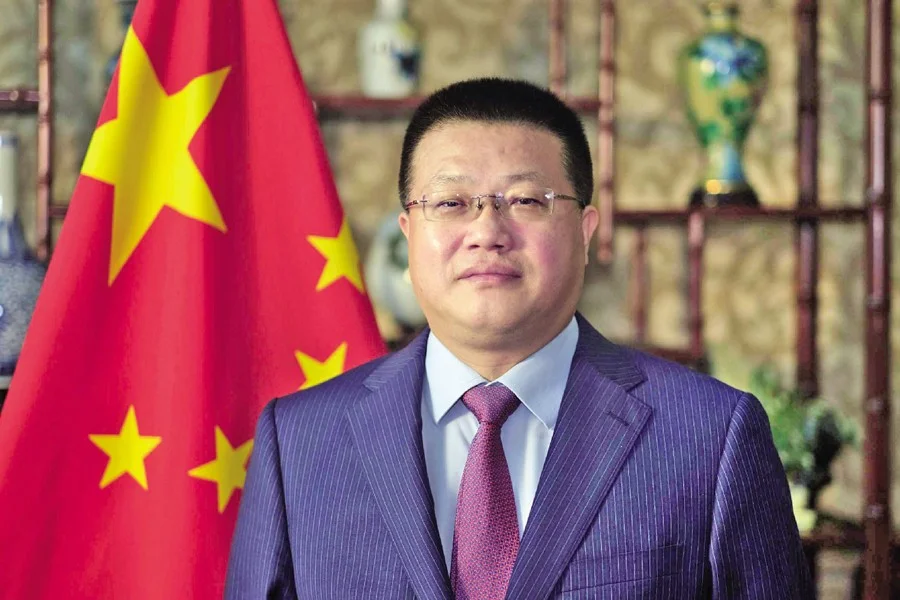
Chinese Ambassador to Bangladesh Yao Wen said on Thursday that China would not oppose India's participation in the proposed China-Myanmar-Bangladesh Economic Corridor if New Delhi decides to join the initiative.
Responding to a question at a media briefing on Prime Minister Tarique Rahman's recent visit to China, the ambassador said China remained open to the participation of other countries.
"We are open. We welcome other countries if they are ready. But it is up to them to make that decision," he said.
Yao noted that the proposal was not new, recalling that China had earlier floated the Bangladesh-China-India-Myanmar (BCIM) Economic Corridor.
"That could not be achieved. Since China, Bangladesh and Myanmar all seek greater regional connectivity, the three countries can begin the initiative together," he said, adding that the door would remain open for others to join later.
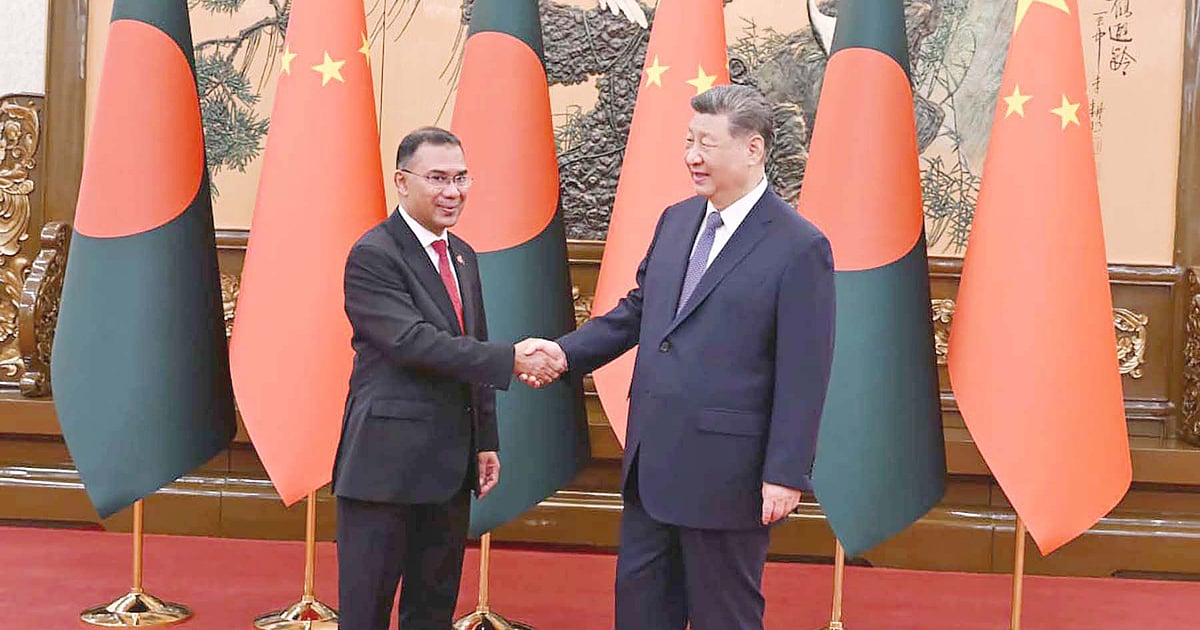
Describing Prime Minister Tarique Rahman's visit to China as a "complete success", the ambassador said it marked a new stage in bilateral relations and expanded cooperation in trade, investment and regional affairs.
On the proposed Teesta project, Yao said the initiative had been proposed by the Bangladesh government, which sought China's assistance for its implementation.
He said China had agreed to support the project and would send a team of experts to conduct a joint feasibility study with the Bangladesh government.
"The most important thing is a sound scientific feasibility study. Whatever we do should be based on that," he said.
Responding to another question, the ambassador said the proposed "2+2" dialogue mechanism was not a new concept, noting that Bangladesh had already agreed to establish a similar arrangement with Türkiye and that China maintained such mechanisms with several countries.
Under the new format, Bangladesh and China will hold regular strategic dialogues alongside existing engagements between their foreign ministries, he added.
On the Memorandum of Understanding (MoU) on the Global Development Initiative (GDI), Yao said Bangladesh's decision to join the initiative would create new opportunities for bilateral cooperation.
He added that more than 190 countries and international organisations had joined the initiative.
Regarding Chinese foreign direct investment (FDI), the ambassador said many Chinese companies had expressed interest in investing in Bangladesh during the visit, while the Chinese economic and industrial zones in Bangladesh would provide a strong platform for investment.
According to the Bangladesh Investment Development Authority (BIDA), Chinese companies have so far committed investments worth US$9.0 billion in Bangladesh, he said.
Yao also said Prime Minister Tarique Rahman's father, late President Ziaur Rahman, and former prime minister Begum Khaleda Zia had played important roles in strengthening Bangladesh-China relations.
He said the visit's most significant outcome was the decision to upgrade the existing China-Bangladesh Comprehensive Strategic Cooperative Partnership to a China-Bangladesh Community with a Shared Future in the New Era.
According to the ambassador, the new framework provides for enhanced cooperation between the two governments, legislatures and political parties, the establishment of a strategic dialogue between the foreign ministers and exploration of a "2+2" dialogue involving foreign affairs and defence officials.
Quoting Chinese President Xi Jinping, Yao said Beijing would remain a trusted friend, neighbour and development partner of Bangladesh regardless of changes in the international environment.
He said China reaffirmed its support for Bangladesh's sovereignty, independence and territorial integrity, while Bangladesh reiterated its commitment to the one-China principle by recognising Taiwan as an inalienable part of China and opposing "Taiwan independence".
The ambassador said the two countries also agreed to deepen cooperation under the Belt and Road Initiative by expanding collaboration in green development, the digital economy, information technology, artificial intelligence, finance, healthcare, education and cultural exchanges.
They also agreed to continue implementing major infrastructure projects, including cooperation in ports and water resources development.
Among the key outcomes of the visit, Bangladesh announced that it would establish its first overseas investment office in China to facilitate bilateral investment.
During an investment forum held alongside the visit, agreements were signed on developing the Chinese Economic and Industrial Zone in Chattogram and the Mongla Port Economic Zone. The two countries also agreed to advance the Mongla Port Facilities Modernisation and Expansion Project.
Bangladesh and China also signed a phytosanitary protocol allowing exports of fresh Bangladeshi jackfruit to China, following the opening of the Chinese market to Bangladeshi mangoes. The two sides also signed a joint action plan to strengthen Bangladesh's export capacity.
China welcomed Bangladesh's participation in the Group of Friends of the Global Development Initiative and pledged to work closely with Dhaka to implement the newly signed memorandum.
The ambassador also said China supports Bangladesh's greater role in multilateral institutions, including the United Nations, as well as its participation in BRICS and its application to become a partner of the Shanghai Cooperation Organisation.
Concluding the briefing, Yao said China was ready to work with Bangladesh to implement the understandings reached during the visit and translate them into concrete outcomes that would benefit the people of both countries.
Chinese envoy says Beijing to send experts for Teesta feasibility study
FE ONLINE REPORT
Published :
Jul 02, 2026 19:38
Updated :
Jul 02, 2026 19:38
Chinese Ambassador to Bangladesh Yao Wen said on Thursday that China would not oppose India's participation in the proposed China-Myanmar-Bangladesh Economic Corridor if New Delhi decides to join the initiative.
Responding to a question at a media briefing on Prime Minister Tarique Rahman's recent visit to China, the ambassador said China remained open to the participation of other countries.
"We are open. We welcome other countries if they are ready. But it is up to them to make that decision," he said.
Yao noted that the proposal was not new, recalling that China had earlier floated the Bangladesh-China-India-Myanmar (BCIM) Economic Corridor.
"That could not be achieved. Since China, Bangladesh and Myanmar all seek greater regional connectivity, the three countries can begin the initiative together," he said, adding that the door would remain open for others to join later.
Describing Prime Minister Tarique Rahman's visit to China as a "complete success", the ambassador said it marked a new stage in bilateral relations and expanded cooperation in trade, investment and regional affairs.
On the proposed Teesta project, Yao said the initiative had been proposed by the Bangladesh government, which sought China's assistance for its implementation.
He said China had agreed to support the project and would send a team of experts to conduct a joint feasibility study with the Bangladesh government.
"The most important thing is a sound scientific feasibility study. Whatever we do should be based on that," he said.
Responding to another question, the ambassador said the proposed "2+2" dialogue mechanism was not a new concept, noting that Bangladesh had already agreed to establish a similar arrangement with Türkiye and that China maintained such mechanisms with several countries.
Under the new format, Bangladesh and China will hold regular strategic dialogues alongside existing engagements between their foreign ministries, he added.
On the Memorandum of Understanding (MoU) on the Global Development Initiative (GDI), Yao said Bangladesh's decision to join the initiative would create new opportunities for bilateral cooperation.
He added that more than 190 countries and international organisations had joined the initiative.
Regarding Chinese foreign direct investment (FDI), the ambassador said many Chinese companies had expressed interest in investing in Bangladesh during the visit, while the Chinese economic and industrial zones in Bangladesh would provide a strong platform for investment.
According to the Bangladesh Investment Development Authority (BIDA), Chinese companies have so far committed investments worth US$9.0 billion in Bangladesh, he said.
Yao also said Prime Minister Tarique Rahman's father, late President Ziaur Rahman, and former prime minister Begum Khaleda Zia had played important roles in strengthening Bangladesh-China relations.
He said the visit's most significant outcome was the decision to upgrade the existing China-Bangladesh Comprehensive Strategic Cooperative Partnership to a China-Bangladesh Community with a Shared Future in the New Era.
According to the ambassador, the new framework provides for enhanced cooperation between the two governments, legislatures and political parties, the establishment of a strategic dialogue between the foreign ministers and exploration of a "2+2" dialogue involving foreign affairs and defence officials.
Quoting Chinese President Xi Jinping, Yao said Beijing would remain a trusted friend, neighbour and development partner of Bangladesh regardless of changes in the international environment.
He said China reaffirmed its support for Bangladesh's sovereignty, independence and territorial integrity, while Bangladesh reiterated its commitment to the one-China principle by recognising Taiwan as an inalienable part of China and opposing "Taiwan independence".
The ambassador said the two countries also agreed to deepen cooperation under the Belt and Road Initiative by expanding collaboration in green development, the digital economy, information technology, artificial intelligence, finance, healthcare, education and cultural exchanges.
They also agreed to continue implementing major infrastructure projects, including cooperation in ports and water resources development.
Among the key outcomes of the visit, Bangladesh announced that it would establish its first overseas investment office in China to facilitate bilateral investment.
During an investment forum held alongside the visit, agreements were signed on developing the Chinese Economic and Industrial Zone in Chattogram and the Mongla Port Economic Zone. The two countries also agreed to advance the Mongla Port Facilities Modernisation and Expansion Project.
Bangladesh and China also signed a phytosanitary protocol allowing exports of fresh Bangladeshi jackfruit to China, following the opening of the Chinese market to Bangladeshi mangoes. The two sides also signed a joint action plan to strengthen Bangladesh's export capacity.
China welcomed Bangladesh's participation in the Group of Friends of the Global Development Initiative and pledged to work closely with Dhaka to implement the newly signed memorandum.
The ambassador also said China supports Bangladesh's greater role in multilateral institutions, including the United Nations, as well as its participation in BRICS and its application to become a partner of the Shanghai Cooperation Organisation.
Concluding the briefing, Yao said China was ready to work with Bangladesh to implement the understandings reached during the visit and translate them into concrete outcomes that would benefit the people of both countries.