
 Bangladesh Defense
Saif
Senior Member
- Jan 24, 2024
- 21,523
- 9,744
- Nation

- Residence
- Axis Group

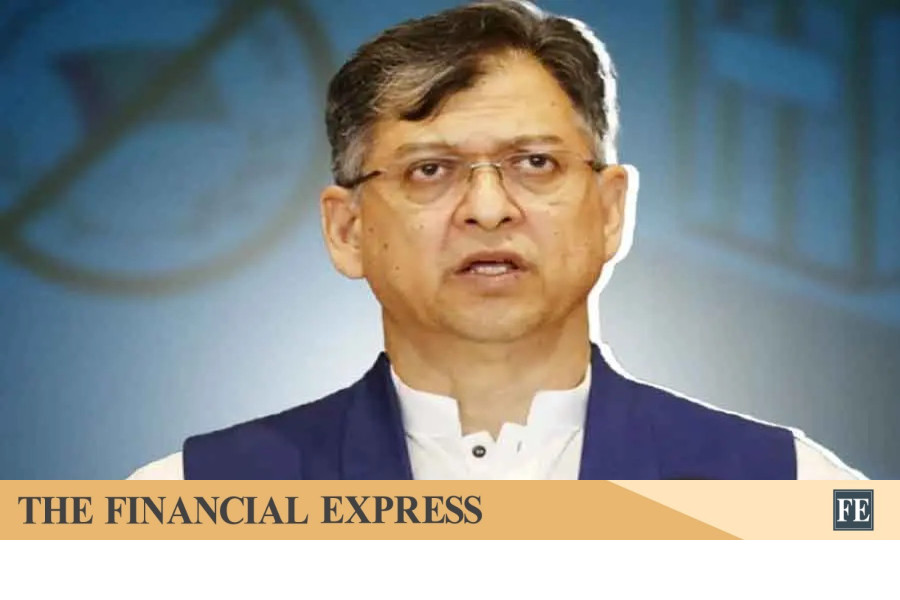
Door open for opposition to join constitutional reform discussions: Home Minister
Home Minister and chief of the Special Committee on Reformation of Constitution Salahuddin Ahmed on Tuesday said the door is open for discussions with the opposition on constitutional reform, noting that media representatives at a committee meeting questioned the need for a proposed Upper House of
Door open for opposition to join constitutional reform discussions: Home Minister
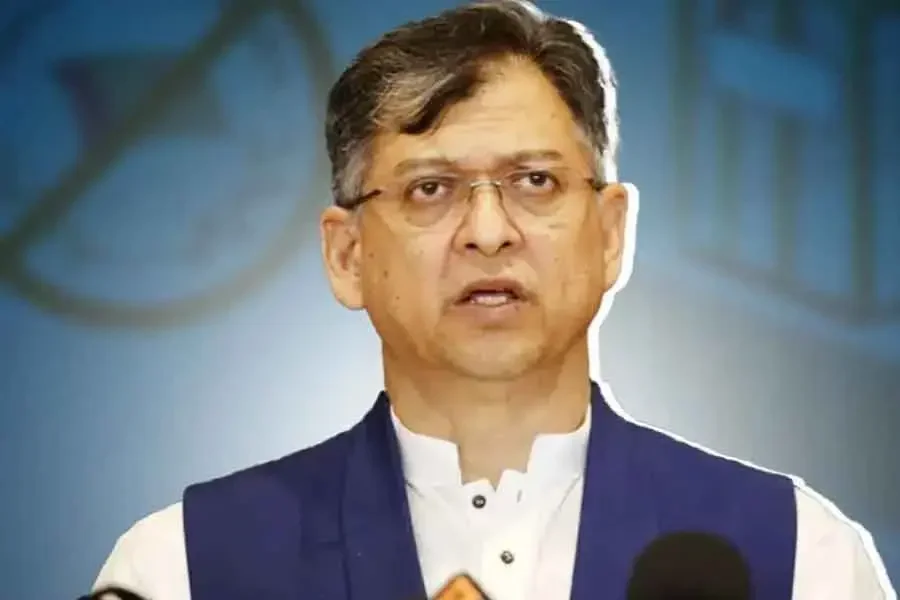
Home Minister and chief of the Special Committee on Reformation of Constitution Salahuddin Ahmed on Tuesday said the door is open for discussions with the opposition on constitutional reform, noting that media representatives at a committee meeting questioned the need for a proposed Upper House of Parliament and a 10-year limit on a prime minister’s tenure.
He also said no final decision has yet been made on the process, composition or method of forming a caretaker government, with different proposals and differences of opinion remaining on the issue, UNB reports.
The remarks came after representatives of different electronic, television and online media outlets, as well as talk-show personalities, shared their views on constitutional reform at the 4th meeting of the committee held at the Cabinet Room of the Jatiya Sangsad Bhaban.
The participants expressed their views on the caretaker government system, independence of the Election Commission and judiciary, separation of powers, freedom of the press and strengthening constitutional institutions.
Briefing reporters at the Media Centre after the meeting, Salahuddin said the media representatives discussed several issues broadly and also offered some political suggestions.
“They stressed the importance of holding discussions with the opposition,” he said.
“In this regard, our doors for discussion are open. I call upon them (opposition) to submit their names, join the constitutional amendment committee and participate in the discussions,” the minister said.
He said they want to bring constitutional amendments through a participatory process after discussing them with everyone.
About the Upper House, Salahuddin said questions were raised at the meeting about whether Bangladesh actually needs a bicameral Parliament.
“Some participants suggested reconsidering the proposal for an Upper House given Bangladesh’s unitary state structure,” he said.
The minister said BNP agreed in the July National Charter for the establishment of a bicameral Parliament and wants to go ahead accordingly. “But if the proposal is considered in Parliament, the government and different parties, we (Committee) will see the matter,” he said.
On the caretaker government, he said no final decision has yet been made on the process, composition or method of forming such a government.
“We have not yet been able to decide through what process, with whom and in what manner the caretaker government will be formed,” Salahuddin said, adding that there are proposals and differences of opinion on the issue in the July National Charter.
He said the issue could be left to Parliament for consideration and urged people to submit proposals on alternatives to the caretaker system and discuss the issue in newspapers.
Asked whether there is any willingness to reconsider issues on which the BNP had submitted notes of dissent during the National Consensus Commission discussions, the minister said such matters could be discussed if the opposition joins the process.
“If the opposition comes to the discussions and wants to make changes to some parts of the July National Charter through discussions, that can also be discussed,” he said.
Salahuddin, however, said the government wants to implement the July National Charter as it had been formulated and signed.
On the proposal to limit a prime minister’s tenure to 10 years, he said some participants argued that such a limit will be undemocratic and could restrict democratic rights.
The minister said if someone performs well and the people want to see that person as prime minister again, it is their right.
“However, we made this proposal on behalf of the party when the July National Charter was being formulated. Our Prime Minister was then the chairman of the party, and he made the proposal. Later, we mentioned them in the decision of the party’s standing committee and in our election manifesto as well. So, we have not moved away from this position,” he said.
Banglavision Editor-in-Chief Dr Abdul Hai Siddiqui said the main objective of constitutional reform is to strengthen democracy and make state institutions genuinely independent and effective.
He said discussions focused particularly on strengthening the independence of the Election Commission and the caretaker government system.
Jamuna Television Chief Executive Officer (CEO) Fahim Ahmed said participants stressed that constitutional amendments should be durable so that they do not require repeated changes.
He said issues on which consensus had been reached in the July Charter without notes of dissent should be implemented, while issues carrying notes of dissent should be considered through discussions among political parties.
Fahim said amendments made through discussions involving all political parties represented in Parliament, including the opposition, will be less contentious and more acceptable.
Talk-show personality Dr Shakhawat Hossain Sayantha said some participants questioned the need for a bicameral Parliament.
“The committee has discussed with several other stakeholders and will hold further discussions. The need for an Upper House, its financial cost and its effectiveness for the country should all be considered after taking everyone’s views into account,” he said.
Committee members – Chief Whip Nurul Islam Moni, Zainul Abedin, State Minister for Planning Md Zonayed Abdur Rahim Saki, State Minister for Expatriates’ Welfare and Overseas Employment Md Nurul Haque, State Minister for Chittagong Hill Tracts Affairs Mir Mohammed Helal Uddin, State Minister for Social Welfare Farzana Sharmin and Md Mahmudul Hoque Rubel – attended the meeting.
Parliament Secretary Barrister Md. Golam Sorwar Bhuiyan and other senior officers of the law, justice and parliamentary affairs ministry were present.
Home Minister and chief of the Special Committee on Reformation of Constitution Salahuddin Ahmed on Tuesday said the door is open for discussions with the opposition on constitutional reform, noting that media representatives at a committee meeting questioned the need for a proposed Upper House of Parliament and a 10-year limit on a prime minister’s tenure.
He also said no final decision has yet been made on the process, composition or method of forming a caretaker government, with different proposals and differences of opinion remaining on the issue, UNB reports.
The remarks came after representatives of different electronic, television and online media outlets, as well as talk-show personalities, shared their views on constitutional reform at the 4th meeting of the committee held at the Cabinet Room of the Jatiya Sangsad Bhaban.
The participants expressed their views on the caretaker government system, independence of the Election Commission and judiciary, separation of powers, freedom of the press and strengthening constitutional institutions.
Briefing reporters at the Media Centre after the meeting, Salahuddin said the media representatives discussed several issues broadly and also offered some political suggestions.
“They stressed the importance of holding discussions with the opposition,” he said.
“In this regard, our doors for discussion are open. I call upon them (opposition) to submit their names, join the constitutional amendment committee and participate in the discussions,” the minister said.
He said they want to bring constitutional amendments through a participatory process after discussing them with everyone.
About the Upper House, Salahuddin said questions were raised at the meeting about whether Bangladesh actually needs a bicameral Parliament.
“Some participants suggested reconsidering the proposal for an Upper House given Bangladesh’s unitary state structure,” he said.
The minister said BNP agreed in the July National Charter for the establishment of a bicameral Parliament and wants to go ahead accordingly. “But if the proposal is considered in Parliament, the government and different parties, we (Committee) will see the matter,” he said.
On the caretaker government, he said no final decision has yet been made on the process, composition or method of forming such a government.
“We have not yet been able to decide through what process, with whom and in what manner the caretaker government will be formed,” Salahuddin said, adding that there are proposals and differences of opinion on the issue in the July National Charter.
He said the issue could be left to Parliament for consideration and urged people to submit proposals on alternatives to the caretaker system and discuss the issue in newspapers.
Asked whether there is any willingness to reconsider issues on which the BNP had submitted notes of dissent during the National Consensus Commission discussions, the minister said such matters could be discussed if the opposition joins the process.
“If the opposition comes to the discussions and wants to make changes to some parts of the July National Charter through discussions, that can also be discussed,” he said.
Salahuddin, however, said the government wants to implement the July National Charter as it had been formulated and signed.
On the proposal to limit a prime minister’s tenure to 10 years, he said some participants argued that such a limit will be undemocratic and could restrict democratic rights.
The minister said if someone performs well and the people want to see that person as prime minister again, it is their right.
“However, we made this proposal on behalf of the party when the July National Charter was being formulated. Our Prime Minister was then the chairman of the party, and he made the proposal. Later, we mentioned them in the decision of the party’s standing committee and in our election manifesto as well. So, we have not moved away from this position,” he said.
Banglavision Editor-in-Chief Dr Abdul Hai Siddiqui said the main objective of constitutional reform is to strengthen democracy and make state institutions genuinely independent and effective.
He said discussions focused particularly on strengthening the independence of the Election Commission and the caretaker government system.
Jamuna Television Chief Executive Officer (CEO) Fahim Ahmed said participants stressed that constitutional amendments should be durable so that they do not require repeated changes.
He said issues on which consensus had been reached in the July Charter without notes of dissent should be implemented, while issues carrying notes of dissent should be considered through discussions among political parties.
Fahim said amendments made through discussions involving all political parties represented in Parliament, including the opposition, will be less contentious and more acceptable.
Talk-show personality Dr Shakhawat Hossain Sayantha said some participants questioned the need for a bicameral Parliament.
“The committee has discussed with several other stakeholders and will hold further discussions. The need for an Upper House, its financial cost and its effectiveness for the country should all be considered after taking everyone’s views into account,” he said.
Committee members – Chief Whip Nurul Islam Moni, Zainul Abedin, State Minister for Planning Md Zonayed Abdur Rahim Saki, State Minister for Expatriates’ Welfare and Overseas Employment Md Nurul Haque, State Minister for Chittagong Hill Tracts Affairs Mir Mohammed Helal Uddin, State Minister for Social Welfare Farzana Sharmin and Md Mahmudul Hoque Rubel – attended the meeting.
Parliament Secretary Barrister Md. Golam Sorwar Bhuiyan and other senior officers of the law, justice and parliamentary affairs ministry were present.

