Bangladesh Defense

Saif
Senior Member
- Joined
- Jan 24, 2024
- Messages
- 22,262
- Likes
- 9,869
- Nation

- Axis Group

Fast-tracking Teesta project
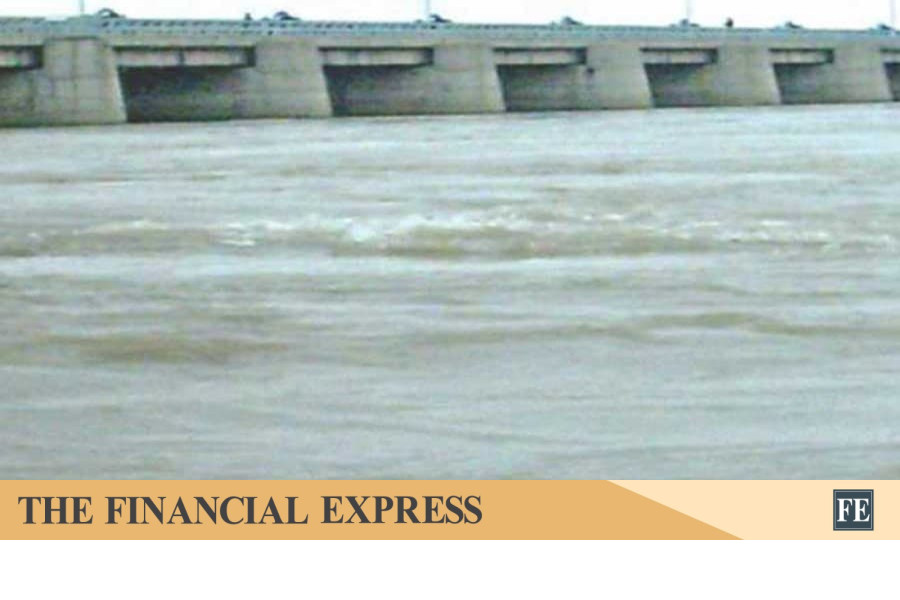
The fact that the government has reportedly decided to conduct the feasibility study for the Teesta River Management Project on its own is undoubtedly a bold move. For months, there had been speculation that Bangladesh and China would jointly conduct the feasibility study and that the project would
Fast-tracking Teesta project
The fact that the government has reportedly decided to conduct the feasibility study for the Teesta River Management Project on its own is undoubtedly a bold move. For months, there had been speculation that Bangladesh and China would jointly conduct the feasibility study and that the project would be implemented with Chinese funding and engineering and technical expertise in river management. The Teesta project, however, has become a geopolitically sensitive issue, where the involvement of one country could draw the ire of another, creating opportunities for interference in Bangladesh's internal affairs or turning a cooperative river management initiative into a geopolitical rivalry. This is one of the reasons why the project has remained stalled for nearly a decade since it had been conceived in 2016. The previous Awami League government showed little to no interest in implementing it before its ouster on August 5, 2024. The subsequent interim government, however, took up the project in earnest and all the nitty-gritty of inaugurating the feasibility study in January 2026 had been completed. However, it was postponed at the eleventh hour in view of the parliamentary election scheduled in February.
After assuming power, the BNP government's intention to implement the Teesta master plan in cooperation with China was apparent. During his visit to China, Prime Minister Tarique Rahman sought the Chinese government's support for implementing the project and talks of kick-starting a joint feasibility study anytime soon were in the air. Now, however, in an abrupt turn of events, the government is reportedly planning to conduct the feasibility study on its own, citing the need to avoid external interference and find a more effective way to manage the trans-boundary river basin. To this end, the Bangladesh Water Development Board (BWDB) has proposed a Tk 233.40-million project, which is awaiting approval from the Planning Commission. Going it alone in conducting the study is a shrewd move to minimise the risk of geopolitical interference. The question, however, is whether Bangladesh has the wherewithal to implement such a mega project on its own.
Nonetheless, the fact is that the Teesta project cannot wait any longer. For tens of millions of inhabitants of the region, each year of delay means another year of facing the double whammy of drought and flooding. The Teesta runs dry during the dry season due to an embankment built upstream and the diversion of water. Consequently, water shortages badly affect irrigation and crop production. Conversely, during the monsoon, the unexpected release of water from upstream bursts riverbanks, leading to erosion and the destruction of vast areas of settlements each year. The proposed project aims to alter this status quo by adopting an integrated river management approach that incorporates elements such as dredging, embankments, irrigation system improvements, river engineering, urban planning, land reclamation and so on. It is expected that implementation of the project would address the long-standing challenges of water scarcity, severe riverbank erosion and flooding, declining agricultural productivity and ecological degradation across northern Bangladesh.
The incumbent BNP government is pledge-bound to implement the Teesta project. Prior to the election, the BNP's Teesta River protection movement attracted millions of people on both banks of the river, rekindling a ray of hope among the locals about the implementation of the project, which is a life-and-death question for them. No government accountable to its electorate can leave such a vital project hanging in the air due to geopolitical reasons. Execution of the project, therefore, is a major challenge facing the government. It must leave no stone unturned to prove equal to the task.