Bangladesh Defense
Saif
Senior Member
- Jan 24, 2024
- 21,704
- 9,794
- Nation

- Residence
- Axis Group


How constitution reform committee will work, what will happen to July Charter
Questions have now aroused over what will happen to the constitutional reform proposals contained in the July National Charter, how the Special Committee on Reformation of Constitution will carry out its tasks, and how long it will take the committee to submit its report.
 en.prothomalo.com
How constitution reform committee will work, what will happen to July Charter
Riadul Karim
Dhaka
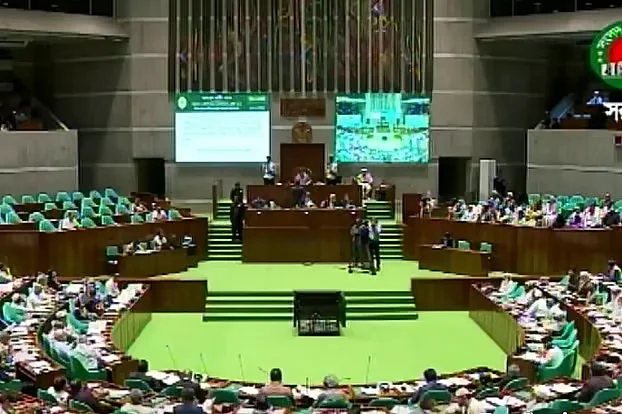
Jatiya Sangsad session Screenshot from BTV Facebook live
The elected Bangladesh Nationalist Party (BNP) government is not following the process for constitutional reform that had been set by the interim government. The government has already begun the process of amending the constitution, ignoring the opposition's objections. A parliamentary special committee on reforming the constitution has been formed, and it is scheduled to hold its first meeting tomorrow, Tuesday.
Questions have now been asked over what will happen to the constitutional reform proposals contained in the July National Charter, how the special constitution reform committee will carry out its tasks, and how long it will take the committee to submit its report.
On 13 July, the parliament formed the 12-strong special constitution reform committee, with Home Minister Salahuddin Ahmed in the chair.
According to the parliamentary notification announcing the committee's constitution, its rules of business is to prepare recommendations for the necessary amendments to the constitution and submit a report to parliament.
However, the details of how the committee will perform this task, including its specific responsibilities and working procedures, have not yet been officially determined. No deadline has been set for the committee to submit its report to Parliament. The committee is expected to decide on its strategy and method of work at its first meeting.
The ruling party had requested the opposition to nominate five members to serve in the committee. However, the opposition did not nominate anyone. On the very day the committee was formed, the opposition rejected it and staged a walkout from Parliament.
Speaking in parliament that day, Opposition leader Shafiqur Rahman, also Ameer of Bangladesh Jamaat-e-Islami, said they had a fundamental difference of opinion over the formation of such a committee. He said they supported constitutional reform.
The parliamentary special committee on reforming the constitution will once again hold discussions with stakeholders on constitutional reform. In addition, it will review the existing constitution, the constitutional reform proposals contained in the July National Charter, and the constitutional amendment proposals included in the BNP's election manifesto.
Discussions on constitutional reform began during the tenure of the interim government led by Professor Muhammad Yunus. In the first week of October 2024, the interim government formed six reform commissions. One of them was the Constitution Reform Commission, led by Professor Ali Riaz.
Based on consultations with stakeholders, public opinion surveys, and views gathered through various other means, the commission submitted its detailed recommendations to the government on 31 January 2025. Subsequently, after two rounds of extensive discussions with political parties on the recommendations of the six reform commissions, the July National Charter was drafted.
Of the charter's proposals, 48 were related to constitutional reform. Some of them—including the formation of an upper house of parliament through a proportional representation (PR) system, the powers of the upper house, the process for appointments to constitutional institutions, the procedure for forming a caretaker government, and provisions relating to the prime minister serving multiple terms in office—would bring about fundamental changes to the constitution if implemented.
However, the BNP gave notes of dissent on several of those proposals. The party reflected its differing views on those issues in its election manifesto. For example, it proposed allocating seats in the upper house based on the number of seats a party wins in the lower house. By contrast, the July National Charter proposes allocating upper house seats in proportion to the nationwide vote share each party receives in the lower house election.
During the tenure of the interim government, the July National Charter (Constitutional Reform) Implementation Order was issued in November last year to facilitate the implementation of the July National Charter. In line with that order, a referendum was held alongside the national election on 12 February this year to implement the charter's constitutional reform proposals.
The issues on which the BNP had expressed dissent over the July National Charter were not included in the referendum. In other words, the referendum was held on the original proposals of the National Consensus Commission.
As the "Yes" vote prevailed, the Implementation Order provided for the formation of a Constitution Reform Council comprising elected members of parliament as part of the constitutional reform process. It also required the elected MPs to take two oaths—one as members of parliament and another as members of the Constitution Reform Council.
While the elected MPs from the alliance led by Bangladesh Jamaat-e-Islami and the National Citizen Party (NCP) took the oath as members of the Constitution Reform Council, BNP lawmakers did not. As a result, the council was never formed.
In its election manifesto, the BNP said that, in pursuing constitutional reform, it would give the highest priority to implementing the provisions of the July National Charter in the form in which political consensus was reached and the document was signed on 17 October 2025.
The BNP has argued that the July National Charter Implementation Order is unlawful and that there is no legal provision for taking such an oath. However, the party has said it will implement the July National Charter in the form in which it signed it.
The parliamentary special committee on reforming the constitution will once again hold discussions with stakeholders on constitutional reform. In addition, it will review the existing constitution, the constitutional reform proposals contained in the July National Charter, and the constitutional amendment proposals included in the BNP's election manifesto.
Salahuddin Ahmed, the home minister and chairman of the special committee, told Prothom Alo that the committee would formulate its action plan at the first meeting.
He further said the BNP remained committed to implementing the July National Charter. Beyond that, the party also had its own commitments. The special committee would consult constitutional experts, lawyers, media editors, and stakeholders from all sectors on possible constitutional amendments.
It would then prepare a report and submit it to Parliament. Based on that report, the Ministry of Law would place an amendment bill before Parliament. The bill would then be debated in parliament before being put to a vote, he added.
There are also questions as to whether the special committee will work to implement the 48 constitutional proposals contained in the July National Charter, or whether it will merely take those proposals into consideration while drafting fresh recommendations for constitutional amendments in line with the BNP's election manifesto.
In its election manifesto, the BNP said that, in pursuing constitutional reform, it would give the highest priority to implementing the provisions of the July National Charter in the form in which political consensus was reached and the document was signed on 17 October 2025.
Riadul Karim
Dhaka
Jatiya Sangsad session Screenshot from BTV Facebook live
The elected Bangladesh Nationalist Party (BNP) government is not following the process for constitutional reform that had been set by the interim government. The government has already begun the process of amending the constitution, ignoring the opposition's objections. A parliamentary special committee on reforming the constitution has been formed, and it is scheduled to hold its first meeting tomorrow, Tuesday.
Questions have now been asked over what will happen to the constitutional reform proposals contained in the July National Charter, how the special constitution reform committee will carry out its tasks, and how long it will take the committee to submit its report.
On 13 July, the parliament formed the 12-strong special constitution reform committee, with Home Minister Salahuddin Ahmed in the chair.
According to the parliamentary notification announcing the committee's constitution, its rules of business is to prepare recommendations for the necessary amendments to the constitution and submit a report to parliament.
However, the details of how the committee will perform this task, including its specific responsibilities and working procedures, have not yet been officially determined. No deadline has been set for the committee to submit its report to Parliament. The committee is expected to decide on its strategy and method of work at its first meeting.
The ruling party had requested the opposition to nominate five members to serve in the committee. However, the opposition did not nominate anyone. On the very day the committee was formed, the opposition rejected it and staged a walkout from Parliament.
Speaking in parliament that day, Opposition leader Shafiqur Rahman, also Ameer of Bangladesh Jamaat-e-Islami, said they had a fundamental difference of opinion over the formation of such a committee. He said they supported constitutional reform.
The parliamentary special committee on reforming the constitution will once again hold discussions with stakeholders on constitutional reform. In addition, it will review the existing constitution, the constitutional reform proposals contained in the July National Charter, and the constitutional amendment proposals included in the BNP's election manifesto.
Discussions on constitutional reform began during the tenure of the interim government led by Professor Muhammad Yunus. In the first week of October 2024, the interim government formed six reform commissions. One of them was the Constitution Reform Commission, led by Professor Ali Riaz.
Based on consultations with stakeholders, public opinion surveys, and views gathered through various other means, the commission submitted its detailed recommendations to the government on 31 January 2025. Subsequently, after two rounds of extensive discussions with political parties on the recommendations of the six reform commissions, the July National Charter was drafted.
Of the charter's proposals, 48 were related to constitutional reform. Some of them—including the formation of an upper house of parliament through a proportional representation (PR) system, the powers of the upper house, the process for appointments to constitutional institutions, the procedure for forming a caretaker government, and provisions relating to the prime minister serving multiple terms in office—would bring about fundamental changes to the constitution if implemented.
However, the BNP gave notes of dissent on several of those proposals. The party reflected its differing views on those issues in its election manifesto. For example, it proposed allocating seats in the upper house based on the number of seats a party wins in the lower house. By contrast, the July National Charter proposes allocating upper house seats in proportion to the nationwide vote share each party receives in the lower house election.
During the tenure of the interim government, the July National Charter (Constitutional Reform) Implementation Order was issued in November last year to facilitate the implementation of the July National Charter. In line with that order, a referendum was held alongside the national election on 12 February this year to implement the charter's constitutional reform proposals.
The issues on which the BNP had expressed dissent over the July National Charter were not included in the referendum. In other words, the referendum was held on the original proposals of the National Consensus Commission.
As the "Yes" vote prevailed, the Implementation Order provided for the formation of a Constitution Reform Council comprising elected members of parliament as part of the constitutional reform process. It also required the elected MPs to take two oaths—one as members of parliament and another as members of the Constitution Reform Council.
While the elected MPs from the alliance led by Bangladesh Jamaat-e-Islami and the National Citizen Party (NCP) took the oath as members of the Constitution Reform Council, BNP lawmakers did not. As a result, the council was never formed.
In its election manifesto, the BNP said that, in pursuing constitutional reform, it would give the highest priority to implementing the provisions of the July National Charter in the form in which political consensus was reached and the document was signed on 17 October 2025.
The BNP has argued that the July National Charter Implementation Order is unlawful and that there is no legal provision for taking such an oath. However, the party has said it will implement the July National Charter in the form in which it signed it.
The parliamentary special committee on reforming the constitution will once again hold discussions with stakeholders on constitutional reform. In addition, it will review the existing constitution, the constitutional reform proposals contained in the July National Charter, and the constitutional amendment proposals included in the BNP's election manifesto.
Salahuddin Ahmed, the home minister and chairman of the special committee, told Prothom Alo that the committee would formulate its action plan at the first meeting.
He further said the BNP remained committed to implementing the July National Charter. Beyond that, the party also had its own commitments. The special committee would consult constitutional experts, lawyers, media editors, and stakeholders from all sectors on possible constitutional amendments.
It would then prepare a report and submit it to Parliament. Based on that report, the Ministry of Law would place an amendment bill before Parliament. The bill would then be debated in parliament before being put to a vote, he added.
There are also questions as to whether the special committee will work to implement the 48 constitutional proposals contained in the July National Charter, or whether it will merely take those proposals into consideration while drafting fresh recommendations for constitutional amendments in line with the BNP's election manifesto.
In its election manifesto, the BNP said that, in pursuing constitutional reform, it would give the highest priority to implementing the provisions of the July National Charter in the form in which political consensus was reached and the document was signed on 17 October 2025.