[🇧🇩] LDC Graduation For Bangladesh

[🇧🇩] LDC Graduation For Bangladesh
149
5K
More threads by Saif

G Bangladesh Defense
Any deal (CEPA or otherwise) with India will always be at the advantage of India and at a disadvantage to Bangladesh, trade-wise.

If Bangladeshis haven't realized this by looking at trade history between both countries in the last fifty years - then when will they?

This is not an emotional issue, but dictated by facts and cold logic.

Facts are facts. Stop all trade with India - or minimize them to the lowest level possible.

Indian traders are at best unequal trade partners with Bangladesh and at their worse, shameless frauds, cheats and liars.

End of story.
I agree with you. We should replace Indian products with products from Turkey, Pakistan and South-East Asian countries. India is an ungrateful neighbor. Never acknowledged Bangladesh's contribution to its economy.
 

New Zealand mulls continuing benefits after Bangladesh’s LDC graduation
Staff Correspondent 18 May, 2026, 00:36

1779064874154.webp


New Zealand has expressed interest in continuing duty-free and preferential market access facilities for Bangladesh even after its graduation from the least developed country category, while also seeking to expand bilateral trade and investment between the two countries.

The issue was discussed at a meeting between commerce minister Khandaker Abdul Muktadir and New Zealand’s non-resident high commissioner to Bangladesh, David Pine, on Sunday at the secretariat, said a ministry press release.

They also discussed effective utilisation of existing regional frameworks to strengthen trade cooperation and explored the possibility of signing a comprehensive bilateral free trade agreement between the two countries.

The minister said that regardless of whether Bangladesh graduates from the LDC category, sustaining long-term economic growth would require significant annual investment.

He also said that New Zealand was placing special importance on ensuring that Bangladesh’s existing duty-free and preferential market access facilities remained uninterrupted after its LDC graduation.

The commerce minister said that rapid investment growth and employment generation were essential for ensuring a successful transition of Bangladesh from the least developed country category.

He said that since a major portion of Bangladesh’s exports depended on the readymade garment sector, maintaining the sector’s competitiveness and ensuring preferential access to international markets were extremely important.

Highlighting Bangladesh’s efforts to facilitate business and trade, he said that New Zealand investors could benefit by investing in several promising sectors in Bangladesh.

He also said that the government was giving top priority to industrialisation, employment generation and export diversification to strengthen the country’s economy further.

During the meeting, David Pine said that in the current global context, diversification of trade was important for exports and import sources.

He also said that greater diversification would allow both countries to gain mutual benefits.

Regarding agricultural trade expansion, he said that New Zealand products were internationally recognised as reliable, high-quality, safe and GMO-free.

He also said that New Zealand was interested in establishing a stable and long-term trade framework with Bangladesh.

Officials from the commerce ministry were also present during the meeting.​
 

BD in critical reform phase ahead of LDC graduation, says ADB

FE REPORT

Published :
May 24, 2026 08:16
Updated :
May 24, 2026 08:16

1779589845108.webp


Bangladesh is entering a critical reform phase ahead of its scheduled graduation from the Least Developed Country (LDC) category, according to the latest report of the Asian Development Bank (ADB), which warns that weak governance, fiscal vulnerabilities and institutional fragmentation could undermine the country's long-term economic ambitions.

In a report titled "Bangladesh at a Crossroads of Reforms", the Manila-based lender said the country must implement broad institutional and macro-fiscal reforms to sustain growth momentum and manage post-LDC transition challenges.

The report comes as the newly elected government pursues an ambitious target of transforming Bangladesh into a US$1.0 trillion economy by 2034 through investment-led and employment-intensive growth, aiming to reduce reliance on a "debt-driven expansion" model, create 10 million jobs and raise foreign direct investment (FDI) inflows from 0.45 per cent to 2.5 per cent of GDP.

However, the ADB said Bangladesh's macroeconomic and governance challenges remain significant, highlighting several structural weaknesses that require urgent attention.

The ADB flagged multiple interlinked constraints across fiscal, institutional and governance fronts, including a persistently low tax-to-GDP ratio of around 7.5 per cent and weak revenue administration marked by overlapping mandates and fragmented tax structures.

Rising debt vulnerability, with public and publicly guaranteed debt reaching nearly 41 per cent of GDP in FY2025, is another key challenge, the report warned.

The report also pointed to fragmented debt management across agencies without a unified database, limiting effective fiscal oversight and risk monitoring.

Public financial management weaknesses persist, with gaps between planning and budgeting processes, while the Integrated Budget and Accounting System (iBAS++) has yet to fully capture arrears, contingent liabilities and financial commitments.

On the state-owned enterprise (SOE) front, performance has deteriorated sharply, with returns on equity falling by 88 per cent and returns on assets by 78 per cent between 2018 and 2022, reflecting declining efficiency and rising fiscal risks.

The governance framework for SOEs remains outdated and fragmented, with overlapping oversight responsibilities between the finance ministry and line ministries creating structural conflicts of interest.

Institutional accountability is also under strain, the ADB said, as the Office of the Comptroller and Auditor General (OCAG) continues to face limited financial and administrative independence, weakening audit effectiveness.

The Anti-Corruption Commission (ACC) remains vulnerable to bureaucratic influence, while public trust has weakened, reflected in a 29 per cent decline in complaints between 2019 and 2023, the report added.

The ADB outlined a comprehensive reform roadmap prioritising restructuring the National Board of Revenue (NBR) by separating tax policy and administration functions, improving domestic resource mobilisation and enhancing international tax cooperation to curb illicit financial flows.

It also called for the establishment of an integrated public debt management office supported by a unified debt database, alongside implementation of a Medium-Term Fiscal Framework (MTFF) and Medium-Term Budget Framework (MTBF) across ministries to improve fiscal discipline and predictability.

In public financial management, it recommended upgrading iBAS++ and expanding electronic government procurement (e-GP) systems to enhance transparency, accountability and expenditure control.

To strengthen oversight institutions, the ADB urged greater financial independence and capacity enhancement for the OCAG and ACC, along with improved disclosure standards and audit quality.

It also proposed simplifying CSO registration through a single-window system to facilitate civic engagement and transparency.

For state-owned enterprises, the report recommended introducing a comprehensive state ownership policy, enacting a dedicated SOE law and strengthening performance monitoring frameworks to reduce fiscal risks and improve operational efficiency.

"The success of these reforms will depend on sustained political commitment, transparency and stronger engagement with non-government stakeholders," the report observed.​
 

New trade deals vital before LDC graduation

UN body says

Star Business Report

1780361198185.webp


Bangladesh is entering a critical phase in its trade outlook as it prepares for graduation from least developed country (LDC) status, according to a recent assessment by the United Nations Economic and Social Commission for Asia and the Pacific (ESCAP).

The transition is expected to reshape the country’s access to key global markets and expose exporters to higher tariffs unless new trade arrangements are secured.

Bangladesh has formally requested a deferral of its LDC graduation from November 2026 to 2029, reflecting concerns over the loss of preferential access under key schemes, particularly the European Union’s Everything but Arms (EBA) initiative.

The EBA framework has long underpinned Bangladesh’s export growth, especially in the ready-made garments sector, by providing duty-free access to European markets.

Under the current regional transition timeline, Bangladesh is still expected to graduate alongside other Asian LDCs in 2026, with most major trading partners likely to offer a three-year transition buffer. This would extend EBA-level benefits until around 2029, softening the immediate impact but not fully replacing long-term preferential access.

A central concern highlighted by ESCAP is the erosion of trade preferences, which could affect billions of dollars in export earnings across Asia-Pacific LDCs. For Bangladesh, the impact is expected to be most pronounced in the garments sector, where preferential margins remain a key factor in global competitiveness.

The EU is also preparing a revised Generalised Scheme of Preferences (GSP) for 2027-2034, including a strengthened GSP+ framework. Bangladesh may be eligible to apply for GSP+ after graduation, but access will depend on strict compliance with international standards covering labour rights, environmental protection and governance, alongside legal commitments under conventions of the International Labour Organization.

Bangladesh has already ratified several key ILO conventions, though implementation remains under close scrutiny, particularly in areas such as workplace safety, inspections and freedom of association.

Other major markets are also undergoing policy shifts. The United Kingdom’s Developing Countries Trading Scheme (DCTS) and Japan’s Generalised System of Preferences remain important for Bangladesh’s exports, but both are increasingly linking market access to sustainability and governance conditions.

China has introduced a zero-tariff regime for all LDCs, supporting exports from the poorest economies. However, Bangladesh is expected to lose this benefit after graduation, as China does not offer a comparable preferential framework for higher-income developing countries.

At the same time, the United States’ Generalized System of Preferences remains expired, meaning Bangladesh continues to face standard Most Favoured Nation tariffs in the US market, further limiting preferential access options.

ESCAP notes that Bangladesh’s long-term trade strategy will need to shift away from reliance on unilateral preferences towards deeper regional integration and reciprocal trade agreements. Frameworks such as the Asia-Pacific Trade Agreement and broader regional integration efforts are seen as key pathways to sustaining market access after graduation.​
 

UN committee ‘positive’ on Bangladesh’s request to defer LDC graduation

UNB

Published :
Jun 02, 2026 18:29
Updated :
Jun 02, 2026 19:52

1780445149073.webp


The United Nations Committee for Development Policy (CDP) has expressed a positive position regarding Bangladesh’s request to extend its preparatory period for graduation from the Least Developed Country (LDC) category until November 24, 2029.

CDP Chair Professor José Antonio Ocampo informed the Government of Bangladesh that, based on the Committee’s assessment, it would be appropriate for the United Nations General Assembly to approve an extension of Bangladesh’s preparatory period for LDC graduation, according to a press release from Economic Relations Division (ERD).

However, he emphasized that Bangladesh would need to make significant progress in implementing key domestic reforms to address its existing structural vulnerabilities during this extended period.

It may be recalled that on February 18, 2026, the Bangladesh formally requested the CDP to extend the preparatory period for its graduation from the LDC category by three years, until November 24, 2029. Subsequently, on April 6, 2026, Prime Minister wrote to the UN Secretary-General seeking his personal support on the matter.

In its assessment, the CDP noted that Bangladesh has exceeded the graduation thresholds by a significant margin under all three LDC graduation criteria and faces a very low risk of falling below these thresholds in the near to medium term.

Nevertheless, the Committee observed that the recent crisis in the Middle East, uncertainties in global energy and supply chains, changes in the international trading environment, and global challenges could affect the country’s graduation preparedness and transition process.

The Committee welcomed the Government’s commitment to implementing the Smooth Transition Strategy (STS). It considers that an extension of the preparatory period would provide Bangladesh with additional time to better assess the implications of the current global situation, identify priority actions, and prepare adequately for the post-graduation landscape, including the loss of certain market preferences and international support measures.

The CDP also underscored the importance of continued support from the

international community for Bangladesh during both the preparatory period and the post-graduation phase. Such support includes concessional financing, appropriate extension of LDC-specific International Support Measures (ISMs), technical assistance, and enhanced capacity for trade negotiations.

The Committee further highlighted the importance of domestic reforms, particularly in ensuring financial sector stability, increasing tax revenue, strengthening domestic resource mobilization, enhancing productive capacities, promoting economic diversification, and preparing the private sector for graduation. According to the Committee, the extension of the preparatory period should not be viewed as an opportunity to delay reforms; rather, it should serve as a catalyst for accelerating them.

The Government of Bangladesh welcomes the CDP’s positive assessment and recommendation. The Government firmly believes that, with the support of the international community and the successful implementation of ongoing reforms, Bangladesh will be able to achieve a smooth, sustainable, and successful graduation from the LDC category.​
 

UN CDP supports 3-year delay to Bangladesh’s LDC graduation

Special Correspondent
Dhaka
Published: 02 Jun 2026, 22: 31

The United Nations Committee for Development Policy (CDP) has recommended a positive consideration of Bangladesh’s request to extend its graduation transition period from the Least Developed Country (LDC) category by three years. The CDP, an organ under the UN Economic and Social Council, reviews and recommends which countries are eligible to exit the LDC status.

Shortly after the BNP government took office, it submitted a request to the UN CDP on 18 February to extend the LDC graduation preparatory period by three years, effectively pushing the date to 24 November 2029. Subsequently, on 6 April, Prime Minister Tarique Rahman sent a letter to the UN secretary-general seeking his personal cooperation on the matter.

In response to the request to extend the transition period until 24 November 2029, the CDP has now conveyed its positive stance. The Ministry of Finance shared this information in a press release today, Tuesday.

The release stated that CDP Chairman Professor José Antonio Ocampo informed the Bangladesh government that, according to the committee’s assessment, it would be appropriate for the UN General Assembly to extend Bangladesh’s LDC graduation preparatory phase. However, during this time, Bangladesh must achieve significant progress in key domestic reforms to address existing structural weaknesses.

In its assessment, the CDP noted that Bangladesh has exceeded the set criteria in each of the three LDC graduation indices. The risk of Bangladesh slipping back from this position in the near to medium term is considered extremely low.

Nevertheless, recent Middle East crises, uncertainties in global energy and supply chains, shifts in the international trade environment, and other global challenges could impact the implementation of the country's graduation preparations.

To facilitate the exit from the LDC category, the Bangladesh government has a Smooth Transition Strategy (STS). According to UN regulations, the STS is a roadmap designed to stabilise the economy and address potential challenges during the transition from an LDC to a developing nation.

The press release further mentioned that the committee welcomed the government’s commitment to implementing this STS. The CDP believes that an extended preparatory phase will provide an opportunity to better assess the impact of the current global situation, determine necessary priorities, and make proper preparations for post-graduation market facilities and international support measures.

At the same time, the CDP emphasised the importance of continued cooperation from the international community for Bangladesh during both the preparatory phase and the post-graduation period. This includes concessional financing, appropriate extension of LDC-related international support measures, technical assistance, and capacity building for trade negotiations.

The CDP specifically highlighted the importance of domestic reforms, stressing the need to ensure financial sector stability, increase tax collection, strengthen domestic resource mobilisation, enhance productive capacity, diversify the economy, and prepare the private sector for graduation.

According to the committee, the extension of the preparatory period should by no means be viewed as an opportunity to delay reform activities; rather, it should serve as a catalyst to accelerate them.

The release added that the Bangladesh government has welcomed the CDP's positive assessment and recommendation. The government firmly believes that through the cooperation of the international community and ongoing reform efforts, Bangladesh will be able to ensure a sustainable, smooth, and successful LDC graduation.

Solomon Islands the Last Success Story

The Solomon Islands was the last country to successfully appeal for a delay in its LDC graduation. In 2023, its government requested additional time, citing civil war and natural disasters. Following an assessment, the CDP granted a three-year extension. Additionally, the LDC graduations of the Maldives (due to a tsunami) and Nepal (due to an earthquake) were not held within the originally scheduled timeframes.

What are the Graduation Stages?

A triennial review of LDC countries is conducted every three years. Whether a country is eligible to graduate to a developing nation is determined based on three indices: per capita income, human assets, as well as economic and environmental vulnerability. If a country meets the criteria in at least two of these indices, or if its per capita income is double the set threshold, the UN recommends its exit from the LDC category.

Bangladesh was included in the LDC list in 1975. By virtue of being an LDC, it has enjoyed various benefits, including duty-free facilities for product exports. In the 2018 and 2021 triennial reviews, Bangladesh met the criteria for all three indices, and in 2021, the final recommendation was made for Bangladesh to exit the LDC category in 2024. However, due to the COVID-19 pandemic, the preparation time was initially extended by two years. With this latest decision, the timeframe has been extended by a further three years.​
 

Making most of deferred LDC graduation

FE

Published :
Jun 04, 2026 23:34
Updated :
Jun 04, 2026 23:35

1780627063766.webp


The protracted debate over Bangladesh's graduation from the Least Developed Country (LDC) category appears to have reached a decisive turning point. The positive response of the United Nations Committee for Development Policy (CDP) to Bangladesh's request for deferment until November 2029 has provided the country with the much-needed breathing space amid a challenging global and domestic environment. However, CDP has reportedly suggested a shorter deferral as against Bangladesh's request for a three-year extension of the preparatory period.

According to official sources, the CDP has endorsed Bangladesh's request after carefully considering the country's concerns regarding a range of emerging uncertainties. At the same time, the committee has made it amply clear that the additional time should be used productively to address longstanding structural weaknesses that continue to impede the country's economic resilience. The message from the UN body is straightforward: the deferment is not a concession for complacency but an opportunity for preparation. The reforms identified by the CDP are neither new nor unexpected. Financial-sector stability, stronger domestic resource mobilisation, higher tax revenue collection, enhanced productive capacity, economic diversification and improved private-sector readiness have long featured in policy discussions. The difference now is that these reforms can no longer remain aspirational goals. They must be translated into tangible actions if Bangladesh is to navigate the post-graduation landscape with confidence.

Significantly, the committee has acknowledged that Bangladesh has surpassed the graduation thresholds by a comfortable margin under all three criteria used to determine eligibility for LDC graduation. This recognition reflects the country's remarkable socio-economic progress over the past decades. It also dispels any notion that the deferment is a consequence of poor performance. Rather, it is an acknowledgement of the extraordinary uncertainties that have emerged globally, ranging from geopolitical conflicts and energy market disruptions to supply-chain vulnerabilities and a rapidly evolving international trading regime. The recent turmoil in the Middle East, coupled with persistent global economic fragilities, has underscored how external shocks can quickly affect developing economies. For a country like Bangladesh, the growth of which remains closely tied to exports and international markets, prudence demands careful preparation before relinquishing the special preferences and support measures available to LDCs. The extension, therefore, offers a valuable window for reassessing priorities and strengthening institutional capacity. It allows policymakers and businesses to better prepare for a future in which preferential market access, concessional financing and other LDC-specific benefits may gradually diminish. Equally important is the CDP's emphasis on continued international support during both the preparatory and post-graduation phases. Such support will be crucial in ensuring a smooth and sustainable transition.

Without international support and meaningful domestic reforms the same vulnerabilities that prompted the request for postponement could persist beyond 2029. Bangladesh has earned global recognition for its development achievements; it must now demonstrate equal determination in addressing the challenges it is facing. The extension should, therefore, be viewed as a strategic opportunity rather than a reprieve. The task before the authorities is clear: accelerate reforms, strengthen economic fundamentals and ensure that when graduation finally arrives, it marks not merely a change in status but the beginning of a more resilient and self-reliant phase of national development.​
 

LDC graduation deferral decision due September

FHM Humayan Kabir

Published :
Jun 05, 2026 09:50
Updated :
Jun 05, 2026 09:50

1780713368720.webp


Bangladesh is expected to learn by September whether it will get additional time before graduating from Least- Developed Country (LDC) status, with United Nations bodies currently reviewing its request for a deferral amid economic challenges and ongoing reform efforts.

The United Nations General Assembly (UNGA) is expected to take the final decision in this regard in September this year, officials said on Thursday.

The country may receive an additional two to two-and-a-half years to prepare for its transition to developing-country status from its current LDC classification, they said.

Officials at the Economic Relations Division (ERD) said the executive body of the United Nations Committee for Development Policy (UNCDP) -- the Economic and Social Council (ECOSOC) -- would determine the deferral request and specify the length of the extended preparatory period.

The decision would then be submitted to the UNGA for final approval, likely at its session in September this year, they added.

"An ECOSOC meeting will be held on 12 June. Bangladesh's issue may not be placed at the immediate next meeting. It could instead be discussed at a meeting in late July. We will then know the specific duration of the LDC graduation deferral," a senior ERD official said.

He said that although the proposed extension period was likely to become clear following the ECOSOC meeting in July, the final decision would require approval by the UN General Assembly.

Bangladesh's fellow graduating LDC, Nepal, has also applied for a two-and-a-half-year deferral of its graduation.

"Since Nepal has requested a two-and-a-half-year extension, the UN may adopt a common approach for both countries. The deferral period could therefore be between two and two-and-a-half years," another ERD official said.

In response to Bangladesh's request for a three-year extension of the preparatory period, the UNCDP, in a letter sent to the ERD Secretary on June 1, expressed a positive view of the request but did not specify any timeframe.

Bangladesh is currently scheduled to graduate from LDC status in November 2026.

Amid global economic shocks, energy supply constraints, domestic political transition and other external challenges, Bangladesh submitted its request to the United Nations more than two months ago, seeking additional time before graduation.

Meanwhile, the UNCDP has attached several conditions to its consideration of Bangladesh's request.

The Committee underscored the importance of domestic reforms, including measures to stabilise the financial sector, strengthen domestic resource mobilisation through higher tax revenue collection, and prioritise expenditures that enhance resilience and support economic transformation.

"Without significantly advancing on such reforms, it is difficult to see how an extension of the preparatory period requested by Bangladesh would contribute to a more sustainable graduation and a smooth transition. Hence, the extension should not be viewed as a pause or justification for delaying reforms," the Committee said.

The Committee advised that any extension should serve as a catalyst for accelerating reforms and implementing smooth transition measures, particularly those aimed at strengthening productive capacities, promoting economic diversification and preparing the private sector for graduation.

It noted that these measures require careful sequencing and sustained attention throughout both the preparatory and post-graduation transition periods.

In its letter to the ERD Secretary dated June 1, the CDP also indicated that a shorter extension of the preparatory period would appear more conducive to ensuring a sustainable graduation process.

Earlier, on Tuesday, the ERD said in a statement that the UNCDP had expressed a "positive position regarding Bangladesh's request to extend its preparatory period for graduation from the LDC category until November 24, 2029".

In its assessment report, however, the CDP noted that Bangladesh's request for a three-year extension was consistent with the approach taken in all five previous cases where graduating countries had received extensions to their preparatory periods.

The Committee acknowledged the heightened uncertainty arising from external shocks and recognised the need for additional time to adjust policies and establish priorities under the Smooth Transition Strategy (STS).

At the same time, it highlighted the risk that, for a country that had met the graduation criteria by a comfortable margin, prolonging its stay in the LDC category could delay the benefits associated with graduation.

The UNCDP has already recommended three countries for graduation from LDC status in 2026 -- Bangladesh, Nepal and Lao PDR.​
 

WTO sees extended LDC transition period as opportunity for Bangladesh to accelerate reforms

BSS

Published :
Jun 06, 2026 17:16
Updated :
Jun 06, 2026 19:04

1780791978700.webp


The World Trade Organization (WTO) has underscored the importance of utilizing any extended transition period for Least Developed Country (LDC) graduation to strengthen productive capacity, improve competitiveness, diversify exports and prepare for operating under standard WTO rules.

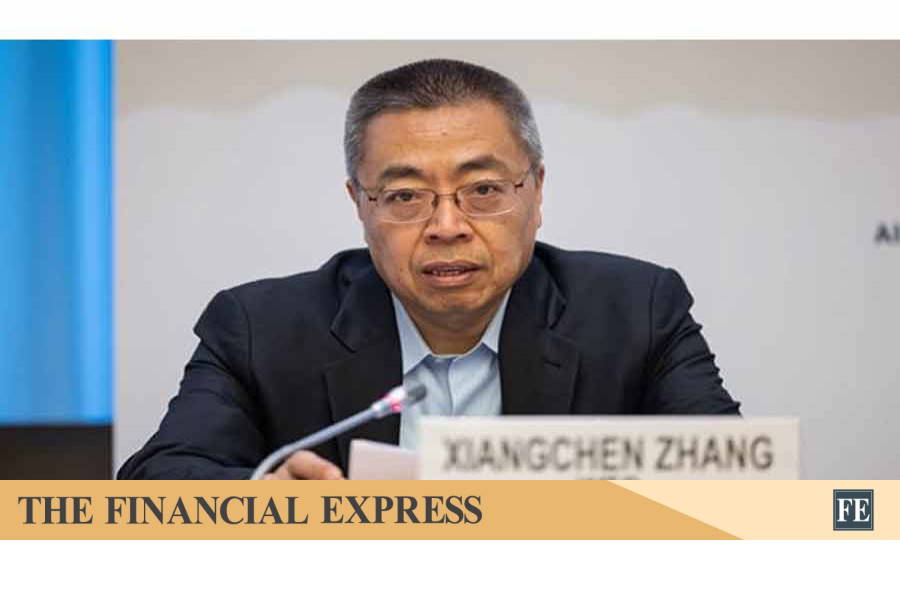
“WTO members have already taken steps to support graduating LDCs in ensuring a smooth and sustainable transition,” said WTO Deputy Director-General Xiangchen Zhang while talking to BSS.

He noted that the decision adopted at the WTO's 13th Ministerial Conference provides graduating LDCs with additional time to align with WTO disciplines.

As an example, he said if Bangladesh graduates in 2026 as originally scheduled, it would have until 2029 to complete the alignment process.

"Regardless of the exact timing of graduation, the transition period is an important opportunity for graduating LDCs to further strengthen their productive capacity, enhance competitiveness, and improve the overall investment and business environment," Zhang said.

He added that the period should also be used to prepare for operating under more general WTO rules in a predictable and sustainable manner.

The WTO official observed that Bangladesh has demonstrated strong development dynamism over the years and is well positioned to continue making the necessary adjustments.

Where challenges arise during the transition process, he said, there remains scope for constructive engagement with trading partners to address specific concerns in a cooperative manner.

Highlighting trade priorities, Zhang said Bangladesh should focus on diversifying export destinations and strengthening export resilience, particularly in sectors that may face adjustments following
graduation.

He stressed that continued efforts to upgrade productivity and increase value addition would help ensure smoother integration into the global trading system.

Earlier, Bangladesh formally requested a three-year extension of its LDC graduation timeline until November 2029. Recently, the United Nations Committee for Development Policy (CDP) expressed support for Bangladesh's request.

In a recent communication to the Bangladesh government, CDP Chair Professor José Antonio Ocampo stated that, based on the committee's assessment, it would be appropriate for the United Nations General Assembly to approve the requested extension.

The CDP noted that Bangladesh has exceeded the graduation thresholds by a significant margin under all three graduation criteria and faces a very low risk of falling below them in the near to medium term.

However, the committee emphasized the need for substantial progress in domestic reforms to address structural vulnerabilities during the extended period.

According to the CDP, priority reform areas include ensuring financial sector stability, increasing tax revenue, strengthening domestic resource mobilization, enhancing productive capacities, promoting
economic diversification and preparing the private sector for post-graduation challenges.

The committee also pointed to uncertainties stemming from global economic conditions, supply chain disruptions, energy market volatility and changes in the international trading environment as factors that could affect Bangladesh's graduation preparedness.

The CDP emphasized that the extension should not be viewed as an opportunity to delay reforms, but rather as a catalyst for accelerating them and ensuring a smooth, sustainable and successful graduation from the LDC category.​
 

Building a TQM culture for post-LDC era

ASMA Haseeb

Published :
Jun 07, 2026 23:24
Updated :
Jun 07, 2026 23:24

1780876255447.webp


The quality of our products and services will be a key factor determining how we survive and thrive in the post-LDC era. Quality is no longer a luxury, but a primary survival mechanism for Bangladesh in a competitive global landscape. When new tariffs will be imposed in the post-LDC period, Bangladeshi products will have to offer superior quality, reliability and compliance to survive in the international marketplace.

Zooming in on quality in ancient thinking, Aristotle describes quality or excellence in his book: Nicomachean Ethics (Circa 340 BCE). It tells us that every item has three attributes: (1) Telos (purpose), (2) Ergon (function) and (3) Arete (excellence). Arete is the quality of performance that allows an item to fulfil its Ergon perfectly. Consider a surgical blade as an example. Telos of a surgical blade is to cut. Its Ergon is the act of slicing. The Arete of the surgical blade is sharpness. If the blade is dull, it fails to achieve its Arete and thus fails its Telos. Aristotle argues that the Arete of a human is to perform the functions of a human being to attain his/her full potential. He contends that since human beings are what they repeatedly do, they cannot be excellent sporadically. To attain the quality or excellence human beings must construct a character that defaults to excellence. Aristotle famously said: "We are what we repeatedly do. Excellence, then, is not an act, but a habit."

Evolutionary biology, psychology, and philosophy suggest that humans are "hardwired" for quality. While the quest for quality is inherent in human nature, actual success in attaining quality depends greatly on culture and circumstances. Ingrained human behaviours in some cultures drive individuals to strive for and achieve excellence. In modern time, Japanese culture is famous for giving rise to unprecedented quality consciousness. Japanese cultural traits are the reasons why quality consciousness reached a very high level there and why Total Quality Management (TQM) practices flourished and blossomed in Japanese industries. These traits include Monozukuri or Spirit of Making, Kodawari or- Relentless Obsession with Detail, Kaizen or Continuous Improvement, Omotenashi or Selfless Hospitality, Gaman & Nintai or Patience and Perseverance, and Wa or Harmony.

The core definition of quality in TQM is meeting or exceeding customer expectations and requirements. TQM seeks long-term customer satisfaction and benefits for all, not just short-term profit. TQM demands that every single person - from the cleaner to the chief executive of an organisation - shares equal responsibility for quality. While traditional systems equate quality to a final inspection at the end of a production line, TQM weaves quality into the very fabric of the process, organisation and its daily operations. It is not about "finding defects" but instead "preventing defects". Other quality systems focus on documentation and meeting specific criteria for certification. But TQM is a broader management philosophy that prioritises the human elements - a permanent shift in mind-set, leadership and teamwork.

A precondition for the success of TQM is the persistent pursuit of quality by individuals. Research studies repeatedly show that major barriers to implementation of TQM are related to adverse characteristics of individuals. TQM gurus have identified Ethics, Integrity and Trust as the foundation of TQM. Organisational leaders must of course make circumstances favourable for individuals to develop these foundational traits and to exercise their quest for quality.

In Bangladesh's quality landscape, the major sector, Ready Made Garment (RMG) has been moving from survival-based to compliance-driven operations. In the post-Rana Plaza period, the RMG sector is pursuing stricter workplace safety and observing standards to achieve compliance. Other sectors like pharmaceutical and food are also practicing compliance-driven quality systems. TQM, the total quality philosophy, is yet to take root in this country. Only a few companies are putting effort towards adopting TQM.

At present Bangladesh may not be well-known for its quality culture, but perhaps quality is not a foreign concept to this land. Let us consider Muslin - one of the finest fabrics ever made. Its birthplace was present-day Bangladesh (around Dhaka, Sonargaon). Megasthenes, Greek envoy to Chandragupta Maurya's court in 4th century BC, mentioned Muslin in his writings. The Muslin of Bengal was a highly prized item to the Romans and the Greeks in the ancient period (1st Century BCE - 2nd Century CE). Later in the medieval and renaissance periods (12th - 16th Century), it was a very coveted merchandise in the royal courts and among elites in Europe, China and the Moghul empire. During 17th-18th century, Muslin was at the pinnacle of European fashion. Some of the quality parameters of Muslin include: thread count - as high as 800 to 1200 warp threads per inch, and lightness - a 10 yards long fabric could weigh less than 100 grams, and pass through a finger ring. Evidence suggests that the ancient Muslin artisans of Bengal practiced some of the TQM principles, like customer focus, process cantered, total employee involvement, continuous improvement, fact-based decision making etc.

Let us consider another example of excellence in this land, shipbuilding. Chittagong in Bengal (present-day Bangladesh) was renowned globally for producing finest-quality, most technologically advanced ships. The 14th century Moroccan traveller Ibn Batuta returned home from Bengal in a ship built here. European traveller Caesar Frederick reported that Chittagong was the centre of building ocean-going vessels in the mid 15th century. The Moghul naval force had their ships built in Chittagong. Shipbuilders of Chittagong were commissioned to craft an entire fleet of warships for the Ottoman Empire in the 17th century. Warships built in Chittagong were used by the British navy in the battle of Trafalgar in 1805. The German Navy had its frigate constructed in Chittagong in 1818. The superior quality of Bengal-made ships was achieved by continuous quality improvement. The innovations of craftsmen of this land such as flushed-deck designs made their ships stronger than the contemporary European vessels. Their technology of preservation of wood - the main shipbuilding material at that time - made the ships highly durable. High quality innovative joining technology, precise drilling technique to make holes with accurate diameters etc. also contributed to the premium quality of ships made in this land.

In post-LDC era, in our journey from "Compliance-First" to TQM enabled "Quality-First", Bangladeshi industry must get inspiration from their forefathers who achieved excellence on a truly global scale in their time. Our predecessors did it - reached the pinnacle of quality in their industry. We can do it too. But each of us must personally commit to excellence, making it a habit as Aristotle tells us. And our leaders at each level and in each sphere must make it easy for us to implement quality in order to build a quality-conscious nation.

The writer is Member, National Steering Committee, Kano-BSTQM Quality Award and Former Dean, Faculty of Postgraduate Studies, and Professor of Nanomaterials and Ceramic Engineering, Bangladesh University of Engineering and Technology (BUET), Dhaka.​
 

Exports worth $17.5b may be at risk after LDC graduation: Commerce minister
FE ONLINE REPORT

Published :
Jun 08, 2026 19:46
Updated :
Jun 08, 2026 20:48

1780961592294.webp


Bangladesh could face risks to exports worth approximately $17.5 billion after graduating from the Least Developed Country (LDC) category due to the loss of preferential market access in developed economies, Commerce Minister Khandaker Abdul Muqtadir told Parliament on Monday.

Responding to a question from Chattogram-11 lawmaker Jasim Uddin Ahmed during the second day of the second and first budget session of the 13th Jatiya Sangsad, the minister said the government had already undertaken a series of trade and market diversification initiatives to address the challenges arising from Bangladesh’s transition to developing-country status.

“Bangladesh will soon graduate from the LDC category. As a result, the country will lose the preferential market facilities currently available under various trade arrangements with developed economies, which could negatively affect exports worth around $17.5 billion,” he said.

To mitigate the impact, Muqtadir said Bangladesh had already concluded an Economic Partnership Agreement (EPA) with Japan and was currently negotiating a Comprehensive Economic Partnership Agreement (CEPA) with South Korea.

He added that the government had also initiated efforts to sign EPAs, CEPAs or Free Trade Agreements (FTAs) with the European Union, the Regional Comprehensive Economic Partnership (RCEP), the United Arab Emirates, Singapore, Indonesia, China and other promising export destinations.

The minister attributed the country’s growing trade deficit partly to policy failures of the previous government and partly to adverse global economic conditions, including the energy crisis, the Russia-Ukraine war, rising commodity prices, dollar shortages and uncertainties in international markets.

He said higher import costs for fuel, food and industrial raw materials, coupled with slower export growth, had significantly contributed to widening trade imbalances.

According to the minister, Bangladesh’s trade deficit increased to $24.16 billion in fiscal year 2024-25 from $21.50 billion in the previous fiscal year. During the period, the country’s export earnings stood at $55.19 billion, while imports amounted to $79.35 billion.

“Although Bangladesh exported goods to 202 countries and territories during FY2024-25, around 84 per cent of total export earnings came from the ready-made garments sector,” he told lawmakers.

To reduce dependence on a single sector, the government has extended facilities similar to those enjoyed by the apparel industry to several promising export-oriented sectors.

The minister said exporters in eight priority sectors — leather and leather goods, jute and jute products, agricultural products, pharmaceuticals, ICT and software services, light engineering products, frozen foods and fish, and plastic products — have been granted bonded warehouse facilities against bank guarantees.

He added that the government was supporting entrepreneurs in these sectors through the Business Promotion Council and had formulated the Export Policy 2024-2027 to strengthen Bangladesh’s position in global trade through sustainable export growth.

Muqtadir said Bangladesh was continuing efforts under various bilateral trade and investment arrangements with Australia, the United Kingdom, Vietnam, Thailand, Uzbekistan, Belarus and Canada to expand market access and remove trade barriers.

He also noted that trade missions comprising government and private-sector representatives were exploring new export markets in Latin America, Africa and member states of the Commonwealth of Independent States (CIS).

Other measures include strengthening economic diplomacy through Bangladesh missions abroad, providing foreign currency loans from the Export Development Fund for importing raw materials, and creating a Tk 50 billion low-interest pre-shipment credit fund for export-oriented industries through Bangladesh Bank.

To promote export diversification, employment generation and women’s economic empowerment, the government has declared paper and packaging products as the “Product of the Year 2026,” the minister said.

Responding to a separate question from Bagerhat-4 MP Abdul Alim, the commerce minister highlighted Bangladesh’s efforts to strengthen trade relations with South Asian countries.

He noted that Bangladesh and Bhutan signed a Preferential Trade Agreement (PTA) in December 2020, under which 100 Bangladeshi products and 34 Bhutanese products enjoy duty-free market access. Negotiations for PTAs with Nepal and Sri Lanka are progressing, while preparations are underway for the next round of discussions on the proposed CEPA with India.

“Following LDC graduation, Bangladesh is prioritising bilateral, regional and multilateral trade agreements with key economic blocs and countries across Asia, Europe, Africa and the Middle East to enhance export competitiveness and attract investment,” he said.

In response to separate questions from reserved-seat MP Selina Sultana and a lawmaker from Chattogram-13, the minister said Bangladesh continues to face trade deficits with several SAARC member countries, including India, Afghanistan, Bhutan, Nepal, Sri Lanka and the Maldives.

He informed Parliament that Bangladesh’s trade deficit with India stood at $7.86 billion in FY2024-25, the highest among SAARC countries. The country also recorded trade deficits with Afghanistan, Bhutan and Sri Lanka during the same period.​
 

NBR revises tariffs on 261 lines ahead of LDC graduation

Mohammad Suman and Md Asaduz Zaman

1781828515951.webp


Bangladesh has introduced another round of tariff adjustments in the proposed budget for fiscal year 2026-27, revising duties, taxes and minimum import values across 261 tariff lines as part of broader efforts to strengthen the country’s competitiveness ahead of its graduation from least developed country status.

The measures include reductions in customs duties, changes to regulatory and supplementary duties on selected products, imposition of value-added tax on some imports, and revisions to the minimum value system. Finance Minister Amir Khosru Mahmud Chowdhury placed the proposals before parliament on June 11.

Bangladesh has formally requested a deferral of its LDC graduation by at least three years to allow time to implement key domestic reforms and ensure a smooth economic transition. Once graduation takes effect, the country will lose the preferential tariff treatment, duty-free and quota-free market access, and policy flexibilities it currently enjoys as an LDC.

The proposed changes are intended to strike a balance between protecting domestic industries, safeguarding revenue, and aligning Bangladesh’s tariff structure with its international trade obligations.

Under the proposals, import duties will be reduced on 69 products to fulfil commitments made to the World Trade Organisation. Supplementary duties will be reduced or withdrawn on nine products. The existing nine-tier regulatory duty structure will be streamlined into a six-tier structure -- with the lowest tier rising from 3 per cent to 5 percent and the highest tiers of 30 and 35 percent reduced to 25 percent.

Separately, the existing 3 percent regulatory duty on 113 products will be fully withdrawn.

A 15 percent VAT has also been proposed at the import stage on 20 products that currently bear no VAT.

The budget also introduces changes to the minimum value system -- a mechanism that sets floor prices for imports to prevent undervaluation and duty evasion -- which has long been viewed by trade experts as inconsistent with international practice.

Under the proposed changes, minimum values will be withdrawn for products under 14 HS headings, reduced for products under three HS headings, and rationalised for products under 27 HS headings. Besides, new minimum values will be introduced for products under four HS headings, bringing the total number of affected HS headings to around 50.

HS headings refer to internationally standardised product categories used in customs classification -- each heading covers a specific group of goods, such as a particular type of textile, chemical, or machinery.

Bangladesh currently maintains tariffs across 7,611 tariff lines. Its binding commitments at the WTO cover 955 tariff lines, including 763 agricultural and 192 non-agricultural products. Tariffs on 60 of these lines were higher than the bound rates set when Bangladesh joined the WTO in 1995.

The National Board of Revenue (NBR) has been implementing tariff rationalisation in phases since FY23, following recommendations from a committee formed to prepare the economy for LDC graduation. But economists and trade experts say the changes fall well short of what is needed.

Abdur Razzaque, chairman of Research and Policy Integration for Development (RAPID), said the budget did not provide a clear roadmap for tariff rationalisation ahead of graduation.

“Based on what we have been advocating for LDC graduation, the changes are not significant enough. Some supplementary duties have been adjusted, but it is not enough,” he said.

Razzaque acknowledged that Bangladesh could not replicate the sweeping tariff reforms undertaken by countries such as Pakistan, given the size and depth of its domestic manufacturing sector.

A more gradual approach was necessary, he said -- but it had to be structured.

“Given Bangladesh’s strong manufacturing sector, we need to move systematically. But we should have seen a roadmap showing how tariffs would be reduced over the next three or four years,” he said.

Without such a roadmap, he warned, future free trade agreement negotiations would become more complicated, and the risk of trade diversion would rise.

“If we maintain high tariff rates while negotiating future trade agreements, the risk of trade diversion will be much higher,” he said.

Razzaque also argued that the NBR’s tariff decisions remain too heavily driven by revenue considerations.

“The NBR is fundamentally revenue-oriented. It believes that reducing import tariffs will reduce revenue collection, so it tends to focus on protecting revenue rather than improving export competitiveness,” he said, adding that LDC graduation should have featured as one of the country’s top stated priorities in the budget.

While acknowledging that some sector-specific concessions were justified, Razzaque said political considerations often influence budget decisions.

“Those who can lobby more effectively often secure greater benefits. That is why budget-making needs clear objectives and a medium-term policy framework,” he said.

Trade expert Mostafa Abid Khan said the proposed budget did not signal any major shift in tariff policy, though it introduced incentives for a few selected sectors, including electric vehicles.

“I don’t see any major changes in the tariff policy. Some sectors have received support, but overall, there has not been any significant shift in direction,” he said.

Khan cautioned that sector-specific concessions were not a substitute for the broader tariff reform Bangladesh needed.

“Industries cannot remain under high protection indefinitely. Protection has to be reduced gradually, and regulatory duties need to be rationalised because, ultimately, we will not be able to retain them forever,” he said.

He added that while the budget provides targeted support for specific sectors, it falls short of outlining a clear roadmap for lowering trade protection and improving competitiveness in the post-LDC era.

“The broader direction towards tariff rationalisation is still not visible,” Khan said.​
 

BEYOND TARIFF WALLS

Post-LDC trade challenge
1781915833172.webp


BANGLADESH stands less than six months away from one of the most significant milestones in its economic history. In November 2026, the country is set to graduate from the Least Developed Country category, marking the culmination of decades of progress in industrialisation, poverty reduction and export growth. Yet graduation also marks the end of a period during which Bangladesh benefited from preferential trade arrangements that helped make the ‘Made in Bangladesh’ label a familiar presence in markets around the world.

The timing is challenging. The global trading system that supported Bangladesh’s rise is undergoing profound change. Protectionism has returned to major economies. Industrial subsidies are reshaping production patterns. Environmental standards are becoming trade requirements. Supply chains are increasingly organised around geopolitical considerations rather than simply cost efficiency. In this changing environment, Bangladesh faces a difficult question. Should it continue relying on tariff protection and import restrictions to shield domestic industries, or should it pursue deeper integration with global markets through reforms that improve competitiveness and attract investment?

The temptation to retreat behind tariff barriers is understandable. For policymakers concerned about import surges, pressure on local industries and rising international competition, protection appears to offer a measure of security. Yet experience from both Bangladesh and abroad suggests that protection can easily become a substitute for competitiveness rather than a pathway towards it. Industries that remain sheltered for too long often become dependent on that shelter. Instead of gaining strength, they lose incentives to innovate, improve productivity and compete internationally.

Recent developments across Asia illustrate this dilemma. In India, higher import duties on textile machinery were introduced partly to encourage domestic production of capital equipment. However, the policy also increased costs for garment manufacturers that rely on modern machinery to remain competitive in export markets. The result highlights a broader reality of contemporary manufacturing: industries are no longer isolated national sectors but components of highly interconnected value chains. Measures intended to protect one segment of production can inadvertently weaken another.

Bangladesh faces similar risks as it prepares for life after LDC graduation. Proposals aimed at protecting domestic backward-linkage industries may provide short-term relief to certain producers, but they also collide with evolving trade requirements in key export markets. The European Union’s forthcoming GSP+ framework places increasing emphasis on local value addition and compliance standards. Other major markets are also tightening rules of origin and scrutinising supply chains more closely. In such an environment, competitiveness cannot be achieved merely by restricting imports. It depends on productivity, quality, compliance and the ability to integrate efficiently into global production networks.

The challenge extends beyond tariffs. Bangladesh’s export success was built on a model that combined low labour costs with preferential market access. Both advantages are becoming less certain. Labour-intensive manufacturing remains important, but buyers increasingly demand speed, reliability, sustainability and technological sophistication. Meanwhile, the gradual erosion of trade preferences means exporters will face tougher competition from countries that enjoy stronger logistics, better infrastructure and more diversified industrial bases.

The country’s recent export performance reflects some of these pressures. Rising energy costs, supply-side constraints and global economic uncertainty have exposed structural weaknesses that cannot be addressed through protectionist measures. When production costs rise because of unreliable energy supply, inadequate infrastructure or inefficient logistics, tariffs provide little relief. They merely shift costs elsewhere in the economy.

Global trade itself is changing. International firms are reassessing supply chains in response to geopolitical tensions, climate-related risks and economic uncertainty. Rather than concentrating production in a limited number of locations, many are diversifying sourcing strategies and seeking countries that offer stability, predictability and efficient business environments. For Bangladesh, this shift presents both a threat and an opportunity. Countries that improve their competitiveness can attract new investment. Those that fail to adapt risk marginalisation.

Vietnam’s experience deserves attention in this regard. Since graduating from LDC status, Vietnam has pursued an aggressive strategy of economic integration through free trade agreements, investment promotion and regulatory reform. Its success cannot be attributed solely to trade liberalisation; improvements in infrastructure, governance and industrial policy have also played critical roles. Nevertheless, the broader lesson remains significant. Vietnam sought competitiveness through integration rather than insulation. It positioned itself as a reliable participant in global value chains and consequently attracted investment in higher-value manufacturing sectors, including technical textiles, electronics and advanced consumer goods.

Bangladesh cannot simply replicate Vietnam’s path. The two countries possess different economic structures, institutional capacities and geopolitical circumstances. However, Vietnam demonstrates that sustained competitiveness depends on creating conditions that attract investment and encourage industrial upgrading. Openness alone is insufficient, but protection without reform is even less likely to succeed.

The geopolitical dimension of trade policy adds another layer of complexity. Recent debates surrounding Bangladesh’s engagement with major powers illustrate the risks of excessive dependence on any single market or strategic partner. In an increasingly fragmented global economy, trade agreements often carry implications that extend beyond commerce. For a country such as Bangladesh, preserving policy autonomy while maintaining market access requires careful balancing rather than alignment with any particular bloc.

This makes diversification more important than ever. Dependence on a small number of export products and destination markets leaves the economy vulnerable to external shocks. The ready-made garment sector will remain central to Bangladesh’s economy for the foreseeable future, but future growth cannot rely solely on cotton apparel. Expanding into synthetic textiles, technical garments, sportswear, electronics, pharmaceuticals and other higher-value sectors will be essential if the country is to sustain export growth after graduation.

Achieving this transition requires a different policy mindset. The objective should not be the indiscriminate removal of protections, nor the preservation of existing barriers for their own sake. Instead, Bangladesh needs a strategy centred on competitiveness. Temporary and targeted support may be justified where it promotes technological upgrading, innovation or compliance with international standards. However, such support should be linked to measurable performance rather than becoming a permanent entitlement.

Financial sector reform must also become a priority. Investors are attracted not only by low production costs but by stable financial systems, predictable regulations and transparent institutions. Likewise, improvements in energy security, transport infrastructure and customs procedures are no longer optional. They are prerequisites for participation in modern supply chains.

The country’s small and medium-sized enterprises deserve particular attention. CMSMEs contribute substantially to economic activity and employment but often remain disconnected from export markets. Strengthening digital infrastructure, improving access to finance and supporting quality certification would do far more to enhance their competitiveness than broad tariff protections. If properly supported, these firms could become important participants in regional and global value chains.

Bangladesh’s forthcoming Economic Partnership Agreement with Japan offers a useful example of the kind of engagement that should be pursued. Such arrangements can expand market access while encouraging domestic reforms and preserving policy flexibility. More broadly, Bangladesh should continue seeking diversified economic partnerships that reduce dependence on any single market and create opportunities across multiple regions.

As LDC graduation approaches, the country’s trade policy choices will help determine the character of its next phase of development. Tariff protection may offer short-term political comfort, but it cannot substitute for competitiveness in a world shaped by technological change, decarbonisation and increasingly demanding trade standards. The challenge facing Bangladesh is not whether it should protect or liberalise. It is whether it can build an economy capable of competing without relying indefinitely on special treatment.

The lesson emerging from the experiences of neighbouring countries is clear. Industries thrive not because they are sheltered from competition, but because they are prepared for it. Bangladesh has reached a stage in its development where sustained prosperity will depend less on preferential access and more on productivity, efficiency and innovation. The transition will not be painless. Yet delaying it would be far more costly. The window for preparing the post-LDC economy remains open, but it will not remain open indefinitely.

Imran Hossain is a lecturer of business administration Bangladesh Army International University of Science and Technology.​
 

BD to seek diplomatic support for delay in LDC graduation

FHM Humayan Kabir

Published :
Jun 25, 2026 11:00
Updated :
Jun 25, 2026 11:00

1782431020891.webp


The government will begin lobbying foreign diplomats in Dhaka next month to build support for its request to defer Bangladesh's graduation from Least Developed Country (LDC) status by three years, as the issue moves towards consideration at the UNGA.

"We will sit with all the foreign missions in Bangladesh in the first week of July. We will explain Bangladesh's reasons for seeking an additional three years before graduating from LDC status," a senior Economic Relations Division (ERD) official said on Wednesday.

As Bangladesh's request for a deferral will ultimately require approval through the UN system and endorsement by the United Nations General Assembly (UNGA), securing broad international support is considered crucial, he added.

Officials said Bangladesh's fate regarding the proposed deferment is likely to be decided at the UNGA session in September this year.

Although Bangladesh is scheduled to graduate to developing-country status in November 2026, Dhaka has sought an additional three years to prepare for the transition amid a series of domestic and external challenges.

More than two months ago, Bangladesh formally requested the United Nations Committee for Development Policy (UNCDP), the body responsible for reviewing graduation criteria, to grant an extension in light of emerging economic and geopolitical pressures, including global shocks, energy supply constraints, domestic political transition and other external uncertainties.

The UNCDP has since responded to Bangladesh's request, outlining a number of conditions linked to the proposed deferment.

The committee emphasised the importance of domestic reforms, including measures to stabilise the financial sector, strengthen domestic resource mobilisation through higher tax revenues, and prioritise expenditures that enhance resilience and support economic transformation.

According to ERD officials, policy recommendations on LDC graduation are first considered by the executive bodies of the UN system, including the Economic and Social Council (ECOSOC), before being forwarded to the UN General Assembly for final approval.

"Almost all foreign missions in Bangladesh represent UN member states. Therefore, we need to clearly explain the rationale behind our request for a graduation deferment," another ERD official said.

He noted that while an ECOSOC meeting is scheduled soon, Bangladesh's request may not be discussed immediately and could instead be taken up at a later meeting, possibly in late July.

"Once the matter is discussed at ECOSOC, we will have a clearer idea about the timeline for consideration of the graduation deferment request," the official said.

He added that although greater clarity on the process is expected after the ECOSOC discussions, the final decision will rest with the UNGA.

Bangladesh is not alone in seeking additional time. Nepal, another country scheduled for graduation in 2026, has also requested a three-year deferment.

"Since Nepal has submitted a similar request, the UN may adopt a common approach for both countries," the official said.

In a letter sent to the ERD Secretary on June 1, the UNCDP gave what officials described as a positive response to Bangladesh's request, although it did not specify any timeframe for a possible extension.

The committee stated: "Without significantly advancing on such reforms, it is difficult to see how an extension of the preparatory period requested by Bangladesh would contribute to a more sustainable graduation and a smooth transition. Hence, the extension should not be viewed as a pause or justification for delaying reforms."

The committee further advised that any extension should serve as a catalyst for accelerating reforms and implementing smooth transition measures, particularly those aimed at strengthening productive capacities, promoting economic diversification and preparing the private sector for graduation.​
 

Why Bangladesh Open University must partner with UN’s Online University for LDCs

A proposed UN university for the world’s poorest nations offers Open University a rare chance to transform from a mass-access provider into a globally respected model of inclusive excellence

Iqbal Aktar

1782791809861.webp

Photo: Bangladesh Open University

Bangladesh has made remarkable strides in expanding access to higher education. Yet, for millions of learners -- especially working adults, rural residents, and women juggling family responsibilities -- traditional universities remain out of reach. Bangladesh Open University stands as a vital lifeline, enrolling hundreds of thousands through its blended open and distance learning model. But scale has come at a cost. Persistent questions about quality, relevance, and graduate outcomes threaten to undermine the university’s noble mission.

A timely partnership with the proposed United Nations Online University for Least Developed Countries (OUL) offers a powerful pathway to close these gaps, without sacrificing access.

Open University’s strengths are undeniable. As one of the world’s largest open universities, it has democratised education through printed materials, tutorial centres, regional infrastructure, and growing digital platforms. It serves populations that conventional systems ignore. Yet, its challenges are equally evident. Recent reports highlight an alarming teacher-to-student ratio of roughly 1:2,691 -- the worst among Bangladeshi universities.

Critics point to lenient attendance policies, instances of examination irregularities, and the perception that the university's degrees are sometimes treated as “easier” credentials for promotions rather than rigorous academic achievements.

Employers often question the practical skills of the graduates, particularly in STEM fields critical for a “skill-based education”. Resource constraints, outdated curricula, uneven tutorial support, and limitations in digital infrastructure compound these issues. High enrolment masks deeper problems in completion rates, skill acquisition, and labour market recognition.

Proposed under the Doha Programme of Action and targeted for launch around March 2027, the UN Online University is not envisioned as a standalone degree-granting giant disconnected from local realities. Feasibility studies emphasise a “select and upgrade” partnership model -- exactly the approach that fits the Open University perfectly. Bangladesh, as a populous LDC with a mature open university system, is ideally positioned to become a pioneer and regional hub.

Five areas where collaboration can transform Bangladesh Open University

First, curriculum and content excellence in STEM. The OUL prioritises graduate and post-graduate STEM education, supplying internationally benchmarked course templates, virtual laboratories, and global expert input. The Open University could integrate these into its existing schools -- particularly Science & Technology, Agriculture & Rural Development, and Business -- modernising content for climate resilience, the digital economy, and emerging technologies.

Second, faculty capacity building and quality assurance. Joint training programmes, faculty exchanges, and access to OUL’s quality assurance frameworks would directly address perceptions of leniency and strengthen credibility. Shared standards for course design and assessment integrity -- including better proctoring tools -- would professionalise Open University’s academic staff.

Third, digital transformation. Open University is already advancing its Learning Management System and multimedia delivery. Collaboration could accelerate this with better platforms, AI-supported learning tools, offline-accessible resources, and community connectivity initiatives -- narrowing the digital divide that still limits rural learners.

Fourth, research, innovation, and international recognition. Partnerships with top global institutions, facilitated by the UN umbrella, could boost Open University’s research output and open pathways to international accreditation, enhancing the portability and employability value of its degrees.

Fifth, blended model optimisation. OUL support could strengthen the tutorial and practical components at Open University’s widespread study centres, combining self-paced flexibility with meaningful interaction and hands-on learning essential for STEM.

Aligned incentives, shared gains

The collaboration aligns incentives on both sides. The UN gains a proven large-scale implementer with national reach; Open University gains resources, prestige, and expertise it cannot generate alone. Crucially, degrees would continue to be awarded by Open University -- preserving local ownership and national recognition.

Success is not automatic. It requires strong government backing for infrastructure and funding, genuine commitment to reform at Open University, robust governance to prevent duplication, and careful attention to equity so that quality gains reach the most marginalised. The digital divide and resource constraints in Bangladesh cannot be wished away. But targeted investment through this partnership could turn them into solvable engineering problems rather than permanent barriers.

With the OULDC midterm review approaching, Bangladesh should proactively position Open University as a flagship partner. Educationists, policymakers, and the university leadership must act. By closing the quality gap through strategic international collaboration, Open University can evolve from a mass-access provider into a globally respected model of inclusive excellence -- a replicable blueprint for other Least Developed Countries, also an ambition that directly supports the Bangladesh Nationalist Party’s (BNP) 2026 election manifesto for quality, skills-based education.

The choice is clear: cling to the status quo of quantity over quality, or build a smarter, stronger open university system worthy of the ambitions of millions of Bangladeshi learners. Collaboration with the UN Online University for LDCs is not just feasible; it is one of the most promising opportunities on the horizon.

The author is Deputy Secretary in the Economic Relations Division of the Ministry of Finance .​
 

Extended preparatory period vital for smooth LDC graduation: Muktadir
Staff Correspondent 02 July, 2026, 23:59

1783048071426.webp

Commerce minister Khandakar Abdul Muktadir speaks at a seminar organised by the Economic Relations Division in collaboration with the Ministry of Commerce and the Ministry of Foreign Affairs on Thursday. | Press release photo

Commerce minister Khandakar Abdul Muktadir on Thursday said Bangladesh’s request to extend the preparatory period for graduating from the least developed country category is aimed at ensuring a smooth and sustainable transition rather than delaying the process. Demographics

‘We are not seeking this deferral to slow down the momentum. Rather, we seek it to ensure a sustainable, stable, and effective economic transformation,’ he said while chairing a seminar titled ‘Bangladesh’s Preparedness for LDC Graduation and the Rationale for Extension of the Preparatory Period’ in the capital.

Economic Relations Division organised the seminar in collaboration with the Ministry of Commerce and the Ministry of Foreign Affairs.

Bangladesh has formally requested the United Nations Committee for Development Policy to extend the preparatory period for LDC graduation by an additional three years.

Following consultations and a review of the country’s current circumstances, the UNCDP has responded positively and submitted its assessment report to the United Nations Economic and Social Council.

The matter is expected to be considered by ECOSOC before a final decision by the United Nations General Assembly.

The commerce minister said Bangladesh faced multiple global and domestic challenges during the existing preparatory period, including volatility in global trade, geopolitical tensions, inflationary pressures and supply chain disruptions, which have put pressure on the macroeconomy and constrained institutional capacity.

Referring to the Graduation Readiness Assessment conducted by the UNOHRLLS, he said the current environment is not sufficiently favourable for graduation within the existing timeline.

Muktadir said the government has already adopted a roadmap comprising 25 priority reforms focusing on macroeconomic stability, trade and investment reforms, deregulation, institutional strengthening, competitiveness and human resource development.

He said the government is working to reduce the time required to start a business from one year to just 14 days, alongside simplifying business registration and licensing procedures to reduce the cost and time of doing business.

State Minister for Planning Md Jonaed Abdul Rahim Saki said the government is working to restore economic stability and rebuild institutions while addressing the challenges of a fragile economy and weak financial sector.

He stressed the need for continued international support and cooperation from all stakeholders to ensure sustainable development.

ERD secretary Md Shahriar Kader Siddiky, delivering a keynote address, outlined the country’s key economic and fiscal vulnerabilities and presented a phased roadmap for effectively utilising the proposed extension period.

Ambassador of the European Union to Bangladesh Michael Miller said Bangladesh should not lose momentum on reforms, adding that closer trade relations with the EU would require greater market openness and a level playing field.

Foreign secretary Asad Alam Siam, secretary of the finance division Md Khairuzzaman Mozumder, secretary of the Ministry of Commerce Md Ataur Rahman Khan, president of Footwear Leathergoods and Accessories Exporters Association Syed Nasim Manzur, president of BAPI Abdul Muktadir, UN Resident Coordinator (Ad Interim) Gitanjali Singh, distinguished fellow of Centre for Policy Dialogue Professor Mustafizur Rahman, executive director of SANEM Selim Raihan, executive chairman of the Bangladesh Investment Development Authority Chowdhury Ashik Mahmud Bin Harun, and chairman of the National Board of Revenue Ahsan Habib, among others, attended the event. LegislativeBranch

Representatives of foreign missions, development partners, the private sector, and think tanks also emphasised export diversification, financial sector reforms and broadening the tax base to support a sustainable LDC graduation.​
 

Govt clarifies stance on LDC graduation

Commerce minister says extension sought for smooth transition, not delay

Star Business Report

1783134364546.webp


Bangladesh is seeking an extension of the preparatory period for its graduation from the Least Developed Country (LDC) category to complete key reforms and ensure a smooth transition, rather than delay the graduation itself, Commerce Minister Khandakar Abdul Muktadir said yesterday.

“We are not asking to postpone graduation. We are seeking the time needed to complete critical reforms and ensure a stable and effective economic transition,” he said at a seminar on the rationale for extending Bangladesh’s preparatory period for LDC graduation at the Planning Commission.

The Economic Relations Division (ERD) under the finance ministry, in collaboration with the commerce ministry and the foreign ministry, organised the event, according to a press statement.

The seminar briefed members of the diplomatic community, development partners and other stakeholders on Bangladesh’s preparedness for LDC graduation, progress in implementing the Smooth Transition Strategy, and the rationale for seeking an extension of the preparatory period to ensure a smooth and sustainable transition.

Bangladesh is scheduled to graduate on November 26 this year, with businesses urging the authorities to seek a delay, citing inadequate preparation to cope with the loss of tariff preferences in major export markets and increased competition.

After assuming office, the present government formally requested the United Nations Committee for Development Policy (UN CDP) on February 18 to extend the preparatory period.

Prime Minister Tarique Rahman also wrote to the UN Secretary-General seeking his personal support for the request.

In early June, the UN CDP recommended extending Bangladesh’s graduation by three years to 2029 and submitted its assessment report to the United Nations Economic and Social Council (ECOSOC), which will forward the recommendation to the United Nations General Assembly for final approval.

Commerce Minister Muktadir said a series of unprecedented global and domestic challenges -- including the Covid-19 pandemic, disruptions to global trade, geopolitical tensions, high inflation, supply chain disruptions and domestic macroeconomic pressures -- had significantly constrained Bangladesh’s ability to fully utilise the original preparatory period.

As a result, he said, the government’s immediate priority is to restore macroeconomic stability while implementing critical structural reforms.

He said the government had already adopted a comprehensive reform agenda comprising 25 priority areas, including macroeconomic stabilisation, trade and investment reforms, deregulation, enhanced competitiveness, institutional strengthening and human capital development.

Muktadir also highlighted the government’s efforts to reduce the time required to start a business from one year to just 14 days.

At the event, State Minister for Planning Md Jonayed Abdur Rahim Saki said continued support from development partners would be essential to sustain the country’s reform efforts.

In a presentation, ERD Secretary Md Shahriar Kader Siddiky outlined the major economic, structural and external challenges facing Bangladesh, explained the rationale for extending the preparatory period, and presented the government’s time-bound reform roadmap for effectively utilising the proposed additional period.

Ambassadors of Sweden, Norway, Indonesia, Switzerland, Thailand, Nepal and Vietnam addressed the seminar.

Members of the diplomatic community observed that the global trading environment is undergoing rapid transformation and stressed the importance of maintaining the momentum of Bangladesh’s reform agenda.

Representatives of diplomatic missions, development partners and the private sector underscored the importance of export diversification, financial sector reforms, broadening the tax base and improving the business environment to support Bangladesh’s smooth graduation from LDC status.

Members of the diplomatic community also expressed continued support for Bangladesh’s request to extend the preparatory period.

Ad Interim UN Resident Coordinator in Bangladesh Geetanjali Singh, Foreign Secretary Asad Alam Siam, Finance Division Secretary Md Khairuzzaman Mozumder, Commerce Secretary Md Ataur Rahman Khan, Executive Chairman of the Bangladesh Investment Development Authority Ashik Chowdhury, and National Board of Revenue Chairman Ahsan Habib were among the senior officials present.

Among business representatives, President of the Bangladesh Association of Pharmaceutical Industries Abdul Muqtadir, President of the Footwear Leathergoods and Accessories Exporters Association Syed Nasim Manzur, and representatives of the Bangladesh Garment Manufacturers and Exporters Association (BGMEA) and the Dhaka Chamber of Commerce and Industry (DCCI) attended the seminar.

Distinguished Fellow of the Centre for Policy Dialogue Prof Mustafizur Rahman and Executive Director of the South Asian Network on Economic Modeling Selim Raihan were also present.​
 

Export sector faces risks ahead of LDC graduation: RAPID
Staff Correspondent 06 July, 2026, 23:59

1783392413181.webp


Information and broadcasting minister Zahir Uddin Swapon, Economic Reporters Forum president Doulat Akter Mala, RAPID chairman MA Razzaque and executive director M Abu Yusuf are present at a workshop for at the National Press Club in the capital on Monday. | Md Saurav

Bangladesh’s export earnings have remained largely stagnant over the past four years, exposing structural weaknesses that would be magnified once the country graduates from the least developed country category unless reforms were accelerated, experts said on Monday.

They were speaking at a workshop for journalists titled ‘LDC Graduation and Trade Competitiveness’, organised by the Research and Policy Integration for Development at the National Press Club in the capital.

Presenting the keynote, RAPID chairman MA Razzaque said that Bangladesh’s exports had failed to grow for four consecutive years even as competitors expanded rapidly.

According to Export Promotion Bureau data, merchandise exports fell 0.6 per cent in FY26, with RMG exports down 1.6 per cent.

Citing UNCTAD data, he said that Bangladesh’s exports grew just 2 per cent in 2025 against global growth of 7 per cent, while Cambodia’s shipments grew 17.3 per cent, Vietnam’s 16.8 per cent, Indonesia’s 6.9 per cent, Sri Lanka’s 6.3 per cent and China’s 5.5 per cent.

The economy has also grown less export-oriented, with export-to-GDP ratio falling from about 15 per cent in 2014 to 10.5 per cent in 2025 and trade-to-GDP ratio from roughly 36 per cent to 26 per cent, while value-added exports are estimated at under 7 per cent of GDP.

Despite a population of 170 million, Bangladesh’s exports remain close to $50 billion, against Vietnam’s more than $475 billion, Indonesia’s $290 billion, Malaysia’s $380 billion and Singapore’s near $570 billion.

RMG alone accounts for more than 80 per cent of export earnings, making Bangladesh’s export basket about four times more concentrated than the developing-country average.

New products contributed less than 5 per cent of export growth between 2005 and 2019, against 41.5 per cent for Vietnam and 77.7 per cent for Malaysia, Razzaque said, adding that only 346 of Bangladesh’s 1,393 non-RMG export products earned more than $1 million annually.

Speaking as chief guest, information and broadcasting minister Zahir Uddin Swapon said that the trade-related challenges facing the country after LDC graduation would not decrease but would rather increase.

‘The government has already requested the relevant UN body to defer the graduation timeline until November 2029, with the main objective of getting prepared,’ he said, adding that Bangladesh faced fewer trade challenges on markets such as the United Kingdom and Australia, but confronted several challenges in other export destinations.

‘During these additional three years, we have to formulate a coordinated roadmap to reform policies, remove bureaucratic complexities and increase export growth,’ he said, adding that work should be carried out to determine how many of the 157 measures under the UN’s Smooth Transition Strategy could be implemented in the country’s domestic context.

‘As Bangladesh is expected to hold the presidency of the UN General Assembly, we are optimistic about obtaining the three-year extension we have sought,’ he said.

However, he added that the real question was how effectively Bangladesh could use that additional time to strengthen export capacity and competitiveness, noting that the government was also working to develop the country’s human resources through state initiatives.

In his presentation, Razzaque warned that graduating would not automatically stop duty-free access, as Bangladesh could still negotiate better terms through free trade agreements, but its competitiveness would rely on meeting stricter traceability and regulatory standards.

He said that EU apparel tariffs post-graduation would rise to 12 per cent from zero under the Everything But Arms scheme, with footwear facing 6 per cent and fish exports 7.16 per cent.

UNCTAD’s 2026 estimate puts total exports that are at risk at 32.2 per cent, or $17.7 billion, with 97 per cent of losses concentrated in apparel and footwear and the EU accounting for 77.2 per cent of projected losses, the keynote said.

Recent data already showed US-bound exports falling 11.2 per cent between July 2025 and April 2026 and EU-bound exports falling 19.3 per cent between January and April 2026 — the steepest decline among major suppliers, Razzaque said.

He said that implementation of Bangladesh’s Smooth Transition Strategy had remained slow, warning that unless the country implemented it effectively, securing additional time would not be possible.

Razzaque called for securing ‘three Fs’ — food, fibre and fuel — to reduce export costs and for prioritising export-oriented foreign direct investment, noting that Bangladesh’s average FDI inflow of 0.95 per cent of GDP trailed India’s 1.66 per cent, China’s 1.96 per cent, Malaysia’s 2.99 per cent, Vietnam’s 5.45 per cent and Cambodia’s 9.8 per cent.

He also pointed to infrastructure constraints — 71 per cent of firms faced power outages in 2022 — and to Bangladesh’s 88th-place ranking on the World Bank’s Logistics Performance Index, behind India, Vietnam and Indonesia.

Policy support alone would not suffice unless industries improved productivity, he said, calling for domestic production to expand beyond RMG to generate employment and warning that without stronger export growth, Bangladesh would struggle to build foreign exchange reserves and achieve structural transformation.

Economic Reporters Forum president Doulat Akter Mala said that investors frequently cited Bangladesh’s effective tax burden as excessive.

‘Although the nominal corporate tax rate might be around 25 to 27 per cent, the effective tax rate rises to nearly 55 per cent after adding various taxes and charges, which is an area that requires urgent policy attention,’ she said.

RAPID executive director and Dhaka University professor M Abu Yusuf moderated the workshop, which was attended by journalists from various media outlets.​
 

ICCB urges bold reforms as Bangladesh faces mounting global and domestic economic challenges

FE ONLINE REPORT

Published :
Jul 09, 2026 14:47
Updated :
Jul 09, 2026 21:40

1783640163607.webp

ICCB President Mahbubur Rahman

International Chamber of Commerce (ICC) Bangladesh President Mahbubur Rahman on Thursday called for bold structural reforms, stronger public-private collaboration and accelerated investment in infrastructure to help Bangladesh navigate mounting global uncertainties and prepare for its post-Least Developed Country (LDC) era.

Addressing the 31st Annual Council of ICC Bangladesh at Hotel Sheraton Dhaka, Mahbubur Rahman said the country stood at a defining moment in its economic journey as geopolitical tensions, supply chain disruptions and domestic structural weaknesses continued to weigh on growth.

He warned that conflicts in Ukraine, Gaza and the Middle East, along with disruptions in the Red Sea and the Strait of Hormuz, had heightened global economic uncertainty, pushing up energy prices, freight costs and inflation. For an import-dependent economy like Bangladesh, these developments pose significant risks to trade, energy security and macroeconomic stability, he said.

Referring to projections by the International Monetary Fund (IMF) and the World Trade Organization (WTO), he noted that slowing global growth and rising protectionism underscored the need for Bangladesh to strengthen its competitiveness, diversify export markets and build greater economic resilience.

Mahbubur Rahman said Bangladesh had made remarkable progress over the past five decades and was now approaching another historic milestone with its graduation from the LDC category. However, he cautioned that the transition would require stronger institutions, improved competitiveness and sustained economic reforms.

He noted that economic growth had slowed to around 3.7 per cent in 2025 due to global uncertainty, energy shortages, subdued private investment and macroeconomic pressures. Despite these challenges, record remittance inflows of US$32.8 billion and steady export earnings had helped support the economy.

The ICC president identified controlling inflation and restoring private-sector confidence as the country's immediate priorities. He also stressed the need to strengthen the banking sector by addressing high non-performing loans, governance shortcomings and capital adequacy concerns.

Ensuring long-term energy security through diversification and greater efficiency, he said, would be critical to sustaining industrial expansion and export competitiveness.

As Bangladesh prepares for LDC graduation, Mahbubur Rahman called for stronger domestic revenue mobilisation, prudent debt management and the timely conclusion of Economic Partnership Agreements (EPAs) and Free Trade Agreements (FTAs) to offset the gradual loss of preferential market access and concessional financing.

He also urged the government to create a more predictable and business-friendly investment climate to attract investment, generate employment and diversify exports.

Highlighting infrastructure as a key driver of competitiveness, Mahbubur Rahman proposed the construction of a modern elevated expressway between Dhaka and Chattogram, saying the project would significantly improve logistics efficiency, reduce transport costs, enhance export competitiveness and strengthen regional connectivity. He also invited the Asian Development Bank (ADB) to support the project through financing and technical assistance.

Referring to Fitch Ratings' recent revision of Bangladesh's outlook from stable to negative while affirming its 'B+' sovereign rating, he said the move highlighted the urgency of strengthening macroeconomic stability, governance, financial sector resilience and overall competitiveness.

"With bold reforms, sound macroeconomic management and stronger collaboration between the government and the private sector, Bangladesh can transform today's challenges into tomorrow's opportunities and emerge as a more competitive and prosperous economy," he said.​
 

LDC exit in 2026 could deepen economic woes: govt report

Rejaul Karim Byron

1784171363974.webp


Bangladesh’s economy is in crisis due to domestic and external shocks, and graduation from the category of Least Developed Countries (LDCs) this year will worsen the situation due to several risks, according to a government document.

The paper identified the risk of disruptions to oil supplies, higher prices amid the ongoing Middle East conflict, and export losses due to the signing of Free Trade Agreements (FTAs) between Bangladesh’s competitors and the European Union and the United Kingdom, two key export destinations.

Ongoing investigations by the US Trade Representative (USTR) targeting Bangladesh on overcapacity and the enforcement of policies restricting imports of products made with child and forced labour may result in additional duties on Bangladesh’s exports in the US market, its single largest export destination, said the paper.

The government prepared the document ahead of the meeting of the UN Economic and Social Council (ECOSOC) next week.

A team, led by Commerce Minister Khandakar Abdul Muktadir, is already in New York to persuade other nations to support Bangladesh’s bid to extend its graduation schedule by another three years to allow more time to prepare for competition in the post-LDC period.

Bangladesh, along with Nepal and Lao PDR, is scheduled to graduate from the LDC category in November. However, due to unprecedented political, macroeconomic, environmental and external shocks, Bangladesh and Nepal have requested a three-year extension of their preparatory period until November 2029.

The UN Committee for Development Policy (CDP) had earlier recommended approving Bangladesh’s request to defer its graduation from the least-developed country (LDC) category from November 2026 to November 2029.The recommendation now awaits formal ratification by the UN General Assembly.

The finance ministry report said high inflation, falling exports, and rising energy and fertiliser bills amid the war in the Middle East have heightened risks to the Bangladesh economy, which has been experiencing sluggish growth, rising poverty and mounting bad loans.

At this stage, graduation from the LDC category and the resulting loss of export preferences will deepen economic vulnerability.

According to the report, International Support Measures (ISMs), especially in exports and pharmaceuticals, have played a critical role in Bangladesh’s economic development.

The loss of ISMs after graduation will increase the risk for the country.

Bangladesh’s reliance on ISMs has been identified as one of its vulnerabilities during and after graduation by UN Trade and Development (UNCTAD), it said.

The finance ministry said investor confidence has weakened due to political instability in recent years and will take time to restore.

It said more time is required to conclude FTA negotiations with trading partners to reduce the risks of losing preferential market access.

The report also cited the end of the waiver on compliance with intellectual property rights, along with increased poverty caused by persistent inflation, and warned that the prices of life-saving drugs may rise, putting further strain on public health.

“Given the strong role of ISMs in the Gross Domestic Product and employment, graduation under the current uncertainty could further destabilise the macroeconomy, which will impede a smooth and sustainable graduation,” it said.

The finance ministry said Bangladesh’s economy, which grew by over 6 percent annually in the five years before 2021, has since slowed. Inflation has remained above 8 percent since 2022, while poverty is projected to rise in 2025, pushing more people into extreme poverty.

Due to the significant increase in the prices of essential commodities, including oil, in recent years, the import bill for these items has risen substantially, accounting for over 25 percent of total import payments.

The import bill for oil and fertiliser has increased by 72 percent and 44 percent, respectively, during July-May of fiscal year 2025-26, exerting considerable pressure on foreign exchange reserves.

The finance ministry said current circumstances do not show any evidence that the situation will improve before the present graduation timeline.

The report also mentioned record-high non-performing loans in the banking sector and said there was a severe and systemic shortage of funds available for lending and investment.

“Rising international borrowing costs and debt servicing are shrinking fiscal space, limiting public investment in key sectors like infrastructure, health, education and social protection.”

Exports have been declining in recent times despite duty-free and quota-free (DFQF) access due to global trade uncertainty and rising domestic business costs stemming from higher interest rates and energy prices.

Delays in the repatriation of Rohingya refugees have placed additional pressure on government expenditure.

“The government requires at least two years to stabilise the economy and move towards smooth and sustainable graduation within the next three years.”​
 

EU, G77 back country's bid for smooth LDC graduation
1784329744717.webp


A big backing comes from the European Union (EU) and the Group of 77 and China (G77) to Bangladesh in its try for smooth, sustainable and irreversible graduation from the least- developed country (LDC) category with extended time.

According to a government news release issued Friday, the assurances came during separate meetings at the United Nations Headquarters between Commerce Minister Khandakar Abdul Muktadir and Head of the European Union Delegation to the United Nations Ambassador Stavros Lambrinidis, and Chair of the Group of 77 and China and Permanent Representative of Uruguay to the United Nations Ambassador Laura Dupuy Lasserre.

The minister was accompanied by State Minister for Planning Zonayed Saki, Economic Relations Division (ERD) Secretary Md Shahriar Kader Siddiky, Bangladesh Permanent Representative to the United Nations Ambassador Salahuddin Noman Chowdhury, Footwear, Leathergoods and Accessories Exporters' Association of Bangladesh (LFMEAB) President Syed Nasim Manzur and Bangladesh Garment Manufacturers and Exporters Association (BGMEA) President Mahmud Hasan Khan.

During the meetings, the commerce minister explained the rationale behind Bangladesh's request for a three-year extension of the LDC-graduation-preparatory period, citing the country's ongoing economic and political transition, global economic uncertainty, energy challenges and the need to consolidate structural reforms.

He reiterated the government's commitment to strengthening governance, reforming the financial sector, improving infrastructure, enhancing domestic resource mobilisation and creating a more investment-friendly business environment.

"The additional time would help consolidate reforms, remove infrastructure bottlenecks, strengthen industrial competitiveness and ensure that Bangladesh's graduation remains smooth, sustainable and irreversible," the minister was quoted as saying.

Ambassador Lambrinidis has welcomed the government's commitment to good governance and sustainable development and expressed the EU's continued support for Bangladesh's graduation process.

He also welcomed the launch of discussions on a Bangladesh-European Union Free-Trade Agreement (FTA) and stressed the importance of stronger public-private cooperation to facilitate the transition, according to the press release.

Meanwhile, Ambassador Lasserre acknowledged the strength of Bangladesh's case for extending the preparatory period and praised the government's pragmatic reform agenda.

She reaffirmed the G77's support for Bangladesh and proposed a dedicated briefing for G77 member- states on the country's graduation strategy, a proposal welcomed by the Bangladesh delegation.

Following the meetings, the ERD Secretary, Shahriar Kader Siddiky, described the discussions with the EU delegation as "productive", saying that the bloc reiterated its continued support for Bangladesh's smooth, sustainable and irreversible graduation from the world's poor-country club.​
 

Bangladesh takes 5-year plan to get ready for post-LDC challenges

The commerce ministry today organised a validation workshop on the programme

Star Business Report

1784504201992.webp

File visual: Anwar Sohel/Star

The government has adopted a new five-year plan to improve the country's investment climate and business competitiveness and prepare for the challenges it will face after graduating from the least developed country (LDC) category in November this year.

The new programme has been undertaken under the third phase of the Enhanced Integrated Framework (EIF) of the World Trade Organisation, according to a statement from the commerce ministry.

The commerce ministry today organised a validation workshop on the new EIF programme at the ministry to make its officials aware of the plan.

At the workshop, Commerce Secretary Ataur Rahman Khan said the economy has been passing through an important period as, on the one hand, the country has to prepare for LDC graduation and, on the other hand, it is facing non-tariff barriers to exports and challenges in improving the investment climate.

The 12 key recommendations made by the EIF in its earlier programme have been incorporated into the newly formulated country document, which will help improve business competitiveness and support the ongoing reform initiatives, the secretary also said.

The document gives importance to improving the business environment by enhancing the ease of doing business, liberalising the tariff regime, and relaxing related rules in collaboration with the ministries concerned.

1784504244146.webp


Additional Commerce Secretary Khadiza Nazneen said the WTO provides assistance to LDCs and graduating LDCs to improve business competitiveness through its arm, the EIF, while the UK, the European Union, and Sweden support the programme.

Bangladesh has already implemented different recommendations under EIF-funded projects in two phases from 2009 to 2024.

The five-year third phase of the EIF-funded project may begin this year as the country is eligible for the fund, Nazneen also said.

EIF-funded Project Consultant Md Hafizur Rahman said 52 projects were initially identified, but later 12 were prioritised, considering implementation capacity and assurances of funding from foreign donors.

Bangladesh has been preparing to face the challenges of LDC graduation and retain preferential trade benefits, as the country may lose $17.5 billion worth of exports annually because of the graduation.

Currently, 73 percent of Bangladesh's trade enjoys LDC-specific preferences, and Bangladesh is the largest beneficiary of LDC-specific trade benefits, accounting for 67 percent of the preferences provided to all 44 LDCs by developing and developed countries.​
 

Bicycle exporters look beyond recovery to post-LDC challenges

Jagaran Chakma

1784763978364.webp


Bangladesh’s bicycle industry is moving beyond simple assembly towards deeper manufacturing, with exporters increasingly producing components locally to strengthen competitiveness in global markets.

But industry leaders say substantially higher local value addition will be essential to retain preferential market access after the country’s graduation from the least developed country (LDC) category.

Manufacturers are now investing in local component production to reduce their import dependence and meet stricter rules of origin that will apply after LDC graduation.

The shift comes as bicycle exports continue to recover. According to the Export Promotion Bureau (EPB), bicycle exports earned $151 million in FY2025-26, up around 30 percent from $116 million a year earlier.

Industry executives say the recovery reflects Bangladesh’s improving manufacturing capability, competitive production costs and established relationships with European buyers.

However, RN Paul, managing director of RFL Group, noted that the rise in bicycle exports reflects a recovery from last year’s unusually weak base rather than a full-fledged market rebound.

“Exports have bounced back, but the market is still well below where it was three or four years ago, including 2022,” he said. “It’s a case of things getting better from a very bad situation, not a boom.”

He attributed the recent improvement to some overseas buyers resuming orders after a prolonged slowdown rather than the emergence of new export destinations.

Paul said global demand for conventional bicycles remains subdued as consumers gradually shift towards electric bicycles, which typically cost about 30 percent more. At the same time, economic uncertainty caused by ongoing geopolitical conflicts has made consumers more cautious about spending.

“The transition to e-bikes is happening, but volumes are not growing at the pace we expected,” he said.

RFL has introduced e-bikes in both the domestic and export markets, although demand remains limited, he added.

While RFL is navigating a gradual recovery in demand, other manufacturers are focusing on expanding local production to strengthen their long-term competitiveness.

Md Luthful Bari, chief operating officer of the Tyre Division of Meghna Group of Companies, said the company manufactures most bicycle components locally, including frames, forks, rims, tyres, tubes, pedals, saddles, handlebars and grips. Only a few specialised inputs, such as paint and Shimano gear systems for multi-gear bicycles, are imported.

He said specialised bicycle paint is not produced in Bangladesh and attracts an import duty of about 60 percent, increasing production costs.

Multi-gear components are also imported because overseas buyers prefer internationally recognised brands such as Shimano, while steel sheets and rods are brought in as raw materials.

Bari said local value addition ranges between 50 percent and 70 percent, depending on the type and specifications of the bicycle.

Meghna’s exports are gradually gaining momentum after a prolonged slowdown, with Germany remaining its largest market, followed by Denmark.

The company is also expanding into new European markets, although exports to Italy have declined.

“Export orders are improving gradually,” Bari said, expressing optimism that overseas demand will continue to recover.

He added that Meghna began manufacturing high-end carbon fibre frames and forks a few years ago, claiming it was the first company in South Asia to do so.

Google News LinkFor all latest news, follow The Daily Star's Google News channel.
The company plans to start producing fully carbon fibre bicycles soon, targeting the premium segment of the global market.

Newer manufacturers are also making significant investments with the post-LDC trade regime in mind.

Among the new entrants, Akij Bicycle Industries is building its strategy around increasing domestic value addition.

Sayed Joynul Abedin, chief executive officer of Akij Bicycle Industries Ltd, said the company began exporting bicycles in March after spending the previous two years establishing its manufacturing facilities.

“So far, we have exported to three European countries -- the Netherlands, Poland and Germany. The response has been encouraging, and we already have several export orders in hand,” he said.

The company expects to export around 100,000 bicycles this year.

Abedin said Akij has invested about Tk 250 crore, including land acquisition and factory development, in its bicycle manufacturing project in Mirzapur, Tangail.

He said increasing local value addition has become a strategic priority as Bangladesh prepares to graduate from LDC status.

“At present, we can qualify for export preferences with around 30 percent value addition. After LDC graduation, the requirement will rise to about 50 percent. Keeping that in mind, we are investing in tyre manufacturing, which we expect to begin commercial production next year and help raise local value addition,” he said.

The factory currently employs around 800 workers, with the workforce expected to exceed 1,000 by the end of the year, he added.​
 

UN body backs Bangladesh’s LDC extension request
Staff Correspondent 22 July, 2026, 12:47

1784764742893.webp


Bangladesh permanent representative to the United Nations ambassador Salahuddin Noman Chowdhury. | UNB photo

The United Nations Economic and Social Council on Tuesday recommended that the United Nations General Assembly make a final decision on requests by Bangladesh and Nepal for a three-year extension of the preparatory period before their graduation from the least developed country category.

The recommendation was adopted by consensus by ECOSOC member states at a council meeting, according to a press release issued by Bangladesh’s permanent mission to the United Nations in New York.

Bangladesh’s permanent representative to the UN, ambassador Salahuddin Noman Chowdhury, introduced the draft decision on behalf of Bangladesh and Nepal, outlining the reasons for their requests for extending the preparatory period.

Bangladesh has requested a three-year extension of the preparatory period until November 24, 2029.

The ECOSOC decision followed assessments by the Committee for Development Policy, which concluded that it would be appropriate for the General Assembly to consider granting extensions for both countries.

Under the recommendation, the General Assembly has been asked to make a final decision on the matter before November 24, when Bangladesh and Nepal are currently scheduled to graduate from the LDC category.

Following the adoption of the decision, ambassador Salahuddin Noman reaffirmed Bangladesh’s commitment to graduating from the LDC category in a sustainable manner.

He also reiterated Bangladesh’s commitment to implementing necessary policy measures and reforms to strengthen its readiness for graduation if the General Assembly approves the deferral request.

Addressing the ECOSOC meeting, the ambassador said that Bangladesh remained firmly committed to LDC graduation, describing it as a national aspiration built on decades of hard work by its people rather than a luxury.

He said that the graduation process must be smooth, sustainable and irreversible, ensuring that it does not disrupt or reverse the country’s development gains.​
 

Irene urges development partners to step up support for SDGs, LDC transition

BSS
Dhaka
Published: 11 Aug 2026, 20: 30

1786491224334.webp

Irene Khan BSS

Bangladesh Permanent Representative to the United Nations (UN) in New York, Irene Khan has called upon the international community and development partners to strengthen their support for the country’s efforts to accelerate the implementation of the Sustainable Development Goals (SDGs) and ensure a sustainable graduation from the Least Developed Country (LDC) category.

Irene Khan said this while addressing a session on the second day of the three-day national conference titled “Navigating Five Year Strategic Framework for Achieving SDGs: Policy, Partnership and Priorities”.

The parallel session titled “Role of Development Partners on Implementing Five Year Strategic Framework for Reform and Development (July 2026-June 2031) and SDGs” was held at the Bangladesh-China Friendship Conference Centre (BCFCC) today, Monday, which brought together representatives of the United Nations, development partners and government officials to discuss key development priorities and partnership needs.

Irene Khan said the country was going through a rare “window of opportunity” to make a major breakthrough in its development journey.

She said the government is keen to engage with the international community to broaden and deepen discussions on development priorities and implementation of the SDGs.

Irene Khan said her role as Bangladesh’s Permanent Representative to the UN would also be to act as a bridge between the country’s development efforts and the international community, ensuring that the issues discussed at the national level receive due attention at the global level.

She noted that Bangladesh had performed well in achieving the Millennium Development Goals (MDGs), but the SDGs are considerably more comprehensive, interconnected and demanding.

She stressed that the remaining period for achieving the goals would be a difficult but important journey for Bangladesh.

Referring to the government’s commitment, Khan said it is focusing on investment in key sectors, strengthening implementation and monitoring, and working closely with development partners to make up for lost time.

She also underscored the importance of domestic partners, particularly civil society and local communities, in achieving the SDGs.

“Civil society and communities have an incredibly important role to play because you’re the ones who go out there and actually are the last mile of the delivery,” she said.

She also highlighted the strong linkage between Bangladesh’s SDG implementation and its LDC graduation process.

Referring to Bangladesh’s request for a time-bound extension of the LDC graduation preparation period, Irene Khan said the extension would help the country achieve a sustainable and irreversible transition out of the LDC category.

She said the two processes create a “double incentive” for Bangladesh to accelerate reforms and development initiatives.

Irene Khan pointed out that several priorities identified in Bangladesh’s roadmap for the requested extension are closely linked to SDG implementation. These include reforms to strengthen the financial sector, improving the investment climate, enhancing domestic resource mobilisation, facilitating trade and negotiating new trade agreements.

“We would like to do, in the next three years, many of these reforms while simultaneously investing in and accelerating the delivery of the SDGs,” she said.

She urged development partners to take these two interconnected priorities into account and encourage Bangladesh on both fronts.

Describing the present period as a rare opportunity in the country’s history, Irene Khan said there is growing enthusiasm from communities to the highest levels of leadership to achieve a major development breakthrough.

She acknowledged that Bangladesh is facing difficult circumstances and resource constraints, saying the country would need to be creative and make the best possible use of its limited resources.

At the same time, she said Bangladesh has no shortage of energy, creativity and innovation and expressed confidence that these strengths can be effectively utilised to accelerate development.

Irene Khan called on the international community to stand beside Bangladesh and provide the necessary support during this critical phase of its development journey.

“We have to be creative. We have to squeeze the last penny that we have because money is short. But at the same time, there is no shortage of energy or creativity or innovation in this country,” she said.

She concluded by assuring development partners that Bangladesh would continue to engage with them at national and international levels to advance its SDG and development priorities.

Principal Coordinator on SDG Affairs at the Prime Minister’s Office SM Abdul-Awal while making his presentation sought enhanced support from development partners, including concessional financing, debt relief and technical assistance, to accelerate the country’s progress towards achieving the SDGs by 2030.

Awal said Bangladesh needs stronger partnerships and resources to implement its development priorities, particularly for marginalised and vulnerable communities.

He said Bangladesh’s performance remains weak in several SDG indicators, particularly in health, water and sanitation, affordable clean energy and other areas, while the country has made relatively better progress in poverty reduction, education and gender equality.

He identified poverty and vulnerability reduction, health and education, job creation, skills development, investment and export diversification, food security, rural enterprises, clean energy, climate resilience, and transparent and efficient service delivery as key priorities for accelerating SDG implementation by 2030.

Highlighting several flagship initiatives, including the Family Card, farmers’ initiatives, plantation programmes, e-healthcare, primary healthcare centres, education reforms, youth employment, skills development, startup funding and rural entrepreneurship, he said these programmes are aimed at improving the socioeconomic conditions of marginalised people.


“We need your support,” Abdul-Awal told development partners, seeking concessional loans, debt relief, technical assistance and increased access to development financing to support Bangladesh’s socioeconomic transformation and ensure that no one is left behind.

UN Resident Coordinator in Bangladesh Carol Flore-Smereczniak who moderated the session said development partners are ready to align their support with Bangladesh’s nationally led five-year strategic framework and help accelerate progress towards the Sustainable Development Goals (SDGs).

She said the SDGs should not be treated as a parallel agenda, but as a practical vehicle for achieving Bangladesh’s aspirations for stronger institutions, inclusive growth, resilience and prosperity.

She said the government has set the objective of transforming Bangladesh into a trillion-dollar economy by 2034.

“Our role as development partners is to support implementation where possible and bring practical solutions that people can see and feel,” she added.

She said LDC graduation would create new opportunities but also require greater competitiveness, export diversification, stronger institutions and diversified sources of financing.

“Closing the finance gap will require a mix of domestic resource mobilisation, the quality of public spending, greater private sector participation, climate finance and continued international support,” she said.

UN Women Representative Gitanjali Singh, Valentine Achancho, country director, IFAD, Diepak Elmer, the Charge d’ Affaires and head of cooperation at the Embassy of Switzerland, Adam Aspden, British high commission, Edwin Koekkoek, first counsellor, acting head of Cooperation, EU, Sonali Dayaratne, deputy resident representative, UNDP, Felix Helgesson, deputy head of development Cooperation, Embassy of Sweden, Hasina Begum, social policy manager, UNICEF, Farzana Dorin, national professional officer, Policies for Prevention of NCDs, WHO, Dhruv Sharma, senior economist, World Bank, Owais Parray, senior economist, UNDP, and Sardar Asaduzzaman, assistant resident representative, UNDP, spoke among others at the session.​
 
Securing an cash loan is one of the easiest ways to get the funds you need quickly and efficiently.

Thanks to a simple application procedure, you can apply from the comfort of your home and avoid the hassle of endless documents.

Many online lenders offer:
* Customizable lending solutions
* Competitive interest rates
* Quick approval times

This makes it possible to get your money almost instantly. Choose online loans for a simple, efficient, and reliable solution to cover emergency costs or upcoming purchases.
 

LDC graduation must trigger structural reform to attract FDI

Faysal Islam

1788047400147.webp

File visual: Anwar Sohel/Star

Bangladesh’s graduation from the United Nations’ list of least developed countries (LDCs) is a historic achievement, reflecting decades of economic, human and social progress. Yet it will also bring a difficult transition. Duty-free market access, export incentives, concessional finance and other trade privileges will gradually diminish, exposing weaknesses long masked by preferential treatment.

The formal graduation date is November 24, 2026, although the government has requested a three-year extension of the preparatory period. Whether graduation occurs as scheduled or is delayed, Bangladesh cannot treat additional time as a reason for complacency. It must be used for structural reforms to sustain growth, strengthen competitiveness and attract more foreign direct investment.

FDI is not merely capital; it also brings technology, modern management, workforce development, access to international markets and quality employment. These benefits will be important as Bangladesh seeks to diversify exports and move towards higher-value manufacturing and services.

Yet FDI inflows remain modest relative to the economy’s size and potential. Net inflows stood at around $1.27 billion in 2024 and rose to approximately $1.77 billion in 2025, still around 0.4 percent of GDP. Vietnam, India and Indonesia attract many times more investment. Bangladesh has major advantages: a large market, a young workforce, a strategic location and a manufacturing base. What it lacks is a predictable, transparent and efficient investment environment.

Investors plan over five-to-ten-year horizons. They consider not only labour costs and market size, but also policy continuity, contract security, institutional stability, energy availability, tax predictability and dispute resolution. Abrupt changes in investment and tax policy with changes of government undermine confidence, regardless of individual incentives.

Recent economic pressures make these concerns more urgent. Bangladesh has faced high inflation, pressure on foreign exchange reserves, non-performing loans and political uncertainty. Although remittances and reserves have improved, inflation, banking-sector weakness and low investor confidence persist. A stable and elected government is important, but investors also need institutions that ensure continuity and consistent application of the law.

These vulnerabilities will become more visible after graduation. The European Union’s Everything But Arms (EBA) facility will continue during a transitional period, but exports, especially ready-made garments, will eventually face higher tariffs. Vietnam already enjoys preferential access to major markets through free trade agreements.

Bangladesh cannot continue to rely mainly on low wages and tariff concessions. Future competitiveness must come from productivity, technology, skills, environmental compliance, efficient public services and reliable infrastructure.

Regional competitors show what sustained reform can achieve. Vietnam has attracted substantial FDI by simplifying investment rules, improving licensing, strengthening investor protections, offering long-term incentives and joining trade agreements, including the EU-Vietnam Free Trade Agreement, CPTPP and RCEP. Indonesia has used industrial incentives, tax relief and targeted policies in minerals and electric vehicles. India is strengthening manufacturing through “Make in India,” infrastructure investment and production-linked incentives.

Bangladesh’s high tariffs, regulatory complexity and limited participation in free trade or preferential agreements stand in contrast. Closing this gap requires more than investment conferences, road shows or short-term tax breaks. It requires sustained policy reform, stronger trade links, better infrastructure and an improved investment climate.

The first barrier is administrative uncertainty. Investors must deal with multiple agencies for registration, taxation, environmental clearance, land, utilities, customs and foreign exchange. Although a one-stop service exists, many procedures remain fragmented, and online applications may still require physical visits and repeated follow-up.

The Bangladesh Investment Development Authority should become a genuine single investment authority. Relevant services should be integrated into one platform with fixed decision deadlines. For low-risk applications, conditional or deemed approval should be considered when agencies fail to respond on time.

Energy supply is another obstacle. Power outages, low gas pressure, delayed connections and rising fuel costs disrupt production and force firms to rely on expensive generators. Industrial zones need firm service standards, clear connection deadlines and predictable pricing.

Bangladesh must expand domestic gas exploration, diversify import sources, modernise energy infrastructure and increase renewable generation. Priority supply to industrial and economic zones would reduce costs and investment risk.

Tax and regulatory stability matter more to investors than simply low tax rates. Frequent policy changes, complex procedures, high compliance costs and slow dispute resolution weaken confidence. Separating tax policy from administration and expanding digital systems are positive steps, but digitisation should simplify compliance rather than create new reporting or audit burdens.

Investment incentives should be linked to measurable outcomes, including jobs, exports, research, technology transfer, local sourcing and lower carbon emissions, rather than broad tax exemptions.

Profit repatriation is equally important. Foreign firms need assurance that legitimate dividends, royalties, loan repayments and share-sale proceeds can be transferred promptly. Foreign exchange shortages, tax complications, pre-approval requirements and inconsistent bank interpretations weaken that assurance. Bangladesh should introduce clear rules, a single digital process and fixed settlement timelines, with automatic approval for routine transactions where feasible.

Industrial land and logistics remain persistent problems. Acquiring land, verifying ownership, changing land use and securing utilities can take years. Investors should have a digital database showing the location, ownership, price, legal status and utility connectivity of industrial plots. Rather than declaring numerous economic zones without completing them, the government should develop a smaller number with reliable infrastructure and efficient administration.

Ports and customs must also be modernised. Delays in cargo handling, clearance and inland transport increase inventory, tie up working capital and raise costs. Risk-based inspections, pre-arrival processing and the national single window should become operational, supported by greater port and transport capacity.

Unfair practices across different sectors and slow dispute resolution add further risk. Investors assess not only the ease of entry but also whether disputes will be handled fairly and efficiently. Prolonged litigation, opaque administrative decisions and limited avenues for appealing government actions discourage long-term commitments.

Specialised commercial courts, faster enforcement of arbitration awards and simpler appeal procedures are therefore essential. Digital monitoring, auditable records and transparent complaint systems would further reduce informal costs and administrative abuse.

The banking sector and foreign exchange system must also be strengthened. Reducing default loans, improving bank governance and restoring confidence in foreign exchange management are indispensable to a credible investment climate.

Bangladesh should pursue free trade agreements and comprehensive economic partnerships with the European Union, the United Kingdom and other major markets in South America and Africa. At the same time, it must strengthen compliance with the labour, human rights, environmental and governance standards required to qualify for GSP Plus.

Investment promotion should focus on pharmaceuticals, agro-processing, electronics, light engineering, information technology, medical devices, logistics and renewable energy. Priority should go to projects that create skilled jobs, transfer technology and link strongly with local supply chains.

LDC graduation need not mean the loss of Bangladesh’s existing advantages. It can instead mark the beginning of structural transformation, shifting competitiveness from cheap labour and tariff preferences to technology, skills, productivity and good governance.

Foreign investors ultimately need three assurances: stable policy, timely government services and fair application of the law. Bangladesh already has the market, workforce and location to become an investment destination. What it needs now is measurable, transparent and consistent reform.

That reform must begin before graduation, not after its costs become visible. If we address the barriers discussed above and create a more predictable and enabling investment environment, FDI can drive export diversification, technological progress and quality employment. If these reforms are left undone, Bangladesh risks falling further behind its regional competitors despite its considerable potential.

The writer is a fellow chartered accountant and financial sector analyst​
 

LDCs lag behind trade in services


1789253448332.webp


A decade after the launch of the United Nations (UN) Sustainable Development Goals (SDGs), progress toward achieving them remains far from optimal. With less than four years to the 2030 deadline, the prospect looks gloomy. SDG target 17.11 calls for a significant increase in developing countries' exports, aiming to double the share of Least Developed Countries (LDCs) in global exports from 1.0 per cent in 2011 to 2.0 per cent by 2020. Still, the target was not achieved as the LDCs' combined share in global trade in 2024 reached 1.03 per cent. In the next year, the share of LDCs in world merchandise exports reached 1.21 per cent while their share in world imports rose to 1.44 per cent. In trade in commercial services, LDCs performed poorly. In 2025, their combined share in global services exports stood at 0.60 per cent, while the share of services in global exports rose from 23 per cent in 2015 to 27 per cent in 2025.

The latest global trade update report from the UN Conference on Trade and Development (UNCTAD), released last week, focused on trade in services. It noted that although services are reshaping global trade, LDCs lag in digital exports, which make up a significant share of total commercial services exports. Commercial services are generally divided into four broad sectors: (i) transport, (ii) travel, (iii) goods-related services, and (iv) other commercial services. Trade in commercial services refers to intangible transactions of services or related activities in these sectors between nations. In other words, commercial services include all categories of services except government goods and services.

Although services are intangible by definition, sometimes they are embedded in commodities or goods. Due to the expansion of digital activities in recent years, services have become increasingly embedded in manufacturing, agriculture, and other economic activities. This means services are not limited to inputs but are transforming what firms make and sell. The UNCTAD report pointed out two related trends showing how services are becoming more central to production and trade. One is 'servicification', the other is 'servitisation.' The former indicates the growing use of services as inputs across all sectors, from agriculture to manufacturing. "Logistics, finance, design and data management are increasingly embedded in what firms produce and export, even when the final product is a physical good," the report added. The latter shows a shift in business models, where "firms that previously sold goods now bundle services with their products or sell the services that products provide, such as maintenance contracts or performance guarantees, rather than the products themselves." In other words, services are no longer viewed only as a sector on their own. Instead, it is time to accept them as critical inputs into the production and export of goods.

As inputs, services are now also traded indirectly. UNCTAD found that hidden services content is substantial but uneven. According to the UN agency's estimates, services represent 33 per cent of intermediate inputs in industrial goods exports in developed economies. The ratio is 27 per cent in developing economies and 13 per cent in LDCs. This is hardly surprising, as LDCs lag in the complex advancement of services, especially through digitalisation.

LDCs and many developing nations have yet to properly quantify trends in trade in commercial services. A lack of adequate statistical tools and deeper knowledge of the diverse nature of services makes it challenging to generate sufficient data on services activities and trade. As a result, data released by LDCs, including Bangladesh, on trade in services are often flawed or underestimated. In fiscal year 2025-26 (FY26), Bangladesh's commercial services exports reached US$5.54 billion, up 5.50 per cent from $5.25 billion in FY25. Imports of commercial services increased modestly by around 2 per cent to $12.28 billion in the past fiscal year from $12.20 billion the previous year. The statistics are based on balance of payments (BoP) data released by Bangladesh Bank.

Statistics released by the Export Promotion Bureau (EPB) showed that total services exports stood at $7.24 billion in FY26. This includes inputs of manufacturing goods, commercial services, and government services. Exports of inputs of manufacturing services were estimated at around $0.90 million in the last fiscal year, while government services exports stood at $1.54 billion. Subtracting these two gives the value of traditional commercial services exports at $4.81 billion.

Although EPB uses central bank data to generate services export statistics, a significant gap remains with BoP data on services trade. This is not unusual, as a similar discrepancy has long existed in goods exports. The problem lies in weak national statistics. Instead of investing adequately in strengthening statistical capacity, many LDCs, including Bangladesh, tend to tinker with key national statistics to gain political advantage.

Nevertheless, Bangladesh is one of the seven LDCs whose services trade statistics are included in OECD TiVA databases covering 87 economies. The UNCTAD report used the dataset to analyse various dimensions of services trade. It also indicates that Bangladesh is generating reasonably acceptable services trade statistics, though they require further refinement and development to provide a clearer picture.

At present, a significant portion of services trade is classified as digitally deliverable services (DDS), services that can be delivered remotely over computer or information technology networks. DDS is considered the key driver of the rapid expansion of global services exports, which registered 8.3 per cent growth last year. UNCTAD report added that DDS trade grew faster than total services, at an average annual rate of 7.1 per cent, and now represents 56 per cent of global services exports.

Insurance and pension services; financial services; charges for the use of intellectual property (IP); telecommunications, computer and information services; research and development services; professional and management consulting services; architectural, engineering, scientific and other technical services; audio-visual and related services; and health services and education services (excluding those consumed during international travel) are the major sub-sectors of DDS. The UNCTAD report noted that digitally deliverable trade exceeds trade that is actually digitally delivered. This is because a product being digitally deliverable does not mean that it is always digitally delivered when traded internationally.

LDCs, including Bangladesh, are still far behind in DDS, accounting for only 16 per cent of total services exports, compared with 61 per cent in developed economies. UNCTAD pointed out that persistent digital divides in LDCs are a major factor, along with these countries' high reliance on traditional services such as transport and travel. So, these countries need to strengthen their efforts to increase the share of DDS in their total service exports so they can also gain from the fastest-growing segment of global trade.​
 

LDC graduation: WTO chief backs 'reasonable' transition time

1789701197445.webp

Dr Ngozi Okonjo

Bangladesh's graduation from the least-developed-country (LDC) category should be viewed positively as it requires a reasonable transition period to adjust the changes to be unleashed.

World Trade Organisation (WTO) Director-General Dr Ngozi Okonjo-Iweala made the observation Thursday, as Dhaka has petitioned the United Nations for extending the graduation process.

"First, I have to congratulate Bangladesh. Graduation is a good thing. It means that your economy is doing well and that you're coming out of the category of least developed," the WTO chief told The Financial Express at her office in the global-hub Swiss city.

"Nobody wants, I hope no country wants, to remain a least- developed country forever. So, it's a good thing. It should be seen in a positive light," the DG added.

The WTO chief, however, stressed that graduation should not result in an abrupt withdrawal of support and that graduating countries should be given adequate time to adjust.

In this connection, she notes that the WTO is not the only multilateral institution where countries graduate from special categories. "You also have graduation in other multilaterals, the World Bank, the IMF, UN and so on. So, I think we need to look at this issue in a broader light."

According to Okonjo-Iweala, it is appropriate for graduating countries or members to have a period during which they can transition gradually, rather than facing an immediate change in their treatment.

"It's absolutely appropriate that graduating countries or graduating members should have a period of time over which they are allowed to transition," the WTO chief said.

The purpose, the director-general explained, is to prevent a sudden change that could expose a graduating country to economic shocks.

"You don't graduate today and because of shocks you're back into the category the next day. So, it's appropriate."

The key issue, however, is determining the length of the transition period, according to the WTO chief.

"I think that that's the issue at the WTO," the director-general said, adding that LDCs are negotiating over how long the transition should last and under which agreements it should apply.

She also said the organisation has been working closely with LDCs to help streamline their requests concerning graduation while also engaging with other WTO members to encourage them to consider those demands.

"We've been working very hard with the LDCs. I'm a strong supporter to explain to them how to streamline their requests with respect to all the things they want for graduation," the director-general said.

"At the same time, we're also trying to talk to other members to be open to some of the LDC requests."

The world trade-body chief was of the view that a compromise could eventually be reached on the duration of the transition period.

"I think it's going to be some kind of compromise where LDCs will have a period of time. Some three years has been negotiated, and that's the normal -- that's the norm elsewhere in other organisations,."

LDCs have already requested the WTO members to allow at least six to maximum 12 years of transition period. In response, the General Council adopted a decision in October 2023 encouraging preference-granting members to provide a smooth transition period before withdrawing duty-free and quota-free market access for LDCs after graduation.

"If we can come to some agreement on this, then the transition period, I think, will be something that everybody can respect," the WTO DG added.

Bangladesh is scheduled to graduate from the world's poor-country club in November this year. The government has, however, submitted a formal request for deferring the gradation for three more years. If approved by the United Nations, the country will have a breathing space in troubled times to graduate in 2029.

Bangladesh's upcoming LDC graduation makes managing a smooth transition vital as it stands to lose special trade preferences and international support following the status change.

There are currently 44 LDCs, of which 14 are on the path to graduation. Of these, 12 are WTO members: Bangladesh, Cambodia, Comoros, Djibouti, Lao PDR, Myanmar, Nepal, Rwanda, Senegal, Solomon Islands, Tanzania and Uganda.

The 13th Ministerial Conference (MC13) has provided graduating LDCs additional time to align with WTO disciplines on dispute- settlement system and also be eligible for LDC-specific technical assistance and capacity building for three years.

Bangladesh has already prepared a smooth transition strategy to cope with the post-graduation challenges.​
 

Smooth transition legitimate request from Bangladesh


1789702043448.webp


Bangladesh's request for a smooth-transition mechanism after the graduation from the least-developed-country (LDC) category is "legitimate", says WTO deputy chief Xiangchen Zhang about the country's move for getting the process deferred.

The country will face changes in preferential treatment and new obligations under World Trade Organisation (WTO) rules after the graduation.

The Deputy Director-General (DDG) of the global trade body expressed his opinion here Wednesday at a training session titled 'The WTO's Work on Trade and development' held at the WTO headquarters in Geneva with participation of journalists from different countries. The session was organised under the Journalist Programme on Global Trade Polices in the context of the WTO Public Forum 2026.

"LDC graduation is an important subject in the WTO. Bangladesh, together with some other LDCs like Cambodia and Nepal, will graduate from the group. First of all, it is a subject for celebration. It is a demonstration of the progress you have made," Zhang said.

At the same time, he noted, graduating LDCs have legitimate grounds to seek a smooth transition to help them adjust to the changes arising from the loss of LDC-specific trade benefits.

Eligibility for LDC-specific support measures for a period beyond graduation is referred to as a smooth-transition period.

Bangladesh is scheduled to graduate from the world's poor-country club in November this year. The government has, however, submitted a formal request for deferring the gradation for three more years. If approved by the United Nations, the country will graduate in 2029.

Zhang drew an analogy with policies in China, saying that some regions below a certain poverty line receive additional government support and preferential treatment. When those regions move above the threshold, the benefits are withdrawn, which is a sign of progress but can also justify a transitional period.

"In China, our policy is that we give those countries some transitional period of time -- five years -- to continue to enjoy the preferential treatment," he told the journalists.

He said some WTO members had already responded positively to calls for extending preferential treatment for graduating LDCs for an additional three years. He mentions the European Union, the United Kingdom, Australia and Japan. "Not all the countries did the same," Zhang said, adding that the LDC Group, led by Bangladesh, is continuing to push for a smooth transition while the WTO is facilitating discussions among members.

There are currently 44 LDCs on the United Nations (UN) list of which 37, including Bangladesh, have become WTO members to date. Four LDCs are negotiating to join the WTO now.

The 13th Ministerial Conference (MC13) has provided graduating LDCs additional time to align with WTO disciplines on dispute- settlement system and also be eligible for LDC-specific technical assistance and capacity building.

Referring to his visit to Bangladesh two years ago, Zhang said he had witnessed the country's economic progress and the development of emerging industries, including the pharmaceutical sector.

He said graduating LDCs should also focus on specific areas where the impact of graduation could be significant, particularly emerging industries.

Bangladesh needs to understand the implications of new obligations arising from graduation, particularly those relating to the WTO's Agreement on Trade-Related Aspects of Intellectual Property Rights (TRIPS), he said.

"The TRIPS obligations are important for this new emerging industry," Zhang said, referring to Bangladesh's pharmaceutical sector.

He notes that Bangladesh had requested WTO assistance and training on intellectual-property rules for both government officials and entrepreneurs.

"I think it is the right approach."

In 2026, the organisation has conducted training on the TRIPS Agreement and Bangladesh's LDC graduation, focusing on intellectual property-related issues and the obligations that will become relevant after graduation.

Zhang has previously highlighted the need for graduating LDCs to prepare for changes in areas that include TRIPS, agricultural policies and non-agricultural subsidies, while stressing the role of WTO technical assistance in supporting the transition.

Meanwhile, Wednesday was the second day of the public forum, WTO's biggest annual outreach event. This year forum focuses on the fast-growing diversification of the trade in services.​
 

LDC graduation must strengthen, not constrain development: Titumir


1790055455553.webp


PM’s Finance and Planning Adviser Dr. Rashed Al Mahmud Titumir has stressed that graduation and sustainable graduation are different, saying that LDC graduation should strengthen, rather than constrain, a country’s development trajectory.

He made the remarks at the LDC-GIF Mechanism Introduction & High-Level Dialogue at the United Nations Headquarters in New York on Monday.

Dr. Titumir said graduating countries continue to face structural impediments and limited productive capacity, compounded by geopolitical conflicts, supply-chain disruptions, trade uncertainty, inflation and domestic shocks.

He emphasised that graduation must therefore be supported by adequate measures to ensure a smooth, sustainable and irreversible transition through industrialization, integrated approaches, energy transition and job creation.

The Adviser also called for stronger financial, technological and capacity-building support for LDCs, noting that actual technology transfer remains modest compared with their needs.

He expressed hope that the LDC Green Industrialisation Facilitation (LDC-GIF) mechanism would accelerate technology transfer, deployment and industrial application, while supporting productive capacity, structural transformation and sustainable graduation.​
 

LDC graduation deferment confirmation unlikely during this UNGA session

Decision may come in next meet in October or Nov

1790466424114.webp


Bangladesh's much-sought-after LDC-graduation deferment is unlikely to be confirmed during the ongoing United Nations General Assembly (UNGA) session, which Prime Minister Tarique Rahman just addressed.

The decision is likely to be come in the next meeting of the UNGA, to be held in October or early November this year at the UN headquarters, says a senior Economic Relations Division (ERD) official.

This UNGA is seen as very important for Bangladesh as PM Tarique Rahman is participating in the UN session in New York this year.

"The decision may not come in this session as the ECOSOC will not place the gradation proposal this time. The proposal for Bangladesh and Nepal is likely to be placed in the next session in October or early November," the ERD official told The Financial Express.

Bangladesh and Nepal are likely to get three-year extension for graduation from the least-developed-country (LDC) status as the United Nations Economic and Social Council (ECOSOC) is going to recommend it to the General Assembly, officials said.

They expect both the South Asian nations are going to receive three years more time up to November 2029 for the transition as well taking preparation for the graduation to a developing nation.

The decision was taken during an ECOSOC session in New York on July 21 last, ERD officials said.

Originally scheduled to graduate in November 2026, Bangladesh and Nepal sought the timeline adjustment to cushion their economies against persistent global and domestic headwinds.

The ERD official said: "The ECOSOC's recommendation will be finalised in the UNGA. The 192-member UNGA will finalise the extension proposal."

Meanwhile, Bangladesh has already sat with most of the 192 UN member-countries at home and abroad for getting their support at the next UNGA session for the graduation deferment.

A high-powered Bangladeshi team also sat with representatives of the 54 ECOSOC member-countries as the UN social council is to take decision on the deferment of Bangladesh's LDC graduation date.

Under the extended timeline, Bangladesh will retain its duty-free and quota-free (DFQF) market access across major global markets, including the European Union, the United Kingdom, and Canada, for an additional three years.

Businesspeople say an immediate graduation in 2026 would have triggered a sharp rise in export tariffs, particularly for the ready-made garment (RMG) sector, which accounts for over 80 per cent of the nation's total export earnings.

Exporters warn that sudden tariff hikes could have compromised Bangladesh's competitive edge against global rivals.

While Bangladesh comfortably met all three UN criteria for graduation-Gross National Income (GNI), Human Assets Index (HAI), and Economic Vulnerability Index (EVI)-the macroeconomic landscape has shifted drastically since its initial recommendation in 2021.

A severe Gulf and Ukraine war impact, foreign-exchange crunch, persistent domestic inflation, volatile energy prices, and recent domestic political transitions have strained the national economy.

The three-year window is viewed by international partners not as a pause but as a critical transition period to execute deep fiscal and structural reforms, diversify exports, and stabilise the banking sector.​
 

LDC deferment proposal gaining major support, Titumir says

Refayet Ullah Mirdha

1790467958534.webp


Bangladesh is gaining support from major countries and trade blocs for the country’s proposed LDC graduation deferment at the 81st UN General Assembly (UNGA) session, adviser to the prime minister on the ministries of finance and planning Rashed Al Mahmud Titumir said yesterday.

The LDC group, China, and the G-77 -- which consists of 134 countries -- have agreed to support the LDC graduation deferment in informal consultation meetings at the UNGA, according to Titumir.

Next, the countries and trade blocs that have agreed to support the deferment will formally vote in favour at a session of the 81st UNGA. Qatar has been negotiating with different countries and trade blocs to form a consensus in favour of the deferment, he told The Daily Star over the phone.

However, the adviser could not specify the date and time the proposal will be placed on the 81st session of the UNGA. However, he said the proposal will certainly be resolved in this session, which started on September 8 and will continue for two months.

Titumir claimed that Bangladesh has sought an extension of the LDC graduation preparatory period for transition from the UN, not a deferment of the LDC graduation itself.

When asked about when Bangladesh’s proposal may be placed on the session, Commerce Secretary Md Ataur Rahman Khan said he was not aware either.

However, he said that Bangladesh has left no stone unturned to secure support from other countries and regional trade blocs.

For instance, Bangladesh has sought cooperation from the European Union (EU), the UK, New Zealand, Australia, and the G-77. African and Asian nations have committed to supporting Bangladesh in the deferment pledge, the commerce secretary said.

Md Hafizur Rahman, former director general of the WTO Cell of the commerce ministry who dealt with Bangladesh’s LDC graduation affairs earlier, said the majority of present members’ votes will decide the deferral proposal.

Once passed, the Economic and Financial Committee (Second Committee) of the UNGA will formally place it before the UNGA for final approval, he said, adding that if any major country, such as the US, does not object, Bangladesh should face no trouble in getting the deferment.

Hafizur, also a former additional secretary at the commerce ministry, said the US may not object as Bangladesh has a warm relationship with the country, having signed a trade agreement and committed to purchasing aircraft, soybean products, wheat, and other goods.​
 

Building stronger institutions is key to post-LDC growth

Christian Brix Møller and Fahmida Khatun

1790725052827.webp

FILE VISUAL: ALIZA RAHMAN

Since independence, Bangladesh has transformed from one of the world’s poorest nations into a more stable and diversified economy driven by manufacturing, exports, remittances, and services, alongside notable social progress. But its development momentum has slowed significantly in recent years. Growth has declined, inflation remains high, private investment is weak, revenue collection is poor, and banking-sector vulnerabilities have grown. The national poverty rate increased from 18.7 percent in 2022 to 21.4 percent in 2025, while about 62 million people—roughly one third of the population—are vulnerable to falling back into poverty. By June 2026, non-performing loans made up 32.78 percent of the total disbursed loans, and the tax-to-GDP ratio is projected to be only 8.55 percent in FY2026. These pressures are unfolding amid persistent geopolitical tensions, global trade uncertainties, and energy-market fallouts, limiting policy options to mitigate further shocks.


Against this backdrop, Bangladesh has requested a three-year extension to its timeline for graduation from the United Nations’ Least Developed Country category, which is likely to be resolved in the coming weeks. Through its roadmap for 2026-2029, the government is determined to use the period to tackle structural weaknesses and strengthen Bangladesh’s readiness for graduation. The agenda is to restore macroeconomic stability, strengthen institutions, raise productivity, diversify exports, and build a more resilient, inclusive, and sustainable economy.

This is also the central focus of the SDG Facility Project—a partnership between the embassy of Denmark and the Centre for Policy Dialogue (CPD)—implemented in 2025-26. The project established a platform for evidence-based, multi-stakeholder policy dialogue on governance, institutions, inclusion, and sustainable development. It reflects the view that Bangladesh’s success in using its preparatory period and eventually graduating depends not only on strong economic policies but also on the institutions that implement them.

Denmark brings a particular perspective to this discussion. Political scientist Francis Fukuyama used the expression “getting to Denmark” as a metaphor for one of development’s central challenges: building a society characterised by capable government, the rule of law, accountability, and effective institutions. Denmark is not a model that Bangladesh should simply replicate, but the underlying principle matters: sustainable prosperity rests on institutions that citizens and businesses can trust.

Denmark’s experience illustrates how strong institutions, public trust, and sustainable development can reinforce one another. Denmark sits at the top of the global Liberal Democracy Index. It has ranked first in Transparency International’s Corruption Perceptions Index for eight consecutive years, and topped Robeco’s latest Country ESG Ranking. But such rankings should be treated with care. No society is perfect, and Denmark continues to face its own political, economic, and social challenges. Therefore, Bangladesh must find its own path, rooted in its own political economy, social structures, and development experience. Reform is part of its economic agenda, as strong institutions are essential to mobilise revenue, allocate finance, ensure efficient investment, and provide transparent, fair and predictable taxation, customs, regulation, and enforcement.

What does smooth graduation look like?

Bangladesh’s graduation date matters because trade preferences, transition periods, and international support affect the economy. However, delaying graduation will not solve structural challenges. The key is how Bangladesh uses the additional time. Its next transformation requires shifting from an economy reliant on low-cost labour and preferential access to one focused on productivity, skills, technology, diversification, and innovation.

If Bangladesh strengthens institutions, gains investor trust, creates better jobs, mobilises local resources, and promotes greener, inclusive growth, graduating from LDC status could signify more than a classification change. It may mark a new phase of development with prosperity rooted in the capabilities of its people, strong institutions, and confidence in the future.

Over the years, as Bangladesh’s economy expanded and its development priorities changed, the relationship between Denmark and Bangladesh has gradually moved beyond traditional development cooperation towards a broader partnership encompassing trade and investment, the green transition, renewable energy, labour rights, responsible business practices, and institutional cooperation. This reflects a wider change in Bangladesh’s engagement with international partners. As the country now moves towards a more productive, diversified, and competitive economy, cooperation will increasingly focus on trade, investment, technology, knowledge, skills and institutional strength, while retaining targeted development support where it is still needed.

Denmark is well positioned to support this transition due to its expertise in renewable energy, energy efficiency, green technologies, sustainable production, and responsible business. Collaboration on labour standards and responsible practices is also increasingly vital as markets prioritise ESG standards. Stronger partnerships can support Bangladesh’s competitiveness and sustainable development.

Although graduation marks a significant achievement, the gradual erosion of trade preferences and other support measures will pose new challenges. International cooperation will remain important for expanding productive capacity, diversifying exports, attracting investment, transferring technology, developing human capital and strengthening institutions. Such partnerships should ultimately help Bangladesh build its capabilities and resilience.

Why dialogue matters?

The collaboration between the Embassy of Denmark and the CPD shows how a partnership can support better policymaking through inclusive, multi-stakeholder dialogue. The discussions addressed various development challenges: reducing food loss through improved infrastructure, regulation, and farmer empowerment; enhancing industrial sustainability through worker safety, representation, and social dialogue; strengthening land governance, justice, Indigenous rights, and accountability in the Chittagong Hill Tracts; advancing women’s rights through family law reform and anti-discrimination measures; and promoting energy sovereignty through renewable energy, affordable financing, and better governance.

Through a series of multi-stakeholder dialogues and public-facing events, the programme brought together policymakers, government officials, diplomats, researchers, civil society organisations, trade unions, private sector representatives, journalists, development partners, and representatives of affected communities. The discussions covered interconnected issues related to human rights-based development, democratic reform, and sustainable economic growth.

One clear lesson from the series is that complex development challenges cannot be addressed effectively from a single institutional or sectoral perspective. The dialogues connected policy questions with implementation challenges, institutional accountability, and the experiences of people directly affected by public decisions. They also sought to generate practical recommendations, while media engagement helped carry key messages beyond the immediate participants. After all, sustainable reform needs more than good policy; it requires coordination, participation, transparency, accountability, and the capacity to turn recommendations into results.

Bangladesh has repeatedly demonstrated resilience, adaptability, and ambition. Its next transformation will depend on whether its institutions support these qualities by fostering innovation, attracting productive investment, creating better jobs, and maintaining public trust. Denmark and Bangladesh can continue to work together towards that goal. Graduation will change Bangladesh’s status; stronger institutions will determine its future.

Christian Brix Møller is ambassador of Denmark to Bangladesh.

Dr Fahmida Khatun is an economist and distinguished fellow at the Centre for Policy Dialogue.​
 

Growing out of LDC status: Bangladesh’s real negotiation at COP31

Subail Bin Alam

It is disorienting to watch a nation grow up, and Bangladesh will feel that twice this November. From 9 to 20 November, the 31st United Nations Climate Change Conference (COP31) will be held in Antalya. In an unusual arrangement for a COP summit, Turkey will host while Australia will lead the negotiations, and the preparatory meetings will be held thousands of miles away in the Pacific, in Fiji and Tuvalu. Organisers call it the “Implementation COP”: a summit meant to deliver on previous commitments rather than make new ones. In the same month, Bangladesh will formally graduate from the least developed country (LDC) category and move up a level in the international hierarchy.

For many years now, we have told ourselves that graduating from the LDC category is good news, a recognition of Bangladesh’s difficult journey upward. It is. Yet for anyone who has worked on climate and infrastructure finance for years, examining how the money is raised, structured and spent, the coincidence of the two events sends a clear message. Most of the concessional support available to Bangladesh so far, including finance, special market treatment and technical assistance, has come through the “least developed” doorway. As Bangladesh graduates, those doorways begin to close one by one. That is the central issue for Bangladesh at Antalya.


1790812546692.webp

At COP31, Bangladesh should push for predictable climate finance, adaptation grants, and faster support for loss and damage. Visual: Official COP31 poster

The paradox we carry

Bangladesh’s income is rising, but the vulnerability that actually counts has not changed: the country still ranks seventh in the world in one of the best-known climate risk indices. We continue to emit less than half of one per cent of global greenhouse gases. Rising per capita incomes do not reduce the amount of water coming over a coastal dyke. They also do not slow down a riverbank collapsing into the Jamuna River, nor do they push salt back out of a farmer’s fields in southern Bangladesh. The first demand Bangladesh should make at COP31 is therefore simple: let eligibility for climate finance be based on risk, not income. And because graduation should not be a penalty, we should request a transitional window of five to seven years, during which we retain access to concessional climate finance on terms comparable to today’s.

The character of the money, not its size

My second argument is one I often repeat because it gets lost in the headlines. We treat climate finance as a question of arithmetic: how much money arrived. The more relevant question is what kind of money it is: grants or loans? The finance goal set over the past two summits, $300 billion a year within a broader ambition of $1.3 trillion a year by 2035, sounds enormous. However, if the majority of that money arrives as debt, then a country responsible for almost none of this crisis will borrow to survive it. That is not fair. It is an ugly accounting practice.

Under our National Adaptation Plan, which runs to 2050, the cost of adapting to climate change is estimated at approximately $230 billion, with about $6 billion per year in external funding needed. Given the scale of the need, Bangladesh should insist that adaptation and loss and damage finance be provided as grants or highly concessional funding, so that today’s disaster does not become tomorrow’s sovereign debt. That makes it all the more damaging that COP30 quietly extended the deadline for tripling adaptation finance from 2030 to 2035. For families flooded this year, a five-year wait is a luxury they cannot afford. Meanwhile, the World Bank appears to be signalling lower climate targets, and one of the largest economies at the table has indicated that it will cut its contributions. What Bangladesh most needs from Antalya, then, is not another large number but predictability: money it can rely on over a horizon long enough to plan against.

From paper to hands

It is a common mistake to confuse adapting to the crisis with being destroyed by it. Raising a dyke to reduce flood damage is an adaptation. But when a char vanishes in a flood, taking homes, graves and a lifetime of memories into the river, that is loss, and nothing can replace it. The international fund established to help cover such losses exists on paper, but the money has not yet reached the people it is meant to help. Bangladesh should demand that these funds be usable nationally and disbursed as soon as possible. Families whose entire villages are lost in a single night do not have time to wait two or three years for various committees to approve proposals. They need a rapid-response mechanism. The fund must also learn to recognise losses that are difficult, if not impossible, to quantify on a spreadsheet: the language, culture and sense of place that disappear when communities are broken apart.

1790812601628.webp

Rising incomes do not protect Bangladesh from coastal flooding, erosion, and saltwater intrusion, the risks that climate finance must address. Photo: Star

None of this should obscure the main point: adaptation is our real fight. Salt-tolerant crops, embankments, urban drainage, freshwater supply and the relocation of people already displaced by climate change are part of everyday life here, not a distant prospect. In negotiations on the Global Goal on Adaptation and its indicators, Bangladesh should push for locally led adaptation. What households in Satkhira or Kurigram know about protecting themselves may be far more valuable than decisions made in conference rooms in Dhaka.

The challenge we did not see coming

Then there is a challenge that has been almost absent from our previous positions, even though it strikes at the heart of our economy. On 1 January this year, the European Union’s carbon border levy took full effect, initially for cement, fertiliser, steel and aluminium. By 2030, it could be extended to many more imported goods, potentially including ready-made garments. When four-fifths of Bangladesh’s exports consist of clothing, and more than half of that clothing goes to Europe, this stops being an environmental footnote and becomes a question of economic survival. By some estimates, including garments in the levy could add around five per cent to costs. Combined with the tariffs Bangladesh will face once LDC graduation ends its duty-free access, the total could approach seventeen per cent.

Graduation and carbon pricing will, then, hit at the same time. Bangladesh’s stance at COP31 should be clear: cutting greenhouse gas emissions should not become another trade barrier for developing nations. Bangladesh is prepared to “green” its industries, but it needs technology, finance and enough time to make the transition. Friction over the levy at COP30 has already led to an annual forum on trade and climate, which began in June this year. That is precisely the forum where Bangladesh should push for fair financial assistance to transition sectors such as garments, leather and cement. The transition must also be equitable. Women workers, who make up a large share of the factory workforce, must be protected, not sacrificed, in the move to a green economy; their livelihoods should be built into the agreement from the start.

Selling carbon credits may generate some foreign currency in the short term, but our coastal forests and the mangroves of the Sundarbans should not be turned into cheap offsets for a distant company’s accounts.
Carbon markets also call for caution. Selling carbon credits may generate some foreign currency in the short term, but our coastal forests and the mangroves of the Sundarbans should not be turned into cheap offsets for a distant company’s accounts. Our green resources are capital for our own future, not commodities.

Asking, and showing

The questions will also get harder. Contributors, including investors, increasingly want to know whether their money will be used fairly and transparently to meet measurable objectives. Our newest climate pledge targets a quarter of our electricity to come from renewable sources by 2035. Yet renewables today make up less than five per cent of the mix, and achieving most of that target depends on outside help. To close that gap, we must first develop a pipeline of investment-ready projects and track them through a reporting and verification process that others can rely on.

Climate diplomacy is increasingly investment diplomacy. Instead of a list of complaints, let us bring a portfolio of bankable projects to Antalya: rooftop solar on factories, modernised transmission grids, energy storage and cleaner industrial technology, each supported by a credible financial model.

The government has already formed a committee to draft Bangladesh’s national position paper for COP31. I hope the paper is evidence-driven and that stakeholders, rather than external donors, have a meaningful role in shaping it. I also hope it addresses not just how much we need, but where the money will go once it arrives and who will be held accountable.


1790812647455.webp

Bangladesh should seek climate finance based on risk, not income, as LDC graduation threatens its access to concessional support. Visual: Aliza Rahman

Where Bangladesh sits

At COP31, Bangladesh can enter the meeting room as more than a supplicant. Although we are graduating from the LDC group, our membership of the G77 and the Climate Vulnerable Forum will remain significant because of our history of struggle and the moral influence we hold. Several small island states face threats similar to our own, rising seas among them, which gives Bangladesh an opportunity to build a coalition for survival at the pre-summit meetings in Fiji and Tuvalu. If Bangladesh can emerge from this COP with a unifying message that we are not only victims of climate change but also partners in solving it, then perhaps that alone will have made the journey worthwhile.

This is when Bangladesh comes of age, and we should arrive in Antalya with that self-assurance. Our prospects may be rising, but our vulnerability is not falling. What is falling, and must keep falling, is everyone else’s justification for looking the other way. If we can win recognition of that single point at the bargaining table, along with the finance and fairness that should follow from it, our diplomacy in Antalya this November will have succeeded.

Subail Bin Alam is an engineer-economist. He is the Chief Operating Officer of Rancon Infrastructures and Engineering Limited, a Director of the Bangladesh Sustainable and Renewable Energy Association, a guest faculty member at ULAB, a Trustee of the Panam Institute, and is associated with the Centre for Science, Technology and Policy Diplomacy.​
 

Turning ambition into action
Making trade work for the most vulnerable


1792018835595.webp


We are now halfway through the 10-year United Nations Doha Programme of Action, which set out ambitious trade targets to help the world's least developed countries (LDCs) become more active players in global trade by 2031.

The international community hasmade steadyprogress towards achieving those ambitions since the programme's launch in 2022. At the same time, we have faced strong headwinds from prolonged geopolitical tensions and disruptions. The external environment has never been so challenging.

WTO membershave responded to LDCs' calls for greater market access opportunities. Today, LDC exports enjoy duty free access to destination markets with simple and transparent rules of origin. LDC services and service suppliers benefit from opportunities in services trade. Policy flexibilities are also available to LDCs to integrate trade rules. And in recent years, WTO members have taken important steps towards enabling countries' smooth transition out of the LDC category.

In addition to this progress, over the past twenty years, LDCs also received over US$ billion in trade-related development assistance to build infrastructure and strengthen productive sectors that help them benefit more from global trade. And trade capacity-building initiatives continue to provide much needed support for trade integration. Earlier this year, we welcomed the launch of the third phase of the Enhanced Integrated Framework.

While we have some success stories to share, progress remains uneven. LDCs' exports still account for only 1.04 per cent of the world's merchandise exports.LDCs' share in global services exports is 0.5 per cent, and their share in digitally delivered services is 0.2 per cent.Too many people living in LDCs are yet to fully realize their trade potential. This needs to change.

And our road is becoming bumpier by the day. While we see new opportunities on the horizon, there are also new risks. Over a quarter of the official development assistance (ODA) to LDCswas cutlast year. Mounting pressure on aid budgets creates uncertainty for Aid for Trade, which represents around one fifth of total ODA.

We therefore face a choice.

We can allow tighter budgets and widening gaps in capacity to push the most vulnerable economies further behind. Or we can use the momentumcreated to build smarter partnerships and help LDCs shape the future of global trade.

That requires action on three fronts.

1. SHIELD TRADE SUPPORT FROM COMPETING DEMANDS: The global ambition is to double Aid for Trade to LDCs between 2018 and 2031. Over the past five years, disbursements have grown 1.2 per cent, while commitments have fallenby 5 per cent. This declining trend is cause for concern.

LDCs are also struggling to attract finance from elsewhere. In 2024, they received just 13 per cent of non-concessional trade-related development finance, and only 7 per cent of private finance mobilised for trade. Their share of total foreign direct investment remains around 2.5 per cent.

These figures show that in vulnerable contexts, private finance cannot replace concessional support. On the contrary, it is often concessional resources that make private investment possible. They help us to prepare projects, reduce risks and create an enabling environment for trade and investment.

In some cases, these efforts are already under way. In Zambia, cooperation with China has enabled theconstruction of corn flour processing plants, adding greatervalue locally and creating better jobs. In Togo, improvements in the soybean sector- including through Enhanced Integrated Framework support -have helped attract USD 25 million for a modern soybean processing facility.

The answer therefore is not a choice between aid or investment. It is aid that mobilises investment. It is not public or private finance. It is partnership that makes both work harder. Cutting targeted trade support would derail years of hard-won progress.

2. FOCUS ON KNOWLEDGE GAPS IN TRADE POLICY : Around 98 per cent of Aid for Trade to LDCs is targeted at infrastructure and productive sectors. And only 2 per cent goes towards trade policy and regulations in the form of supportwhich helps negotiate and implement trade rules.

Targeted programmes - ranging from China's Programme for LDCs to the day-to-day support that the United Kingdom's Trade Advocacy Fund offers the WTO's LDC Group - have helped LDCs participate more effectively in the work of the WTO.

LDCs' greater engagement in the WTO has produced results.Since 2022, WTO members have adopted four decisions in response to LDCs' requests. These include two aimed at supporting their smooth transition out of the LDC category- a central priority for the LDC Group.

WTO technical assistance has alsoplayed an important role. Since 2022, over 16,600 participants from 42 LDCs have received training on WTO rules and their implementation. These small yet highly impactful trade support programmes give countries the knowledge to negotiate, the capacity to implement and the confidence to lead. Yet these are precisely the programmes that shrinking aid budgets could place at risk.

3. RETHINK NEGOTIATING STRATEGIES: While large groups of members have been exploring new rules, LDCs' participation in those discussions has been mixed. For example, only five LDCs out of 70 members are part of the Agreement on Electronic Commerce, which aims at ensuring an enabling environment for digital trade. At the same time, we see more interest from LDCsin investment facilitation, with 27 LDCs joining the Investment Facilitation for Development Agreement.

For too long LDCs have focused on their defensive interests - how to protect themselves from new obligations and implementation challenges. These concerns are real. But more efforts are required to help LDCs also identify their emerging trade priorities and the opportunities they bring. This means moving from asking "What risks must we avoid?" to "What opportunities must we seize?"

As members explore ways to reform the WTO, empowering every country to help negotiate the future of trade is perhaps the most impactful approach.Stronger partnershipsfor trade support will remain vital for these efforts.

Xiangchen Zhang is Deputy Director-General (DDG), World Trade Organization (WTO). The piece has been made available by Indian WTO Secretariat.

[To explore more ideas on how to help LDCs become more active players in global trade, join the conversation at the WTO Global Review on 29 October, 2026]​
 

IP portfolio based industrial economy in post-LDC Era


1792018969838.webp


Graduation from the least developed country (LDC) category and the loss of trade preferences have made competitiveness a critical strategic imperative for Bangladesh. Due to sustained economic growth, Bangladesh has reached a stage where it is set to graduate from LDC status. However, such graduation raises several concerns, as Bangladesh will no longer qualify for several trade and borrowing benefits, among others. For example, Bangladesh will lose duty-free and quota-free (DFQF) access and Generalised System of Preferences (GSP) benefits in major markets such as the European Union (EU), Canada, the United Kingdom (UK), Australia, and Japan. Some estimates suggest that up to 73 per cent of Bangladesh's trade currently benefits from LDC-specific preferences; hence, losing them risks a significant decline in exports.

Therefore, how to overcome these challenges and sustain economic growth poses significant challenges. This article suggests that along with graduating from LDC status, Bangladesh also needs graduation from a labour-based, imitation- and replication-based value-addition strategy reliant on imported technology. Such a transition has the potential to help Bangladesh offset the loss of trade benefits enjoyed during the LDC era. The more important is, it is likely to propel Bangladesh onto a highly scalable growth path toward achieving high-income status.

WEAKENING INDUSTRIAL HEALTH AND JOB LOSS: It's worth noting that even before LDC graduation, Bangladesh's industrial economy has started to suffer from weakening health. Although commonly cited issues such as energy shortages, tax burdens, and others are highly important, they could be addressed through sincere and local measures. Besides, there is a global trend toward technology adoption that poses a far more difficult challenge. For example, according to a study around 2010, generating $1 million in apparel exports required roughly 220 workers. However, producing $1 million in ready-made garment (RMG) exports in Bangladesh currently requires roughly 90 workers, reflecting a significant decline in labour intensity over the past decade. For this reason, total direct employment in the RMG sector has stood at around 4 million workers, even as total export volume has tripled over a 15-year period.

On the other hand, Bangladesh's manufacturing sector lost 1.4 million jobs over a decade despite achieving an average annual industrial growth rate of 10 per cent. Among other factors, technology upgrading has been a major reason for this reality.

STRATEGY OF INDUSTRIAL ECONOMY: In serving the domestic market, import substitution is the dominant strategy. Bangladesh's industrial economy is based on the imitation and replication of foreign products by factory-floor local labour, using imported intermediary components and foreign capital machinery. On the other hand, the export-oriented RMG sector's value addition is also based on factory-floor labour, which makes copies of foreign clients' designs using imported capital machinery.

COMPETITIVENESS THROUGH PRODUCTIVITY IMPROVEMENT: One of the strongest arguments for countering the challenges of the post-LDC era has been productivity improvement. For example, if Bangladesh's exports to a market face an additional 10 per cent duty after LDC graduation, competitiveness could be maintained by lowering production (and shipping) costs by a similar percentage through productivity improvement.

So far, to address productivity, Bangladesh has been pursuing production technology upgrades, as suggested by the Nobel Prize-winning economic theory of Robert Solow. The adoption of improved production equipment often leads to shorter production times, improved product quality due to precision operations, reduced material wastage, and increased output per worker. Such improvement in the productivity of all production factors taken together is termed an increase in total factor productivity. A study indicates that by adopting modern time-saving machines, RMG firms have achieved productivity increases ranging from 35 per cent for woven shirts and trousers to 150 per cent for jackets. However, such an approach to productivity improvement reduces local value addition from labour and increases spending on imported capital machinery. Hence, the benefits of labour productivity improvement migrate out of the country.

On the other hand, the learning-by-doing benefit observed by Nobel laureate economist Kenneth Arrow, complemented by the human capital theory of another Nobel laureate, Gary Becker, does not offer scalable and sustainable productivity growth, as the import of increasingly sophisticated production equipment and intermediary components keeps automating away the benefits of learning by doing.

As a result, the conventional, technology-import-driven approach to productivity improvement, supported by Nobel Prize-winning economic theories, does not appear to offer a recipe for crafting a sustainable and scalable path for addressing the challenges of the post-LDC era. The underlying reason is that unlike in the industrial economies of advanced countries, productivity improvement through technology in Bangladesh increases imports of capital machinery and lowers value addition, resulting in job losses. However, if those technologies were developed by Bangladesh, the loss of low-paying factory jobs could have been outweighed by the creation of higher-paying jobs in the research, development, and precision manufacturing of those machines.

On the other hand, all these productivity improvement theories overlook the option of improving products and lowering their costs through the addition of ideas, resulting in evolution. Perhaps this role of technology in improving competitiveness is lost in the Solow Residual, which attributed as much as 80 per cent of growth in the US economy from 1909-1949 to technological progress. It is worth noting that during that period, US firms were making remarkable progress in driving the evolution of products through incremental advancement and reinvention.

Therefore, we should look beyond conventional, technology-import-driven productivity improvement in an imitation- and replication-based industrial economy to sustain and scale up growth in the post-LDC era.

INTELLECTUAL PROPERTY PORTFOLIO STRATEGY: As explained, in addition to improving replication or production machinery, technological advancement plays a significant role in economic growth by driving the inventions, innovations and their evolutions. For example, the invention of the light bulb as a substitute for the oil lamp, and its continued advancement, contributed to economic growth in the USA. Bangladesh has the option to pursue a similar approach.

A huge portfolio of products produced by Bangladeshi firms consists of imitations of foreign products. Despite their success in imitation and replication, these firms have not yet attained the competence to make these products better and cheaper through evolution by the development of intellectual property (IP) portfolios and their integration into those products. It appears that driving the evolution of products and production processes through their own IP will open a far more scalable path to improving competitiveness than improving total productivity of the factories through the import of advanced production machinery. However, to leverage this opportunity, both firms and academic institutions should improve their competence base, and the government should establish a supportive policy framework.

As explained, Bangladesh needs to find a way to improve quality and reduce costs to offset the challenges of the post-LDC era. At the same time, the industrial economy must have a highly scalable path to improving competitiveness while creating high-paying jobs for graduates. It seems that moving from machinery-import-driven productivity improvement to an IP-portfolio-based approach to drive the evolution of products and production machinery will offer a sustainable and scalable path to improving competitiveness while creating high-paying jobs for graduates.

M. Rokonuzzaman, Ph.D is academic and researcher on technology, innovation, and policy.​
 

Bangladesh's LDC graduation comes with a bill


1792105790960.webp


Bangladesh is slated to graduate from the UN's least developed country (LDC) category on 24 November 2026, with adverse implications arising from the loss of international support measures, particularly the erosion of market access preferences for its all-important export-oriented apparel sector. But this is happening alongside the country's middle-income graduation, which will make LDC graduation harder to sustain.

LDC status itself does not have direct implications for a country's terms of external borrowings, except for access to concessional funds from a few dedicated sources, such as aid for trade for LDCs and LDC-focused climate funds. Still, middle-income graduation does. Borrowing terms hinge primarily on a country's status according to the World Bank's income categories. Unlike the UN's LDC criteria, the Bank's income categories rest exclusively on per capita gross national income. Moving from a lower to a higher category has significant implications for the concessionality of borrowings.

This matters for Bangladesh because its low domestic resource mobilisation makes borrowing terms particularly important. Bangladesh graduated from the low-income category to the lower-middle-income category in July 2015. This meant that the country would gradually lose access to the most concessional terms of the World Bank's soft loan window, the International Development Association, which then offered a service charge of only 0.75 per cent, a grace period of up to 10 years and a repayment period of up to 40 years.

Since then, the share of non-concessional loans in Bangladesh's total loan portfolio has been rising and is expected to keep climbing as the country's per capita income increases. So borrowing terms are expected to become more stringent in the coming years. Indeed, some recent loans carried annual interest rates as high as 2-4 per cent, with much shorter grace and repayment periods - the 2016 US$11.38 billion loan from Russia, for example, was incurred at an effective interest rate of about four per cent per annum.

The change in borrowing terms is also important because Bangladesh needs to borrow increasingly larger amounts overseas to address the challenges of LDC graduation. Shifting from preference-driven competitiveness to skills, productivity, technology and structural change-driven competitiveness requires the country to mobilise more investible resources from domestic sources and through foreign borrowings.

Not surprisingly, Bangladesh's external debt-servicing obligations have been rising. According to the Economic Relations Division, the country's external debt servicing rose to US$4.5 billion in the 2025-26 financial year, a significant rise on what it was only a few years ago. The Finance Division projects about US$7.6 billion by 2028-29. Debt-servicing obligations will keep growing as grace periods on several large infrastructure loans end and repayments begin.

The challenge of larger foreign borrowings at higher costs is underpinned by Bangladesh's low domestic revenue mobilisation capacity. At around 8 per cent, Bangladesh's revenue-to-GDP ratio remains one of the lowest in the developing world. Almost the entire annual development program must be financed from borrowings, either domestic or external.

Successive governments in Bangladesh have attempted to raise the revenue-to-GDP ratio through a wide range of measures, with little success. The government is undertaking further initiatives to the same end, a number of them articulated in its 2026-27 budgets. These include institutional reforms such as separating the revenue authority's policy and implementation functions, reducing tax expenditure by rationalising subsidies as well as modernising and digitalising tax collection through e-submission, incentivising cashless QR-based transactions and ensuring interoperability of systems.

But raising the revenue-to-GDP ratio will hinge largely on effective changes in tax-related administrative and governance structures, reduced corruption and a broader revenue base.

Bangladesh has asked the United Nations to extend its preparatory period for LDC graduation. The Committee for Development Policy has backed an extension, though it favours a shorter one than the three years Dhaka sought, and the General Assembly is due to decide before 24 November. If an extension is granted, it will help Bangladesh implement its Smooth Transition Strategy. Regardless of the outcome, Bangladesh must focus on raising domestic resource mobilisation and prudently managing external sector borrowings as part of its strategy to make LDC graduation sustainable.

If Bangladesh is to contain debt-servicing pressure and avoid the middle-income trap, it will need to significantly raise the efficiency of all government operations, both recurrent and developmental.

Good governance, transparency, accountability and zero tolerance of corruption must inform all public expenditures. A lack of these was a key reason for the inordinately high non-performing bank loans - about 32.8 per cent of all outstanding loans - and associated problems afflicting the financial sector and the overall economic performance of Bangladesh. Ensuring good value for money in implementing projects financed mostly by borrowing, maintaining exchange rate stability and prudently managing external debt ought to be given top priority by Bangladesh's policymakers.

Bangladesh's capacity to manage LDC graduation will depend critically on how successfully the country navigates the challenges of middle-income graduation.

Prof Mustafizur Rahman is Distinguished Fellow at the Centre for Policy Dialogue, an independent economic think tank in Dhaka, Bangladesh. The piece is excerpted from www.eastasiaforum.org​
 

Bangladesh expects LDC deferment decision this month

Star Business Report

1792454535750.webp

FILE VISUAL: ANWAR SOHEL

Bangladesh expects a decision this month on its request for a three-year extension of the preparatory period for graduation from the least developed country (LDC) category, Commerce Minister Khandakar Abdul Muktadir said yesterday.

“We are expecting the decision on the LDC graduation deferment within the next week. If it is delayed for any reason, the final decision will come within this month,” he said at a seminar on Bangladesh’s LDC graduation trajectory and challenges at the Economic Reporters’ Forum (ERF) office in Dhaka.

The seminar was jointly organised by the ERF and the Bangladesh Foreign Trade Institute (BFTI).

The G-77 group of developing countries has proposed deferring Bangladesh’s graduation, while the European Union (EU) has supported the country’s request for a three-year extension.

Following Bangladesh’s request, the UN Committee for Development Policy (CDP) recommended an extension but did not specify a timeframe. The UN Economic and Social Council (ECOSOC), however, has recommended that the UN General Assembly (UNGA) grant Bangladesh a three-year extension.

As part of its preparations for graduation, Bangladesh has signed trade agreements with major partners, including Japan and South Korea, to help retain duty-free market access after leaving the LDC category. Negotiations on a trade agreement with the United Arab Emirates are expected to be completed next month.

Bangladesh also expects to conclude negotiations on trade agreements with Oman, Singapore, New Zealand and eight to 10 other countries by the end of this year or next year as part of its preparations for a smooth transition.

The minister expressed hope that negotiations on a free trade agreement with the EU, Bangladesh’s largest export destination, would be completed before the country’s scheduled graduation in 2029. Both sides have already appointed chief technical officers for the negotiations, he said.

Bangladesh has also shared a time-bound action plan with the EU outlining its preparations for a smooth transition, as the country expects to secure a three-year extension, he added.

The country is also working to join the Regional Comprehensive Economic Partnership (RCEP), a major regional trade agreement. The RCEP has established a working group to assess Bangladesh’s application to join the trade bloc.

BFTI Chief Executive Officer Mostafa Abid Khan said more than 93 percent of Bangladesh’s exports would not be affected during the first two years after graduation.

Major trading partners and blocs, including Canada, Japan, the UK and the EU, which together account for more than 86 percent of Bangladesh’s exports, have agreed to continue duty-free market access for three years after graduation, he said.

Abid Khan urged Bangladesh to sign trade agreements with major trading partners to preserve duty-free market access after graduation and avert a potential 26 percent fall in exports.

Bangladesh, Nepal and Lao PDR are scheduled to graduate from the LDC category on November 24 unless the UNGA grants an extension.

Bangladesh and Nepal have sought an extension of the preparatory period before graduation. Such an extension would give them more time to prepare for the loss of LDC-specific trade preferences and other support measures.

After coming to power in February this year, the BNP government sent a letter to the chair of the CDP requesting that Bangladesh’s preparatory period be extended until November 24, 2029. The letter said the country needed more time to prepare for competition in international markets after graduation.

The UN has also established a working group to review and update its support framework for countries graduating from the LDC category. The Working Group on Smooth Transition for Graduating LDCs will be led by the permanent representatives of Angola and Finland, according to a ministerial declaration of the 81st UNGA.​
 

Govt targets trade deals, reforms for post-LDC era: commerce minister

Staff Correspondent . Dhaka

1792455501315.webp

Commerce minister Khandakar Abdul Muktadir addresses a seminar jointly organised by the Economic Reporters’ Forum and the Bangladesh Foreign Trade Institute at the ERF auditorium in Dhaka on Monday. | Press release.

Commerce minister Khandakar Abdul Muktadir said on Monday that the government planned concluding trade negotiations with around 10 countries by 2027, negotiate a free trade agreement with the European Union and simplify business procedures to prepare Bangladesh for the post-LDC era.

Reliable energy supplies, investment and access to international markets are central to preparations for losing preferential treatment after graduation from the least developed country category, he added.

The minister made these remarks while speaking as chief guest at a seminar jointly organised by the Economic Reporters’ Forum and the Bangladesh Foreign Trade Institute at the ERF auditorium in Dhaka.

BFTI chief executive officer Mostafa Abid Khan presented keynote highlighting the tentative impact of LDC graduation on the economy of Bangladesh, at the event chaired by ERF president Doulot Akter Mala.

The minister said Bangladesh had sought a three-year postponement of its graduation because preparations for the economic and financial challenges were inadequate.

‘We have wasted considerable time,’ he said, adding that graduation had been politically glorified while its economic and financial implications were sidelined.

He said that a time-bound plan for using the proposed extension had been shared with the EU.

Negotiations or preparatory work for trade agreements involved Oman, Singapore and New Zealand, among other countries, while the EU remained a priority, he added.

He also said that a chief negotiator had been appointed for discussions with the 27-member bloc, and preparations were underway for the first technical round, although its date had not been fixed,

Muktadir said his target was to complete free trade agreement negotiations with the EU before graduation, while preparations for its Generalised Scheme of Preferences Plus would continue.

He also said procedural work was underway for Bangladesh’s accession to the Regional Comprehensive Economic Partnership.

On domestic reforms, the minister cited an average of 355 days required to complete initial business formalities up to obtaining an import registration certificate and opening a machinery import letter of credit.

Planned reforms included a single online trade licensing portal, full digitisation of company registration services, licence validity of three to five years and coordinated inspections to reduce harassment, he said.

Muktadir hoped to overcome lengthy licensing and approval procedures by 2027.

He identified gas shortages and inadequate strategic reserves as further obstacles, saying insufficient LNG storage left Bangladesh exposed to international supply disruptions.

The government was pursuing additional floating LNG terminals, domestic gas exploration and rooftop solar generation, he said.

Muktadir expressed optimism that a decision on Bangladesh’s request to delay graduation would come within October, ahead of the scheduled November 24 graduation.

Presenting the keynote paper, Mostafa Abid Khan showed that Bangladesh continued to meet all three graduation criteria despite weaknesses in investment, savings and export diversification.

Citing Bangladesh Bureau of Statistics estimates, he said that private investment fell from 24.52 per cent of gross domestic product in the financial year 2021–22 to 22.48 per cent in FY2024–25.

The paper identified losing preferential market access, restrictions on export subsidies and intellectual property obligations as the principal graduation challenges.

Based on the FY2024–25 export structure, it estimated unchanged market-access conditions for 93.6 per cent of exports during the first two years after graduation and 90.3 per cent during the first three years.

ASM Moinul Haque, executive member of the ERF delivered vote of thanks at the event.​
 

Bangladesh seeks affordable financing for LDC graduation


1792884291083.webp


State Minister for Foreign Affairs Shama Obaed Islam has stressed that predictable international support, affordable financing and continued market access are essential for countries like Bangladesh in the context of their LDC graduation aspirations.

She said an effective UN and stronger international solidarity are essential to addressing today’s global challenges and building a peaceful, prosperous and just world.

The state minister made the remarks on Saturday while celebrating the UN Day organised by Zonta International, District 25 and Zonta Clubs of Bangladesh at Crowne Plaza Dhaka, reports UNB.

Reiterating the government’s resolve to advance multilateralism under the leadership of Prime Minister Tarique Rahman, the state minister reaffirmed Bangladesh’s renewed commitment to the UN’s three pillars of development, peace and security and human rights.

She highlighted Bangladesh’s longstanding contributions to the UN, including in peacekeeping and peacebuilding.

She further shed light on Bangladesh’s role in promoting dialogue, building consensus and strengthening international cooperation through its constructive engagement in the ongoing 81st UN General Assembly, presided over by Foreign Minister Dr Khalilur Rahman.

Shama Obaed underscored Bangladesh’s continued efforts to advance the 2030 Agenda for Sustainable Development.

Highlighting women’s empowerment, the state minister lauded Bangladeshi women’s contributions to UN peacekeeping and stressed the need to address gender-based violence, digital harassment and barriers to equal opportunities.

She emphasised the role of initiatives such as the recently launched ‘Dhaka Dialogue’ in advancing the UN Women, Peace and Security agenda.

The state minister also called for stronger UN engagement to ensure the early and sustainable return of the Rohingyas to their ancestral homes in Myanmar.

Among others, Lulzim Pllana, Ambassador of the Republic of Kosovo to Bangladesh, attended the event as the special guest.

Members of the diplomatic community, representatives of Zonta International and Zonta Clubs of Bangladesh and other guests also joined the celebration.​
 

What happens after LDC graduation?

Past graduates saw mixed outcomes shaped by exports, trade preferences, diversification

Refayet Ullah Mirdha

1792973488783.webp


Bangladesh is seeking to defer its LDC graduation even as it prepares for the transition, amid concerns over export competitiveness and preferential market access. How have the eight countries that graduated before it fared, and what lessons do their experiences hold for Bangladesh?

A study by the United Nations Economic and Social Commission for Asia and the Pacific (UN ESCAP) found that post-graduation outcomes varied across the eight countries, depending largely on their economic structures, reliance on trade preferences and sources of development finance.

The loss of LDC status did not necessarily trigger a major economic shock. The impact was limited in countries whose exports relied little on LDC-specific preferences, particularly those exporting minerals, hydrocarbons and cocoa, or products already entering major markets at zero or low most favoured nation (MFN) tariffs.

Botswana and Equatorial Guinea, for instance, faced limited exposure to preference erosion because their exports were dominated by natural resources. Botswana had built domestic fiscal capacity through diamond revenues, while Equatorial Guinea’s high hydrocarbon income had reduced its reliance on concessional finance and grant-based official development assistance (ODA).

However, both countries remained dependent on natural resources, highlighting the limits of graduation without economic diversification.

São Tomé and Príncipe, in Central Africa, was also expected to face little direct trade shock because cocoa already entered many markets duty-free. However, it remained reliant on cocoa, external finance and an emerging tourism sector.

By contrast, Cabo Verde and the Maldives faced greater risks from preference erosion because fish and processed fish products faced positive MFN tariffs in the European Union (EU) market.

Even in these countries, the overall impact was mitigated by the small share of merchandise exports in total external earnings and the dominance of services, particularly tourism. Transition periods, alternative preference schemes, flexible rules of origin, certification and market positioning also helped cushion the effects.

Nevertheless, both remained exposed to tourism-related risks. Cabo Verde was also vulnerable to disruptions in fisheries, remittances and climate shocks, while the Maldives remained heavily dependent on tourism.

Samoa and Vanuatu retained access to Australia and New Zealand through regional trade arrangements that were not conditional on LDC status. However, both remained exposed to changes in development finance, tourism, fisheries, remittances and climate shocks.

The study noted that the serious external disruptions Samoa and Vanuatu experienced after graduation stemmed mainly from natural disasters, the Covid-19 pandemic and the collapse of tourism, rather than the loss of trade preferences.

Bhutan’s trade and development finance profile was anchored largely in its relationship with India, limiting its direct dependence on LDC-specific support. However, it continued to rely on hydropower and trade centred on India.

Changes in development finance did not generally lead to a sudden withdrawal of support, the study found. Cabo Verde, Samoa, Vanuatu and São Tomé and Príncipe remained more exposed to such changes, but graduation typically involved a longer transition in which some support measures were phased out, replaced or extended.

Overall, graduation mattered more where countries actively used LDC-specific support in sectors exposed to tariff preference erosion or in areas such as climate finance and Aid for Trade. Its effects were less pronounced where exports already entered markets duty-free, regional agreements preserved market access, or aid allocations depended mainly on income, vulnerability, bilateral ties or small island developing state considerations.

The study identified limited productive transformation before graduation as a more persistent challenge than the loss of LDC benefits alone.

It also cautioned against drawing direct parallels between past graduates and countries preparing to graduate now. Asian LDCs with manufacturing-led economies and deep integration into global production networks, such as Bangladesh and Cambodia, generally have much higher trade preference utilisation rates than small island economies dependent on services or countries driven by natural resources.

For countries heavily reliant on the Generalised System of Preferences (GSP) or duty-free market access, losing preferential access could create a significant competitiveness shock, particularly where labour-intensive textiles and garments underpin the economy.

The eventual outcomes will depend on the mitigation measures adopted before graduation, the quality of domestic reforms and the broader external environment, the study said.

Mohammad Abdur Razzaque, chairman of Dhaka-based think tank Research and Policy Integration for Development (RAPID), was one of the researchers involved in the study.

Speaking to The Daily Star, Razzaque said two of the eight countries were rich in natural resources but could not export those resources.

Bangladesh’s situation is different, as it will need to sustain export growth after graduation, he said.

Razzaque said Bangladesh should follow the government’s Smooth Transition Strategy (STS) for LDC graduation, which emphasises retaining preferential market access through trade agreements with major trading partners.​
 

Bangladesh secures three-year LDC graduation deferment

Refayet Ullah Mirdha


1793319954324.webp


The United Nations General Assembly (UNGA) has granted Bangladesh and Nepal a three-year preparatory period before they graduate from the least developed country (LDC) category, following requests from their governments for more time to carry out major reforms in key sectors.

The decision came at the 81st UNGA session in New York after extensive discussions at 1.30am (Bangladesh time) today. The Bangladesh Nationalist Party-led government had sent a letter to the UN Committee for Development Policy (UNCDP) just two days after assuming power on February 19 this year.

In its resolution, the UN acknowledged the severity of the challenges facing Bangladesh amid heightened risks of uncertain magnitude arising from recent conflicts and associated disruptions in international energy and supply flows. It granted the country a three-year preparatory period until November 24, 2029, taking into account uncertainties surrounding global trade, the lingering effects of recent shocks and long-standing domestic vulnerabilities.

The UN also noted the UNCDP’s view that, although the current graduation framework does not recognise domestic political transitions as grounds for extending preparatory periods, the complexity and specific nature of Bangladesh’s recent political transition merit consideration. It noted that domestic factors exacerbate the impacts of external shocks and affect the government’s capacity to respond to them.

The resolution suggested that Bangladesh advance domestic reforms and continue implementing them during the extended preparatory period. It also called for the implementation of a national smooth transition strategy, with support from the UN system and in cooperation with bilateral, regional and multilateral development and trading partners. Bangladesh was asked to provide regular updates on implementation in its annual report to the CDP.

After receiving Bangladesh’s letter, the UNCDP formed a panel to assess the request at its 28th plenary session in February at the UN headquarters in New York. The UN Economic and Social Council (ECOSOC) later recommended that the UNGA discuss the matter further.

Bangladesh’s plea was widely discussed at the 81st UNGA session and was supported by the G-77 countries, while the European Union (EU) also backed the request, Commerce Minister Khandakar Abdul Muktadir said recently.

The three-year deferment will provide relief from the prospect of facing an average tariff of 12.50 percent on exports from Bangladesh. Local businesses had been pressing the government to delay graduation to allow more time for preparation and ensure a smooth transition. With the deferment, Bangladesh will enjoy duty-free market access to major export destinations until November 2029.

Currently, Bangladeshi merchandise exporters enjoy duty-free market access in 38 countries and trade blocs under the LDC category, while 73 percent of the country’s total exports benefit from LDC-specific preferences.

Bangladesh was scheduled to graduate this year after meeting all three criteria—per capita income, the human assets index (HAI) and the economic vulnerability index (EVI)—twice since 2018 under two triennial reviews by the UNCDP. The country had earlier received a two-year extension because of the Covid-19 pandemic.

In the 2024 triennial review, the GNI per capita threshold for LDCs was set at $1,307, while Bangladesh’s GNI per capita stood at $2,684, according to data from the UN Department of Economic and Social Affairs.

The HAI threshold for LDCs was set at 59.6, while Bangladesh scored 77.5. Similarly, the EVI threshold was set at 40.6, while Bangladesh scored 21.9.

Ground for deferment

Bangladesh remains poorly prepared for a smooth graduation. The country has signed trade agreements with only Japan and South Korea to retain duty-free market access in the post-LDC era, but neither deal has yet been enforced. A preferential trade agreement with Bhutan was signed in December 2020, while negotiations are underway with nearly a dozen trading partners to conclude trade agreements.

Private investment has weakened significantly, with capital machinery imports falling from $5.1 billion to $2.8 billion between 2019 and 2024, according to a UN report published in April this year. The job crisis has deepened, with nearly 1.9 million jobs lost between 2023 and 2024, disproportionately affecting women.

Financial sector fragility remains acute, with non-performing loans in banks surging to 35 percent. Fiscal space is extremely limited, with revenue at just 6.8 percent of Bangladesh’s gross domestic product (GDP), while interest payments consume 36 percent of tax revenue, pushing the country’s debt distress risk from low to moderate.

The UN report underscored a series of shocks Bangladesh has faced between 2017 and 2026. These include continued exposure to climate vulnerability; the Rohingya crisis; a prolonged macroeconomic downturn that predates the regime change; the fallout from Covid-19; the political transition; the Russia-Ukraine war; inflation; and balance-of-payments pressures.

The report said Bangladesh’s preparedness for the loss of trade-related international support measures remained weak, with nearly 75 percent of exports dependent on LDC-specific duty-free access. A recent UNCTAD report estimates that Bangladesh could lose more than $17.5 billion in annual export earnings after graduation.

Only limited mechanisms, such as the UK’s Developing Countries Trading Scheme and free trade agreements with Japan and South Korea, have been secured, although the latter agreements have yet to be enforced.

Preparedness for the EU market, Bangladesh’s largest export destination, remains the weakest link. Inadequate preparation for the post-LDC phase, including the lack of preferential EU market access for apparel, comes as the recently concluded EU-India and EU-Vietnam free trade agreements are set to intensify competitive pressure.

Bangladesh is also unprepared for the loss of World Trade Organization policy flexibilities, particularly those relating to export subsidies and obligations under the Agreement on Trade-Related Aspects of Intellectual Property Rights. These changes will require stronger intellectual property protection and enforcement capacity.

Domestic readiness to offset preference erosion through lower logistics costs, improved compliance, reliable energy supplies and export diversification remains inadequate. The report warns that, amid ongoing macroeconomic turmoil, Bangladesh’s vulnerabilities—including reliance on external support, a lack of diversification and exposure to shocks—could become more pronounced.

Bangladesh’s preparedness for post-LDC financing realities is poorly aligned with the scale of the challenge. Although concessional finance will not end abruptly, its terms are tightening and LDC-specific financing windows are shrinking. Global official development assistance is also under pressure, with Bangladesh graduating amid declining aid flows and tighter donor budgets.

Effective use of available finance is constrained by weak project management, poor revenue mobilisation, rising debt servicing and limited fiscal space. Coordination gaps and delayed preparation have hindered the strategic use of transition-related financing opportunities. Implementation of the Smooth Transition Strategy has also been slow and uneven, with limited private sector engagement, weak inter-ministerial coordination and unclear financing frameworks.

Although Bangladesh meets all the graduation criteria, the central challenge lies in managing the transition and sustaining development gains. As the largest LDC and the biggest beneficiary of international support measures, Bangladesh faces a uniquely complex transition. The process is unfolding amid political uncertainty and a prolonged economic crisis, placing decades of progress under strain, the report said.

The UN has repeatedly emphasised, including under the Doha Programme of Action, that graduation should not disrupt development, making a smooth transition essential. Bangladesh represents a critical test case for ensuring that graduation translates into sustainable progress, the report said.

Graduation criteria

At the second triennial review held by the UNCDP on February 22-26, 2021, Bangladesh received the final recommendation to graduate from the LDC category. The country had first met all three graduation criteria in March 2018.

According to the UN, an LDC needs to fulfil at least two criteria to qualify for graduation. Bangladesh is the only country to have met all three criteria so far. Once a country meets the LDC graduation criteria, it must maintain this performance through two successive triennial reviews by the UNCDP.

Bangladesh’s per capita GNI was $1,827 in 2019, well above the UN threshold of $1,222. In the HAI, Bangladesh scored 75.3, higher than the UN threshold of 66. On the EVI, Bangladesh scored 27.3, below the required threshold of 32.

For all LDCs, graduation brings a mixed set of new realities. Countries must prepare well and make special efforts to ensure that graduation delivers meaningful benefits.

Bangladesh alone utilises 67 percent of the benefits provided by other countries to all 44 LDCs, while 73 percent of its exports benefit from LDC-specific preferences.​
 

Bangladesh’s LDC graduation deferred by three years


1793403659964.webp


The United Nations has finalised the process to defer Bangladesh’s graduation from the group of least developed countries, or LDCs, by three years.

The UN General Assembly adopted a resolution at a plenary meeting on Thursday, New York time, granting the same extension to Nepal alongside Bangladesh, which has been on the LDC list since 1975, bdnews24.com reports.

The additional time came in response to Bangladesh’s request to extend its preparatory period for LDC graduation from November 24 this year to November 24, 2029.

Uruguay’s representative, on behalf of the Group of 77 and China, introduced the draft resolution seeking to defer the graduation of the two South Asian nations from LDC status.

The resolution was subsequently adopted by a voice vote. The session was chaired by the president of the 81st session of the UN General Assembly, Bangladesh Foreign Minister Khalilur Rahman.

No country took the floor to comment on Bangladesh’s request or oppose the proposal.

Representatives of France, Canada and Ireland, the latter speaking on behalf of the European Union, voiced support for deferring the LDC graduation of Bangladesh and Nepal.

They, however, also stressed the need for Bangladesh to press ahead with its reform agenda.

A day after taking office on February 17, the new BNP-led government sent a letter to the United Nations requesting a three-year extension of the preparatory period for LDC graduation.

Bangladesh’s graduation process began in 2018, with the preparatory period initially scheduled to end in 2024.

But the country was granted an additional two years because of the COVID-19 pandemic. Bangladesh had therefore been scheduled to leave the LDC category on November 24, 2026.

With the latest extension, Bangladesh will continue to enjoy its existing LDC benefits until 2029.

As an LDC, Bangladesh enjoys duty-free and quota-free access to European export markets. Those benefits are not expected to continue in the same form once the country graduates to developing-country status.

Businesses had also been calling for additional time to prepare for the loss of duty-free trade benefits after graduation, address potential challenges facing the pharmaceutical and readymade garment industries, and navigate the country’s current economic difficulties.

Following the change in government, Prime Minister Tarique Rahman wrote to the UN secretary-general on Apr 6 seeking his personal support for the extension, after the BNP-led government submitted its request on February 18.

The finance ministry said in a statement on June 2 that the UN Committee for Development Policy, or CDP, had responded positively to Bangladesh’s request.

The UN Economic and Social Council, or ECOSOC, then recommended on Jul 21 that the General Assembly take a final decision on Bangladesh’s request for an extension of its LDC graduation preparatory period.

The adoption of the resolution by the General Assembly on Thursday finalised the decision.

If all goes according to plan, Bangladesh and Nepal will now graduate to developing-country status on November 24, 2029.​
 

Three more years to prepare for graduation from LDC: Is Bangladesh making them count?

Selim Raihan


1793405227021.webp


On October 29, 2026, the 81st session of the United Nations General Assembly approved a proposal to extend Bangladesh’s preparatory period for graduation from the Least Developed Country (LDC) category by another three years. Consequently, the graduation deadline has been rescheduled from November 24, 2026 to November 24, 2029.

While this decision provides Bangladesh with additional time to prepare its economy for the challenges of graduation, it also exposes the country's economic vulnerabilities and the shortcomings of its structural reforms.

The COVID-19 pandemic, the repercussions of the Russia-Ukraine war, global economic instability, high inflation, pressure on foreign exchange reserves, and domestic political and financial challenges have undoubtedly hindered Bangladesh's graduation preparations.

However, a critical question remains: how effectively has the country addressed these challenges over the past few years?

Economic development cannot be measured solely through per capita income or improvements in a few macroeconomic indicators. Economic stability, institutional capacity, employment generation, productivity, and the ability to remain competitive in international markets are equally important indicators of sustainable development.

Following graduation from the LDC category, Bangladesh will face the risk of losing various duty-free and preferential trade benefits currently available in international markets. The ready-made garments (RMG) industry, which accounts for the largest share of the country's export earnings, may face increased competition and potential tariff pressures in global markets.

Similarly, changes may occur in access to concessional external financing, development assistance, and certain preferential trade arrangements.

However, Bangladesh's export structure remains heavily concentrated in a limited number of products. Moreover, irregularities in the banking sector, a high volume of non-performing loans, sluggish investment, weak revenue mobilisation, and shortages of skilled human resources continue to undermine the economy's long-term competitiveness.

Under these circumstances, merely fulfilling the formal criteria for graduation is not enough. The real priority should be to build a strong and resilient economic foundation capable of competing in international markets in the post-graduation period.

Therefore, the decision to defer LDC graduation should not be celebrated as a national achievement; rather, it should be viewed as an important opportunity to address the country's existing economic weaknesses.

Over the next three years, Bangladesh must make tangible progress in ensuring good governance in the banking sector, curbing corruption and irregularities, increasing the tax-to-GDP ratio, improving the investment climate, diversifying export products, promoting technology-driven industrialisation, and developing a skilled workforce.

Greater emphasis should also be placed on the development of small and medium-sized enterprises (SMEs) and the creation of new employment opportunities. Most importantly, these reforms must not remain confined to policy statements or official documents; they must translate into measurable improvements in the real economy.

The year 2029 is not a magical solution. Without meaningful reforms and adequate preparation, Bangladesh may find itself confronting the same economic challenges even then. Ultimately, the country's economic future will depend not on how much additional time it has secured, but on how effectively it utilises this extended preparation period.

The writer is a professor of economics at Dhaka University and executive director at SANEM.​
 

LDC reprieve must not go to waste

Without a doubt, the United Nations General Assembly's decision to grant Bangladesh an additional three-year preparatory period before graduation from the LDC category is a piece of good news for the export sector. The extension has come as huge relief to exporters by warding off an average 12.5 per cent tariff in key markets while protecting an already struggling economy from another severe setback. At present, 73 per cent of Bangladesh's total exports benefit from LDC-specific trade preferences, with its merchandise exporters enjoying duty-free market access in 38 countries and trade blocs. Losing these advantages without adequate preparation would clearly make Bangladeshi products less competitive and put export orders at risk. Deferring the graduation date to November 2029 is therefore a welcome reprieve, especially at a time of weak investment climate and uncertainty in the global economy. Credit is indeed due to the diplomacy that won the backing of the Group of 77 and the European Union that helped carry the resolution through.

Truth is that Bangladesh has never been ready to manage the economic consequences of LDC graduation even after meeting all three qualification criteria in both 2018 and 2021. For one, the domestic economy lacks the competitiveness required to weather the loss of trade preferences. Moreover, its reliance on these benefits is exceptionally heavy, with almost three-quarters of exports depending on them. Not to mention that the preparations to secure alternative market access have also been extremely slow. Bangladesh has so far signed trade agreements with Japan and South Korea only but neither has come into force, while negotiations with several other trading partners remain unfinished. Not having a trade agreement with the European Union in particular which is Bangladesh's largest export market is the most concerning when regional rivals like India and Vietnam have already concluded deals with Brussels to secure more favourable terms. This unreadiness explains why UNCTAD estimates that Bangladesh could lose over $17.5 billion in annual export earnings post-graduation, with separate projections warning of a potential 32 per cent drop in overall exports once preferences end. Obviously, Bangladesh didn't win extra time at the United Nations because it is strong. It won extra time because the rest of the world found it not ready.

Even if Bangladesh were to resolve its trade diplomacy shortfalls, domestic economic weaknesses would still have continued to hold it back. Pervasive challenges such as poor banking governance, high logistics costs, inadequate infrastructure, and unreliable energy continue to undermine industrial competitiveness across the board. Consequently, private investment has stayed subdued. Banking is a big part of the problem, as non-performing loans have reached 35 per cent, making credit for new projects almost impossible to get. On top of that, tax revenue stays low at 6.8 per cent of GDP and interest payments swallow 36 per cent of tax receipts. That leaves hardly any money for the roads, ports and power supply that exporters need. With time running out and these issues unlikely to disappear on their own, the country must address these structural weaknesses well before graduation actually takes effect.

Thus, the additional three years should be treated as a window for serious economic reform and not a chance to delay tough choices. The government has no real choice but to roll out time-bound action plan with clear responsibilities, measurable targets and regular public progress reports. Alongside securing preferential access to the EU and other markets, it has to tackle the high domestic costs that undermine export competitiveness. After all, three extra years of duty-free trade will mean very little if Bangladesh reaches the deadline with the exact same flaws that made an extension necessary in the first place.​
 

Bangladesh must use the LDC extension for lasting economic gains

Fahmida Khatun


1793491887986.webp

VISUAL: SALMAN SAKIB SHAHRYAR

On Thursday, the United Nations General Assembly (UNGA) approved a three-year extension for Bangladesh to prepare for graduation from the Least Developed Country (LDC) category, rescheduling it for November 24, 2029. Now the country has more time to strengthen its preparations to continue retaining international support and trade benefits that LDCs get. However, time extension alone cannot overcome the economy’s weaknesses if it doesn’t employ targeted, tough measures. The country must use this opportunity to implement meaningful reforms.

The Committee for Development Policy (CDP) reviews the LDCs’ progress every three years against three criteria: per capita gross national income, the Human Assets Index (HAI), and the Economic and Environmental Vulnerability Index (EVI). A country must meet the required thresholds in two consecutive reviews to be considered for graduation. Bangladesh first met the graduation criteria in 2018, and again in 2021. The CDP subsequently recommended Bangladesh for graduation. Given the economic and development losses caused by the Covid pandemic, the UN granted Bangladesh, Lao PDR and Nepal an exceptional five-year preparatory period to prepare for a smooth transition. A UNGA decision in 2021 set Bangladesh’s graduation date at November 24, 2026. Thursday’s decision extends the preparatory period for Bangladesh and Nepal by three more years.

The extension gives Bangladesh an opportunity to address gaps in its preparations and implement plans to meet the challenges that will follow graduation. During the preparatory period, some international support and trade benefits associated with the LDC status may continue under the applicable rules, but their nature and duration will vary across markets. The country should engage early with its major trading partners to clarify tariffs, rules of origin, and post-graduation market access arrangements. This is essential to remain competitive in the global market. Preferential access can help, but it cannot indefinitely offset high logistics costs, unreliable energy, slow customs procedures, low productivity, or limited product diversity. Bangladesh needs to improve port and transport efficiency, reduce production delays, strengthen labour and environmental standard compliance, and help firms shift towards higher-value product manufacturing. Exporters should also be provided with support to meet rules of origin and technical requirements at lower costs.

Trade agreements are one part of this adjustment. Bangladesh has signed a few trade agreements, among which the Economic Partnership Agreement with Japan and the Comprehensive Economic Partnership Agreement with South Korea are positive steps. It should pursue more such agreements with key trading partners based on careful assessments of the markets, sectors and terms involved. Besides tariffs, these deals should also cover services, investment, customs, standards, rules of origin, digital trade, and technology cooperation. Of course, the success of these trade agreements will depend on the actual export growth, use of preferences, investment, technology transfer, and local firms’ participation.

In this context, the need for diversifying exports beyond ready-made garment (RMG) products cannot be stressed enough. Bangladesh should expand production and exports of pharmaceuticals, leather goods, processed agricultural products, light engineering goods, and information technology services as well. This will require compliance with international standards, a skilled workforce, reliable energy, improved transport, and lower business costs. Access to finance and technology can help small and medium-sized enterprises enter new markets.

To this end, the commerce ministry should take the lead in formulating a national plan, in collaboration with the finance ministry, the National Board of Revenue (NRB), export agencies, businesses and workers, to address reciprocal tariffs and other trade barriers imposed by the trading partners. The plan should identify the products, firms and jobs most at risk and guide negotiations to secure predictable access to key markets. Before signing any trade agreement that includes tariff reductions, the government should assess its impact on local industries, employment, consumers and public revenue, and negotiate appropriate transition periods and/or safeguards. If energy, transport, ports, customs and finance are expensive, exporters cannot reduce costs on their own. The government should improve these services and give firms better access to finance, technical advice, worker training, and quality certification. With this support, businesses can upgrade machinery, adopt energy-efficient technology, reduce waste, improve productivity, and develop products for a wider range of markets.

Bangladesh also needs to reform import taxes. The government depends heavily on these taxes, but high duties and additional charges can raise the cost of raw materials and machinery for exporters, increasing production costs and making it harder to compete abroad. Tariffs should be rationalised gradually and predictably under a clear medium-term plan that removes unnecessary layers and aligns duties more closely with production and export competitiveness needs.

However, sudden cuts could create a revenue shortfall. The government must strengthen income tax and VAT collection, broaden the tax base, and improve tax administration to ensure that reduced reliance on trade taxes does not undermine essential public spending. It should also promptly refund import duties paid on materials used to produce exported goods and make bonded warehouse facilities easier for exporters to access, allowing them to import eligible inputs without paying duties upfront.

Bangladesh’s financing landscape will change as the country graduates and becomes a developing country. Some LDC-specific funds and flexibilities will become less available. Financing terms are already tightening. Bangladesh will need to rely more on domestic revenue and efficient public investment. It should exercise caution with external borrowing. Commercial borrowing from global markets may be available to finance projects with clear economic returns. But this will require strong project appraisal, debt management and transparent disclosure.

The country also needs a dedicated climate finance strategy to secure concessional funding for adaptation, resilience, and loss and damage, while strengthening project preparation and meeting the funders’ requirements. Linking climate plans, budgets, and investment priorities can direct resources to vulnerable communities and essential infrastructure.

Preparing for stricter intellectual property rules is also critical. As the Trade-Related Aspects of Intellectual Property Rights (TRIPS) flexibilities for LDCs are phased out, the pharmaceutical industry and other sectors may face new legal and compliance requirements. Bangladesh should strengthen IP administration, trade law expertise, and research and development. It should also promote innovation and technology transfer, protect public health, and ensure access to affordable medicines. A phased plan will be required to give firms and public institutions time to adapt.

The extension for Bangladesh’s LDC graduation preparatory period comes at a time when the country is facing difficulties in several areas. Macroeconomic stability should be the top priority now. Controlling inflation, increasing revenue collection, managing external shocks, and improving banking sector governance are essential to improve investment and production. Overcoming these challenges requires deep reforms. The country should also implement its smooth transition strategy to sustain export competitiveness, employment and development as LDC-related support and flexibilities are gradually phased out.

Dr Fahmida Khatun is an economist and distinguished fellow at the Centre for Policy Dialogue (CPD).​
 

LDC graduation: Three more years to finish homework

Delaying the LDC exit is easy to celebrate. Now govt must justify it with genuine reform

Arun Devnath


1793492487324.webp


Graduation days are supposed to be proud moments. Bangladesh’s graduation was less than four weeks away. Instead, on Thursday afternoon in New York, the country was told it could stay back for three more years, and the whole class agreed.

The UN General Assembly, without a vote or a single objection, pushed Bangladesh’s exit from the list of least developed countries to November 24, 2029. Nepal, its classmate, got the same reprieve. Laos, which faces economic troubles of its own, is graduating on schedule. It has treated departure from the LDC club as a national goal for decades, and it relies far less than Bangladesh on trade preferences in Western markets.

In Dhaka, the mood is relief. Garment bosses had warned that losing LDC perks next month could cost billions in exports. Economists had fretted about dropping the WTO flexibilities that let the poorest countries subsidise exports. Bangladesh spent months lobbying countries, flying delegations to New York and courting the members of the UN’s Economic and Social Council. It worked.

So far, so good. But anyone who listened to the whole meeting, not just the gavel, heard something less cosy. The extension came with a smile, and the smile came with conditions.

Start with the case for delay, which was perfectly understandable. Uruguay, presenting the resolution for the Group of 77 and China, ran through the shocks that hit Bangladesh and Nepal. It cited “the lingering effects of the pandemic, climate-related disasters, geopolitical conflicts and disruptions to international trade and energy supplies,” plus jitters over migrant jobs, remittances and tourism.

Then came the line that summed up Dhaka’s argument: “Meeting the graduation criteria does not eliminate structural weaknesses overnight.”

Fair enough. Nobody sensible wants a country to graduate straight into a recession. The General Assembly’s president, Khalilur Rahman, himself a Bangladeshi, framed the decision as a response to “the exceptional circumstances related to ongoing conflicts in the Middle East, disruptions to energy supplies and supply chains, global trade uncertainty and persistent structural vulnerabilities for both Bangladesh and Nepal.”

He also said that recent political transitions in both countries had made things worse.

Now listen to the rest of the room. The European Union, which buys more Bangladeshi clothes than anyone, said it supported the extension. It then spent the rest of its speech explaining why nobody should get used to this. Such deferrals, the EU said, are “exceptional time-bound measures,” not a departure from the established graduation criteria.

It warned that “a system in which countries remain in the category for prolonged periods, despite meeting the criteria, risks weakening the credibility of the framework.” It reminded everyone that, under the UN’s own rules, “domestic political transitions do not constitute grounds for extending preparatory periods,” before conceding that Bangladesh’s recent upheaval might merit some consideration. The EU also said the extra time must come with “concrete, measurable domestic actions, effective monitoring and continued engagement.”

Canada, speaking also for Australia and New Zealand, was politer but no less clear: the extension “should serve as a catalyst for reform.”

France skipped the diplomatic padding: “It is critical that these responsibilities be fulfilled by Bangladesh.”

The message, in plain English: you may have your three years, but we will be checking your homework.

Bangladesh is not a hard-luck case. Past deferrals went to places like Samoa and the Maldives after tsunamis flattened coastlines. Bangladesh, by contrast, passes all three of the UN’s graduation tests, on income, health and education, and economic vulnerability, by a comfortable margin. The UN’s Committee for Development Policy said as much, and backed the delay only if Bangladesh makes “significant progress” on reform. The country did not ask for more time because it failed the exam. It asked because it was nervous about life after passing.

That nervousness is understandable, and also revealing, because much of what makes Bangladesh vulnerable is homegrown. Its tax take is among the lowest in the world for a country of its size and income. Its banks are clogged with bad loans, many handed out to the politically well-connected and never repaid.

Its exports lean on a single crutch: ready-made garments make up roughly 85 percent of the total, leaving the economy exposed to every change in Western fashion, tariffs or buyer sentiment. Investors complain about red tape, slow customs and unpredictable rules. The pandemic did not cause any of this. Neither did the Middle East. Those shocks simply hurt more because the foundations were shaky.

At the UN in July, Bangladesh promised to use any extension to shore up economic stability, raise domestic revenue, fix the financial sector, build productive capacity and diversify exports. All correct. Bangladesh has written a smooth transition strategy, and it reads beautifully. Let’s accept that time by itself will not improve our readiness.

Graduation means giving up WTO-sanctioned export subsidies and, gradually, cheap concessional loans. A state that collects so little tax will struggle to support industry in other ways or to pay the higher cost of borrowing. The government should now publish a credible, year-by-year plan to lift the tax take, starting with the exemptions and special treatments that mostly benefit the rich.

Trade is where graduation bites hardest. When LDC preferences fade, Bangladesh will need the EU’s GSP+ scheme, which comes with core conditions on labour rights, human rights, the environment and governance. And Brussels monitors compliance.

Bangladesh must now show progress on these reforms and report it to the UN every year. What’s more, Bangladesh must get serious about signing trade deals with other big markets. Rivals such as Vietnam already have them, while Bangladesh is still largely at the negotiating stage.

Nepal’s homework looks different, though the subject is the same. Battered by floods in late August and heavily dependent on remittances and tourism, it was asked for “a clear time-bound plan to adjust and reprioritise its smooth transition strategy.”

Bangladesh’s task is to broaden its existing export base. Nepal’s is closer to building one from scratch. Both face the same temptation: to treat a postponed deadline as a problem solved.

To his credit, Khalilur Rahman seemed alert to that risk. “Three additional years is not a retreat from graduation, but an investment in making it succeed,” he said.

“This extended time is not time to stand still. It is time to act decisively.”

Bangladesh’s first checkpoint comes sooner than 2029. Next year the UN will hold a mid-term review of the Doha Programme of Action, its ten-year plan for the world’s poorest countries.

Rahman has asked the UN to come to that meeting with a map of how graduating countries are faring on wider development goals, not just whether they clear the statistical bar, and has suggested the findings inform a rethink of the rules for leaving the group. That puts Bangladesh under the spotlight barely a year into its extension. Dhaka would do well to arrive with progress to show, not just reasons for more patience.

One more point for the government’s diary. The goodwill that delivered a consensus this week is not a renewable resource.

Bangladesh has spent the past five decades confounding pessimists. It turned a country once written off as a “basket case” into one of Asia’s steadiest growth stories. It has every chance of graduating with flying colours. But the extra three years are borrowed time, and borrowed time, like borrowed money, has to be repaid.​
 

Economy and reforms: LDC graduation window extended, challenges remain
Fahmida Khatun

1794357020476.webp

Bangladeshi garment workers make clothing in the sewing section of a factory in Gazipur, Bangladesh, 9 April 2025. Reuters file photo

On 29 October 2026, during the 81st Session of the United Nations General Assembly UNGA), a decision was adopted to grant Bangladesh an additional three years to prepare for its graduation from the Least Developed Country (LDC) category. Consequently, Bangladesh will now potentially graduate from the LDC group on 24 November 2029 instead of 24 November 2026.

This decision accords Bangladesh vital extra time to prepare. It also creates an opportunity to retain international support measures and trade preferences accorded to LDCs for a longer period. However, additional time alone will not eliminate the structural vulnerabilities of the economy. For that, concrete actions and tough decisions are imperative. Bangladesh must leverage this opportunity to execute significant and effective economic reforms.

The UN Committee for Development Policy (CDP) reviews the progress of LDCs every three years based on three criteria: Per Capita Gross National Income (GNI), the Human Assets Index (HAI), and the Economic and Environmental Vulnerability Index (EVI). A country is considered for graduation if it meets the requisite thresholds in two consecutive triennial reviews. Bangladesh met these criteria for the first time in 2018 and again in 2021, prompting the CDP to recommend its graduation from the LDC category.

In view of the severe damage inflicted on the economy and development trajectory by the Covid-19 pandemic, the UN exceptionally granted Bangladesh, Laos, and Nepal a five-year preparatory period. As per the UN General Assembly resolution of 24 November 2021, Bangladesh’s graduation date was initially fixed for 24 November 2026. Under the latest decision, Bangladesh and Nepal have been granted a further three-year extension.

This additional timeframe offers Bangladesh a strategic window to address readiness gaps and implement plans for mitigating post-graduation challenges. During the preparatory phase, certain international support measures and trade benefits available to LDCs may continue under existing rules. However, uniform privileges will not apply across all markets, nor will the duration of these benefits be identical. Therefore, Bangladesh must immediately initiate bilateral engagements with its major trading partners. In particular, it must seek clarity regarding post-graduation tariff rates, rules of origin, and market access conditions.

The burden of enhancing competitiveness cannot rest on exporters alone. If the costs of power, energy, transport, logistics, customs clearance, and financing remain prohibitive, businesses cannot reduce unit production costs unassisted. The government must elevate the quality of these public services, while facilitating access to easy financing, technical advice, skill development programmes, and streamlined product certification systems.

To remain competitive in international markets, relying solely on duty-free access will not suffice. Prolonged port clearance delays, high transport costs, uninterrupted energy shortages, complex customs procedures, low productivity, and a narrow export basket must be addressed urgently. Operational efficiency at ports and in transport networks must be enhanced. Production lead times and costs must be curtailed. International labour rights and environmental standards must be upheld. Concurrently, businesses should be incentivised to produce higher value-added goods. Exporters also require targeted support to comply with rules of origin and technical requirements in global markets.

In this context, trade agreements can play a pivotal role. Bangladesh has already entered into several trade negotiations, notably the Economic Partnership Agreement (EPA) with Japan and the Comprehensive Economic Partnership Agreement (CEPA) with South Korea, both of which represent positive steps forward. However, before signing further agreements, the market dynamics of prospective partner countries, high-potential sectors, and specific contractual terms must be rigorously evaluated.

These agreements should look beyond mere import-export tariffs to encompass trade in services, investment, customs clearance, product standards, rules of origin, digital trade, and technological cooperation. Yet, signing agreements does not automatically equate to success. The true benchmark of success will lie in the extent to which export volumes and investment inflows increase, new technologies are transferred, and domestic enterprises benefit.

Bangladesh’s export basket remains overwhelmingly dependent on ready-made garments (RMG). Diversifying away from this concentration to boost non-RMG exports is critical. Potential exists to expand exports in pharmaceuticals, leather goods, processed agricultural products, light engineering goods, and IT-enabled services. Achieving this requires manufacturing goods to international standards, building a skilled workforce, ensuring uninterrupted power and energy supplies, modernising transport logistics, and reducing the cost of doing business. Furthermore, small and medium enterprises (SMEs) require financial and technological assistance to enable their entry into new export markets.

The burden of enhancing competitiveness cannot rest on exporters alone. If the costs of power, energy, transport, logistics, customs clearance, and financing remain prohibitive, businesses cannot reduce unit production costs unassisted. The government must elevate the quality of these public services, while facilitating access to easy financing, technical advice, skill development programmes, and streamlined product certification systems. Such measures will enable commercial enterprises to adopt modern machinery, conserve energy, minimise waste, and boost productivity, thereby creating new product lines to penetrate wider markets.

Reforming the import tariff regime is equally crucial. A major share of the government’s revenue is derived from import-stage taxes. However, high tariffs and supplementary duties inflate the import costs of raw materials and machinery for export-oriented industries, This in turn drives up production costs and erodes competitiveness in international markets.

That is why, tariff structures must be gradually simplified and rationalised through a clear, medium-term roadmap. Unnecessary tariff slabs should be consolidated, aligning duty structures with production and export needs. However, an abrupt reduction in tariffs could undermine government revenue. To offset this, revenue collection from direct income tax and Value Added Tax (VAT) must be enhanced by broadening the tax base and improving the efficiency of tax administration. Reducing reliance on import taxes will safeguard public spending in critical sectors such as education, health, and emergency infrastructure.

The extension of Bangladesh’s LDC graduation timeline comes at a juncture when the domestic economy has been grappling with multi-year headwinds. Under current circumstances, restoring macroeconomic stability must remain the paramount priority. Controlling inflation, bolstering revenue generation, mitigating external sector pressures, and enforcing good governance in the banking sector are indispensable for stimulating investment and production. Resolving these challenges demands deep-seated structural reforms.

The government’s Smooth Transition Strategy (STS) for LDC graduation must also be rigorously implemented. Its primary objective should be to preserve Bangladesh's export competitiveness, employment levels, and development momentum as LDC-specific preferences are phased out. The extra three years must not be viewed merely as a deferral of the deadline; this period must be utilised effectively to rectify economic vulnerabilities, enhance productivity, and prepare Bangladesh for international competition.

* Fahmida Khatun is an economist and Distinguished Fellow at the Centre for Policy Dialogue (CPD)​
 
Back
Top