Bangladesh Defense
Saif
Senior Member
- Joined
- Jan 24, 2024
- Messages
- 21,327
- Likes
- 9,697
- Nation

- Residence
- Axis Group

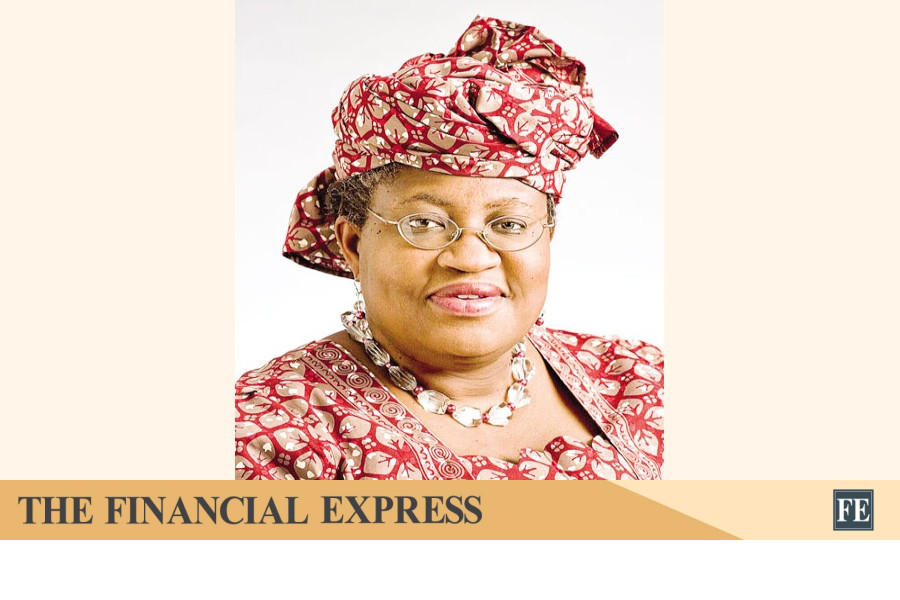
LDC graduation: WTO chief backs 'reasonable' transition time
Bangladesh's graduation from the least-developed-country (LDC) category should be viewed positively as it requires a reasonable transition period to adjust the changes to be unleashed. World Trade Organisation (WTO) Director-General Dr Ngozi Okonjo-Iweala made the observation Thursday, as Dhaka ha
LDC graduation: WTO chief backs 'reasonable' transition time
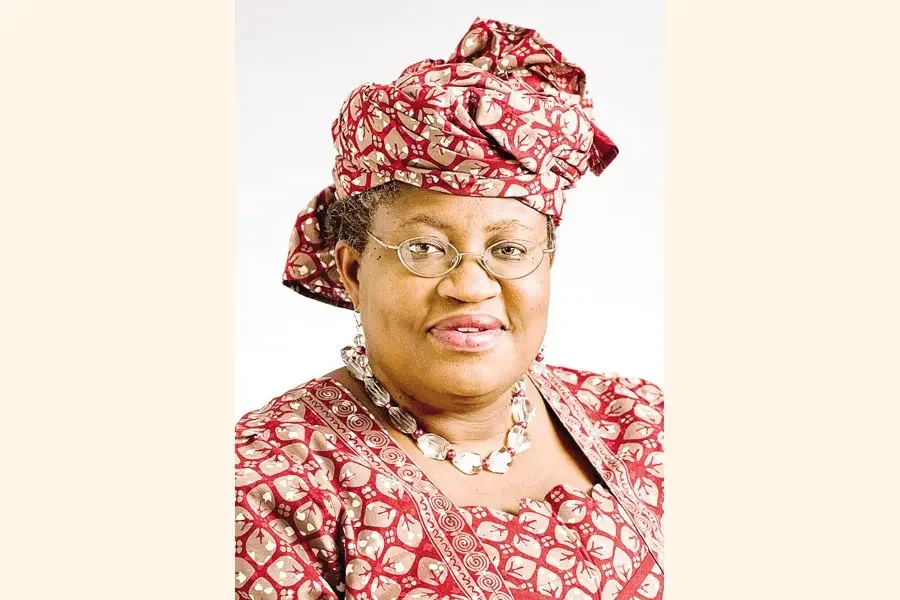
Dr Ngozi Okonjo
Bangladesh's graduation from the least-developed-country (LDC) category should be viewed positively as it requires a reasonable transition period to adjust the changes to be unleashed.
World Trade Organisation (WTO) Director-General Dr Ngozi Okonjo-Iweala made the observation Thursday, as Dhaka has petitioned the United Nations for extending the graduation process.
"First, I have to congratulate Bangladesh. Graduation is a good thing. It means that your economy is doing well and that you're coming out of the category of least developed," the WTO chief told The Financial Express at her office in the global-hub Swiss city.
"Nobody wants, I hope no country wants, to remain a least- developed country forever. So, it's a good thing. It should be seen in a positive light," the DG added.
The WTO chief, however, stressed that graduation should not result in an abrupt withdrawal of support and that graduating countries should be given adequate time to adjust.
In this connection, she notes that the WTO is not the only multilateral institution where countries graduate from special categories. "You also have graduation in other multilaterals, the World Bank, the IMF, UN and so on. So, I think we need to look at this issue in a broader light."
According to Okonjo-Iweala, it is appropriate for graduating countries or members to have a period during which they can transition gradually, rather than facing an immediate change in their treatment.
"It's absolutely appropriate that graduating countries or graduating members should have a period of time over which they are allowed to transition," the WTO chief said.
The purpose, the director-general explained, is to prevent a sudden change that could expose a graduating country to economic shocks.
"You don't graduate today and because of shocks you're back into the category the next day. So, it's appropriate."
The key issue, however, is determining the length of the transition period, according to the WTO chief.
"I think that that's the issue at the WTO," the director-general said, adding that LDCs are negotiating over how long the transition should last and under which agreements it should apply.
She also said the organisation has been working closely with LDCs to help streamline their requests concerning graduation while also engaging with other WTO members to encourage them to consider those demands.
"We've been working very hard with the LDCs. I'm a strong supporter to explain to them how to streamline their requests with respect to all the things they want for graduation," the director-general said.
"At the same time, we're also trying to talk to other members to be open to some of the LDC requests."
The world trade-body chief was of the view that a compromise could eventually be reached on the duration of the transition period.
"I think it's going to be some kind of compromise where LDCs will have a period of time. Some three years has been negotiated, and that's the normal -- that's the norm elsewhere in other organisations,."
LDCs have already requested the WTO members to allow at least six to maximum 12 years of transition period. In response, the General Council adopted a decision in October 2023 encouraging preference-granting members to provide a smooth transition period before withdrawing duty-free and quota-free market access for LDCs after graduation.
"If we can come to some agreement on this, then the transition period, I think, will be something that everybody can respect," the WTO DG added.
Bangladesh is scheduled to graduate from the world's poor-country club in November this year. The government has, however, submitted a formal request for deferring the gradation for three more years. If approved by the United Nations, the country will have a breathing space in troubled times to graduate in 2029.
Bangladesh's upcoming LDC graduation makes managing a smooth transition vital as it stands to lose special trade preferences and international support following the status change.
There are currently 44 LDCs, of which 14 are on the path to graduation. Of these, 12 are WTO members: Bangladesh, Cambodia, Comoros, Djibouti, Lao PDR, Myanmar, Nepal, Rwanda, Senegal, Solomon Islands, Tanzania and Uganda.
The 13th Ministerial Conference (MC13) has provided graduating LDCs additional time to align with WTO disciplines on dispute- settlement system and also be eligible for LDC-specific technical assistance and capacity building for three years.
Bangladesh has already prepared a smooth transition strategy to cope with the post-graduation challenges.
Dr Ngozi Okonjo
Bangladesh's graduation from the least-developed-country (LDC) category should be viewed positively as it requires a reasonable transition period to adjust the changes to be unleashed.
World Trade Organisation (WTO) Director-General Dr Ngozi Okonjo-Iweala made the observation Thursday, as Dhaka has petitioned the United Nations for extending the graduation process.
"First, I have to congratulate Bangladesh. Graduation is a good thing. It means that your economy is doing well and that you're coming out of the category of least developed," the WTO chief told The Financial Express at her office in the global-hub Swiss city.
"Nobody wants, I hope no country wants, to remain a least- developed country forever. So, it's a good thing. It should be seen in a positive light," the DG added.
The WTO chief, however, stressed that graduation should not result in an abrupt withdrawal of support and that graduating countries should be given adequate time to adjust.
In this connection, she notes that the WTO is not the only multilateral institution where countries graduate from special categories. "You also have graduation in other multilaterals, the World Bank, the IMF, UN and so on. So, I think we need to look at this issue in a broader light."
According to Okonjo-Iweala, it is appropriate for graduating countries or members to have a period during which they can transition gradually, rather than facing an immediate change in their treatment.
"It's absolutely appropriate that graduating countries or graduating members should have a period of time over which they are allowed to transition," the WTO chief said.
The purpose, the director-general explained, is to prevent a sudden change that could expose a graduating country to economic shocks.
"You don't graduate today and because of shocks you're back into the category the next day. So, it's appropriate."
The key issue, however, is determining the length of the transition period, according to the WTO chief.
"I think that that's the issue at the WTO," the director-general said, adding that LDCs are negotiating over how long the transition should last and under which agreements it should apply.
She also said the organisation has been working closely with LDCs to help streamline their requests concerning graduation while also engaging with other WTO members to encourage them to consider those demands.
"We've been working very hard with the LDCs. I'm a strong supporter to explain to them how to streamline their requests with respect to all the things they want for graduation," the director-general said.
"At the same time, we're also trying to talk to other members to be open to some of the LDC requests."
The world trade-body chief was of the view that a compromise could eventually be reached on the duration of the transition period.
"I think it's going to be some kind of compromise where LDCs will have a period of time. Some three years has been negotiated, and that's the normal -- that's the norm elsewhere in other organisations,."
LDCs have already requested the WTO members to allow at least six to maximum 12 years of transition period. In response, the General Council adopted a decision in October 2023 encouraging preference-granting members to provide a smooth transition period before withdrawing duty-free and quota-free market access for LDCs after graduation.
"If we can come to some agreement on this, then the transition period, I think, will be something that everybody can respect," the WTO DG added.
Bangladesh is scheduled to graduate from the world's poor-country club in November this year. The government has, however, submitted a formal request for deferring the gradation for three more years. If approved by the United Nations, the country will have a breathing space in troubled times to graduate in 2029.
Bangladesh's upcoming LDC graduation makes managing a smooth transition vital as it stands to lose special trade preferences and international support following the status change.
There are currently 44 LDCs, of which 14 are on the path to graduation. Of these, 12 are WTO members: Bangladesh, Cambodia, Comoros, Djibouti, Lao PDR, Myanmar, Nepal, Rwanda, Senegal, Solomon Islands, Tanzania and Uganda.
The 13th Ministerial Conference (MC13) has provided graduating LDCs additional time to align with WTO disciplines on dispute- settlement system and also be eligible for LDC-specific technical assistance and capacity building for three years.
Bangladesh has already prepared a smooth transition strategy to cope with the post-graduation challenges.