Bangladesh Defense
Saif
Senior Member
- Joined
- Jan 24, 2024
- Messages
- 21,174
- Likes
- 9,688
- Nation

- Residence
- Axis Group


Stories from a delayed flight: Migrant anxieties amid the Middle East conflict
The flight from the Shah Amanat International Airport in Chattogram to Dhaka was scheduled to depart at 8:30 pm on March 12.
Stories from a delayed flight: Migrant anxieties amid the Middle East conflict
17 March 2026, 00:56 AM
Shariful Hasan

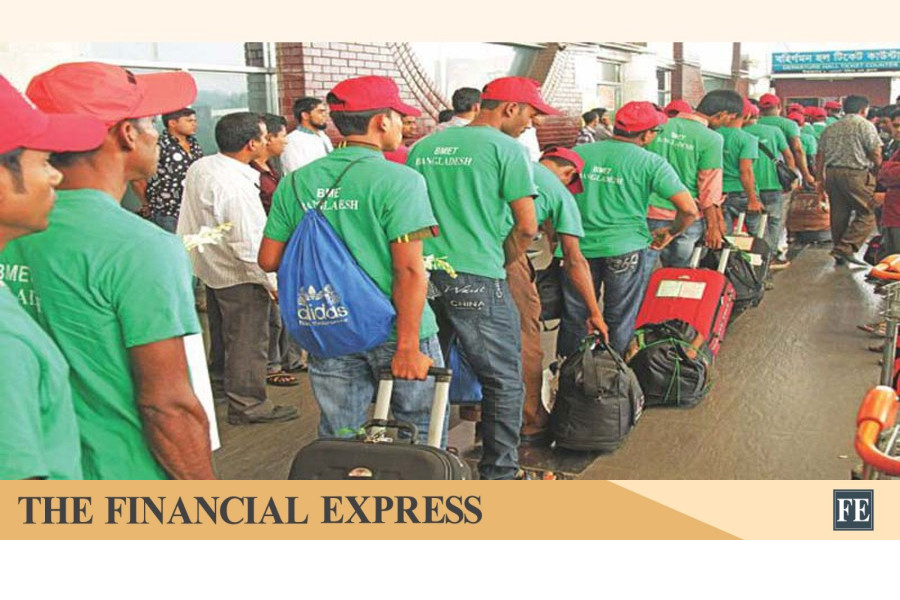
‘Typically, large numbers of Bangladeshis leave the country for the UAE, Saudi Arabia, Qatar, Kuwait, Jordan, and Lebanon. With the escalation of tensions centred on Iran and Israel, concerns about these labour markets are increasing. FILE PHOTO: RASHED SHUMON
The flight from the Shah Amanat International Airport in Chattogram to Dhaka was scheduled to depart at 8:30 pm on March 12. Normally, the journey takes about 50 minutes, but when I went to collect my boarding pass, I was told the flight would be delayed by at least three hours. The reason was that the incoming flight from Dubai had departed late. Although my flight was domestic, the US-Bangla Airlines aircraft had arrived from Dubai via Chattogram before continuing on to Dhaka. There was little to do except wait.
Once I boarded the flight, I met many passengers who had come from Dubai, and I spoke with several of them. Some were irritated by the delay; many were simply relieved to have returned home. Some shared stories of anxiety about the changing situation in the Gulf countries amid the ongoing US-Israel war against Iran.
One of the travellers I met was Mohammad Yasin from Cumilla. He looked exhausted as he stood in line at the baggage collection carousel. During our brief conversation, he told me he had returned home after six years. When asked about the situation in Dubai, he described it as both “good and bad.”
“One good thing,” he said, “is that Dubai has managed to prevent most missiles from reaching the ground.” When I asked how Bangladeshi migrants were coping, he said, “There is definitely concern; we have never seen people in the UAE so frightened before.”
Another migrant, Moinul Hossain, said that people from Europe and America appeared even more anxious about the war. “They are leaving Dubai,” he said, adding that Bangladeshis are also worried and a lot of stories and rumours are circulating among them.
When I asked my fellow travellers if they would be willing to share short video statements about their experiences in the war, everyone politely declined. “Please don’t record videos,” they said. “In Arab countries we are not allowed to talk about the war, especially on social media.”
They explained that migrant workers across the Middle East had been advised not to post anything about the war online, including photos or videos. Some even claimed that several Bangladeshis had already been detained for violating such restrictions.
Another passenger on the same flight was travelling with his wife and newborn. He introduced himself as Sultanul Islam. According to him, one reassuring aspect was that authorities would inform residents in advance whenever there was a potential risk so they could remain vigilant.
After a brief pause, I asked if anyone knew about the situation in Saudi Arabia. Several passengers said there was no major panic in Jeddah. However, they mentioned some incidents in Riyadh and Dammam. They also spoke about the deaths of two Bangladeshi nationals in Saudi Arabia.
Yet beyond the fear of war, what worried them most was the uncertainty about their livelihoods. There are good reasons for such anxiety. Around five million Bangladeshis live across the Middle East and send remittances back home. Any crisis in the region, therefore, becomes a crisis for them as well.
Those already working in the region are naturally worried, but perhaps even more anxious are those who have not yet been able to travel. Due to security risks amid the ongoing conflict, several Middle Eastern countries—including Iran, Iraq, Kuwait, the UAE, Bahrain, Qatar, and Jordan—temporarily closed their airspace from February 28. According to the Civil Aviation Authority of Bangladesh, a total of 447 flights from Dhaka were cancelled between February 28 and March 13 because of these restrictions.
As a result, many people who had spent nearly five lakh taka or more to migrate for work could not leave the country. Many now worry about their visas expiring, not knowing when they will be able to travel.
Official projections indicate that between 1976 and 2022, some 1.48 crore Bangladeshis migrated abroad as migrant workers, among whom around 10 lakh were female workers. Typically, large numbers of Bangladeshis leave the country for the UAE, Saudi Arabia, Qatar, Kuwait, Jordan, and Lebanon. With the escalation of tensions centred on Iran and Israel, concerns about these labour markets are increasing. If the conflict continues and flight operations remain disrupted, Bangladesh’s overseas labour market could shrink, potentially affecting remittance flows.
The conflict has already disrupted the deployment of new workers. Those preparing to migrate may face delays and uncertainty. Workers who came home on leave may also struggle to return to their jobs abroad. The Ministry of Expatriates’ Welfare and Overseas Employment has already opened a hotline to assist migrants whose visas expired due to flight cancellations.
Much of the Middle Eastern economy depends on energy, construction, and infrastructure projects. If the conflict persists, such projects could slow down or be suspended. Since many Bangladeshi migrants work in construction, recruitment may decline, and some workers might even return home. So, the government should begin preparing now—coordinating with public, private, and international organisations—to respond to potential challenges.
There is no doubt that remittances are vital for Bangladesh’s economy. In 2025, migrant workers sent home over $30 billion, most of which came from the Middle East. If employment or income among migrants declines because of the conflict, the impact will be felt not only by individual families but also by rural economies and national reserves. However, past experience suggests that during crises migrants often send more money to support their families. Therefore, remittance flows may not immediately decline, especially during the Eid season.
Despite the risks, crises sometimes create new opportunities. Once the conflict ends, reconstruction and infrastructure projects may generate fresh demand for workers. At the same time, Bangladesh must diversify its labour markets beyond the Middle East. Expanding opportunities in Europe and Japan holds significant promise. But entering these markets requires higher levels of language skills and technical training.
At this moment, however, the most urgent priority is safety. Missile attacks linked to the conflict have already killed four Bangladeshis—two in Saudi Arabia and one each in Bahrain and the UAE—while several others have been injured. Bangladeshi embassies across the Middle East have urged migrants to remain indoors unless absolutely necessary until the situation stabilises. They have also advised people to refrain from uploading any photos or videos related to the war on social media.
When I left the airport and drove through the illuminated streets of Dhaka, I kept thinking of how, behind this brightly lit city and Bangladesh’s development, lies the immense contribution of migrant workers. We often talk about remittances and foreign reserves. But how often do we truly think about the lives, worries, hopes, frustrations, and human stories of millions of migrants working quietly behind the scenes? They give so much to the state, but how much does the state give back to them—especially during crises such as the Covid-19 pandemic or the ongoing war?
As I reflected on these questions, I silently wished that this violent conflict would end soon. That dawn would come again. Until then, may the millions of migrants living far from home remain safe—those who carry Bangladesh carefully in their hearts, even from thousands of miles away.
Shariful Hasan is associate director of the Migration Programme and Youth Platform at BRAC.
17 March 2026, 00:56 AM
Shariful Hasan
‘Typically, large numbers of Bangladeshis leave the country for the UAE, Saudi Arabia, Qatar, Kuwait, Jordan, and Lebanon. With the escalation of tensions centred on Iran and Israel, concerns about these labour markets are increasing. FILE PHOTO: RASHED SHUMON
The flight from the Shah Amanat International Airport in Chattogram to Dhaka was scheduled to depart at 8:30 pm on March 12. Normally, the journey takes about 50 minutes, but when I went to collect my boarding pass, I was told the flight would be delayed by at least three hours. The reason was that the incoming flight from Dubai had departed late. Although my flight was domestic, the US-Bangla Airlines aircraft had arrived from Dubai via Chattogram before continuing on to Dhaka. There was little to do except wait.
Once I boarded the flight, I met many passengers who had come from Dubai, and I spoke with several of them. Some were irritated by the delay; many were simply relieved to have returned home. Some shared stories of anxiety about the changing situation in the Gulf countries amid the ongoing US-Israel war against Iran.
One of the travellers I met was Mohammad Yasin from Cumilla. He looked exhausted as he stood in line at the baggage collection carousel. During our brief conversation, he told me he had returned home after six years. When asked about the situation in Dubai, he described it as both “good and bad.”
“One good thing,” he said, “is that Dubai has managed to prevent most missiles from reaching the ground.” When I asked how Bangladeshi migrants were coping, he said, “There is definitely concern; we have never seen people in the UAE so frightened before.”
Another migrant, Moinul Hossain, said that people from Europe and America appeared even more anxious about the war. “They are leaving Dubai,” he said, adding that Bangladeshis are also worried and a lot of stories and rumours are circulating among them.
When I asked my fellow travellers if they would be willing to share short video statements about their experiences in the war, everyone politely declined. “Please don’t record videos,” they said. “In Arab countries we are not allowed to talk about the war, especially on social media.”
They explained that migrant workers across the Middle East had been advised not to post anything about the war online, including photos or videos. Some even claimed that several Bangladeshis had already been detained for violating such restrictions.
Another passenger on the same flight was travelling with his wife and newborn. He introduced himself as Sultanul Islam. According to him, one reassuring aspect was that authorities would inform residents in advance whenever there was a potential risk so they could remain vigilant.
After a brief pause, I asked if anyone knew about the situation in Saudi Arabia. Several passengers said there was no major panic in Jeddah. However, they mentioned some incidents in Riyadh and Dammam. They also spoke about the deaths of two Bangladeshi nationals in Saudi Arabia.
Yet beyond the fear of war, what worried them most was the uncertainty about their livelihoods. There are good reasons for such anxiety. Around five million Bangladeshis live across the Middle East and send remittances back home. Any crisis in the region, therefore, becomes a crisis for them as well.
Those already working in the region are naturally worried, but perhaps even more anxious are those who have not yet been able to travel. Due to security risks amid the ongoing conflict, several Middle Eastern countries—including Iran, Iraq, Kuwait, the UAE, Bahrain, Qatar, and Jordan—temporarily closed their airspace from February 28. According to the Civil Aviation Authority of Bangladesh, a total of 447 flights from Dhaka were cancelled between February 28 and March 13 because of these restrictions.
As a result, many people who had spent nearly five lakh taka or more to migrate for work could not leave the country. Many now worry about their visas expiring, not knowing when they will be able to travel.
Official projections indicate that between 1976 and 2022, some 1.48 crore Bangladeshis migrated abroad as migrant workers, among whom around 10 lakh were female workers. Typically, large numbers of Bangladeshis leave the country for the UAE, Saudi Arabia, Qatar, Kuwait, Jordan, and Lebanon. With the escalation of tensions centred on Iran and Israel, concerns about these labour markets are increasing. If the conflict continues and flight operations remain disrupted, Bangladesh’s overseas labour market could shrink, potentially affecting remittance flows.
The conflict has already disrupted the deployment of new workers. Those preparing to migrate may face delays and uncertainty. Workers who came home on leave may also struggle to return to their jobs abroad. The Ministry of Expatriates’ Welfare and Overseas Employment has already opened a hotline to assist migrants whose visas expired due to flight cancellations.
Much of the Middle Eastern economy depends on energy, construction, and infrastructure projects. If the conflict persists, such projects could slow down or be suspended. Since many Bangladeshi migrants work in construction, recruitment may decline, and some workers might even return home. So, the government should begin preparing now—coordinating with public, private, and international organisations—to respond to potential challenges.
There is no doubt that remittances are vital for Bangladesh’s economy. In 2025, migrant workers sent home over $30 billion, most of which came from the Middle East. If employment or income among migrants declines because of the conflict, the impact will be felt not only by individual families but also by rural economies and national reserves. However, past experience suggests that during crises migrants often send more money to support their families. Therefore, remittance flows may not immediately decline, especially during the Eid season.
Despite the risks, crises sometimes create new opportunities. Once the conflict ends, reconstruction and infrastructure projects may generate fresh demand for workers. At the same time, Bangladesh must diversify its labour markets beyond the Middle East. Expanding opportunities in Europe and Japan holds significant promise. But entering these markets requires higher levels of language skills and technical training.
At this moment, however, the most urgent priority is safety. Missile attacks linked to the conflict have already killed four Bangladeshis—two in Saudi Arabia and one each in Bahrain and the UAE—while several others have been injured. Bangladeshi embassies across the Middle East have urged migrants to remain indoors unless absolutely necessary until the situation stabilises. They have also advised people to refrain from uploading any photos or videos related to the war on social media.
When I left the airport and drove through the illuminated streets of Dhaka, I kept thinking of how, behind this brightly lit city and Bangladesh’s development, lies the immense contribution of migrant workers. We often talk about remittances and foreign reserves. But how often do we truly think about the lives, worries, hopes, frustrations, and human stories of millions of migrants working quietly behind the scenes? They give so much to the state, but how much does the state give back to them—especially during crises such as the Covid-19 pandemic or the ongoing war?
As I reflected on these questions, I silently wished that this violent conflict would end soon. That dawn would come again. Until then, may the millions of migrants living far from home remain safe—those who carry Bangladesh carefully in their hearts, even from thousands of miles away.
Shariful Hasan is associate director of the Migration Programme and Youth Platform at BRAC.