[🇧🇩] Monitoring Bangladesh's Economy

[🇧🇩] Monitoring Bangladesh's Economy
948
25K
More threads by Saif

G Bangladesh Defense

Challenges on the road to becoming the 28th largest economy​


1707959861055.webp

Investment, both domestic and foreign, plays a pivotal role in fostering economic growth. PHOTO: REUTERS

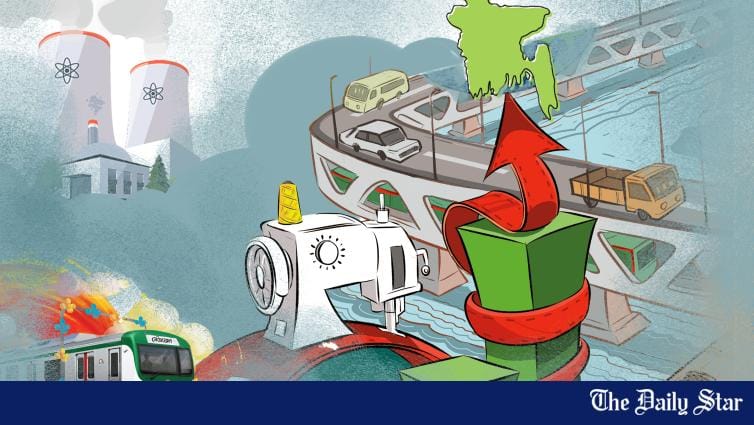
Bangladesh undeniably stands out as one of the most promising economies in the region. Despite facing resource constraints, the country has made commendable economic and social progress since independence. This success is a testament to the indomitable spirit of the Bangladeshi people, their relentless struggle for survival, and their remarkable commitment, determination, and entrepreneurial spirit. With an average annual GDP growth of six percent since the 2000s, Bangladesh currently holds the 35th position among global economies, and it is projected to become the 28th largest economy by 2030. However, this ambitious journey toward economic advancement is not without its challenges. The critical hurdles on our path include tackling poverty, addressing income inequality, managing high inflation and external debt burden, attracting foreign investment, improving resource mobilisation, addressing foreign exchange shortages, curbing corruption, ensuring the stability of the financial sector, and others.

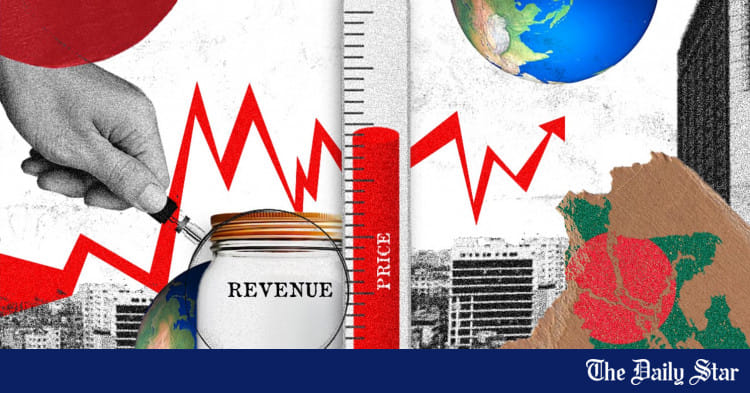
In recent years, Bangladesh has borrowed heavily to finance various mega projects. Consequently, annual debt servicing has been on the rise, which now constitutes a substantial share of the government's expenditures. According to data from the Bangladesh Bank, the total government debt, comprising both domestic and foreign, reached around the $100-billion mark at the end of June 2023. While some of these projects may yield long-term benefits, the immediate requirements for debt servicing pose a challenge for the government's financial capacity. Currently, Bangladesh has to repay foreign loans ranging from $2-2.76 billion annually, and this amount is expected to rise in the coming years. According to a finance ministry projection, foreign debt repayments, including interests, will reach $4.5 billion in 2025-2026. The increasing external debt service payments are straining the country's foreign exchange reserves.​

1707959897795.webp

With an average annual GDP growth of six percent since the 2000s, Bangladesh currently holds the 35th position among global economies. VISUAL: TEENI AND TUNI

Concurrently, debt-service payments are diverting already scarce fiscal resources from critical sectors such as healthcare, education, social assistance, and infrastructure development. While experts argue that Bangladesh's current debt-GDP ratio is not a cause for concern, it shouldn't be seen as a green light for indiscriminate loan accumulation. To secure the nation's economic future, it is crucial for policymakers to prioritise projects by carefully assessing payback periods, thus preventing potential debt traps. Ensuring the efficient utilisation of borrowed funds is paramount to sustaining the economic cycle in the face of challenges.

Investment, both domestic and foreign, plays a pivotal role in fostering economic growth, improving the skills of the local workforce through the transfer of technology, leading to job creation, higher incomes, and improved standards of living. Research shows that to transform Bangladesh into a high-income country, it would need to raise its investment-to-GDP ratio to around 40-44 percent of GDP. Regrettably, private investment has shown little growth, hovering at around 23-24 percent of GDP for the past decade, as reported by the Bangladesh Bureau of Statistics (BBS). We are also lagging behind in attracting foreign direct investment (FDI). While even during the pandemic (2020) FDI flow to developing countries in Asia increased by four percent to $535 billion, according to figures from the UN Conference on Trade and Development (UNCTAD), Bangladesh could not achieve the expected FDI. As per Bangladesh Bank's data for the fiscal year 2023, the nation attracted approximately $3.2 billion in foreign direct investment. The rate of FDI inflow in Bangladesh is only around one percent of GDP, one of the lowest in Asia.

1707959948717.webp

ILLUSTRATION: Salman Sakib Shahryar

It's crucial to recognise that the level of convenience in doing business holds significant importance for foreign investors when deciding where to invest. The ease of doing business and global competitiveness are key factors influencing their investment choices. Investors assess various aspects, including the clarity of existing policies, reliability of government officials, taxation policies, adherence to rules and regulations and, most importantly, the security provided for their investments.

Regrettably, in the case of Bangladesh, investors often express frustration due to bureaucratic hurdles that impede smooth business operations. These challenges include bureaucratic red tape, inadequate socio-economic and physical infrastructure, inconsistent energy supply, corruption, underdeveloped money and capital markets, a complicated tax system, along with delays in decision-making processes. Furthermore, hidden costs related to procedures, policies, laws, and infrastructure significantly impact the overall cost of doing business.

Therefore, in light of the current economic challenges, it is essential to boost investment inflow by making timely adjustments to policies. The government should remove the impediments that are responsible for the high cost of investment and promptly take measures to improve public goods and services, including roads, electricity, gas, water, and sewerage. Additionally, the government should implement business-friendly policies safeguarding the rights of enterprises, workers, consumers, the environment and, most importantly, ensure a stable political environment to attract both domestic and foreign investments.

1707959994813.webp

Bangladesh undeniably stands out as one of the most promising economies in the region. VISUAL: REHNUMA PROSHOON

Bangladesh's export portfolio is primarily dominated by its ready-made garments (RMG) sector. In the fiscal year 2022-2023, the total export from Bangladesh amounted to $55.56 billion, with RMG exports contributing $46.99 billion. Currently, the RMG sector accounts for 85 percent of the country's total exports, with primary destinations being the European Union and the United States. The RMG sector has played a transformative role in shaping our economy, job market, and income, but due to ongoing global geopolitical conflicts, energy price hike, domestic political unrests, currently, the RMG sector is in a sluggish state. Hence, for Bangladesh to sustain its growth trajectory, diversification of the export basket and tapping into new markets is imperative.

Industry insiders say that there are promising export sectors such as pharmaceuticals, bicycles, shipbuilding, leather and leather goods, frozen and live fish, terry towels, furniture, and agricultural products, if the government provides adequate policy support, similar to what is offered to the RMG sector.
1707960028547.webp

According to a finance ministry projection, foreign debt repayments, including interests, will reach $4.5 billion in 2025-2026. VISUAL: TEENI AND TUNI

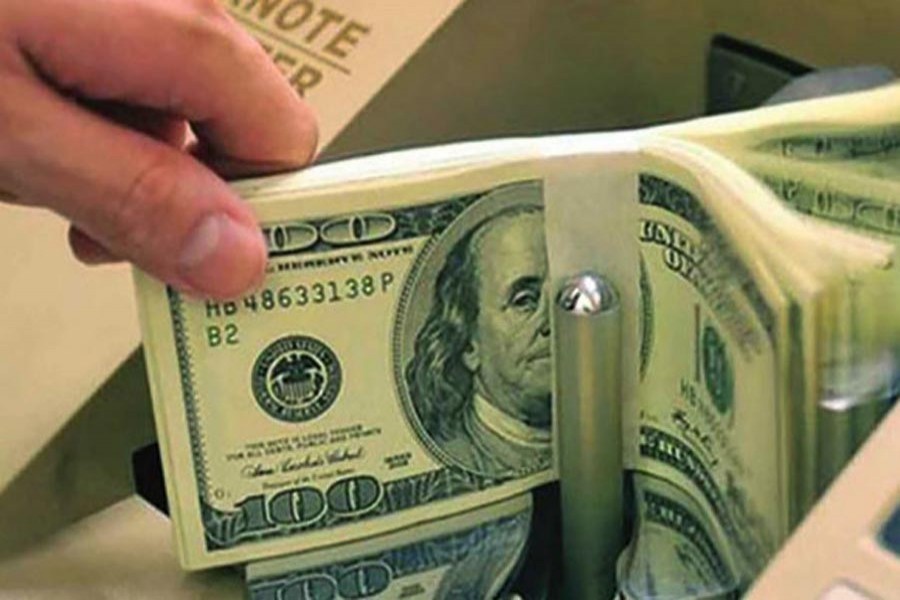
Foreign remittance is Bangladesh's lifeline. Despite an increasing number of Bangladeshis leaving for jobs abroad, in recent times, the remittance inflow has been decreasing at an alarming rate. In September 2023, migrant workers sent home $1.34 billion—the lowest since April 2020, according to data from Bangladesh Bank. Large remittances are sent through informal channels like hundi despite a 2.5 percent incentive for the remitters through the banking channel. Many argue that the widening gap between official and unofficial exchange rates, lack of motivation, and institutional barriers such as high transaction costs and formalities for sending remittances through formal channels hinder remitter's use of banking services. Currently, Bangladesh is struggling with a prolonged dollar crisis and is compelled to restrict imports due to falling reserves. Remittances play a vital role in growing foreign exchange reserves and economic growth. Hence, an urgent policy focus is required to shift remittances from informal to formal channels.

One of the biggest concerns for the economy is our ailing banking sector, which has, on numerous occasions, been tarnished by unwanted malpractices. It is now an open secret that the country's banking sector has been entangled in a series of scams and irregularities, such as the funnelling of loans worth billions of taka by violating banking rules and procedures to influential people known for lax repayments. Unfortunately, violators of banking norms and regulations are hardly ever punished, and they are allowed to continue to default on loans with impunity. As a result, at the end of FY 2022-23, defaulted loans in the banking sector stood at a record Tk 156,040 crore.

Banks are the lifeblood of the economy; therefore, regulators should take pre-emptive measures to control the current situation before it worsens and gets out of control. A combination of strong policy reforms and good governance in the banking sector is the need of the hour. Measures should include legal action against wilful loan defaulters, enhanced banking regulation and supervision, addressing banking sector weaknesses, tighter criteria for loan rescheduling/restructuring, and improved legal systems to accelerate loan recovery. If enforcement authorities take these measures with the right intentions, Bangladesh will embark on a path to creating a stronger economy.
1707960065757.webp

A vendor sells fish at a market in Dhaka. PHOTO: REUTERS

Over the past decade, Bangladesh has consistently demonstrated impressive economic growth. However, one may ask: has everyone been able to share its benefits equally? The answer, sadly, is "no." The growth has, unfortunately, bypassed the majority of the population while higher-income groups have been its main beneficiaries. The country has experienced a rapid increase in income inequality, with 10 percent of the population owning 40 percent of the national income, while the bottom 50 percent possess only 19.05 percent of GDP. The primary factors which deprive poor and vulnerable people of their most elementary rights—and which lead to greater income inequality—are unequal access to education and employment opportunities, low-wage jobs, unchecked corruption and systemic irregularities (such as those enabling the various scams in the banking sector), tax evasion, money laundering, and so on.

The growing gap between the rich and poor not only hinders sustainable growth but also increases the risk of social and political unrest. As such, it's essential for our policymakers to stop favouring the wealthy and start focusing on fair treatment for everyone. The main goal should be to achieve inclusive growth. We need to address issues like wealth sharing, good governance, and social policies that promote fairness and equality. It may be noted that a society that is happy, equal, and just will always experience peace and prosperity.

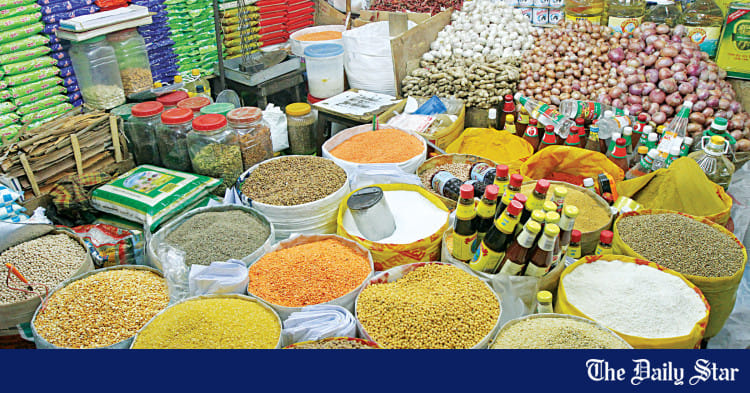
Inflation has been adversely affecting the common people in Bangladesh. Prices of daily essentials, including eggs, chicken, onions, potatoes, sugar, and oil, have consistently increased, contrasting with the global trend of decreasing prices. Purchasing daily necessities has become increasingly challenging, as highlighted in a recent report by the World Bank. According to the report, 71 percent of families are being affected by rising food prices. This alarming statistic implies that out of the 4.10 crore families, almost 2.91 crore are facing food insecurity, a matter of grave concern. If the current trajectory of inflation and escalating living costs persists, there is a significant risk of more families falling into poverty.

1707960125820.webp

VISUAL: STAR

Experts say that soaring food inflation rates in the country are linked to flawed government policies, poor market management and the profit-seeking behaviours of certain businessmen involved in syndicates. Moreover, the control of essential commodity imports by powerful businesses has resulted in market monopoly. The government has to address all the underlying reasons behind food inflation through a well-formulated action plan.

The need for continued investment in education and skill development is another challenge that Bangladesh must address. Over the past few years, numerous experiments have been carried out in the name of modernising and updating our primary, secondary, and higher secondary education. Yet, the existing education curriculum is not aligned with industry needs. While educational institutions worldwide emphasise soft skills like team-building, problem-solving, critical thinking, communication, negotiation, and decision-making, our education system is still stuck in the past.

So, often, we hear complaints from the business community about their inability to find skilled workers, leading them to hire foreign professionals due to a lack of efficient local human resources. This not only hampers the country's job market but also increases the strain on Bangladesh's depleting foreign-currency reserves.

Regrettably, our education budget doesn't reflect the urgency of developing human resources. The country spends around two percent of its GDP on education, which is the lowest among South Asian countries. It is high time for Bangladesh to focus on enhancing its education system, ensuring that the workforce is equipped with the skills necessary for the evolving job market. A well-educated and skilled population is not only vital for fostering innovation but also for attracting high-value industries and investments.

It's unfortunate that, even after 52 years of independence, the country's healthcare sector is in shambles. It is shameful that a nation on the path to becoming the 28th largest economy in the world still witnesses a substantial number of its citizens, including politicians, businessmen, and ordinary people, seeking medical treatment abroad each year. This trend reflects a lack of confidence in our own healthcare system. While individuals choosing overseas medical care may argue that they owe no public explanation, the scenario takes a more alarming turn when Bangladeshi leaders and politicians follow suit. Their decision to seek medical treatment abroad is not just a personal matter but a cause for concern, as they bear the responsibility for the development of a robust healthcare system for their fellow citizens.

This prevailing culture needs to be transformed urgently, given its detrimental impact on our hard-earned foreign currency reserves and the nation's image. The government should prioritise and guarantee equitable access to high-quality health services for all citizens. Failing to improve our health sector not only jeopardises the well-being of our population but also threatens to erode the significant economic gains Bangladesh has achieved over the years. Therefore, concerted efforts are imperative to instigate a paradigm shift and ensure that the healthcare system becomes a source of pride and reliability for every citizen, discouraging the need for seeking medical treatment abroad.

Corruption is a global problem, and Bangladesh is no exception to this pervasive issue. While the country holds the 147th position out of 180 countries in the Corruption Perceptions Index (CPI) for 2022, according to Transparency International, it is important to recognise that this ranking does not implicate every citizen in the web of corruption. I firmly believe that the majority of Bangladeshis are honest and possess integrity. Nevertheless, the harsh reality persists that a handful of people within key sectors such as government offices, businesses, healthcare, education, and political institutions are involved in corrupt practices such as bribery, embezzlement of public funds, bank loan scams, money laundering, under/over invoicing, adulteration of food and drugs, and various forms of cheating.

It is unfortunate that despite governmental claims of zero tolerance for corruption, there is a disconcerting trend where powerful individuals often escape accountability. It should be noted that instances of overlooking or condoning corrupt practices among associates, friends, and political supporters erode public trust, perpetuating a culture where dishonesty might be perceived as justifiable. The need to break free from this complacency is urgent. Holding wrongdoers accountable and instituting stringent measures against corruption are imperative. Currently, the absence of severe consequences for influential figures engaged in corrupt activities not only perpetuates a cycle of impunity but also undermines public confidence in the democratic process. It is time to revisit and reinforce our commitment to eradicating corruption.

Effective law enforcement is a critical pillar in ensuring that the corrupt face justice and that the culture of impunity is dismantled. However, punitive measures alone are insufficient, a comprehensive approach that includes legal reforms, institutional strengthening, and increased societal awareness is indispensable to combatting corruption. These measures are not only vital for sustained economic growth but are also fundamental for elevating Bangladesh's standing on the international stage.​
 

Analyze Post

Add your ideas here:
Highlight Cite Respond

Bangladesh has capacity to become upper middle income country by 2031: ICCB
Leading chamber body's latest news bulletin highlights challenges, opportunities for Bangladesh economy in 2024

1712615560600.webp


With targeted actions and appropriate policy followed by timely implementation to overcome the key challenges, Bangladesh has the capacity to become an upper middle income country by 2031, said a leading chamber body.

Bangladesh has achieved today's position by overcoming many obstacles and setbacks, according to the editorial of the current News Bulletin (January-March 2024) of International Chamber of Commerce-Bangladesh (ICCB) released on Monday.

Bangladesh has demonstrated remarkable progress in the last five decades, ICCB said.

The country's journey from one of the poorest at independence to a lower-middle-income nation within four decades is a testament to its resilience, policy decisions, and commitment to reducing poverty and fostering shared prosperity, said the World Bank in its recent publication, "World Bank in Bangladesh in 2024".

Macroeconomic stability with low levels of inflation and high levels of GDP growth have been key to Bangladesh's underlying strengths and major drivers of socio-economic achievements.

Bangladesh reached lower-middle income status in 2015 and is on track to graduate in 2026 as a middle income country and is aspiring to be an upper-middle income country by 2031.

However, Bangladesh after LDC graduation in November 2026, will experience significant preference erosion, ICCB said.

Although the EU and UK have offered to extend preferential duty-free market access for an additional three years, the export scenario to other markets will change immediately after graduation.

Bangladesh has a greater opportunity of increasing export to ASEAN, having a population of 661 million with a GDP of $3.08 trillion and trade exceeding $2.7 trillion.

According to 2020 data, Bangladesh imports goods worth nearly US$ 7 billion from ASEAN countries against its export of only $1 billion.

So, Bangladesh should give priority to Free Trade Agreement with ASEAN in order to increase its exports, ICCB said.

With several major infrastructure projects reaching completion, including Padma Multipurpose Bridge, Dhaka Elevated Expressway, Bangabandhu Tunnel, linking Dhaka to the tourist haven of Cox's Bazar, 3rd terminal at Hazrat Shahjalal International Airport, 2024 is anticipated to be a year to reap the benefits.

However, in 2024 the economy is also facing challenges on multiple fronts such as rising inflation, balance of payment deficit along with budget shortfall, declining foreign exchange reserve, contraction in remittances, a depreciating currency, rising income inequality, the demand-supply imbalance in the energy sector, and ailing banking sector crippled by loan defaults. Bangladesh could not bring down inflation whereas it has come under control in most countries, according to the ICCB.

Despite impressive growth rates, Bangladesh faces challenges in its export basket's diversification; more than 80 percent of Bangladesh's total export earnings come from garment exports.

Bangladesh has significant opportunities in leather and footwear, food processing, pharmaceuticals, light engineering, assembling plants, and API production. Both domestic investment and FDI will need to be geared towards these sectors.

Despite developing economic zones, adopting one-stop services and various other steps, Bangladesh is far behind Maldives and Sri Lanka in attracting FDI.

Bangladesh is the second-largest economy in the South Asian region.

Vietnam, comparable to Bangladesh, ranked fourth in Asia-Pacific after China, India, and Indonesia in attracting FDI.

The majority of total FDI inflows of US$ 274 billion at the end of 2022 into Vietnam were in the manufacturing sector, which accounts for 61 percent of the total registered FDI.

Bangladesh received an annual average of $2.92 billion in FDI as against Vietnam's US$ 36.61 billion.

FDI is one of the key elements for increasing export earning and much needed foreign exchange reserve, Bangladesh should review its strategy for attracting FDI.

Bangladesh is facing an energy crisis due largely to reliance on imported fuels which is estimated at about US$ 2.5 billion a year for power generation and also a lack of renewables and cleantech alternatives, ICCB said.

In fact, instead of moving towards exploring renewable energy sources, Bangladesh turned to the use of more fossil fuels such as coal, oil and LNG.

With a depreciating currency, a reliance on imported fuels for power generation has led to significant rise in power generation costs.

Climate change is a critical issue in Bangladesh as it is one of the most vulnerable countries to the effects of climate change, according to Germanwatch's 2021 Global Climate Risk Index. Bangladesh ranked seventh on the list of countries most affected by climate calamities during the period of 2000-2019.​
 
Analyze

Analyze Post

Add your ideas here:
Highlight Cite Fact Check Respond

Economy grows by 3.78% in Oct-Dec, slowest in three quarters

The Bangladesh Bureau of Statistics says in quarterly GDP estimate

1712700853694.webp


Bangladesh's economic growth just halved to 3.78 percent in the October-December period of 2023-24 fiscal year, which is the slowest at least in three quarters, as manufacturing output growth declined sharply owing to reduced domestic consumption and slow export.

Services sector growth also reduced to a half during the quarter, offsetting the marginal spike in agricultural production, Bangladesh Bureau of Statistics (BBS) said in its quarterly estimate of gross domestic product (GDP) published today.

The economic growth was 7.08 percent in the October-December period of 2022.

The BBS published its estimate at a time when international agencies are forecasting the below average growth of Bangladesh's economy.

Last week, the World Bank (WB) said the GDP growth is projected to remain relatively subdued at 5.6 percent in the current fiscal year, compared to the average annual growth rate of 6.6 percent over the decade preceding the Covid-19 pandemic.

Relatively slower growth is projected to persist in the next fiscal year of 2024-25, at 5.7 percent, driven by a modest recovery in private consumption supported by a moderation in inflation, said the WB in its April issue of Bangladesh Development Update.

The national statistical agency said industrial production expanded 3.24 percent in the October-December period of 2023 from 10 percent in the same period a year ago.

The output growth in the industrial sector, which makes up 37.57 percent of the economy, was the lowest in the five quarters, said the BBS, which began to calculate quarterly GDP in line with a condition of $4.7 billion loan provided by the International Monetary Fund to Bangladesh.

This is the second issue of quarterly estimate of GDP, a measure of the values of goods and services produced in an economy in a certain period.

The BBS said farm production grew 4.65 percent in the October-December period from 4.22 percent a year ago.

The services sector, which accounts for half of the GDP, increased 3.06 percent in the second quarter of FY24, half of what it registered a year ago.​
 
Analyze

Analyze Post

Add your ideas here:
Highlight Cite Fact Check Respond

Bangladesh's amazing growth: A potential catalyst for increased investment

1712786359958.webp

Illustration: Biplob Kumar Chakroborty

There cannot be any doubt that Bangladesh's development has exceeded all expectations of critics, foes, and even friends—especially more so in the last decade under the judicious leadership of the current government. The resilience of Bangladeshi hearts and minds have led us to the next step: the country is set to graduate from the United Nations' LDC list to the developing country status by 2026. This is a proof of acceptance of the country's leaps in development by the international community.

Investment in infrastructure

In 2009, during the global low-interest regime, the Bangladesh government undertook massive infrastructure projects that were implemented with not only local funds, but bilateral and multilateral loans, resulting in extraordinarily low cost of funds. Some of the examples of the country's infrastructural achievements in recent years include: the Padma Bridge, which stretches over six kilometres and is the longest bridge spanning the Ganges; the Dhaka metro rail; highways; Digital Bangladesh that provides access to internet for all; investment in the energy sector ensuring electricity for all; and deep sea ports, which all lay the foundation for future economic growth. These projects enable the whole of Bangladesh to be productive, including regions that were previously less connected. Expansion of the country's international and domestic airports have also created a degree of nationwide and international connectivity, which has visibly contributed to the enablement of every Bangladeshi and international investor.

Bangladesh's national grid now has a capacity of over 25,000MW, which provides enough electricity margin to accept new foreign direct investments (FDIs) or domestic manufacturing and industrial development. Towards further energy security, Bangladesh has two Floating Storage and Regasification Units (FSRUs) and is working to add another two to its fleet, providing much needed energy of regasified imported LNG to natural gas. These could provide 2,000 mmcfd of natural gas to industries, fertiliser production, electricity generation and households.

Bangladesh has also established domestic and international connectivity digitally. Now, access to information is available at one's fingertips, with a nationwide network of telecommunications and internet connectivity. The vision of Digital Bangladesh promulgated in 2008 brought about significant improvements in mitigating the "digital divide," impacting economic, educational and social inequality. Info-Sarker, an e-governance initiative, has made numerous government services available online and improved ease of doing business. The rapid development of necessary infrastructure for economic growth has provided a platform for the country to boost its potential even further.

Nestled between South and Southeast Asia, Bangladesh enjoys a strategic geographic advantage and acts as a bridge for trade and investment between these regions, as well as the Seven Sisters of India, i.e., the northeastern states. As a result, its position provides it with significant opportunities to engage in regional connectivity and trade, especially with India, China, and Asean countries.

Transition readiness

Currently, the ready-made garment (RMG) industry is dominant and accounts for over 80 percent of the country's exports. Through the expertise garnered from the growth of the RMG industry, Bangladesh is well-positioned to make the transition to a more diversified manufacturing base. This shift is evident in the rapid growth of leather, jute products, healthcare, pharmaceuticals, ceramics, and internet service industries.

The foundation for a "green transition" has also been laid with IT-enabled activities; investments in Bangladesh's technology sector have increased significantly, creating a large pool of entrepreneurial service providers.

Bangladesh has made major efforts to reach the UN's Sustainable Development Goals (SDGs), and last year, the country successfully achieved two goals—SDG 12-Responsible Consumption and Production, and SDG 13-Climate Action.

Reaping national, regional demographic dividends

Bangladesh can take advantage of the emerging market with its large and readily available labour force, with over 70 million workers participating in its economic growth. Furthermore, an average of almost three million new workers have been entering the labour force each year, since 2017. Around one-fourth of Bangladesh's population is aged 15 to 29 years, resulting in a young and vibrant workforce that has the potential to propel the economy even further.

Bangladesh's economic development has positively impacted key social indicators. Notably, the literacy rate has increased to 74.7 percent in 2022 from 51.6 percent in 2004, which enables the country to reap the benefits from its favourable demographics. Gender parity in education has improved, and child mortality rates have demonstrably decreased. These advancements have contributed to a more productive and skilled workforce.

An increasing flow of inward remittances from more than 10 million hard-working non-resident Bangladeshis, especially from the Middle East, have financed the country's trade deficits of around six to seven percent of the GDP. As a positive result, Bangladesh has never experienced a balance of payment (BOP) crisis—a testament to its remarkable economic resilience and growth over the past few decades across the country's ever-evolving economic landscape. Furthermore, a large number of women are employed by the RMG sector strengthening gender equality and pay parity within the country.

With this, a fast-growing middle class has emerged within the country. The expansion of Bangladesh's middle class is driving domestic consumption and contributing immensely to the growth of the retail, real estate and services sectors. As a result, this emerging middle class is attracting FDI in consumer goods, financial services, technology, e-commerce, healthcare and other sectors.

Regional markets, especially in Bhutan, Nepal, and India's northeastern states, have benefited tremendously with Bangladesh's diversification; a potential consumer base is emerging from the rise of a new middle class within these markets.

The journey ahead

Bangladesh's development journey serves as a model for other developing nations. The stability and progressive policies of the current government have undoubtedly played a crucial role in facilitating this remarkable economic growth and social progress. Bangladesh's debt-to-GDP ratio, given the remarkable infrastructure growth, remains at 39 percent, which is low in comparison to other developing countries.

The Bangladeshi public and businesses are reaping the benefits of this infrastructural development—physical and social. It is being utilised, bringing in unprecedented levels of revenue. This will enable Bangladesh's GDP to grow at a rate of six to eight percent, from a base of $460 billion.​


Muhammed Aziz Khan is chairman of Summit Group.
 
Analyze

Analyze Post

Add your ideas here:
Highlight Cite Fact Check Respond

ADB forecasts 6.1% GDP growth for Bangladesh in FY24, higher than World Bank's

1712874379651.webp

Photo: Saurav Hossain Siam

Bangladesh's economy is projected to grow 6.1 percent in fiscal 2023-24, riding on exports, according to the Asian Development Bank.

The growth of gross domestic product (GDP) may go up 6.6 percent in the next fiscal year, the Manila-based lender said in the Asian Development Outlook today.

Despite weaker global demand, exports of Bangladesh's traditional low-end garments will continue to grow as exporters use local yarn and fabrics due to the dollar crisis, it said.

The projection for 2024 is higher than a 5.8 percent GDP expansion in the year to June 2023.

The ADB also projects that average inflation will moderate to 8.4 percent in the current fiscal year and enable private consumption to grow.

In South Asia, Bangladesh is forecast to log the second-highest GDP growth after India's 7 percent in the current year.

The ADB's projection comes days after the Bangladesh Bureau of Statistics said economic growth in the October-December quarter of fiscal 2023-24 halved to 3.78 percent, the slowest pace in three quarters, as manufacturing output growth declined sharply owing to reduced domestic consumption.

Services sector growth also declined by half during the quarter, offsetting the marginal spike in agricultural production.

Early this month, the World Bank said Bangladesh, the second largest economy in the South Asia region, will register subdued growth for reduced private consumption affected by high inflation.

The GDP will expand 5.6 percent in fiscal 2023-24, which is below the average annual growth rate of 6.6 percent over the decade preceding the Covid-19 pandemic.

Relatively slower growth is projected to persist in the next fiscal year of 2024-25, at 5.7 percent, driven by a modest recovery in private consumption supported by a moderation in inflation, the World Bank said.​
 
Analyze

Analyze Post

Add your ideas here:
Highlight Cite Fact Check Respond

Challenges and opportunities for Bangladesh economy in 2024
FE ONLINE DESK
Published :
Apr 08, 2024 14:07
Updated :
Apr 08, 2024 14:07

1712961954337.webp


Bangladesh has demonstrated remarkable development progress in the last five decades. The country's journey from one of the poorest countries at independence to a lower-middle-income nation within four decades is a testament to its resilience, policy decisions, and commitment to reducing poverty and fostering shared prosperity, said the World Bank in its recent publication 'World Bank in Bangladesh in 2024', according to the editorial of the current News Bulletin (January-March 2024) of the International Chamber of Commerce-Bangladesh (ICCB) released on MMacroeconomic stability with low levels of inflation and high levels of GDP growth have been key to Bangladesh's underlying strengths and major drivers of socio-economic achievements. Bangladesh reached lower-middle income status in 2015 and is on track to graduate in 2026 as a middle-income country, aspiring to be an upper-middle-income country by 2031.

However, Bangladesh, after LDC graduation in November 2026, will experience significant preference erosion. Although the EU and UK have offered to extend preferential duty-free market access for an additional three years, the export scenario to other markets will change immediately after graduation. Bangladesh has a greater opportunity to increase exports to ASEAN, having a population of 661 million with a GDP of $3.08 trillion and trade exceeding $2.7 trillion. According to 2020 data, Bangladesh imports goods worth nearly US$7.0 billion from ASEAN countries, as against its exports of only $1.0 billion. So, Bangladesh should give priority to having a free trade agreement with ASEAN in order to increase its exports.

With several major infrastructure projects reaching completion of the Padma multi-purpose bridge, Dhaka Elevated Expressway, and the Bangabandhu Tunnel linking Dhaka to the tourist haven of Cox's Bazar, 3rd terminal at Hazrat Shahjalal International Airport, 2024 is anticipated to be a year to reap the benefits.

However, in 2024, the economy is also facing challenges on multiple fronts such as rising inflation, the balance of payment deficits along with budget shortfalls, a declining foreign exchange reserve, a contraction in remittances, a depreciating currency, rising income inequality, the demand-supply imbalance in the energy sector, and an ailing banking sector crippled by loan defaults. Bangladesh could not bring down inflation, whereas it has come under control in most countries.

Despite impressive growth rates, Bangladesh faces challenges in its export basket's diversification, more than 80 per cent of Bangladesh's total export earnings come from garment exports. Bangladesh has significant opportunities in leather, and footwear, food processing, pharmaceuticals, light engineering, assembling plants, and API production. Both domestic investment and FDI will need to be geared towards these sectors.

Despite developing economic zones, adopting one-stop services, and various other steps, Bangladesh is far behind Maldives and Sri Lanka in attracting FDI. Bangladesh is the second-largest economy in the South Asian region. Vietnam, comparable to Bangladesh, ranked fourth in Asia-Pacific after China, India, and Indonesia in attracting FDI. The majority of total FDI inflows of US$ 274 billion at the end of 2022 into Vietnam were in the manufacturing sector, which accounts for 61 per cent of the total registered FDI. Bangladesh received an annual average of $2.92 billion in FDI as against Vietnam's US$ 36.61 billion. FDI is one of the key elements for increasing export earnings and the much-needed foreign exchange reserve, Bangladesh should review its strategy for attracting FDI.

Bangladesh is facing an energy crisis due largely to its reliance on imported fuels, which is estimated at US$ 2.5 billion a year for power generation, and also a lack of renewables and cleantech alternatives. In fact, instead of moving towards exploring renewable energy sources, Bangladesh turned to the use of more fossil fuels such as coal, oil and LNG. With a depreciating currency, a reliance on imported fuels for power generation has led to a significant rise in power generation costs.

Climate change is a critical issue in Bangladesh, as it is one of the most vulnerable countries to the effects of climate change, according to Germanwatch's 2021 Global Climate Risk Index, Bangladesh ranked seventh in the list of countries most affected by climate calamities during the period 2000-2019.

Bangladesh has achieved today's position by overcoming many obstacles and setbacks. With targeted actions and appropriate policy followed by timely implementation to overcome the key challenges, Bangladesh has the capacity to become an upper-middle-income country by 2031.​
 
Analyze

Analyze Post

Add your ideas here:
Highlight Cite Fact Check Respond

Members Online

Latest Posts

Back
Top
PKDefense
G
O
 
H
O
M
E