Overdue change at Chattogram port
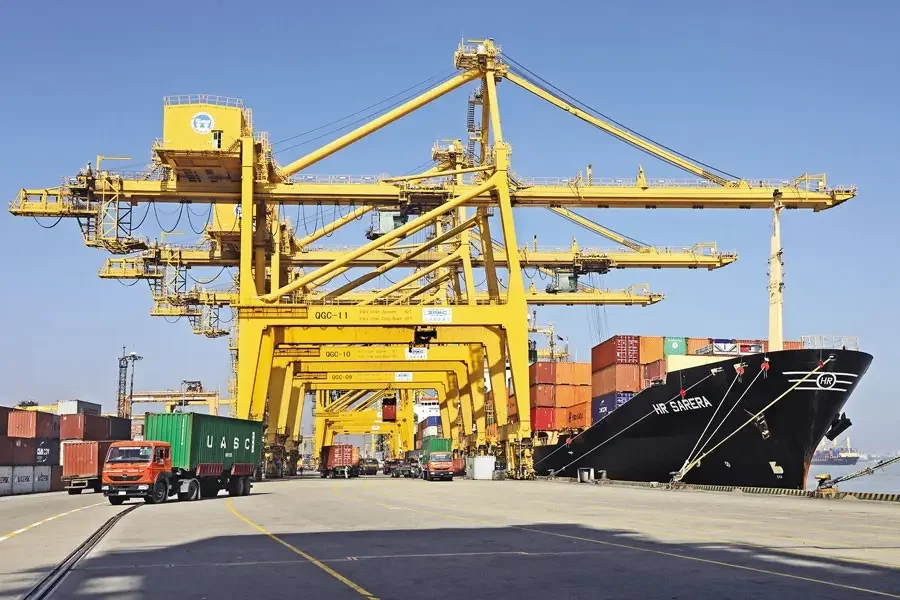
After decades of poor management and chronic delays, Chattogram Port is finally set for a major change in the way its largest container terminal is run. The decision to bring Dubai-based DP World in to operate the New Mooring Container Terminal for 15 years offers a chance to replace entrenched inefficiency with faster, more reliable services. The port handles about 92 per cent of Bangladesh's foreign trade, yet the 2025 Container Port Performance Index placed it 364th among 400 ports. Such a poor ranking is more than a blow to international reputation. It shows the difficulties faced by exporters chasing shipment deadlines and importers waiting for raw materials, machinery and other goods. Ships currently spend around two-and-a-half to three days at the port to unload containers while trucks can wait up to 24 hours. These delays raise the cost of doing business and make it harder for Bangladeshi manufacturers to compete in markets where both price and timely delivery count. In such a climate, the decision to hand the terminal to an experienced international operator definitely deserves welcome.
The main promise of the agreement is that it could improve performance without requiring the construction of an entirely new terminal. DP World is expected to invest more than Tk 10 billion over the first 10 years, while the government hopes to raise the terminal's annual container handling capacity from 1.2 million to 1.8 million TEUs. Better equipment, digital systems and more efficient management could help achieve these targets while reducing opportunities for arbitrary decisions and unnecessary delays. The government expects truck waiting times to fall to two hours in the first year and eventually to one hour, while the time vessels spend at the port could come down to between one and one-and-a-half days. The World Bank has estimated that cutting container dwell time by one day could increase Bangladesh's exports by about 7.4 per cent. Although the actual gains will depend on several factors, the estimate demonstrates the economic value of efficient port operations.
Still, the promised improvements must be judged against actual performance and not accepted as the automatic result of bringing in a global operator. Clear performance targets, regular independent assessments and public disclosure of operating results would keep the operator accountable and show whether the promised gains are really arriving. Cost to users also needs close watch, since business leaders have already voiced concern that the new arrangement could lead to substantially higher charges. Exporters have little room to absorb extra expenses, so a rise in handling fees would erase the margins of garment manufacturers and cancel the time saved at the terminal. Because users have little alternative to the terminal, the government must ensure that DP World does not abuse its position to impose unreasonable charges. Transparency needs equal attention, because the previous arrangement, under which local operator Saif Powertec continued to handle containers without a conventional competitive tender, raised questions about the management of public assets. The new agreement should mark a break from that practice, with decisions governed by clear rules and not by the interests of any particular operator.
Nor should concerns about sovereignty distract from the more practical question of whether the agreement can be enforced. Ownership stays with the state, so foreign participation does not mean a loss of control. What counts is the readiness of the authorities to act when commitments are missed, protect workers and port users and hold the operator to its promises. If that readiness holds, the deal will serve the country well.
 Bangladesh Defense
