[🇧🇩] Textile & RMG Industry of Bangladesh

Afghanistan Albania Algeria Andorra Angola Antigua Austria Azerbaijan Bahamas Bahrain Bangladesh Barbados Canada China Egypt Finland Germany India Iran Israel Japan Lebanon North Macedonia Pakistan Palestine Qatar Russia Syria Turkey Ukraine United Kingdom United States Yemen
[🇧🇩] Textile & RMG Industry of Bangladesh
515
23K
More threads by Saif

G Bangladesh Defense

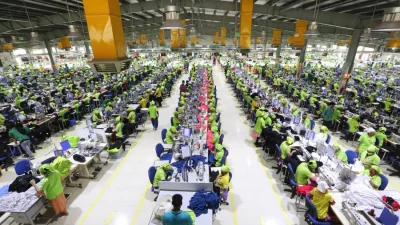
Automation could displace 1.2m RMG jobs by 2041: CPD
Staff Correspondent 16 July, 2026, 23:25

1784246897240.webp


Automation could displace 1.22 million jobs in Bangladesh’s readymade garment sector by 2041, with women hardest hit, as the country already lost about 1.3 million jobs in 2024, according to a study by the Centre for Policy Dialogue. Maps

The study, unveiled at a webinar titled ‘Work in Flux: Foresight for the Future of Work in the Global South’, found that women accounted for nearly 90 per cent of the jobs lost in 2024, underscoring the growing vulnerability of female workers amid rapid technological and structural changes in the labour market.

The webinar was organised by CPD on Wednesday in collaboration with JustJobs Network, LIRNEasia, Southern Voice and the Citizens’ Platform for SDGs, Bangladesh, under the FutureWORKS Asia initiative supported by the International Development Research Centre.

Presenting the findings, CPD additional research director Towfiqul Islam Khan said that nearly 60 per cent of female employment in the country’s garment industry could disappear by 2041 as factories increasingly adopt automation and advanced technologies to remain competitive.

He also criticised Bangladesh’s low investment in education, noting that public spending remains around 1.3 per cent of GDP, while technical and vocational education and training remain poorly aligned with future labour market demands.

The study also highlighted growing vulnerabilities in the services sector, where about 25 million people are employed, many of them in informal and insecure jobs.

The study highlighted that Bangladesh’s labour market is undergoing significant transformation due to automation, Artificial Intelligence, digitalisation, climate change, and economic shifts.

Towfiqul Islam said the study identified 27 key drivers shaping the future of work through 2035, emphasising two main uncertainties: the pace of the global digital economy and changing national social aspirations.

Five persistent trends outlined in the study include irreversible digitalisation, a shift towards higher-value services, ongoing skills mismatches, exposure to external shocks, and the importance of institutional agility.

To tackle these challenges, the study recommends eight key policy measures, including reforms in education, lifelong learning programmes, employment-oriented industrial policies, improved labour market information systems, modern social protections for gig workers, and targeted support for vulnerable groups during transitions.

CPD distinguished fellow Debapriya Bhattacharya emphasised the need for Bangladesh to shift from simply diagnosing labour market issues to actively implementing solutions. He noted that while policies exist, weak execution and poor inter-institutional coordination hinder progress. As industries are embracing post-graduation from least developed country status, inadequate protection for displaced workers could exacerbate inequality.

He urged the government to manage the technological transition, align skills with market needs, and strengthen institutions to translate research into action.

Professor Mustafizur Rahman of CPD emphasised the growing global divide caused by artificial intelligence, noting that differences in intellectual property rights have led to some AI tools being publicly available while others require payment.

He highlighted the need for current workers to reskill and called for an education system aligned with industry needs for future job entrants.

To address labour market gaps, he advocated for stronger public-private partnerships, suggesting that AI should be a collaborative effort between government and the private sector.

LIRNEasia chief executive officer Helani Galpaya said the growing gig economy was not a universal solution due to the digital divide limiting women’s access to online work, and noted that digital platforms can shift risks onto workers.

President and executive director of JustJobs Network, Sabina Dewan, urged policymakers to focus on job quality rather than just increasing employment, advocating for global brands to fund worker reskilling in light of automation.

Gunjan Bahadur Dallakoti from the International Labour Organisation highlighted the need for greater support for small and medium enterprises to adopt digital technologies while strengthening labour institutions.

Ramiro Albrieu of CIPPEC Argentina urged Global South countries to invest in digital skills and adopt long-term planning to leverage their demographic advantages.​
 

Dhaka Tribune

53 of 100 top green factories now in Bangladesh​

Golam Mowla
Publish : 14 Jul 2026, 16:24

53 of 100 top green factories now in Bangladesh

Bangladesh's position on the global stage in building an eco-friendly and sustainable apparel industry has grown even stronger.

Four more ready-made garment (RMG) factories have recently achieved the internationally recognized Leed (Leadership in Energy and Environmental Design) certification.

With this, the number of Leed-certified garment factories in the country has risen to 290.

Among these, 125 are Platinum, 145 are Gold, and the rest are Silver and Certified.

Most remarkably, 53 of the world's top 100 highest-scoring Leed-certified factories are now located in Bangladesh.


This is an unparalleled achievement compared to any other country in the world, reflecting Bangladesh's leadership in sustainable industrialization.

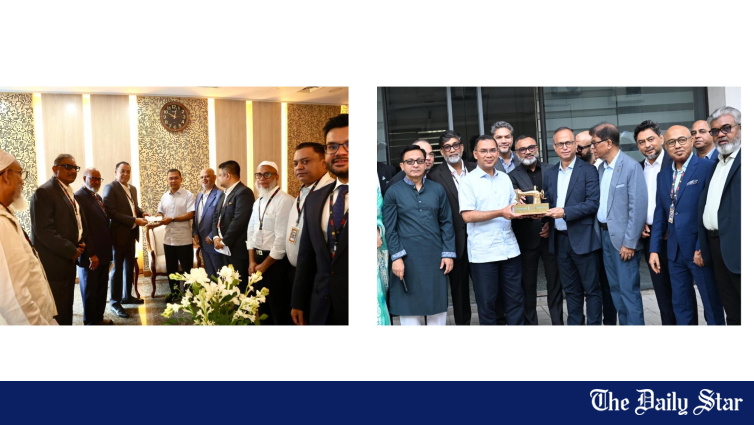
Mohiuddin Rubel, founder and CEO of Bangladesh Apparel Voice, shared this information on social media.

Among the four newly certified factories, two achieved Platinum, one Gold, and one Silver certification:

  • Canvas Garments Private Limited, located in the North Nasirabad Industrial Area of Chattogram, achieved Platinum certification with 90 points under the Leed O+M: Existing Buildings v4.1 rating system.
  • Matrix Sweaters Limited, located in Chowrasta, Gazipur, also secured Platinum certification with 88 points under the same rating system.
  • Meanwhile, Karim Textiles Limited in Kaliakair, Gazipur, achieved Gold certification with 73 points.
  • Karim Tex Limited in Dhamrai, Dhaka, secured Silver certification with 53 points.
Leed certification is one of the most globally accepted benchmarks for eco-friendly buildings and industrial factories.

A factory achieves this certification by meeting strict standards across key indicators, including energy savings, efficient water use, carbon emission reduction, waste management, the utilization of natural light and ventilation, a healthy work environment, and sustainable infrastructure.

Currently, major global fashion brands in Europe, the United States, and beyond are prioritizing eco-friendly factories.

Consequently, Leed certification is not just a prestigious accolade; it is one of the most powerful tools for staying ahead in the highly competitive international market.

Bangladesh is the world's second-largest apparel exporter. Over the past decade, local entrepreneurs have not only focused on scaling export volumes but have also invested heavily in building green production systems.

Investing in green factories is reducing electricity and water consumption, lowering long-term production costs, and decreasing carbon emissions.

At the same time, ensuring a healthy and safe work environment for workers has boosted the confidence of international buyers.

Experts point out that sustainable production is no longer a luxury or an added bonus in the global market; it has become a primary requirement for buyers. In this reality, Bangladesh's progress will play a critical role in retaining future export markets.

"The addition of four new Leed-certified factories is a matter of great pride for Bangladesh's apparel industry," said Mohiuddin Rubel, founder and CEO of Bangladesh Apparel Voice.

"With 290 Leed-certified factories—including 125 Platinum and 145 Gold—and 53 of the world's top 100 highest-scoring factories located here, it proves that Bangladesh is leading the world in sustainable and green manufacturing.

"International buyers no longer just want products at competitive prices; they expect the production process to be eco-friendly and responsible. Bangladeshi entrepreneurs have successfully adapted to this shift. Investing in green factories improves energy and water efficiency, cuts carbon emissions, and ensures a safer, healthier workplace for workers."

He further emphasized, "To sustain this achievement, it is not enough to focus only on large industries; we must also bring medium and small factories under the green transition. Simultaneously, we must prioritize increasing productivity, leveraging technology, developing skilled human resources, and diversifying products. Only then can Bangladesh's garment industry strengthen its competitive edge in the global market and establish itself as a long-term global role model for sustainable production."

Dominance in global list

Having 53 of the world's top 100 highest-scoring Leed-certified factories is a clear testament to the country's industrial capability.

Not just in sheer numbers, but multiple factories in Bangladesh consistently rank among the world's best for achieving the highest scores.

Globally, there is a growing emphasis on reducing carbon emissions, combating climate change, and promoting green manufacturing. The European Union's new environmental regulations, carbon-related restrictions, and the supply chain sustainability mandates of international brands present both new opportunities and increased competition for Bangladesh.

According to experts, simply increasing the number of Leed certifications will not be enough.

There must be further investment in boosting productivity, technological modernization, workers' skill development, product diversification, and research and innovation.

At the same time, small and medium garment factories must be integrated into this green transition.
 

Dhaka Tribune

53 of 100 top green factories now in Bangladesh​

Golam Mowla
Publish : 14 Jul 2026, 16:24

53 of 100 top green factories now in Bangladesh

Bangladesh's position on the global stage in building an eco-friendly and sustainable apparel industry has grown even stronger.

Four more ready-made garment (RMG) factories have recently achieved the internationally recognized Leed (Leadership in Energy and Environmental Design) certification.

With this, the number of Leed-certified garment factories in the country has risen to 290.

Among these, 125 are Platinum, 145 are Gold, and the rest are Silver and Certified.

Most remarkably, 53 of the world's top 100 highest-scoring Leed-certified factories are now located in Bangladesh.

This is an unparalleled achievement compared to any other country in the world, reflecting Bangladesh's leadership in sustainable industrialization.

Mohiuddin Rubel, founder and CEO of Bangladesh Apparel Voice, shared this information on social media.

Among the four newly certified factories, two achieved Platinum, one Gold, and one Silver certification:

  • Canvas Garments Private Limited, located in the North Nasirabad Industrial Area of Chattogram, achieved Platinum certification with 90 points under the Leed O+M: Existing Buildings v4.1 rating system.
  • Matrix Sweaters Limited, located in Chowrasta, Gazipur, also secured Platinum certification with 88 points under the same rating system.
  • Meanwhile, Karim Textiles Limited in Kaliakair, Gazipur, achieved Gold certification with 73 points.
  • Karim Tex Limited in Dhamrai, Dhaka, secured Silver certification with 53 points.
Leed certification is one of the most globally accepted benchmarks for eco-friendly buildings and industrial factories.

A factory achieves this certification by meeting strict standards across key indicators, including energy savings, efficient water use, carbon emission reduction, waste management, the utilization of natural light and ventilation, a healthy work environment, and sustainable infrastructure.

Currently, major global fashion brands in Europe, the United States, and beyond are prioritizing eco-friendly factories.

Consequently, Leed certification is not just a prestigious accolade; it is one of the most powerful tools for staying ahead in the highly competitive international market.

Bangladesh is the world's second-largest apparel exporter. Over the past decade, local entrepreneurs have not only focused on scaling export volumes but have also invested heavily in building green production systems.

Investing in green factories is reducing electricity and water consumption, lowering long-term production costs, and decreasing carbon emissions.

At the same time, ensuring a healthy and safe work environment for workers has boosted the confidence of international buyers.

Experts point out that sustainable production is no longer a luxury or an added bonus in the global market; it has become a primary requirement for buyers. In this reality, Bangladesh's progress will play a critical role in retaining future export markets.

"The addition of four new Leed-certified factories is a matter of great pride for Bangladesh's apparel industry," said Mohiuddin Rubel, founder and CEO of Bangladesh Apparel Voice.

"With 290 Leed-certified factories—including 125 Platinum and 145 Gold—and 53 of the world's top 100 highest-scoring factories located here, it proves that Bangladesh is leading the world in sustainable and green manufacturing.

"International buyers no longer just want products at competitive prices; they expect the production process to be eco-friendly and responsible. Bangladeshi entrepreneurs have successfully adapted to this shift. Investing in green factories improves energy and water efficiency, cuts carbon emissions, and ensures a safer, healthier workplace for workers."

He further emphasized, "To sustain this achievement, it is not enough to focus only on large industries; we must also bring medium and small factories under the green transition. Simultaneously, we must prioritize increasing productivity, leveraging technology, developing skilled human resources, and diversifying products. Only then can Bangladesh's garment industry strengthen its competitive edge in the global market and establish itself as a long-term global role model for sustainable production."

Dominance in global list

Having 53 of the world's top 100 highest-scoring Leed-certified factories is a clear testament to the country's industrial capability.

Not just in sheer numbers, but multiple factories in Bangladesh consistently rank among the world's best for achieving the highest scores.

Globally, there is a growing emphasis on reducing carbon emissions, combating climate change, and promoting green manufacturing. The European Union's new environmental regulations, carbon-related restrictions, and the supply chain sustainability mandates of international brands present both new opportunities and increased competition for Bangladesh.

According to experts, simply increasing the number of Leed certifications will not be enough.

There must be further investment in boosting productivity, technological modernization, workers' skill development, product diversification, and research and innovation.

At the same time, small and medium garment factories must be integrated into this green transition.
Despite having so many green factories, Bangladesh is losing RMG market both in the EU and the USA.
 

Retaining duty-free access to EU market

1784591362115.webp


While Bangladesh's preparation for graduation from the LDC (Least Development Country) status lacks on a few counts, as confirmed by a UN assessment, prompting the country to formally seek a three-year deferment to 2029, its rivals have clinched free trade agreement (FTA) deals with the European Union (EU). The EU-India and EU-Vietnam FTA can cause a fall in Bangladesh's export to the 27-member bloc by up to 36 per cent and for garment export this rate could be as high as 44 per cent. This grim prospect is no guesswork but an outcome of a research analysis by the Research and Policy Integration for Development (RAPID). Notably, the EU is the largest export market for Bangladesh knitwear and woven garment products. Indeed, aggressive trade policy by both India and Vietnam has set the alarm bell ringing for Bangladesh.

The EU FTAs with Vietnam and India will close the gap in tariff difference with Bangladesh or even eliminate it, Dr. MA Razzaque, chairman of RAPID, argues. In consequence, it will divert trade towards those two partner countries slicing Bangladesh's share. It will be particularly telling in the post-LDC graduation time. So the urgency for Bangladesh is to negotiate a FTA deal as early as possible. One example cited by Dr. Razzaque should confirm the dreaded prospect. Under the EU-Vietnam FTA (EVFTA), EU tariffs on Vietnam's export are progressively being reduced to zero by 2027. If both India and Vietnam enjoy such tariff facilities, both of them will be strong contenders to claim larger shares in the EU market. What is particularly worrying is that garments from Bangladesh will not get duty-free access to that market even if Bangladesh qualifies for the generalised system of preferences plus (GSP-plus) window due to the safeguard clause of the scheme.

Evidently, with the loss of such tariff facilities, Bangladesh will face a tough time after the extended three-year period of duty-free access ends. In that case, there is no alternative to starting negotiation on FTA facilities. Such a deal can limit the overall export decline to around 16 per cent with a contraction of garment export to 19 per cent, according to the research paper prepared by RAPID. Leaders of the Bangladesh Knitwear Manufacturers and Exporters Association (BKMEA) disclose that buyers have already started switching over to alternative sources. There will be no surprise if they look forward to sourcing products from India and Vietnam.

As the EU ambassador in Bangladesh, Michael Miller hinted recently, before starting a negotiation on trade facilities like FTA, Bangladesh has to expedite reforms in areas like non-tariff barriers, labour rights and improvement in the business environment. The good news is that the EU is ready to begin exploratory discussions on an FTA deal. So the ground work should be initiated immediately. At the same time, the rules of origin clause should also be made a subject of discussion. Besides, the garment industries should diversify its products in favour of value addition, preferably shifting to man-made fibre (MMF). The challenge before the country is quite daunting but informed negotiations can lead to relief from some of the complicated issues. A RAPID recommendation for development of technology, skills and new products through attracting foreign direct investment (FDI) will bolster resilience of the garment industry here.​
 

Latest Posts

Back