
 Bangladesh Defense
Saif
Senior Member
- Messages
- 21,724
- Likes
- 9,794
- Nation

- Residence
- Axis Group

RMG makers seek PM’s intervention for yarn import
Saddam Hossain . Dhaka
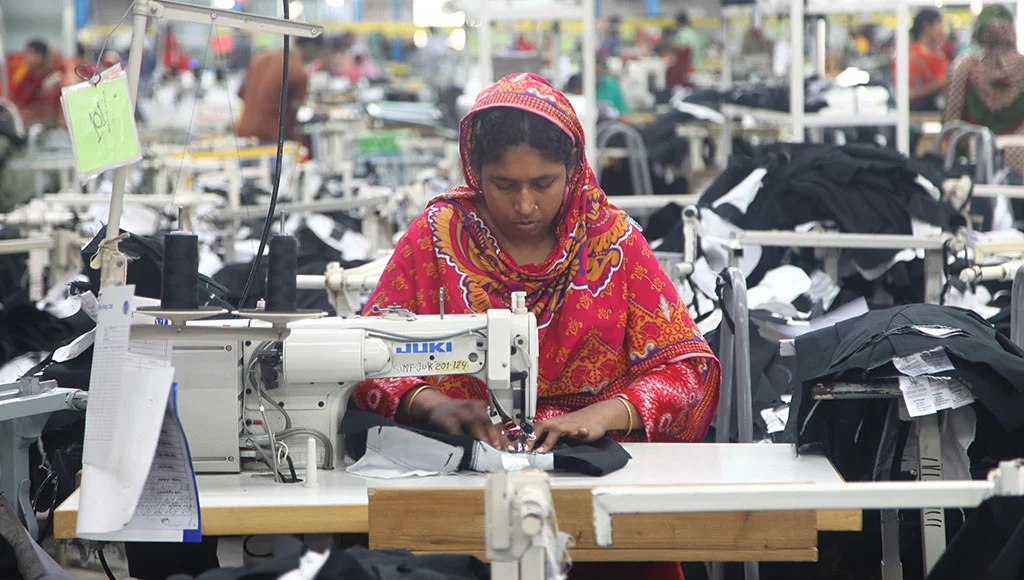
The readymade garment manufacturers of the country sought prime minister Tarique Rahman’s intervention to withdraw a restriction on imports of 10–30 count cotton yarn under bonded warehouse facilities.
They also said that the measure is disrupting raw material supplies and raising production costs for export-oriented garment factories.
The Bangladesh Garment Manufacturers and Exporters Association and the Bangladesh Knitwear Manufacturers and Exporters Association urged this in a joint letter to the prime minister sent on Thursday.
Earlier on September 7, the National Bureau of Revenue issued an order, following a meeting at the commerce ministry on August 20, withdrawing the bonded warehouse facility for the import of 10–30 count cotton yarn.
It allowed exporters to import the yarn against bank guarantees, subject to certification by the relevant trade bodies and release of the guarantees after export.
However, following major objections, the commerce ministry wrote to the NBR on September 13, requesting suspension of the decision for further review.
The NBR nevertheless issued another order on October 14 upholding the restriction order of NBR, according to the associations’ letter to the prime minister.
Signed by the BGMEA president Mahmud Hasan Khan and BKMEA president Mohammad Hatem, the letter said the latest order had created fresh uncertainty for exporters, with consignments of imported yarn held at Chattogram port disrupting production and supply chains.
They urged the government to withdraw the September 7 order without conditions and consult the relevant industry stakeholders before making such policy decisions.
They also proposed discussions among the BGMEA, BKMEA and the Bangladesh Textile Mills Association to develop a sustainable policy framework.
According to the letter, the consignments held at the port include twisted yarn used in sweater production, organic cotton yarn, Better Cotton Initiative cotton yarn, cotton melange and other specialised yarns that are not produced domestically to the required specifications and quality.
The associations said local spinning mills had already increased yarn prices by $0.30–$0.50 per pound since the September 7 order.
They also said that paying duties and taxes or providing bank guarantees for imported yarn would tie up exporters’ working capital and increase production costs, particularly for small and medium-sized exporters.
The BGMEA and BKMEA warned that the additional costs and supply disruptions could weaken Bangladesh’s competitiveness in international markets and put jobs at risk in the garment sector, which they said generated $39 billion in export earnings and supported the livelihoods of around four million people directly and indirectly.
The associations also claimed that frequent and unexpected policy changes had undermined buyers’ confidence, with some buyers shifting orders to India and Egypt.
Earlier, the NBR decision was welcomed by the BTMA, which argued that restricting duty-free imports of yarn available from local mills would protect domestic spinning industries, increase demand for locally produced yarn and help curb misuse of bonded facilities.
The BGMEA and BKMEA, however, opposed the measure, saying the decision had been incorporated into the meeting minutes without proper discussion with the apparel exporters’ associations and would increase costs for garment manufacturers.
They also said that they have been facing a series of policy changes since 2025, including the ban on yarn imports through land ports.
In this regard, they urged the prime minister’s instructions to protect the billion-dollar RMG industry.
Saddam Hossain . Dhaka
The readymade garment manufacturers of the country sought prime minister Tarique Rahman’s intervention to withdraw a restriction on imports of 10–30 count cotton yarn under bonded warehouse facilities.
They also said that the measure is disrupting raw material supplies and raising production costs for export-oriented garment factories.
The Bangladesh Garment Manufacturers and Exporters Association and the Bangladesh Knitwear Manufacturers and Exporters Association urged this in a joint letter to the prime minister sent on Thursday.
Earlier on September 7, the National Bureau of Revenue issued an order, following a meeting at the commerce ministry on August 20, withdrawing the bonded warehouse facility for the import of 10–30 count cotton yarn.
It allowed exporters to import the yarn against bank guarantees, subject to certification by the relevant trade bodies and release of the guarantees after export.
However, following major objections, the commerce ministry wrote to the NBR on September 13, requesting suspension of the decision for further review.
The NBR nevertheless issued another order on October 14 upholding the restriction order of NBR, according to the associations’ letter to the prime minister.
Signed by the BGMEA president Mahmud Hasan Khan and BKMEA president Mohammad Hatem, the letter said the latest order had created fresh uncertainty for exporters, with consignments of imported yarn held at Chattogram port disrupting production and supply chains.
They urged the government to withdraw the September 7 order without conditions and consult the relevant industry stakeholders before making such policy decisions.
They also proposed discussions among the BGMEA, BKMEA and the Bangladesh Textile Mills Association to develop a sustainable policy framework.
According to the letter, the consignments held at the port include twisted yarn used in sweater production, organic cotton yarn, Better Cotton Initiative cotton yarn, cotton melange and other specialised yarns that are not produced domestically to the required specifications and quality.
The associations said local spinning mills had already increased yarn prices by $0.30–$0.50 per pound since the September 7 order.
They also said that paying duties and taxes or providing bank guarantees for imported yarn would tie up exporters’ working capital and increase production costs, particularly for small and medium-sized exporters.
The BGMEA and BKMEA warned that the additional costs and supply disruptions could weaken Bangladesh’s competitiveness in international markets and put jobs at risk in the garment sector, which they said generated $39 billion in export earnings and supported the livelihoods of around four million people directly and indirectly.
The associations also claimed that frequent and unexpected policy changes had undermined buyers’ confidence, with some buyers shifting orders to India and Egypt.
Earlier, the NBR decision was welcomed by the BTMA, which argued that restricting duty-free imports of yarn available from local mills would protect domestic spinning industries, increase demand for locally produced yarn and help curb misuse of bonded facilities.
The BGMEA and BKMEA, however, opposed the measure, saying the decision had been incorporated into the meeting minutes without proper discussion with the apparel exporters’ associations and would increase costs for garment manufacturers.
They also said that they have been facing a series of policy changes since 2025, including the ban on yarn imports through land ports.
In this regard, they urged the prime minister’s instructions to protect the billion-dollar RMG industry.
