Bangladesh Defense
Saif
Senior Member
- Jan 24, 2024
- 21,479
- 9,744
- Nation

- Residence
- Axis Group

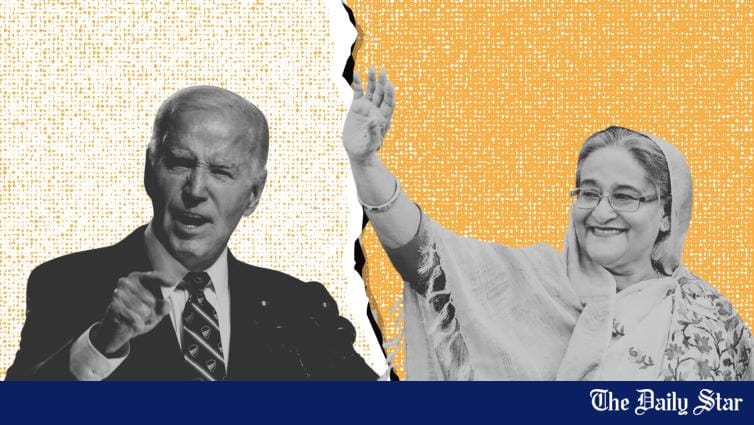
It seems like the U.S.A. is putting more emphasis on Hasina's support for Indo-Pacific Strategy and lease of oil and gas wells in Bay of Bengal to some U.S. multinational companies than restoring democracy in Bangladesh. The U.S.A. has put Hasina's election engineering on the back burner.
 www.thedailystar.net
Bangladesh, US look to patch up differences
After some strains over the past two years, Dhaka and Washington now want to begin a new chapter in the bilateral relationship -- a desire that was expressed by both during a US delegation’s three-day visit that ended yesterday.
Bangladesh, US look to patch up differences
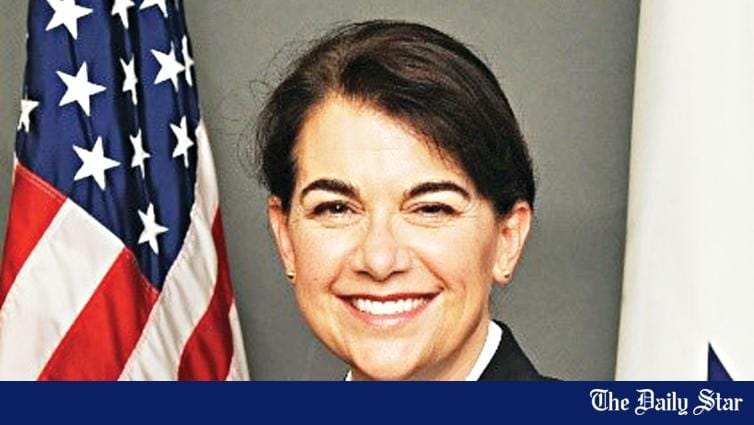
Eileen Laubacher
After some strains over the past two years, Dhaka and Washington now want to begin a new chapter in the bilateral relationship -- a desire that was expressed by both during a US delegation's three-day visit that ended yesterday.
At the same time, the US delegation's multi level engagements, including with opposition BNP, labour leaders, and civil society members, in Dhaka also reflect that Washington is not leaving aside the values that it had been speaking of, said foreign policy analysts.
The visit by the US delegation was the first since the January 7 polls in Bangladesh.
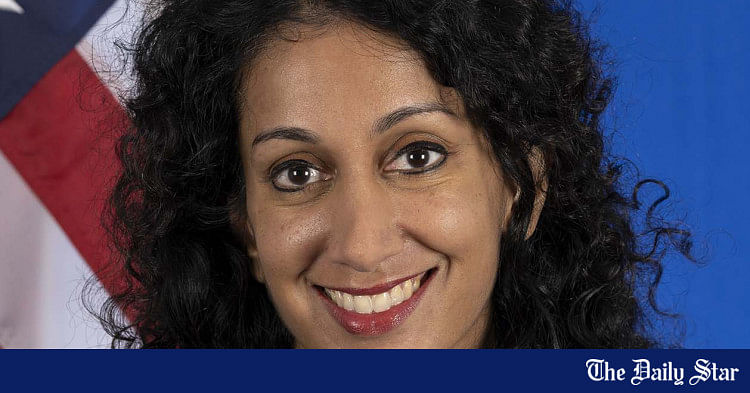
The delegation was led by President Biden's Special Assistant and National Security Council's Senior Director Rear Admiral Eileen Laubacher. It also included USAID Assistant Administrator Michael Schiffer and State Department Deputy Assistant Secretary for South and Central Asia Afreen Akhter.
They held meetings with the Prime Minister's Private Industry and Investment Adviser Salman F Rahman, Foreign Minister Hasan Mahmud, Foreign Secretary Masud Bin Momen, opposition BNP leaders Fakhrul Islam Alamgir, Amir Khashru Mahmud Chowdhury; labour leaders and members of the civil society.
The US' sanctions against RAB in December 2021, announcing an election-related visa policy in May last year and reiterating calls for free and fair elections caused some strains in its relationship with Bangladesh.
However, analysts said Washington now wants to take forward the multidimensional relationship with Dhaka, but will not bury its concerns on democracy, labour rights, good governance, civic space and media freedom. It will, however, maintain a low profile over the issues.
"The US is a major development partner of Bangladesh. It played a big role for Bangladesh's development over the last 52 years. We discussed how we can deepen and broaden our relationship and begin a new chapter," Hasan Mahmud said after meeting the delegation on Sunday.
He said the US also expressed its willingness to improve the relationship, which was communicated in President Biden's letter to Prime Minister Sheikh Hasina.
During the meeting, a copy of Prime Minister's letter to Biden was also handed over to Laubacher. The original copy will reach the White House through the Bangladesh embassy in Washington.
Bangladesh exports products worth about $10 billion to the US, which has contributed over $8 billion to in development funding and is the largest foreign direct investor. It is the largest donor for Rohingyas' humanitarian assistance.
The US also assured support to Bangladesh in forming a new fund of $15 billion to combat climate change.
The US embassy in Dhaka termed Bangladesh an important partner to Washington in the Indo-Pacific region, adding that it supports a prosperous, secure, and democratic Bangladesh.
In a verified Facebook post, the embassy wrote, "We discussed how our two countries can work on mutual interests, including economic development, security, refugees, climate, labor, and trade."
Speaking to The Daily Star, M Humayun Kabir, president of Bangladesh Enterprise Institute and former ambassador to the US, said, "The US is eager to work with Bangladesh in a larger context including for economic development, environment, geostrategy, Rohingya crisis etc."
The US wants to understand Bangladesh's position on security and the Indo-Pacific Strategy, the status of labour rights, civic and political space.
"Their engagements with the relevant stakeholders mean that the US did not move away from its position, but is instead maintaining low-profile. They may not speak about everything in public but Dhaka needs to read their language and act accordingly."
Kabir added that Bangladesh's main priority is drawing foreign investment, which requires making it easier to do business here while improving governance and rule of law, and ensuring security of the businesses – aspects that US businesses want before investing.
During the meeting with Salman F Rahman, the US delegation spoke of funding Bangladesh through the US International Development Finance Corporation (DFC), but noted several conditions, which it would communicate in detail soon.
Earlier, USAID officials had said Dhaka needs to improve labour rights in order to access DFC funding.
Meanwhile, labour leaders said the US delegation, while meeting with them, spoke about making the registration of trade unions easier, reforming labour laws, and increasing wages.
On the other hand, Foreign Minister Hasan Mahmud discussed lifting the sanctions against RAB. In response, the delegation mentioned five observations, which the minister did not elaborate on.
Earlier, US officials said reforming RAB and holding the agency accountable are prerequisites for lifting the sanction.
Analysts consider Laubacher's visit significant, given the security concerns created by the Myanmar crisis.
Asked about Laubacher's response to Bangladesh's concerns, Salman F Rahman said the US is keeping watch on the Myanmar situation and also asked Bangladesh to do the same.
Asked, security expert Air Cdre (Retd) Ishfaq Ilahi Choudhury said it is good that Dhaka and Washington exchanged views on the Myanmar situation – something that Bangladesh also needs to do with India and China, though the countries have a difference of interests in Myanmar.
"Our position is to ensure stability in Myanmar and the Rohingya repatriation. Without that, doing business and connectivity with Myanmar will be challenging," he said.
Hasan Mahmud reiterated Bangladesh's steadfast position for peace and against any form of war and asked the US to use its leverage to achieve a permanent ceasefire in Gaza. He also expressed his hope for the Russia-Ukraine war to end.
The minister further requested Washington to extradite Bangabandhu's self-confessed killer Rashed Chowdhury from the US.
The delegation was led by President Biden's Special Assistant and National Security Council's Senior Director Rear Admiral Eileen Laubacher. It also included USAID Assistant Administrator Michael Schiffer and State Department Deputy Assistant Secretary for South and Central Asia Afreen Akhter.
They held meetings with the Prime Minister's Private Industry and Investment Adviser Salman F Rahman, Foreign Minister Hasan Mahmud, Foreign Secretary Masud Bin Momen, opposition BNP leaders Fakhrul Islam Alamgir, Amir Khashru Mahmud Chowdhury; labour leaders and members of the civil society.
The US' sanctions against RAB in December 2021, announcing an election-related visa policy in May last year and reiterating calls for free and fair elections caused some strains in its relationship with Bangladesh.
However, analysts said Washington now wants to take forward the multidimensional relationship with Dhaka, but will not bury its concerns on democracy, labour rights, good governance, civic space and media freedom. It will, however, maintain a low profile over the issues.
"The US is a major development partner of Bangladesh. It played a big role for Bangladesh's development over the last 52 years. We discussed how we can deepen and broaden our relationship and begin a new chapter," Hasan Mahmud said after meeting the delegation on Sunday.
He said the US also expressed its willingness to improve the relationship, which was communicated in President Biden's letter to Prime Minister Sheikh Hasina.
During the meeting, a copy of Prime Minister's letter to Biden was also handed over to Laubacher. The original copy will reach the White House through the Bangladesh embassy in Washington.
Bangladesh exports products worth about $10 billion to the US, which has contributed over $8 billion to in development funding and is the largest foreign direct investor. It is the largest donor for Rohingyas' humanitarian assistance.
The US also assured support to Bangladesh in forming a new fund of $15 billion to combat climate change.
The US embassy in Dhaka termed Bangladesh an important partner to Washington in the Indo-Pacific region, adding that it supports a prosperous, secure, and democratic Bangladesh.
In a verified Facebook post, the embassy wrote, "We discussed how our two countries can work on mutual interests, including economic development, security, refugees, climate, labor, and trade."
Speaking to The Daily Star, M Humayun Kabir, president of Bangladesh Enterprise Institute and former ambassador to the US, said, "The US is eager to work with Bangladesh in a larger context including for economic development, environment, geostrategy, Rohingya crisis etc."
The US wants to understand Bangladesh's position on security and the Indo-Pacific Strategy, the status of labour rights, civic and political space.
"Their engagements with the relevant stakeholders mean that the US did not move away from its position, but is instead maintaining low-profile. They may not speak about everything in public but Dhaka needs to read their language and act accordingly."
Kabir added that Bangladesh's main priority is drawing foreign investment, which requires making it easier to do business here while improving governance and rule of law, and ensuring security of the businesses – aspects that US businesses want before investing.
During the meeting with Salman F Rahman, the US delegation spoke of funding Bangladesh through the US International Development Finance Corporation (DFC), but noted several conditions, which it would communicate in detail soon.
Earlier, USAID officials had said Dhaka needs to improve labour rights in order to access DFC funding.
Meanwhile, labour leaders said the US delegation, while meeting with them, spoke about making the registration of trade unions easier, reforming labour laws, and increasing wages.
On the other hand, Foreign Minister Hasan Mahmud discussed lifting the sanctions against RAB. In response, the delegation mentioned five observations, which the minister did not elaborate on.
Earlier, US officials said reforming RAB and holding the agency accountable are prerequisites for lifting the sanction.
Analysts consider Laubacher's visit significant, given the security concerns created by the Myanmar crisis.
Asked about Laubacher's response to Bangladesh's concerns, Salman F Rahman said the US is keeping watch on the Myanmar situation and also asked Bangladesh to do the same.
Asked, security expert Air Cdre (Retd) Ishfaq Ilahi Choudhury said it is good that Dhaka and Washington exchanged views on the Myanmar situation – something that Bangladesh also needs to do with India and China, though the countries have a difference of interests in Myanmar.
"Our position is to ensure stability in Myanmar and the Rohingya repatriation. Without that, doing business and connectivity with Myanmar will be challenging," he said.
Hasan Mahmud reiterated Bangladesh's steadfast position for peace and against any form of war and asked the US to use its leverage to achieve a permanent ceasefire in Gaza. He also expressed his hope for the Russia-Ukraine war to end.
The minister further requested Washington to extradite Bangabandhu's self-confessed killer Rashed Chowdhury from the US.