Bangladesh Defense
Saif
Senior Member
- Jan 24, 2024
- 21,561
- 9,760
- Nation

- Residence
- Axis Group

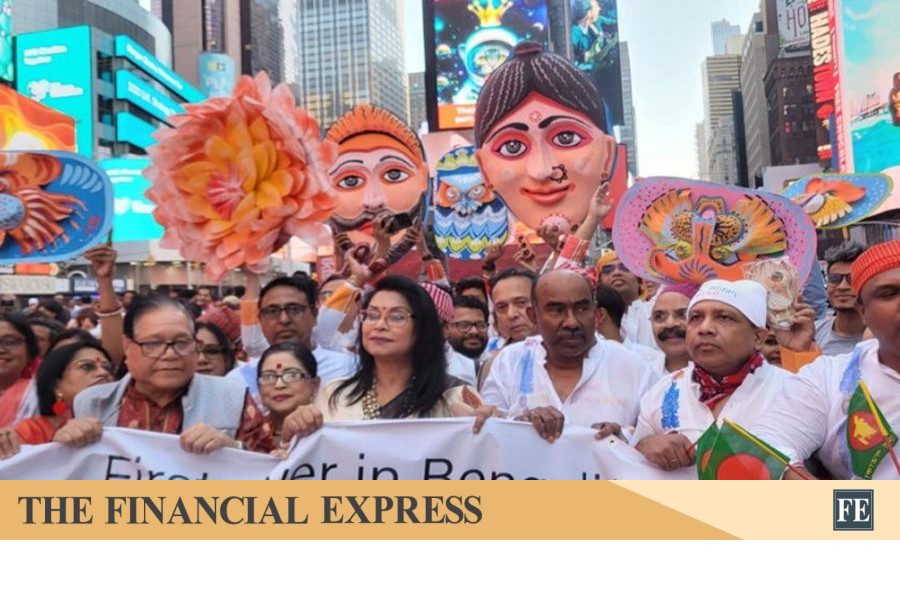
NY Senate adopts historical resolution to declare April 14 as ‘Bangla New Year Day’
A new chapter in the recognition of Bengali heritage has begun as the New York State Senate adopted a significant resolution calling for April 14 to be officially declared as "Bangla New Year Day". The resolution, adopted on April 22 during a session at the State Capitol, marked the grand conclusi
NY Senate adopts historical resolution to declare April 14 as ‘Bangla New Year Day’
UNB
Published :
Apr 23, 2026 23:52
Updated :
Apr 23, 2026 23:52
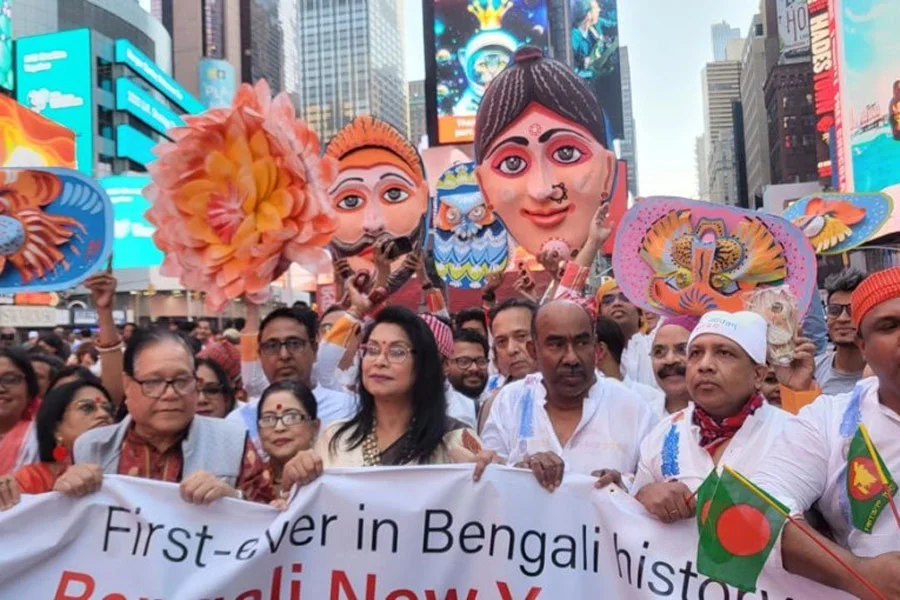
A new chapter in the recognition of Bengali heritage has begun as the New York State Senate adopted a significant resolution calling for April 14 to be officially declared as "Bangla New Year Day".
The resolution, adopted on April 22 during a session at the State Capitol, marked the grand conclusion of a three-day celebration organized by the expatriate community.
The resolution was introduced at 11:15 AM by Senators Luis R. Sepúlveda, Nathalia Fernandez, and Toby Ann Stavisky. Addressing the chamber, Senator Stavisky noted that the resolution serves as a tribute to the vital role Bengalis play in New York’s education, business, and cultural sectors. The move received a standing ovation from approximately 50 prominent expatriate Bengalis in attendance.
The measure officially urges Governor Kathy Hochul to proclaim April 14, 2026, as "Bangla New Year Day" in New York State. It highlights Pohela Boishakh as a non-sectarian festival with roots in the Mughal-era agricultural economy, celebrating the shared traditions of music, dance, and fine arts across all communities.
Acknowledging Cultural Contributions
The New York State Legislature specifically recognized the three decades of cultural advocacy by the Muktadhara Foundation and its founder, Bishwajit Saha. Saha, who also serves as the President of NRB Worldwide, was included in the official distribution list for the resolution, affirming his contributions to promoting the Bengali language and culture.
“We want to establish the celebration of the Bengali New Year beyond the expatriate community and into mainstream American society,” said Bishwajit Saha during the event.
Following the legislative session, an enchanting cultural program was held at the Capitol featuring Rabindra Sangeet, folk music by Baul artist Md Shahin Hossain, and performances by child artist Bhasha Saha and Durga Kshatriya. The program, directed by Mohitosh Talukder Tapas, concluded with a collective rendition of the National Anthem of Bangladesh.
The festivities began on April 11 at Times Square and Jackson Heights before reaching this historic finale in Albany. Advocates view the resolution as a major milestone toward making the Bengali New Year an official cultural day in New York State.
UNB
Published :
Apr 23, 2026 23:52
Updated :
Apr 23, 2026 23:52
A new chapter in the recognition of Bengali heritage has begun as the New York State Senate adopted a significant resolution calling for April 14 to be officially declared as "Bangla New Year Day".
The resolution, adopted on April 22 during a session at the State Capitol, marked the grand conclusion of a three-day celebration organized by the expatriate community.
The resolution was introduced at 11:15 AM by Senators Luis R. Sepúlveda, Nathalia Fernandez, and Toby Ann Stavisky. Addressing the chamber, Senator Stavisky noted that the resolution serves as a tribute to the vital role Bengalis play in New York’s education, business, and cultural sectors. The move received a standing ovation from approximately 50 prominent expatriate Bengalis in attendance.
The measure officially urges Governor Kathy Hochul to proclaim April 14, 2026, as "Bangla New Year Day" in New York State. It highlights Pohela Boishakh as a non-sectarian festival with roots in the Mughal-era agricultural economy, celebrating the shared traditions of music, dance, and fine arts across all communities.
Acknowledging Cultural Contributions
The New York State Legislature specifically recognized the three decades of cultural advocacy by the Muktadhara Foundation and its founder, Bishwajit Saha. Saha, who also serves as the President of NRB Worldwide, was included in the official distribution list for the resolution, affirming his contributions to promoting the Bengali language and culture.
“We want to establish the celebration of the Bengali New Year beyond the expatriate community and into mainstream American society,” said Bishwajit Saha during the event.
Following the legislative session, an enchanting cultural program was held at the Capitol featuring Rabindra Sangeet, folk music by Baul artist Md Shahin Hossain, and performances by child artist Bhasha Saha and Durga Kshatriya. The program, directed by Mohitosh Talukder Tapas, concluded with a collective rendition of the National Anthem of Bangladesh.
The festivities began on April 11 at Times Square and Jackson Heights before reaching this historic finale in Albany. Advocates view the resolution as a major milestone toward making the Bengali New Year an official cultural day in New York State.