[🇧🇩] India's Water Terrorism Against Bangladesh

Quick Reply ✓ Posted!
[🇧🇩] India's Water Terrorism Against Bangladesh
321
16K
More threads by Saif

G Bangladesh Defense

Trilateral cooperation for Chinese dam on Brahmaputra
Mir Mostafizur Rahaman
Published :
Jan 22, 2025 21:59
Updated :
Jan 22, 2025 21:59

1737616198286.webp


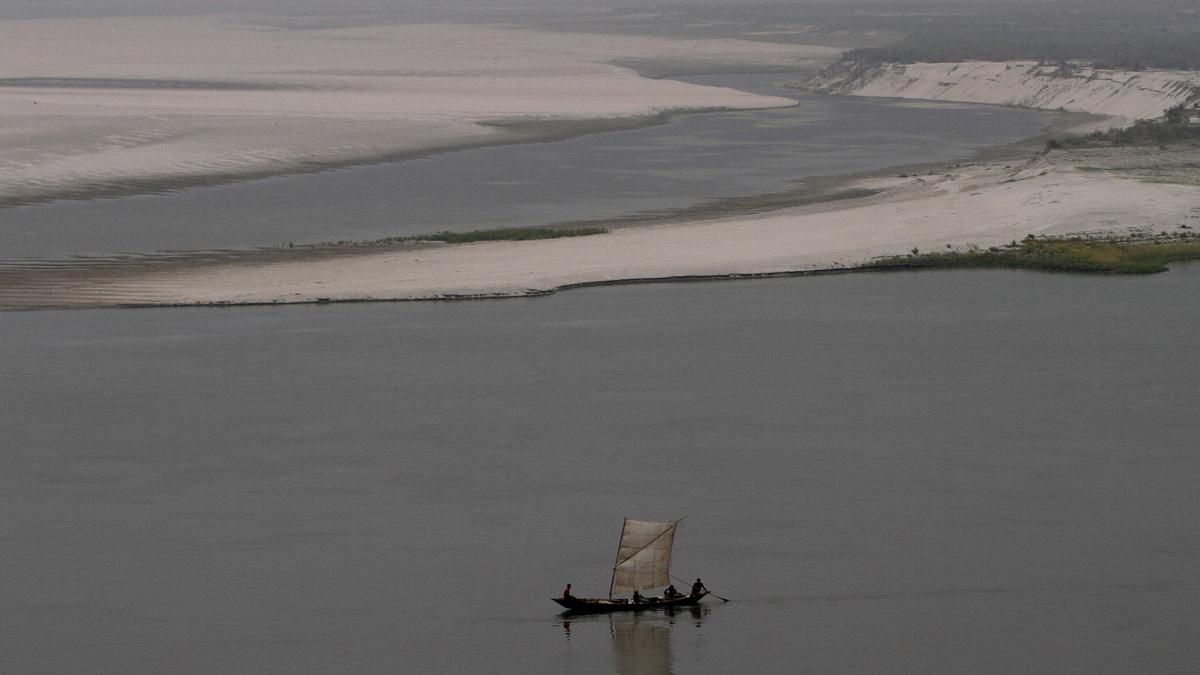
The decision of China to construct the world's largest dam on the lower reaches of the Yarlung Zangbo River, known as the Brahmaputra downstream, has sparked significant concern in India and Bangladesh. The $137 billion project has given rise to fears about possible disruptions to water flow and downstream countries' rightful access to the Brahmaputra's waters. Although China has tried to dispel fear about any negative impact, Bangladesh and India remain apprehensive.

The Brahmaputra is considered a lifeline for Bangladesh, accounting for a significant portion of the country's total water resources. With at least 60 per cent of Bangladesh's population being dependent on its catchment basin, any alteration in the river's flow due to upstream damming poses a serious threat to its water security. Dams allow upstream countries to manipulate water flow, which could lead to reduced availability for downstream nations, jeopardising agriculture, fisheries, and livelihoods.

India has responded to China's plan with its own plan to construct a 10-GW hydroelectric dam in Arunachal Pradesh. This initiative aims to mitigate potential adverse impact of the Chinese dam by creating substantial water storage capacity within Indian territory. However, for Bangladesh, these developments are a double-edged sword. As the smallest downstream nation, it risks being squeezed between the competing interests of its larger neighbours.

To address this challenge, Bangladesh must engage proactively with both China and India to secure commitments ensuring that its due share of Brahmaputra water is not compromised. While bilateral dialogues are essential, experts emphasise the need for trilateral cooperation as the most viable solution. Collaborative approaches can transform potential conflicts into opportunities for mutual benefit.

One possibility is for Bangladesh to negotiate a stake in the Chinese dam project, leveraging the shared benefits of hydropower generation. The dam, projected to produce over 60 GW of electricity, could be an economic boon if power-sharing agreements are established among China, India, and Bangladesh. A tripartite investment model could ensure equitable access to the energy generated, aligning the interests of all three nations.

Trilateral cooperation could also foster trust and reduce regional tensions. By working together, the three countries can address environmental concerns, ensure equitable water distribution, and develop a framework for sustainable management of the Brahmaputra's resources. Such an agreement would demonstrate that shared rivers need not be sources of contention but rather platforms for regional collaboration.

To this end, Bangladesh must initiate efforts at diplomatic level to bring China and India to the negotiating table. It should also engage regional and international organizations to mediate and support the dialogue. A transparent, inclusive process will be the key to ensuring that the Brahmaputra remains a source of life and livelihood for all three nations.

Ultimately, the construction of dams on the Brahmaputra should not become a zero-sum game. With sincere and sustained trilateral dialogue, this critical transboundary river can emerge as a symbol of cooperation and a driver of regional stability.​
 

Can ‘engineering diplomacy’ solve Bangladesh-India water issue?

1738536878494.webp

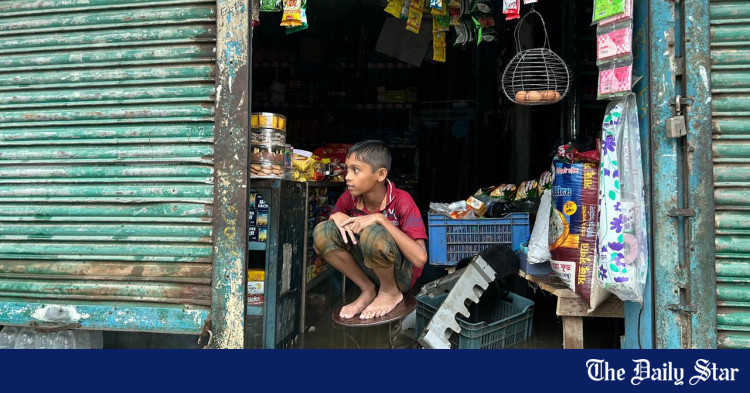
Addressing natural calamities requires more than just technical fixes—it demands an understanding of the social and political narratives that shape perceptions and responses. FILE PHOTO: STAR

Bangladesh is still recovering from the devastating August 2024 floods, one of the worst regional floods in its history. Millions were displaced, livelihoods shattered, and diplomatic tensions reignited. Yet, this crisis could be the turning point for regional cooperation.

The science and misinformation of the floods

The floods were driven by intensified monsoon rains, a shifting jet stream, and the Madden-Julian Oscillation funnelling moisture into south-eastern Bangladesh. Districts like Feni and Noakhali, areas not typically prone to severe flooding, experienced record-breaking rainfall and devastating impacts—half a million displaced, over 300,000 hectares of farmland submerged, and schools and roads left in ruins.

But alongside the rising waters came a surge of misinformation. Social media was rife with accusations that India had released water from upstream dams to worsen the floods in Bangladesh—a narrative fuelled by decades of mistrust over water sharing. While these claims were scientifically questionable, they complicated mitigation efforts and strained relationship between the two neighbours.

Addressing natural calamities requires more than just technical fixes—it demands an understanding of the social and political narratives that shape perceptions and responses. This is where engineering diplomacy can play a transformative role.

Engineering diplomacy: A bridge between science and society

Engineering diplomacy offers a pathway forward. It synthesises scientific facts ("numbers") with cultural and political contexts ("narratives") to create solutions that are technically defensible, societally acceptable, ethically responsible, and politically feasible. Rather than framing the floods merely as a natural disaster or a political weapon, engineering diplomacy would encourage both nations to explore shared interests. Bangladesh's vulnerability to extreme weather and India's role as an upstream actor are not mutually exclusive—they are intertwined challenges that demand shared solutions. By moving from positions ("India must release more water") to interests ("how do we ensure equitable water availability?"), engineering diplomacy fosters trust and pragmatic problem-solving.

What Bangladesh and India can do together

The 2024 floods underscore the shared stakes for both nations. India, too, faced devastating floods in upstream regions like Tripura and Bihar highlighting how interconnected the challenges are. Recognising this shared vulnerability, Bangladesh and India can take specific steps towards resilience and cooperation:

Initiate a "devising seminar" for shared resilience

The two countries can convene multi-stakeholder workshops with representation from four critical communities from Bangladesh and India—knowledge, political, resource, and affected—which can create a platform for collaborative problem-solving. This informal yet structured dialogue can focus on key areas like real-time data sharing, joint flood forecasting systems, and equitable water-sharing protocols for transboundary rivers such as the Feni and Gomti. I have discussed details of a devising seminar in an earlier piece for the Himalayan rivers. We need informed conversations to hammer out the details required to act and move forward on how to develop and share transboundary resources for an equitable and sustainable future. Complexity of transboundary issues demands learning from other river basins like the Nile, Jordan, and Danube—and adapting to local situations.

Strengthen public perceptions against misinformation

Debunking misinformation and conspiracy theories during a disaster usually does not work. Countering misinformation isn't just about presenting facts—it's about addressing the fears and mistrust that fuel these narratives. Within the context of current Bangladesh-India relations, these narratives are not surprising.

Collaborative projects that are responsive to the underlying interests—not positions–of both parties may be an effective way to ease these tensions, lessen misinformation virality during future floods, and make practical progress on flood resiliency challenges. For example, statements that simultaneously acknowledge that Bangladesh has legitimate fears of water control by India while being clear that the evidence in this particular case does not suggest India's political interference could go far to debunk conspiracy-inspired narratives. As a proactive measure, both nations can launch joint public communication campaigns now to start developing trust in the information they share. By aligning messaging with scientific findings and cultural sensitivities, these campaigns can build trust and reduce the likelihood of misinformation inflaming tensions when the next flood hits the region.

Reactivate collaborative institutions

The Joint River Commission between India and Bangladesh offers a formal venue for cooperation but has been largely inactive. Reactivating its subcommittees, particularly the Indo-Bangladesh Experts on Flood Forecasting and Warning Systems, could reinvigorate bilateral efforts. This subcommittee has not met since 2004.

Demonstrate collaboration through pilot projects

Pilot initiatives such as joint construction of flood-resilient embankments or shared water-storage facilities for the Feni and Gomti rivers can demonstrate the benefits of collaboration. In addition, establishing a shared platform for real-time data exchange on rainfall and river flows to improve flood forecasting accuracy and initiating joint training programmes for disaster response teams to equip them with advanced tools and techniques for flood mitigation can serve as examples of tangible steps forward. These projects will turn shared challenges into opportunities for cooperation.

Expand collaboration beyond water

Collaboration doesn't have to stop at rivers. To develop actionable strategies, a different approach that goes beyond water and includes a package of mutually beneficial options is needed. For example, joint solar parks and renewable energy projects can reduce energy insecurity on both sides. The inclusion of Sundarbans—as perhaps the only transboundary ecosystem that has a World Heritage site and Ramsar site on both sides of the boundary—within the upcoming 2026 Ganges Water Treaty negotiations can serve as an example of how to operationalise engineering diplomacy processes and tools for effective transboundary water cooperation. We need to look for opportunities to engage affected groups in value-creating exercises before final decisions are made. This will encourage issue and option linkages and increase opportunities for meaningful negotiations. Seeking broader consensus (total unanimity is not essential) and relying on professional neutral facilitators is likely to help formulate nearly self-enforcing and easier to get compliance agreements.

Shafiqul Islam is director of Water Diplomacy, professor of civil and environmental engineering and water diplomacy at the Fletcher School of Law and Diplomacy at Tufts University, US.​
 
Water flow of each and every river is decreasing because of global warming and other environmental factors. It need a great effort to restore water flow. You do everything and make sure that muftkhor countries get sufficient water to waste.They will not do anything to conserve water, help in forestation, cleaning of river, remove water logging. Muftkhor just want water.
 
Water flow of each and every river is decreasing because of global warming and other environmental factors. It need a great effort to restore water flow. You do everything and make sure that muftkhor countries get sufficient water to waste.They will not do anything to conserve water, help in forestation, cleaning of river, remove water logging. Muftkhor just want water.
I don't know the meaning of muftkhor but India surely is a pani-chor country.
 
I don't know the meaning of muftkhor but India surely is a pani-chor country.

Whatever water we provide is out of Goodwill only. It is BD which needs water without sharing any burden of maintaining water flow like plantation in basing, efforts to remove water logging amidst the decreasing water flow due to Global Warming. India should not Hesitate atall to use water as per its will without bothering atall about the BD concern. Whatever India gives is an obligation. We provided it one sided under Gujaral Doctrine without getting anything in return. With the recent development in BD and their collective behavior of Hindus and Hinduism, BD has lost this goodwill. You have a big sea in your south. Put a desalination plant and get as much water as you wish.
 
Whatever water we provide is out of Goodwill only. It is BD which needs water without sharing any burden of maintaining water flow like plantation in basing, efforts to remove water logging amidst the decreasing water flow due to Global Warming. India should not Hesitate atall to use water as per its will without bothering atall about the BD concern. Whatever India gives is an obligation. We provided it one sided under Gujaral Doctrine without getting anything in return. With the recent development in BD and their collective behavior of Hindus and Hinduism, BD has lost this goodwill. You have a big sea in your south. Put a desalination plant and get as much water as you wish.
When a river travels through more than one country it is called international river. India unliterally withdraws water from international rivers and that's where Bangladesh objects. What goes around comes around. Look what China is doing to India with Brahmaputra river.
 
When a river travels through more than one country it is called international river. India unliterally withdraws water from international rivers and that's where Bangladesh objects. What goes around comes around. Look what China is doing to India with Brahmaputra river.

Go to international court and get the judgement of your favor. India and BD has resolved international sea water issue through this process only.
 
When a river travels through more than one country it is called international river. India unliterally withdraws water from international rivers and that's where Bangladesh objects. What goes around comes around. Look what China is doing to India with Brahmaputra river.

By the way China is building a huge dam in Tibet by which it can flood Brahmaputra any time. India plans a 2+ time bigger dan to counter that. Will BD fund this project as the BD will be biggest beneficiary of this measure by the way to Brahmaputra flood control?
 
By the way China is building a huge dam in Tibet by which it can flood Brahmaputra any time. India plans a 2+ time bigger dan to counter that. Will BD fund this project as the BD will be biggest beneficiary of this measure by the way to Brahmaputra flood control?
Bangladesh will be the worst victim of Indian dam because India will play the same dirty water game with Bangladesh as it is playing through Farakka.
 
Bangladesh will be the worst victim of Indian dam because India will play the same dirty water game with Bangladesh as it is playing through Farakka.

You can convince China not to build the dam on upstream. Our dam is in reaction to save flooding of down stream area. You have a strategic partnerships with China. If China doesn't build a dam upstream, India will not build it down stream.
 
You can convince China not to build the dam on upstream. Our dam is in reaction to save flooding of down stream area. You have a strategic partnerships with China. If China doesn't build a dam upstream, India will not build it down stream.

Bangladesh govt. for sure is building a catchment reservoir and a dam downstream in both Teesta and Brahmaputra rivers where they enter Bangladesh, to control flooding.

Together with dredging these rivers and their tributaries yearly.

These two dams/barrages will be built by the Chinese and on easy-term loans.

I don't know if even the Ganges/Padma upstream of the Bangladesh border (in India) is ever dredged - forget Teesta and Brahmaputra.

If one builds dams - then that has an effect on upstream siltation and flooding.

This is the reason for the devastating floods in Bihar which happens every year now.

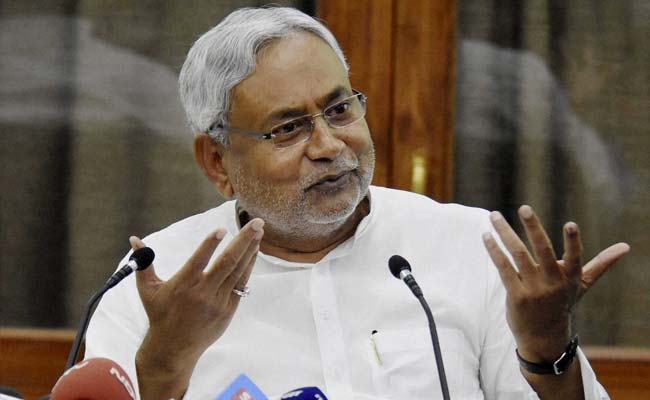
Neetish Kumar asked for decommissioning the Farakka barrage - he thinks that dam is the reason for the floods in Bihar (siltation upstream of Farakka), and he may be right.


The barrage what you claim is being built by BD is not even a peanut to stop Brahmaputra in a possible scenario of release of Brahmaputra water by China. Secondly, once Ganges enters the plane from Himalaya, it travels throughout the plane, and it is not possible to build any big dam in India. Infact, India uses this as water route to transport goods upto Bangladesh. So the theory of India not providing water to BD is baseless. If Pakistan says this, it is understandable as it is possible to stop river water from going to Pakistan which is not possible in case of BD.
 
We are building a dam with catchment area 2.5X than China. Incase China releases all water of its dam, we can hold it and stop it from flooding India and BD area.
As far as I know, China is spending $137 billion to build the dam. If India wants to build a dam twice as large as the Chinese dam, India would require $274 billion. Is India ready to spend that kind of money to build the dam?
 
As far as I know, China is spending $137 billion to build the dam. If India wants to build a dam twice as large as the Chinese dam, India would require $274 billion. Is India ready to spend that kind of money to build the dam?

Give reference of $137 USD spending on one dam.
 
Here is the reference, brother.


India’s Response to World’s Largest Dam in China Faces Local Opposition​

The Siang Upper Multipurpose Project will generate electricity and regulate water flow. But locals are angry about government secrecy over the project.
Rajeev Bhattacharyya

By Rajeev Bhattacharyya
January 08, 2025


India’s Response to World’s Largest Dam in China Faces Local Opposition

Protests against the Siang Upper Multipurpose Project in Arunachal Pradesh, India.

Credit: Special Arrangement

Subscribe for ads-free reading
Strong protests have erupted in the Indian border state of Arunachal Pradesh against a proposed “multi-purpose project” envisioned as the country’s response to China’s plan to construct the world’s largest dam in Tibet on the same river.

India plans to build the Siang Upper Multipurpose Project (SUMP) on the Siang River. The hydropower project will have an installed capacity of 11,000 megawatts. A reservoir capable of storing 9 billion cubic meters of water is expected to regulate the flow of the river to ensure a constant flow even during dry seasons. It is also envisaged as a buffer in case of excess and sudden water releases from dams in China; the idea is that SUMP would prevent flooding in the downstream areas in Arunachal Pradesh and Assam in India, and also Bangladesh.

However, locals are opposed to the project. On December 15, thousands of people peacefully protested in Arunachal Pradesh’s Siang and Upper Siang districts. The immediate cause of the protest was the government’s decision to deploy central and state armed police forces ahead of a pre-feasibility survey for the project.

The protests have intensified as a section of the local population believes that the feasibility survey is being conducted secretly. Protestors submitted a petition to the government registering their opposition to the survey and construction of SUMP. They also made a case for a referendum among the population to be affected.

The Siang River originates in Tibet, where it is called the Yarlung Tsangpo. After entering Arunachal Pradesh, it flows down to Assam and is joined by other rivers to form the Brahmaputra. The transboundary river then enters Bangladesh and, after joining the Ganges, goes on to empty its waters in the Bay of Bengal.

Protests against SUMP are not new. They began as early as 2017 when the government announced its plans for the project. The Forum for Siang Dialogue and other civil society organizations had condemned the proposal as a “mad rush and weird dream of making money.”

More recently, on August 31 and October 5 of 2024, protestors hit the streets in several towns in Arunachal to voice their disapproval of SUMP.

During a consultative meeting with government representatives, local civil society organizations expressed their fears of large-scale displacement by the project. “Besides the adverse environmental impact, there will be a demographic change in the region due to the influx of outsiders. The fear among the local populace is very genuine,” said Ebo Mili, lawyer and environmental activist, who was an active participant in the recent protests. Mili was arrested in July along with another activist for their opposition to hydroelectric (hydel) dams in the state.

The government’s earlier plans for dams on the river — the Lower Siang (2,700 megawatts) and the Upper Siang hydroelectric project (3,750 megawatts) — had already sparked resistance that has continued intermittently since then.

An activist who spoke to The Diplomat on condition of anonymity said that “the capacity of the hydel projects was expanded to 11,000 megawatts without proper studies. This is bound to fuel protests.”


PKDefense Forums: Country-by-Country Military Discussions

Log In Register to Post
Videos
Back