War Archive
Saif
Senior Member
- Jan 24, 2024
- 21,100
- 9,688
- Nation

- Residence
- Axis Group

War of attrition or for regime change?
The much-anticipated attack on Iran by the US finally took place last Saturday morning when people on the streets of Tehran, the country's capital, were on their way to work. But it was not only in Tehran, the attacks were carried out across the nation. As the air strike hit an elementary girls' sc
War of attrition or for regime change?
SYED FATTAHUL ALIM
Published :
Mar 02, 2026 00:03
Updated :
Mar 02, 2026 00:03

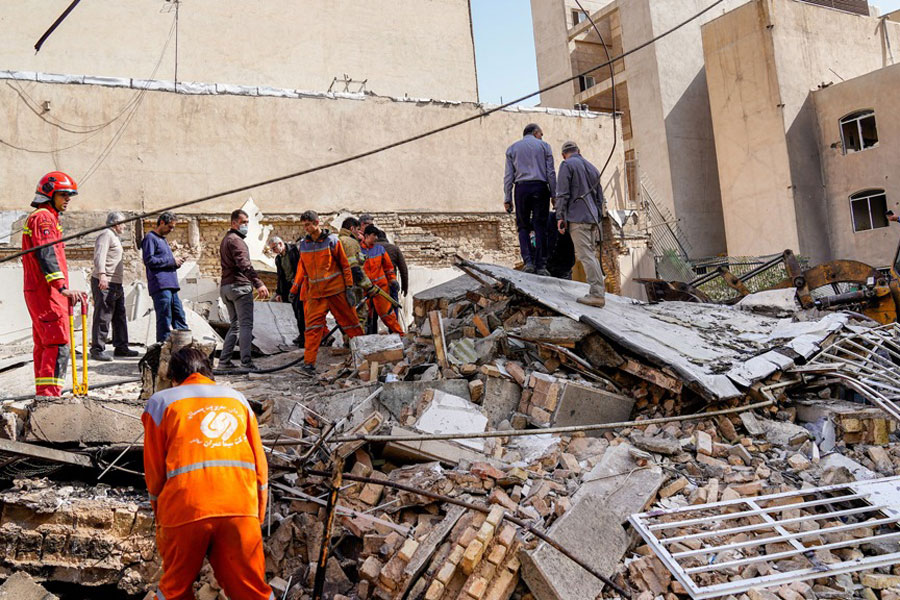
The much-anticipated attack on Iran by the US finally took place last Saturday morning when people on the streets of Tehran, the country's capital, were on their way to work. But it was not only in Tehran, the attacks were carried out across the nation. As the air strike hit an elementary girls' school in Minab, a city in the Hormozgan province of southern Iran, a large number of children were killed (some 148 in one estimate) setting a usual pattern of targeting children in the recent wars in Gaza and other places in Palestine. Apart from the elementary school casualties, according to Iran's Red Cross society, till Sunday morning more than 200 people died in US-Israeli attacks on Iran. Also, according to Iran's foreign ministry, a range of military and defence installations as well as civilian infrastructures in different cities was also included in the US-Israeli air campaign. Obviously, the target was to decapitate Iran's entire leadership structure including the supreme leader, Ayatollah Ali Khameini, (who Iran later confirmed was killed along with his daughter, son-in-law, grandson, in the attack) and other top Iranian military leaders and thus effect a regime change. US president Donald Trump had explicitly stated this in a post on the social media saying: "Our objective is to defend American people by eliminating imminent threats from the Iranian regime'. President Trump's declaration of war has a familiar ring to it as we heard similar utterances from the former US president George W. Bush, who in March 2003 initiated military operations against Iraq arguing that it (Iraq) possessed weapons of mass destruction (WWMD). But at the end of the war that destroyed Iraq, no trace of WWMD could be found in that country.
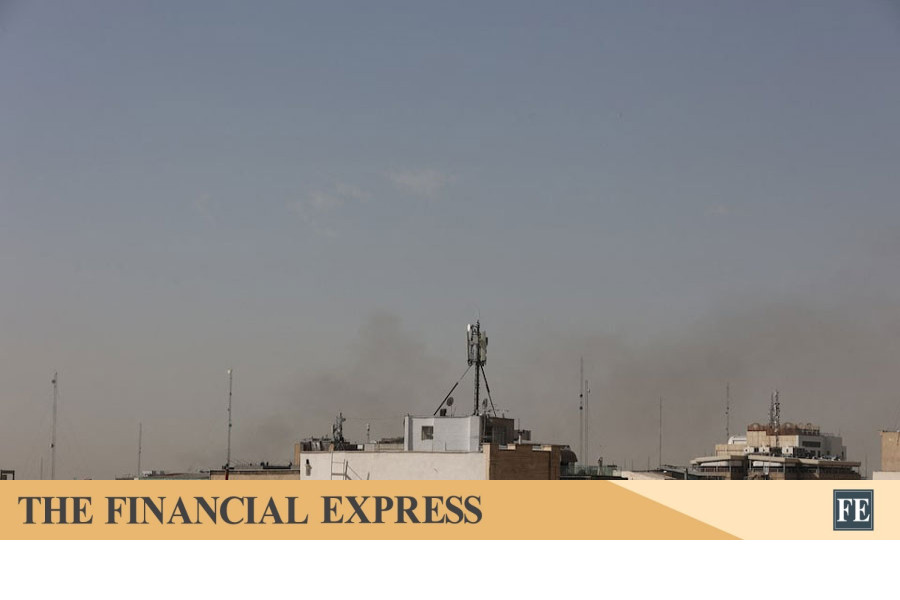
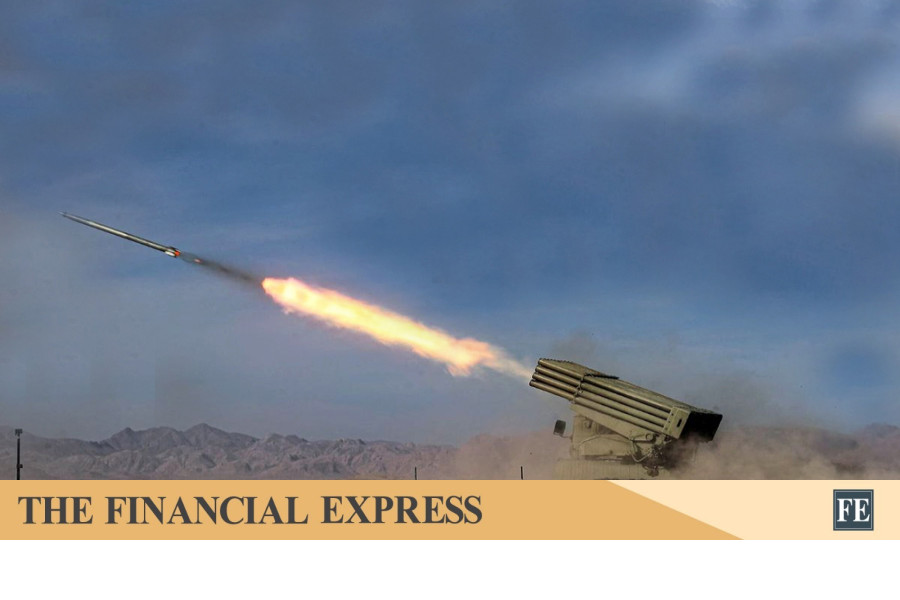
Anyway, under whatever pretext that was handy, an ancient land considered the 'cradle of civilization' was bombed to smithereens. To all appearances, it is now the turn of Iran, another seat of what was known as Persian civilization whose root dates back to 4000-3200 BCE. It sounds like the Mongol invasion of Baghdad in the beginning (January-February) of the year 1258 that put an end to the Islamic Golden Age. It can also be compared to the sacking of Rome by the barbarian Visigoths in August, 410. Evidently, the air campaign by US-Israel was massive as it hit 20 of Iran's 31 provinces. Actually, Israel started the attack and in coordination with Israel, the US followed suit. As it was the case with June 2025's twelve-day war, the combined US-Israel bombing campaign against Iran came amid negotiations between the US and Iran over limiting the latter's so-called nuclear ambition. But Iran has been consistently denying the allegation that it was developing a nuclear weapon. Clearly, as before, the talks on the so-called nuclear issue were a ruse to catch Iran off guard with the air attacks and other activities of sabotage within the country. But this time Iran could respond rather within hours in kind through launching a missile barrage on Israel and the US military bases in the Gulf region. Evidently, the joint US-Israel attacks on Iran led to a large number of civilian casualties. The objective of the attack codenamed,'Operation Epic Fury', by the US as announced by President Trump is what he said was to defend the American people by eliminating imminent threats from the Iranian regime. What are the threats from Iran? As president Trump claimed, Iran was pursuing a nuclear weapons programme. But they (Iran) can never have a nuclear weapon, Trump declared. Interestingly following the June, 2025's US attack on Iran using B-2 bombers, Trump claimed that Iran's nuclear capabilities were 'obliterated'. So, one wonders how could Iran within a few months of 'obliteration' of its nuclear programme develop or was on the verge of developing a nuclear weapon? It reminds one of the famous story of the Aesop fable, 'The Wolf and the Lamb' where the wolf was looking for an excuse to eat the lamb by making an accusation that the lamb muddied the spring water he (the wolf) was drinking, though the lamb was drinking from a spot in the downstream of the spring.
Now whatever the excuses of the renewed military campaign against Iran by US president Trump and the Israeli premier Benjamin Netanyahu, how close are they to achieve their much-trumpeted target of 'regime change' in Iran? That is more so when Iran's supreme leader along with some of his descendants have been killed, a report that Irani state media itself confirmed? It appears, even with decapitation of Iran's supreme leader, the regime is still intact. Otherwise, how could the country's armed forces launch a series of vicious missile attacks against Israel and US military bases in the region? Even so, Israel claimed what it termed 'very high success' in eliminating Iran's leadership saying that along with the Ayatollah, it also killed Iran's president Masoud Pezeshkian, General Mohammad Pakpour, a commander in Iran's Islami Military Guard Corps, Ali Shamkhani, adviser to the supreme leader and Amir Nasirzadeh, Iran's defence minister. However, except the death of Ayatollah, Iran has not confirmed thus far all the deaths as claimed by Israel. Despite the initial setback caused by the supreme leader's death, which Irani people did not celebrate, but protested and defying the attacks took to the streets in thousands. It shows that the majority of the population is still behind the regime. But the question is how long can Iran stand the sustained air campaign and missile attacks from the US strike force in the sea as well as from land bases. Now the US president's target is to end the war quickly through a regime change in Iran. But what if Iran refuses to capitulate and a war of attrition starts? In that case, the US would be caught in a long-drawn war as it happened in the case of recent Afghan war or the Vietnam war of the 1960s? Notably, there was little domestic support for the Iran war except for few war-hawks in the administration and among the Atlanticist circles. But it would be too early to predict what turn Iran war might finally take.
SYED FATTAHUL ALIM
Published :
Mar 02, 2026 00:03
Updated :
Mar 02, 2026 00:03
The much-anticipated attack on Iran by the US finally took place last Saturday morning when people on the streets of Tehran, the country's capital, were on their way to work. But it was not only in Tehran, the attacks were carried out across the nation. As the air strike hit an elementary girls' school in Minab, a city in the Hormozgan province of southern Iran, a large number of children were killed (some 148 in one estimate) setting a usual pattern of targeting children in the recent wars in Gaza and other places in Palestine. Apart from the elementary school casualties, according to Iran's Red Cross society, till Sunday morning more than 200 people died in US-Israeli attacks on Iran. Also, according to Iran's foreign ministry, a range of military and defence installations as well as civilian infrastructures in different cities was also included in the US-Israeli air campaign. Obviously, the target was to decapitate Iran's entire leadership structure including the supreme leader, Ayatollah Ali Khameini, (who Iran later confirmed was killed along with his daughter, son-in-law, grandson, in the attack) and other top Iranian military leaders and thus effect a regime change. US president Donald Trump had explicitly stated this in a post on the social media saying: "Our objective is to defend American people by eliminating imminent threats from the Iranian regime'. President Trump's declaration of war has a familiar ring to it as we heard similar utterances from the former US president George W. Bush, who in March 2003 initiated military operations against Iraq arguing that it (Iraq) possessed weapons of mass destruction (WWMD). But at the end of the war that destroyed Iraq, no trace of WWMD could be found in that country.
Anyway, under whatever pretext that was handy, an ancient land considered the 'cradle of civilization' was bombed to smithereens. To all appearances, it is now the turn of Iran, another seat of what was known as Persian civilization whose root dates back to 4000-3200 BCE. It sounds like the Mongol invasion of Baghdad in the beginning (January-February) of the year 1258 that put an end to the Islamic Golden Age. It can also be compared to the sacking of Rome by the barbarian Visigoths in August, 410. Evidently, the air campaign by US-Israel was massive as it hit 20 of Iran's 31 provinces. Actually, Israel started the attack and in coordination with Israel, the US followed suit. As it was the case with June 2025's twelve-day war, the combined US-Israel bombing campaign against Iran came amid negotiations between the US and Iran over limiting the latter's so-called nuclear ambition. But Iran has been consistently denying the allegation that it was developing a nuclear weapon. Clearly, as before, the talks on the so-called nuclear issue were a ruse to catch Iran off guard with the air attacks and other activities of sabotage within the country. But this time Iran could respond rather within hours in kind through launching a missile barrage on Israel and the US military bases in the Gulf region. Evidently, the joint US-Israel attacks on Iran led to a large number of civilian casualties. The objective of the attack codenamed,'Operation Epic Fury', by the US as announced by President Trump is what he said was to defend the American people by eliminating imminent threats from the Iranian regime. What are the threats from Iran? As president Trump claimed, Iran was pursuing a nuclear weapons programme. But they (Iran) can never have a nuclear weapon, Trump declared. Interestingly following the June, 2025's US attack on Iran using B-2 bombers, Trump claimed that Iran's nuclear capabilities were 'obliterated'. So, one wonders how could Iran within a few months of 'obliteration' of its nuclear programme develop or was on the verge of developing a nuclear weapon? It reminds one of the famous story of the Aesop fable, 'The Wolf and the Lamb' where the wolf was looking for an excuse to eat the lamb by making an accusation that the lamb muddied the spring water he (the wolf) was drinking, though the lamb was drinking from a spot in the downstream of the spring.
Now whatever the excuses of the renewed military campaign against Iran by US president Trump and the Israeli premier Benjamin Netanyahu, how close are they to achieve their much-trumpeted target of 'regime change' in Iran? That is more so when Iran's supreme leader along with some of his descendants have been killed, a report that Irani state media itself confirmed? It appears, even with decapitation of Iran's supreme leader, the regime is still intact. Otherwise, how could the country's armed forces launch a series of vicious missile attacks against Israel and US military bases in the region? Even so, Israel claimed what it termed 'very high success' in eliminating Iran's leadership saying that along with the Ayatollah, it also killed Iran's president Masoud Pezeshkian, General Mohammad Pakpour, a commander in Iran's Islami Military Guard Corps, Ali Shamkhani, adviser to the supreme leader and Amir Nasirzadeh, Iran's defence minister. However, except the death of Ayatollah, Iran has not confirmed thus far all the deaths as claimed by Israel. Despite the initial setback caused by the supreme leader's death, which Irani people did not celebrate, but protested and defying the attacks took to the streets in thousands. It shows that the majority of the population is still behind the regime. But the question is how long can Iran stand the sustained air campaign and missile attacks from the US strike force in the sea as well as from land bases. Now the US president's target is to end the war quickly through a regime change in Iran. But what if Iran refuses to capitulate and a war of attrition starts? In that case, the US would be caught in a long-drawn war as it happened in the case of recent Afghan war or the Vietnam war of the 1960s? Notably, there was little domestic support for the Iran war except for few war-hawks in the administration and among the Atlanticist circles. But it would be too early to predict what turn Iran war might finally take.