โ˜• Support Us โ˜•
[๐Ÿ‡ง๐Ÿ‡ฉ] - DGFI and Ayna Ghor | Page 5 | PKDefense

[๐Ÿ‡ง๐Ÿ‡ฉ] DGFI and Ayna Ghor

Reply (Scroll)
Press space to scroll through posts
G Bangladesh Defense
[๐Ÿ‡ง๐Ÿ‡ฉ] DGFI and Ayna Ghor
56
2K
More threads by Saif


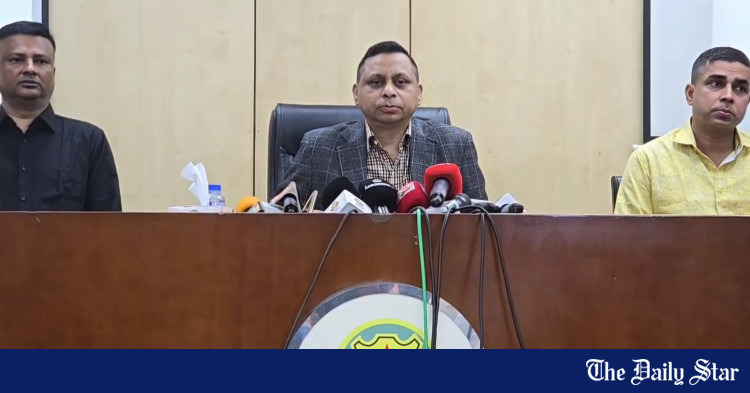
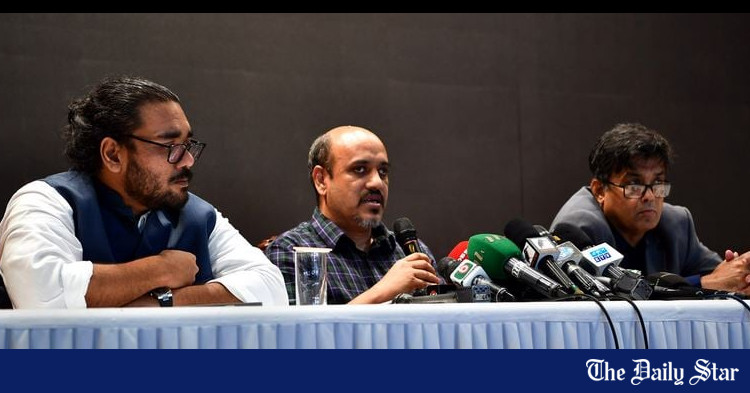
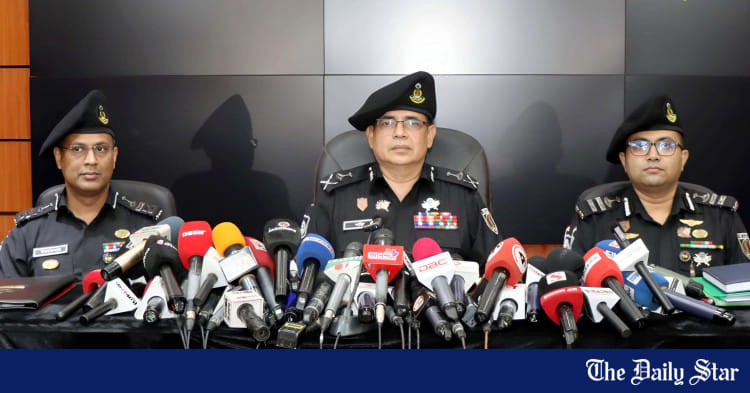
Commission finds more than 8 secret detention centres
Staff Correspondent
Dhaka
Published: 16 Dec 2024, 22: 29

1734396843190.png


The Commission of Inquiry on Enforced Disappearance has found more than eight secret detention facilities where victims of enforced disappearance were kept.

The Directorate General of Forces Intelligence (DGFI), Rapid Action Battalion (RAB) and Counter Terrorism and Transnational Crimes (CTTC) of police, are among the agencies that would operate these detention centres, finds the commission.

Apart from these detention centers, the victims of enforced disappearance would also be kept with legal detainees.

โ€œContrary to the perception that the victims were exclusively held in secret cells, interviews with survivors have revealed that many were detained in cells that also housed legal detainees,โ€ said the report.

โ€œThis overlap of legal and illegal detainees within the same facilities highlights the complexity of their detention circumstances,โ€ it adds.

This information was revealed in the commissionโ€™s interim report.

The commission submitted the report titled 'Unfolding the Truth' to the Chief Adviser at the state guest house Jamuna on Saturday afternoon.

The report said that the commission has so far received 1,676 complaints regarding the disappearances. Out of these, 758 complaints have been verified and sorted out.

The report unveiled a grim picture of how the victims were kept confined in these detention centers without any trace.

โ€œVictims were detained for varying periods, ranging from 48โ€“60 hours to several weeks or months, and in some cases, up to eight years,โ€ the report said.

The commission has been able to map the locations of detention centers through detailed interviews of the living victims.

โ€œIn one instance, a victim described a distinctive door in a facility, allowing us to identify a room that had once been subdivided into three cells, even though the partitions were demolished by the time of our visit. Other evidence at the site, which we documented, corroborated the victim's testimony. Furthermore, these interviews also helped us identify the areas within the same facility where legal detainees were kept. This pattern of shifting detainees between unlawful and lawful cells within the same facility is a key focus of our ongoing inquiry.

It underscores the deliberate attempts to disguise illegal detentions and demonstrates the need for further inquiry into these practices,โ€ said the report.

During this reporting period, the commission conducted visits to twelve offices of various security forces in Dhaka and Chittagong. The purpose of these visits was to inspect interrogation rooms, detention facilities, and equipment; gather information and testimony; and meet with senior officials from law enforcement and security forces.

โ€œAt the time of our visits, some of these facilities were still intact, while others had been destroyed. To safeguard the integrity of our inquiry, the details of these facilities will be disclosed in a future report,โ€ said the report.

The commission said it visited the following offices: DGFI; CTTC; Detective Branch headquarters, Dhaka Metropolitan Police; Detective Branch, Chittagong Metropolitan Police; RAB units 1, 2, 4, 7, and 11, including RAB 2, CPC 3; RAB forces headquarters; Chittagong Central Jail; and the National Security Intelligence, Chittagong division.​
 

เฆถเฆฟเฆ—เฆ—เฆฟเฆฐเฆ‡ เฆ†เงŸเฆจเฆพเฆ˜เฆฐ เฆชเฆฐเฆฟเฆฆเฆฐเงเฆถเฆจเง‡ เฆฏเฆพเฆฌ: เฆชเงเฆฐเฆงเฆพเฆจ เฆ‰เฆชเฆฆเง‡เฆทเงเฆŸเฆพ

1737330418727.png

เฆก. เฆ‡เฆ‰เฆจเง‚เฆธเฅค เฆ›เฆฌเฆฟ: เฆญเฆฟเฆกเฆฟเฆ“ เฆฅเง‡เฆ•เง‡ เฆจเง‡เฆ“เงŸเฆพ

เฆ—เงเฆฎ เฆธเฆ‚เฆ•เงเฆฐเฆพเฆจเงเฆค เฆคเฆฆเฆจเงเฆค เฆ•เฆฎเฆฟเฆถเฆจ (เฆฆเงเฆฏ เฆ•เฆฎเฆฟเฆถเฆจ เฆ…เฆฌ เฆเฆจเฆ•เง‹เงŸเฆพเฆฐเฆฟ เฆ…เฆจ เฆเฆจเฆซเง‹เฆฐเงเฆธเฆก เฆกเฆฟเฆธเฆพเฆชเฆฟเงŸเฆพเฆฐเง‡เฆจเงเฆธ) เฆ†เฆœ เฆฐเง‹เฆฌเฆฌเฆพเฆฐ เฆชเงเฆฐเฆงเฆพเฆจ เฆ‰เฆชเฆฆเง‡เฆทเงเฆŸเฆพ เฆชเงเฆฐเฆซเง‡เฆธเฆฐ เฆฎเงเฆนเฆพเฆฎเงเฆฎเฆฆ เฆ‡เฆ‰เฆจเง‚เฆธเง‡เฆฐ เฆธเฆ™เงเฆ—เง‡ เฆเฆ•เฆŸเฆฟ เฆฌเงˆเฆ เฆ• เฆ•เฆฐเง‡เฆ›เง‡เฆจเฅค

เฆฌเงˆเฆ เฆ•เง‡ เฆชเงเฆฐเฆงเฆพเฆจ เฆ‰เฆชเฆฆเง‡เฆทเงเฆŸเฆพเฆ•เง‡ เฆ—เงเฆฎเง‡เฆฐ เฆ˜เฆŸเฆจเฆพเงŸ เฆคเฆฆเฆจเงเฆคเง‡เฆฐ เฆ…เฆ—เงเฆฐเฆ—เฆคเฆฟ เฆธเฆฎเงเฆชเฆฐเงเฆ•เง‡ เฆœเฆพเฆจเฆฟเงŸเง‡ 'เฆœเงŸเง‡เฆจเงเฆŸ เฆ‡เฆจเงเฆŸเฆพเฆฐเง‹เฆ—เง‡เฆถเฆจ เฆธเง‡เฆฒ' เฆฏเฆพ 'เฆ†เงŸเฆจเฆพเฆ˜เฆฐ' เฆจเฆพเฆฎเง‡ เฆชเฆฐเฆฟเฆšเฆฟเฆคเฆฟ เฆชเง‡เงŸเง‡เฆ›เง‡ เฆธเง‡เฆ—เงเฆฒเง‹ เฆชเฆฐเฆฟเฆฆเฆฐเงเฆถเฆจเง‡เฆฐ เฆ…เฆจเงเฆฐเง‹เฆง เฆœเฆพเฆจเฆฟเงŸเง‡เฆ›เง‡เฆจ เฆ•เฆฎเฆฟเฆถเฆจเง‡เฆฐ เฆธเฆฆเฆธเงเฆฏเฆฐเฆพเฅค

เฆชเงเฆฐเฆงเฆพเฆจ เฆ‰เฆชเฆฆเง‡เฆทเงเฆŸเฆพ 'เฆ†เงŸเฆจเฆพเฆ˜เฆฐ' เฆชเฆฐเฆฟเฆฆเฆฐเงเฆถเฆจ เฆ•เฆฐเฆฒเง‡ เฆ—เงเฆฎเง‡เฆฐ เฆถเฆฟเฆ•เฆพเฆฐ เฆฌเงเฆฏเฆ•เงเฆคเฆฟเฆฐเฆพ เฆ†เฆถเงเฆฌเฆธเงเฆค เฆฌเง‹เฆง เฆ•เฆฐเฆฌเง‡เฆจ เฆ“ เฆ…เฆญเงŸ เฆชเฆพเฆฌเง‡เฆจ เฆฌเฆฒเง‡ เฆœเฆพเฆจเฆพเฆจ เฆคเฆพเฆฐเฆพเฅค

เฆชเงเฆฐเฆงเฆพเฆจ เฆ‰เฆชเฆฆเง‡เฆทเงเฆŸเฆพเฆฐ เฆชเงเฆฐเง‡เฆธ เฆ‰เฆ‡เฆ‚ เฆฅเง‡เฆ•เง‡ เฆฆเง‡เฆ“เงŸเฆพ เฆฌเฆพเฆฐเงเฆคเฆพเงŸ เฆเฆ‡ เฆคเฆฅเงเฆฏ เฆœเฆพเฆจเฆพเฆจเง‹ เฆนเงŸเฅค

เฆ†เฆœ เฆฌเงˆเฆ เฆ•เง‡ เฆ•เงŸเง‡เฆ•เฆŸเฆฟ เฆ—เงเฆฎเง‡เฆฐ เฆ˜เฆŸเฆจเฆพเฆฐ เฆจเงƒเฆถเฆ‚เฆธ เฆฌเฆฐเงเฆฃเฆจเฆพเฆ“ เฆชเงเฆฐเฆงเฆพเฆจ เฆ‰เฆชเฆฆเง‡เฆทเงเฆŸเฆพเฆ•เง‡ เฆœเฆพเฆจเฆฟเงŸเง‡เฆ›เง‡เฆจ เฆ—เงเฆฎ เฆธเฆ‚เฆ•เงเฆฐเฆพเฆจเงเฆค เฆคเฆฆเฆจเงเฆค เฆ•เฆฎเฆฟเฆถเฆจเฅค เฆเฆฎเฆจเฆ•เฆฟ เฆ›เงŸ เฆฌเฆ›เฆฐเง‡เฆฐ เฆถเฆฟเฆถเงเฆ•เง‡เฆ“ เฆ—เงเฆฎเง‡เฆฐ เฆฌเฆฐเงเฆฃเฆจเฆพ เฆ•เฆฎเฆฟเฆถเฆจเง‡เฆฐ เฆคเฆฆเฆจเงเฆคเง‡ เฆ‰เฆ เง‡ เฆเฆธเง‡เฆ›เง‡ เฆฌเฆฒเง‡ เฆœเฆพเฆจเฆพเฆจ เฆคเฆพเฆฐเฆพเฅค

เฆชเงเฆฐเฆงเฆพเฆจ เฆ‰เฆชเฆฆเง‡เฆทเงเฆŸเฆพ เฆ•เฆฎเฆฟเฆถเฆจเง‡เฆฐ เฆ†เฆนเงเฆฌเฆพเฆจเง‡ เฆธเฆพเงœเฆพ เฆฆเฆฟเงŸเง‡ เฆฌเฆฒเง‡เฆจ, 'เฆ†เฆชเฆจเฆพเฆฆเง‡เฆฐ เฆคเฆฆเฆจเงเฆคเง‡ เฆฏเง‡ เฆ˜เฆŸเฆจเฆพเฆ—เงเฆฒเง‹ เฆ‰เฆ เง‡ เฆเฆธเง‡เฆ›เง‡ เฆคเฆพ เฆ—เฆพ เฆถเฆฟเฆ‰เฆฐเง‡ เฆ“เฆ เฆพเฆฐ เฆฎเฆคเง‹เฅค เฆ†เฆฎเฆฟ เฆถเฆฟเฆ—เฆ—เฆฟเฆฐเฆ‡ เฆ†เงŸเฆจเฆพเฆ˜เฆฐ เฆชเฆฐเฆฟเฆฆเฆฐเงเฆถเฆจเง‡ เฆฏเฆพเฆฌเฅค'

เฆฐเง‹เฆฌเฆฌเฆพเฆฐ เฆฐเฆพเฆทเงเฆŸเงเฆฐเง€เงŸ เฆ…เฆคเฆฟเฆฅเฆฟเฆญเฆฌเฆจ เฆฏเฆฎเงเฆจเฆพเงŸ เฆฌเฆฟเฆ•เง‡เฆฒ เฆธเฆพเงœเง‡ เงซเฆŸเฆพเงŸ เฆฌเงˆเฆ เฆ•เฆŸเฆฟ เฆ…เฆจเงเฆทเงเฆ เฆฟเฆค เฆนเงŸเง‡เฆ›เง‡เฅค​
 

Chief Adviser to visit โ€˜Aynaghorโ€™ soon
BSS
Published :
Jan 19, 2025 20:16
Updated :
Jan 19, 2025 20:16

1737332862893.png

Chief Adviser Dr Muhammad Yunus on Sunday met with the members of the Commission for Inquiry on Enforced Disappearances at the State Guest House Jamuna, Dhaka. Photo : โ€˜Chief Adviser GOBโ€™ Facebook page

Chief Adviser Dr Muhammad Yunus will visit the โ€˜Aynagarโ€™ soon.

Dr Yunus said this after a meeting with the members of the Commission for Inquiry on Enforced Disappearances at the State Guest House Jamuna this afternoon.

Informing the Chief Adviser about the progress of the investigation into the cases of enforced disappearances, the members of the commission requested him to visit the โ€˜Joint Interrogation Cellโ€™, known as โ€˜Aynahgor (Mirror House)โ€™.

They said if the Chief Adviser visits the โ€˜Aynaghorโ€™, the victims of disappearances will feel free and and safe.

In the meeting, the Commission also gave the Chief Adviser descriptions about brutal torture on some of the victims of enforced disappearances.

They said even disappearance of a six-year-old child was revealed during the investigation.

Responding to the commissionโ€™s call, Chief Adviser Prof Yunus said, the stories which came in light during the investigation of the commission are shocking.

Dr yunus said he would visit the โ€˜Aynaghorโ€™ soon.​
 

Victimsโ€™ visit to Aynaghar with Yunus uncertain
Staff Correspondent 06 February, 2025, 20:58

1738885441750.png


Nagarik Samabesh holds a protest rally with several demands, including the access of the victim families and journalists to secret detention centres, in front of the National Museum at Shahbagh in Dhaka on Thursday. | Focus Bangla photo

Uncertainty looms over the inclusion of the victims of enforced disappearances in the team that will accompany chief adviser Professor Muhammad Yunus during his visit to secret detention centres in the capital.

An advisory council meeting on Thursday decided that the chief adviser would visit the secret detention centres, commonly known as Aynaghar, at the earliest with the local and foreign journalists, said a press release issued by the chief adviserโ€™s press wing on Thursday.

The press release, however, mentioned nothing about the victims during the visit though the Commission of Inquiry on Enforced Disappearance and the members of civil society demanded to allow the victims during the visit.

The chief adviserโ€™s visit to Aynaghar was initially scheduled for February 3 but it was stalled as the Commission of Inquiry on Enforced Disappearance was unwilling to accompany him during the visit without victims, according to the commission members.

The secret detention centres include Rapid Action Battalion Headquartersโ€™ Taskforce for Interrogation, RAB-2 Crime Prevention Company-3, and Directorate General of Forces Intelligenceโ€™s Joint Interrogation Cell which is popularly known as Aynaghar, they said.

The commissionโ€™s member Sazzad Hossain told New Age on Thursday that the commission would not go to visit Aynaghar with the chief adviser without taking the victims with them.

In the final week of January, the Chief Adviserโ€™s Office informed the commission that it would not allow victims of the enforced disappearances during the chief adviserโ€™s Aynaghar visit, the commission members added.

โ€˜We sent a letter to the interim government on January 29 informing that we would not join the visit if the victims of enforced disappearances were not included. We prepared a list of six victims for the visit,โ€™ the commissionโ€™s member Sazzad Hossain told New Age on Wednesday.

The letter also said that the commissionโ€™s neutrality would be in question if it visited the Aynaghar without taking the victims with them.

โ€˜We think that the victims, who were in the secret detention centres, should be included in the team to accompany the chief adviser during his Aynagar visit for identifying the perpetrators, cells and their experiences,โ€™ Sanjida Islam Tulee, co-founder of Maayer Daak, a platform of families of enforced disappearance victims, said.

On Thursday, a group of civil society members and enforced disappearance victims under the banner of โ€˜Voice of Enforced Disappeared Personsโ€™ at a rally in front of the National Museum at Shahbagh demanded the access of enforced disappearance victims and journalists to visit the secret detention centres.

The commission has recorded over 1,700 incidents of enforced disappearances that occurred during the Awami League regime between January 6, 2009 and August 5, 2024, according to the members of the commission.

On December 14, the Commission of Inquiry on Enforced Disappearance in its first interim report submitted to the chief adviser found prima facie involvement of the deposed prime minister Sheikh Haisna and some high-ranking officials of security forces and her government, including her defence adviser retired Major General Tarique Ahmed Siddique, in enforced disappearances.

The interim government formed the commission after assuming power on August 8, three days after the ouster of Awami League regime on August 5 amid a student-led mass uprising.

The commission estimates that the number of enforced disappearances in the country will cross 3,500.​
 

Chief Advisor Yunus to visit notorious 'Ayna Ghor' detention site soon
bdnews24.com
Published :
Feb 07, 2025 00:35
Updated :
Feb 07, 2025 00:35

1738887341326.png


Chief Advisor Muhammad Yunus is set to visit the Directorate General of Forces Intelligence or DGFIโ€™s controversial interrogation facility, widely known as โ€œAyna Ghorโ€, in the coming days.

The Chief Advisorโ€™s Office announced the decision following a meeting of the interim cabinet on Thursday.

While no exact date has been specified, the statement confirms he will visit โ€œas soon as possibleโ€ and will be accompanied by journalists.

Yunus had earlier expressed his intention during a meeting with the Commission on Enforced Disappearances on Jan 19 to visit Ayna Ghor.

The commission briefed him on the progress of its investigations and urged him to inspect the facility, known officially as the Joint Interrogation Cell.

The commission argued that his visit would offer reassurance to victims and their families.

News of the planned visit raised expectations among survivors and relatives, who hoped to be part of the delegation.

However, Netra News reported on Wednesday that military authorities have objected to the presence of journalists and survivors, effectively stalling the visit.

Citing four officials, Netra News reported that the Army Headquarters opposed allowing media and survivors inside Ayna Ghor, fearing it could โ€œdamage the armyโ€™s reputationโ€.

The investigative outlet also revealed that the Commission on Enforced Disappearances had issued a formal memo to the government in late January, warning that they would cancel their own scheduled Ayna Ghor visit on Feb 3 if survivors were barred from joining.

The memo, quoted in the report, stated: "Excluding survivors from the visit would violate their legal rights. A visit without them would be ineffective."

The decision for the chief advisorโ€™s visit was finalised amid ongoing debates over these concerns during Thursdayโ€™s Council of Advisors meeting.

During the Awami League governmentโ€™s tenure, numerous opposition figures were allegedly abducted and detained in secret locations without trial.

These shadowy detention sites became known as Aynaghar, or house of mirrors.

Some detainees returned to their families with harrowing accounts of torture, while many remain missing.

The interim governmentโ€™s Commission on Enforced Disappearances has identified several such facilities run by different security forces.

"The 'Ayna Ghor' is within the compound of the DGFI. It's a two-storey building with 20 to 22 cells on the ground floor. There are a few rooms on the second floor. It is called 'Ayna Ghor' on social media but basically it's a joint interrogation cell, commission chief retired High Court judge Moinul Islam Chowdhury said on Oct 3, 2024.

In the Jan 19 meeting, commission members detailed brutal cases, including the enforced disappearance of a 6-year-old child.

In response, Yunus acknowledged the severity of the findings, saying: "The cases uncovered in your investigation are chilling. I will visit Ayna Ghor soon.โ€​
 

Yunus visits secret detention centres

1739343157423.png

Photo: BSS

Chief Adviser Muhammad Yunus and his team are visiting secret detention centres, commonly known as "Aynaghar," (house of mirrors) where people were forcibly disappeared.

They have already toured the Joint Interrogation Cell under the Directorate General of Forces Intelligence and the cells inside CPC-3 under Rab-2.

Currently, they are on their way to the Taskforce Intelligence Center inside the Rab headquarters.

Yunus is accompanied by two internal media outlets, foreign media outlets and a select group of victims, CA press wing told The Daily Star.

However, the broader community of victims and survivors has not been included.

Meanwhile, Mayer Daak, a platform representing families of victims of enforced disappearances, staged a protest in front of its Shaheenbagh office, saying that victims continue to be deprived of justice.

"It was our demand that all Aynagharbe opened to the victims and the families of the victims. But we are still being stonewalled. Those who have perpetrated the crimes, are still being protected," said Sanjida Islam Tulee, convenor of Mayer Daak.​
 

Aynaghar sample of ousted AL govtโ€™s brutality: Yunus
Bangladesh Sangbad Sangstha . Dhaka 12 February, 2025, 21:44

1739403184499.png

Chief adviser Professor Muhammad Yunus, along with advisers Asif Mahmud, Mahfuj Alam, Asif Nazrul and others, inspects an electric chair in a torture cell named Aynaghar, which had been previously used as secret detention centres, in Dhakaโ€™s Agargaon area on Wednesday. | Star Mail photo

Describing the Aynaghar, secret torture cells, as horrific, chief adviser professor Muhammad Yunus on Wednesday said that the deposed Awami League government had established the age of brutality in all sectors and the Aynaghar was the sample of it.

โ€˜Aynaghar is the sample of how the previous government established Al-Jahiliyyah [the Age of Ignorance] in all sectors,โ€™ he told after visiting three spots of Aynaghar, the notorious secret prison during the era of fallen Sheikh Hasinaโ€™s government, in Dhaka.

Briefing media at foreign service academy in Dhaka, chief adviserโ€™s press secretary Shafiqul Alam said that professor Yunus mentioned that what he witnessed during his visit to Aynaghar was โ€˜beggar descriptionโ€™, terming it as a โ€˜horrible sceneโ€™ which was far away from humanity.

โ€˜How many victims described their ordeal to me seemed unbelievable...how many [victims of enforced disappearance] and how much I listened seemed unbelievable,โ€™ Alam said, quoting the chief adviser as saying.

Yunus said that despite having no fault, the victims of enforced disappearance were tortured by confining them in Aynaghar. โ€˜Is it our society? Had we built this society?โ€™ he questioned.

The victims, he said that were put in such chambers which were smaller than chicken hoops and they were confined and tortured there for consecutive months. The victims were deprived of their minimum rights, he added.

โ€˜This was an offense of all of us. We allowed it to happen,โ€™ the chief adviser said, adding that if the society could not be brought out of the absolute form of repression, it would not sustain.

Expressing his gratitude to the commission of inquiry on enforced disappearances for publishing its report, he said that it was an important document for the nation and called for inclusion the issue in textbooks.

Yunus reiterated that all those involved in the incidents of enforced disappearance would be brought to justice.

Advisers Asif Nazrul, Syeda Rizwana Hasan, Adilur Rahman Khan, Asif Mahmud, Mahfuj Alam and Nahid Islam, among others, were present.

Members of the commission of inquiry on enforced disappearances, victims, local and international media accompanied the chief adviser during the visit in the spots in Dhakaโ€™s Agargaon, Kachukhet and Uttara areas.

Speaking at the media briefing, Shafiqul Alam said that professor Yunus visited every secret torture cell of Aynaghar, while victims of enforced disappearance described the ordeal they faced during their detention there.

He said that there were 700 to 800 Aynaghars across the country and all those would be unearthed.

Chief adviserโ€™s deputy press secretaries Apurba Jahangir and Abul Kalam Azad Majumder, senior assistant press secretary Foyez Ahammad and assistant press secretary Suchismita Tithi were present at the briefing.​
 

Bangladesh interim govt chief visits Aynaghor in Dhaka
Bangladesh Sangbad Sangstha . Davos 12 February, 2025, 14:13

1739404564655.png


A victim narrates his ordeal to chief adviser Professor Muhammad Yunus at Aynaghar (secret prison), in Dhakaโ€™s Uttara on Wednesday. | CA press wing

Bangladesh interim government chief adviser Professor Muhammad Yunus on Wednesday visited three spots of Aynaghor, the notorious secret prison during the era of fallen Sheikh Hasinaโ€™s government, in Dhaka.

Professor Yunus visited three spots in Dhaka that were previously used as torture cells and secret prisons, Chief Adviserโ€™s Deputy Press Secretary Abul Kalam Azad said.

Members of advisory council, members of the Commission of Inquiry on Enforced Disappearances, victims, local and international media personnel accompanied him during the visit to the spots located in Dhakaโ€™s Agargaon, Kachukhet and Uttara areas.​
 

Members Online

No members online now.

Latest Posts

Latest Posts