Bangladesh Defense
Saif
Senior Member
- Jan 24, 2024
- 21,704
- 9,794
- Nation

- Residence
- Axis Group

The farce of fixing LPG prices
For millions of households already grappling with surging inflation, the sharp increase in the price of liquefied petroleum gas (LPG) - an essential cooking fuel - could not have come at a worse time. Adjusted monthly in line with international market trends, LPG prices witnessed the steepest singl
The farce of fixing LPG prices
Atiqul Kabir Tuhin
Published :
Apr 05, 2026 00:22
Updated :
Apr 05, 2026 00:22

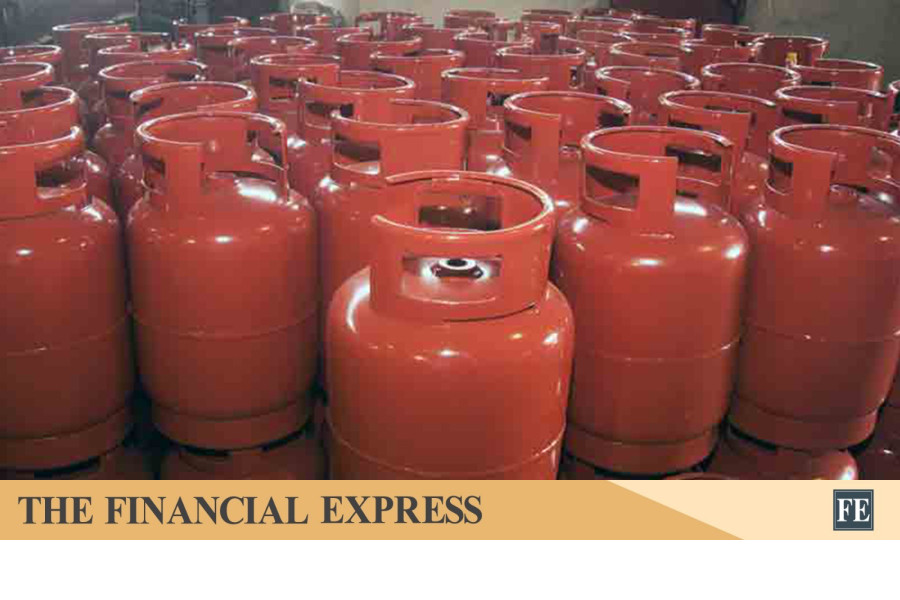
For millions of households already grappling with surging inflation, the sharp increase in the price of liquefied petroleum gas (LPG) - an essential cooking fuel - could not have come at a worse time. Adjusted monthly in line with international market trends, LPG prices witnessed the steepest single-month increase in the country's history in April.The surge has been driven by lingering war in the Middle East, which has disrupted global energy markets. Just last month, prices were set based on an import cost of $542 per tonne; this has now jumped to around $783. The country is almost entirely dependent on imports to meet the growing demand for cylinder gas. This heavy dependence on import makes domestic prices highly vulnerable to international shocks. However, when tough policy decisions become unavoidable, ensuring fair market practices becomes critical.
This is where the system is apparently failing. The irony of the LPG pricing mechanism is that even though the Bangladesh Energy Regulatory Commission (BERC) routinely fixes LPG prices, it appears to exercise little to no control over how these prices are implemented at the consumer level. For example, the 12 kg LPG cylinder, which is the most widely used, is now fixed at Tk 1,728 after a Tk 387 increase. But it is not available in the market at the government fixed rate. Even before the latest price adjustment, 12 kg LPG cylinders were being sold in the market at Tk 2,050 to Tk 2,200. There is no uniform pricing-while in some areas a 12 kg cylinder costs around Tk 2,000, in others it goes up to Tk 2,500. Retailers are charging as much as they can. Thus the government's LPG pricing framework has virtually become a cruel fun with the consumers already grappling with high inflation.
Over the last one decade or so, LPG has become an essential cooking fuel for millions of households across the country. As domestic natural gas reserves dwindle, authorities have been encouraging domestic use of LPG as an alternative. New residential gas connection has remained suspended for years, and is unlikely to resume in the foreseeable future. Even many households that still have pipeline connections are forced to keep LPG cylinders on standby, as stoves connected to the grid remain dry for the better part of the day. As a result, cylinder gas has become an essential part of daily life, from rural villages to major cities. However, the recent volatility in the LPG market, coupled with private sector dominance and rampant profiteering, has exposed how people have been made dependent on a commodity over which the government has no effective control.
For low- and middle-income families, the rising price of LPG is all the more painful. The latest hike will only intensify financial strain, particularly for those already struggling with the rising cost of essentials. The added cost frequently forces them to cut back on essential expenditures and reduce consumption in order to cope. The impact extends beyond households. As cooking fuel becomes more expensive, food prices in restaurants are also rising, adding another layer of pressure on consumers.
There is no denying the constraints the government faces. Global energy prices are volatile, and fiscal space is limited. However, even within these limitations, there is scope for more effective intervention. Measures such as fast-tracking the government-to-government (G2G) import, streamlining the local distribution channel and ensuring stricter enforcement of fixed prices could help shield ordinary people from the mounting inflationary pressure.
Atiqul Kabir Tuhin
Published :
Apr 05, 2026 00:22
Updated :
Apr 05, 2026 00:22
For millions of households already grappling with surging inflation, the sharp increase in the price of liquefied petroleum gas (LPG) - an essential cooking fuel - could not have come at a worse time. Adjusted monthly in line with international market trends, LPG prices witnessed the steepest single-month increase in the country's history in April.The surge has been driven by lingering war in the Middle East, which has disrupted global energy markets. Just last month, prices were set based on an import cost of $542 per tonne; this has now jumped to around $783. The country is almost entirely dependent on imports to meet the growing demand for cylinder gas. This heavy dependence on import makes domestic prices highly vulnerable to international shocks. However, when tough policy decisions become unavoidable, ensuring fair market practices becomes critical.
This is where the system is apparently failing. The irony of the LPG pricing mechanism is that even though the Bangladesh Energy Regulatory Commission (BERC) routinely fixes LPG prices, it appears to exercise little to no control over how these prices are implemented at the consumer level. For example, the 12 kg LPG cylinder, which is the most widely used, is now fixed at Tk 1,728 after a Tk 387 increase. But it is not available in the market at the government fixed rate. Even before the latest price adjustment, 12 kg LPG cylinders were being sold in the market at Tk 2,050 to Tk 2,200. There is no uniform pricing-while in some areas a 12 kg cylinder costs around Tk 2,000, in others it goes up to Tk 2,500. Retailers are charging as much as they can. Thus the government's LPG pricing framework has virtually become a cruel fun with the consumers already grappling with high inflation.
Over the last one decade or so, LPG has become an essential cooking fuel for millions of households across the country. As domestic natural gas reserves dwindle, authorities have been encouraging domestic use of LPG as an alternative. New residential gas connection has remained suspended for years, and is unlikely to resume in the foreseeable future. Even many households that still have pipeline connections are forced to keep LPG cylinders on standby, as stoves connected to the grid remain dry for the better part of the day. As a result, cylinder gas has become an essential part of daily life, from rural villages to major cities. However, the recent volatility in the LPG market, coupled with private sector dominance and rampant profiteering, has exposed how people have been made dependent on a commodity over which the government has no effective control.
For low- and middle-income families, the rising price of LPG is all the more painful. The latest hike will only intensify financial strain, particularly for those already struggling with the rising cost of essentials. The added cost frequently forces them to cut back on essential expenditures and reduce consumption in order to cope. The impact extends beyond households. As cooking fuel becomes more expensive, food prices in restaurants are also rising, adding another layer of pressure on consumers.
There is no denying the constraints the government faces. Global energy prices are volatile, and fiscal space is limited. However, even within these limitations, there is scope for more effective intervention. Measures such as fast-tracking the government-to-government (G2G) import, streamlining the local distribution channel and ensuring stricter enforcement of fixed prices could help shield ordinary people from the mounting inflationary pressure.