Bangladesh Defense
Saif
Senior Member
- Jan 24, 2024
- 21,704
- 9,794
- Nation

- Residence
- Axis Group


What is the path to overcoming crisis and achieving energy security?
Due to the war in the Middle East, major disruptions in the global energy supply have occurred. Energy is now not only crucial for the economy but also a significant geopolitical issue. As a result, various countries around the world are at risk of energy crises. However, the current energy...
 en.prothomalo.com
What is the path to overcoming crisis and achieving energy security?
Fahmida Khatun
Due to the war in the Middle East, major disruptions in the global energy supply have occurred. Energy is now not only crucial for the economy but also a significant geopolitical issue. As a result, various countries around the world are at risk of energy crises. However, the current energy crisis did not appear suddenly. In 2021, as the global economy started to recover post-COVID-19 pandemic, the demand for energy rapidly increased, but the supply did not rise correspondingly. The situation became even more difficult when the Ukraine war began in 2022. After the war in the Middle East started on 28 February this year, the situation worsened further.
The global situation has impacted Bangladesh's current energy crisis. However, blaming external factors alone does not provide the complete picture; instead, the global crisis has exposed the longstanding weaknesses in our energy sector more clearly.
Sufficient investment has not been made in gas exploration in the country. Production from existing gas fields is declining, and dependency on imported energy has increased. There has not been enough diversification in energy sources. There are weaknesses in the transmission and distribution of gas and electricity as well. The use of renewable energy has not increased significantly. Although electricity generation capacity has increased, adequate fuel arrangements have not been made to run power plants. As a result, Bangladesh faces not only a fuel shortage but also energy security issues.
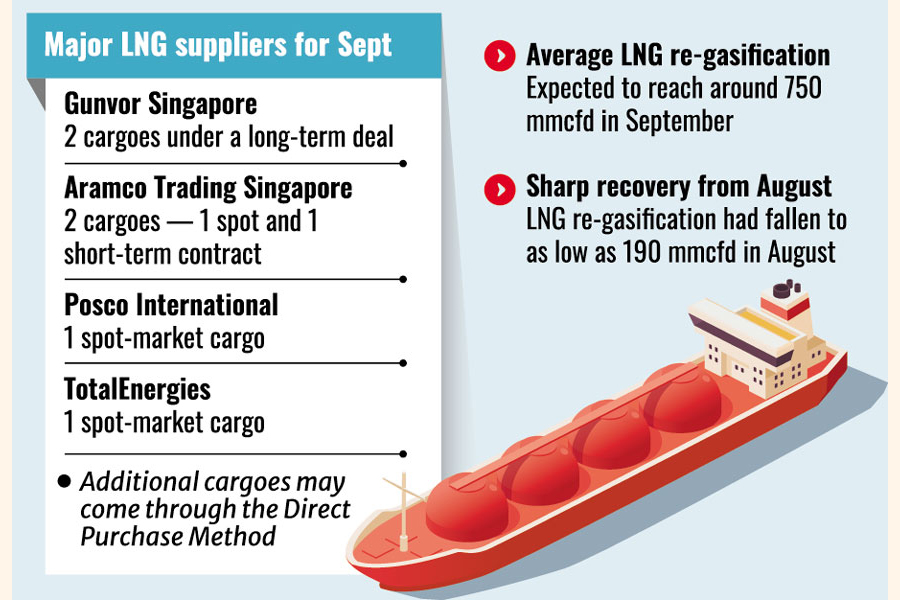
At one time, Bangladesh's economy benefited from cheap domestic natural gas. Large portions of electricity, fertilizer, industries, and household needs were met by domestic gas. However, gas production has been declining for several years. Now LNG (Liquefied Natural Gas) has to be imported to fill this gap. Imported LNG is expensive, and its supply is uncertain. If international market prices rise or there are supply chain issues, Bangladesh is directly affected.
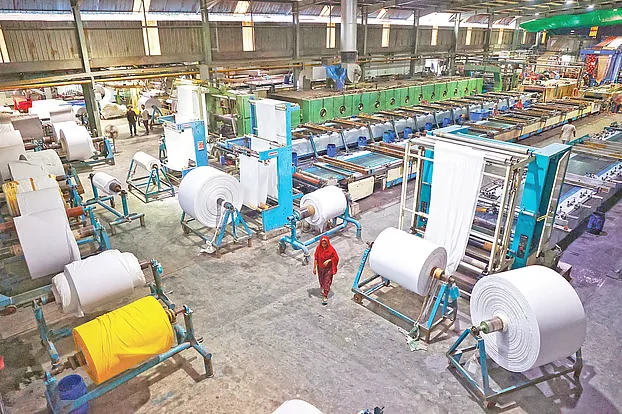
The economic costs are also significant. Industries cannot produce efficiently when gas pressure is low or supply is uncertain. Production is disrupted in various industries like textiles, spinning, ceramics, steel, and fertilizers. Many factories have to reduce production or use alternative, more expensive fuels.
Energy uncertainty also affects investments. A businessman will hesitate to make new investments if he is not sure whether the necessary gas or electricity will be available next month. In this way, the energy crisis can eventually turn into an investment crisis. If investment does not increase, the creation of new employment, export diversification, and economic growth will all be hindered.
The issue will become even more important for Bangladesh after graduating from the LDC (Least Developed Countries) status. Then, to compete in the international market, productivity, technology, and energy efficiency must be increased. It will not be possible to rely solely on the advantage of low wages for competition. Therefore, the high cost of energy could become a significant obstacle to Bangladesh's competitive ability.
The impact of rising energy prices ultimately affects the general public. If the prices of diesel, gas, and electricity increase, the cost of transportation, irrigation, industrial production, and food transportation rises. Ultimately, consumers have to bear these additional costs through increased product prices. Due to high inflation for several years, people's purchasing power is already under pressure; therefore, when setting energy prices, the economic realities and the needs of low-income people must be considered.
What needs to be done now? In the short term, the first task is to stabilise the energy supply as much as possible. More planned approaches should be taken in LNG import. A balance must be maintained between long-term contracts and purchasing from the spot market. Relying solely on the spot market could cause major issues for Bangladesh if international market prices suddenly rise. On the other hand, hasty long-term contracts without proper negotiation could lead to additional costs.
During energy shortages, it is also necessary to clarify which sectors will receive gas first. Regular supply must be ensured for export-oriented industries that create the most employment, power plants, fertilizer production, and other essential sectors. Simultaneously, measures should be taken for energy savings in government offices, commercial buildings, shopping centres, and large institutions.
Energy price reform is also needed. However, it’s not right to increase prices equally for everyone. Targeted assistance should be provided to low-income people. Those who can afford it should pay prices closer to the market rate. Because the government cannot provide substantial subsidies for everyone for an extended period.
One of the most important tasks is to increase domestic gas exploration. Gas exploration needs to be expedited both on land and at sea. The financial and technical capacity of BAPEX (Bangladesh Petroleum Exploration & Production Company Limited) must be increased. If necessary, experienced international companies can also be involved through a transparent and competitive process. If new gas is found, dependence on LNG imports will decrease, and the impact of international market price increases will be mitigated to some extent.
Improvement in gas and electricity transmission and distribution systems is also urgent. Simply purchasing more energy won't solve the problem; if that energy cannot be delivered to users effectively, the advantages of increased supply won't materialise. Simultaneously, energy efficiency must be increased. Advanced boilers, motors, and captive power plants can be used in industries. In buildings and households, the use of electricity-saving appliances needs to be increased. In many cases, reducing energy waste can be cheaper and more effective than increasing new energy supply.
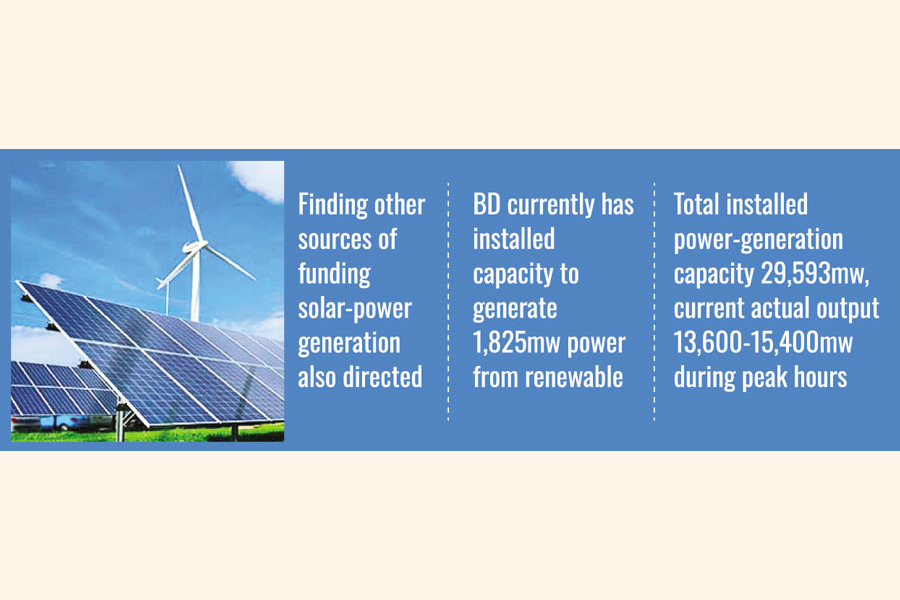
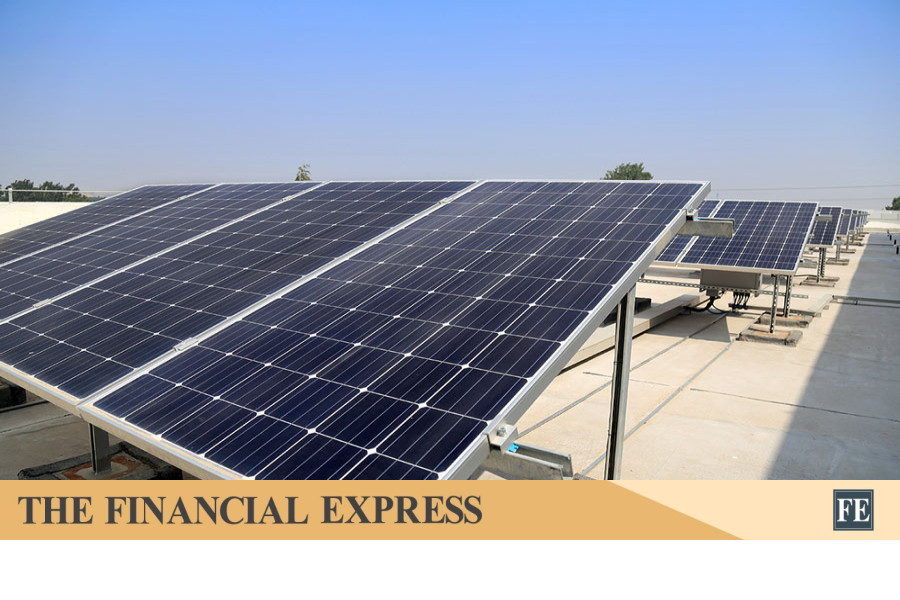
More emphasis should also be placed on renewable energy. Bangladesh has land limitations, but there are opportunities to increase solar power on rooftops, government buildings, irrigation systems, and other suitable locations. This will reduce the pressure on imported fuel and save foreign exchange.
Bangladesh should not remain confined to merely calculating how much megawatt power generation capacity exists. Energy security is not ensured just by having power plants. There must be fuel to run those plants, adequate arrangements for electricity transmission, and reasonable prices for people and industries. Therefore, our aim should be to establish an energy system where energy is readily available, prices are reasonable, supply is reliable, and energy sources are diverse.
Opportunities for regional electricity trade should also be utilised. Especially, the prospects of using hydropower from Nepal and Bhutan should be viewed with greater importance. Alongside, coordination among various institutions in the energy sector must be increased, transparency and accountability in procurement must be ensured, and policy consistency must be maintained. This will increase the confidence of domestic and foreign investors.
Global conflicts may exacerbate Bangladesh's energy issues. However, the extent to which external crises will turn into major crises in our country largely depends on our decisions. Therefore, the goal should be to ensure that energy does not become a long-term obstacle to Bangladesh's investment, industrialisation, and economic development.
#Fahmida Khatun is economist and executive director, Center for Policy Dialogue (CPD)
Fahmida Khatun
Due to the war in the Middle East, major disruptions in the global energy supply have occurred. Energy is now not only crucial for the economy but also a significant geopolitical issue. As a result, various countries around the world are at risk of energy crises. However, the current energy crisis did not appear suddenly. In 2021, as the global economy started to recover post-COVID-19 pandemic, the demand for energy rapidly increased, but the supply did not rise correspondingly. The situation became even more difficult when the Ukraine war began in 2022. After the war in the Middle East started on 28 February this year, the situation worsened further.
The global situation has impacted Bangladesh's current energy crisis. However, blaming external factors alone does not provide the complete picture; instead, the global crisis has exposed the longstanding weaknesses in our energy sector more clearly.
Sufficient investment has not been made in gas exploration in the country. Production from existing gas fields is declining, and dependency on imported energy has increased. There has not been enough diversification in energy sources. There are weaknesses in the transmission and distribution of gas and electricity as well. The use of renewable energy has not increased significantly. Although electricity generation capacity has increased, adequate fuel arrangements have not been made to run power plants. As a result, Bangladesh faces not only a fuel shortage but also energy security issues.
At one time, Bangladesh's economy benefited from cheap domestic natural gas. Large portions of electricity, fertilizer, industries, and household needs were met by domestic gas. However, gas production has been declining for several years. Now LNG (Liquefied Natural Gas) has to be imported to fill this gap. Imported LNG is expensive, and its supply is uncertain. If international market prices rise or there are supply chain issues, Bangladesh is directly affected.
The economic costs are also significant. Industries cannot produce efficiently when gas pressure is low or supply is uncertain. Production is disrupted in various industries like textiles, spinning, ceramics, steel, and fertilizers. Many factories have to reduce production or use alternative, more expensive fuels.
Energy uncertainty also affects investments. A businessman will hesitate to make new investments if he is not sure whether the necessary gas or electricity will be available next month. In this way, the energy crisis can eventually turn into an investment crisis. If investment does not increase, the creation of new employment, export diversification, and economic growth will all be hindered.
The issue will become even more important for Bangladesh after graduating from the LDC (Least Developed Countries) status. Then, to compete in the international market, productivity, technology, and energy efficiency must be increased. It will not be possible to rely solely on the advantage of low wages for competition. Therefore, the high cost of energy could become a significant obstacle to Bangladesh's competitive ability.
The impact of rising energy prices ultimately affects the general public. If the prices of diesel, gas, and electricity increase, the cost of transportation, irrigation, industrial production, and food transportation rises. Ultimately, consumers have to bear these additional costs through increased product prices. Due to high inflation for several years, people's purchasing power is already under pressure; therefore, when setting energy prices, the economic realities and the needs of low-income people must be considered.
What needs to be done now? In the short term, the first task is to stabilise the energy supply as much as possible. More planned approaches should be taken in LNG import. A balance must be maintained between long-term contracts and purchasing from the spot market. Relying solely on the spot market could cause major issues for Bangladesh if international market prices suddenly rise. On the other hand, hasty long-term contracts without proper negotiation could lead to additional costs.
During energy shortages, it is also necessary to clarify which sectors will receive gas first. Regular supply must be ensured for export-oriented industries that create the most employment, power plants, fertilizer production, and other essential sectors. Simultaneously, measures should be taken for energy savings in government offices, commercial buildings, shopping centres, and large institutions.
Energy price reform is also needed. However, it’s not right to increase prices equally for everyone. Targeted assistance should be provided to low-income people. Those who can afford it should pay prices closer to the market rate. Because the government cannot provide substantial subsidies for everyone for an extended period.
One of the most important tasks is to increase domestic gas exploration. Gas exploration needs to be expedited both on land and at sea. The financial and technical capacity of BAPEX (Bangladesh Petroleum Exploration & Production Company Limited) must be increased. If necessary, experienced international companies can also be involved through a transparent and competitive process. If new gas is found, dependence on LNG imports will decrease, and the impact of international market price increases will be mitigated to some extent.
Improvement in gas and electricity transmission and distribution systems is also urgent. Simply purchasing more energy won't solve the problem; if that energy cannot be delivered to users effectively, the advantages of increased supply won't materialise. Simultaneously, energy efficiency must be increased. Advanced boilers, motors, and captive power plants can be used in industries. In buildings and households, the use of electricity-saving appliances needs to be increased. In many cases, reducing energy waste can be cheaper and more effective than increasing new energy supply.
More emphasis should also be placed on renewable energy. Bangladesh has land limitations, but there are opportunities to increase solar power on rooftops, government buildings, irrigation systems, and other suitable locations. This will reduce the pressure on imported fuel and save foreign exchange.
Bangladesh should not remain confined to merely calculating how much megawatt power generation capacity exists. Energy security is not ensured just by having power plants. There must be fuel to run those plants, adequate arrangements for electricity transmission, and reasonable prices for people and industries. Therefore, our aim should be to establish an energy system where energy is readily available, prices are reasonable, supply is reliable, and energy sources are diverse.
Opportunities for regional electricity trade should also be utilised. Especially, the prospects of using hydropower from Nepal and Bhutan should be viewed with greater importance. Alongside, coordination among various institutions in the energy sector must be increased, transparency and accountability in procurement must be ensured, and policy consistency must be maintained. This will increase the confidence of domestic and foreign investors.
Global conflicts may exacerbate Bangladesh's energy issues. However, the extent to which external crises will turn into major crises in our country largely depends on our decisions. Therefore, the goal should be to ensure that energy does not become a long-term obstacle to Bangladesh's investment, industrialisation, and economic development.
#Fahmida Khatun is economist and executive director, Center for Policy Dialogue (CPD)