Donate ☕
[🇧🇩] - Healthcare Industry in Bangladesh | Page 4 | PKDefense

[🇧🇩] Healthcare Industry in Bangladesh

⤵︎
Reply (Scroll)
Press space to scroll through posts
G Bangladesh Defense
[🇧🇩] Healthcare Industry in Bangladesh
57
2K
More threads by Saif


We need an efficient healthcare system
Unimplemented health budget remains a major concern

1748830045211.webp


At a time when healthcare experts are urging the government to increase the allocation for the health sector to 15 percent of the national budget or five percent of the GDP, it is deeply concerning that the two government divisions responsible for healthcare delivery have not even been able to utilise their Annual Development Programme (ADP) allocations. Reportedly, over the past 10 months, these two divisions—Medical Education and Family Welfare Division and Health Services Division—spent only a small portion of the funds allocated to them, making them the poorest performers in utilising their development budget. One of them spent only 2.34 percent of its Tk 2,283.16 crore budget by April this year—the lowest among all ministries and divisions—while the other used 14.9 percent of its Tk 5,673.51 crore budget, also nearing the bottom of the list. Unless the government addresses the factors behind such dismal performance and seriously considers the recommendations of the Health Sector Reform Commission, the much-needed change in our health sector will not come.

Reportedly, the factors identified by experts for poor ADP execution include the implementing agencies' lack of capacity, inexperienced project directors, dependence on the Public Works Department for construction, outdated budgeting methods, and leadership changes following the July uprising. In addition, government agencies often lack the necessary managerial and administrative capacity and experience to implement projects in the health sector. Many implementing agencies also lack financial autonomy, requiring them to seek the ministry's intervention, which is often a lengthy and bureaucratic process.

One crucial health project that has been delayed over the years is the one to establish fully fledged treatment centres at eight divisional headquarters for cancer, heart, and kidney patients. The project, approved in July 2019 and originally scheduled for completion by 2022, has undergone several revisions but still remains unfinished. Many other infrastructure development projects—for hospitals, medical colleges, universities, diagnostic facilities, and medical research centres—as well as the procurement of medical equipment are also facing similar delays. This means that the budget allocated for these projects remains unutilised.

While successive governments' neglect has completely crippled our health sector over the years, the situation has sadly remained the same during the interim government's tenure. We urge the government to address the issues hampering the health sector budget utilisation. The health budget must also address sector-specific needs, ensuring that adequate funds are allocated for the most-needed areas. The health sector must also have efficient leadership to ensure these projects are designed properly from the very beginning. The reform commission has put forward some pragmatic recommendations to overhaul our healthcare system, which should be implemented to make it efficient, pro-people, and accessible to all.​
 
Analyze

Analyze Post

Add your ideas here:
Highlight Cite Fact Check Respond

Unveiling the hidden truths of Bangladesh’s public health sector

Budget allocations for health remain among the lowest in the region, with per capita health spending lagging behind global benchmarks. FILE VISUAL: HEALTH REFORM
Bangladesh's public health system, a lifeline for millions, is a paradox of resilience and dysfunction. The challenges are well-documented: low budget allocations, pervasive corruption, absenteeism, inadequate infrastructure, and overcrowding. These issues, coupled with systemic bottlenecks within and beyond the Ministry of Health and Family Welfare, paint a grim picture of a sector struggling to meet the needs of a growing population. Yet, beneath these known realities lie two critical unknowns that, if addressed, could transform the system's efficiency and public perception: the true value of health services provided and the monetised cost of systemic wastage. By shining a light on these hidden truths, Bangladesh can unlock the potential for meaningful reform and a healthier future.

The known struggles of the public health system

The public health sector in Bangladesh operates under severe constraints. Budget allocations for health remain among the lowest in the region, with per capita health spending lagging behind global benchmarks. Corruption erodes trust and resources, manifesting in both monetary forms—such as irregularities in procurement—and non-monetary forms, like absenteeism among healthcare providers. Infrastructure deficiencies, from poor medicine storage to inadequate diagnostic facilities, further exacerbate the system's inefficiencies. Patients endure long waits, substandard care, and limited access to essential services, while healthcare providers grapple with outdated systems and insufficient training.

Systemic hindrances amplify these challenges. The health ministry operates within a bureaucratic ecosystem where apex ministries—such as the Ministry of Public Affairs, Ministry of Finance, and Ministry of Planning—treat health no differently than other sectors, often prioritising fiscal conservatism over human lives. Within the health ministry, disparities in expertise and experience create a disconnect between secretariat-level managers, directorate-level officials, and field-level staff. Procurement processes, governed by the Public Procurement Act (PPA) and Public Procurement Rules (PPR), are riddled with ambiguities, leading to delays and inefficiencies.

The Essential Drug Company Ltd (EDCL) and Central Medical Stores Depot (CMSD) struggle with capacity constraints, undermining the supply chain for medicines. Governance issues, coupled with questions about the competence and sincerity of managers across the health ecosystem, further erode the system's effectiveness.

At the facility level, managerial inefficiencies and inadequate staffing compound these problems. The lack of the right skill mix and input mix, coupled with insufficient training, leaves facility managers and operational plan directors ill-equipped to address local challenges. The result is a public health system that, despite its critical role, fails to deliver consistent, high-quality care to those who need it most.

The value of public health services

Amid these challenges, one critical reality remains obscured: the true value of health services provided by the public sector. Neither patients, healthcare providers, nor the state have a clear understanding of this value, and this gap has profound implications.

Patients accessing public health facilities benefit from highly subsidised services, often paying nominal fees for consultations, diagnostics, or treatments. While this affordability is a cornerstone of equitable access, it obscures the actual cost and value of these services. Patients, unaware of the resources invested in their care, may undervalue the system, leading to a lack of appreciation and, in some cases, misuse of services. For example, a patient receiving a subsidised surgical procedure may not recognise the costs of skilled labour, equipment, and infrastructure that underpin it, fostering a perception that public health services are inherently low-quality or disposable.

Healthcare providers, too, lack insight into the value of their outputs. Hospitals and clinics do not systematically quantify the resources—human, financial, and material—required to deliver specific services. Without this knowledge, providers are less incentivised to address inefficiencies, such as wastage of medicines. The absence of a value-based framework also hinders accountability, as facilities cannot measure their performance against the resources they consume.

The state, meanwhile, tracks only budgetary inputs and expenditures, with little understanding of the value added by these investments. This blind spot limits the government's ability to make informed decisions about resource allocation, prioritise high-impact interventions, or advocate for increased health funding. In a country where private healthcare providers offer similar services at market rates, it is feasible to estimate the value of public health services by benchmarking against private-sector prices, adjusted for quality. By bundling services based on diagnostic-related groups and assigning quality-adjusted values, the government could illuminate the true worth of its health system. This knowledge would empower policymakers to optimise resource use, enhance accountability, and communicate the system's value to the public.

The cost of wastage

The second hidden reality is the monetised cost of wastage within the public health system. While the types of wastage—corruption, absenteeism, supply chain bottlenecks, and inefficient resource use—are widely recognised, their financial toll remains unquantified. This lack of clarity undermines efforts to address inefficiencies and allocate resources effectively.

Corruption, a pervasive issue, manifests in both monetary and non-monetary forms. Procurement irregularities, such as inflated contracts or substandard purchases, drain public funds, while absenteeism reduces the availability of skilled providers, forcing patients to seek costlier private care. Supply chain inefficiencies, including poor medicine storage and dispensing systems, lead to spoilage and stockouts, further eroding resources. The inability to control "fake" patients—individuals exploiting free medicines without medical need—adds to the burden. Additionally, the lack of an optimal input mix (e.g., equipment, staff, and supplies) and skill mix (e.g., trained personnel) results in underutilised facilities and missed opportunities for care.

Quantifying these losses is methodologically challenging but achievable. For instance, the cost of absenteeism could be estimated by calculating the salaries of absent staff and the value of forgone services. Procurement-related corruption could be assessed by comparing contract prices with market benchmarks. Supply chain wastage could be monetised by tracking spoilage rates and stockout impacts. By aggregating these costs, the government could gain a comprehensive picture of the financial toll of inefficiencies, providing a compelling case for targeted reforms.

Harnessing knowledge for reform

Unveiling these two unknowns—the value of services and the cost of wastage—could catalyse transformative change in Bangladesh's public health sector. By quantifying the value of services, the government can foster greater appreciation among patients, enhance accountability among providers, and make a stronger case for increased health funding. Public awareness campaigns could highlight the subsidies that enable affordable care, building trust and encouraging responsible use of services. Providers, armed with data on service value, could prioritise efficiency and quality, reducing wastage and improving outcomes. Policymakers, with a clearer understanding of the system's contributions, could advocate for health as a national priority, securing greater budgetary support.

Monetising wastage, meanwhile, would provide a roadmap for addressing inefficiencies. By identifying the most costly bottlenecks—whether corruption, absenteeism, or supply chain failures—the government could implement targeted interventions, such as stricter procurement oversight, digital attendance tracking, or investments in storage infrastructure. These measures, grounded in data, would maximise the impact of limited resources and restore public confidence in the system.

Bangladesh's public health sector stands at a crossroads. The challenges are daunting, but the opportunities for reform are immense. By addressing the two unknown realities—the value of services and the cost of wastage—the government can unlock the system's potential and deliver equitable, high-quality care to all citizens. This requires a commitment to transparency, rigorous data collection, and bold policy decisions. The health of a nation is its greatest asset, and Bangladesh cannot afford to let these hidden truths remain in the shadows. It is time to act, to quantify, and to transform, ensuring that every taka invested in public health delivers maximum value for the people it serves.

Dr. Syed Abdul Hamid is professor at the Institute of Health Economics, University of Dhaka and convenor of Alliance for Health Reforms Bangladesh (AHRB) and Initiator of Network for Healthcare Excellence (NHE).​
 

Analyze Post

Add your ideas here:
Highlight Cite Respond

Rangamati needs improved healthcare
Sadar hospital needs proper infrastructure, manpower to serve patients


1752799420488.webp


It is deeply concerning that people in Rangamati are being deprived of critical medical services due to the absence of basic facilities and a shortage of doctors and staff at the Rangamati General Hospital. Reportedly, critically ill patients are being transferred to Chattogram regularly as the district hospital does not have the capacity to treat them. Established in 1984, the hospital still lacks vital facilities such as an ICU, CCU, or even a dialysis unit. As a result, patients suffering from heart disease, kidney failure, or other serious conditions are referred to the Chattogram Medical College Hospital, located about 60 kilometres away. In many cases, patients even need to travel to Dhaka for better treatment. Reportedly, 100 to 150 critical patients are sent to Chattogram for treatment every month. These patients have to face high medical expenses including additional costs of transportation, accommodation, and food, along with the physical strain of travel. This is unacceptable.

As per an estimate, Rangamati General Hospital serves approximately 650,000 residents across the 10 upazilas. Although it has only 100 beds, 200 to 250 patients are often admitted at a time. Due to overcrowding, patients frequently receive treatment on the floor. Moreover, shortages of doctors and support staff have been a persistent issue, causing many to be denied care. Reportedly, despite there being 31 sanctioned positions for doctors, only 22 are currently serving. Furthermore, the hospital lacks the infrastructure needed to provide intensive care. A six-storey building constructed near the hospital in 2009—to house a CCU for cardiac patients—is now being used by Rangamati Medical College, as its permanent campus is yet to be built. In 2021, another initiative was undertaken to introduce ICU, CCU, and dialysis units, and increase the number of hospital beds, with the foundation of an 11-storey building laid. However, that project remains incomplete.

This situation mirrors the long-standing mismanagement and systemic irregularities witnessed across our healthcare sector, and has real impacts for struggling districts like Rangamati. We, therefore, urge the government to ensure the General Hospital is fully equipped to provide comprehensive care. The authorities must establish ICU, CCU, and dialysis units there to serve critically ill patients, while the ongoing crisis of doctors and medical staff must also be resolved. For the overall improvement of our health sector, the reform proposals forwarded by the Health Sector Reform Commission must be implemented.​
 
Analyze

Analyze Post

Add your ideas here:
Highlight Cite Fact Check Respond

CA urged to take action to implement health sector reform proposals
Staff Correspondent 03 August, 2025, 00:11

1754181254895.webp

Chief adviser Muhammad Yunus.

Public health experts, mostly members of the health reform commission, in an open letter to the chief adviser on Saturday demanded immediate actions to implement reform proposals and to incorporate those into the ‘July Charter’.

In the letter, they stated that the recommendations made by the Health Reform Commission provided a strategic and timely blueprint for a structural change in health governance.

They said that these recommendations offered more than just improvements in service coverage or quality — they lay out a broader framework for institutional reform and system-level transformation.

The signatories stressed the importance of prompt action, warning that without timely and strategic implementation, critical policy recommendations risk being left in official documents with little real-world impact.

They called for a nationally prioritised and time-bound road map, and proposed that incorporating the core health reforms into the July Charter 2025 would signal a serious and future-focused commitment to structural transformation.

While acknowledging the limitations of an interim government’s mandate, the letter said several actions remained within the government’s administrative scope.

The letter urged to consider first step action that is an immediate administrative and legal steps to establish a Permanent Health Commission.

This commission should be an independent, publicly accountable, and high-powered institution that will provide strategic direction and leadership in formulating and implementing a long-term road map for sustainable health sector reform.

The letter suggested initiating a quality-assured public health infrastructure, saying that steps should be taken to establish a functional and universally free primary health care service with mandatory referral mechanisms in both rural and urban areas.

The public health experts urged to form a time bound, task-oriented steering committee comprising members of the advisory council to oversee the implementation of the above initiatives.

This committee should operate under the direct supervision of the Office of the Chief Adviser, they said.

Among others, Health Sector Reform Commission members Syed Akram Hussain, professor Abu Muhammad Zakir Hussain, professor Liaquat Ali, professor Naila Zaman Khan, Azharul Islam Khan and Dhaka University Institute of Health Economics professor Syed Abdul Hamid signed the open letter.​
 
Analyze

Analyze Post

Add your ideas here:
Highlight Cite Fact Check Respond

China keen to invest in health sector
Staff Correspondent 08 August, 2025, 23:57

1754705470690.webp

New Age photo

Several hospital authorities of China at an event in Dhaka on Friday expressed their interest to establish multiple permanent hospitals in Bangladesh as part of a broader initiative to launch a new era of integrated, high-tech and sustainable healthcare collaboration between the two countries.

They announced the interest at the inauguration ceremony of the event titled Ni Hao! China-Bangladesh Health and Medical Development Expo 2025 at a hotel in Banani.

Chinese ambassador Yao Wen said that they wanted to help create a sustainable, humane and technology-driven healthcare system in Bangladesh.

‘Our experience during the Milestone plane crash support mission has deepened our bond, and we are eager to take the next step together,’ he added.

He also said that both the Chinese government and private hospitals were enthusiastic about participating in hospital construction in Bangladesh, dispatching Chinese medical professionals, facilitating patient referrals and conducting medical training for Bangladeshi doctors.

China, known globally for its advancements in modern medical technology and high-quality healthcare services, is ready to share its expertise to help Bangladesh transform its healthcare landscape, he added.

The Belt and Road Healthcare Centre in Bangladesh with assistance from the Chinese Bangladesh Alumnae Association of Bangladesh, the China-Bangladesh Postgraduate Doctors’ Alumnae Association and Amra Nari organised the exhibition.

The Belt and Road Healthcare Centre is a global initiative headquartered in China that connects patients with the country’s advanced healthcare system, while promoting Chinese medical technology.

According to them, more than 12 top-tier Chinese hospitals sent representatives to the expo, expressing strong interest in investing in Bangladesh’s healthcare sector.

The event offered facilities such as direct invitation for treatment from reputed Chinese hospitals, on-the-spot visa support and guidance for travel arrangements to China and complete assistance for patients, including airport transfers and interpreter services in China.

Chinese hospitals, including Boao Yiling Hospital, Fosun Health, Shenzhen Hengsheng Hospital, Foshan Fosun Chancheng Hospital, Guangzhou Fosun Chancheng Hospital, Guangzhou Shengmei Hospital, Guangzhou Fuda Cancer Hospital, Kunming Tongren Hospital, Modern Cancer Hospital and Xing Mei Hospital in Guangzhou, participated in the event.

The delegations from the various hospitals stated that they were preparing to send specialised doctors to Bangladesh, to offer advanced training programmes for Bangladeshi physicians in China and to introduce cutting-edge technologies, including robotic surgery and prosthetics.

These efforts aimed to bring transformative changes to the country’s healthcare standards, said the hospital delegates.

Health adviser Nurjahan Begum highlighted China’s humanitarian support.

She also said that during the Milestone plane crash, China extended tremendous assistance. ‘Moreover, during the July uprising, many people lost eyes, limbs and China provided robotic prosthetics that helped victims reclaim their lives.’

She also noted that a 1,000-bed hospital will be built in Rangpur with the fund from the Chinese government, along with training for doctors, nurses and technicians. ‘In addition, a memorandum of understanding has been signed to establish a rehabilitation centre for July victims.’

Korban Ali, chairman of Belt and Road Healthcare Centre, said, ‘This health bridge with China is not just about services; it’s about building capabilities and ushering Bangladesh into an era of medical innovation.’

Maruf Molla, CEO of the organisation, stated that they viewed this as the beginning of a long-term, strategic international healthcare collaboration and investment.

The organisers said that it would ease access to world-class treatment in China for Bangladeshi patients.

Officials from the health ministry, health directorates and various medical institutions were also present at the event.​
 
Analyze

Analyze Post

Add your ideas here:
Highlight Cite Fact Check Respond

Why we need a referral system in healthcare

Shiabur Rahman
Published :
Aug 15, 2025 00:43
Updated :
Aug 15, 2025 00:43

1755217827364.webp


The healthcare system in Bangladesh is plagued with so many problems that some fundamental issues are often overlooked. The absence of a strong referral system in healthcare is one of such issues, which has created a series of problems affecting patients, doctors, and the overall efficiency of the health sector.

In most countries, particularly those with well-organised healthcare systems, have a strong referral mechanism in which patients first consult general practitioners or GPs in their community - be it rural or urban areas. The GPs assess their conditions, offer primary treatment, and refer them to appropriate specialists, if necessary. This referral system ensures that patients receive the right treatment at the right time and reduces unnecessary expenses. Bangladesh should have such a system in place as a former colony of Britain, a good example of a well-organised GP-driven referral system that directs patients to start with primary care, because the foundation of Bangladesh's healthcare system was established during British rule. However, the present scenario in Bangladesh is far away from that system. Patients here usually bypass GPs, heading straight to specialist doctors of their choice due to the absence of the referral system. Most of the patients believe that specialists will solve their problems more effectively, no matter whether their condition actually requires consulting such specialists. This approach leads patients to misjudging their conditions and ending up visiting the wrong type of specialist. For example, someone with a common skin rash may rush to a highly reputed dermatologist without realising that a GP could have diagnosed and treated the issue in a fraction of the time.

This approach often causes an unnecessary burden of expenditure on patients, who have to meet a major portion of the medical expenses from their own pocket unlike the citizens of most countries. According to a World Bank report, Bangladesh's out-of-pocket expenditure on health per capita at purchasing power parity was the 8th highest among 45 least developed countries in 2021.

Specialist consultations, diagnostic tests, and treatments, which can sometimes be avoided with the guidance of GPs, generally involve higher fees compared to primary care services.

Choosing specialist doctors first also creates a huge burden of patients on "celebrity doctors", who are nationwide recognised for their expertise in particular fields. The excessive concentration of patients on a small group of doctors limits access for those who genuinely need their expertise. These doctors face overwhelming patient queues, making it difficult for them to spare adequate time for each case. Patients have to wait for hours, sometimes days, to secure an appointment, only to find that their issue does not require such specialised care. Such wastage of time sometimes heightens the risk for those encountering life-threatening conditions.

The absence of a referral system also leads to an inefficient use of medical resources. Without the system, specialist doctors spend a significant amount of time handling cases that could easily be managed at the primary care level. This inefficiency lowers the quality of care and delays in specialist treatment for serious conditions can have critical consequences.

The health scenario in Bangladesh would be changed drastically if the country is able to establish a well-designed referral system. Developing such a system would be hard, but not impossible. The existing network of community clinics and upazila health complexes could serve as the foundation for this system. But for that these facilities would have to be equipped with qualified doctors trained in general practice, along with sufficient medical supplies and diagnostic tools to handle common ailments. Besides, a campaign would also be necessary to make people understand that consulting a GP first is not a compromise in care but a smart, efficient step toward proper treatment.​
 
Analyze

Analyze Post

Add your ideas here:
Highlight Cite Fact Check Respond

Healthcare is a right, not a commodity

MIR MOSTAFIZUR RAHAMAN
Published :
Aug 19, 2025 00:12
Updated :
Aug 19, 2025 00:12

1755560029895.webp


The crisis in Bangladesh's healthcare system is a known fact. It is being felt daily by millions of people who are forced to wait for hours in overcrowded public hospitals, struggle to afford exorbitant fees in private clinics or face the cruel choice between treatment and survival. The state of our hospitals today is not just a reflection of weak infrastructure and understaffed wards, but a broader indictment of failed policies and neglected priorities.

Government hospitals, meant to be the backbone of public healthcare, are crippled by dilapidated infrastructure, insufficient medical staff, lack of modern equipment, and an overwhelming patient load. Many lack essential medicines, diagnostic facilities, or even proper sanitation. The result is predictable: citizens who can better-off avoid these institutions altogether. Ironically, this flight from the public sector includes not just the wealthy, but even sections of the middle and lower-middle classes, who increasingly see no alternative but to seek treatment in private hospitals.

But here lies the cruel paradox: in the private sector, healthcare has been transformed into a commodity. Profit motives, disregard for regulations, and an absence of ethical safeguards mean that patients are often treated less as human beings in need of healing and more as customers purchasing a product. Here, life-saving services are packaged like consumer goods-sold at high prices and marketed through advertisements, promotions, and flashy claims of "world-class" facilities.

This crisis is not simply a matter of hospitals, beds, or doctors. It is the direct result of the country's failed health policy. Bangladesh's Constitution guarantees access to healthcare as a basic right. Yet, in practice, this guarantee remains confined to paper, a hollow promise that fails millions who depend on it.

There are cases where due to their inability to pay the treatment bill, parents had to flee hospitals leaving their children in the ICU.

Questions have been raised if hospitals have no responsibility beyond demanding bills? Is there no space in our healthcare system for empathy? Should poor patients always be treated as liabilities unless they can pay? At what point does a system built to heal transform into a mechanism that alienates the very people it should serve?

Healthcare in Bangladesh has now become stratified along lines of class, creating a cruel form of social segregation. The wealthy fly abroad for treatment or turn to expensive, large-scale private hospitals in Dhaka. The middle class-often the most vulnerable-take loans, sell property, or exhaust life savings just to afford operations or critical care. And the poor? They endure untreated illnesses, resort to unqualified practitioners, or, in the worst cases, abandon their loved ones in hospital corridors.

This is not merely an economic disparity; it is a form of social injustice. It is the erosion of the very idea that life has equal value, regardless of income or status. When the ability to access healthcare depends on how much money one has, society fractures into tiers of humanity-where the lives of the poor become expendable, and the wealthy are protected by privilege.

Underlying this crisis is the abysmally low budgetary allocation to healthcare. In the 2024-25 fiscal year, Bangladesh devoted only 5.4 percent of its national budget to the health sector. Experts widely agree this is far below what is required for a country of more than 170 million people. To make matters worse, even this inadequate allocation fails to translate into effective services because of widespread corruption, inefficiency, and resource mismanagement. Funds are siphoned off, equipment procurement is riddled with irregularities, and accountability remains elusive.

As a result, the gap between demand and supply grows wider every year. The private sector fills this vacuum, but without proper oversight, it is driven almost entirely by profit motives. Across the country, new hospitals and clinics emerge, not as centers of healing, but as businesses competing through "packages," "special deals," or glamorous advertising campaigns. The tragedy is that this commercialisation takes place in a sector that should, by its very nature, place life and dignity above all else.

The current situation cannot be allowed to persist. Healthcare must be reclaimed as a fundamental public good rather than a market-driven service. Several steps are urgently needed.

First, private hospitals must be brought under a strict regulatory framework. Standardised rates for admission, ICU charges, diagnostic services, and essential treatments must be set and enforced. A mandatory quota for poor patients, ensuring access to free or heavily subsidized care, should be part of licensing requirements. Transparency in billing, along with strong monitoring mechanisms, is essential to prevent exploitation.

Second, public hospitals must be strengthened. This means not only increasing budgetary allocations but also ensuring those funds are properly spent. Investments in infrastructure, training, and technology are vital. Equally important is creating an environment that promotes professionalism, ethics, and accountability among healthcare workers. Doctors and nurses must be incentivised to stay in the public system rather than migrate to private practice or abroad.

Third, healthcare must reach rural Bangladesh. The concentration of advanced facilities in urban areas leaves the majority of the population underserved. Strengthening community clinics, upgrading district hospitals, and ensuring consistent availability of medicines can create a more equitable distribution of services.

Fourth, civil society must be engaged. NGOs, charitable organizations, and corporate social responsibility (CSR) programs can play a vital role in bridging gaps. However, their contributions must complement, not replace, the responsibility of the state. A dedicated health fund for poor patients, managed transparently and independently, could provide immediate relief for those unable to afford critical treatment.

One of the most pressing questions we face is whether healthcare for the poor will remain dependent solely on sympathy and charity. While acts of compassion from individuals or institutions are valuable, they are not a substitute for systemic change. A humane society cannot allow the health of its most vulnerable citizens to depend on chance generosity or the goodwill of strangers.

Instead, healthcare must be recognized and enforced as a fundamental right. Just as access to education or protection from violence is considered non-negotiable, access to medical treatment must be guaranteed for all, irrespective of income or social position. This requires political will, legal safeguards, and a social commitment to equity.

If Bangladesh is to move forward as a just and inclusive society, it must confront the inequalities that plague its healthcare system. The story of the mother forced to leave her child behind should serve not only as a moment of grief, but as a catalyst for reform. No one should ever be placed in such an impossible situation.

The future demands that we reimagine healthcare not as a bill to be paid, but as a shared responsibility and a moral obligation. In this vision, hospitals are not businesses but sanctuaries of healing. Doctors and nurses are not service providers chasing profits, but professionals guided by ethics and compassion. And the state, rather than shirking its duties, stands firmly as the guarantor of health for all.

This is not an impossible dream. Many countries with fewer resources than Bangladesh have made remarkable progress in creating inclusive healthcare systems through strong policies, effective regulation, and social mobilization. What is required is the courage to place human lives above financial interests, and the determination to turn constitutional promises into lived realities.

Bangladesh stands at a crossroads. It can continue down the path of commercialisation and inequality, where healthcare remains a privilege of the wealthy and a torment for the poor. Or it can take decisive steps to reclaim healthcare as a basic right, accessible to all without discrimination.

The choice should be clear. Healthcare cannot remain a luxury item or a cruel lottery of fate. It must be the most basic assurance of citizenship-one that affirms the equal worth of every life. For the millions who struggle to afford treatment, and for the dignity of an entire nation, the time to act is now.​
 
Analyze

Analyze Post

Add your ideas here:
Highlight Cite Fact Check Respond

Bangladesh’s healthcare market projected to reach $23 billion by 2033
United Hospital CEO says at DCCI event on Bangladesh’s healthcare system

1765674520320.webp


Bangladesh's healthcare market is projected to reach $23 billion by 2033, driven by rising demand for quality care and the increasing prevalence of non-communicable diseases such as diabetes and cancer, a top official of United Hospital Ltd said today.

The current market size, including hospitals, diagnostics, devices, and pharmaceuticals, is around $14 billion, said Malik Talha Ismail Bari, managing director and CEO of the leading hospital.

He shared the information citing studies at a seminar on Bangladesh's healthcare system, organised by the Dhaka Chamber of Commerce and Industry (DCCI) at its office in Dhaka.

"Private hospitals, clinics, and specialised care providers now serve a large portion of demand, significantly increasing the private sector's share," he said.

He added that the annual outflow of money for healthcare amounts to about $5 billion, mainly due to a deficit of trust and doubts over diagnostic accuracy.

"Patients often travel abroad not because treatment is unavailable at home, but due to a lack of confidence in diagnostic accuracy, bill shocks, hidden charges, and concerns over counterfeit drugs and low-quality surgical materials," he said while delivering the keynote address.

India remains the top destination for Bangladeshi patients, followed by Thailand, Singapore, and Malaysia.

Patients feel that Kolkata offers better value through cleaner facilities, clearer billing, and more attentive medical and nursing care than comparable private hospitals in Dhaka, he said.

He also noted that out-of-pocket healthcare expenditure in Bangladesh stands at 74 percent, which is higher than in neighbouring India, Sri Lanka, and Nepal.

At the event, National Prof AK Azad Khan, president of the Diabetic Association of Bangladesh, said that although Bangladesh has made notable progress in the healthcare sector, the desired quality standards have yet to be achieved.

He said healthcare quality in Bangladesh lags behind that of developed countries and even some neighbouring nations.

He stressed the importance of implementing primary healthcare and added that, along with overall management development, decentralisation is crucial for improving the health sector.

DCCI President Taskeen Ahmed said there are disparities in service quality between public and private hospitals.

Shortages of skilled manpower, the rise of unauthorised clinics and pharmacies, weak regulatory oversight, and limited use of modern technologies continue to erode public health security and trust, he said.

Due to the absence of an effective health insurance mechanism, individuals have to bear nearly 74 percent of total healthcare expenditure themselves, posing serious financial risks for low- and middle-income groups.

To ensure a sustainable healthcare system, he stressed the need for foreign investment, public-private partnerships, modern medical technologies, and skilled professionals.​
 

Analyze Post

Add your ideas here:
Highlight Cite Respond

Healthcare system under severe stress

Published :
Dec 18, 2025 00:02
Updated :
Dec 18, 2025 00:02

1766020832675.webp


The United Nations World Urbanisation Prospects 2025 report reveals that Dhaka City is the second largest megacity after Jakarta. Instead of celebrating this elevated status, both experts in urban development and ordinary citizens consider this sobriquet highly concerning. Not only has the capital city with 36.6 million population surpassed Tokyo and is all set to overtake Jakarta by 2050, according to the UN report. The elevated ranking unfolds a nightmarish picture if the Economist Intelligence Unit (EIU) 2025 Global Liveability Index (GLI) is taken into consideration. According to the EIU, Dhaka has already become the third least liveable city in the world. Civic services are woefully inadequate and its air quality is one of the worst in the world. If the city's population explosion follows the current trend with internal migration of people from villages and climate refugees mostly from coastal areas, its infrastructure and utility services already gasping from an outsize population will simply experience a breakdown.

How will the medical facilities, already overwhelmed, fare then? A report carried in the FE on Wednesday focuses on this particular area highlighting the mismatch between the demand for healthcare and the existing provisions. In a centralised system of administration, specialised medical services are also concentrated in the capital. Stressed far beyond their capacities, both public and private healthcare facilities struggle to serve a far higher number of patients than they can. When the rush of patients is heavy, it is natural that the overall environment for medical care is compromised to a large extent. Experts are of the opinion that establishing a few more large government hospitals in the city will not be an answer to the problem. The very idea of centralisation of all facilities in the capital will complicate the system even more. The need is to decentralise government institutions and organisations including hospitals.

Bangladesh has an advantage here, the potential of which can be cultivated. It is the upazila health complexes, union health centres and the village-based community health centres that could be reactivated by necessary investment and recruitment of medical staff. Right now, many of those are either operating in a moribund state or abandoned altogether. Had those been organised in an efficient manner, the majority of patients did not have to rush to Dhaka for better medical treatment. Hospitals in urban centres would not be crowded so much as those have to deal with now. Thus a referral system could be developed for better treatment of patients suffering from complicated diseases.

When education and healthcare should be given priority in budget allocation, the policymakers fail to take a long view of the benefits it can bring for the nation. Instead, they feel no qualms about slashing the allocation further in the revised annual development programme (RADP). The Directorate General of Health Services (DGHS) under the Ministry of Health and Family Welfare is also to blame for its failure to utilise the allocation well. This kind of casual outlook of the health services is unacceptable. There are reports of imported medical machines and equipment remaining packed for years or not in operation because of a lack of repair. Monitoring and supervision are conspicuous by their absence. Evidently, mentality rather than paucity of money is to blame for the healthcare system's problems.​
 
Analyze

Analyze Post

Add your ideas here:
Highlight Cite Fact Check Respond

Budget increases alone cannot fix public healthcare

1766452600033.webp

File VISUAL: STAR

Government allocation for Bangladesh's health sector has long been inadequate, compounded by weak implementation mechanisms. As a result, our out-of-pocket (OOP) payments for healthcare continue to rise, and access to quality services is becoming increasingly difficult for millions of citizens.

According to the Bangladesh National Health Accounts (1997-2020), nearly 69 percent of total health expenditure comes directly from individuals' OOP payments, one of the highest rates in South Asia. The WHO warns that OOP spending above 30-35 percent poses serious financial risk; Bangladesh's rate is more than double this threshold. In contrast, the government contributes only 22-23 percent of total health spending.

Public health allocation has remained at around five percent of the national budget, reaching just 5.3 percent in FY 2025-26. As a share of GDP, public spending stands at only 0.74 percent, far below the WHO-recommended five percent. Even when public and private health expenditures are combined, the figure is merely 2.34 percent of GDP. Beyond low allocation, implementation inefficiency remains severe as poor planning, weak project execution, and the trend of unspent funds persist. Consequently, poor and lower-middle-income families face growing financial hardship and often avoid necessary care. Ineffective public hospitals—plagued by management failures, staff shortages, inadequate infrastructure, weak supply chains, and medicine shortages—often force patients towards costly private care.

Addressing these systemic weaknesses requires urgent, coordinated, and structural reform. However, restoring a health system long burdened by mismanagement, complexity, and inefficiency first requires answering three fundamental questions: whether citizens are empowered to seek public healthcare services, whether public service providers are adequately motivated and incentivised to deliver services, and whether there is sufficient political will and attractiveness towards investment in the health sector.

Unfortunately, under the current reality, the answer to none of these questions is satisfactory. This failure is closely linked to three critical unknowns: patients remain unaware of the value of the services they receive; providers lack a clear understanding of the value of the care they deliver; and the government does not adequately know the monetary value, or returns, of its spending in the health sector. Addressing these questions and unknowns necessitates a policy framework capable of delivering positive change across all three areas.

First, consider how the public can be empowered to access public healthcare. Citizens are not adequately empowered due to insufficient priority given to health in personal and family life, the absence of health awareness and practical health education in educational institutions, and weak enforcement of the rule of law. As a result, many people do not know when, where, or what kind of healthcare to seek, nor are they fully aware of their rights as consumers of the health system. A lack of confidence in making health-related decisions is also evident.

To ensure access in this context, the public needs an entitlement-based system that effectively empowers them to receive necessary healthcare. Such a system could be operationalised through the introduction of a health card that legally assures citizens' access to healthcare. Each family could be provided with a ceiling-based family health card with a defined annual limit on healthcare utilisation. The card would specify the monetary value of healthcare that a family is entitled to receive annually through public institutions. This would encourage people to return to government hospitals and foster a clearer understanding of the services to which they are entitled.

If a specific service is unavailable in a public institution, it could be provided through selected private facilities via strategic purchasing while maintaining priority on delivery through the public system. In parallel, the ecosystem of public health facilities must be strengthened and made fully prepared for effective service delivery.

At the same time, beyond ensuring regular salaries and benefits, a performance-based incentive system must be introduced for service providers. Complexities surrounding promotion, transfer, and posting should also be reduced so that healthcare workers feel sufficiently motivated to serve the public interest.

Turkey offers a relevant example. Under its Health Transformation Programme, the country introduced a performance-based remuneration system for public healthcare providers, offering bonuses based on staff efficiency and effort. In addition, the government provides location-based incentives of up to 40 percent of salary for those working in regions with low socio-economic development, helping to ensure more equitable deployment of health workers. This integrated incentive package has improved service quality, motivated staff, and enhanced retention, particularly in remote areas.

This leads to the question of how interest in health-sector investment can be strengthened in Bangladesh. Valuing healthcare services is crucial to creating attraction towards such investment. To achieve this, the value of each healthcare service must be determined based on its diagnostic group. Doing so would allow patients to understand the value of the benefits they receive, thereby increasing trust, respect, and loyalty towards public hospital providers. At the same time, service providers and hospital authorities would gain clarity on the value of the services they deliver, enabling them to identify strengths and weaknesses, develop improvement plans, and foster healthy competition within the hospital system to accelerate quality improvement.

The ceiling-based family health card is central to this transformation. When services are accessed through this card, the government can clearly assess the value created for patients. If the value of the service is found to be two to ten times higher than government expenditure, the political importance of investing in healthcare will become evident. If, however, the value is lower than the expenditure, the source of inefficiency can be identified and addressed promptly.

Advancing the health sector primarily requires coordination among three elements: empowered citizens, motivated service providers, and politically valued investment. If this is prioritised and the above conditions are met, the public health system can certainly be revitalised.

Dr Syed Abdul Hamid is professor of health economics at Dhaka University, convener of Wellbeing-First Initiative Bangladesh (WFIB), and chief adviser of Universal Research Care Ltd.​
 
Analyze

Analyze Post

Add your ideas here:
Highlight Cite Fact Check Respond
A year of disruptions for health sector

Scrapping of programme, medicine shortage deprived thousands of much-needed care
Health services faced disruptions throughout the year, as shortages of medicines, equipment and contraceptives left thousands of people without much-needed care following the scrapping of a decades-long operational arrangement.

Troubles began with the sudden halt of USAID funding in January, which affected the health sector -- both directly and indirectly. One immediate setback was the suspension of icddr,b's Alliance for Combating Tuberculosis, which was aimed at improving the tuberculosis case detection mechanism.

In the latter part of the year, public medical facilities witnessed protests by health workers pressing for a wide range of demands. Amid mounting pressure, the government promoted over 6,000 doctors, mostly to supernumerary posts.

Meanwhile, dengue continued to take a heavy toll on human lives, stretching the public health facilities to their limits. Influenza infection rate hit 59.2 percent in July -- the highest since surveillance of the disease began in 2007.

Adding to the concerns, the Multiple Indicator Cluster Survey 2025, released last month, revealed that the Total Fertility Rate (TFR) rose to 2.4 from 2.3 in the previous survey. This marks the first increase in TFR in five decades.

Despite extensive discussions on the urgent need for health sector reforms, progress remained elusive. A high-powered commission submitted a report recommending sweeping changes, but efforts to implement those were hardly visible.

Prof Be-nazir Ahmed, a health expert and former director of disease control at DGHS, said that though the sectoral programmes had some shortcomings, Bangladesh performed reasonably well in preventive healthcare through them over the last few decades.

"But the sudden halt to the programmes has put many of our hard-earned achievements -- such as the country's success in eliminating Kala-azar [a life-threatening parasitic disease] -- at risk of reversal," he told The Daily Star.

The interim health administration could have set an example by simultaneously taking two measures -- preventing corruption and sustaining or improving public health services.

But it could not to do so, creating a serious gap in service delivery, which will be difficult for the next administration to overcome, he added.

Prof Rashid E Mahbub, a medical expert and former president of the Bangladesh Medical Association (BMA), said the administration failed to provide an alternative plan following the suspension of the sectoral programmes, which resulted in service disruptions.

SERVICE DISRUPTIONS

Since 1998, the health ministry has implemented four Health, Population, and Nutrition Sector Programmes (HPNSPs) to provide a range of health, nutrition and family planning services, with the last one ending in June 2024.

The interim government scrapped the proposed fifth HPNSP and decided to integrate the sectoral programmes into regular ones to improve coordination and strengthen infrastructure.

The ministry took up several projects to complete the unfinished tasks of the Fourth HPNSP and to continue the supply of medicines and other emergency items. Though some projects were approved last month, many health services were disrupted for months, depriving thousands of essential care.

For example, there were disruptions in the supply of five types of medicines for diabetes and hypertension to 430 hospitals, mostly at the upazila level. The supply has yet to return to normal, even though the government recently allocated Tk 100 crore for the service, according to a health official.

Moreover, around 14,500 community clinics, which provide care to 490,000 people a day, saw disruptions in medicine supply throughout the year. No drugs were procured between July 2024 and May 2025 due to a fund crunch after the expiry of the HPNSP, severely affecting the supply of 22 types of medicines.

Though drug supply from the centre was fully restored in August this year with block allocations, procurement was halted in November due to various complications, said an official.

Regarding the disruption, Health Secretary Saidur Rahman said it took time to approve several projects to continue the supply. The situation will gradually become normal.

Health services and vaccination programmes also faced disruptions in November, as several sections of medical professionals demonstrated to press home their demands.

DOCTORS' PROMOTIONS

The interim health administration received praise for its decision to promote more than 6,000 doctors. But around 5,000 of them were placed in supernumerary posts, which are temporary positions created outside the regular structure.

Allegations were raised that many doctors were deprived of promotions this time as well due to political reasons.

Prof Rashid said it was commendable that the administration promoted many doctors who had been waiting for a long time. However, the existing health infrastructure is not adequate to absorb services from the promoted doctors, and the government does not have the necessary plan in this regard.

Asked, Saidur Rahman admitted that they would not be able to post all assistant and associate professors to medical colleges due to a lack of available posts. In such cases, they would have to work in hospitals.

Asked about the allegation that doctors affiliated with the pro-Awami League doctors' association were not promoted, he said, "Not everyone will get a promotion, and there are various reasons for that."

LITTLE PROGRESS IN REFORMS

In May, the Health Sector Reform Commission, led by National Professor AK Azad Khan, recommended a sweeping overhaul of healthcare management, but the government did not initiate any major reform.

In its report, the commission suggested that the government make primary healthcare a constitutional obligation and provide it free of cost to ensure universal access.

When asked, Saidur Rahman said the ministry implemented some minor reforms, but made little progress on major ones. "We have tried our best but it's a big sector with a lot of challenges."

Prof Be-nazir Ahmed said that had the interim administration initiated the process of implementing the recommendations properly, the next government could have carried it forward.

"But given the current situation, the next government will have to review them and start the process afresh, which will take a long time, he added.​
 
Analyze

Analyze Post

Add your ideas here:
Highlight Cite Fact Check Respond
Rural health clinics: promises, performances, and despair

Abdullah A Dewan and Dulary A Maher
Published :
Jan 08, 2026 00:58
Updated :
Jan 08, 2026 00:58
1767833468124.webp

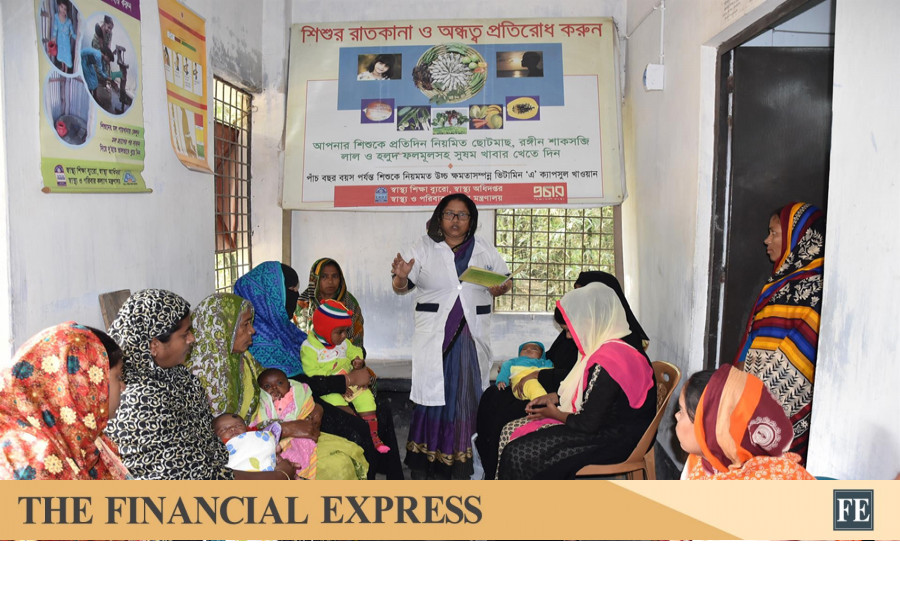
A heath worker providing health tips to a group of young mothers at a community clinic in Bangladesh — WHO Photo

Across Bangladesh’s countryside, a remarkable health-policy transformation has unfolded over the past two decades. Tens of thousands of low-level health posts—community clinics and union-level health and family welfare centres—now bring medical care within reach of rural populations. The ambition is noble: to make healthcare a right at the doorstep of every village. Yet behind the success of expanded access lie persistent deficiencies in staffing, medicine supply, and service quality. The question is no longer whether these clinics exist, but whether they effectively and consistently deliver the care rural Bangladeshis need.

Structure of Rural Health Care: Bangladesh’s rural health system rests on two foundational tiers. The first and most localised is the community clinic, each designed to serve roughly 6,000 people in a cluster of villages. These clinics provide basic preventive and promotive care—immunisations, family planning, nutrition counselling, and treatment of minor ailments. Above them are the union health and family welfare centres, which cover about 25,000 people per union and offer maternal and child healthcare, deliveries, and limited curative services. Together, they form the lowest rungs of the national healthcare ladder, linking upward to upazila health complexes and district hospitals.

The Promise of Accessibility: The World Health Organization (WHO) and the World Bank have hailed Bangladesh’s community clinic model as a milestone in reaching rural and marginalised populations. Each clinic typically has one full-time Community Health Care Provider (CHCP), assisted by two part-time workers who visit households, maintain vaccination coverage, and promote hygiene. Built on the principle of local ownership—where villagers donate land and manage operations—the system was revolutionary in its simplicity. By placing care within walking distance, the government reduced physical and psychological barriers that once kept villagers away from formal healthcare.

For millions, especially women and children, the community clinic became the first point of contact with the state’s health system. Proximity increased the likelihood that mothers would seek antenatal care and children would receive timely immunisations. Maternal and child health indicators improved steadily, and the clinics became the backbone of Covid-19 outreach and vaccination campaigns. Accessibility, once a dream, became reality.

Where the System Falters: The story of progress, however, must be balanced against performance. Efficiency—delivering the right care with the right resources—remains the system’s weak link.

Staffing shortages are the first constraint. Each community clinic employs a CHCP and shares a health assistant and a family welfare assistant. Yet these are paraprofessionals, not degree-holding physicians or registered nurses. Union-level centres, meant to have at least one doctor, midwife, and several paramedics, often operate with half their sanctioned staff. In many unions, one worker shoulders the duties of ten. Without qualified personnel, many clinics are limited to dispensing paracetamol, saline, and advice.

Medicine availability and treatment capacity present the second bottleneck. Community clinics were designed primarily for prevention, not full-scale curative care. Consequently, many lack a reliable supply of antibiotics or diagnostic tools. Drug shortages are common, forcing patients to buy medicines from private pharmacies or travel to distant upazila hospitals. A 2025 reform commission even recommended authorising these clinics to sell essential over-the-counter medicines at subsidised prices—an implicit acknowledgment that rural demand for basic treatment remains unmet.

Workload pressure and weak supervision form the third constraint. Multiple staffing studies using the World Health Organization’s Workload Indicators of Staffing Need (WISN) method reveal that staffing norms are out dated and fail to reflect actual patient volumes. Community health workers face overwhelming workloads, leading to rushed consultations that often last less than four minutes. Weak referral systems, poor transportation, and inadequate communication with higher-tier facilities further erode efficiency.

Dual Practice and Referral Malpractice: Beyond shortages and inefficiencies lies an ethical fault line that quietly corrodes rural healthcare. Many government-employed doctors, officially posted at union or upazila health complexes, also maintain part-time private practices in nearby towns. This dual practice often turns into dual morality. In the government clinic, patients complain of being hurried, dismissed, or even scolded. Yet when the same doctor is visited in a private chamber—after paying consultation fees—the tone changes to courtesy, patience, and care.

Even more troubling is the referral-for-profit network that has emerged, as documented repeatedly in media reports and health-sector studies. Some doctors routinely direct patients to city-based diagnostic centres or specialists with whom they have personal or financial ties. In many cases, the referrals are unnecessary, driven not by medical need but by commission-based incentives. Such practices impose crushing financial burdens on poor families and erode faith in local health facilities.

This behaviour transforms what should be a public service into a marketplace of manipulation. The poor, who turn to government clinics precisely because they cannot afford private care, end up neglected or deceived into unnecessary expenditures. Without strict enforcement, dual practice has become the unspoken rule of the rural health economy—where duty ends at the clinic gate and profit begins at dusk.

Measuring Efficiency: Judged by four criteria—human resources, medicine availability, quality of care, and accessibility, the results are mixed. On access, Bangladesh has succeeded impressively; nearly every rural citizen now lives within a few kilometres of a health post. But the absence of qualified physicians and nurses leaves many facilities operating on the margins of competence. Quality and monitoring vary widely across districts: some clinics thrive under motivated leadership, while others stagnate due to absenteeism or neglect. The problem is not intent but implementation design that favours coverage over capability.

What Must Change: To fulfil the promise of universal health coverage, Bangladesh must move from access to efficiency. This requires recruiting more doctors, nurses, and midwives for rural postings, supported by financial incentives and credible pathways for career advancement. The current two-tier paraprofessional model is insufficient for a country facing a rising burden of chronic and non-communicable diseases.

Equally urgent is guaranteeing consistent stocks of essential drugs, including antibiotics, and equipping clinics with basic diagnostic tools for blood pressure, glucose, and common infections. Without medicines and diagnostics, proximity offers little more than false reassurance.

The system must also pilot enhanced community clinics staffed by at least one trained nurse or physician’s assistant capable of managing uncomplicated infections and chronic conditions. Such intermediate capacity would relieve pressure on hospitals while restoring confidence in local care.

Digital registers and connectivity should be leveraged to monitor attendance, medicine stocks, and referral patterns in real time, allowing district authorities to identify underperforming clinics and intervene early. Finally, citizen participation must be institutionalised through active management committees and regular public hearings, empowering villagers to demand transparency and quality from local providers.

The Road Ahead: Bangladesh’s network of rural clinics remains one of the boldest health outreach initiatives in the developing world. It has achieved what many nations still struggle with—universal access to a health facility within walking distance. Yet access alone is not enough. Without qualified staff, adequate drugs, reliable diagnostics, and effective supervision, accessibility risks becoming a hollow victory. The measure of success should not be how many clinics exist, but how many lives they improve.

These concerns are widely shared among observers of Bangladesh’s health system. Yet the deeper problem lies in the quiet despair gripping rural patients—mistreated by medical professionals, denied basic services, and driven toward private clinics run by the very doctors entrusted with public duty. Such hopelessness reflects a broader culture of dishonesty and corruption that has trickled down from the top to every tier of society. It exposes how numerical policy achievements can conceal lived disillusion when care is indifferent, supervision weak, and accountability absent.

Part of the remedy must begin with raising the salaries of medical professionals to restore dignity to their service, while making private practice for government-employed doctors strictly illegal—punishable by permanent removal from public employment and ineligibility for future government fellowships, including FCPS and foreign training programs. The call is for a renewal of purpose, so that access is matched by care, performance by compassion, and promise by integrity.

Dr Abdullah A. Dewan, Professor Emeritus of Economics at Eastern Michigan University, USA, formerly a Physicist and Nuclear Engineer, BAEC.

Dr Dulary A Maher, MBBS (DU), PGT, CCU, Urban Primary Care Delivery Project Suja Nagar, Comilla.

 
Analyze

Analyze Post

Add your ideas here:
Highlight Cite Fact Check Respond
Effective strategies for health care

1768181129676.webp

BANGLADESH, with significantly high life expectancy and infant mortality rates, is confronted with a growing prevalence of non-communicable diseases alongside growing mental health issues. It also faces dual challenges from chronic infectious diseases such as tuberculosis, which are intensified by inadequate funding, uneven distribution of resources, especially between urban and rural areas, and administrative shortcomings. From a geographical perspective, Bangladesh benefits from improved access and a skilled work force, which contributes to the substantial economic growth.

The primary health care initiative focused on boosting immunisation to reduce child mortality, notably in achieving a ‘polio-free’ status and implementing oral dehydration therapy for diarrhoea treatment, has seen a considerable success. However, the rapid and uneven growth of urbanisation poses long-term challenges for health management, alongside pollution and environmental pressure which are a major barrier to health infrastructure. Consequently, the current health landscape is confronted with numerous challenges and adversities.


Infectious diseases such as bacterial pathogens such as Mycobacterium tuberculosis, are responsible for tuberculosis. Over time, the focus has shifted from tuberculosis to non-communicable diseases, including stroke, heart diseases, chronic obstructive pulmonary disease, cancer and diabetes, which now account for the majority of fatalities. Simultaneously, the population bears a dual burden of inadequate public health and personal financial strain in addressing these diseases.

Mental health is another critical area of concern as Bangladesh handles a significant and escalating burden of mental health issues, with approximately 19 per cent of the adult experiencing mental disorders. The issues are exacerbated by rapid urbanisation, poverty, familial conflicts and certain genetic pre-dispositions. The acute shortage of mental health professionals, coupled with widespread medical shortage exceeding 90 per cent in this sector, is apparent. Women are particularly vulnerable to these conditions and while urban/rural discrimination is not excessively pronounced, there remains a substantial lack of mental health resources in rural areas, where conditions such as depression and anxiety are dominant.

The rise in stress, depression, neurological disorders, strokes and epilepsy is alarming. Anxiety disorders represent one of the fastest-growing categories of mental illness globally, impacting the mental development of at least 4.1 per cent of children and the adolescent. Among the most diagnosed anxiety symptoms in children and young adults aged 11 to 19 are separation anxiety or dissociative disorder; specific phobia, characterised by an irrational fear of certain stimuli; social anxiety disorder; generalised anxiety disorder; and panic disorder.


These mental anxiety disorders typically begin in early childhood or adolescence and over time, the symptoms often interact with other anxiety disorders. Bangladesh ranks among the lowest in public health expenditure globally, frequently fluctuating between about 0.7 per cent and 1.1v of its gross domestic product. As a result of insufficient funding, around 63 per cent to 73 per cent of the total health expenditure is directly incurred by patients.

This financial burden drives millions into poverty each year. Health insurance for the general populace is nearly non-existent, leaving individuals without financial protection during emergency medical situations. The scarcity of resources within the healthcare system, coupled with a lack of personnel and poor governance, perpetuates a vicious circle of underdevelopment, where the absence of resources and accountability results in significant adverse effects, including corruption, economic instability and inadequate public service delivery.

The unequal distribution of healthcare professionals, particularly specialists, between urban and rural regions is recognised as a contributing factor to the emergence of risks and illnesses. The systematic shortcomings in disease prevention and health awareness stem from various interconnected challenges within the healthcare system. A significant barrier is an inadequate emphasis on preventive measures and health promotion initiatives. The current overly centralised decision-making structure of the health ministry is deemed inappropriate, which is often the case. Top-down or top-down strategies result in a disconnect with the actual conditions in rural areas. These systemic issues are exacerbated by insufficient public health communication, particularly during emergencies such as the Covid outbreak, when misinformation proliferates because of ineffective information dissemination and subpar public health messaging.


Likewise, the recovery of the chronic infectious disease such as tuberculosis presents systemic obstacles, including inadequate patient support, exorbitant treatment costs and limited access to care, which contribute to incomplete treatment regimens and the emergence of resistant strains of Mycobacterium tuberculosis and its recovery. Despite ongoing efforts by government and non-governmental organisations through various initiatives, processes and local emergency care networks, there remains a significant deficiency in structural and institutional capacity to prioritise prevention and health education comprehensively, aiming for decentralisation and modernisation that benefits the most common and marginalised segments of the population.

The private health sector is often beyond control because of ineffective government systems, characterised by poor regulation, rampant commercialisation and high out-of-pocket expenses, leading to quality concerns and substantial financial strain for many. This unregulated landscape, marked by a focus on profit rather than quality, has driven many into debt. Conversely, key informal service providers in rural regions frequently lack adequate training, revealing significant administrative deficiencies. To transform Bangladesh into a healthy and developed nation, it is essential to establish a long-term strategic framework that addresses the issues, incorporating youth health and reproductive rights into the effective measures of the health planning structure.

At the core of this vision lies the commitment to ensuring an equitable access to health care, particularly for the adolescent and marginalised communities. It is advisable to execute the potential strategies that emphasise essential health systems, human capital, digital transformation and institutional reforms to establish a modern and stable Bangladesh, which can be viewed through the lens of current health practices, problem identification and actionable initiatives.

Universal health coverage can be broadened to encompass 75 per cent of the population by 2030, necessitating a service package that enhances health care, including lifestyle intervention and nutrition for women and children. The execution of a digital health strategy is crucial for the integration of telemedicine, electronic health records and data analysis among both public and private health service providers. The current primary health budget for the 2026 fiscal year stands at Tk 434.83 billion, reflecting a mere 5 per cent increase from the previous allocation of Tk 414.08 billion in the past financial year. This allocation constitutes 5.3 per cent of the national budget and 0.74 per cent of the gross domestic product, which is considerably lower than the 5 per cent of the gross domestic product recommended by the World Health Organisation.


Regrettably, public health allocations have consistently hovered around 5 per cent of the national budget for several years and even as the GDP share, it has marginally declined from 0.75 per cent in the 2024 financial year to 0.74 per cent in the 2025 financial year. This trend can be recognised as a clear contributor to administrative deficits and prudent management. To promote long-term health development, Bangladesh must enhance multilateral cooperation, which includes precise information sharing and investment strategies in health system infrastructure. Evidence-based decision-making, universal health coverage and community-based management will be crucial. Additionally, there will be sustainable coordination among government agencies, international donors and civic groups to align national health strategies with the Sustainable Development Goals, particularly in health.

By establishing social health protection systems and increasing government funding, while reducing out-of-pocket health expenditures for households, a blended financial system should integrates public and private capital, especially enhancing the capacity of the disease diagnostics sector, and extending medical care to health initiatives to ensure that they are more long-term, sustainable, and efficient. This can guarantee optimal resource use and social security levels.

Bangladesh has implemented several specialised training initiatives to strengthen its healthcare system, including the management sciences for health and good pharmacy practice training programme, supported by foreign funding and technology. This addresses fundamental topics including rational drug usage, patient consultation, antimicrobial resistance, pharmacovigilance and proper storage and labelling of medicines. Despite these advances, the challenges that remain include a significant shortage of healthcare workers, especially in rural areas, and a lack of investment in primary health care and community-based training. A recent survey reveals that 51 per cent of medical students are considering moving abroad, with 90 per cent expressing a preference for urban healthcare positions.

To tackle the challenges in the healthcare system, it is crucial to incorporate health workers into organised health frameworks, ensure ongoing training, and achieve a fair distribution of healthcare professionals. The progress of sustainable health systems relies on diversifying funding sources, boosting domestic investment and fortifying health systems through community-led initiatives, cross-border collaboration and integrated disease control. A modern, stable and resilient health system that promotes good health and well-being can be established through a combination of preventive services, health awareness and systemic approaches.

The concept of public-private partnership is increasingly acknowledged as a fundamental strategy for promoting long-term health development. With a population exceeding 180 million, Bangladesh faces challenges in accessing health care, particularly in rural and marginalized communities. Therefore, a measurable and sustainable model is crucial for reinforcing the health system. The governments, the private sector, non-governmental organisations and international donors are working collaboratively to address life-threatening diseases such as tuberculosis, HIV/AIDS and malaria while also establishing resilient infrastructure to achieve universal health coverage.

Sarker M Shaheen is a researcher of neurogenetics and precision medicine at the University of Calgary, Canada.​
 
Analyze

Analyze Post

Add your ideas here:
Highlight Cite Fact Check Respond

Members Online

Latest Posts

Latest Posts

Post