Donate ☕
[🇮🇳] - Indian Economy watch- All new developments. | Page 11 | PKDefense

[🇮🇳] Indian Economy watch- All new developments.

⤵︎
Reply (Scroll)
Press space to scroll through posts
G   Indian Defense
[🇮🇳] Indian Economy watch- All new developments.
More threads by Krishna with Flute

And they are the ones going abroad.
You know you are quoting a guy who's primeval swamp that passes for a nation literally has rivers of bloods flowing through the streets of its capital every year right?

We cannot even nuke it because of the fallout and our geographical proximity. Nothing saddens me more. Literally nothing. Than the waste of a good nuke.
 
Analyze

Analyze Post

Add your ideas here:
Highlight Cite Fact Check Respond
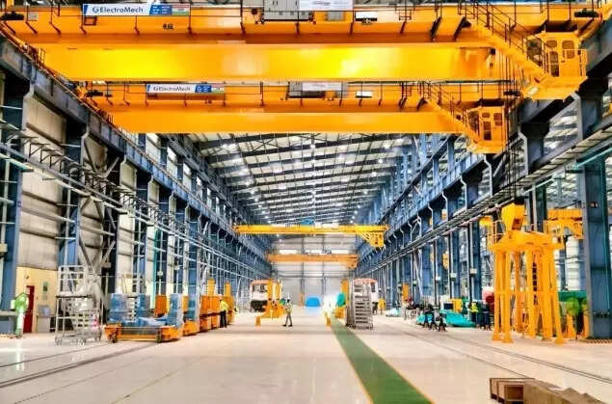
Meanwhile amidst the @$$ burn of Cockroach eater 4 feet Chinese and Bhukha Bengalis begging for rise, India's car export rises by 20.5% and mobile export to US rises by 70% and Total mobile export rose by 95% in September.

Now more filth is expected from Piggene Chinese and bhukha Bengalis.

Europe drives India’s 20.5% rise in car exports despite global slowdown​


India’s Mobile Phone Exports Cross USD 1.8 Billion in September 2025​


Analyze

Analyze Post

Add your ideas here:
Highlight Cite Fact Check Respond
1.4 billion Indian smelly pigs. China's economic colony. 😂

When Indian pigs sell any industrial manufactured goods to other countries, 1.4 billion Indian pigs must hand over all profits to China!
 
Analyze

Analyze Post

Add your ideas here:
Highlight Cite Fact Check Respond
  • Wow (+2)
Reactions: Afhan
The Indian economy is like the Indian rupee. Dead. But pretending to be alive.


A pariah agricultural nation imagines itself as a human nation.😂
 
Analyze

Analyze Post

Add your ideas here:
Highlight Cite Fact Check Respond
  • Wow (+2)
Reactions: Afhan
India's Money Power.

In Savariya Sheth Temple in Rajasthan, when treasure opened for donation counting, 30 Crore cash, 2 k.g Gold and 100 kg. Silver received as donation.
 
Analyze

Analyze Post

Add your ideas here:
Highlight Cite Fact Check Respond
One Ram idol made of Gold, silver, diamonds received in Donation probably worth tens or Hundreds of Crore.
 
Analyze

Analyze Post

Add your ideas here:
Highlight Cite Fact Check Respond
Analyze

Analyze Post

Add your ideas here:
Highlight Cite Fact Check Respond
Analyze

Analyze Post

Add your ideas here:
Highlight Cite Fact Check Respond
The Indian rupee is dying. The economy relies on assembly. Profits go to China.

This is the consequence of 1.4 billion 1-meter-tall Indian pigs imagining themselves close to Yao Ming's waist height.

Screenshot_2025-12-26-19-09-45-113_com.microsoft.emmx-edit.webp
 
Analyze

Analyze Post

Add your ideas here:
Highlight Cite Fact Check Respond
  • Trump (+4)
Reactions: Afhan
Привет всем! В этой статье я расскажу про устройство эксплуатируемой кровли. Здесь такой момент: крыша с нагрузкой — требует особой гидроизоляции. Хочешь профессионально — обращайся: Монтаж мембранной кровли в Санкт-Петербурге | НадёжнаяКровля. В большинстве случаев под террасную доску кладут ПВХ мембрану. Например хочешь террасу на крыше — гидроизоляция должна быть идеальной. Можно поставить усиленное покрытие, сверху — геотекстиль и дренаж. Резюмируем: это отличные параметры — терраса без протечек.
 
Analyze

Analyze Post

Add your ideas here:
Highlight Cite Fact Check Respond

How India overtook China to become the world's top rice producer​


How India overtook China to become the world's top rice producer

How India overtook China to become the world's top rice producer
India has shattered China's dominance that had continued for years in the field of rice. By overtaking China, India has reached number one in the world in terms of rice production.

The country's share in total global rice production has crossed more than 28%. The United States Department of Agriculture (USDA) has also acknowledged India's achievement.


In its December 2025 report, the USDA said India's rice production has reached 152 million metric tonnes, while China's output stands at 146 million metric tonnes.

With this, India has become the world's "rice king".

This record will require a revision of long-held assumptions that China is the world's largest rice-producing country. An interesting aspect of India's success is the significant contribution made by Taiwan. Relations between China and Taiwan remain extremely tense.


View on WatchView on Watch
Rice has been grown and consumed in India since ancient times. Whenever the origin of rice is discussed, India's name is often mentioned first. There are about 123,000 varieties of rice in the world, of which nearly 60,000 are found in India.

This highlights India's richness in rice diversity. However, in terms of production, India had lagged far behind China for a long time.


This is the first time India has overtaken China in rice production.

Dr Sudhanshu Singh, Director of the South Asia Regional Centre at the International Rice Institute, says that India's emergence as the world's largest rice producer is a major achievement. Indian rice is exported to 172 countries, and rice has also become an important tool of India's foreign policy.

EARNINGS FROM RICE​

In 2024–25, India exported agricultural produce worth a record Rs 450,840 crore, with rice accounting for the largest share of about 24%.

By exporting basmati and non-basmati rice, India earned foreign exchange worth Rs 105,720 crore in a single year.

This underlines the importance of rice to the Indian economy.

TAIWAN'S CONTRIBUTION​

At the time of Independence, India produced only 20.58 million metric tonnes of rice annually. By 2025, this figure had risen to 152 million metric tonnes.

This record in rice production is undoubtedly the result of the hard work of farmers and scientists. However, Taiwan also played a significant role in India's success in rice cultivation, which merits special mention.


call to action icon


more

In the 1960s, India was struggling with a shortage of food grains. At the time, cultivation was limited to traditional long-stem rice varieties, with yields of only about 800 kg per hectare.

By then, urea had been introduced as a chemical fertiliser. While the use of fertiliser and additional water could increase output, this required dwarf and strong-stem varieties, which India did not have.

Indian varieties tended to lodge when fertiliser and water were used, as their long stems caused the crop to fall over. This led to the need for dwarf varieties to increase production and address food shortages.

Taiwan stepped in to meet this requirement by providing its dwarf rice variety, Taichung Native-1 (TN1). This transformed Indian agriculture. Taichung Native-1 played a key role in the Green Revolution and is considered the world's first semi-dwarf rice variety.


IR-8 CHANGED THE WORLD​

Another dwarf rice variety, IR-8, was introduced in India in 1968 by the International Rice Research Institute. This triggered a rapid increase in production. Because of its revolutionary productivity, IR-8 came to be known as "Miracle Rice".

In 1969, Indian scientists began cross-breeding these varieties.

In Odisha, a local rice variety called T-141 was cross-bred with Taichung Native-1 to develop 'Jaya', India's first domestically developed dwarf rice variety. Its stem length was reduced from 150 centimetres to 90 centimetres, leading to a sharp rise in production.

After this breakthrough, India did not look back in rice cultivation.

BASMATI'S SUCCESS​

India is also the world's largest producer of basmati rice. Exports of basmati rice have crossed Rs 50,000 crore. A distinct global market has developed for Indian basmati varieties. India also holds the record for producing the world's longest rice grain.


This record belongs to Pusa Basmati-1121 (PB 1121). The uncooked grain is about 9 mm long and extends to between 15 and 22 mm after cooking.

Apart from basmati, at least 15 other Indian rice varieties have received the Geographical Indication tag.

CHALLENGE BEFORE INDIA​

Despite becoming number one in rice production and exports, India still lags behind in one important area. Although the area under rice cultivation in India is larger than China's, per-hectare yields remain significantly lower.

According to the Union Agriculture Ministry, India produced only 668 kg of rice per hectare in 1950–51.

This increased to 1,235 kg by 1975–76 after the introduction of dwarf varieties and increased fertiliser use. Yield rose to 1,901 kg per hectare in 2000–01 and further to 2,809 kg in 2021–22.

The USDA estimates that India's average rice yield will reach 4,390 kg per hectare in 2025–26.

However, this remains below the global average, which is a concern. Matching China's yield of about 7,100 kg per hectare would mark a major milestone, particularly as rice cultivation requires large amounts of wate


Analyze

Analyze Post

Add your ideas here:
Highlight Cite Fact Check Respond

How India overtook China to become the world's top rice producer​


How India overtook China to become the world's top rice producer's top rice producer

How India overtook China to become the world's top rice producer
India has shattered China's dominance that had continued for years in the field of rice. By overtaking China, India has reached number one in the world in terms of rice production.

The country's share in total global rice production has crossed more than 28%. The United States Department of Agriculture (USDA) has also acknowledged India's achievement.


In its December 2025 report, the USDA said India's rice production has reached 152 million metric tonnes, while China's output stands at 146 million metric tonnes.

With this, India has become the world's "rice king".

This record will require a revision of long-held assumptions that China is the world's largest rice-producing country. An interesting aspect of India's success is the significant contribution made by Taiwan. Relations between China and Taiwan remain extremely tense.


View on WatchView on Watch
Rice has been grown and consumed in India since ancient times. Whenever the origin of rice is discussed, India's name is often mentioned first. There are about 123,000 varieties of rice in the world, of which nearly 60,000 are found in India.

This highlights India's richness in rice diversity. However, in terms of production, India had lagged far behind China for a long time.


This is the first time India has overtaken China in rice production.

Dr Sudhanshu Singh, Director of the South Asia Regional Centre at the International Rice Institute, says that India's emergence as the world's largest rice producer is a major achievement. Indian rice is exported to 172 countries, and rice has also become an important tool of India's foreign policy.

EARNINGS FROM RICE​

In 2024–25, India exported agricultural produce worth a record Rs 450,840 crore, with rice accounting for the largest share of about 24%.

By exporting basmati and non-basmati rice, India earned foreign exchange worth Rs 105,720 crore in a single year.

This underlines the importance of rice to the Indian economy.

TAIWAN'S CONTRIBUTION​

At the time of Independence, India produced only 20.58 million metric tonnes of rice annually. By 2025, this figure had risen to 152 million metric tonnes.

This record in rice production is undoubtedly the result of the hard work of farmers and scientists. However, Taiwan also played a significant role in India's success in rice cultivation, which merits special mention.


call to action icon


more

In the 1960s, India was struggling with a shortage of food grains. At the time, cultivation was limited to traditional long-stem rice varieties, with yields of only about 800 kg per hectare.

By then, urea had been introduced as a chemical fertiliser. While the use of fertiliser and additional water could increase output, this required dwarf and strong-stem varieties, which India did not have.

Indian varieties tended to lodge when fertiliser and water were used, as their long stems caused the crop to fall over. This led to the need for dwarf varieties to increase production and address food shortages.

Taiwan stepped in to meet this requirement by providing its dwarf rice variety, Taichung Native-1 (TN1). This transformed Indian agriculture. Taichung Native-1 played a key role in the Green Revolution and is considered the world's first semi-dwarf rice variety.


IR-8 CHANGED THE WORLD​

Another dwarf rice variety, IR-8, was introduced in India in 1968 by the International Rice Research Institute. This triggered a rapid increase in production. Because of its revolutionary productivity, IR-8 came to be known as "Miracle Rice".

In 1969, Indian scientists began cross-breeding these varieties.

In Odisha, a local rice variety called T-141 was cross-bred with Taichung Native-1 to develop 'Jaya', India's first domestically developed dwarf rice variety. Its stem length was reduced from 150 centimetres to 90 centimetres, leading to a sharp rise in production.

After this breakthrough, India did not look back in rice cultivation.

BASMATI'S SUCCESS​

India is also the world's largest producer of basmati rice. Exports of basmati rice have crossed Rs 50,000 crore. A distinct global market has developed for Indian basmati varieties. India also holds the record for producing the world's longest rice grain.


This record belongs to Pusa Basmati-1121 (PB 1121). The uncooked grain is about 9 mm long and extends to between 15 and 22 mm after cooking.

Apart from basmati, at least 15 other Indian rice varieties have received the Geographical Indication tag.

CHALLENGE BEFORE INDIA​

Despite becoming number one in rice production and exports, India still lags behind in one important area. Although the area under rice cultivation in India is larger than China's, per-hectare yields remain significantly lower.

According to the Union Agriculture Ministry, India produced only 668 kg of rice per hectare in 1950–51.

This increased to 1,235 kg by 1975–76 after the introduction of dwarf varieties and increased fertiliser use. Yield rose to 1,901 kg per hectare in 2000–01 and further to 2,809 kg in 2021–22.

The USDA estimates that India's average rice yield will reach 4,390 kg per hectare in 2025–26.

However, this remains below the global average, which is a concern. Matching China's yield of about 7,100 kg per hectare would mark a major milestone, particularly as rice cultivation requires large amounts of wate


@Jiangnan
 
Analyze

Analyze Post

Add your ideas here:
Highlight Cite Fact Check Respond
Let India reach where China is, then we can discuss.

Meanwhile, We can discuss the economy of BD, the No 1 economy of world.
 
Analyze

Analyze Post

Add your ideas here:
Highlight Cite Fact Check Respond
  • Haha (0)
Reactions: Vsdoc
Analyze

Analyze Post

Add your ideas here:
Highlight Cite Fact Check Respond
Analyze

Analyze Post

Add your ideas here:
Highlight Cite Fact Check Respond

Members Online

Latest Posts

Latest Posts

Post