Bangladesh Defense
Saif
Senior Member
- Joined
- Jan 24, 2024
- Messages
- 21,344
- Likes
- 9,697
- Nation

- Residence
- Axis Group


BGMEA, BKMEA want import ban on knit fabric withdrawn
Two leading apparel trade bodies—the Bangladesh Garment Manufacturers and Exporters Association (BGMEA) and the Bangladesh Knitwear Manufacturers and Exporters Association (BKMEA)—have demanded the cancellation or suspension of a provision restricting knit fabric imports under the count
BGMEA, BKMEA want import ban on knit fabric withdrawn
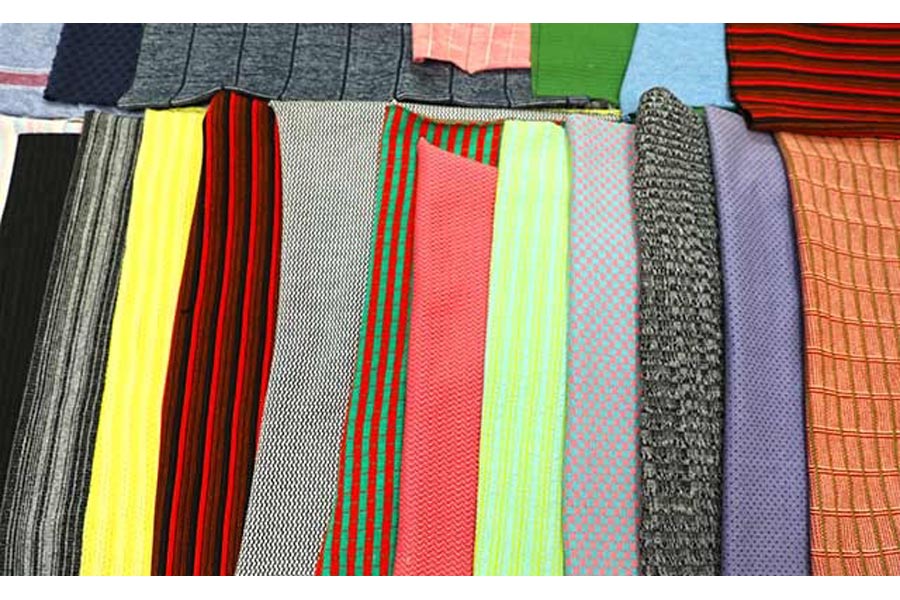
Two leading apparel trade bodies—the Bangladesh Garment Manufacturers and Exporters Association (BGMEA) and the Bangladesh Knitwear Manufacturers and Exporters Association (BKMEA)—have demanded the cancellation or suspension of a provision restricting knit fabric imports under the country's new import policy.
In separate letters sent to the Ministry of Commerce, the trade associations stated that Sub-clause 12 of Clause 25 of the Import Policy Order 2026–2029 stipulates that "knit fabrics shall not be eligible for import."
Both organisations requested the suspension or withdrawal of this restriction, emphasizing its potential negative impact on the normal operations and global competitiveness of the export-oriented readymade garment (RMG) sector, reports UNB.
In a letter sent to the Commerce Minister on September 1, BGMEA President Mahmud Hasan Khan explained that international buyers' demands constantly evolve, requiring product diversification, adherence to specific quality standards, custom designs, and rapid delivery. Meeting these buyer-driven requirements frequently necessitates sourcing specific varieties of fabric from international suppliers.
BGMEA noted that restricted import access could disrupt regular factory operations, as specialized grades, colors, textures, and designs required by global buyers are often unavailable in the local market.
BKMEA President Mohammad Hatem also urged the suspension or repeal of the provision, highlighting that imported knit fabrics of various types have already arrived at Chittagong Port under open-air storage, while many exporters have already completed import formalities.
The BKMEA warned that the new policy creates severe complications in clearing these shipments and executing scheduled export orders. He added that the restriction further compounds operational pressures on factories already struggling with production disruptions caused by ongoing gas shortages.
Two leading apparel trade bodies—the Bangladesh Garment Manufacturers and Exporters Association (BGMEA) and the Bangladesh Knitwear Manufacturers and Exporters Association (BKMEA)—have demanded the cancellation or suspension of a provision restricting knit fabric imports under the country's new import policy.
In separate letters sent to the Ministry of Commerce, the trade associations stated that Sub-clause 12 of Clause 25 of the Import Policy Order 2026–2029 stipulates that "knit fabrics shall not be eligible for import."
Both organisations requested the suspension or withdrawal of this restriction, emphasizing its potential negative impact on the normal operations and global competitiveness of the export-oriented readymade garment (RMG) sector, reports UNB.
In a letter sent to the Commerce Minister on September 1, BGMEA President Mahmud Hasan Khan explained that international buyers' demands constantly evolve, requiring product diversification, adherence to specific quality standards, custom designs, and rapid delivery. Meeting these buyer-driven requirements frequently necessitates sourcing specific varieties of fabric from international suppliers.
BGMEA noted that restricted import access could disrupt regular factory operations, as specialized grades, colors, textures, and designs required by global buyers are often unavailable in the local market.
BKMEA President Mohammad Hatem also urged the suspension or repeal of the provision, highlighting that imported knit fabrics of various types have already arrived at Chittagong Port under open-air storage, while many exporters have already completed import formalities.
The BKMEA warned that the new policy creates severe complications in clearing these shipments and executing scheduled export orders. He added that the restriction further compounds operational pressures on factories already struggling with production disruptions caused by ongoing gas shortages.