Bangladesh Defense
Saif
Senior Member
- Messages
- 21,737
- Likes
- 9,794
- Nation

- Residence
- Axis Group

PART VI: ANIMAL FOOD AND THE LIST
It was February 1. The town where he grew up was unrecognisable. It was grayer than the insides of the mullet they cooked during Eid. Their house was bombed for the second time, and only the entrance of it remained. They stayed there for a night in search of food. They walked around during the day, as no one was allowed to get out after 5pm. Night fell, and there were airstrikes. One day, as he walked around in search of food, Kamel found the home of his 10th grade Arabic teacher, Youssef, which had been struck the night before. His teacher was screaming under the rubble. Kamel and his family tried to pry him loose from under the debris for hours. He was dead by the time they recovered him.

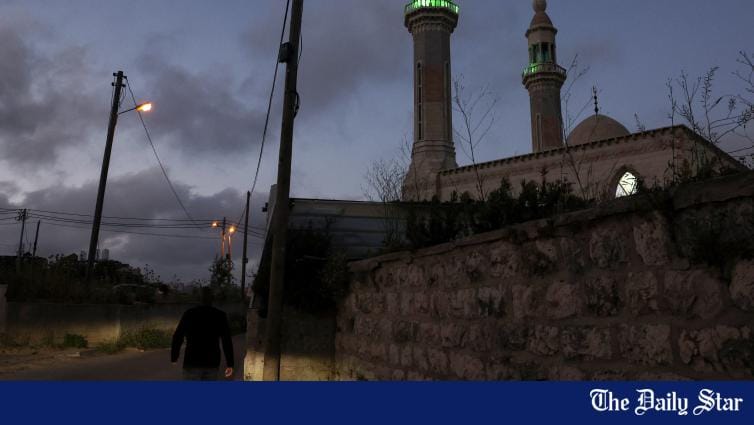
(L) View of Kamel's street in Beit Hanoun, in North Gaza in February, 2024; (M) Inside of Kamel's house photographed during the temporary truce from November 24 to November 30, 2023; (R) Bombed Umm al-Nasr Mosque in Beit Hanoun, where Kamel and his family prayed every Friday, captured on February 2024. Photo Collage: Nazifa Raidah
They walked over to the periphery of Northern Gaza, where his aunt lived. Her house was not fully bombed; a room was still inhabitable for the ten members of his family. They went near the Erez crossing, barricaded within a concrete wall and a heavily-fenced Israeli border. Anyone who steps within 1km of this barrier is in danger of being shot by the Israeli army. As he and his family walked across, the glimpses of the hinterland across the border made him crumble inside. He could see life: tall buildings, glass windows, and cars in Israel.
On his side of the border, they went 15 days without any food, drinking salt water from the beach, or from dirty tube wells. They picked grass from the wasteland and swallowed it. His family was in hypoglycemic shock, their pulses were weak. They would writhe and grimace in hunger. To treat hypoglycemic shocks, Kamel needed injections which he did not have. Each night they went to sleep, Kamel accepted that the prophesied doom was near: maybe the next day, or in a few hours, he would wake up and have to bury his brother, mother or father, if they didn't wake up. Or they would have to bury him.
Then his brother heard that some people were serving "food" somewhere nearby in a cart. It was animal feed, but they were so ecstatic, Kamel told me in a matter-of-fact way. They did whatever they could to survive.

Animal feed fried for 20 people with old beans and rotten fruit. This is what Kamel and his family ate after returning to the North. PHOTO: COURTESY OF KAMEL ABU AMSHA
On March 24, Kamel's uncle came and woke him up. "Your name has been published on the list! Get up!" he shouted.
"What list? What list?" He'd responded.
That's when Kamel remembered, that around the beginning of the war, he had registered in a few student organisations which were helping students studying abroad to escape Gaza. The organisation would pay $5,000 to let him cross the border—that's how much it cost to cross Rafah to Egypt. (He's never met anyone in the organisation, he doesn't know how they pay, or who they pay to). He felt an electric shock through his chest.
"No," he told his uncle. "I'm not going." He refused to leave. Kamel and his family were starving, and he knew what his family was facing. They are not students, so they won't be allowed to leave with him. Kamel and his family didn't have any money let alone the amount needed to cross the borders.
"We know our fate, but you have a different fate. Go finish your journey," his father had said, "Go back, go become a doctor."
He was crushed, broken, but he knew he had to go. Kamel departed, knowing it could be the last time he sees them. But he doesn't want to think like that. "They're my life," he told me.
It was February 1. The town where he grew up was unrecognisable. It was grayer than the insides of the mullet they cooked during Eid. Their house was bombed for the second time, and only the entrance of it remained. They stayed there for a night in search of food. They walked around during the day, as no one was allowed to get out after 5pm. Night fell, and there were airstrikes. One day, as he walked around in search of food, Kamel found the home of his 10th grade Arabic teacher, Youssef, which had been struck the night before. His teacher was screaming under the rubble. Kamel and his family tried to pry him loose from under the debris for hours. He was dead by the time they recovered him.
(L) View of Kamel's street in Beit Hanoun, in North Gaza in February, 2024; (M) Inside of Kamel's house photographed during the temporary truce from November 24 to November 30, 2023; (R) Bombed Umm al-Nasr Mosque in Beit Hanoun, where Kamel and his family prayed every Friday, captured on February 2024. Photo Collage: Nazifa Raidah
They walked over to the periphery of Northern Gaza, where his aunt lived. Her house was not fully bombed; a room was still inhabitable for the ten members of his family. They went near the Erez crossing, barricaded within a concrete wall and a heavily-fenced Israeli border. Anyone who steps within 1km of this barrier is in danger of being shot by the Israeli army. As he and his family walked across, the glimpses of the hinterland across the border made him crumble inside. He could see life: tall buildings, glass windows, and cars in Israel.
On his side of the border, they went 15 days without any food, drinking salt water from the beach, or from dirty tube wells. They picked grass from the wasteland and swallowed it. His family was in hypoglycemic shock, their pulses were weak. They would writhe and grimace in hunger. To treat hypoglycemic shocks, Kamel needed injections which he did not have. Each night they went to sleep, Kamel accepted that the prophesied doom was near: maybe the next day, or in a few hours, he would wake up and have to bury his brother, mother or father, if they didn't wake up. Or they would have to bury him.
Then his brother heard that some people were serving "food" somewhere nearby in a cart. It was animal feed, but they were so ecstatic, Kamel told me in a matter-of-fact way. They did whatever they could to survive.
Animal feed fried for 20 people with old beans and rotten fruit. This is what Kamel and his family ate after returning to the North. PHOTO: COURTESY OF KAMEL ABU AMSHA
On March 24, Kamel's uncle came and woke him up. "Your name has been published on the list! Get up!" he shouted.
"What list? What list?" He'd responded.
That's when Kamel remembered, that around the beginning of the war, he had registered in a few student organisations which were helping students studying abroad to escape Gaza. The organisation would pay $5,000 to let him cross the border—that's how much it cost to cross Rafah to Egypt. (He's never met anyone in the organisation, he doesn't know how they pay, or who they pay to). He felt an electric shock through his chest.
"No," he told his uncle. "I'm not going." He refused to leave. Kamel and his family were starving, and he knew what his family was facing. They are not students, so they won't be allowed to leave with him. Kamel and his family didn't have any money let alone the amount needed to cross the borders.
"We know our fate, but you have a different fate. Go finish your journey," his father had said, "Go back, go become a doctor."
He was crushed, broken, but he knew he had to go. Kamel departed, knowing it could be the last time he sees them. But he doesn't want to think like that. "They're my life," he told me.