Bangladesh Defense
Saif
Senior Member
- Jan 24, 2024
- 21,457
- 9,743
- Nation

- Residence
- Axis Group


Foreign leaders condole death of Khaleda Zia
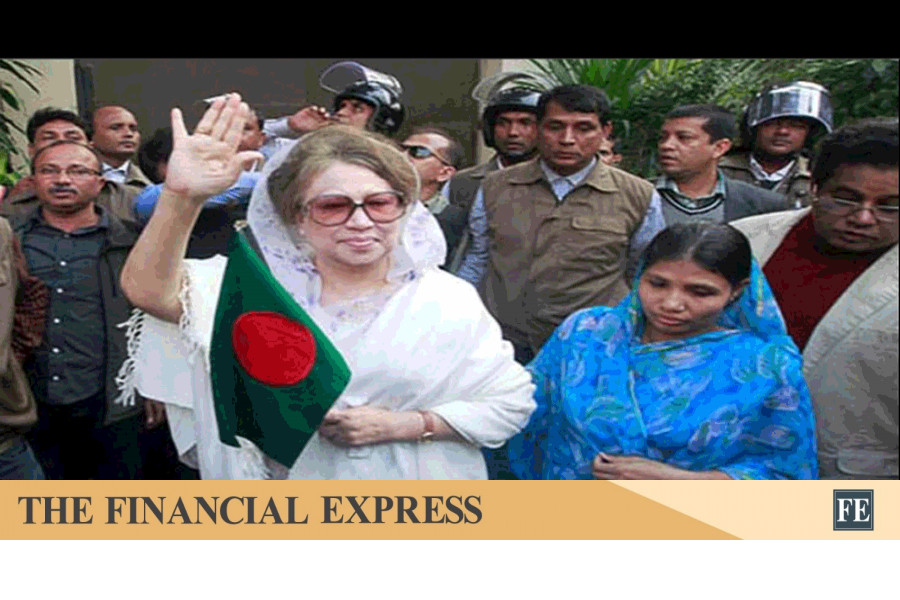
Condolences poured in from foreign countries and international communities, too, following the death of Bangladesh’s first woman prime minister and Bangladesh Nationalist Party chair Khaleda Zia on Tuesday morning.
 www.newagebd.net
Foreign leaders condole death of Khaleda Zia
Staff Correspondent 30 December, 2025, 11:35

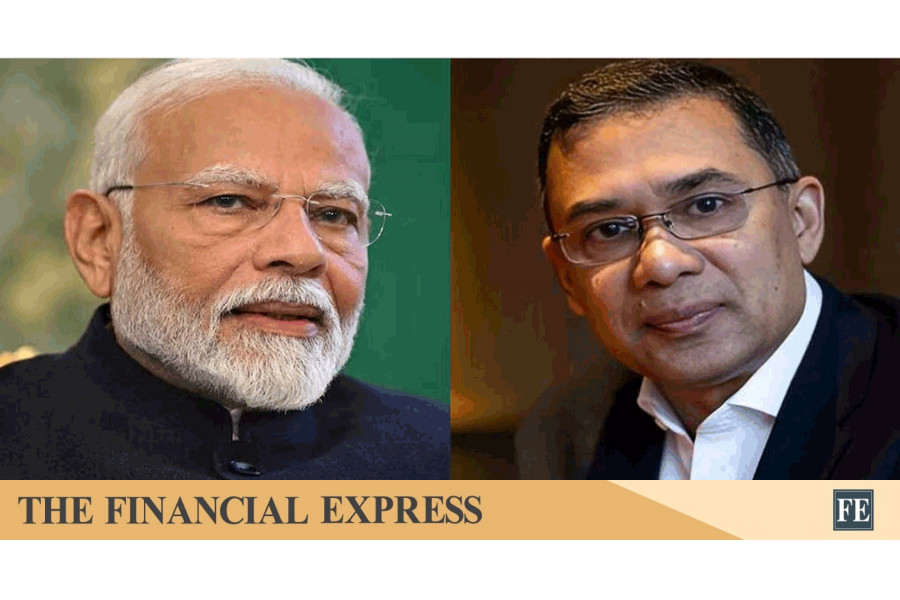
Former Bangladesh prime minister Khaleda Zia and Indian prime minister Narendra Modi. | Collected photo
Condolences poured in from foreign countries and international communities, too, following the death of Bangladesh’s first woman prime minister and Bangladesh Nationalist Party chair Khaleda Zia on Tuesday morning.
India, Pakistan, China, Nepal, Iran, Malaysia, United States, Australia, Germany, Canada, France, Russia, and European Union, among others, expressed condolences in separate messages issued over the death of Khaleda, three-time prime minister of Bangladesh.
She died while under treatment at a Dhaka hospital at the age of 80.
‘Deeply saddened by the news of the passing of former Prime Minister and BNP Chairperson Begum Khaleda Zia in Dhaka. Our heartfelt condolences to her family and all the people of Bangladesh. May the Almighty grant his family the strength to bear this irreparable loss,’ said Indian prime minister Narendra Modi in his X handle.
As the first female prime minister of Bangladesh, her significant contribution to the development of Bangladesh and the advancement of India-Bangladesh relations would be remembered forever, he said.
Modi went on to say, ‘I recall my cordial meeting with her in Dhaka in 2015. We hope that her thoughts and legacy will guide our partnership well into the future. May her soul rest in peace.’
Pakistan president Asif Ali Zardari and prime minister Shehbaz Sharif in separate messages expressed grief and sorrows over the death of Khaleda Zia.
Zardari extended heartfelt condolences to Khaleda’s family and the people of Bangladesh, saying, ‘Her leadership & services will be remembered with respect.’
‘Her lifelong service to Bangladesh and its growth and development leaves a lasting legacy,’ he said, adding that Begum Zia was a committed friend of Pakistan,’ said Shehbaz.
‘My Government and the people of Pakistan stand with the people of Bangladesh in this moment of sorrow. Our thoughts and prayers are with her family, friends, and the people of Bangladesh during this difficult time. May Allah SWT bless her soul. Ameen!,’ the Pakistan prime minister said.
West Bengal chief minister Mamata Banerjee also expressed deep sorrow over the death of Khaleda Zia.
In a condolence letter addressed to BNP acting chair Tarique Rahman, Chinese ambassador to Bangladesh Yao Wen said that the Chinese leadership mourned the passing of Khaleda Zia, describing her as a steadfast champion of freedom and a key figure in shaping Bangladesh’s political history.
The ambassador said that Chinese premier Li Qiang and foreign minister Wang Yi had separately conveyed their condolences to chief adviser Professor Muhammad Yunus and adviser for foreign affairs Touhid Hossain.
The US embassy in Dhaka in a message expressed deepest condolences on the passing of Khaleda Zia, saying, ‘Mrs Zia played a pivotal role in shaping her country’s modern history, and her leadership was instrumental in advancing Bangladesh’s development.’
The embassy of Russia in Bangladesh said that they were deeply saddened to learn about the demise of Bangladesh’s first female prime minister and BNP chair Khaleda Zia.
In a condolence message, the Australian high commission in Bangladesh said, ‘Our thoughts are with the people of Bangladesh on the passing of their former Prime Minister, leader and Chairperson of the Bangladesh Nationalist Party, Begum Khaleda Zia.’
In a message, the high commission of Canada in Bangladesh also extended Canada’s sincere condolences to the family and the people of Bangladesh after the death of Khaleda Zia.
The German embassy in Dhaka in a condolence message expressed its deepest condolences on the passing of Khaleda Zia, the country’s first female head of government and long-serving chair of the BNP.
The Bay of Bengal Initiative for Multi-Sectoral Technical and Economic Cooperation also expressed condolence on the passing of Khaleda.
Staff Correspondent 30 December, 2025, 11:35
Former Bangladesh prime minister Khaleda Zia and Indian prime minister Narendra Modi. | Collected photo
Condolences poured in from foreign countries and international communities, too, following the death of Bangladesh’s first woman prime minister and Bangladesh Nationalist Party chair Khaleda Zia on Tuesday morning.
India, Pakistan, China, Nepal, Iran, Malaysia, United States, Australia, Germany, Canada, France, Russia, and European Union, among others, expressed condolences in separate messages issued over the death of Khaleda, three-time prime minister of Bangladesh.
She died while under treatment at a Dhaka hospital at the age of 80.
‘Deeply saddened by the news of the passing of former Prime Minister and BNP Chairperson Begum Khaleda Zia in Dhaka. Our heartfelt condolences to her family and all the people of Bangladesh. May the Almighty grant his family the strength to bear this irreparable loss,’ said Indian prime minister Narendra Modi in his X handle.
As the first female prime minister of Bangladesh, her significant contribution to the development of Bangladesh and the advancement of India-Bangladesh relations would be remembered forever, he said.
Modi went on to say, ‘I recall my cordial meeting with her in Dhaka in 2015. We hope that her thoughts and legacy will guide our partnership well into the future. May her soul rest in peace.’
Pakistan president Asif Ali Zardari and prime minister Shehbaz Sharif in separate messages expressed grief and sorrows over the death of Khaleda Zia.
Zardari extended heartfelt condolences to Khaleda’s family and the people of Bangladesh, saying, ‘Her leadership & services will be remembered with respect.’
‘Her lifelong service to Bangladesh and its growth and development leaves a lasting legacy,’ he said, adding that Begum Zia was a committed friend of Pakistan,’ said Shehbaz.
‘My Government and the people of Pakistan stand with the people of Bangladesh in this moment of sorrow. Our thoughts and prayers are with her family, friends, and the people of Bangladesh during this difficult time. May Allah SWT bless her soul. Ameen!,’ the Pakistan prime minister said.
West Bengal chief minister Mamata Banerjee also expressed deep sorrow over the death of Khaleda Zia.
In a condolence letter addressed to BNP acting chair Tarique Rahman, Chinese ambassador to Bangladesh Yao Wen said that the Chinese leadership mourned the passing of Khaleda Zia, describing her as a steadfast champion of freedom and a key figure in shaping Bangladesh’s political history.
The ambassador said that Chinese premier Li Qiang and foreign minister Wang Yi had separately conveyed their condolences to chief adviser Professor Muhammad Yunus and adviser for foreign affairs Touhid Hossain.
The US embassy in Dhaka in a message expressed deepest condolences on the passing of Khaleda Zia, saying, ‘Mrs Zia played a pivotal role in shaping her country’s modern history, and her leadership was instrumental in advancing Bangladesh’s development.’
The embassy of Russia in Bangladesh said that they were deeply saddened to learn about the demise of Bangladesh’s first female prime minister and BNP chair Khaleda Zia.
In a condolence message, the Australian high commission in Bangladesh said, ‘Our thoughts are with the people of Bangladesh on the passing of their former Prime Minister, leader and Chairperson of the Bangladesh Nationalist Party, Begum Khaleda Zia.’
In a message, the high commission of Canada in Bangladesh also extended Canada’s sincere condolences to the family and the people of Bangladesh after the death of Khaleda Zia.
The German embassy in Dhaka in a condolence message expressed its deepest condolences on the passing of Khaleda Zia, the country’s first female head of government and long-serving chair of the BNP.
The Bay of Bengal Initiative for Multi-Sectoral Technical and Economic Cooperation also expressed condolence on the passing of Khaleda.