[🇧🇩] Pharmaceutical and Chemical Industry in Bangladesh

[🇧🇩] Pharmaceutical and Chemical Industry in Bangladesh
76
6K
More threads by Saif

G Bangladesh Defense

Eskayef begins production of Novo Nordisk's modern insulin cartridges

Special Correspondent
Dhaka
Updated: 28 Apr 2026, 22: 19

1777420811052.webp

Eskayef Pharmaceuticals Limited and Novo Nordisk have started producing modern insulin cartridges in the country using Danish technology. Guests pose for a photo at the inaugural programme at the Pan Pacific Sonargaon in Dhaka on 28 April.Tanvir Ahammed

Bangladesh’s leading pharmaceutical company Eskayef Pharmaceuticals Limited (SKF) has begun producing modern insulin cartridges in the country for the first time.

The production has started through an agreement with Denmark-based pharmaceutical company Novo Nordisk.

As a result, modern insulin cartridges will now be more easily available to patients with diabetes at comparatively lower prices.

The information was shared at a programme held today, Tuesday, at the Pan Pacific Sonargaon in Dhaka.

The event, titled “Shabash Bangladesh: Increasing Access to Modern Insulin through Technology Transfer from Denmark,” was attended by Health Minister Sardar Sakhawat Hossain as the chief guest.

The initiative is being regarded as a major milestone in making high-quality diabetes treatment more accessible and in enhancing the country’s capacity to produce biologic medicines.

Novo Nordisk has been producing human insulin in Bangladesh since 2012, and such insulin has even been exported. However, modern insulin products—such as “Novomix” and “Novorapid”—had so far been imported from Denmark.

Through technology transfer to SKF, these modern insulin cartridges will now be produced domestically using the same technology, marking a first for Bangladesh. This will make advanced insulin more accessible and affordable. Compared to human insulin, modern insulin is more advanced and works more effectively in the body. To maintain global standards, every batch produced in Bangladesh will be quality-checked in Denmark.


Health Minister Sardar Sakhawat Hossain thanked both Novo Nordisk and Eskayef Pharmaceuticals Limited for the initiative. He said, “Producing modern insulin in the country is undoubtedly a significant step. It will open a new horizon in insulin production. However, there can be no compromise on quality. This is a new beginning for the country.

Bangladesh has made progress in tackling diabetes, yet a large portion of the population remains affected. Therefore, producing insulin domestically at a relatively lower cost is highly commendable. Manufacturers should ensure that prices remain within people’s purchasing capacity.”

1777420869264.webp

Health Minister Sardar Sakhawat Hossain speaks at a programme marking the launch of modern insulin cartridge production in the country using Danish technology by leading pharmaceutical company SKF. The event was held today, Tuesday, at the Sonargaon Hotel in Dhaka.Tanvir Ahammed

Professor AK Azad Khan, president of the Diabetic Association of Bangladesh, described the successful local production of modern insulin cartridges as a major milestone. He said this is not the end but the beginning of a journey, adding that the technology will help Bangladesh achieve greater success in biopharmaceutical production in the future.

Joy Thyagarajan, Senior Vice President for Asia Pacific at Novo Nordisk, said, “This is not just a project; it reflects a long-term commitment to millions of patients with diabetes in Bangladesh. We have moved beyond simple technology transfer to a milestone that will take Bangladesh to greater heights.”

Joy Thayagarajan, Senior Vice President for Asia Pacific at Novo Nordisk, delivered a speech at the event marking the launch of modern insulin cartridge production in the country using Danish technology.

1777420903667.webp


Joy Thayagarajan, Senior Vice President for Asia Pacific at Novo Nordisk, delivered a speech at the event marking the launch of modern insulin cartridge production in the country using Danish technology.Tanvir Ahammed

He added that all personnel involved have been trained according to international standards, positioning Bangladesh as a promising hub for biotechnology.

Eskayef Pharmaceuticals Limited is a concern of Transcom Group. At the event, the Group’s Chief Executive Officer (CEO) Simeen Rahman said, “Today is a proud moment not only for SKF but for the entire country. Since producing human insulin, we have demonstrated our capabilities step by step. Through technology transfer from Denmark, Novo Nordisk’s modern insulin is now being produced in the country. Each insulin is being manufactured in strict compliance with international standards. At the same time, it is being regularly verified by experts. Every insulin produced by SKF is safe, effective, and of the highest quality.”

1777420946351.webp

Simeen Rahman, Chief Executive Officer (CEO) of Transcom Group, delivered a speech at the event marking the launch of modern insulin cartridge production in the country using Danish technology. Tanvir Ahammed

Danish Ambassador to Bangladesh Christian Brix Moller said that this initiative will strengthen Bangladesh’s healthcare system. He said it will make life-saving treatment more accessible and further strengthen the country’s healthcare system by building local capacity.

Director General of the Directorate General of Drug Administration, Major General Md Shamim Haider, said that this achievement marks an important advancement for the country’s health sector. It proves that advanced technology and high-quality production capacity have been successfully transferred to Bangladesh. This achievement has strengthened the commitment to meeting the highest standards of quality, safety, and efficacy for medicines produced in the country.

Director of BIRDEM Academy Faruk Pathan said, “We are entering a new technology for producing biologic medicines. This production is very difficult. Standards must be maintained at every stage of production. Through the use of this technology, patients in our country will be able to access modern insulin at lower cost.”

Managing Director of Novo Nordisk Bangladesh, Mohammad Riyad Mamun Pradhani, delivered the welcome speech at the event. Thomas Dyg, Director (GCM) of Novo Nordisk; Ikhtiar Hossain, Executive Director of SKF Pharmaceuticals; Professor Dr Farid Uddin; and national football team captain Jamal Bhuyan also spoke at the event.

Large vaccine production plant to be established soon

At the event, Health Minister Sardar Sakhawat Hossain said that a large vaccine production plant will soon be established in the country.

“We are going to set up a large vaccine production plant in Bangladesh, which will produce vaccines for measles and other diseases. It will begin very soon. However, more initiatives are needed to tackle infectious diseases such as HIV/AIDS and tuberculosis. We want pharmaceutical manufacturers, alongside the government, to come forward,” he added.​
 

Novo Nordisk eyes Bangladesh as an insulin hub

Tuhin Shubhra Adhikary and Jagaran Chakma

1777509166679.webp


Bangladesh is stepping into high-end pharmaceutical manufacturing as Novo Nordisk begins producing modern insulin locally in partnership with Eskayef Pharmaceuticals Ltd, a concern of Transcom Group.

The move promises to expand access for millions of people with diabetes while positioning the country as a future export hub for advanced biologic medicines.

The Danish drugmaker’s transfer of advanced manufacturing technology marks a “milestone” for Bangladesh, said Jay Thyagarajan, the company’s senior vice president for Asia Pacific, as it signals a shift from import dependence to building sophisticated biopharmaceutical capability at home.

“This is not just about manufacturing,” Thyagarajan told The Daily Star. “It is about building sustainable capability in Bangladesh and demonstrating that the country can produce biologic medicines at the highest global standards.”

LIMITED ACCESS

The urgency behind the move is stark. Bangladesh has around 15 million diabetic patients, yet only a small fraction receives insulin therapy due to high costs, inconsistent supply and limited access to treatment facilities.

Globally, more than 600 million people live with diabetes, but in countries like Bangladesh, access gaps remain acute.

“Given the scale of unmet demand, we felt the need to ensure a sustainable local supply,” Thyagarajan said.

Local manufacturing is expected to play a critical role in narrowing this gap, particularly as diabetes cases continue to rise alongside urbanisation and lifestyle changes.

WHY BANGLADESH -- AND WHY ESKAYEF

Novo Nordisk’s decision to localise production was driven by both market need and manufacturing potential. A key part of that strategy is its partnership with Eskayef, a concern of Transcom Group.

Thyagarajan said the choice was based on trust and proven capability.

“Eskayef and Transcom have demonstrated over the years that they can maintain high-quality production standards comparable to global benchmarks,” he said.

Insulin production is among the most complex processes in pharmaceuticals, requiring precision, consistency and strict regulatory compliance. Novo Nordisk was confident that its Bangladeshi partner could meet those standards.

Equally important was institutional support. Coordination among regulators, policymakers and the medical community helped enable the technology transfer.

“Technology transfer of this scale requires alignment across stakeholders. In Bangladesh, that alignment was there,” he said.

A COMPLEX LEAP INTO BIOTECHNOLOGY

Unlike conventional drugs, insulin is a biological product that demands advanced processes such as fermentation, sterile manufacturing and highly controlled environments.

“It is not a simple molecule,” Thyagarajan said. “It requires extremely high levels of control and quality.”

Novo Nordisk has transferred proprietary technology from Denmark and ensured that production in Bangladesh adheres to European Union standards. Each batch is tested to match global benchmarks.

The transition has taken years. Modern insulin was introduced in Bangladesh in 2006, followed by a contract manufacturing agreement with Eskayef in 2009. Local production of human insulin began in 2012.

However, producing modern insulin locally required further refinement. An agreement signed in 2018 culminated in full-scale production in 2026, after nearly eight years of preparation.

“We take time because quality cannot be compromised,” Thyagarajan said.

LOWER COSTS, WIDER REACH

For patients, the biggest impact is likely to be affordability and access.

By reducing reliance on imports, Bangladesh will be less exposed to global supply disruptions. At the same time, local production is expected to lower costs by cutting import duties and logistics expenses.

“Affordability remains a major barrier,” Thyagarajan said. “Local production allows us to reduce costs and pass those benefits to patients.”

Although pricing details are yet to be announced, the company confirmed that locally produced insulin will be cheaper than imported alternatives.

Currently, only about one million patients in Bangladesh use insulin, leaving millions untreated or inadequately managed. Expanding local supply could significantly increase coverage.

FROM DOMESTIC SUPPLY TO GLOBAL EXPORTS

Beyond meeting local demand, Novo Nordisk sees Bangladesh as a potential export base.

The country is already exporting human insulin produced locally, and plans are underway to expand exports of modern insulin.

“Bangladesh can become not only self-sufficient but also a global supplier,” Thyagarajan said.

The ambition aligns with Bangladesh’s broader push to move into high-value manufacturing sectors. The country’s success in the garment industry -- where it ranks among the world’s top exporters -- demonstrates its ability to meet global standards.

“The same can be achieved in pharmaceuticals, particularly in biotechnology,” he said.

The initiative also includes training local workers in advanced manufacturing processes, helping build a skilled workforce in a highly specialised field.

A LONG-TERM COMMITMENT

Novo Nordisk has been present in Bangladesh since 1957, making it one of its earliest markets outside Europe.

At a time when several multinational pharmaceutical companies have scaled down operations in the country, the Danish firm says it remains committed.

“Our commitment is driven by patients,” Thyagarajan said. “We are here not just as a business, but as a healthcare partner.”

BEYOND DIABETES

The company is also expanding its focus beyond diabetes to include obesity, another growing health challenge.

More than one billion people globally are overweight or obese, a number expected to rise sharply by 2030. Bangladesh is also seeing a steady increase, with around 10 million affected.

“Obesity is a complex chronic disease, not just a lifestyle issue,” Thyagarajan said.

Novo Nordisk has already introduced GLP-1-based treatments for diabetes and is working to bring similar therapies for obesity to Bangladesh.​
 

What rapid reforms the pharma sector needs

Dr. Md. Abu Zafor Sadek

1778114168204.webp


Among the knowledge-driven industries that have placed Bangladesh on the global stage, the pharmaceutical sector stands out as one of its most notable success stories. Compared to many low- and middle-income countries, Bangladesh has achieved a strong balance between affordability, quality, and accessibility of medicines.

This progress has strengthened public health security while positioning the country as a reliable global supplier of generic drugs.

From the mid-1980s to the pre-Covid-19 period, the industry maintained impressive annual growth of 15-25 percent.

This expansion was fueled by supportive government policies and the entrepreneurial drive of local firms. However, during and after the Covid-19 pandemic, the sector encountered significant challenges.

Global shortages of raw materials, rising input and freight costs, currency depreciation against the US dollar, and increased fuel prices drove up production and distribution expenses.

At the same time, limited flexibility in price adjustments and delays in drug registrations intensified operational pressures. As a result, maintaining profitability while ensuring uninterrupted supply has become increasingly difficult.

In this context, the new government has a crucial opportunity to introduce timely and pragmatic reforms to protect both industry sustainability and public access to medicines. One key priority is accelerating and modernizing the drug registration process.

The introduction of new molecules is essential for sustaining growth in the generic market, often contributing 15-20 percent of overall expansion. Moreover, new products improve treatment protocols and expand therapeutic options.

Despite the efforts of regulatory authorities, the approval process remains slow, as expert committee meetings are held only a few times each year.

Increasing the frequency of meetings, enabling virtual consultations, and establishing multiple therapeutic class-based committees could significantly enhance efficiency. Full digitalization through an online registration portal would further improve transparency and reduce processing time.

Another critical area for reform is the pricing mechanism. Excessive price controls and complex approval procedures can disrupt supply and discourage investment.

A transparent, evidence-based pricing framework involving all stakeholders would help ensure sustainability for both manufacturers and consumers. Introducing fixed timelines for price approval decisions would improve predictability and strengthen regulatory confidence.

Similarly, recently introduced production quotas for essential medicines may not be feasible for all companies. If national supply is already sufficient, such mandates could create inefficiencies and market distortions.

Facilitating the import of raw materials and laboratory chemicals is also vital. Pharmaceutical production and quality control depend on timely imports, yet multiple approval requirements often cause delays.

Since many inputs have limited shelf lives, prolonged clearance reduces usability and increases costs. Establishing a coordinated one-stop service mechanism for imports would streamline processes and enhance productivity.

The Active Pharmaceutical Ingredient (API) Industrial Park in Gazaria, Munshiganj requires urgent attention as well. Several companies have already invested heavily but are still waiting for essential utilities and infrastructure.

With prompt government intervention, production could begin soon, reducing dependence on imported APIs and transforming the facility into a regional export hub.

At the policy level, Bangladesh’s graduation from Least Developed Country status presents both opportunities and challenges.

Under the TRIPS agreement of the World Trade Organization, Bangladesh currently benefits from flexibility in producing and distributing patented medicines.

This has enabled access to high-cost and biologic drugs at affordable prices. However, these flexibilities will expire after graduation, potentially increasing medicine costs due to patent protections and royalty obligations.

Given that innovation capacity for new molecules remains limited, diplomatic efforts to extend the transition period or secure alternative policy flexibility will be crucial for maintaining affordable healthcare.

Finally, Bangladesh can further strengthen pharmaceutical exports through strategic commercial diplomacy.

Diplomatic missions can support product registration in foreign markets, facilitate regulatory coordination, and promote government-to-government agreements. Such initiatives would significantly enhance the country’s global pharmaceutical presence.

With timely reforms and strategic policy adjustments, Bangladesh has the potential to unlock a new phase of growth in its pharmaceutical sector—ensuring industry sustainability while safeguarding access to affordable medicines for all.

The writer is a pharmacist and deputy general manager at UniMed UniHealth Pharmaceuticals.​
 

Pharma sector faces post-LDC challenges

Warn experts at a workshop

Star Business Report

1778717987427.webp


Bangladesh’s pharmaceutical industry could face major challenges after graduation from least developed country (LDC) status due to weak research capacity, reliance on imported raw materials, and the possible loss of patent waivers, which could raise medicine prices, according to experts.

“Recent studies have raised concerns about Bangladesh’s pharmaceutical sector ahead of the post-LDC graduation period, particularly its weak research and development capacity,” said Syed Abdul Hamid, professor at the Institute of Health Economics at the University of Dhaka.

He made the remarks yesterday while presenting the keynote at a workshop titled “Strengthening pharmaceutical industry competitiveness and innovation for sustainable growth in the context of LDC graduation”.

The workshop was jointly organised by the Institute of Health Economics, the health ministry and the Asian Development Bank (ADB) at the Pan Pacific Sonargaon Dhaka.

Citing a Centre for Policy Dialogue study, he said that “only 3.4 percent of total investment in the sector goes to research and development,” adding that many firms are more interested in buying patent rights after the TRIPS waiver expires than investing in innovation.

Hamid warned that “medicine prices, especially for patented drugs, could rise sharply once Bangladesh loses the waiver benefits,” as local manufacturers would no longer be able to reverse-engineer patented medicines without licences.

He also said that demand for advanced medicines for cancer, respiratory illnesses and other complex diseases would further intensify the challenge.

He further noted the sector’s heavy dependence on imported active pharmaceutical ingredients (APIs), stressing the need for stronger research and development, closer industry–academia collaboration, implementation of the API Industrial Park, and regulatory reforms.

Rashed Al Mahmud Titumir, finance and planning adviser to the prime minister, said the pharmaceutical industry is “at a critical stage” as the country prepares for LDC graduation and works towards becoming a $1 trillion economy by 2034.

He said the wider economy is facing pressure from high inflation, depreciation of the taka against the US dollar, and a worsening business environment that has slowed production and investment.

“The old model will not work anymore,” he warned, calling for an investment-led growth strategy focused on diversification, productivity and competitiveness.

He also criticised what he called years of “regulatory capture” in the pharmaceutical sector, alleging that powerful business interests have distorted competition and weakened institutions.

“The industry must be a price taker, not a price maker,” he said, stressing the need for an independent regulator and stronger oversight.

Titumir also questioned why global agencies such as the World Health Organization and Unicef still do not procure medicines from Bangladesh. He said the country must strengthen regulatory standards and the Directorate General of Drug Administration to expand access to global markets.

INVESTMENT, STANDARDS AND GROWTH PROSPECTS

Blaire Ng, investment specialist at the ADB, said Bangladesh’s pharmaceutical industry still faces “major challenges”, particularly in research and development, dependence on imported APIs, and compliance with international manufacturing standards.

She said the key question is how Bangladesh can use its existing strengths to ensure sustainable growth after LDC graduation, adding that the country is well-positioned to benefit from global efforts to diversify pharmaceutical supply chains.

She described the sector as one of Bangladesh’s strongest areas for export diversification and industrial upgrading.

“The lesson for Bangladesh is that a crisis can become a critical moment for domestic transformation and stronger research and development capacity,” she said.

She added that the ADB is ready to support Bangladesh through policy reforms, infrastructure development, regulatory support, technical assistance and financing for pharmaceutical projects and companies.

Akhira Matsunaga, officer-in-charge of the ADB, said Bangladesh’s pharmaceutical industry has strong potential to deepen its integration with regional and global markets.

He said continued investment will be crucial during and after LDC graduation, helping Bangladesh benefit from opportunities in industry upgrading, innovation, technology transfer, investment expansion, and production of higher-value pharmaceutical products.

“There is strong potential for Bangladesh’s pharmaceutical sector to develop further into a competitive regional and global industry, while also contributing to broader economic diversification and resilience,” he said.

Sheikh Momena Momi, additional secretary of the WH Wing at the Health Services Division, said she hoped the assessment would help identify needed reforms, improve investment readiness, and strengthen the pharmaceutical sector’s capacity for innovation.

“With coordinated efforts and continued collaboration, Bangladesh’s pharmaceutical industry can strengthen its position in regional and global markets,” she said.

Md Enamul Haque, director general of the Health Economics Unit at the ministry, said Bangladesh spent nearly Tk 39,000 crore on medicines in 2020, which accounted for almost half of total healthcare spending.

He said the highest expenditure was on medicines for musculoskeletal, cardiovascular, and gastrointestinal diseases, and noted that irrational drug use and self-medication remain major concerns.

He warned that medicine costs could rise further after Bangladesh graduates from LDC status, increasing pressure on households that already face high out-of-pocket healthcare expenses.​
 

LDC GRADUATION PREPARATION

Pharma sector urged to boost research, dev
Staff Correspondent 13 May, 2026, 22:13

1778719232143.webp


Prime minister’s finance and planning adviser Rashed Al Mahmud Titumir on Wednesday called for a major transformation of Bangladesh’s pharmaceutical industry through increased research and development, stronger regulation, and greater global competitiveness, warning that the sector will face serious challenges after the country graduates from the Least Developed Country category.

He made these remarks in an inception workshop titled ‘Strengthening Pharmaceutical Industry Competitiveness and Innovation for Sustainable Growth in the Context of LDC Graduation’ at Pan Pacific Sonargaon Hotel in Dhaka.

Titumir said that Bangladesh’s pharmaceutical industry must become globally competitive and innovation-driven.

The workshop was organised by the Institute of Health Economics of the University of Dhaka in collaboration with the Asian Development Bank to assess the future of Bangladesh’s pharmaceutical sector after LDC graduation.

Titumir said the pharmaceutical industry would face mounting pressure once Bangladesh loses LDC-related patent exemptions and trade benefits.Maps

‘Because of the end of patent exemptions, compliance costs, and the obligation to meet international standards, drug prices would rise, and export capacity may decline,’ he said.

However, he said the transition also creates opportunities if Bangladesh can strengthen investment in R&D, biotechnology, and the Active Pharmaceutical Ingredient sector.

‘The pharmaceutical industry needs to be a price taker, not a price maker,’ Titumir said, stressing the importance of a competitive and properly functioning market.

‘There should not be any regulatory capture,’ he added, warning that dominant industry players must not be allowed to distort market competition.

The adviser said the government wants to ensure affordable medicines for local consumers while positioning Bangladesh as a reliable global supplier of low-cost medicines.

‘Bangladesh has always advocated in Geneva for access to medicine at affordable prices,’ he said.

Titumir also stressed that Bangladeshi pharmaceutical companies must compete in mainstream international markets instead of depending largely on ethnic export markets.

‘You must maintain quality and ensure competitiveness in pricing. Because of your quality and price competitiveness, you should be able to access those markets,’ he said.

Questioning why Bangladeshi medicines still fail to qualify for procurement by international organisations such as UNICEF, Titumir pointed to weaknesses in regulatory standards and compliance systems.

He called for strengthening regulatory institutions to improve product quality, safety standards, and international acceptance of Bangladeshi medicines.

Highlighting the broader economic context, Titumir said Bangladesh is aiming to become a one-trillion-dollar economy by 2034 and needs an investment-driven growth model to tackle rising educated unemployment.

‘If investment increases, production will rise. When production rises, employment opportunities will be created,’ he said.

According to him, Bangladesh’s economic strategy now needs to focus on three key pillars — diversification, competitiveness, and productivity.

Senior health specialist at ADB Rui Liu said the workshop aims to help position Bangladesh’s pharmaceutical sector for sustainable economic growth through coordinated public and private sector engagement.

The study will assess the impact of LDC graduation on medicine affordability, exports, innovation, and investment opportunities across the pharmaceutical value chain, he said.

ADB investment specialist Blair Ng said Bangladesh’s pharmaceutical sector has already demonstrated strong domestic manufacturing capability despite low R&D investment and heavy dependence on imported APIs.Cultural Event Listings

He said the sector now has an opportunity to capitalise on global supply chain restructuring and strengthen domestic innovation capacity.

Health economics expert Professor Syed Abdul Hamid warned that the end of LDC patent exemptions would significantly increase costs for pharmaceutical manufacturers.

Currently, Bangladesh can produce many generic medicines without licenses from patent-owning international companies under special LDC flexibilities. After graduation, companies may need to enter into licensing agreements and pay royalties to manufacture new patented drugs.

Hamid also warned that international compliance requirements such as bioequivalence and biosimilar testing could substantially increase production costs, especially for medicines used to treat complex diseases, including cancer.

He noted that many local pharmaceutical companies still lack the capacity to conduct such testing domestically, forcing them to rely on expensive foreign facilities.

The workshop also highlighted concerns over Bangladesh’s underdeveloped API sector and delays in implementing the 2018 API policy. Participants noted that the API industrial park in Gazaria, Munshiganj, has yet to become fully operational.

Hamid recommended redirecting export cash incentives toward R&D, strengthening collaboration between academia and industry, and investing in biotechnology and fermentation-based API manufacturing.​
 

Reduce advance income tax on pharmaceutical raw materials to 3pc: Simeen Rahman

Staff Correspondent
Dhaka
Published: 21 May 2026, 18: 34

1779420874374.webp

Simeen Rahman speaking at a roundtable discussion titled 'Budget in Times of Crisis and Public Expectations', organised by Prothom Alo on 21 May 2026. Prothom Alo

Simeen Rahman, chief executive officer (CEO) of Transcom Group, has called for reducing advance income tax (AIT) on imported raw materials for the pharmaceutical sector from five per cent to three per cent.

She also stressed the need to widen the country’s tax net.

She made the remarks today, Thursday, at a roundtable discussion titled ‘Budget in Times of Crisis and Public Expectations’ organised by Prothom Alo at the Pan Pacific Sonargaon Dhaka.

Finance and Planning Minister Amir Khasru Mahmud Chowdhury attended the event as chief guest.

Speaking at the discussion, Simeen Rahman said the five per cent AIT deducted at the import stage is never refunded by the National Board of Revenue (NBR). “We are proposing that it be reduced to three per cent,” she said.

She added that, “Similarly, tax deducted at source (TDS) on institutional sales should also be reduced from five per cent to three per cent. This would ease the burden of unrealistic taxation on businesses.”

Reforming financial sector is need of the hour

At the event, Simeen Rahman said, “Talking about reforming the financial sector is easy, but implementing it is difficult. The current government has inherited a range of challenges from the previous administration, and their impact is being felt directly by businesses. As members of the business community, we are suffering every day because of the crisis in the financial sector.”

Describing financial sector reform as a need of the hour, she said, “These reforms are not easy to carry out, but we must move in the direction of right reforms.”

She urged the government to place greater emphasis on increasing the tax-to-GDP ratio and expanding the tax net.

“Our tax-to-GDP ratio currently stands at only six per cent, whereas it should be between 15 and 20 per cent. Direct and indirect taxes should be balanced equally. To achieve this, the tax net must be expanded without increasing pressure on existing taxpayers,” she said.

“We need to move away from the traditional tax system and adopt a digital, transparent and automated framework,” she added.

She also advocated for a uniform VAT rate across all industries nationwide, arguing that disparities create opportunities for manipulation.

Bonded warehouse facilities needed for pharmaceutical industry

Simeen Rahman also presented several recommendations to the finance minister aimed at strengthening the pharmaceutical sector. One of the proposals was to provide duty-free facilities on exports.

She said regulatory duty on imported raw materials intended for export-oriented production should be reduced to zero. “We pay duties to import raw materials and then export the finished products. This raises our production costs compared to other countries,” she said.

She further noted that pharmaceutical exporters should be granted bonded warehouse facilities similar to those available to the garment industry.

Simeen Rahman also called for research and development (R&D) expenditure to be made fully tax-exempt. “It takes five to six years to generate results from R&D, yet we have to bear the tax burden from the very beginning,” she said.

She also requested the removal of the National Board of Revenue (NBR)’s 0.5 per cent expenditure cap on pharmaceutical samples and marketing.

Expressing concern over taxation in the beverage industry, Simeen Rahman said the total tax burden on the sector in Bangladesh stands at 54 per cent, compared to 40 per cent in India and just 20 per cent in Vietnam.

She noted that supplementary duty and turnover tax have increased steadily over the past three years. She urged the government to reduce the minimum tax on the beverage sector from three per cent back to the previous rate of one per cent and to withdraw supplementary duty on bottled water.

The business leader also proposed introducing a ‘sugar tax’ structure to protect public health. “Instead of imposing a flat supplementary duty across the sector, products with higher sugar content should face higher taxes, while those with lower sugar content should be taxed less. This would encourage consumers to choose healthier products,” she said.​
 

PM urges faster registration of patented drugs

Star Business Report

1780361057479.webp

Abdul Muktadir (centre), president of Bangladesh Association of Pharmaceutical Industries, spoke to journalists after a meeting with Prime Minister Tarique Rahman at the Secretariat in Dhaka yesterday. Photo: Star

Prime Minister Tarique Rahman yesterday urged local pharmaceutical manufacturers to speed up the registration of patented medicines so they can be produced domestically.

The prime minister wants these medicines to be made locally rather than imported, making them more affordable and accessible for consumers, said Abdul Muktadir, president of the Bangladesh Association of Pharmaceutical Industries (BAPI), after a meeting with the premier at the Secretariat.

The meeting focused on the future growth of the pharmaceutical sector and the government’s commitments to the industry.

Muktadir, who led a delegation of industry representatives, said the registration of patented medicines had been stalled for the past two years.

Bangladesh is set to graduate from the least developed country (LDC) category later this year. After graduation, the World Trade Organization’s TRIPS waiver for Bangladeshi drugmakers will expire. In the post-LDC era, local pharmaceuticals will have to pay royalties on patented medicines, which may increase the cost of life-saving drugs and place an additional burden on consumers.

Muktadir said the prime minister also urged manufacturers to strengthen the pharmaceutical sector to help it navigate the challenges of LDC graduation.

Bangladesh is scheduled to graduate on November 24 this year unless the United Nations approves a request from the government to defer it by three years until 2029.

According to the BAPI president, the premier listened carefully to the industry’s concerns and reaffirmed full government support to help the sector expand and supply quality medicines both at home and abroad.

He said the prime minister has pledged continued policy support, describing the sector as a highly promising export industry not only for medicines but also for vaccines, active pharmaceutical ingredients and biological products.

“We are expecting good days ahead for the medicine sector,” Muktadir added.

He said the government would also help remove barriers to medicine exports. “The prime minister assured that the government will extend full support to struggling production units so they can perform well and contribute to quality medicine for both local markets and exports, as Bangladesh now supplies drugs to 140 countries after meeting domestic demand.”

Square Pharmaceuticals Ltd Managing Director Tapan Chowdhury said patented medicines could become more expensive in the domestic market once manufacturers are required to pay royalties after the TRIPS waiver expires.

He added that the premier advised drugmakers to complete the registration of new medicines more quickly, as the process usually takes a long time.

Simeen Rahman, CEO of Transcom Group, M Mosaddek Hossain, senior vice-president of BAPI, and Muhammad Halimuzzaman, secretary-general of the organisation, were also present at the meeting.​
 

Govt to withdraw import duty on 51 active pharmaceutical ingredients

Refayet Ullah Mirdha

1781234388471.webp


The government has proposed the complete withdrawal of import duty on 51 new raw materials used in the manufacture of active pharmaceutical ingredients (APIs) to make medicines more affordable for consumers in the domestic market.

Moreover, to make the domestic pharmaceutical industry more capable and self-reliant in producing affordable and economically viable anti-cancer medicines locally, the government has proposed amending the existing notification on concessional customs duty facilities by adding nine more raw materials for import.

The import duty and VAT on these materials will be reduced to zero, the finance minister said in his budget proposal.

To sustain the growth of Bangladesh's pharmaceutical exports in the international market, he also proposed including 17 additional basic raw materials in the existing notification on concessional facilities and reducing the import duty on these materials to zero percent.

The government has been facilitating the pharmaceutical sector because local drug manufacturers will have to pay royalties to foreign companies for patent rights after the country's graduation from the group of least developed countries (LDCs) to a developing nation, which is scheduled for November this year.

There is a possibility that medicine prices in the domestic market will increase if manufacturers have to pay for patent rights to produce medicines.

Therefore, the government has been encouraging manufacturers to invest more in APIs so that they do not have to pay for patent rights acquired from foreign companies.

Bangladesh is scheduled to graduate from the LDC group to a developing nation this November, unless the transition period is extended.

The country will also lose the benefits it currently enjoys under the Trade-Related Aspects of Intellectual Property Rights (TRIPS) framework.

The government will also maintain and strengthen policy support for the API (Active Pharmaceutical Ingredient) industry in the areas of infrastructure, research and investment.

In the context of graduation from LDC status, the continued development of the pharmaceutical industry, enhancement of its innovation capacity, and strengthening of its position in the global market should be supported through necessary financial incentives and favourable policy measures.

A sustainable and modern global medicine and vaccine supply network should be established so that essential medicines and vaccines can be delivered to remote areas in a timely manner.​
 

Beximco Pharma's delayed reports show record annual earnings

FE REPORT

Published :
Jun 24, 2026 09:33
Updated :
Jun 24, 2026 09:33

1782275497756.webp


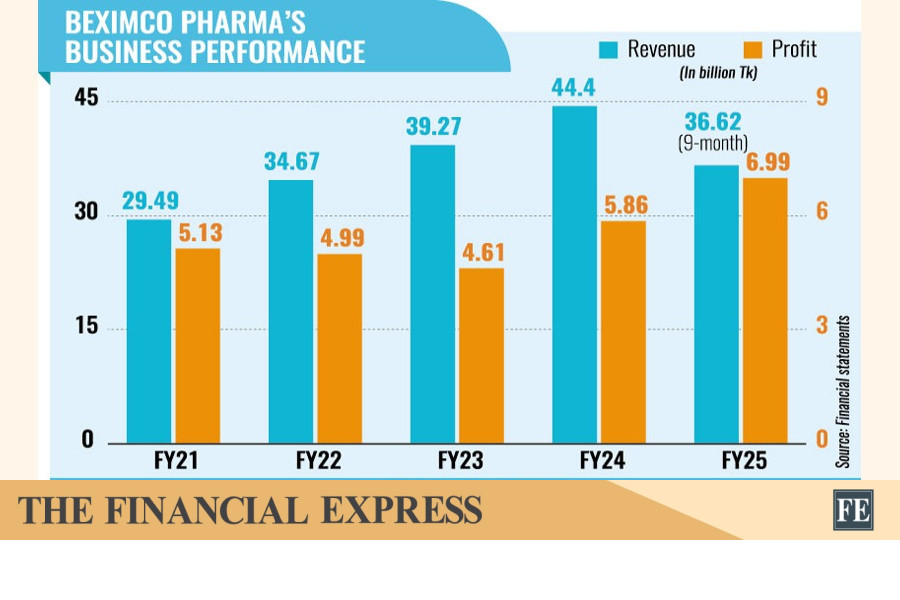
Despite significant challenges, Beximco Pharmaceuticals posted a profit of Tk 6.99 billion in FY25, the highest annual earnings since its stock market listing, driven by strong sales growth.

In a significant development, the drug maker approved its overdue quarterly financial statements and the audited annual financial statement for FY25 at a special board meeting on Tuesday.

The drug manufacturer's consolidated earnings per share (EPS) rose about 20 per cent year-on-year to Tk 15.56 in FY25. Its stand-alone profit also surged around 20 per cent year-on-year to Tk 6.71 billion, also the highest annual profit.

Riding on the record earnings, the board of directors declared a 47.5 percent cash dividend for FY25, also the highest cash payout in the company's history.

The company is yet to disclose the detailed financial statements for FY25.

However, its nine-month sales jumped 11 per cent year-on-year to Tk 36.62 billion through March 2025.

Nine-month financial performance

The board of directors published nine-month financial reports on Tuesday. The company's profit in July-March of FY26 jumped 33 per cent year-on-year to Tk 7 billion, surpassing its previous year's annual profit.

Its sales also climbed 13 per cent year-on-year to Tk 41.43 billion during the period.

After the completion of the fiscal year in June 2025, Beximco Pharma failed to publish its annual financial statements within the stipulated time amid a prolonged regulatory and legal impasse, leaving investors without updated financial information for months. It also failed to publish quarterly reports for the same reasons.

The delay had raised concerns among investors, including foreigners, some of whom approached the Bangladesh Securities and Exchange Commission (BSEC) seeking regulatory intervention.

Beximco Pharma was also at risk of being delisted from the London Stock Exchange (LSE) where the company issued Global Depository Receipts (GDRs) on the Alternative Investment Market (AIM).

Subsequently, the market regulator permitted the company to hold a board meeting to approve the pending financial statements and stave off delisting from the LSE.

Market analysts said the approval of the overdue accounts removes uncertainties surrounding the company and is expected to improve investor confidence.

Beximco Pharma has experienced a surge in the demand for its products in recent years, both in domestic and export markets.

The latest financial results reinforce Beximco Pharma's position as one of the country's leading pharmaceutical manufacturers and among the most profitable companies listed on the stock exchanges.​
 

Big duty cuts to power up API supply chain: pharma leaders

Jagaran Chakma

1782346243305.webp


Bangladesh's pharmaceutical manufacturers are hoping for a more stable supply of active pharmaceutical ingredients (APIs) and improved production efficiency under the proposed budget for fiscal year 2026-27, which expands duty-free access to a wide range of raw materials used in medicine production.

Industry leaders say the inclusion of 77 raw materials under new or expanded duty concessions -- 51 for API production, nine for cancer drug manufacturing, and 17 to support pharmaceutical exports -- will help reduce procurement uncertainties, support the production of new molecules and strengthen local manufacturing capacity.

Presenting the budget proposals on June 11, Finance Minister Amir Khosru Mahmud Chowdhury said the incentives are designed to support local API production, lower dependence on imported finished products and enhance the competitiveness of Bangladesh's pharmaceutical sector.

To further support medicine production in high-cost therapeutic segments, the minister proposed adding nine new raw materials used in cancer drug manufacturing to the existing concessionary facility, with import duty and VAT on these items reduced to zero.

Another 17 pharmaceutical raw materials have also been added to the existing concessionary list under the proposals, with import duty on these items reduced to zero, specifically to sustain the country's pharmaceutical export growth in international markets.

Industry insiders say the measure will help companies maintain uninterrupted production and improve overall cost management.

The budget further proposes reducing the existing 25 percent import duty on Biological Safety Cabinets to 1 percent, and the duty on Sandwich Panel Rooms from the existing 5 percent to 1 percent -- both critical components of modern pharmaceutical manufacturing facilities.

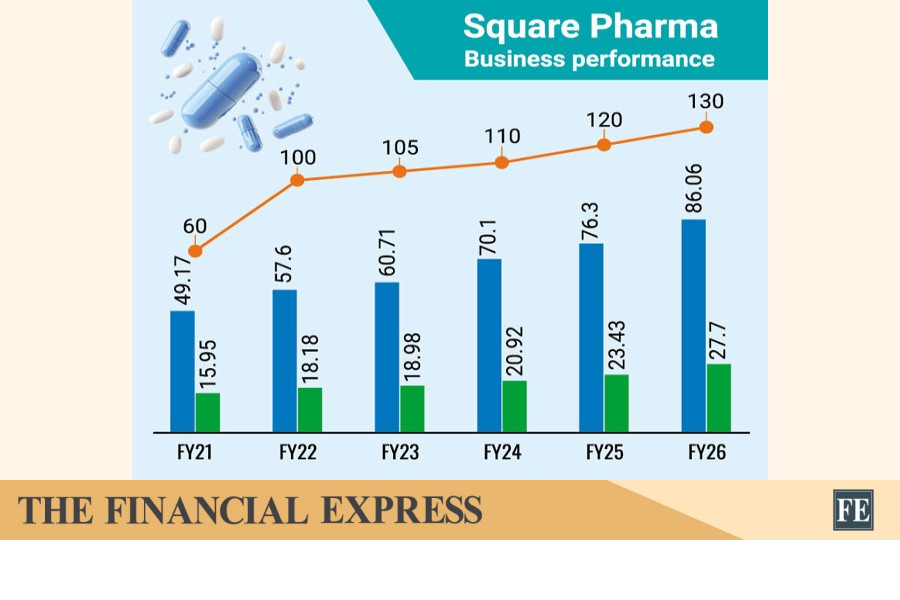
Zahangir Alam, chief financial officer of Square Pharmaceuticals, said the inclusion of additional APIs and raw materials under duty exemptions would help manufacturers secure a more reliable supply chain for newly introduced molecules.

"Many new molecules are not specifically covered under the existing duty structure, which creates complications for manufacturers. Updating the list and extending duty benefits is a positive move," he said.

According to Alam, the measures will help pharmaceutical companies maintain a stable supply of inputs, reduce procurement uncertainties and improve cost efficiency across production operations.

He noted that Bangladesh's healthcare sector has expanded significantly over the years, increasing demand for a wider range of medicines and therapeutic products. Ensuring timely access to raw materials, he said, has become increasingly important for sustaining growth.

Alam also highlighted the industry's export potential, saying that reducing production costs through duty support could help Bangladeshi manufacturers compete more effectively in international markets.

However, he noted that regulatory requirements and market-entry costs continue to pose challenges for exporters.

"Export growth requires long-term investment. Additional policy support could help the industry expand its global footprint more rapidly," he added.

According to him, the duty benefits are expected to improve the availability of medicines for patients suffering from chronic illnesses, particularly cancer and kidney diseases.

Abdul Muktadir, chairman and managing director of Incepta Pharmaceuticals Ltd and president of the Bangladesh Association of Pharmaceutical Industries (BAPI), said the inclusion of additional raw materials reflects the industry's evolving manufacturing needs.

"Whenever a company starts producing a new API, it informs the authorities and the required raw materials are added to the duty-free list," he said.

According to him, the addition of 51 API raw materials and 17 other essential inputs will support manufacturers as they continue to develop new medicines and expand local production.

Md Abu Zafor Sadek, pharmacist and deputy general manager of UniMed UniHealth Pharmaceuticals, said the duty relief measures would help ease pressure from rising input costs and strengthen the availability of medicines used to treat cancer and other chronic diseases.

"These measures will help ease some cost pressures, but medicine prices are influenced by a range of factors beyond raw material costs," Sadek said.

However, he said, despite these positive steps, a significant reduction in the prices of medicines in general may remain challenging in the short term.​
 

Big duty cuts to power up API supply chain: pharma leaders

Jagaran Chakma

View attachment 27875

Bangladesh's pharmaceutical manufacturers are hoping for a more stable supply of active pharmaceutical ingredients (APIs) and improved production efficiency under the proposed budget for fiscal year 2026-27, which expands duty-free access to a wide range of raw materials used in medicine production.

Industry leaders say the inclusion of 77 raw materials under new or expanded duty concessions -- 51 for API production, nine for cancer drug manufacturing, and 17 to support pharmaceutical exports -- will help reduce procurement uncertainties, support the production of new molecules and strengthen local manufacturing capacity.

Presenting the budget proposals on June 11, Finance Minister Amir Khosru Mahmud Chowdhury said the incentives are designed to support local API production, lower dependence on imported finished products and enhance the competitiveness of Bangladesh's pharmaceutical sector.

To further support medicine production in high-cost therapeutic segments, the minister proposed adding nine new raw materials used in cancer drug manufacturing to the existing concessionary facility, with import duty and VAT on these items reduced to zero.

Another 17 pharmaceutical raw materials have also been added to the existing concessionary list under the proposals, with import duty on these items reduced to zero, specifically to sustain the country's pharmaceutical export growth in international markets.

Industry insiders say the measure will help companies maintain uninterrupted production and improve overall cost management.

The budget further proposes reducing the existing 25 percent import duty on Biological Safety Cabinets to 1 percent, and the duty on Sandwich Panel Rooms from the existing 5 percent to 1 percent -- both critical components of modern pharmaceutical manufacturing facilities.

Zahangir Alam, chief financial officer of Square Pharmaceuticals, said the inclusion of additional APIs and raw materials under duty exemptions would help manufacturers secure a more reliable supply chain for newly introduced molecules.

"Many new molecules are not specifically covered under the existing duty structure, which creates complications for manufacturers. Updating the list and extending duty benefits is a positive move," he said.

According to Alam, the measures will help pharmaceutical companies maintain a stable supply of inputs, reduce procurement uncertainties and improve cost efficiency across production operations.

He noted that Bangladesh's healthcare sector has expanded significantly over the years, increasing demand for a wider range of medicines and therapeutic products. Ensuring timely access to raw materials, he said, has become increasingly important for sustaining growth.

Alam also highlighted the industry's export potential, saying that reducing production costs through duty support could help Bangladeshi manufacturers compete more effectively in international markets.

However, he noted that regulatory requirements and market-entry costs continue to pose challenges for exporters.

"Export growth requires long-term investment. Additional policy support could help the industry expand its global footprint more rapidly," he added.

According to him, the duty benefits are expected to improve the availability of medicines for patients suffering from chronic illnesses, particularly cancer and kidney diseases.

Abdul Muktadir, chairman and managing director of Incepta Pharmaceuticals Ltd and president of the Bangladesh Association of Pharmaceutical Industries (BAPI), said the inclusion of additional raw materials reflects the industry's evolving manufacturing needs.

"Whenever a company starts producing a new API, it informs the authorities and the required raw materials are added to the duty-free list," he said.

According to him, the addition of 51 API raw materials and 17 other essential inputs will support manufacturers as they continue to develop new medicines and expand local production.

Md Abu Zafor Sadek, pharmacist and deputy general manager of UniMed UniHealth Pharmaceuticals, said the duty relief measures would help ease pressure from rising input costs and strengthen the availability of medicines used to treat cancer and other chronic diseases.

"These measures will help ease some cost pressures, but medicine prices are influenced by a range of factors beyond raw material costs," Sadek said.

However, he said, despite these positive steps, a significant reduction in the prices of medicines in general may remain challenging in the short term.​

This is a great move to boost our Pharma export sector in Bangladesh.

India has done this already - a smart move by them as global leader in generic pharma exports.


However India is still largely dependent on Chinese API imports,

 
However India is still largely dependent on Chinese API imports,
An embargo on Indian imports of Chinese raw materials could have a deleterious effect on Indian pharma sector. Indians are totally dependent on China for the very survival of their pharma sector.
 
An embargo on Indian imports of Chinese raw materials could have a deleterious effect on Indian pharma sector. Indians are totally dependent on China for the very survival of their pharma sector.

Look at these Indians.

They know they have zero leverage against Chinese API dependence.

Which is their Pharma industry lifeline and could sink their pharma generics export sector to lucrative markets like the US.

Yet their chest-thumping idiocy knows no bounds.

Dehati khat idiots.
 
Look at these Indians.

They know they have zero leverage against Chinese API dependence.

Which is their Pharma industry lifeline and could sink their pharma generics export sector to lucrative markets like the US.

Yet their chest-thumping idiocy knows no bounds.

Dehati khat idiots.
The Indians think that they are the only self-sufficient nation in South Asia and all their neighbors are dependent on them. Look at the map. You will find that India is a large country surrounded by Bangladesh, Pakistan, Nepal and Bhutan. India needs its neighbors to connect to South East Asia, Middle East and Central Asia. It's a strategically insignificant country. Sorry for the off-topic discussion.
 
The Indians think that they are the only self-sufficient nation in South Asia and all their neighbors are dependent on them. Look at the map. You will find that India is a large country surrounded by Bangladesh, Pakistan, Nepal and Bhutan. India needs its neighbors to connect to South East Asia, Middle East and Central Asia. It's a strategically insignificant country. Sorry for the off-topic discussion.
As far as Pharma goes, India has no internal indigenous strength and has not built up an API industry.

So they are completely dependent on China.

They possess no leverage international trade-wise and you are correct, no country (even medium powers) do not consider them trustworthy or significant trade partners. This is the opinion of experts within India itself.
Bangladesh should seek China's help to build its own API industry. China is a great friend and I am sure they will extend their helping hand to build an API industry in Bangladesh.
 

Pharma pricing policy threatens innovation

Limited price adjustments have squeezed profitability, say manufacturers

Jagaran Chakma

1784074022056.webp


Bangladesh’s pharmaceutical industry is urging the government to review the country’s medicine pricing policy, saying years of limited price adjustments have squeezed profitability, discouraged investment in new medicines and put increasing pressure on smaller drug makers.

In a June 30 letter to Health and Family Welfare Minister Sardar Md Sakhawat Husain, the Bangladesh Association of Pharmaceutical Industries (Bapi) sought an urgent meeting to discuss the challenges facing the sector and propose policy support.

The association said rising production costs, persistent inflation, foreign currency shortages and constraints in the pricing regime have left many manufacturers struggling to survive.

Bangladesh has 258 pharmaceutical manufacturers, but the market has become highly concentrated, according to Bapi. Just 20 companies account for about 94 percent of total production, while the remaining 238 produce only 6 percent. Citing data from IQVIA, a leading global healthcare data company, it said 64 of the top 100 pharmaceutical companies recorded negative growth in 2025.

Bapi also rejected claims that medicines made in Bangladesh are expensive. It said 30 of 39 commonly used medicines are cheaper than equivalent products in India, despite local manufacturers relying heavily on imported raw materials.

Calling the pharmaceutical industry a strategic national asset, the association urged the government to introduce policies that would help restore the competitiveness of smaller manufacturers.

Industry leaders echoed Bapi’s concerns, saying the current pricing policy is discouraging investment in research and development and making it harder to introduce innovative medicines.

Abdul Muktadir, chairman and managing director of Incepta Pharmaceuticals, said Bangladesh’s pharmaceutical industry grew rapidly over the past three decades because of policy reforms that encouraged competition and investment.

He said the National Drug Policy introduced in the early 1980s shifted the industry’s focus towards essential medicines, while reforms in the early 1990s gave companies greater flexibility to set prices and expand their product range.

“The free-market approach encouraged competition,” he told The Daily Star. “As more companies entered the market, medicine prices fell while product quality improved.”

However, he said the industry’s momentum has slowed since 2016 as the drug regulator has become increasingly restrictive in approving prices for new medicines.

“If it costs Tk 10 to produce a technologically advanced medicine but the approved price is Tk 8, no company will continue investing in innovation,” he said.

According to Muktadir, companies are now less willing to introduce complex medicines that require significant investment in research and manufacturing technology. He also claimed that around 60 of the country’s roughly 100 pharmaceutical companies are struggling because of pricing constraints.

He called for a review of the current pricing framework, saying a commercially viable system is needed to sustain investment in research and development.

The industry also faces fresh challenges as Bangladesh prepares to graduate from least developed country (LDC) status.

Rabbur Reza, chief operating officer of Beximco Pharma, said Bangladesh has benefited from the World Trade Organization’s intellectual property waiver, which allows local manufacturers to produce certain patented medicines at affordable prices.

After the waiver expires, medicines introduced later will require licensing agreements with patent holders, involving royalty payments and higher costs.

While large companies may be able to negotiate such agreements, smaller manufacturers are likely to find it difficult because of limited financial capacity, he said. He urged companies to register as many eligible products as possible before the waiver expires.

Kaiser Kabir, managing director and CEO of Renata PLC, said many pharmaceutical companies are dropping low-margin medicines as rising costs and years of limited price adjustments squeeze profitability.

He said only 32 of the country’s top 100 pharmaceutical companies recorded revenue growth, while the rest posted lower sales.

“The industry has been going through a series of shocks since 2020,” he said, citing the Covid-19 pandemic, the depreciation of the taka, high inflation and disruptions to global supply chains.

Kaiser said the weaker taka has sharply increased the cost of imported raw materials, but manufacturers have not been able to fully pass on those costs because medicine prices have remained largely unchanged.

“If prices cannot reflect production costs, companies will stop making some medicines,” Kabir said.

He warned that patients could eventually have to rely on more expensive imported medicines, including products brought into the country illegally, as cheaper locally made alternatives disappear from the market.​
 

Pharma industry’s next big leap

After succeeding with affordable generics, Bangladesh’s drugmakers are pursuing complex medicines to expand exports and improve patient access.

Jagaran Chakma

1784417919365.webp


The year was 2013. The breakthrough Hepatitis C drug sofosbuvir entered the US market at about $1,000 per tablet, placing treatment beyond the reach of many patients.

Bangladesh, however, took advantage of the World Trade Organization’s TRIPS waiver for least-developed countries, allowing local manufacturers to produce generic versions of the patented medicine. The move sharply reduced prices and expanded access to treatment.

More than a decade later, pharmaceutical companies in Bangladesh say they are trying to replicate that model with a new generation of high-value medicines, including biologics, immunotherapies and treatments for rare diseases.

One recent example is cystic fibrosis treatment. Beximco Pharmaceuticals has reverse-engineered Vertex Pharmaceuticals’ Trikafta, marketed as Kaftrio in some countries, and launched a generic version in Bangladesh under the brand name Triko.

According to the company, the medicine costs about 96 percent less than the innovator product, making treatment significantly more affordable.

Bangladesh’s pharmaceutical industry now meets about 98 percent of domestic demand and exports medicines to around 166 countries, generating more than $200 million annually.

For decades, this industry built its reputation on affordable generics. But as the industry matures, local manufacturers are investing in biologics, immunotherapies and active pharmaceutical ingredient (API) production while increasingly targeting complex medicines that require advanced research, sophisticated manufacturing and stringent regulatory standards.

Companies say the shift will help expand access to advanced therapies and strengthen Bangladesh’s competitiveness in global pharmaceutical markets.

1784417992708.webp


EXPANDING INTO COMPLEX MEDICINES

Eskayef Pharmaceuticals is the first and only Bangladeshi drugmaker to receive US FDA approval for its injectable manufacturing facilities and the country’s first to export complex injectable medicines to the United States.

“The export of our high-tech injectable products to the United States, building on earlier US FDA approval for oral solid products, is a proud milestone for Eskayef and Bangladesh,” said Simeen Rahman, group CEO of Transcom Ltd and managing director and CEO of Eskayef Pharmaceuticals.

“It reflects our commitment to meeting the highest global standards while providing patients worldwide with safe, effective and affordable medicines.”

Eskayef has partnered with Denmark-based Novo Nordisk since 2012, initially manufacturing human insulin vials before expanding the collaboration through a technology transfer agreement to produce modern Penfill® insulin. Rahman said every insulin cartridge manufactured by Eskayef meets Novo Nordisk’s global quality standards, while the company has supplied innovator insulin brands to Novo Nordisk’s global supply chain since 2023.

1784418026126.webp


During the Covid-19 pandemic, Eskayef launched generic versions of remdesivir, molnupiravir and the nirmatrelvir-ritonavir combination, supplying the medicines in Bangladesh and 49 other countries. Rahman said the company prioritised public health over commercial considerations during the crisis.

The company also manufactures chemotherapy, targeted therapies, immunotherapies, monoclonal antibodies and other speciality medicines, and is expanding into biologics, including pembrolizumab, the active ingredient in Merck’s immunotherapy Keytruda®, for domestic and international markets. It is also the first Bangladeshi pharmaceutical company to secure both EU GMP and Brazil ANVISA accreditations for its oncology manufacturing facility.

“By making advanced oncology and biologic therapies more accessible and affordable, we aspire to give more patients hope and help build a future where quality healthcare is within everyone’s reach,” Rahman said.

1784418060864.webp


ACCESS OVER PROFITS

Locally produced biologics, including pembrolizumab, are already being sold at a fraction of the price of imported alternatives, according to industry executives.

For Beximco Pharmaceuticals, the decision to develop a generic cystic fibrosis therapy was driven by patient access rather than commercial opportunity, said Chief Operating Officer Rabbur Reza.

“When a medicine exists but cannot reach the people who need it, its purpose remains unfulfilled,” he said.

The initiative began in 2022 after patient advocacy group Right to Breathe, representing families from Ecuador, South Africa, Brazil, India and the UK, asked Beximco whether it could develop a more affordable version of the treatment.

After nearly three years of research and laboratory work, the company developed its version under an internal project called “Equibreath” and completed comparisons with the innovator product. The first small-scale handover took place in June.

According to Reza, the treatment costs about $12,750 per patient annually, compared with the US list price of roughly $370,000. He said the company absorbed the research and development costs and currently sells the medicine close to cost.

“This is not charity,” he said. “It is about proving that patients have a right to access life-saving medicine.”

Mentioning that Bangladesh’s least-developed country status has enabled local manufacturers to produce patented medicines under the World Trade Organization’s TRIPS flexibilities, Reza cautioned that after the country’s graduation from LDC status, producing similar medicines without licensing or royalty agreements is expected to become more difficult.

1784418091804.webp


MAKING CANCER TREATMENT MORE AFFORDABLE

Local manufacturing has lowered the cost of several cancer medicines in Bangladesh, according to Beacon Pharmaceuticals.

Mahmudul Haque Pallab, the company’s director of sales and marketing, said Beacon entered the oncology segment in 2006, back when imported cancer medicines dominated the market and were unaffordable for many patients.

One of the company’s earliest locally produced chemotherapy drugs reduced the cost per dose from about Tk 7,500 to Tk 700, he said. Beacon has since expanded into targeted therapies and immunotherapies, including osimertinib for certain lung cancers.

Pallab said New Zealand amended its policy in 2023-24 to allow imports of Beacon’s generic osimertinib, describing it as a milestone for Bangladesh’s pharmaceutical industry.

According to him, immunotherapy treatments that can cost several million taka abroad are now available locally for around Tk 150,000 per cycle. Bangladesh’s annual cancer treatment market is worth about Tk 5,000 crore, with medicines accounting for roughly Tk 1,000 crore, he said, adding that local production has helped reduce treatment costs.

RESEARCH TO DRIVE THE NEXT PHASE

Bangladesh’s pharmaceutical industry’s next phase of growth will depend on sustained investment in research and development, according to Incepta Pharmaceuticals Chairman Abdul Muktadir.

He said the success of generic Hepatitis C medicines demonstrated the country’s manufacturing capabilities and that the same approach is now being applied to biologics, vaccines and other complex therapies. Incepta has spent more than a decade developing vaccines, biologic medicines and active pharmaceutical ingredients (APIs), with some projects taking up to 10 years to reach commercial production.

Producing APIs locally instead of importing them could further reduce manufacturing costs and improve the industry’s competitiveness, he said.

“Every product has its own research story,” Muktadir said. “People often think research only means discovering a new molecule. Developing these technologies and manufacturing capabilities also requires years of scientific work.”

He credited reforms following the 1982 Drug Ordinance with supporting the industry’s growth but argued that greater regulatory intervention in medicine pricing over the past decade has weakened incentives to invest in advanced products.

Several claims made by company officials, including those related to pricing, investment and the impact of government policies, could not be independently verified.

Square Pharmaceuticals also emphasised the role of long-term investment in research and manufacturing. Chief Financial Officer Zahangir Alam said the company now produces more than 1,800 dosage forms covering over 700 generic molecules, adding that locally manufactured medicines such as semaglutide and imatinib mesylate cost significantly less than imported branded alternatives.

COMPETING BEYOND GENERICS

Bangladesh’s pharmaceutical industry’s next phase will depend on expanding research, active pharmaceutical ingredient (API) production and the capacity to manufacture increasingly complex medicines, according to industry leaders.

Renata PLC Managing Director and CEO Kaiser Kabir said manufacturing excellence and cost competitiveness have underpinned the industry’s growth since the early 2000s, but competing globally now requires stronger research, clinical and regulatory capabilities.

He said Renata has invested heavily over the past decade, becoming the first company to launch 2.5mg hydrocortisone in the UK and European Union, Rivaroxaban capsules and generic Cabergoline 0.5mg in Australia, and generic Amantadine 100mg in four Nordic countries.

The company has also developed a novel central nervous system dosage form now under regulatory review in the UK and EU, and completed clinical trials for a new paediatric and geriatric formulation for leukaemia treatment. Renata also manufactures Palbociclib tablets for breast cancer and has registered 250 medicines in 70 countries, including 60 highly regulated markets.

“The road to becoming a global company is difficult, risky and expensive. But Bangladesh’s greatest strength is its young talent,” Kabir said.

Photos: Rashed Shumon​
 

Realising pharma sector's potential to be globally competitive


1784502253196.webp


After the Readymade Garments (RMG), agro-processing, light engineering and the pharmaceuticals are considered the top potential export sectors of Bangladesh. The country also considers these as promising export diversification industries to reduce its dependence on apparel, which currently accounts for the largest share (81 per cent to 85 per cent) of the total export earnings. The shares of the potential sectors in export earnings include the agro-processing (1.0 to 1.5 per cent), light engineering (0.4 to 1.5 per cent) and the pharmaceuticals (0.3 to 1.0 per cent ) respectively. Clearly, given their marginal contribution to the total export earnings in comparison with RMG, the challenge would be very high before these sectors can come close to the RMG. However, proper government policies can turn even those sectors into ones that can contribute to the total export earnings significantly in the coming days.

Consider, for instance, the case of the pharmaceutical sector. It made its real start in 1980s, especially following the enactment of the National Drug Policy and Drug Control Ordinance of 1982. Prior to that, the market was heavily import-dependent, with foreign multinational companies controlling about 75 to 98 per cent of this sector. During the pre-independence days, a few pioneering local companies and multinationals began operations in the 1950s and 60s. Fast forward to the 1980s. The 1982 National Drug Policy pioneered by late Dr Zafrullah Chowdhury restricted unnecessary and harmful drugs, controlled prices and actively provided space to domestic companies to manufacture essential generics. From late 1990s to date, the favourable regulatory environment and intellectual property rights exemptions for LDCs catalysed the sector's dramatic growth. Local manufacturers now meet 98 per cent of the country's domestic demand. Despite its share in the total export earnings may currently appear quite insignificant, the possibility of this sector's growing into the country's most prestigious as well as revenue earning industry is very high.

Notably, it is also a very promising high-tech export sector, valued domestically at around US$6.0 billion. Currently, the pharmaceutical sector is widely considered a unique and unprecedented success story among Least Developed Countries (LDCs). Starting practically from scratch, it is now a nearly self-sufficient industry, meeting 98 per cent of domestic demand and exporting life-saving, anti-cancer and antiviral medications to over 160 countries. The fact that the development of Bangladesh's drug sector is unique among LDCs is due to several factors. Unlike other LDCs which relied heavily on free-market imports, the pharmacy sector here utilised its drug policy effectively to foster a robust local manufacturing base.

As an LDC, the country fully utilised the WTO's Agreement on Trade-Related Aspects of Intellectual Property Rights (TRIPS) pharmaceutical patent waiver. This allowed local manufacturers to legally produce generic versions of vital patented medications-including oncology and antiretroviral drugs-before paying royalties. While many LDCs have rudimentary packaging capabilities, Bangladeshi firms including Beximco pharmaceuticals, Square Pharmaceuticals and Incepta Pharmaceuticals produce complex therapeutics, such as biosimilars (biological medications that are nearly identical copies of an already-approved existing biologic drugs), metered-dose inhalers (MDIs), and vaccines. Nonetheless, the sector faces a critical juncture as Bangladesh graduates from LDC status, which will phase out the TRIPS patent exemption and various export subsidies. To survive, the sector must urgently transition from copying generic formulations to investing heavily in Research and Development (R&D) and domestic Active Pharmaceutical Ingredient (API) manufacturing. The WTO waiver allowing the production of generic versions of patented medicines without paying royalties will expire. This directly threatens the affordability of essential and lifesaving medicines, with some specialised drugs potentially seeing severe price increases. Bangladesh currently relies heavily on imported APIs, mostly from India and China. Post-LDC, the dependency exposes local manufacturers to global price fluctuations and supply chain vulnerabilities. Expanding into highly regulated markets (e.g., US, EU) requires stringent certifications such as US FDA approvals and WHO pre-qualifications. Current cash incentives for exports will no longer be compliant with WTO regulations as a developing nation. In that case, the API Industrial Park in Gazaria (Munshiganj) needs to be completed and fully operationalised.

By manufacturing raw materials domestically, Bangladeshi companies can reduce import dependence and secure more stable production costs. In a similar vein, the drug companies must allocate a larger percentage of revenue towards R&D. Moving beyond basic generics into biosimilars, oncology drugs, and biologics will help the industry capture higher profit margins globally. In this connection, Bangladesh should strongly prioritise Foreign Direct Investment (FDI) and technology transfer in the pharmaceutical sector. With the WTO's TRIPS patent waiver ending, local companies will no longer be able to legally copy patented medicines without expensive licensing agreements. Strategic joint ventures with multinational corporations (MNCs) will provide necessary legal licensing and technical know-how to continue producing complex drugs. Currently, domestic investment in pharmaceutical research and development is low (around 3.4 per cent). Technology transfers will help fast-track the transition from simple generic formulation to developing novel treatments and adhering to stringent international testing standards (such as bioequivalence and biosimilar testing). Since the industry currently relies heavily on imported raw materials, joint ventures focused on API production will insulate Bangladesh from global supply chain shocks and reduce import costs. To successfully capitalise on this strategy, the government and the industry stakeholders will need to create a supportive regulatory and policy environment. The Directorate General of Drug Administration (DGDA), for example, has to be modernised so it may efficiently register and approve complex, jointly-developed therapeutics. Such strengthening of the DGDA's capacity would help it meet World Health Organization Maturity Level-3 (ML-3) standards. That will open up the prospect of procurement contracts with major global agencies like UNICEF, Gavi, and the Global Fund. The WTO has recommended granting a transition period for graduating LDCs to build their patent compliance capacity.

This window must be fully utilised to establish accredited bioequivalence study centres and train specialised synthesis chemists within the country. The Bangladesh Economic Zones Authority (BEZA) can offer dedicated pharmaceutical hubs or parks specifically designed to attract foreign biotech and pharma companies with tax incentives and streamlined utilities. Developing a robust domestic framework for patent protection and enforcement will build the confidence required for MNCs to safely share their proprietary technology and research methods with local firms. These are but a few of the steps the government as well as the pharma sector would need to take to develop the sector into a competitive one on the global scale. Since the pharma sector is able to draw some of the country's scientific brains from the biological sciences into its production and research facilities, it deserves plaudits not only for providing jobs to those graduates, but also reversing to some extent the trend of brain drain.​
 

Stronger chemical industry needed to cut import dependence

Say stakeholders at a DCCI seminar

Star Business Report

1785023051796.webp


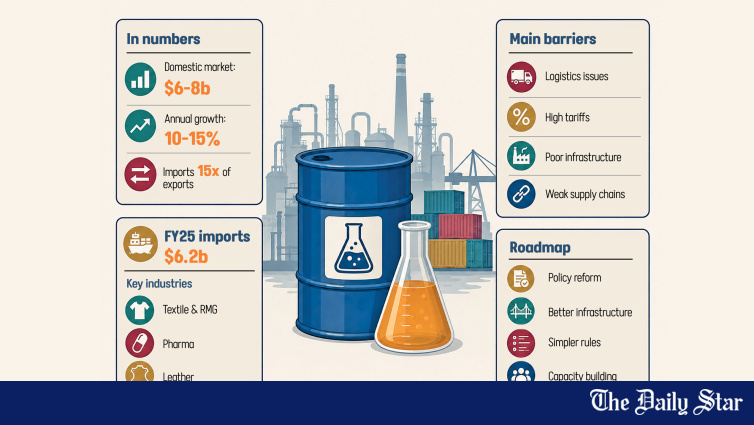
Bangladesh’s major export sectors rely heavily on chemicals, but the country still imports most of its chemical needs despite having a domestic market estimated at $6 to $8 billion that is growing by 10 to 15 percent annually.

Developing a strong domestic chemical industry is essential to reduce import dependence and improve the competitiveness of export sectors, stakeholders said at a seminar yesterday.

The seminar titled “Backward Linkage Development of Chemical-Dependent Key Export-Oriented Industries: Current State & Issues” was organised by the Dhaka Chamber of Commerce and Industry (DCCI) at its auditorium in the capital.

Chemicals are a key input for industries such as textiles, garments, pharmaceuticals, leather, construction, agriculture and plastics. The textile and RMG sector alone uses more than 2,500 chemicals, including dyes, auxiliaries and finishing agents. Pharmaceutical companies require active pharmaceutical ingredients (APIs), excipients and solvents, while leather manufacturers depend on tanning chemicals and dyes.

Rising demand has led to higher chemical imports, with Bangladesh importing $6.2 billion worth of chemicals in FY25, up 17.8 percent from the previous year. Although the pharmaceutical industry exports products to more than 150 countries, it still imports around 90 percent of its APIs.

Chemicals now account for about 10 percent of the country’s total imports, while chemical imports are more than 15 times higher than exports.

BARRIERS HOLD BACK SECTOR

At the seminar, speakers highlighted several challenges facing the sector, including high tariffs, logistics problems, inadequate infrastructure and weak supply chains.

In his keynote presentation, Asif Rabbani, managing director of SR Chemical Industries Ltd, said policy reforms and stronger industrial capacity are needed to develop the sector.

DCCI President Taskeen Ahmed said the competitiveness of Bangladesh’s RMG, textile, leather and pharmaceutical sectors depends on a strong chemical supply chain.

He said industrial growth is being affected by heavy reliance on imported dyes, chemicals and specialised raw materials, along with tariff complexities, lengthy environmental clearance processes and logistics bottlenecks.

KSM Mostafizur Rahman, president of the Bangladesh Agrochemical Manufacturers Association, said high import duties on raw materials are hurting the agrochemical industry and called for stronger policy support.

Md Akter Hossain, director at the Directorate General of Drug Administration, said entrepreneurs are being held back by delays in developing the API Industrial Park.

Md Shaheen Ahamed, chairman of the Bangladesh Tanners Association, said the leather industry remains highly dependent on imported chemicals and urged the government to reduce import-stage duties.

ROADMAP NEEDED TO BUILD LOCAL CAPACITY

Stakeholders also called for a clear roadmap for chemical backward linkage development. Taskeen Ahmed said such a roadmap is now a strategic necessity to protect the future of Bangladesh’s export sector.

Md Salim Ullah, director general of the Bangladesh Institute of Management, said the government is reforming the National Industrial Policy. He said the private sector should decide whether the chemical backward linkage sector requires a separate policy or a dedicated chapter in the existing industrial policy.

Md Moniruzzaman, director of the Bangladesh Knitwear Manufacturers and Exporters Association, said the success of RMG backward linkage industries through government support could serve as a model for the chemical sector by attracting investment and creating jobs.

Sheikh HM Mustafiz, director of the Bangladesh Garment Manufacturers and Exporters Association, said uninterrupted energy supply, supportive policies, compliance with international quality standards and specialised industrial zones are essential for the sector’s growth.

M Mosaddek Hossain, senior vice-president of the Bangladesh Association of Pharmaceutical Industries, stressed the need to strengthen the chemical ecosystem through expanded research activities and skilled manpower development.

Abul Fatah Md Baligur Rahman, member for development at the Bangladesh Council of Scientific and Industrial Research (BCSIR), said stronger cooperation between industries and academia is needed to accelerate economic growth.

“BCSIR is working to add significant value to export products and build competitive import-substitute industries by mobilising local resources,” he said.

Suraiya Sultana, second secretary (Customs: Export and Bond) at the National Board of Revenue, said tariff rates are gradually being reduced to encourage local chemical production.

She added that the bonded warehouse licensing process has been fully digitised to reduce difficulties for entrepreneurs.

Stakeholders said achieving 60 percent chemical backward linkage could save billions of dollars in foreign exchange, increase export competitiveness, create thousands of skilled jobs and strengthen Bangladesh’s industrial base.​
 

How AI is changing the pharmaceuticals landscape

Dr. Md. Abu Zafor Sadek

1787615274190.webp

VISUAL: MAGNIFIC

Nintedanib, a widely used drug for pulmonary fibrosis, received official approval in 2014 after its development began in 2000. It takes a new drug 10-15 years and an investment of a couple billions of dollars to reach the market. However, in 2025, rentosertib, another potential drug for the same indication (pulmonary fibrosis), took only 30 months to enter Phase-I clinical trials with the assistance of artificial intelligence (AI), which reduced the development time by around 70 percent.

Drug design is the primary stage of product discovery when scientists evaluate the molecular structure, shape, electronic charges, and various bonds within a molecule or biologic to target the human receptors (that is, the sites of drug action) or proteins. With the use of computer-aided AI, this process could be performed precisely and accurately.

Clinical trials comprise the most time-consuming and critical part of introducing a new product, and AI can provide support for protocol development based on input data, patient recruitment, record keeping, real-time data analysis, correlation with previous data, and monitoring improvements. This application reduces the time and investment required for product introduction while also boosting accuracy. Notably, clinical trials account for around 60 percent of the total research and development cost.

The product registration process in pharmaceuticals involves a lot of technical data submission. AI speeds up electronic Common Technical Document (eCTD) preparation, health data base analysis, regulatory intelligence, and data quality management. AI-powered pharmaceutical production is, therefore, increasingly gaining traction. Computer programme-based real-time data sensors, process optimisation (temperature, pressure, and humidity control), and automatic defect identification are helping minimise waste, improve time management, and enhance productivity. Furthermore, pharmaceutical formulation requires a deep understanding of the complex interactions between active ingredients and excipients, where AI algorithms help predict possible attributes and outcomes.

Quality control is critical for the safety, efficacy, and consistency of pharmaceutical products, and AI is now an integral part of this process. AI-powered vision inspection systems enable faster and more accurate defect detection in tablets, capsules, and packaging. AI can also monitor laboratory and manufacturing equipment to predict potential failures before they disrupt production or ruin a batch. Additionally, AI supports data integrity and anomaly detection, document and Standard Operating Procedure (SOP) reviews, and smart batch release.

Pharmaceutical inventory management is challenging because it involves thousands of products and materials. By analysing historical trends and current demand, AI enables more accurate demand forecasting, automatic reordering, and improved risk and supply chain disruption management. In all, AI reduces instances of stock shortages, lowers inventory costs, improves logistics, and ensures better forecasting accuracy.

Personalised medicine is a new frontier in healthcare management, and AI impacts this field tremendously. By integrating genetic information, lifestyle factors, and other relevant data, AI tools enable healthcare professionals to develop personalised treatment plans, optimise drug selection and dosage, predict treatment responses, and improve overall patient outcomes.

At present, content creation is central to promoting pharmaceutical products. In this regard, too, AI significantly improves productivity by aiding the development of a wide range of promotional materials. The technology enables the rapid creation of presentations, infographics, training materials, marketing videos, draft reports, and scientific content. It also supports efficient data analysis, result interpretation, and content personalisation, allowing pharmaceutical companies to communicate more effectively while reducing development time and ensuring greater consistency and accuracy. AI can study customer behaviour and trends to offer precise predictions about upcoming needs, which helps companies familiarise products or formulate customised marketing campaigns.

To ensure safety and efficacy of pharmaceutical products, post marketing surveillance is an utmost priority and also a regulatory requirement. AI tools are adept at adverse event detection, signal management, risk assessment, and regulatory and feedback collection.

AI is transforming almost every sector of the pharmaceutical industry, from drug discovery to post-marketing surveillance. By reducing development time, improving accuracy, optimising resources, and enabling data-driven decision-making, AI is making pharmaceutical innovation faster, more efficient, and cost-effective.

We should view AI as a powerful tool that complements scientific expertise and human judgement. For those in the local pharmaceutical industry, successful implementation will require high-quality data, strong regulatory frameworks, good governance, and a skilled workforce capable of integrating AI into pharmaceutical practice. As technologies continue to evolve, companies that embrace responsible and strategic adoption will be better positioned to accelerate innovation, improve patient outcomes, and ensure sustainable growth in the industry.

Dr Md. Abu Zafor Sadek is a pharmacist and deputy general manager at UniMed UniHealth Pharmaceuticals.​
 

Beximco Pharma seeks to free itself from group entities' troubles


1789532852278.webp


Beximco Pharmaceuticals is set to overhaul its board and sever a key link with its embattled sponsor group as the drug maker seeks to shield its business and investors from the political fallout surrounding Vice Chairman Salman F Rahman.

Mr Rahman has agreed to step down from the board after the company informed the Bangladesh Securities and Exchange Commission (BSEC) that his continued involvement could hamper business and shareholders' interests.

His departure would mark a significant shift in governance for one of the country's largest listed drug makers, whose corporate fortunes have increasingly been overshadowed by the legal and financial troubles that have entangled the Beximco Group, market operators said.

BSEC Executive Director and spokesperson Md Abul Kalam said Beximco Pharma had recently sent a letter to the regulator regarding the restructuring of its board.

However, he said the restructuring process would depend entirely on the company, including decisions on who would remain on the board and who would step down.

"When the appointment of independent directors comes before the regulator, the commission will examine whether the proposed candidates meet the criteria," Mr Kalam told The Financial Express.

Mr Rahman, former private industry and investment adviser to the Awami League government, has remained in custody since his arrest in August 2024 following the political changeover. He is currently under investigation by the Anti-Corruption Commission (ACC) in several money-laundering cases.

Mr Rahman's continued physical absence from board meetings has emerged as a concern for investors, particularly foreign investors, amid the changed political and regulatory environment.

The reconstituted board, as proposed by the company, would comprise three sponsor-group directors, four independent directors, one director nominated by IFIC Bank and the managing director as an ex-officio director, according to BSEC sources.

The securities regulator has reportedly responded positively to the proposed structure.

The new structure would have the sponsor group's representation reduced while the number of independent directors would increase amid investors' demand for stronger corporate governance and a greater distance from the Beximco Group.

Foreign shareholders, who hold a significant 26.90 per cent stake in Beximco Pharmaceuticals, reportedly supported Mr Rahman's removal from its board in the interest of the company.

Initially, the BSEC invited foreign investors to take board seats, but they declined, prompting the regulator to move towards increasing the number of independent directors, according to a BSEC official requesting anonymity.

Dual-listed on the London Stock Exchange's Alternative Investment Market (AIM), Beximco Pharma must subject all incoming directors to standard international due diligence. The vetting process is expected to take four to six weeks.

Governance key to investor confidence

Market operators said the key issue is not merely the departure of an individual director, but whether the reconstituted board can exercise greater independence, strengthen oversight and protect investors' interests.

Salim Afzal Shawon, head of research at BRAC EPL Stock Brokerage, welcomed the move, saying the proposed restructuring, if implemented properly, could help insulate Beximco Pharma's operating business from the wider group's governance and financial problems.

"The restructuring could send a positive signal to investors about the company's prospects, particularly if the new board can demonstrate greater independence, transparency and accountability.

"The key issue now is who will join the new board, attend board meetings physically and actively participate in decision-making," said Mr Shawon.

Company Secretary Mohammad Asad Ullah could not be reached for comment.

Earnings remain strong

The board restructuring comes at a critical time for Beximco Pharma. While the company has shown financial resilience, governance issues remain a major concern.

The company reported a profit of Tk 7.05 billion for the first nine months through March this year, up 34 per cent year-on-year, while revenue rose 13 per cent to Tk 41.42 billion during the period.

The drug maker's annual profit also jumped 19 per cent year-on-year to Tk 6.99 billion in FY25. The company declared a 47.5 per cent cash dividend for the year, compared with 40 per cent for the previous year.

Its earnings performance has stood in sharp contrast to the financial difficulties faced by some other entities within the Beximco Group, reflecting the strength and resilience of its core pharmaceutical business.

Unlike some group entities facing heavy debt burdens and liquidity pressure, Beximco Pharma has continued to generate strong revenue and profit from its operating business, supported by steady demand for medicines in both domestic and export markets.

London listing

The restructuring also carries additional significance because Beximco Pharma has an international investor base and is listed on the London Stock Exchange (LSE).

The foreign listing exposes the company to greater scrutiny by international investors, who typically place strong emphasis on transparency, board independence and timely financial reporting.

Meanwhile, trading in Beximco Pharma resumed on the LSE in June after a nearly six-month suspension due to the delay in the publication of its financial statements.

Beximco Pharma's stock closed at Tk 149.70 on Tuesday, gaining 1.42 per cent from the previous session at the Dhaka Stock Exchange.​
 

Bangladesh part of region to enjoy US duty-free access for specialized medicines

This decision comes at a time when the US is moving forward with a process to impose a 100% tariff on certain patented pharmaceutical products

1790726167405.webp


The United States has made a significant shift in its international trade policy. Washington has exempted specified specialized medicines and related ingredients imported from 20 partner countries and regions, including Bangladesh and India, from import tariffs.

This decision comes at a time when the US is moving forward with a process to impose a 100% tariff on certain patented pharmaceutical products.

According to a report by Indian news agency ANI, the US Department of Commerce published an official list in the country's Federal Register to formalize this new tariff structure.

The publication specifies the names of the countries and regions covered under the zero-tariff benefit, along with the corresponding product categories.

Under the directives, duty-free products include medicines used to treat rare diseases, fertility treatment drugs, advanced cell and gene therapies, antibody-drug conjugates (ADCs), and veterinary medicines.

Basic ingredients or raw materials—Active Pharmaceutical Ingredients (APIs)—used to manufacture these medicines will also receive the 0% duty privilege.

In addition to Bangladesh and India, the list of countries and regions receiving duty exemptions includes Argentina, Cambodia, Ecuador, El Salvador, the European Union (EU), Guatemala, Indonesia, Japan, Jordan, Malaysia, North Macedonia, South Korea, Switzerland, Liechtenstein, Taiwan, Thailand, the United Kingdom, and Vietnam.

According to the official notice, the specified goods exported from these countries and regions will receive 0% tariff benefits because they have active or prospective trade and security framework agreements with Washington.

The basis for this change stems from an April directive by President Donald Trump.

Under Section 232 of the Trade Expansion Act, that announcement directed a modification in the tariff structure for imported pharmaceutical products and related chemical ingredients.

Earlier, the original April 2 announcement imposed a 100% tariff on specified patented medicines, biological products, and related components.

Boosting domestic manufacturing of these products within the United States was the broader objective of this policy.

For companies on the primary list, tariffs took effect on July 31, while for other listed companies, the tariff becomes effective on September 29.

However, the US Department of Commerce confirmed that generic medicines and ingredients used to make them remain excluded from Section 232 pharmaceutical tariffs.

Recent administrative amendments have also introduced key technical changes to the original announcement.

As a result, the definition of "generic pharmaceutical articles" has been further clarified to include off-patent veterinary drugs.

At the same time, the scope of what constitutes "pharmaceutical articles" has been specifically defined.

This category will strictly include finished pharmaceuticals, active pharmaceutical ingredients (APIs), and key advanced starting materials.​
 

API production: the missing link in Bangladesh's pharma success story


1792537825332.webp


Bangladesh's pharmaceutical sector is often celebrated -- and rightly so -- for its remarkable achievements over the past two decades. From being an import-dependent industry, it has grown into one of the country's most dynamic manufacturing sectors, meeting nearly 98 per cent of domestic demand for medicines and exporting to more than 150 countries. Its consistent growth -- estimated at more than 24 per cent annually -- underscores its role as one of the strongest pillars of the economy after garments. Yet, behind this impressive success lies a persistent vulnerability: the overwhelming dependence on imported raw materials, known in the industry as active pharmaceutical ingredients (APIs).

At present, nearly 90 per cent of the APIs used in Bangladesh are imported, mainly from China and India. The annual import bill stands at around Tk 45 billion, while local production is able to meet no more than 10 per cent of industry demand. This stark imbalance makes the entire pharmaceutical sector hostage to external factors -- global supply chain disruptions, price volatility, and shifting trade policies. The COVID-19 pandemic exposed this fragility more sharply than ever before, when border closures and supply interruptions forced manufacturers to scramble for essential raw materials.

Reducing reliance on imported APIs has, therefore, been a recurring theme in industry discussions for well over a decade. Despite repeated promises and policy outlines, progress on this front has been painfully slow. Now, however, a renewed push is underway. The government is implementing an API Industrial Park in Munshiganj, while two other parks are being developed in Bagerhat and Khulna under private initiatives. The hope is that once these are in place, Bangladesh's pharmaceutical industry will be able to scale up production at lower costs, both for domestic markets and exports.

The importance of such backward linkages cannot be overstated. A capital-intensive sector like pharmaceuticals cannot remain competitive in the long run without affordable and steady access to raw materials. Much of the unrealised potential of the industry can be traced back to this very weakness. While local drug makers have proven their capacity in manufacturing finished formulations of international standard, they remain handicapped by the shortage of APIs. The end result: higher production costs, thinner profit margins, and diminished export competitiveness.

The Munshiganj API Park is expected to be a game changer in this respect. Built on 200 acres of land along the Dhaka-Chattogram Highway in Gazaria upazila, the estate cost Tk 3.30 billion and took nearly 12 years to come to fruition after the project was first undertaken in 2008. Progress, however, has been sluggish, with only a few units reportedly close to becoming operational. Industry insiders maintain that if the park can be made fully functional, it could cater to as much as 50-60 per cent of the country's total demand for APIs. Even so, patent restrictions will prevent Bangladesh from producing all varieties of APIs, meaning some reliance on imports will continue.

Despite these limitations, the benefits of developing a robust API industry are considerable. For one, local production will substantially reduce the cost of manufacturing medicines, strengthening Bangladesh's edge in export markets where price competitiveness is critical. Second, APIs themselves are tradable commodities, and the global market -- currently estimated at $135 billion -- is expanding rapidly. By developing capacity in this segment, Bangladesh could position itself not only as a major exporter of finished drugs but also as a reliable supplier of raw materials to the global pharmaceutical chain.

Some local companies are already making strides in this direction. A few firms have begun producing high-quality APIs on a limited scale, demonstrating both technical capability and market viability. What is missing is the scale -- something that requires coordinated policy support, investment in infrastructure, and stronger linkages with research and innovation. Industry experts stress that the sector needs the right "push" -- a mix of incentives, facilitation, and enforcement of quality standards -- to reach a level where it can sustain itself competitively.

The urgency of this transformation cannot be ignored. Bangladesh currently spends around $1.3 billion annually on importing raw materials for medicine production. Given the volatility of international markets and the likelihood of future supply disruptions, over-reliance on imports is not sustainable. For a country aspiring to graduate fully into middle-income status and expand its export basket beyond garments, building backward linkages in pharmaceuticals through local API production is not just desirable but necessary.

The road ahead is not without hurdles. Patent barriers, high costs of research and development, and the need for stringent regulatory oversight pose real challenges. The time it takes for new industrial estates to become fully operational is also a concern, as seen in the protracted delays at Munshiganj. Still, the long-term gains far outweigh the difficulties. By investing strategically in API production, Bangladesh has the opportunity to reduce vulnerabilities, secure its domestic market, and create a new export frontier.

Bangladesh's pharmaceutical sector has already proven its potential by achieving near self-sufficiency in medicine production and emerging as a global player. The missing piece of the puzzle is a strong, sustainable base for raw material supply. If the government and private sector can work together to accelerate API production, the industry will be poised to take its next great leap forward. Not only will it make medicines more affordable at home, it will also enhance Bangladesh's standing in the global pharmaceutical arena. The challenge is significant, but the opportunity is even greater -- and one that the country can ill afford to miss.​
 

Square Pharma posts over 15pc profit growth on higher sales


1793144125079.webp


The country's leading drug maker Square Pharmaceuticals has reported a 15.54 per cent year-on-year growth in profit to Tk 27.70 billion in FY26, driven by a significant rise in revenue.

Company officials said their efforts to keep manufacturing unaffected even during the power shortage played a significant role in ensuring higher revenue. The achievement was possible through a combination of energy sources: the national grid and power generated from diesel and solar.

"We faced no power outage and continued production uninterrupted," said Muhammad Zahangir Alam, chief financial officer (CFO) of Square Pharmaceuticals.

Square Pharma's supply chain is also broad, delivering products to people across the country, which supported a 12.81 per cent year-on-year growth in revenue to Tk 86.06 billion in FY26.

The CFO said their products could be delivered to the remotest corners of the country on orders placed through a mobile application. The app, named SHC100, is used by owners of drug stores and chemist shops to place orders. Previously, products were supplied to remote areas on a rationing basis because it was not possible to receive orders regularly.

In the near future, Square products will also be available for home delivery. For the trial run, the company has rolled out home delivery to its employees through the same app. As the next step, the app will be made accessible to general customers.

Such innovative schemes are helping the drug maker secure revenue growth above the industry's growth rate, which currently stands at 9 per cent.

Meanwhile, the company's selling and distribution expenses rose 12.89 per cent, while administrative expenses advanced 11.27 per cent in FY26. Higher revenue helped offset the increase in expenses.

The CFO said a 13 per cent growth in revenue is a huge success for a large company like Square Pharmaceuticals, but it could be even higher if some factors, such as power supply from the national grid, were favourable.

"We are satisfied as our supply of products remained unaffected even during the crisis periods when people suffered from unexpected diseases, including dengue fever," said Mr Alam.

Of the annual revenue in FY26, $27 million came from exports, up from $18 million earned in FY25.

Among other factors, a 17.36 per cent rise in income from investments and a 55.29 per cent decline in finance cost supported the profit growth.

Meanwhile, the company's board of directors has recommended a record 130 per cent cash dividend for FY26. Previously, Square Pharmaceuticals distributed a 120 per cent cash dividend for FY25, 110 per cent for FY24 and 105 per cent for FY23.

The company's net asset value (NAV) per share rose to Tk 178.99 in FY26 from Tk 157.88 in the previous year.

Further expansion

Apart from recommending the cash dividend and approving financial statements for FY26, the company's board has approved a new investment plan worth Tk 7.25 billion to establish dedicated facilities for oncology, biologics, hormones and steroids.

Currently, the company offers a limited range of oncology and biologic products, some of which are available only on a small scale in the absence of dedicated manufacturing facilities.

Oncology products, including monoclonal antibodies, are important for cancer treatment, while biologics, such as blood- and serum-based products, are used to treat complex diseases.

To address these gaps, Square Pharmaceuticals seeks to build dedicated oncology and biologics facilities to introduce specialised products and strengthen its presence in these therapeutic segments.

The initiatives are expected to secure long-term growth by enabling the company to enter more complex therapeutic areas and meet evolving healthcare needs, the CFO said.​
 

Beximco Pharma appoints Rabbur Reza as new MD


1794525284112.webp


The Board of Directors of Beximco Pharmaceuticals PLC (Beximco Pharma), one of Bangladesh’s leading pharmaceutical companies, has appointed S M Rabbur Reza, Chief Operating Officer, as Managing Director of the company for a period of five years with immediate effect.

The decision was taken at a Board meeting held on Thursday, 12 November 2026.

He replaces Mr Iqbal Ahmed, who stepped down from his position as Managing Director but will continue to serve on the Board of Directors of the Company.

The appointment will be subject to the approval of the Shareholders at the next Annual General Meeting of the Company.

As Managing Director, Rabbur Reza will lead the company’s overall operations and strategic priorities, with particular emphasis on enhancing organisational efficiency, strengthening stakeholder confidence, accelerating innovation and expanding opportunities in domestic and international pharmaceutical markets.

A S F Rahman, Chairman of the board, commented, “We are delighted to announce Rabbur Reza’s appointment as Managing Director. Throughout his time at the Company, he has demonstrated his exceptional leadership skills and industry expertise, which have been central to the Company’s continued growth and success as a globally recognised pharmaceutical business. Rabbur’s efforts have consistently delivered for both patients and shareholders, and we look forward to seeing continued progress of Beximco Pharma under his leadership.”

Rabbur Reza, Managing Director of Beximco Pharma, added, “I am honoured to be appointed Managing Director and want to thank the Board for trusting me with this opportunity. I have spent more than 25 years at Beximco Pharma, and I am incredibly excited to step into this new role as we continue to expand our work to deliver high-quality, affordable medicines to more people around the world.”

Rabbur Reza has been Chief Operating Officer at Beximco Pharmaceuticals PLC since 2009, with over 30 years of experience in the pharmaceutical industry, spanning international business development, operations, strategy, and leadership. During his tenure at the Company, he has played a key role in expanding the Company’s exports to over 60 countries, including the USA, Australia, and markets across Europe, and in driving the strategic acquisitions of Nuvista Pharma and Sanofi Bangladesh (now Synovia Pharma).

He also pioneered the introduction of first-to-market generic medicines, including breakthrough treatments for hepatitis C and COVID-19, and led the introduction of speciality generics and innovative therapies, including the 2026 launch of Triko, the first generic version of Vertex Pharmaceuticals’ breakthrough cystic fibrosis therapy Trikafta.

He holds a Bachelor of Pharmacy degree from Panjab University, India, and an MBA from Queensland University of Technology, Australia. He has also completed executive education programmes at Harvard Business School, London Business School, and MIT Sloan School of Management.

Rabbur Reza is an Executive Committee Member of the Bangladesh Association of Pharmaceutical Industries (BAPI) and a member of the Medical Technical Options Committee under the Montreal Protocol.​
 
Back
Top