Bangladesh Defense
Saif
Senior Member
- Jan 24, 2024
- 21,500
- 9,744
- Nation

- Residence
- Axis Group


US seeks to be ‘friends’ with Bangladesh’s Jamaat-e-Islami : US media
With Bangladesh’s national election knocking at the door, Washington Post reported on Thursday that US diplomats are looking to step up their engagement with once-banned Jamaat-e-Islami citing audio recordings.
 www.newagebd.net
US seeks to be ‘friends’ with Bangladesh’s Jamaat-e-Islami : US media
New Age Desk 22 January, 2026, 22:34

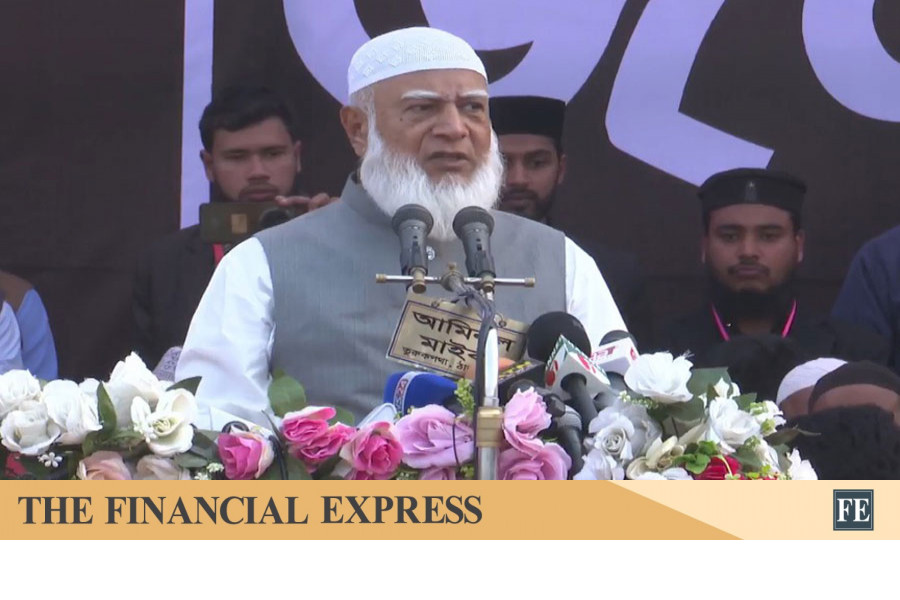
Bangladesh Jamaat-e-Isami amir Shafiqur Rahman leads a marathon organised by the youth wing of the party at Suhrawardy Udyan to mark Victory Day in December 2025. | New Age photo
With Bangladesh’s national election knocking at the door, Washington Post reported on Thursday that US diplomats are looking to step up their engagement with once-banned Jamaat-e-Islami citing audio recordings.
The Jamaat-e-Islami has been banned multiple times in the country’s history, including before the fall of deposed prime minister Sheikh Hasina on August 5, 2024.
The party has traditionally advocated for governing by sharia law and reducing work hours for women to help them ‘fulfill their duties toward their children,’ but it has recently sought to soften its public image and expand its support base — saying it is now mainly focused on rooting out corruption, reported Washington Post.
As the political landscape changes in Bangladesh, American diplomats there have signaled they are open to working with the resurgent Islamist movement. In a December 1 closed-door meeting with female Bangladeshi journalists, a U S diplomat based in Dhaka said the country has ‘shifted Islamic’ and predicted Jamaat-e-Islami would ‘do better than it’s ever done before’ in the Feb. 12 election, according to the audio recordings, read the report uploaded online on Thursday.
‘We want them to be our friends,’ the diplomat said, asking if the reporters in the room would be willing to bring members of the party’s influential student wing on their programs: ‘Can you talk to them?’ he asked. ‘Will they go on your show?’ added the report.
According to the report, in a statement to The Post, Monica Shie, the spokesperson for the U S Embassy in Dhaka, the Bangladeshi capital, said ‘the conversation that took place in December was a routine gathering, off-the-record discussion between US Embassy officials and local journalists.’ She added that ‘numerous political parties were discussed’ during the meeting and that ‘the United States does not favour one political party over another and plans to work with whichever government is elected by the Bangladeshi people.’
Mohammad Rahman, the US spokesperson for Jamaat-e-Islami, said in a statement that ‘we choose not to comment on the context of remarks reportedly made during a private diplomatic meeting.’
The uprising against Hasina paved the way for the formation of an interim government led by the Nobel Peace Prize-winning economist Muhammad Yunus and for the upcoming elections — meant to mark a decisive democratic turn for Bangladesh after decades of instability, the report said.
The American outreach to Jamaat-e-Islami could ‘potentially drive another wedge between the U S and India,’ said Michael Kugelman, a senior fellow for South Asia at the Atlantic Council. Relations between the countries are already at a low point, owing to disagreements over India’s recent conflict with Pakistan, its purchases of Russian oil, an unfinished trade deal and punishing U S tariffs on many Indian products, the report said.
Since Hasina’s ouster in 2024, Jamaat-e-Islami has held four meetings in Washington with U.S. officials and ‘several’ meetings in Dhaka, Mohammad Rahman said in his statement to The Post. The party leader also met virtually with US Trade Representative (USTR) Jamieson Greer on Friday, reported Washington Post.
The State Department declined to comment on the Washington meetings and described the meetings with Jamaat-e-Islami in Dhaka as part of ‘routine diplomatic work.’ The USTR did not respond to a request for comment, said the report.
New Age Desk 22 January, 2026, 22:34
Bangladesh Jamaat-e-Isami amir Shafiqur Rahman leads a marathon organised by the youth wing of the party at Suhrawardy Udyan to mark Victory Day in December 2025. | New Age photo
With Bangladesh’s national election knocking at the door, Washington Post reported on Thursday that US diplomats are looking to step up their engagement with once-banned Jamaat-e-Islami citing audio recordings.
The Jamaat-e-Islami has been banned multiple times in the country’s history, including before the fall of deposed prime minister Sheikh Hasina on August 5, 2024.
The party has traditionally advocated for governing by sharia law and reducing work hours for women to help them ‘fulfill their duties toward their children,’ but it has recently sought to soften its public image and expand its support base — saying it is now mainly focused on rooting out corruption, reported Washington Post.
As the political landscape changes in Bangladesh, American diplomats there have signaled they are open to working with the resurgent Islamist movement. In a December 1 closed-door meeting with female Bangladeshi journalists, a U S diplomat based in Dhaka said the country has ‘shifted Islamic’ and predicted Jamaat-e-Islami would ‘do better than it’s ever done before’ in the Feb. 12 election, according to the audio recordings, read the report uploaded online on Thursday.
‘We want them to be our friends,’ the diplomat said, asking if the reporters in the room would be willing to bring members of the party’s influential student wing on their programs: ‘Can you talk to them?’ he asked. ‘Will they go on your show?’ added the report.
According to the report, in a statement to The Post, Monica Shie, the spokesperson for the U S Embassy in Dhaka, the Bangladeshi capital, said ‘the conversation that took place in December was a routine gathering, off-the-record discussion between US Embassy officials and local journalists.’ She added that ‘numerous political parties were discussed’ during the meeting and that ‘the United States does not favour one political party over another and plans to work with whichever government is elected by the Bangladeshi people.’
Mohammad Rahman, the US spokesperson for Jamaat-e-Islami, said in a statement that ‘we choose not to comment on the context of remarks reportedly made during a private diplomatic meeting.’
The uprising against Hasina paved the way for the formation of an interim government led by the Nobel Peace Prize-winning economist Muhammad Yunus and for the upcoming elections — meant to mark a decisive democratic turn for Bangladesh after decades of instability, the report said.
The American outreach to Jamaat-e-Islami could ‘potentially drive another wedge between the U S and India,’ said Michael Kugelman, a senior fellow for South Asia at the Atlantic Council. Relations between the countries are already at a low point, owing to disagreements over India’s recent conflict with Pakistan, its purchases of Russian oil, an unfinished trade deal and punishing U S tariffs on many Indian products, the report said.
Since Hasina’s ouster in 2024, Jamaat-e-Islami has held four meetings in Washington with U.S. officials and ‘several’ meetings in Dhaka, Mohammad Rahman said in his statement to The Post. The party leader also met virtually with US Trade Representative (USTR) Jamieson Greer on Friday, reported Washington Post.
The State Department declined to comment on the Washington meetings and described the meetings with Jamaat-e-Islami in Dhaka as part of ‘routine diplomatic work.’ The USTR did not respond to a request for comment, said the report.