☕ Support Us
[🇵🇰] - Tree Plantation | Page 2 | PKDefense

[🇵🇰] Tree Plantation

Reply (Scroll)
Press space to scroll through posts
G Pakistan Economic
[🇵🇰] Tree Plantation
33
3K
More threads by ghazi

1712950692232.png


A worker waters a portion of urban forest at Kidney Hill park in Karachi, June 3, 2021. REUTERS/Akhtar Soomro
The trees can also attract local wildlife, mitigate urban flooding and provide new sources of food.

"The bigger the tree cover of the city the more the cooling, with a difference of up to 10 (degrees) Celsius when you are surrounded by trees," he told Reuters, adding that the project only used native species.

"As you plant ... it attracts insects, and varieties of birds start coming. Presently mongoose are roaming around in the park, and four or five varieties of chameleon.

"You give them a home, you give them food and let it happen. Nature is so beautiful."

pakistan_trees_12.jpg


A worker prepares planting bags for seedling plants to be used for urban forest projects, at the Sindh Forestry Public Nursery in Karachi, May 25, 2021. REUTERS/Akhtar Soomro

pakistan_trees_14.jpg

Masood Lohar, 54, a development expert who has overseen Clifton Urban Forest, checks the soil in Karachi, May 26, 2021. REUTERS/Akhtar Soomro

DOES PLANTING HELP?

Overall forest cover in Pakistan, home to more than 220 million people, is around 5.4%, according to Syed Kamran Hussain, manager for the Khyber Pakhtunkhwa province at the World Wide Fund for Nature's national branch.

That compares with 24% in neighbouring India and 14.5% in Bangladesh, and the previous government announced a mass forestation programme that envisaged planting 10 billion trees between 2019 and 2023.

"Pakistan is among the top 10 most vulnerable countries affected by global warming," Hussain said. "After oceans, trees are the second largest sink of carbon."

Some climate change experts question the impact of afforestation projects - the planting of trees where there were none before - in urban settings.

1712950836617.png


An aerial view shows a green patch of Azadirachta Indica trees over a graveyard with the city in the background in Karachi, Pakistan June 6, 2021. Picture taken with a drone. REUTERS/Stringer

The choice of species is important, because it affects the amount saplings may need to be watered - a major factor in Pakistan where water is generally scarce.

And whether to plant trees at all is not a simple question: the benefits are not always clear and significant investment is needed to nurture saplings into fully grown trees.

"What is missing from urban forestry is a holistic approach to the environment," said Usman Ashraf, a doctoral researcher in development studies at the University of Helsinki. He was not commenting specifically on the Karachi project.

"It's about visual success, the numbers, small patches here and there," he said. "It won't even make a dent on any of the environmental harm in these cities."

Masood Lohar, who founded the Clifton Urban Forest that has planted trees on the beach front not far from Qureshi's project, said afforestation could help make Karachi more resilient against natural disasters and encourage wildlife to settle.

Experts say it can also provide relief from heatwaves, with the sea breeze getting hotter as it passes through concrete structures while roadways and rooftops absorb heat. Where to plant is a key question, with wealthier urban areas often better off in terms of tree cover.

In the absence of more trees, "we are turning the city into hell", Lohar said.

pakistan_trees_25.jpg


Pink flamingos fly past the new palm tree plantation at the Clifton Urban Forest, June 22, 2022. REUTERS/Akhtar Soomro

pakistan_trees_22.jpg


A person rides on a camel as he passes through the new plantation of palm trees at the Clifton Urban Forest, July 15, 2022. REUTERS/Akhtar Soomro

In the Sakhi Hassan Graveyard in the centre of the city, small saplings grow among uneven tombstones crammed close together, while larger trees offer shade from the midday sun.

Mohammad Jahangir, 35, is a caretaker there who waters the plants for a small cash donation from relatives who seeded them. Viewed from above, the graveyard is a sea of green that stands out against a low-rise neighbourhood.

"We don't feel the heat here in the graveyard, while the city sizzles," said Jahangir. "These trees are a blessing."

pakistan_trees_26.jpg


A man reads a prayer on a phone as he sits at Sakhi Hassan Graveyard, which is filled with plants seeded by relatives of the dead, in Karachi, July 12, 2022. REUTERS/Akhtar Soomro
 
Which tree is most profitable in Pakistan?

Paulownia tree plantation
can be a preferred choice for Pakistan in promoting agroforestry as the international market of solid paulownia wood is $650 to $880 per cubic meter. More than 15 varieties of this tree are found in the world, some of which are used for both timber and ornamental purposes.

There are some compelling reasons to plant Paulownia. The tree has some of the best soil, water, and nutrient retaining properties. It can be made into forest products. At first blush, it makes sense to plant Paulownia, watch it grow, improve the environment, and make a fortune at the end of ten to twelve years. But is it really that simple?

Here are the attractive reasons for growing the tree:
  • Paulownia is a light, air curable wood, that does not warp, twist, or crack. The tree is fire resistant and water repellent. These are very good wood qualities and the tree has all of these.
  • Paulownia can be sold for pulp, paper, poles, construction material, plywood, and furniture and at top dollar. You still have to be lucky enough to be growing the trees in an area with a good market.
  • Paulownia can be commercially harvested in five to seven years. This is true but only for some products made by companies that may or may not be buying at any given time.
  • Paulownia is a beautiful tree and is easily propagated from root cuttings. But it can also become a problem in the landscape because of its messy habits.
  • Paulownia is nitrogen rich and makes an excellent livestock fodder and soil amending mulching material.
If all of these statements are true, and for the most part they are, you would be doing yourself a favor to plant the tree. It would, in fact, be a great idea to plant the tree on a good site. Great for the environment, great for shade, great for soil, great for water quality and great for a beautiful landscape. But is it economically sound to plant Paulownia over large areas?
[H2]Are Paulownia Plantations Economically Practical?[/H2]
A recent discussion on a favorite forestry forum was "are Paulownia plantations economic?"

Gordon J. Esplin writes "promoters of Paulownia plantations are claiming incredible growth (4 years to 60', 16" at breast height) and value (eg $800/cubic meter) for Paulownia trees. This seems to be too good to be true. Are there any independent, scientific studies on the species?"

James Lawrence of Toad Gully Growers, a Paulownia propagation company in Australia sums it up completely. "There has, unfortunately, been much over-hyped promotion of Paulownia. It is true, however, that under the right conditions, Paulownia produces valuable timber in a shorter time frame..." Lawrence goes on to say that it usually takes from 10 to 12 years to achieve a size economical to mill and is not construction strong enough to be used as building material. "It is most likely to find its place in moldings, doors, window frames, veneers, and furniture."

He further says that trees in the "cooler regions of Australia may be more slowly grown and consequently of higher timber quality - close growth rings are desired for furniture - than those grown in warmer climates; however, the higher rate of crop rotation in the warmer zones should compensate for any lower returns per m3." Lawrence just indicated, at least to me, that we need to take a deep breath and grow the tree slower for optimum quality.

And what about a little thing called market?

Remembering that the top three things that affect the value of any real property are "location, location, location", I would suggest that the top three things that affect the value of standing timber price are "markets, markets, markets."

Paulownia is no different from any other tree in this regard and you need to find a market before planting and I have found no support for a market on the Internet. The literature suggests that the present US market is extremely under-developed in Paulownia and one source actually suggested that there is "no present market". The future of this tree depends on a future market.
 
The Pakistan Army has launched a tree planting campaign in the Bang Dar area of Tehsil Ghulam Khan in North Waziristan as spring arrives.

They began by preparing the land for cultivation and then planted fruit trees.

Additionally, the Army distributed saplings to the locals and provided guidelines on plant care for optimal growth.

The community has expressed appreciation for this significant effort, foreseeing positive and lasting impacts on the climate and the lives of the people in North Waziristan.


1713116954242.png
 
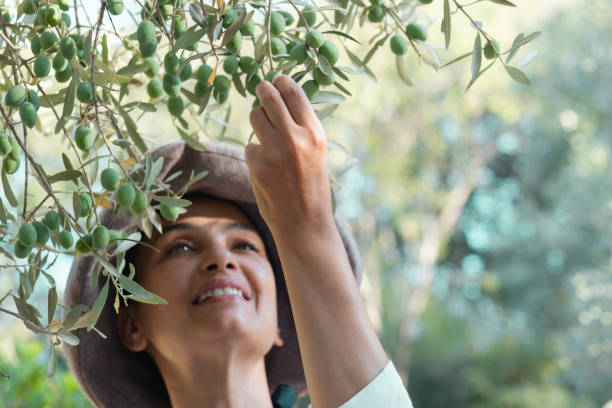
[H3]5 Reasons to Plant an Olive Tree[/H3]
26 January, 2023
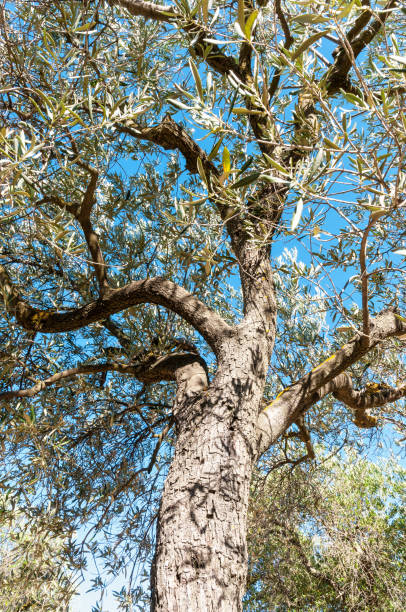
1. Olive trees are hardy and long-lived. They can live for hundreds of years and are able to withstand extreme weather conditions. This makes them ideal for planting in a variety of climates.

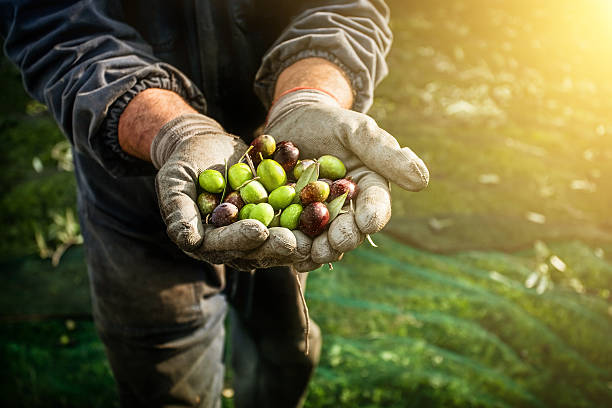
2. Olive trees are a source of delicious and healthy oil. The oil produced by olives is high in monounsaturated fats and antioxidants, making it a healthy addition to any diet.


olive tapenade

3. Olive trees are also a source of food. The olives themselves can be eaten fresh or cured and are a staple in Mediterranean cuisine.


Cure your Olives, recipe above.

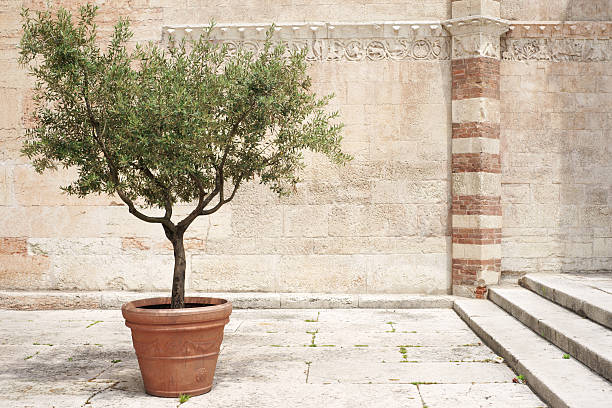
4. Olive trees can provide shade and beauty. The trees are evergreen and have a distinctive, gnarled appearance that can add visual interest to any landscape, garden or patio terrace.


Olive tree in a pot on a hot summer day in front of stone wall


Creating shade is so important in a garden.

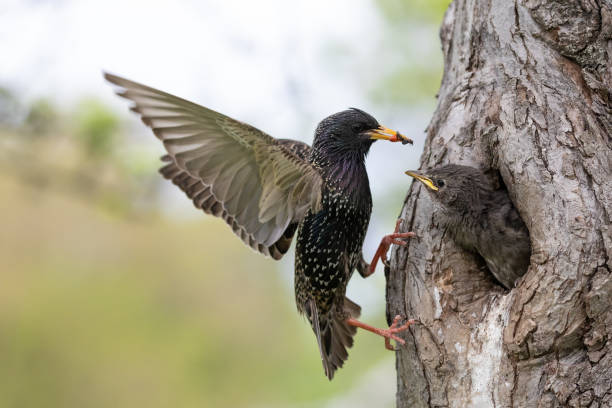
5. Olive tree cultivation also helps to preserve biodiversity. The trees provide food and habitat for many species of birds and insects and helps to protect soil and water resources.


Common Starling feeding its nestling

Olive tree history

In addition, planting an olive tree is a great way to connect with history and tradition. Olives have been cultivated for thousands of years. They have played an important role in the economy, culture, and cuisine of the Mediterranean region.
Planting an olive tree can be a way to honour that history and tradition and to feel a sense of connection to sunnier climbs! Furthermore,
Olive trees are drought-tolerant, which is great for regions where water is scarce and a precious resource. They are also capable of growth in poor soil conditions, which makes them versatile and adaptable.


Not only do they offer year long beauty, they are a reminder of sunnier climes.

In conclusion, planting an olive tree has numerous benefits, including being a source of delicious and healthy oil. They also provide shade and beauty and preserve biodiversity. Additionally, it can connect you to history, tradition, and culture. It can also be a great way to make a sustainable and environmentally friendly choice for your garden.
 
China's Yunnan province sponsored a tree planting project around National Highway - 5 (N-5), popularly known as "Go Green Pakistan, Yunnan Chapter, Page 1." has recently been finalized. 5000 high temperature and drought-resistant tree saplings are now standing along N-5 in southern Sindh.

As Pakistan increasingly faces the challenges of Climate Change, China's Yunnan, a region renowned for its efforts to restore forests and reduce pollution, stepped forward and made the donation via the Yunnan People's Association for Friendship with Foreign Countries and the China Yunnan Sunny Road and Bridge Corporation, which is working on various infrastructure projects in Pakistan.

The project was carried out in Southern Sindh, one of the hardest hit areas of extreme weather, along the central separator and the interchange area of N-5, Pakistan's north-south traffic trunk road. The project is expected to increase green coverage, ease water-soil losses and raise local residents' awareness of environmental protection.

Following that, the Chinese side will care for the saplings for a year to ensure their survival and maximize the project's impact.
The project has received high praise from Pakistan's Ministry of Economic Affairs, the Capital Development Authority (CDA), and the National Highway Authority (NHA)
 
PHA to plant 600,000 geo-tagged saplings in LHR to combat air pollution

The Parks and Horticulture Authorities (PHA) has been directed to plant 600,000 geo-tagged saplings to combat air pollution in Lahore, according to news published in the national dailies on April 27.

As per the details, a strategy has been implemented to combat air pollution by planting 600,000 six-foot saplings in vacant areas in the city. In this regard, a joint committee comprising the Lahore District Administration and Forest Department has been formed to ensure successful implementation. It was revealed that the Lahore Commissioner has requested a list of unused planting sites.

Moreover, the PHA will be planting trees on the routes linking Lahore to other districts. Every sapling will be geotagged and uploaded to a dashboard in order to track the success of the planting initiative. This campaign is a crucial step towards decreasing the detrimental effects of air pollution on the well-being and health of citizens along with promoting the significance of sustainability and environmental conservation for future generations.
 

Members Online

Latest Posts

Latest Posts