Bangladesh Defense
Saif
Senior Member
- Jan 24, 2024
- 21,704
- 9,794
- Nation

- Residence
- Axis Group


US tariff negotiations enter final day
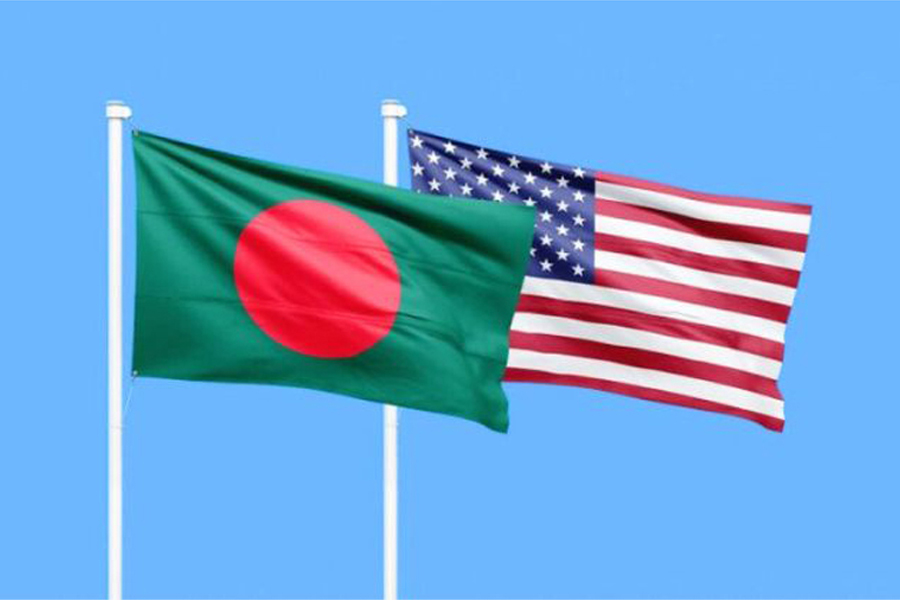
The talks between Bangladesh and the United States over tariff issues began in the US capital Washington for the third day on Friday.
 www.newagebd.net
US tariff negotiations enter final day
Staff Correspondent 12 July, 2025, 00:32

The talks between Bangladesh and the United States over tariff issues began in the US capital Washington for the third day on Friday.
The talks started at 9:00am (Washington time) where Dhaka was trying to lower the tariff rate announced by US president Donald Trump, according to a message received in Dhaka.
On July 8, Trump imposed 35 per cent tariff on Bangladeshi export products, effective from August 1, on top of sectoral tariffs of up to 15 per cent.
Friday was the concluding day of the second round of negotiations between the two nations over the issue.
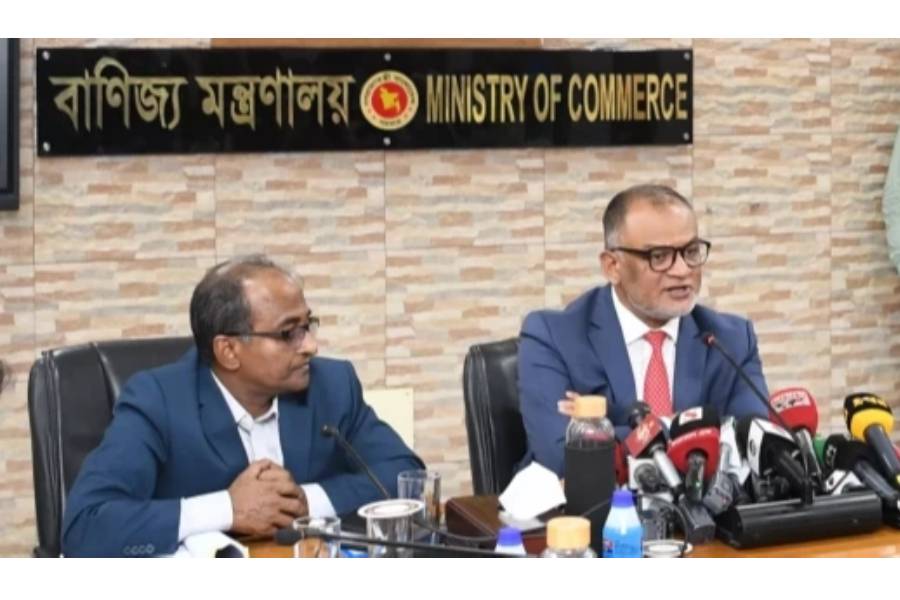
Commerce adviser Sk Bashir Uddin was leading the Bangladesh side with the negotiations with the United States Trade Representative, the agency responsible for promoting US foreign trade policies.
Economists and businesses said that the increased rate of tariff would reduce Bangladeshi exporters’ competiveness against their competitors in other countries.
Bangladesh has already assured the USTR of addressing the US concern over the trade deficit.
In 2024, Bangladesh exported to the US goods worth about $8.4 billion, of which $7.34 billion accounted for readymade garments. In the year, the country imported US goods worth $2.2 billion.
During the past two days’ negotiations, Dhaka said that measures had already been taken to reduce duties and value-added tax on certain products, including wheat, soya bean, aircraft and machinery, Bangladesh imported from the US.
Dhaka is also actively considering placing an order for buying Boeing aircraft soon.
On the second day of talks on July 10, the commerce adviser met with US trade representative ambassador Jamieson Greer at the latter’s office, according to a release issued by the chief adviser’s press wing.
The two dignitaries discussed issues of mutual interest with particular focus on Bangladesh-US trade, commerce, and the ongoing tariff negotiations.
National security adviser Khalilur Rahman and the chief adviser’s special assistant on ICT and telecommunications, Faiz Ahmed Tayeb, joined the meeting virtually from Dhaka.
Earlier on April 3, the US had imposed a steep 37 per cent ‘reciprocal’ tariff on Bangladeshi exports, but on April 9, the US president declared a pause on the tariff for three months.
After the announcement of the pause, Bangladesh had held the first round of negotiations with the US over the tariff rate.
Staff Correspondent 12 July, 2025, 00:32
The talks between Bangladesh and the United States over tariff issues began in the US capital Washington for the third day on Friday.
The talks started at 9:00am (Washington time) where Dhaka was trying to lower the tariff rate announced by US president Donald Trump, according to a message received in Dhaka.
On July 8, Trump imposed 35 per cent tariff on Bangladeshi export products, effective from August 1, on top of sectoral tariffs of up to 15 per cent.
Friday was the concluding day of the second round of negotiations between the two nations over the issue.
Commerce adviser Sk Bashir Uddin was leading the Bangladesh side with the negotiations with the United States Trade Representative, the agency responsible for promoting US foreign trade policies.
Economists and businesses said that the increased rate of tariff would reduce Bangladeshi exporters’ competiveness against their competitors in other countries.
Bangladesh has already assured the USTR of addressing the US concern over the trade deficit.
In 2024, Bangladesh exported to the US goods worth about $8.4 billion, of which $7.34 billion accounted for readymade garments. In the year, the country imported US goods worth $2.2 billion.
During the past two days’ negotiations, Dhaka said that measures had already been taken to reduce duties and value-added tax on certain products, including wheat, soya bean, aircraft and machinery, Bangladesh imported from the US.
Dhaka is also actively considering placing an order for buying Boeing aircraft soon.
On the second day of talks on July 10, the commerce adviser met with US trade representative ambassador Jamieson Greer at the latter’s office, according to a release issued by the chief adviser’s press wing.
The two dignitaries discussed issues of mutual interest with particular focus on Bangladesh-US trade, commerce, and the ongoing tariff negotiations.
National security adviser Khalilur Rahman and the chief adviser’s special assistant on ICT and telecommunications, Faiz Ahmed Tayeb, joined the meeting virtually from Dhaka.
Earlier on April 3, the US had imposed a steep 37 per cent ‘reciprocal’ tariff on Bangladeshi exports, but on April 9, the US president declared a pause on the tariff for three months.
After the announcement of the pause, Bangladesh had held the first round of negotiations with the US over the tariff rate.