Bangladesh Defense
Saif
Senior Member
- Jan 24, 2024
- 21,040
- 9,686
- Nation

- Residence
- Axis Group


US imposes new tariffs on 60 countries, 10% on Bangladesh
Foreign ministry says Dhaka has been placed in the lower tariff tier
US imposes new tariffs on 60 countries, 10% on Bangladesh
Foreign ministry says Dhaka has been placed in the lower tariff tier
Refayet Ullah Mirdha
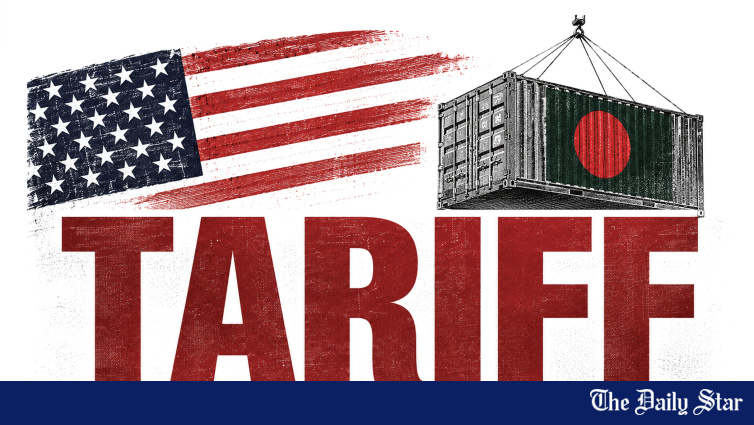
The United States has imposed a 10 percent tariff on imports from Bangladesh, saying the country has not done enough to prevent imports of raw materials produced using forced labour.
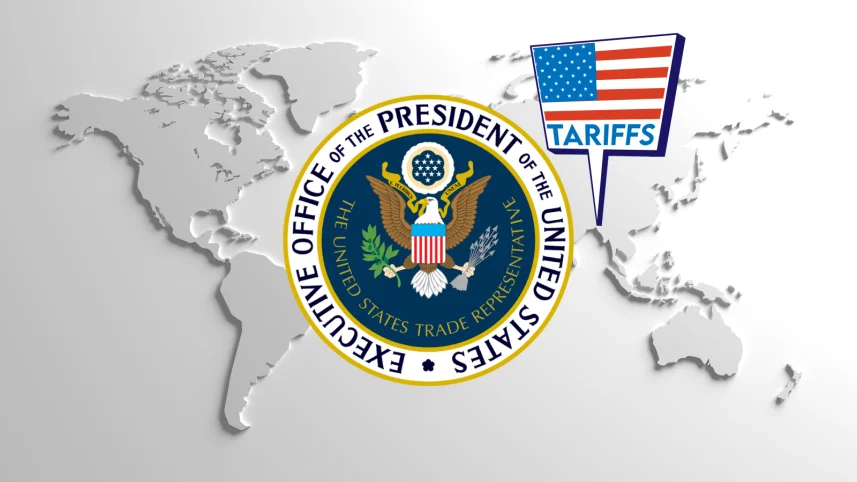
The Office of the US Trade Representative (USTR) announced the tariff for Bangladesh alongside 59 other countries and trading partners.
The duty takes effect from Friday, when the temporary 10 percent tariff imposed earlier this year by President Donald Trump expires. It comes into force at 12:01 am Washington DC time on July 24, 2026.
The new duty raises the total tariff on Bangladesh's garment exports to the US to 25.62 percent. Garments are Bangladesh’s main export to the US, its largest single-country export market.
The White House says the move is part of its latest effort to revive President Trump's plan for a broad global tariff regime after the US Supreme Court in February struck down his "reciprocal" tariffs of between 10 percent and 50 percent, which had been introduced under a national emergencies law to reduce the US trade deficit, according to Reuters.
According to a USTR statement, Bangladesh is among 18 countries, including India, Pakistan and Sri Lanka, that will face a 10 percent tariff. Other trading partners will face a 12.5 percent tariff.
Before the reciprocal tariff announced in April last year, Bangladesh's garment exporters had been paying a 15.62 percent duty on shipments to the US for several years.
In April 2025, President Trump introduced reciprocal tariffs on trading partners worldwide in a bid to reduce the US trade deficit. The US Supreme Court later struck down those tariffs.
Since then, the Trump administration has sought alternative legal avenues to implement the president's trade agenda.
Last month, the White House proposed tariffs ranging from 10 percent to 12.5 percent on goods imported from a dozen countries, saying they had not taken sufficient steps to combat forced labour.
Earlier this year, the US launched a Section 301 investigation covering 60 countries to determine whether to impose tariffs of 10 percent or 12.5 percent on countries that fail to prevent imports of goods produced using forced labour.
Following the announcement, the Ministry of Foreign Affairs (MoFA) said today that Bangladesh has been placed in the lower 10 percent tariff tier.
"Therefore, it retains Bangladesh's competitive standing in the US apparel and export market," it said.
The ministry said several major apparel-exporting competitors, including China, Vietnam and Thailand, would face the higher 12.5 percent tariff.
"This distinct differential reinforces Bangladesh's ongoing comparative advantage in the US market relative to its high-tariff competitors."
MoFA also said the USTR is considering introducing a three-year Tariff-Rate Quota (TRQ) for Bangladesh, Cambodia, Indonesia and Malaysia that would waive Section 301 tariffs on goods made from US cotton and textile inputs.
"This, when implemented, would provide Bangladesh with a further competitive advantage and promote its exports to the US market," it added.
The ministry said the government remains fully committed to upholding international labour standards and would continue to engage closely with international partners to ensure the robust growth, compliance and sustainability of Bangladesh's critical export sectors.
Foreign ministry says Dhaka has been placed in the lower tariff tier
Refayet Ullah Mirdha
The United States has imposed a 10 percent tariff on imports from Bangladesh, saying the country has not done enough to prevent imports of raw materials produced using forced labour.
The Office of the US Trade Representative (USTR) announced the tariff for Bangladesh alongside 59 other countries and trading partners.
The duty takes effect from Friday, when the temporary 10 percent tariff imposed earlier this year by President Donald Trump expires. It comes into force at 12:01 am Washington DC time on July 24, 2026.
The new duty raises the total tariff on Bangladesh's garment exports to the US to 25.62 percent. Garments are Bangladesh’s main export to the US, its largest single-country export market.
The White House says the move is part of its latest effort to revive President Trump's plan for a broad global tariff regime after the US Supreme Court in February struck down his "reciprocal" tariffs of between 10 percent and 50 percent, which had been introduced under a national emergencies law to reduce the US trade deficit, according to Reuters.
According to a USTR statement, Bangladesh is among 18 countries, including India, Pakistan and Sri Lanka, that will face a 10 percent tariff. Other trading partners will face a 12.5 percent tariff.
Before the reciprocal tariff announced in April last year, Bangladesh's garment exporters had been paying a 15.62 percent duty on shipments to the US for several years.
In April 2025, President Trump introduced reciprocal tariffs on trading partners worldwide in a bid to reduce the US trade deficit. The US Supreme Court later struck down those tariffs.
Since then, the Trump administration has sought alternative legal avenues to implement the president's trade agenda.
Last month, the White House proposed tariffs ranging from 10 percent to 12.5 percent on goods imported from a dozen countries, saying they had not taken sufficient steps to combat forced labour.
Earlier this year, the US launched a Section 301 investigation covering 60 countries to determine whether to impose tariffs of 10 percent or 12.5 percent on countries that fail to prevent imports of goods produced using forced labour.
Following the announcement, the Ministry of Foreign Affairs (MoFA) said today that Bangladesh has been placed in the lower 10 percent tariff tier.
"Therefore, it retains Bangladesh's competitive standing in the US apparel and export market," it said.
The ministry said several major apparel-exporting competitors, including China, Vietnam and Thailand, would face the higher 12.5 percent tariff.
"This distinct differential reinforces Bangladesh's ongoing comparative advantage in the US market relative to its high-tariff competitors."
MoFA also said the USTR is considering introducing a three-year Tariff-Rate Quota (TRQ) for Bangladesh, Cambodia, Indonesia and Malaysia that would waive Section 301 tariffs on goods made from US cotton and textile inputs.
"This, when implemented, would provide Bangladesh with a further competitive advantage and promote its exports to the US market," it added.
The ministry said the government remains fully committed to upholding international labour standards and would continue to engage closely with international partners to ensure the robust growth, compliance and sustainability of Bangladesh's critical export sectors.