Home Watch Videos Wars Movies Login

[🇧🇩] Banking System in Bangladesh

[🇧🇩] Banking System in Bangladesh
291
9K
More threads by Saif

G Bangladesh Defense

Bangladesh Bank shuffles top officials following leadership change

UNB
Published :
Feb 25, 2026 21:49
Updated :
Feb 25, 2026 21:49

1772065230084.webp


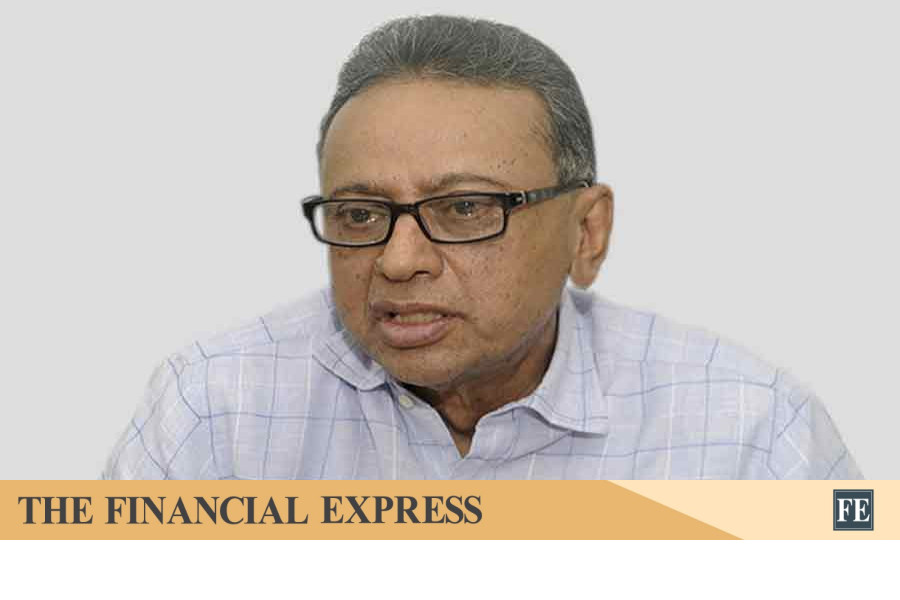
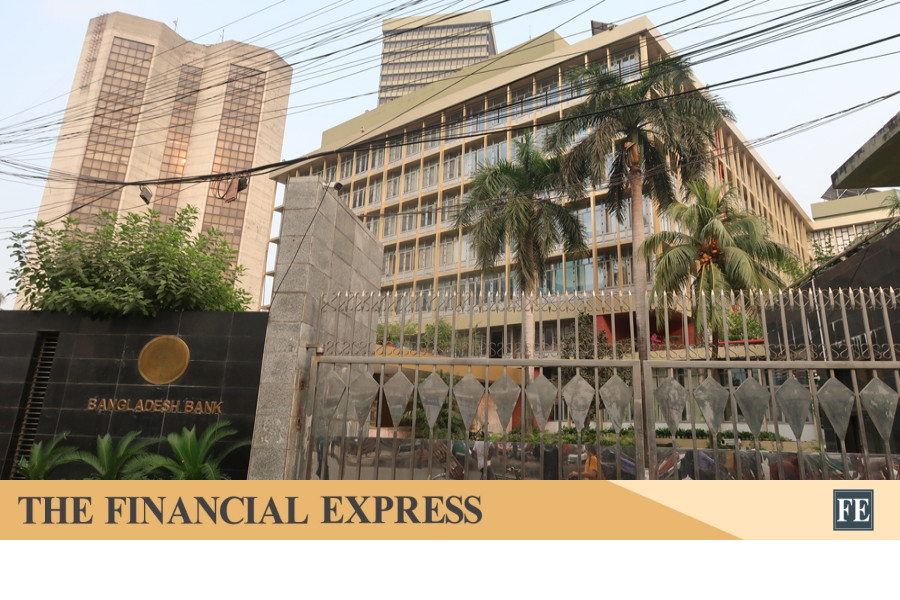
Bangladesh Bank has announced the immediate transfer and reassignment of five senior officials in the wake of Wednesday’s leadership change, according to an official directive.

The central bank’s official directive, signed by Director (HRD-1) Md Tarikul Islam, shuffled four directors and one additional director, with several key departmental moves at the institution’s headquarters.

Md. Zabaidul Islam, Director, has been shifted from the Human Resources Department-1 to the Financial Institutions Inspection Department. He is to join the new department after completing his current recreational leave.

Md. Shahid Reza, Director, moves from the Financial Institutions Inspection Department to the Human Resources Department-1.

Md. Bayezid Sarkar, Director, has been reassigned from Banking Regulation and Policy Department-1 to the Motijheel Office, where he will serve as In-Charge Executive Director (Core).

Gazi Md. Mahfuzul Islam, Director, previously acting as In-charge Executive Director at the Motijheel Office, is transferred to the Banking Regulation and Policy Department-1.

Md. Kamrul Islam, Additional Director, has been moved from the Governor’s Office to the Sadarghat Office.

All changes are effective immediately, reflecting the central bank’s broader administrative realignment amid a transition in top leadership.​
 
Analyze

Analyze Post

Add your ideas here:
Highlight Cite Respond

Governor change at central bank part of wider administrative reshuffle: Minister Khosru

Published :
Feb 25, 2026 19:29
Updated :
Feb 25, 2026 20:21

1772065326982.webp


Finance Minister Amir Khosru Mahmud Chowdhury on Wednesday said the change in the governorship of Bangladesh Bank was part of a broader administrative reshuffle undertaken by the new government to implement its priorities and policy agenda.

“Changes have not taken place in Bangladesh Bank only; they have occurred in many places also,” he told reporters at the Secretariat in response to a question regarding the replacement of the central bank governor, UNB reports.

“After assuming office, a new government has its own priorities and programmes. Changes are being made where necessary to realise those priorities. This is a normal process,” he said.

Responding to a query about the considerations behind the governor’s removal, the minister said there was nothing unusual about the decision.

“A new government has come in with its own preferences and policy thinking. Naturally, adjustments will be made in different institutions to align with its programmes,” he said, adding that such changes are neither isolated nor exceptional.

“It is not only Bangladesh Bank where changes have been made. Many other places have seen changes, and more may follow if required. This is very normal in the context of a new administration,” he said.

The minister emphasised that the government’s own programme, preferences and policy orientation would guide administrative decisions. “Wherever necessary to implement the government’s programme and thinking, changes will be brought.”

Earlier, the government removed Ahsan H Mansur from the post of governor of Bangladesh Bank and appointed Md Mostakur Rahman as the new governor.

The change comes as the government reiterates its commitment to pursuing its economic agenda in coordination with key financial institutions.​
 
Analyze

Analyze Post

Add your ideas here:
Highlight Cite Respond

New governor announces measures to revive closed factories: Spokesperson

bdnews24.com
Published :
Feb 26, 2026 21:02
Updated :
Feb 26, 2026 21:03

1772152068993.webp

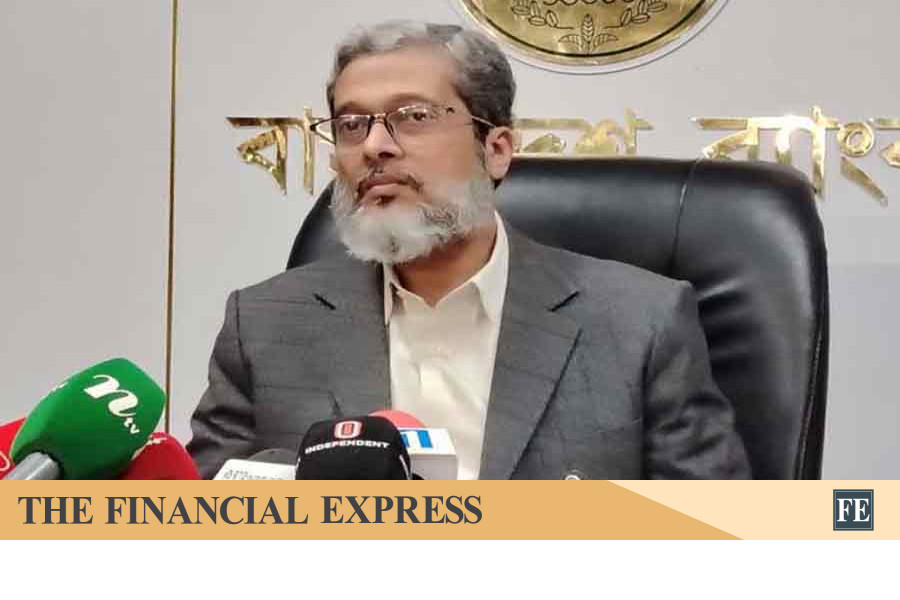
Arief Hossain Khan, the central bank’s spokesperson

Newly appointed Governor Mostaqur Rahman has announced measures to revive closed factories through targeted policy support on his first day in office.

The central bank’s spokesperson Arief Hossain Khan shared the governor’s vision with journalists on Thursday.

It followed an informal briefing between the governor, deputy governors, and executive directors.

According to the official, the governor outlined a strategic roadmap for the future operations of Bangladesh Bank and detailed his initiatives for driving the economy forward.

Mostaqur, an eminent businessman from the garment sector, was appointed to the helm of the central bank by the Tarique Rahman-led BNP government amid a day of high-tension developments on Wednesday.

He arrived at the central bank in his private vehicle at 10:40am.

After proceeding to his office and signing his appointment letter, he met with senior officials.

Breaking with a long-standing tradition where the three previous governors addressed the media personally on their first day, Mostaqur opted to speak through a representative.

Arief, however, addressed journalists on the governor’s behalf at 2pm.

"My words are the governor’s words," he said. "I am here to speak for him."

Quoting the governor, the spokesperson noted: "Initiatives will be taken to reopen closed factories.

“Measures will be implemented to energise the economy, boost growth, and create employment."

When asked why the governor is prioritising the reopening of factories immediately upon taking office, Arief said: "When a factory closes, employment is stifled. To revitalise the economy, investment must increase.

“Therefore, policy support will be provided to these industries."

To facilitate this, Bangladesh Bank will direct commercial banks to reschedule defaulted loans and provide new working capital to get production lines running again.

Elaborating on the governor’s plan, Arief said: "Individuals may commit offences, but the institution can still be kept operational."

Following the fall of the Awami League government in a mass uprising and the subsequent takeover by the interim government, several businessmen with close ties to the former administration went into hiding.

Salman F Rahman, co-founder of the Beximco Group, is currently in prison, while others have fled the country.

Thus, factories belonging to groups such as Beximco, S Alam, and Nassa have ceased operations in the absence of their proprietors.

Addressing concerns over why the central bank would initiate new lending to these entities, the spokesperson said: "This is being done in the interest of the economy.

“If a factory employs 10,000 people and they lose their jobs, it creates social anarchy.

“For the sake of economic stability, banks will disburse loans, and Bangladesh Bank will supervise the process."

The spokesperson also noted that the governor intends to limit his direct engagement with the press.

"The governor will not be a regular fixture in the media. He will speak only when absolutely necessary; otherwise, communication will be handled through the spokesperson."​
 
Analyze

Analyze Post

Add your ideas here:
Highlight Cite Respond

Repairing the broken promise of banking

Shah Md Ahsan Habib
Published :
Feb 26, 2026 23:29
Updated :
Feb 26, 2026 23:29

1772152866292.webp


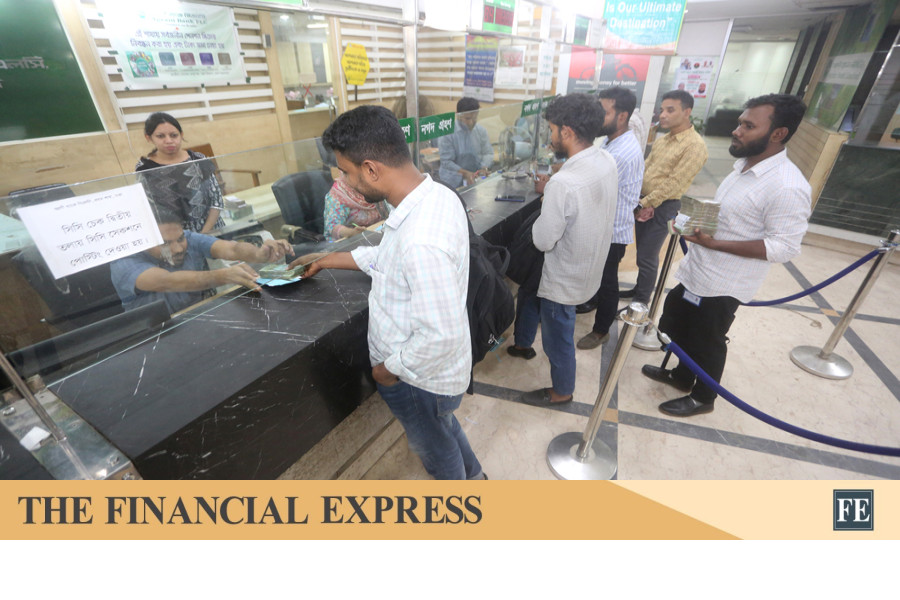
An inside view of a commercial bank in Dhaka —FE File Photo

Public trust in Bangladesh's banking system has been gradually weakening. Not through sudden panic, but through steady hesitation. Over the past decade, structural weaknesses within the sector have eroded the fundamental promise of safety that depositors rely upon. Rising non-performing loans, governance lapses, political influence in lending, periodic liquidity stress, hurried mergers, and unclear bank resolution processes have contributed to uncertainty. Repeated recapitalisation of state-controlled banks using public funds has reinforced concerns about sustainability.

While a few institutions have demonstrated relatively resilient performance, the sector's overall condition remains fragile and continues to warrant concern. One of the most critical weaknesses has been limited depositor protection visibility. When citizens become unsure about safeguards, confidence slows before withdrawals begin. In segments of Islamic banking, reputational strain has been more pronounced. Institutions long perceived as ethically grounded and stable have faced scrutiny over governance standards and related-party exposures. Trust, once unsettled, requires consistent institutional effort to rebuild.

The newly elected government now carries a defining responsibility. Strengthening depositor and public confidence must become central to building a sustainable banking system. This is not merely a technical reform agenda. It is a national economic priority. Restoring and strengthening public confidence in the banking industry must sit at the core of financial policy.

The gradual erosion of trust did not occur overnight. It reflected repeated signals. Depositors observed large loan defaults with limited visible accountability. They saw politically exposed borrowers receive repeated restructuring facilities. They noticed delayed supervisory intervention in distressed institutions. They witnessed uncertainty surrounding weak banks without clear resolution pathways. In Islamic banking, expectations were higher due to ethical positioning. When governance shortcomings emerged, reputational damage intensified. When values and operational practices appear misaligned, public confidence adjusts accordingly.

Any meaningful reform must begin with a clear principle. Depositors are not equity investors pursuing high risk and high return. They are citizens safeguarding savings within a regulated framework. Their protection is a public responsibility. A sustainable banking system rests on strong governance, transparent supervision, and firm political commitment to non-interference. The government must clearly communicate, and consistently demonstrate, that depositor funds are protected as a matter of national policy. This principle should guide board appointments, enforcement decisions, supervisory actions, and crisis responses.

Political commitment is the starting point. Structural reforms cannot succeed without it. Independent bank boards must be appointed through transparent and merit-based processes. Senior management appointments must prioritise professional competence and integrity. Regulatory officials must be protected from arbitrary pressure. Enforcement against wilful defaulters must be consistent and transparent. Selective enforcement erodes credibility. Equal application of law strengthens it. The public must observe that regulatory and legal standards apply uniformly, regardless of influence or affiliation. Confidence grows when accountability becomes visible and impartial.

Regulatory approach is critical. Supervisory mandates should be clearly defined and insulated from external interference. Oversight must become forward-looking rather than reactive. Regular stress testing, stronger early warning systems, improved risk-based supervision, and prompt corrective measures can reduce systemic vulnerability. Delayed intervention increases fiscal cost and reputational damage. Effective supervision reassures depositors that risks are being monitored and addressed before escalation.

Deposit insurance mechanisms must become both credible and widely understood. The recent increase in insured deposit coverage is a constructive step. However, coverage remains modest relative to average urban deposit balances and inflation trends. Periodic review of the ceiling is necessary to preserve real protection value. Depositors require clarity regarding coverage limits, pay-out timelines, trigger conditions, and the institutional backing of the insurance scheme. Compensation procedures must be time-bound, transparent, and operationally efficient. Clear communication is essential. Bangladesh Bank and the government should publish simplified explanatory materials detailing how deposit insurance operates and what depositors can expect during stress events. Public awareness campaigns through mass media and digital platforms can strengthen understanding and reduce speculation. Protection frameworks strengthen confidence only when they are both credible and clearly visible.

Islamic banking requires focused institutional strengthening. Independent and qualified Shariah supervisory boards must operate with transparency and professional integrity. Internal audit and compliance functions need reinforcement. Ownership structures and management responsibilities must remain clearly separated. Related-party exposures should be disclosed transparently and monitored rigorously. Regular public reporting on financial health and Shariah compliance should become standard practice. Confidence in Islamic banking will be restored when governance standards are demonstrably robust and consistently applied.

Consumer protection mechanisms must also evolve. A strengthened and independent financial ombudsman framework can provide timely and impartial resolution of depositor complaints. Standardised disclosure formats for deposit and savings products can reduce information asymmetry. Digital grievance redress platforms can enhance accessibility and response time. Financial literacy initiatives should expand nationwide, particularly in rural and semi-urban regions where awareness gaps persist. Informed depositors feel more secure and less reactive during uncertainty. Protection frameworks must function effectively in practice, not merely exist within regulatory texts.

Transparency must become embedded in institutional culture. Banks should publish simplified quarterly performance summaries accessible to general audiences. Clear disclosure of risk exposures, capital adequacy positions, governance structures, and board composition can strengthen credibility. Regulators, within legal boundaries, may share information on supervisory actions to demonstrate oversight effectiveness. Limited but meaningful disclosure reassures markets and citizens alike. Predictable systems prevent panic. Rule-based processes replace speculation with assurance.

Communication strategy is equally essential. During financial stress, silence can unintentionally amplify uncertainty. Regular, fact-based communication from policymakers and regulators stabilises expectations. Public briefings, timely clarification of misinformation, and clear articulation of reform measures help maintain confidence. Institutional credibility depends not only on balance sheet strength but also on transparency of intent.

Rebuilding depositor confidence will require sustained effort. It cannot be achieved through isolated policy announcements or short-term liquidity injections. Structural reform, political restraint, regulatory autonomy, effective consumer protection, decisive action on non-performing loans, and visible accountability must operate together. Banking functions on public trust. It is a social contract between depositors, institutions, regulators, and government. That contract has experienced strain. Repairing it demands integrity, consistency, and long-term commitment.

Capital adequacy ratios remain important. Liquidity buffers remain necessary. Prudential compliance remains essential. Yet beyond these technical indicators lies a deeper asset. Trust is the most valuable capital in any banking system. When depositors feel secure, funds remain within the formal financial sector. When funding remains stable, lending can expand responsibly. When credit flows sustainably, economic growth strengthens.

The new government has an opportunity to reset institutional tone and rebuild credibility. By placing depositor protection at the centre of reform, ensuring regulatory independence, addressing non-performing loans firmly, strengthening Islamic banking governance, enhancing transparency, and reinforcing consumer protection, the foundation of confidence can gradually be restored. Confidence does not return overnight. It grows when policies are consistent, enforcement is impartial, and institutions are reliable.

Repairing the broken promise of banking is not only a matter of financial repair. It is about restoring belief in public institutions. When citizens once again feel assured that their savings are protected within a fair, accountable, and professionally supervised system, the banking sector will regain stability. Trust, carefully rebuilt, will sustain the industry more effectively than temporary liquidity support.

Dr. Shah Md Ahsan Habib, Professor, Bangladesh Institute of Bank Management (BIBM), and Chairman Dnet Bangladesh.​
 
Analyze

Analyze Post

Add your ideas here:
Highlight Cite Respond

Members Online

Latest Posts

Back
 
G
O
 
H
O
M
E