Bangladesh Defense
Saif
Senior Member
- Jan 24, 2024
- 21,435
- 9,743
- Nation

- Residence
- Axis Group

Date of Event:
Mar 16, 2026

Fresh tensions over Constitution Reform Council
Political tensions are rising over the implementation of the constitutional proposals contained in the July National Charter
 en.prothomalo.com
Fresh tensions over Constitution Reform Council
Staff Correspondent
Dhaka
Published: 15 Mar 2026, 12: 12

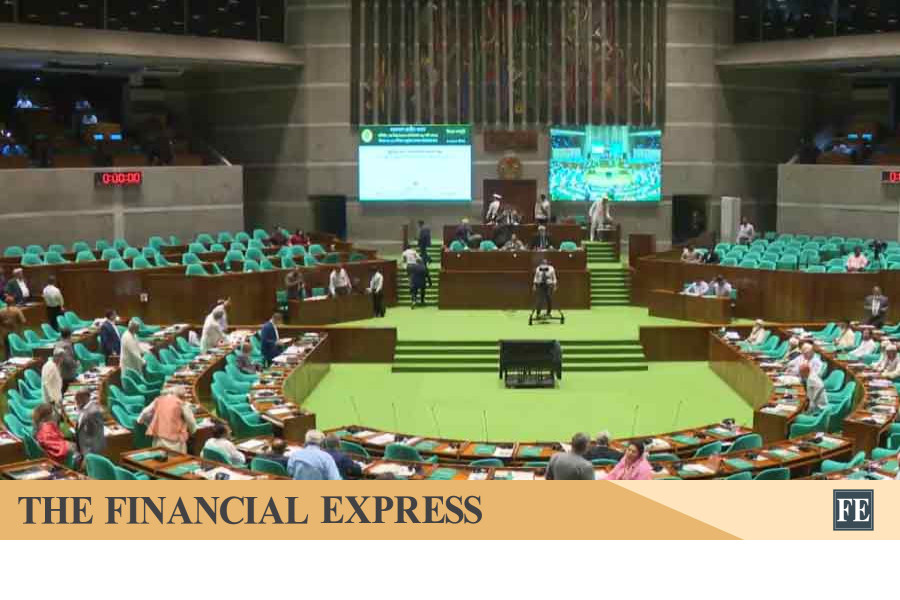
Parliament session File photo
Political tensions are rising over the implementation of the constitutional proposals contained in the July National Charter. The 11-party electoral alliance led by Bangladesh Jamaat-e-Islami has demanded that a session of the Constitution Reform Council be convened by today, Sunday. Otherwise, it warned, it will launch street protests.
Meanwhile, the ruling party Bangladesh Nationalist Party (BNP) has said the matter of the Constitution Reform Council could be discussed in parliament.
According to the July National Charter implementation order, today is the final day for calling the council’s session. Those elected in the parliamentary election are supposed to take two oaths on the same day—one as members of parliament and another as members of the Constitution Reform Council.
The swearing-in ceremony for the newly elected MPs was held on 17 February. The parliament secretariat had prepared for both oaths that day. Members of opposition parties, including Bangladesh Jamaat-e-Islami and the National Citizen Party (NCP), took both oaths. However, MPs elected from the Bangladesh Nationalist Party did not take the oath as members of the Constitution Reform Council.
BNP leaders said the Constitution contains no provision regarding the oath of members of such a council. If such a provision is added in the future, then the question of taking the oath will arise. Since then, the formation of the council has been a topic of political debate. Earlier discussions at the National Consensus Commission had also revealed differences between BNP and the Jamaat–NCP bloc over several key proposals.
The first session of the 13th Jatiya Sangsad began last Thursday. On the opening day, opposition MPs from Bangladesh Jamaat-e-Islami and the National Citizen Party staged protests in parliament over the speech delivered by President Mohammed Shahabuddin and walked out of the chamber.
According to an opposition source, tensions may escalate again during Sunday’s second sitting of the session, particularly over the formation of the Constitution Reform Council. Opposition parties are considering raising the issue during an unscheduled discussion.
Constitution Reform Council
After the “Yes” vote won in the referendum, the July National Charter (Constitutional Reform) Implementation Order stipulates that a Constitution Reform Council should be formed with representatives elected in the 13th parliamentary election.
The referendum endorsed the order and the charter’s 48 constitutional reform proposals. The council is supposed to implement those constitutional provisions.
The implementation order states that the council’s first session should be convened within 30 calendar days of the election results being officially declared—following the same procedure used for convening the first session of parliament. The council would then have 180 working days from its first sitting to complete the constitutional reforms in line with the July National Charter and the referendum results.
The parliamentary election was held on 12 February. The Bangladesh Election Commission published the official gazette of the results after midnight on 13 February (early 14 February).
According to the July order, today—Sunday—is the deadline for convening the council’s first session. The order states that the president should call the session, but that has not yet happened.
Meanwhile, a writ petition has been filed in the High Court Division of the Supreme Court of Bangladesh over the issue. The court issued rules regarding several matters, including the legality of the July National Charter implementation order, letters asking newly elected MPs to take oath as council members, the administration of such an oath through the chief election commissioner, and provisions of the Referendum Ordinance.
A High Court bench issued separate rules on 3 March after hearing two writ petitions and asked the respondents to reply within four weeks.
Observers say that overall the reform initiative—particularly the fundamental constitutional changes pursued by the outgoing interim government through the July National Charter—has now stalled.
Opposition position
At an emergency meeting of the liaison committee of the 11-party opposition alliance yesterday, the issue of the Constitution Reform Council was discussed.
After the meeting, Hamidur Rahman Azad, assistant secretary-general of Bangladesh Jamaat-e-Islami and coordinator of the 11-party electoral alliance, told journalists that the government will complete 30 days in office on 15 March.
“If the government does not convene or arrange to convene the session of the Constitution Reform Council according to the July Charter within this time, it will not be forgiven by the nation,” he said, adding that the responsibility would lie with the government, including the leader of the house.
He warned that if quick steps are not taken to implement the July Charter, the alliance will be forced to launch street protests with public support. The top leaders of the alliance will soon meet to announce protest programmes.
Azad also said that since two votes were held on the same day, two sessions—of parliament and of the reform council—should also be convened. “But only the session of the national parliament has been called,” he said.
He added that although BNP MPs took the oath as MPs in line with the party decision, they did not take the oath as members of the reform council. According to him, this shows the BNP has taken a “U-turn” after forming the government and moved to a completely opposite position, which he described as a betrayal of the nation and an insult to those who voted “Yes” in the referendum.
Government party’s objections
Of the 84 reform proposals in the July National Charter, 48 relate to the Constitution. Consensus was reached on 30 of them. However, the Bangladesh Nationalist Party has expressed disagreement on several key proposals, including reducing the prime minister’s sweeping powers, increasing the powers of the president in certain cases, forming an upper house based on proportional votes from the lower house, requiring upper house approval for constitutional amendments, and incorporating provisions in the Constitution for appointments to bodies such as the ombudsman, the Bangladesh Public Service Commission, and the Anti-Corruption Commission.
For instance, BNP wants the upper house to be formed according to the number of seats a party wins in parliament. In other words, parties would receive seats in the upper house proportional to their parliamentary seats. BNP also believes that constitutional amendments should not require approval from the upper house. These proposals were included in the party’s election manifesto.
In contrast, the referendum presented the proposals exactly as stated in the July Charter, without mentioning BNP’s dissenting views.
During the oath-taking ceremony on 17 February, BNP standing committee member and MP Salahuddin Ahmed said they had been elected as MPs according to the Constitution, not as members of the Constitutional Reform Council. He said that once constitutional reforms are enacted according to the referendum verdict—once the oath format for council members is included in the Constitution’s Third Schedule and it is determined who will administer the oath—then MPs could take the oath as members of the council.
BNP’s position is that it remains committed to implementing the July National Charter in the form in which it was signed, including the differing views of political parties.
However, since BNP MPs—who hold more than a two-thirds majority in parliament—have not taken the oath as council members, the council has not been fully constituted.
After a meeting of the parliamentary advisory committee at the parliament building yesterday, BNP standing committee member and Home Minister Salahuddin Ahmed told journalists that discussions on the Constitution Reform Council could take place “on the floor of the house.”
Staff Correspondent
Dhaka
Published: 15 Mar 2026, 12: 12
Parliament session File photo
Political tensions are rising over the implementation of the constitutional proposals contained in the July National Charter. The 11-party electoral alliance led by Bangladesh Jamaat-e-Islami has demanded that a session of the Constitution Reform Council be convened by today, Sunday. Otherwise, it warned, it will launch street protests.
Meanwhile, the ruling party Bangladesh Nationalist Party (BNP) has said the matter of the Constitution Reform Council could be discussed in parliament.
According to the July National Charter implementation order, today is the final day for calling the council’s session. Those elected in the parliamentary election are supposed to take two oaths on the same day—one as members of parliament and another as members of the Constitution Reform Council.
The swearing-in ceremony for the newly elected MPs was held on 17 February. The parliament secretariat had prepared for both oaths that day. Members of opposition parties, including Bangladesh Jamaat-e-Islami and the National Citizen Party (NCP), took both oaths. However, MPs elected from the Bangladesh Nationalist Party did not take the oath as members of the Constitution Reform Council.
BNP leaders said the Constitution contains no provision regarding the oath of members of such a council. If such a provision is added in the future, then the question of taking the oath will arise. Since then, the formation of the council has been a topic of political debate. Earlier discussions at the National Consensus Commission had also revealed differences between BNP and the Jamaat–NCP bloc over several key proposals.
The first session of the 13th Jatiya Sangsad began last Thursday. On the opening day, opposition MPs from Bangladesh Jamaat-e-Islami and the National Citizen Party staged protests in parliament over the speech delivered by President Mohammed Shahabuddin and walked out of the chamber.
According to an opposition source, tensions may escalate again during Sunday’s second sitting of the session, particularly over the formation of the Constitution Reform Council. Opposition parties are considering raising the issue during an unscheduled discussion.
Constitution Reform Council
After the “Yes” vote won in the referendum, the July National Charter (Constitutional Reform) Implementation Order stipulates that a Constitution Reform Council should be formed with representatives elected in the 13th parliamentary election.
The referendum endorsed the order and the charter’s 48 constitutional reform proposals. The council is supposed to implement those constitutional provisions.
The implementation order states that the council’s first session should be convened within 30 calendar days of the election results being officially declared—following the same procedure used for convening the first session of parliament. The council would then have 180 working days from its first sitting to complete the constitutional reforms in line with the July National Charter and the referendum results.
The parliamentary election was held on 12 February. The Bangladesh Election Commission published the official gazette of the results after midnight on 13 February (early 14 February).
According to the July order, today—Sunday—is the deadline for convening the council’s first session. The order states that the president should call the session, but that has not yet happened.
Meanwhile, a writ petition has been filed in the High Court Division of the Supreme Court of Bangladesh over the issue. The court issued rules regarding several matters, including the legality of the July National Charter implementation order, letters asking newly elected MPs to take oath as council members, the administration of such an oath through the chief election commissioner, and provisions of the Referendum Ordinance.
A High Court bench issued separate rules on 3 March after hearing two writ petitions and asked the respondents to reply within four weeks.
Observers say that overall the reform initiative—particularly the fundamental constitutional changes pursued by the outgoing interim government through the July National Charter—has now stalled.
Opposition position
At an emergency meeting of the liaison committee of the 11-party opposition alliance yesterday, the issue of the Constitution Reform Council was discussed.
After the meeting, Hamidur Rahman Azad, assistant secretary-general of Bangladesh Jamaat-e-Islami and coordinator of the 11-party electoral alliance, told journalists that the government will complete 30 days in office on 15 March.
“If the government does not convene or arrange to convene the session of the Constitution Reform Council according to the July Charter within this time, it will not be forgiven by the nation,” he said, adding that the responsibility would lie with the government, including the leader of the house.
He warned that if quick steps are not taken to implement the July Charter, the alliance will be forced to launch street protests with public support. The top leaders of the alliance will soon meet to announce protest programmes.
Azad also said that since two votes were held on the same day, two sessions—of parliament and of the reform council—should also be convened. “But only the session of the national parliament has been called,” he said.
He added that although BNP MPs took the oath as MPs in line with the party decision, they did not take the oath as members of the reform council. According to him, this shows the BNP has taken a “U-turn” after forming the government and moved to a completely opposite position, which he described as a betrayal of the nation and an insult to those who voted “Yes” in the referendum.
Government party’s objections
Of the 84 reform proposals in the July National Charter, 48 relate to the Constitution. Consensus was reached on 30 of them. However, the Bangladesh Nationalist Party has expressed disagreement on several key proposals, including reducing the prime minister’s sweeping powers, increasing the powers of the president in certain cases, forming an upper house based on proportional votes from the lower house, requiring upper house approval for constitutional amendments, and incorporating provisions in the Constitution for appointments to bodies such as the ombudsman, the Bangladesh Public Service Commission, and the Anti-Corruption Commission.
For instance, BNP wants the upper house to be formed according to the number of seats a party wins in parliament. In other words, parties would receive seats in the upper house proportional to their parliamentary seats. BNP also believes that constitutional amendments should not require approval from the upper house. These proposals were included in the party’s election manifesto.
In contrast, the referendum presented the proposals exactly as stated in the July Charter, without mentioning BNP’s dissenting views.
During the oath-taking ceremony on 17 February, BNP standing committee member and MP Salahuddin Ahmed said they had been elected as MPs according to the Constitution, not as members of the Constitutional Reform Council. He said that once constitutional reforms are enacted according to the referendum verdict—once the oath format for council members is included in the Constitution’s Third Schedule and it is determined who will administer the oath—then MPs could take the oath as members of the council.
BNP’s position is that it remains committed to implementing the July National Charter in the form in which it was signed, including the differing views of political parties.
However, since BNP MPs—who hold more than a two-thirds majority in parliament—have not taken the oath as council members, the council has not been fully constituted.
After a meeting of the parliamentary advisory committee at the parliament building yesterday, BNP standing committee member and Home Minister Salahuddin Ahmed told journalists that discussions on the Constitution Reform Council could take place “on the floor of the house.”