Bangladesh Defense
Saif
Senior Member
- Joined
- Jan 24, 2024
- Messages
- 21,327
- Likes
- 9,697
- Nation

- Residence
- Axis Group

BB gives big defaulters 15 years to repay
Mostafizur Rahman . Dhaka 01 September, 2026, 00:46
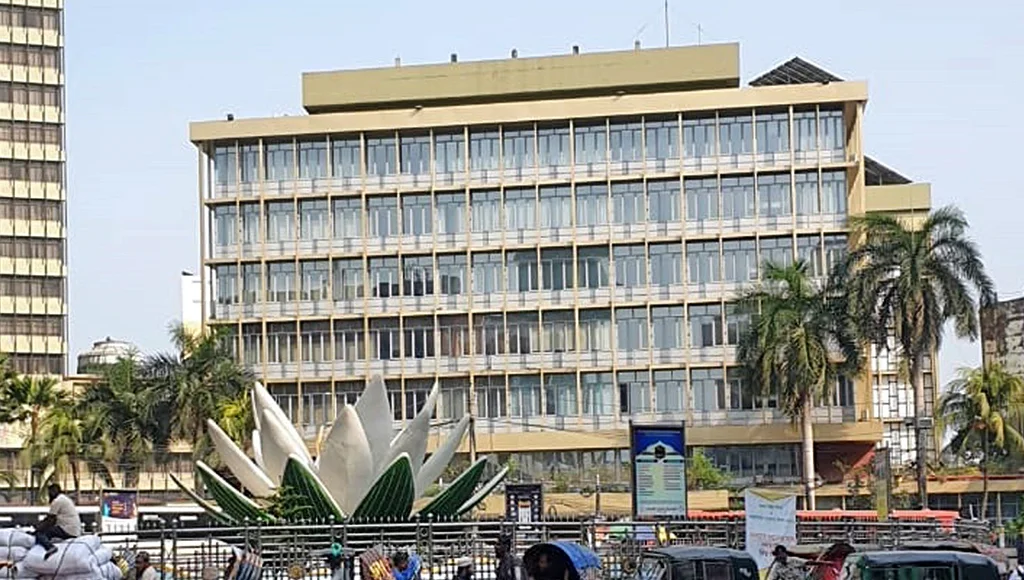
Bangladesh Bank has given large loan defaulters more breathing time to repay their debts, extending grace periods and total repayment periods as it struggles to contain non-performing loans now at alarming levels.
The central bank issued a circular on Monday extending the deadline for applying under its 2025 loan rescheduling and restructuring scheme to September 30, 2026.
--------------------
Under the revised rules, borrowers with a single loan account or group exposure of Tk 1,000 crore or more can now reschedule loans for up to 15 years, compared with the previous maximum of 10 years. They can also retain a grace period of up to two years.
Special restructuring for such large borrowers has also been extended, allowing up to four additional years beyond existing terms, double the two-year term permitted earlier.
If banks do not misuse the facilities like before and utilise them in good faith and efficiently, the facilities could bring good results.
— Mustafa K Mujeri Mujeri
Borrowers with exposure below Tk 1,000 crore will remain under the existing rules, including a maximum 10-year repayment period and a two per cent down payment.
Borrowers who already received support under the earlier scheme or through the central bank’s separate selection committee will also qualify for the extended terms.
Banks must complete eligible applications by December 31, 2026, after receiving the required down payment.
Local think tank Centre for Policy Dialogue distinguished fellow Mustafizur Rahman told New Age that the central bank had created the framework, but individual banks would have to decide whether borrowers deserved the relief.
‘Banks will identify borrowers and assess whether they can repay the loans if given such facilities,’ he said.
He also said that the central bank had facilitated the process so that banks could take final decisions based on borrowers’ financial conditions.
‘There is no way of recovering from the current severe stress in the banking sector. Such initiatives, I think, are logical,’ he said.
Banks are suffering from huge provisioning shortfalls, while some are also facing funding constraints because of the crisis involving non-performing loans and provisioning gaps, he said.
Mustafa K Mujeri, executive director of the Institute for Inclusive Finance and Development, another think tank, said that the banking sector was facing a severe crisis, aggravated by broader economic problems, including energy shortages.
The success of the revised facility would depend on banks’ assessment and selection of borrowers, he said.
‘If banks do not misuse the facilities like before and utilise them in good faith and efficiently, the facilities could bring good results,’ Mujeri said.
Bangladesh Bank introduced the scheme in September 2025 for businesses considered genuinely affected by disruptions following the political transition in August 2024 or exchange-rate losses on import payments.
It allowed eligible borrowers to reschedule classified loans by paying only 2 per cent upfront.
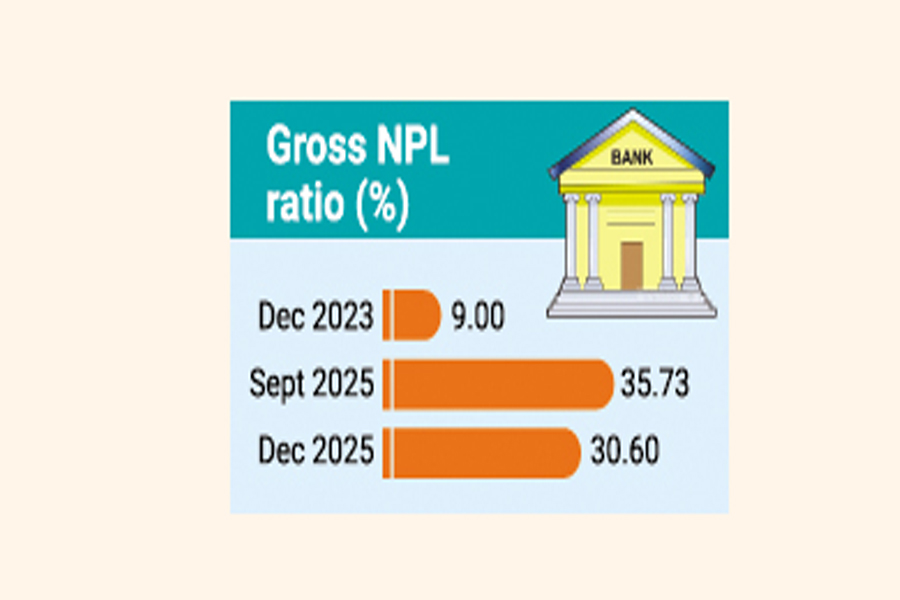
The extension comes as the banking sector’s NPL problem has deteriorated sharply.
The NPL ratio rose from 20.2 per cent in December 2024 to 32.26 per cent in March 2026, with classified loans reaching about Tk 5.89 lakh crore.
Economists have repeatedly warned that rescheduling and restructuring can postpone recognition of losses without resolving the underlying repayment problem.
A similar facility introduced in 2019 allowed generous repayment terms, but many borrowers later failed to maintain regular payments and returned to default.
The experience raised concerns that repeated concessions weaken repayment discipline.
However, they are optimistic that such misuse would not happen as banks will decide about giving the facilities to borrowers.
BB governor Mostaqur Rahman in July said that it was moving towards a tougher and comprehensive strategy to resolve bad loans.
The latest extension, however, again relies on rescheduling, creating a tension between the stated shift towards resolution and continued reliance on relief.
Mostafizur Rahman . Dhaka 01 September, 2026, 00:46
Bangladesh Bank has given large loan defaulters more breathing time to repay their debts, extending grace periods and total repayment periods as it struggles to contain non-performing loans now at alarming levels.
The central bank issued a circular on Monday extending the deadline for applying under its 2025 loan rescheduling and restructuring scheme to September 30, 2026.
--------------------
Under the revised rules, borrowers with a single loan account or group exposure of Tk 1,000 crore or more can now reschedule loans for up to 15 years, compared with the previous maximum of 10 years. They can also retain a grace period of up to two years.
Special restructuring for such large borrowers has also been extended, allowing up to four additional years beyond existing terms, double the two-year term permitted earlier.
If banks do not misuse the facilities like before and utilise them in good faith and efficiently, the facilities could bring good results.
— Mustafa K Mujeri Mujeri
Borrowers with exposure below Tk 1,000 crore will remain under the existing rules, including a maximum 10-year repayment period and a two per cent down payment.
Borrowers who already received support under the earlier scheme or through the central bank’s separate selection committee will also qualify for the extended terms.
Banks must complete eligible applications by December 31, 2026, after receiving the required down payment.
Local think tank Centre for Policy Dialogue distinguished fellow Mustafizur Rahman told New Age that the central bank had created the framework, but individual banks would have to decide whether borrowers deserved the relief.
‘Banks will identify borrowers and assess whether they can repay the loans if given such facilities,’ he said.
He also said that the central bank had facilitated the process so that banks could take final decisions based on borrowers’ financial conditions.
‘There is no way of recovering from the current severe stress in the banking sector. Such initiatives, I think, are logical,’ he said.
Banks are suffering from huge provisioning shortfalls, while some are also facing funding constraints because of the crisis involving non-performing loans and provisioning gaps, he said.
Mustafa K Mujeri, executive director of the Institute for Inclusive Finance and Development, another think tank, said that the banking sector was facing a severe crisis, aggravated by broader economic problems, including energy shortages.
The success of the revised facility would depend on banks’ assessment and selection of borrowers, he said.
‘If banks do not misuse the facilities like before and utilise them in good faith and efficiently, the facilities could bring good results,’ Mujeri said.
Bangladesh Bank introduced the scheme in September 2025 for businesses considered genuinely affected by disruptions following the political transition in August 2024 or exchange-rate losses on import payments.
It allowed eligible borrowers to reschedule classified loans by paying only 2 per cent upfront.
The extension comes as the banking sector’s NPL problem has deteriorated sharply.
The NPL ratio rose from 20.2 per cent in December 2024 to 32.26 per cent in March 2026, with classified loans reaching about Tk 5.89 lakh crore.
Economists have repeatedly warned that rescheduling and restructuring can postpone recognition of losses without resolving the underlying repayment problem.
A similar facility introduced in 2019 allowed generous repayment terms, but many borrowers later failed to maintain regular payments and returned to default.
The experience raised concerns that repeated concessions weaken repayment discipline.
However, they are optimistic that such misuse would not happen as banks will decide about giving the facilities to borrowers.
BB governor Mostaqur Rahman in July said that it was moving towards a tougher and comprehensive strategy to resolve bad loans.
The latest extension, however, again relies on rescheduling, creating a tension between the stated shift towards resolution and continued reliance on relief.