Bangladesh Defense
Saif
Senior Member
- Jan 24, 2024
- 21,100
- 9,688
- Nation

- Residence
- Axis Group

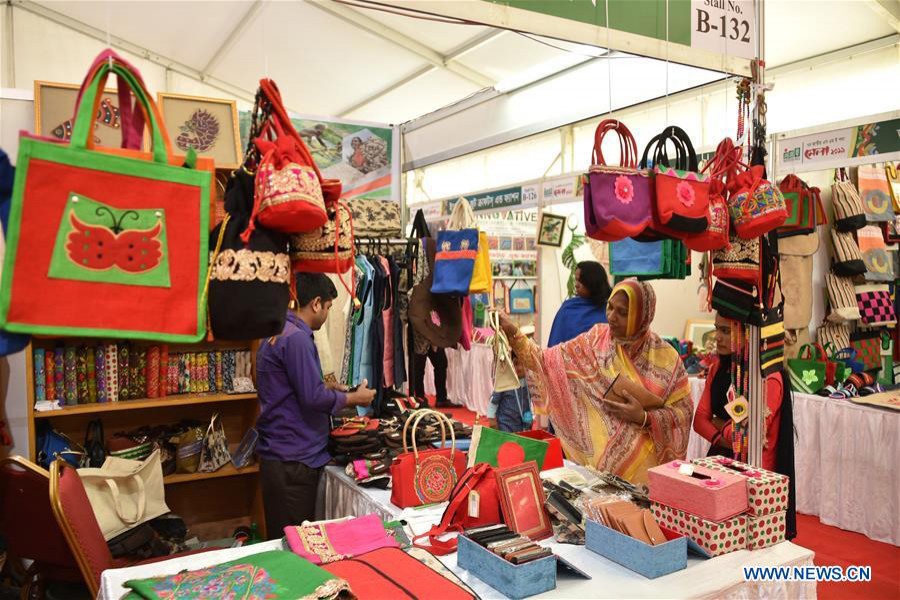
SME and start-up revolution: Can FBCCI become the new engine of growth?
Bangladesh is now standing at a very important economic turning point. The country is preparing to graduate from the least developed country (LDC) category in 2026, and the vision of becoming a developed nation by 2041 is no longer just a political slogan; it is now a real economic goal. However, a
SME and start-up revolution: Can FBCCI become the new engine of growth?
Sakif Shamim
Published :
Mar 08, 2026 13:49
Updated :
Mar 08, 2026 13:49

Bangladesh is now standing at a very important economic turning point. The country is preparing to graduate from the least developed country (LDC) category in 2026, and the vision of becoming a developed nation by 2041 is no longer just a political slogan; it is now a real economic goal. However, an important question remains – where will the next engine of economic growth come from? Large industries and export-oriented sectors are certainly important, but sustainable and inclusive growth usually depends on small and medium enterprises (SMEs) and emerging start-up businesses. In this context, the key question is how the country’s top business organisation, FBCCI, can lead an SME and start-up revolution in Bangladesh.
According to the latest Economic Census of the Bangladesh Bureau of Statistics (BBS) conducted in 2013, there are more than 7.8 million economic establishments in the country, and about 99 per cent of them are small and medium enterprises. Later studies and analyses by both government and private organisations show that the SME sector creates more than 80 per cent of total employment in Bangladesh and contributes around 25–30 per cent to the national GDP. Reports from the World Bank and the Asian Development Bank also identify SMEs as one of the main drivers of employment generation and inclusive economic growth in the country.
At the same time, the start-up ecosystem in Bangladesh has grown significantly over the last decade. Data from LightCastle Partners and the Bangladesh Association of Software and Information Services (BASIS) shows that Bangladeshi start-ups attracted around 400 million US dollars in foreign and local investment in 2021 – the highest in the country’s history. Although global investment slowed down in 2022 and 2023, start-up activities in sectors such as fintech, e-commerce, logistics, and health technology have continued to expand.
In reality, SMEs and start-ups are two stages of the same growth cycle. Start-ups are the starting point of innovation, while SMEs expand production and create jobs. However, several challenges still exist. Studies and policy reports from the Bangladesh Bank show that access to financing remains one of the biggest barriers for entrepreneurs. High interest rates, collateral-based lending systems, and long approval processes often discourage many promising entrepreneurs. According to an analysis by the International Finance Corporation (IFC), there is a significant financing gap in Bangladesh’s SME sector, and many entrepreneurs remain outside the formal financial system.
In this situation, the role of FBCCI should not remain limited to being only a representative body of businesses. It can also become a strong policy think tank that supports economic decision-making. In many South Asian countries, leading business chambers actively help governments through research, data analysis, and policy recommendations. In Bangladesh, FBCCI regularly provides pre-budget proposals, but more structured and data-driven work is still needed, especially for strengthening the SME and start-up ecosystem.
First, it is important to create a national SME and start-up data observatory. Such a platform could collect and analyse information about sector performance, financing flows, employment trends, and regional inequalities. Second, FBCCI can play a strong role in promoting alternative financing systems such as venture debt, cluster funds, crowdfunding, and equity investment. The Bangladesh Securities and Exchange Commission (BSEC) has already introduced the SME Board in the capital market to make it easier for small and medium companies to raise funds. However, coordinated support from business chambers can make this initiative much more effective.
Third, skill development and technology transformation are extremely important for the future of SMEs and start-ups. According to the World Economic Forum, in the era of the Fourth Industrial Revolution, it is almost impossible to compete without strong digital skills. Bangladesh’s success in ICT exports and the freelancing sector shows that investment in human capital can bring quick results. FBCCI can help by launching regional skill development programmes, mentorship initiatives, and technology support systems through its member organisations.
Fourth, SMEs and start-ups must also be connected to export diversification. At present, the ready-made garments sector contributes more than 80 per cent of Bangladesh’s total exports, according to the Export Promotion Bureau (EPB). In the long run, such heavy dependence on a single sector can be risky. Therefore, sectors like light engineering, agro-processing, IT services, pharmaceuticals, and the creative economy should receive stronger policy support so that small and medium entrepreneurs can enter international markets and expand their businesses.
Finally, no economic revolution can succeed without good governance and transparency. SME policies, tax systems, and business registration procedures should become simpler and more digital. Bangladesh has previously faced challenges in the World Bank’s “Doing Business” rankings, which clearly shows that improving the overall business environment is still an important priority.
The SME and start-up revolution is not a temporary slogan; it is a long-term structural transformation. If FBCCI goes beyond its traditional representative role and takes leadership in research, policy advocacy, data analysis, and skill development, it can truly become the new engine of economic growth for Bangladesh. Large industries may drive the economy forward, but small and medium enterprises give it life and energy.
The next chapter of Bangladesh’s economic journey will be written by entrepreneurs – people who start small but dream big. To turn those dreams into reality, the country needs strong policies, supportive institutions, and effective leadership. In that sense, FBCCI now has a historic opportunity to transform itself from a traditional organisation into a powerful institutional force for national development.
The new engine of growth may already be forming quietly – in small factories, shared working spaces, or on the laptop of a young entrepreneur. The real question is simple – are we ready to provide the right fuel for that engine?
- Sakif Shamim, a Fellow of Life Management Institute, is the Managing Director of Labaid Cancer Hospital and Super Speciality Centre and Deputy Managing Director of Labaid Group
Sakif Shamim
Published :
Mar 08, 2026 13:49
Updated :
Mar 08, 2026 13:49
Bangladesh is now standing at a very important economic turning point. The country is preparing to graduate from the least developed country (LDC) category in 2026, and the vision of becoming a developed nation by 2041 is no longer just a political slogan; it is now a real economic goal. However, an important question remains – where will the next engine of economic growth come from? Large industries and export-oriented sectors are certainly important, but sustainable and inclusive growth usually depends on small and medium enterprises (SMEs) and emerging start-up businesses. In this context, the key question is how the country’s top business organisation, FBCCI, can lead an SME and start-up revolution in Bangladesh.
According to the latest Economic Census of the Bangladesh Bureau of Statistics (BBS) conducted in 2013, there are more than 7.8 million economic establishments in the country, and about 99 per cent of them are small and medium enterprises. Later studies and analyses by both government and private organisations show that the SME sector creates more than 80 per cent of total employment in Bangladesh and contributes around 25–30 per cent to the national GDP. Reports from the World Bank and the Asian Development Bank also identify SMEs as one of the main drivers of employment generation and inclusive economic growth in the country.
At the same time, the start-up ecosystem in Bangladesh has grown significantly over the last decade. Data from LightCastle Partners and the Bangladesh Association of Software and Information Services (BASIS) shows that Bangladeshi start-ups attracted around 400 million US dollars in foreign and local investment in 2021 – the highest in the country’s history. Although global investment slowed down in 2022 and 2023, start-up activities in sectors such as fintech, e-commerce, logistics, and health technology have continued to expand.
In reality, SMEs and start-ups are two stages of the same growth cycle. Start-ups are the starting point of innovation, while SMEs expand production and create jobs. However, several challenges still exist. Studies and policy reports from the Bangladesh Bank show that access to financing remains one of the biggest barriers for entrepreneurs. High interest rates, collateral-based lending systems, and long approval processes often discourage many promising entrepreneurs. According to an analysis by the International Finance Corporation (IFC), there is a significant financing gap in Bangladesh’s SME sector, and many entrepreneurs remain outside the formal financial system.
In this situation, the role of FBCCI should not remain limited to being only a representative body of businesses. It can also become a strong policy think tank that supports economic decision-making. In many South Asian countries, leading business chambers actively help governments through research, data analysis, and policy recommendations. In Bangladesh, FBCCI regularly provides pre-budget proposals, but more structured and data-driven work is still needed, especially for strengthening the SME and start-up ecosystem.
First, it is important to create a national SME and start-up data observatory. Such a platform could collect and analyse information about sector performance, financing flows, employment trends, and regional inequalities. Second, FBCCI can play a strong role in promoting alternative financing systems such as venture debt, cluster funds, crowdfunding, and equity investment. The Bangladesh Securities and Exchange Commission (BSEC) has already introduced the SME Board in the capital market to make it easier for small and medium companies to raise funds. However, coordinated support from business chambers can make this initiative much more effective.
Third, skill development and technology transformation are extremely important for the future of SMEs and start-ups. According to the World Economic Forum, in the era of the Fourth Industrial Revolution, it is almost impossible to compete without strong digital skills. Bangladesh’s success in ICT exports and the freelancing sector shows that investment in human capital can bring quick results. FBCCI can help by launching regional skill development programmes, mentorship initiatives, and technology support systems through its member organisations.
Fourth, SMEs and start-ups must also be connected to export diversification. At present, the ready-made garments sector contributes more than 80 per cent of Bangladesh’s total exports, according to the Export Promotion Bureau (EPB). In the long run, such heavy dependence on a single sector can be risky. Therefore, sectors like light engineering, agro-processing, IT services, pharmaceuticals, and the creative economy should receive stronger policy support so that small and medium entrepreneurs can enter international markets and expand their businesses.
Finally, no economic revolution can succeed without good governance and transparency. SME policies, tax systems, and business registration procedures should become simpler and more digital. Bangladesh has previously faced challenges in the World Bank’s “Doing Business” rankings, which clearly shows that improving the overall business environment is still an important priority.
The SME and start-up revolution is not a temporary slogan; it is a long-term structural transformation. If FBCCI goes beyond its traditional representative role and takes leadership in research, policy advocacy, data analysis, and skill development, it can truly become the new engine of economic growth for Bangladesh. Large industries may drive the economy forward, but small and medium enterprises give it life and energy.
The next chapter of Bangladesh’s economic journey will be written by entrepreneurs – people who start small but dream big. To turn those dreams into reality, the country needs strong policies, supportive institutions, and effective leadership. In that sense, FBCCI now has a historic opportunity to transform itself from a traditional organisation into a powerful institutional force for national development.
The new engine of growth may already be forming quietly – in small factories, shared working spaces, or on the laptop of a young entrepreneur. The real question is simple – are we ready to provide the right fuel for that engine?
- Sakif Shamim, a Fellow of Life Management Institute, is the Managing Director of Labaid Cancer Hospital and Super Speciality Centre and Deputy Managing Director of Labaid Group