
 Bangladesh Defense
Saif
Senior Member
- Jan 24, 2024
- 21,040
- 9,686
- Nation

- Residence
- Axis Group


Hasnat questions arrest over sharing cartoon on social media
Comilla-4 constituency lawmaker Hasnat Abdullah on Sunday protested at the recent arrest of a person named AM Hasan Nasim under the Cyber Security Act over allegedly sharing a cartoon on social media.
 www.newagebd.net
Hasnat questions arrest over sharing cartoon on social media
Staff Correspondent 19 April, 2026, 23:01
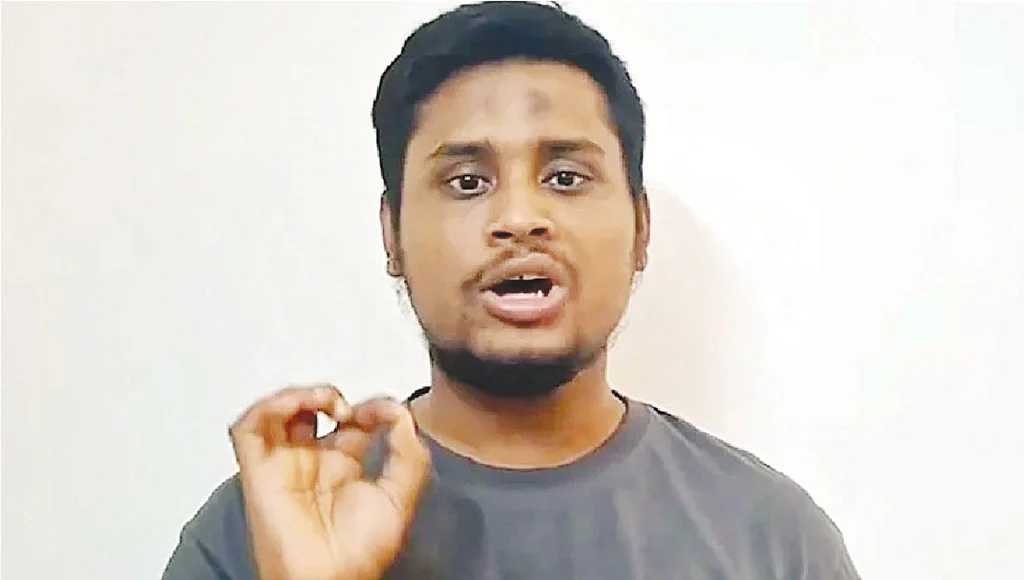
Hasnat Abdullah. | File photo
Comilla-4 constituency lawmaker Hasnat Abdullah on Sunday protested at the recent arrest of a person named AM Hasan Nasim under the Cyber Security Act over allegedly sharing a cartoon on social media.
Raising the matter during the points of order in the Jatiya Sangsad on the day, he made the protest in the parliament.
Hasnat Abdullah said that during the Hasina era, people were arrested for sharing cartoons or making remarks.
‘We could not even imagine that such incidents would continue in the post-uprising period,’ he said.
He said that recently the chief whip had invited lawmakers to a lunch and used a metaphorical or satirical menu involving a whale and a shark.
Content creator Hasan Nasim was arrested by the Dhaka Metropolitan Police’s Detective Branch on Friday night in a case filed over allegations of spreading misleading information and blackmailing chief whip Nurul Islam Moni, according to Detective Branch officials.Maps
He was sent to jail on Saturday after he was produced before a Dhaka metropolitan magistrate court in the case filed under the Cyber Security Ordinance with the Gulshan police station in the Dhaka capital Dhaka early Saturday, they said.
The case was filed over sharing a meme based on the satirical menu involving a whale and a shark under Section 25 of the Cyber Security Act.
Hasnat questioned how Section 25, which is related to sexual harassment, could be applied to the case of sharing a meme.
He alleged that the law was being used to suppress opposition voices and that bail was not being granted.
In response to Hasnat Abdullah’s remarks, chief whip Nurul Islam Moni said that if anyone had been arrested for drawing cartoons criticising him or the government, that person should be released.
Referring to the arrest of Hasan Nasim, the chief whip said that he had expected the issue to be raised and had brought relevant files to the House.
He said that due to false, defamatory and misleading campaigns against him and his party leadership, he had lodged general diaries at various police stations on behalf of the party and also submitted written complaints to the Election Commission to stop propaganda from fake accounts.
Nurul Islam said that he had read in newspapers that a person had been arrested for drawing cartoons.
‘I want to say unequivocally in this House that if anyone has been arrested for drawing cartoons regarding me, I request that he be released,’ he said.
The chief whip also said that the authorities should also examine whether the arrested person was involved in other cybercrimes or offences such as money laundering.
If he had only been engaged in political satire or cartoons, he (the chief whip) had no objection, but if other crimes were proven against the person, the law would take its own course, he said.
Hasnat Abdullah also expressed dissatisfaction over the decision to place starred parliamentary questions in written form instead of verbal replies.
He said that lawmakers were being deprived of their rights and ministers were avoiding accountability.
He said that for a functional parliament, it was essential for lawmakers to directly question ministers and receive answers in the House.
‘But for the past two weeks, we have seen starred questions being placed on the table. Ministers are only reading out written answers. We are not getting the opportunity for supplementary questions. Will Jatiya Sangsad be only a scripted monologue session?’ he questioned.
In response, the chief whip said that the opposition member’s statement was partially correct.
He said question-and-answer sessions were the rights of all members, but due to time constraints, including the proposal to complete 50 hours of discussion on the president’s address and to end the first session by April 30, starred questions were being placed on the table.
He said that if members agreed to sit until 10:00pm, the government would not insist on placing questions on the table.
Staff Correspondent 19 April, 2026, 23:01
Hasnat Abdullah. | File photo
Comilla-4 constituency lawmaker Hasnat Abdullah on Sunday protested at the recent arrest of a person named AM Hasan Nasim under the Cyber Security Act over allegedly sharing a cartoon on social media.
Raising the matter during the points of order in the Jatiya Sangsad on the day, he made the protest in the parliament.
Hasnat Abdullah said that during the Hasina era, people were arrested for sharing cartoons or making remarks.
‘We could not even imagine that such incidents would continue in the post-uprising period,’ he said.
He said that recently the chief whip had invited lawmakers to a lunch and used a metaphorical or satirical menu involving a whale and a shark.
Content creator Hasan Nasim was arrested by the Dhaka Metropolitan Police’s Detective Branch on Friday night in a case filed over allegations of spreading misleading information and blackmailing chief whip Nurul Islam Moni, according to Detective Branch officials.Maps
He was sent to jail on Saturday after he was produced before a Dhaka metropolitan magistrate court in the case filed under the Cyber Security Ordinance with the Gulshan police station in the Dhaka capital Dhaka early Saturday, they said.
The case was filed over sharing a meme based on the satirical menu involving a whale and a shark under Section 25 of the Cyber Security Act.
Hasnat questioned how Section 25, which is related to sexual harassment, could be applied to the case of sharing a meme.
He alleged that the law was being used to suppress opposition voices and that bail was not being granted.
In response to Hasnat Abdullah’s remarks, chief whip Nurul Islam Moni said that if anyone had been arrested for drawing cartoons criticising him or the government, that person should be released.
Referring to the arrest of Hasan Nasim, the chief whip said that he had expected the issue to be raised and had brought relevant files to the House.
He said that due to false, defamatory and misleading campaigns against him and his party leadership, he had lodged general diaries at various police stations on behalf of the party and also submitted written complaints to the Election Commission to stop propaganda from fake accounts.
Nurul Islam said that he had read in newspapers that a person had been arrested for drawing cartoons.
‘I want to say unequivocally in this House that if anyone has been arrested for drawing cartoons regarding me, I request that he be released,’ he said.
The chief whip also said that the authorities should also examine whether the arrested person was involved in other cybercrimes or offences such as money laundering.
If he had only been engaged in political satire or cartoons, he (the chief whip) had no objection, but if other crimes were proven against the person, the law would take its own course, he said.
Hasnat Abdullah also expressed dissatisfaction over the decision to place starred parliamentary questions in written form instead of verbal replies.
He said that lawmakers were being deprived of their rights and ministers were avoiding accountability.
He said that for a functional parliament, it was essential for lawmakers to directly question ministers and receive answers in the House.
‘But for the past two weeks, we have seen starred questions being placed on the table. Ministers are only reading out written answers. We are not getting the opportunity for supplementary questions. Will Jatiya Sangsad be only a scripted monologue session?’ he questioned.
In response, the chief whip said that the opposition member’s statement was partially correct.
He said question-and-answer sessions were the rights of all members, but due to time constraints, including the proposal to complete 50 hours of discussion on the president’s address and to end the first session by April 30, starred questions were being placed on the table.
He said that if members agreed to sit until 10:00pm, the government would not insist on placing questions on the table.


