[🇧🇩] Energy Security of Bangladesh

[🇧🇩] Energy Security of Bangladesh
826
35K
More threads by Saif

G Bangladesh Defense

Solar power, solar irrigation top govt priority in clean energy push: State Minister

1791934151197.webp


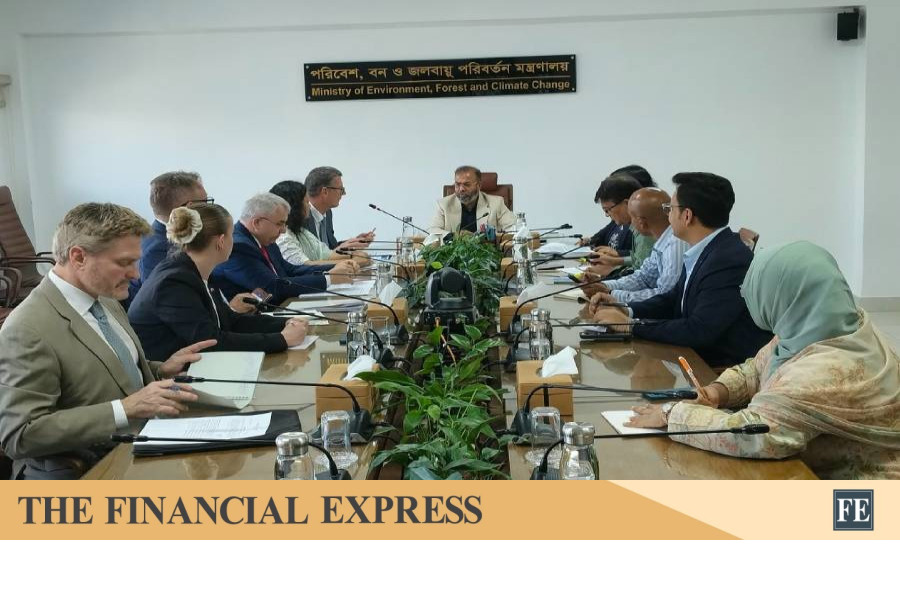
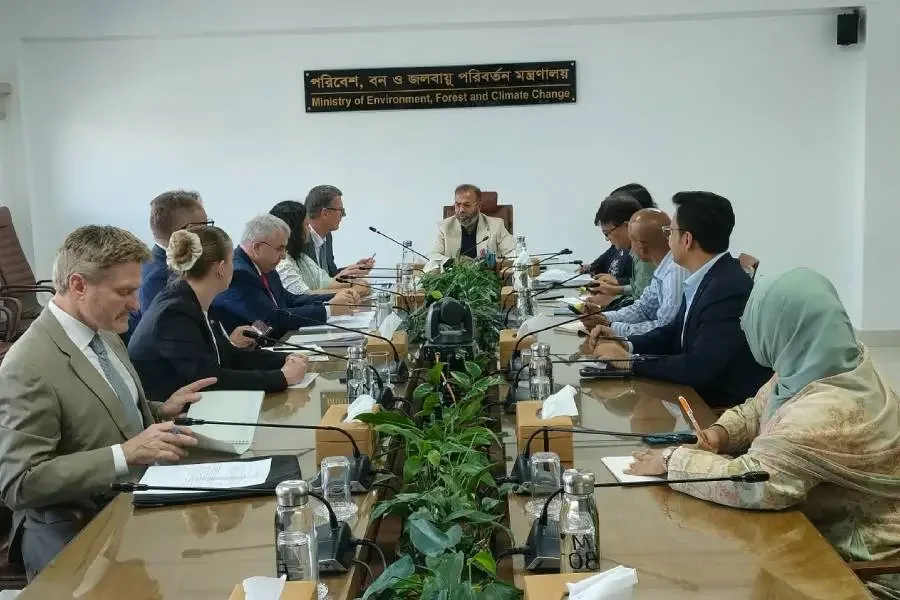
The government has been giving top priority to expanding solar power and solar-based irrigation from the very beginning to protect the environment and ensure alternative energy, Environment, Forest and Climate Change State Minister Shaikh Faridul Islam said Tuesday.

“Emphasis is being placed on boosting environmental protection and climate resilience through the expansion of solar power, increased use of electric vehicles, closure of polluting brick kilns, excavation and restoration of canals, and the initiative to plant 250 million trees,” the state minister said.

The state minister made the remarks at a meeting with the European Union Delegation and representatives of several European countries at the conference room of the Ministry of Environment, Forest and Climate Change.

The meeting was organised as part of the EU’s outreach programme on clean energy, climate priorities and COP31.

Describing the expansion of solar energy as a key priority of the government’s clean energy agenda, Faridul said the opportunities for installing rooftop solar systems on residential buildings, factories and government establishments, and for expanding solar-powered irrigation in suitable areas, must be utilised.

He said it is possible to diversify energy supply while reducing dependence on conventional fuels.

The government is also stressing quality technology, adequate financing, skilled manpower and regular maintenance to scale up solar power, he added.

On curbing air pollution, the state minister said it is imperative to shut down illegal and environmentally harmful brick kilns and to enforce environmental regulations effectively.

The government is working to cut pollution in brick production and promote eco-friendly blocks and alternative building materials, he said.

He said the government is also determined to tackle pollution from construction dust and vehicle emissions, and to ensure integrated waste management.

Speaking about the tree plantation drive, Faridul said saplings of suitable species are being planted at suitable locations to turn the 250-million-tree initiative into long-term environmental gains.

Priority must be given to native species as plantation efforts are advanced across forest areas, coastal belts, roadsides, and appropriate institutional and community spaces, he said.

“Planting alone is not enough. Nurturing, protection and ensuring the survival rate of trees are equally important,” he said, urging greater participation from local communities, educational institutions, youth and the private sector.

Highlighting climate risks, the state minister said floods, cyclones, heavy rainfall, heatwaves and salinity are putting pressure on people’s lives and livelihoods, agriculture, water resources and infrastructure.

To cope with these impacts, the government’s adaptation efforts focus on disaster preparedness, early warning, coastal protection, afforestation, water management and climate-resilient infrastructure, he said, adding that local needs and the requirements of vulnerable communities must be prioritised in implementation.

On the carbon credit framework, he said a robust structure is crucial to attract investment in emission reduction and carbon removal activities. Such a framework must have clear provisions for project approval, measurement of emission cuts, reporting and independent verification, and safeguards against double counting of the same reductions, he said. The government is working on a carbon credit framework, he added.

Faridul also said coordination among relevant ministries, local government bodies, the private sector and development partners is essential to implement these initiatives.

The EU and European partners can play an important role in clean energy, green transport, air pollution control, climate-resilient water management and building capacity in the carbon market, in line with Bangladesh’s national priorities, he said.

Ahead of COP31, the state minister outlined Bangladesh’s adaptation needs and climate finance priorities, stressing that international cooperation must be translated into actionable programmes that deliver visible benefits for people’s lives, livelihoods and the environment.​
 

Green energy shift needs private, foreign financing

SANEM’s Selim Raihan says at policy dialogue

Star Business Report

1791937134344.webp


Economist Selim Raihan has called for greater involvement of the private sector and international partners, including global buyers and investors, in financing Bangladesh’s green energy transition and supporting green growth. He made the remarks at a policy dialogue in Dhaka yesterday.

Bangladesh needs $230 billion between 2023 and 2050 to adapt to climate change, but the required funding has yet to be secured, said Raihan, a professor of economics at the University of Dhaka and executive director of the South Asian Network on Economic Modeling (SANEM).

Mobilising such a large amount would be challenging, making private investment and international financing essential to meeting the country’s climate goals and supporting the transition to cleaner energy, he said.

Selim made the remarks while presenting a keynote paper at SANEM’s policy dialogue titled “Can Green Growth Drive Bangladesh’s Next Phase of Development?” at the Sheraton Dhaka in the capital.

Businesspeople, economists and government officials attended the event, where discussions also focused on rooftop solar integration, grid stability, battery storage and disposal, and financing green growth through green bonds and carbon markets.

Monzur Hossain, member (secretary) at the General Economics Division of the Bangladesh Planning Commission, said the government was focusing on generating solar electricity from rooftops, particularly in areas along riverbanks.

However, integrating rooftop solar power into the national grid could create instability and imbalances, he said. Establishing isolated grids in some areas could be one solution, and work was underway to address the challenges.

While the government was considering these issues in its commercial projects, private-sector initiatives involving direct electricity sales to the government required strict quality control to protect public interests, Monzur added.

Md Fazlul Hoque, administrator of the Federation of Bangladesh Chambers of Commerce and Industry (FBCCI), also raised concerns about the practical challenges of implementing solar power projects, particularly battery storage and disposal.

Installing solar systems without batteries can reduce costs, but electricity generated during the day cannot be used at night unless it is stored, he said. However, lower nighttime demand warrants an assessment of whether battery-free systems could remain viable.

Fazlul also highlighted the environmental and technical challenges of battery disposal, particularly in the garment sector, where compliance requirements are stringent.

“Where will the batteries be disposed of? This is a major issue. It is highly technical and potentially very risky,” he said.

Drawing on his 12 years of experience with solar energy projects, Fazlul said implementing solar power initiatives was far more complicated than it might appear.

Fahmida Khatun, distinguished fellow at the Centre for Policy Dialogue (CPD), said green growth had become imperative for Bangladesh rather than a matter of choice.

“For Bangladesh, it is no longer a matter of choice; it has become an imperative,” she said.

The key challenge is to advance green growth through domestic policies and actions alongside international engagement, Fahmida added.

She also urged Bangladesh to explore green bonds and carbon markets to mobilise financing, saying both remained underutilised.

“Financing is an important issue. Bangladesh could explore green bonds and opportunities in carbon markets, areas that we have not explored sufficiently,” she said, adding that greater emphasis on market-based mechanisms was necessary because public resources were limited and faced competing demands.​
 

DESCO swings to profit as it cuts leakage, secures foreign-exchange gain


1792020293876.webp


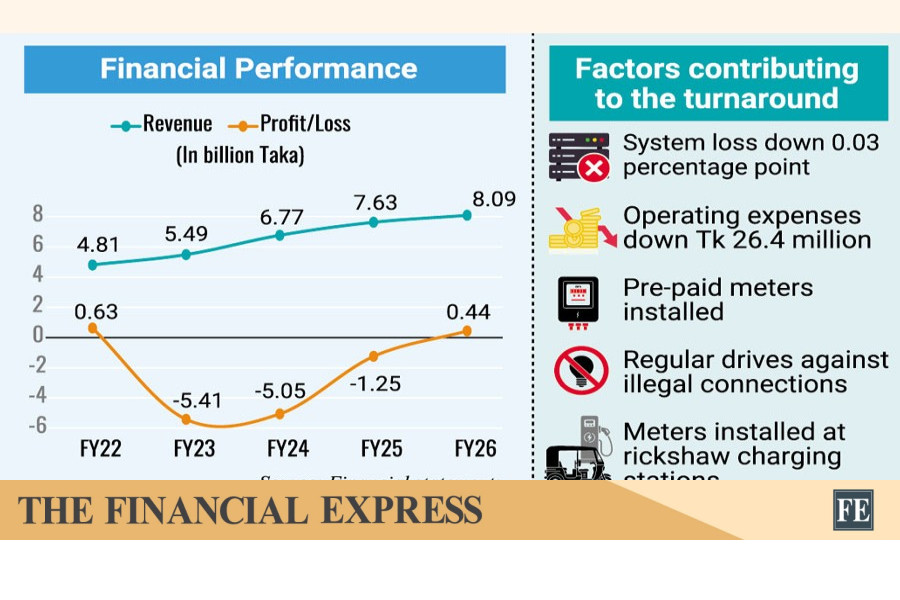
Dhaka Electric Supply Company (DESCO) achieved a significant financial turnaround in FY26, returning to profit after experiencing substantial losses over the previous three financial years.

It reported a profit of Tk 401.54 million in FY26, as opposed to a loss of Tk 1.25 billion in FY25, backed by a reduction in system loss and an increase in income from fixed deposit receipts (FDRs). Also, foreign exchange losses fell significantly in FY26 compared to the previous year, driving up earnings.

According to company officials, DESCO's system losses were cut to 5.47 per cent in FY26 from 5.5 per cent in the previous year. The installation of prepaid meters helped reduce losses by 0.03 percentage points.

"After years of losses, what we mainly did was we slashed costs. We cut back on administrative and operating expenses. The main impact was on exchange losses—foreign exchange losses. We reduced those," said DESCO's Managing Director Brig. Gen. Shameem Ahmed.

Moreover, the rise in prepaid meters played a vital role in boosting sales revenue.

The number of prepaid meters was 877,835 in Dhaka as of June last year, which rose to 955,036 by June this year. Also, DESCO cut illegal connections, which resulted in revenue growth.

DESCO has 24 offices operating across Dhaka. They snapped illegal connections in rickshaw garages, settlements, bazaars and markets. That also reduced leakage.

The preventive measures helped the company secure additional revenue of more than Tk 4.32 billion from electricity sales in FY26, according to DESCO.

The company has substantial foreign-currency loans, including loans from development partners such as the Asian Development Bank (ADB) and the Japan International Cooperation Agency (JICA).

It suffers foreign exchange losses if the local currency depreciates against the dollar.

DESCO's foreign-exchange fluctuation loss was Tk 2.43 billion in FY24, which declined to Tk 1.69 billion in FY25. In FY26, the company recorded a foreign exchange gain of Tk 44.2 million.

Mr Ahmed said the dollar price had gone up in the middle of FY26 and then dropped slightly, resulting in the gain.

Higher revenue, improved operating efficiency and better cost management strengthened operating margins.

The company's managing director said DESCO's revenue recovery was supported by changes in electricity consumption patterns across different tariff slabs, rather than simply by an increase in electricity rates.

The key point is that customers in higher-consumption slabs potentially allowed DESCO to recover costs more effectively.

Consumption in the lower slabs, up to 400 units, is described as being priced below DESCO's bulk electricity purchase rate, suggesting that revenue from these categories does not cover the costs of electricity procurement. By contrast, when consumption exceeds 600 units, the revenue generated covers the associated costs.

Higher consumption in the upper slabs forged a more favourable relationship between electricity sales revenue and the cost of electricity purchase.

In addition to improved profitability, DESCO recorded stronger operating cash flow. Net operating cash flow per share (NOCFPS) increased from Tk 15.93 in FY25 to Tk 17.99 in FY26.

This indicates strong cash management alongside the return to profit. Better customer collections, working-capital management and changes in the payment method contributed to the increased cash flow.

DESCO's balance-sheet position also improved, with net asset value (NAV) per share rising from Tk 35.33 in FY25 to Tk 39.23 in FY26, an increase of 11.04 per cent. This reversed the downward pressure on NAV in the previous three years.

However, FY26 NAV remains approximately 40.5 per cent below FY22 NAV of Tk 65.96, suggesting that the recovery in shareholders' net assets remains incomplete.

The board of directors of DESCO has recommended a 5 per cent cash dividend for FY26 for ordinary shareholders. So, shareholders, excluding sponsors, will receive Tk 0.50 for each share of Tk 10.

Overall, DESCO's financial performance in FY26 demonstrates a meaningful recovery in earnings, net assets and operating cash generation.

The key challenge is to convert this one-year recovery into sustained profitability, stronger financial resilience and consistent shareholder returns.​
 

Bangladesh plans 442MW solar plant in Rampal at estimated cost of Tk2,500 crore

The project will use 685 acres without new land acquisition, target completion by 2030 and cost Tk5.66 crore per MW


1792023197974.webp

Representational image. Photo: AI Generated

The government plans to build a 442-megawatt (MW) solar power plant in Rampal, Bagerhat, at an estimated cost of Tk2,500 crore, using existing land near the coal-fired power plant without acquiring additional land.

The project is expected to be completed by 2030 and will cover approximately 685 acres in Block B of Rampal. Electricity is expected to enter the national grid through existing transmission infrastructure serving the nearby coal-fired power complex, according to sources familiar with the proposal.

Planning Commission information shows that the project was included in the green pages of the Annual Development Program (ADP). A ministry source said it had received approval from the Executive Committee of the National Economic Council (ECNEC) and was awaiting Cabinet Division approval before a government order could be issued.

The government initially plans to finance the project from its own resources, although assistance from development partners may be considered later.

The proposed facility could expand utility-scale renewable energy generation in a region associated with coal-based electricity. However, the solar project does not, by itself, signal the closure or replacement of the existing coal-fired power plant.

At an estimated Tk2,500 crore for 442MW of capacity, the project’s initial investment amounts to approximately Tk5.66 crore per MW. Its final economic viability will depend on electricity generation, procurement costs, maintenance, grid integration and equipment replacement.

Dr Khondaker Golam Moazzem, research director at the Centre for Policy Dialogue (CPD), told Dhaka Tribune that shifting from coal-based planning toward solar power represented a significant political and economic change. He stressed the importance of assessing generation costs and ensuring timely, quality implementation.

Dr Ijaz Hossain, former professor and dean of the Faculty of Engineering at Bangladesh University of Engineering and Technology (BUET), said using government-owned land for solar power was a positive approach, given Bangladesh’s land scarcity and the need to expand domestic energy sources.

Using existing land and transmission infrastructure could reduce some development costs. However, the government needs to disclose the detailed project cost, procurement arrangements, financing structure and expected cost of electricity to establish its long-term value.

The construction schedule, procurement process and commissioning timeline have yet to be independently confirmed.

The project’s location makes environmental safeguards particularly important because Rampal is near the Sundarbans, one of the world’s largest mangrove forests.

Solar power produces substantially less direct air pollution during operation than coal-fired generation. However, large installations can still affect land use, drainage, habitats and local ecosystems, particularly during construction.

Professor Adil Mohammed Khan, executive director of the Institute for Planning and Development (IPD) and a faculty member at Jahangirnagar University, told Dhaka Tribune that solar expansion could benefit the environment and the Sundarbans if the project included life-cycle planning for the reuse and safe disposal of panels and batteries.

The government should make the project’s environmental impact assessment, Department of Environment clearance, site boundaries and distance from protected areas publicly available.

After solar plant approval in very recent meeting at ECNEC, chaired by Prime Minister Tarique Rahman, approved the project subject to eight-hour battery storage, requiring a revised DPP to determine the final cost; electricity generation costs were previously estimated at Tk6 per unit without storage and Tk9 with four-hour storage.

The environmental impact assessment (EIA) and required environmental clearances are currently under way, according to the information provided.

Planning State Minister Md Zonayed Abdur Rahim Saki said: “Ensuring the economic viability, timely implementation and environmental protection of the Rampal solar power project is important for the government.”

Environmental responsibilities will continue beyond the plant’s commissioning. Solar panels, inverters and other electrical equipment will eventually require maintenance, replacement, recycling or safe disposal.

Panels commonly operate for around 25 years or longer, while battery lifespans vary according to technology and operating conditions.

If batteries are included in the Rampal project, the government should clarify their technology, replacement schedule and end-of-life management arrangements. Responsibilities for recycling and disposal should also be established, alongside the associated costs.

The proposed 442MW plant could strengthen Bangladesh’s renewable energy capacity while making use of existing land and infrastructure. Its success, however, will depend on transparent spending, reliable grid integration, timely implementation and credible environmental safeguards.​
 

130MW solar plants at Matarbari, Payra power sites planned

Jahidul Islam . Dhaka


1792107787118.webp

Representational image.


The Power Division has sent two proposals to the Planning Commission to build solar power plants at the Matarbari and Payra coal power sites with a combined capacity of 130 megawatts at an estimated cost of Tk 1,558.88 crore.

Coal Power Generation Company Bangladesh Limited plans to build a 70MW solar plant in the ash pond area of the Matarbari coal-fired power station, with a proposed Tk 532.39 crore loan from the European Investment Bank.

On the other hand, North-West Power Generation Company Limited has proposed a 60MW solar plant on 170 acres of underused land within the Payra thermal power plant complex in Patuakhali.

Under the proposed financing arrangements, the government would provide Tk 154.69 crore and the implementing agencies Tk 88.32 crore, while the remaining Tk 1,315.87 crore would come in overseas borrowing.

Sources said a meeting with prime minister Tarique Rahman in the chair on August 13 decided to establish a 70MW solar plant in Matarbari’s ash pond area alongside wind power facilities with a capacity of at least 60MW.

The Economic Relations Division is seeking EIB financing for the Matarbari solar project, while a lender for the Payra project is yet to be identified.

The proposed solar plants would use lands already held by the companies to increase renewable electricity generation and reduce dependence on fossil fuels, according to the project documents.

The Matarbari project in Cox’s Bazar would cost Tk 604.98 crore while the Payra project would cost Tk 953.90 crore, both to be completed by December 2028.

The Power Division forwarded the Matarbari proposal to the Planning Commission with a recommendation to initiate the appraisal process.

For the Payra solar plant, the commission’s Industry and Energy Division gave its consent to including in the 2026–27 annual development programme’s list of unapproved new projects.

At Matarbari, the selected site lies within the 1,200MW coal power complex and was originally reserved for ash disposal, but CPGCBL said it was selling the ash produced by the station.

The proposal cites an existing protective embankment, security infrastructure, and nearby transmission facilities as advantages that would reduce additional infrastructure requirements.

The Payra plant would use land previously acquired for the 1,320MW coal power station in Kalapara, avoiding fresh acquisition.

The Matarbari plant would have 70 MW of alternating-current capacity and 90.81 megawatt-peak of the solar panel capacity.

The plant is projected to supply an average of 119.29 million units of electricity annually to the national grid.

Its proposed cost amounts to Tk 8.64 crore per megawatt of capacity, compared with Tk 15.90 crore per megawatt of Payra’s stated capacity.

The battery storage has been excluded from the Matarbari solar power proposal to avoid delaying implementation, according to minutes of a project scrutiny meeting held on September 21.

The meeting was told that the feasibility study had already been completed and reviewed by EIB consultants, and incorporating storage into a fresh proposal would take additional time.

CPGCBL said it would take necessary steps regarding storage later in line with the Power Division’s instructions.

The scrutiny committee also recommended advancing procurement for the engineering contractor and supervising consultant alongside the approval process, while withholding the notification of award.​
 

Getting green transition off the drawing board


1792194723796.webp


Bangladesh's reliance on fossil fuels, particularly imported liquefied natural gas (LNG), has made its energy security vulnerable to developments beyond its borders. The successive shocks to the global energy market have exposed this weakness. But strangely enough, successive governments have been more interested in building fossil fuel-based power plants and arranging costly fuel imports than developing the country's renewable energy potential. Consequently, solar and other clean sources have remained largely a side issue, to be discussed in international climate forums rather than as part of the nation's mainstream economic and industrial development strategy. The government has set a target of generating 20 per cent of electricity from renewable sources by 2030 and 30 per cent by 2040. These are, undoubtedly, welcome goals. But given the poor record of achieving earlier renewable energy targets, the question is how these promises are going to be translated into actual generation capacity. Having a policy on paper is one thing, implementing it is quite another.

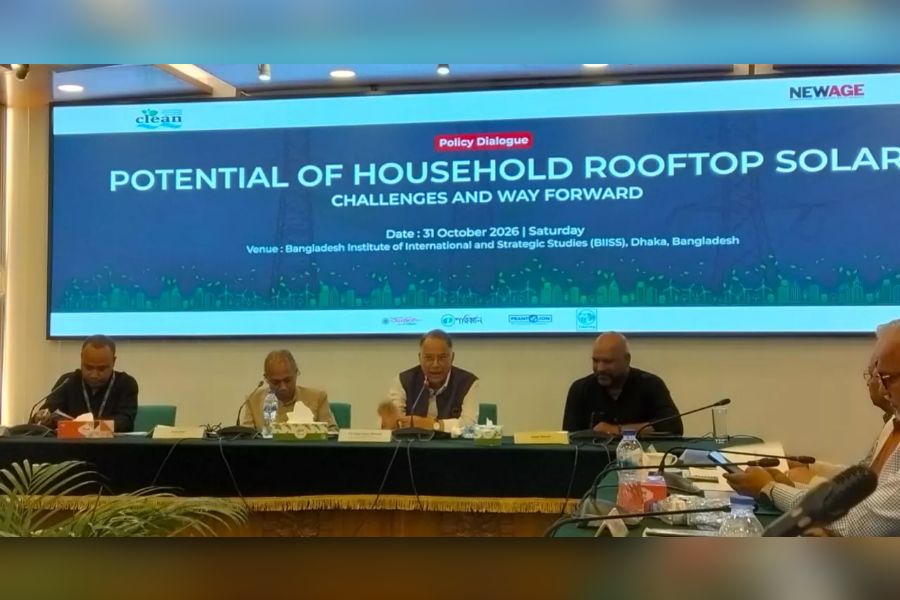
Against this backdrop, the concerns expressed by economists, entrepreneurs and experts at a recent dialogue organised by a local policy think tank deserve serious consideration. The speakers pointed to high installation costs, shortage of affordable finance, policy gaps and institutional weaknesses as major hurdles to the country's green transition. Notably, installing just one megawatt of rooftop solar power may cost between Tk60 million and Tk80 million. Few small and medium enterprises can afford such an investment without long-term credit. Add to that high import duties and complicated tax procedures affecting clean technology. Meanwhile, the various ministries and agencies concerned have yet to coordinate at policy and operational levels on way to achieving the targets. The problem is further compounded by inadequate grid infrastructure, limitations of net metering and the difficulties of finding suitable land for solar projects. Evidently, setting targets alone cannot remove these impediments.

Financing, however, remains the most formidable challenge. The existing power procurement arrangement is not sufficiently reassuring for private and international developers seeking bank loans or long-term institutional investment from overseas for renewable projects. Investors need certainty that the electricity they produce would be purchased and their bills paid on time. Though the government has reportedly restored payment guarantees for renewable projects, the issue is whether contracts and the purchaser's finances inspire lenders' confidence. At the same time, domestic banks with their short lending horizons and costly funds are hardly equipped to support investments with long payback periods. The Bangladesh Bank's green refinancing facilities, important as they are, cannot by themselves bridge the financing gap. Nor have green bonds, carbon markets or similar financing mechanisms developed sufficiently to draw large private investment. Moreover, repeated policy changes and delays in approvals increase risks and costs. So, the government has to create a predictable investment environment rather than expecting foreign capital to come simply because renewable energy is desirable. But green transition is not simply about electricity generation. For Bangladesh's export industries, especially garment and leather exporters, failure to adopt cleaner production processes may mean losing their competitive edge. Stricter sustainability requirements make energy efficiency, waste management and cleaner technologies commercially necessary. In this connection, the absence of a formal 'Just Transition' policy and a green skills framework is a concern.

Workers in conventional industries, whose livelihoods may otherwise be jeopardized, would need retraining while young people entering the job market should be prepared for emerging green occupations. In fact, green growth cannot be achieved by the power ministry working alone. What is required is a coordinated national strategy involving sectors including energy, industries, finance, trade and education, with clear sector-wise targets, realistic financing arrangements and measurable implementation schedules. Finally, political resolve and institutional accountability are the imperatives for advancing green transition to its ultimate goal.​
 

Govt seeks innovative ideas for sustainable energy


1792195167386.webp


The Power Division under the Ministry of Power, Energy and Mineral Resources has launched a competition to promote innovative ideas for energy conservation and increased renewable energy generation.

University students and professionals in the power and energy sector can participate in the competition, titled "Exploring Sustainable Energy Innovation," and submit their ideas by October 25, reports BSS.

The competition has been organised by the Power Division with support from the Sustainable and Renewable Energy Development Authority (SREDA), while the programme is being implemented by the German Agency for International Cooperation (GIZ).

The initiative seeks practical and implementable solutions to help achieve the targets of generating 10,450 megawatts of electricity from renewable sources and saving 15 percent of energy by 2030.

The competition has two categories. Under Group A, teams of two students from any department of a public or private university can participate. Group B is open to individual professionals working in the power and energy sector.

Participants can submit ideas on solar power, smart solar irrigation, off-grid systems, electricity grid modernisation, energy storage, wind power, domestic manufacturing of solar panels and inverters, agrivoltaics and floating solar power.

Other eligible areas include energy-efficient technologies, clean cooking solutions, digital energy-monitoring tools, electric vehicles and charging infrastructure, energy-efficient buildings and cooling systems, demand-side management, infrastructure modernisation, behavioural change and policy proposals.

Applicants must submit a concept note of no more than 1,000 words explaining their ideas, along with a three-minute video demonstrating their feasibility and potential impact.

Interested participants can register and submit their proposals through the website: Sustainable Energy Idea Contest 2026.

SREDA Chairman Mozaffar Ahmed said the competition aimed to generate practical ideas for expanding renewable energy and achieving national energy targets.

He said young people were developing innovative ideas and conducting research using artificial intelligence and other technologies. The initiative seeks to harness their research-based solutions to strengthen the country's energy security, he added.

Ahmed expressed hope that showcasing and implementing young people's innovative ideas would contribute to the development of the energy sector and help achieve long-term energy security.
​
 

Govt approves draft ordinance to accelerate rooftop solar installation

Targets 3,000-4,000MW solar capacity before next summer to reduce reliance on imported fossil fuels

Star Online Report

1792368047993.webp


The government is preparing a special ordinance to facilitate rooftop solar power installation, targeting 3,000-4,000 megawatts of capacity before next summer to reduce dependence on imported fossil fuels.

The cabinet today approved the draft of the Special Solar Power Installation Ordinance, 2026, to address regulatory gaps in projects financed and operated by private investors.

Existing laws lack specific provisions on key issues, including long-term electricity pricing, rooftop rental payments, and maintenance responsibilities under two investment models, according to a cabinet division statement.

Under the operational expenditure (OPEX) model, private investors bear the installation costs and provide electricity to the building owner. Under the capital expenditure (CAPEX) model, the building owner or another entity funds the installation and owns the system.

The Public Procurement Act, 2006, the Invest Bangladesh Act, 2026, and the Electricity Act, 2018, do not specifically cover solar installation and service arrangements under the CAPEX model. The OPEX model also lacks clear rules on electricity pricing over a 15-year period, rooftop rent paid in electricity and maintenance obligations, the statement said.

The cabinet approved the draft at a meeting chaired by Prime Minister Tarique Rahman at the secretariat.

After the meeting, Cabinet Secretary Nasimul Gani said the recent war had exposed Bangladesh's vulnerability in the energy sector, making solar power more important than ever.

Solar systems can be installed on government and private buildings, as well as unused land, he said. The ordinance is expected to be issued today.

According to the cabinet division, the Power Division has formulated the National Renewable Energy Development Strategy 2026-2030 to reduce reliance on imported fossil fuels, cut electricity subsidies, strengthen energy security and achieve the Sustainable Development Goals.

Under the plan, investors will finance solar installations on buildings owned by government, semi-government and autonomous bodies, local government institutions and state-owned companies. Institutions with their own revenue streams will also be able to install rooftop solar systems using their own funds, the statement added.​
 

Energy crisis, economic stress to take two years to ease

Says finance minister

Star Business Report


1792454705825.webp

Amir Khosru. File photo

Finance Minister Amir Khosru Mahmud Chowdhury expects the energy crisis and broader economic pressures facing Bangladesh to stabilise within two years, with a full economic recovery taking up to five years.

“It makes no sense to give people false hope by saying that we will solve all the problems tomorrow or the day after. We need at least two years,” Khosru said at a meeting of the Foreign Investors’ Chamber of Commerce and Industry (FICCI) in Dhaka yesterday.

“Under the government’s plan, the entire economy, including the energy sector, will be stabilised within the first two years. The economy will gain momentum in the third year and make a full recovery in the fourth and fifth years.”

Speaking at the meeting, titled “Sustainable Power and Energy: Driving Investment in Bangladesh”, Khosru said it would be wrong to offer people unrealistic expectations of a faster recovery.

He urged the private sector to prepare for stronger economic activity in the fourth and fifth years.

Khosru blamed the current economic strain on the previous Awami League government and the ongoing conflict in the Middle East.

“Within just a week of our taking office, a war broke out in the Middle East, leading to the energy crisis. Compounding this are the debts from the previous government and other liabilities we have inherited,” he said.

The finance minister said successive governments had not explored domestic gas resources for 15 years, making this a priority for the current government. Bangladesh Petroleum Exploration and Production Company Limited (Bapex) has been approved to drill 50 new wells, while production-sharing contracts (PSCs) are being finalised, he said.

Exploration will cover both onshore and offshore areas. The government has also set a target of generating at least 10 gigawatts of solar power and granted tax exemptions on solar power infrastructure, he added.

“We are planning to bring three to four new FSRUs [floating storage and regasification units] into operation to address the gas crisis, with South Korean, Chinese and American private investors involved.”

Outlining plans for new energy infrastructure, the finance minister said, “Alongside Matarbari, a new site with a 20-metre draft has been identified near Khulna. A modern terminal will be built there to allow oil and LNG to be unloaded directly from large vessels, creating an energy hub.”

Khosru said the government has managed the global energy crisis reasonably well, although there is room for improvement. The country has incurred $7 billion in out-of-pocket expenditure because of global pressures, he said.

He added that the government is addressing the challenges, although future pressures remain uncertain.

Logistics are also improving as the government opens ports to private-sector participation, which Khosru said will reduce costs and make doing business easier.

The government is also receiving a positive response to discussions on establishing an equity fund in Hong Kong specifically for Bangladesh, he said. The capital will go towards the energy sector, bank recapitalisation and state-owned enterprises (SOEs).

FICCI President Rupali Haque Chowdhury said disruptions in global energy markets have exposed Bangladesh’s vulnerability to imported fuels, raising industrial costs and disrupting production.

She stressed that energy security must go beyond managing supply to ensure reliability and affordability. She called for more domestic gas exploration, diversified liquefied natural gas (LNG) sourcing, modernised grid infrastructure, greater energy efficiency and faster investment in renewables.

She also stressed the need for regional energy cooperation and greater private-sector participation to build a resilient energy system, support export diversification and create jobs.

In the keynote address, Shafiqul Alam, lead analyst for Bangladesh Energy (South Asia) at the Institute for Energy Economics and Financial Analysis (IEEFA), said that domestic gas reserves could be depleted by 2036 without major new discoveries.

He said declining reserves and volatile global fuel prices are putting increasing pressure on power generation costs and industrial competitiveness.

Shafiqul proposed expanding rooftop solar, promoting solar-powered irrigation, improving industrial energy efficiency and pursuing regional hydropower cooperation to reduce dependence on imports. He also called for stable policies, green financing and public-private partnerships to attract sustained investment.

During a panel discussion, speakers highlighted the need for investment-friendly policies and a diversified energy mix to ensure reliable and affordable energy.

Shu Xiong, managing director of Chevron Bangladesh, said attracting foreign investment requires global competitiveness, predictable contracts, respect for contractual commitments and a sense of urgency backed by long-term planning.

Md Fazlul Hoque, administrator of the Federation of Bangladesh Chambers of Commerce and Industry (FBCCI), outlined short and long-term measures to ease the ongoing energy crisis.

He said reopening coal-fired and furnace oil-fired power plants running below capacity could provide immediate relief. Securing coal and furnace oil supplies takes an estimated two to three weeks, but restoring the plants to full capacity could be a game-changer, he added.

Prof M Tamim, vice-chancellor of Independent University, Bangladesh, called for a pragmatic balance in the energy mix and urgent foreign direct investment in gas exploration to strengthen energy security.​
 

Bangladesh, Algeria sign MoU on cooperation in hydrocarbons


1792537619630.webp


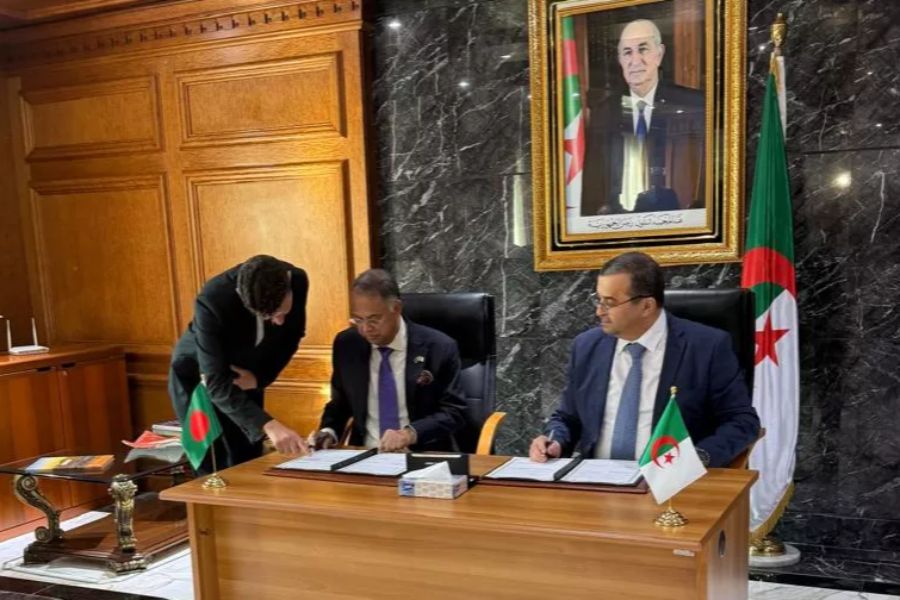
Bangladesh and Algeria on Tuesday signed a Memorandum of Understanding on cooperation in the field of hydrocarbon to ensure Bangladesh’s energy security.

Power, Energy and Mineral Resources Minister Iqbal Hassan Mahmood signed the MoU on behalf of Bangladesh while Minister for Hydrocarbon Mohamed Arkab signed it on behalf of Algeria, officials said.

They also discussed different aspects of energy cooperation, particularly the import of LNG, LPG, and other petroleum products from Algeria to Bangladesh under the G2G mechanism, reports UNB.

They shared views on developing LNG and LPG infrastructures and exploration of oil, gas, and coal in Bangladesh.

The Energy Minister also requested the Algerian Minister to organise training programmes for Bangladeshi Engineers, technicians to learn best practices, and technical knowhow of energy sector of Algeria.

Expressing satisfaction over signing of the MOUs on energy cooperation, the Minister of Bangladesh commented that this engagement opened a new horizon for Bangladesh in the field of energy security, and to import LNG, LPG and other petroleum products from alternate African sources under G2G mechanism.

Najmul Huda, Bangladesh Ambassador to Algeria, Minister for Mine and Mining Industries Mourad Hanafi and Minister for Energy and Renewable Energy Mourad Adjal called on the Energy Minister Iqbal Hassan Mahmood separately to discuss various bilateral issues of common concern.

They focused various ways on strengthening collaboration in trade, investment, energy, fertilizer, and knowledge sharing for mutual benefit of Bangladesh and Algeria.

Mohamed Arkab received Iqbal Hassan Mahmood at VIP Presidential Lounge at the Houri Boumediene International Airport on Monday.​
 

3,000–4,000 MW solar power possible before next summer: State minister


1792626735034.webp


State Minister for Power, Energy and Mineral Resources Aninda Islam Amit on Wednesday expressed hope that Bangladesh will be able to generate 3,000-4,000 megawatts of solar power before next summer, citing growing public interest in solar energy.

He made the remarks while speaking to journalists after inaugurating a solar power system at the Jashore district BNP office, according to a PID handout.

Amit said a 6-kilowatt solar panel system was installed at the party office in line with the Prime Minister’s policy on solar power generation.

The system was installed with the office’s own funds, and arrangements have been made to supply surplus electricity to the national grid after meeting its own needs.

The state minister said the installation cost was expected to be recovered within three to three-and-a-half years.

He also expressed hope that the initiative will encourage other political parties to install solar panels at their respective offices.

Amit said the government is providing policy support following growing public interest in solar power, creating opportunities for small entrepreneurs and generating new employment.

He added that irrigation pumps will gradually be converted to solar power, which will ease pressure on diesel and electricity supplies and reduce farmers’ production costs.

Local leaders BNP and its associate bodies were present at the programme.​
 

Govt plans Tk 592cr project for two Titas wells

BSS

1792801278241.webp

Photo: Collected

The government plans to drill two new wells at the Titas Gas Field at a cost of Tk 592 crore to increase domestic gas production by around 30 million cubic feet per day (mmcfd).

The project, titled “Drilling of Two Appraisal-cum-Development Wells (Titas-32 and Titas-33) at Titas Gas Field”, will be placed before the Executive Committee of the National Economic Council (ECNEC) for approval at a meeting scheduled for October 25, an official familiar with the process told BSS yesterday.

ECNEC Chairman and Prime Minister Tarique Rahman will preside over the meeting at the Bangladesh Secretariat.

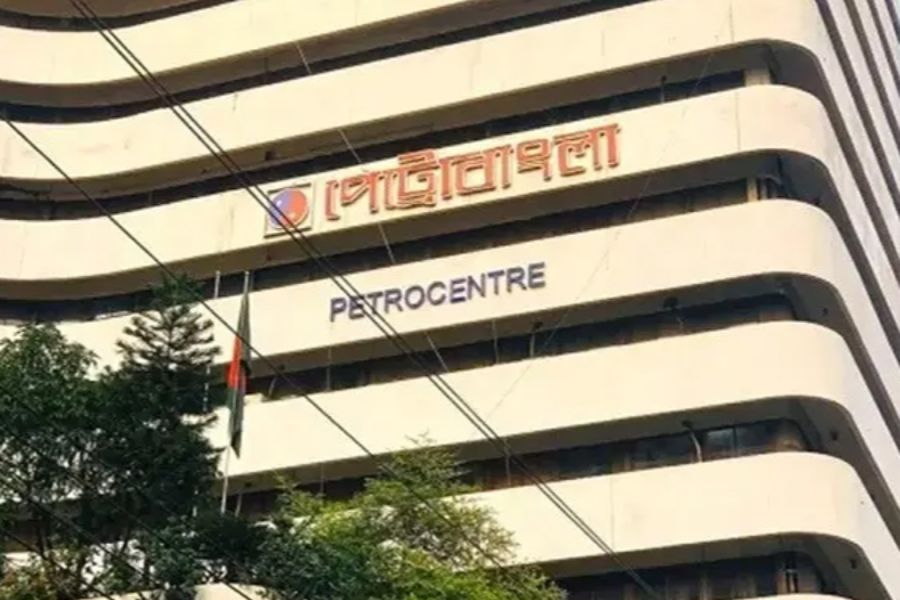
Bangladesh Gas Fields Company Limited (BGFCL), a subsidiary of Petrobangla, will implement the project under the Energy and Mineral Resources Division of the Ministry of Power, Energy and Mineral Resources from October 2026 to September 2029, a Petrobangla official said.

Of the estimated cost, Tk 414.40 crore will come from government funds and Tk 177.60 crore from BGFCL’s own funds, the official added.

Petrobangla Chairman Abdul Mannan told BSS that the two wells are expected to produce around 30 mmcfd of gas, along with condensate.

The new wells will add to the supply of the national gas grid and produce around 18 barrels of condensate, helping reduce dependence on imported liquefied natural gas (LNG), he said. The government is working to drill more wells to meet its domestic gas production targets.

Mannan said the government aims to drill 150 wells by 2031 and another 150 between 2031 and 2035 to boost domestic gas production further.

According to the project proposal, the two wells could produce around 100.74 billion cubic feet of gas and 60,444 barrels of condensate over 10 years.

At BGFCL’s existing wellhead prices, the estimated value of this output is Tk 339.07 crore, including Tk 285.26 crore from gas and Tk 53.81 crore from condensate. At consumer-level gas prices, the gas output alone would be worth an estimated Tk 6,523.97 crore over the same period.

BGFCL currently supplies around 480 to 485 million cubic feet of gas a day to the national grid from five of its six operational gas fields. The Titas Gas Field, its largest, produces around 330 million cubic feet a day from 23 of its 28 drilled wells.

The project follows a review of three-dimensional seismic survey data collected at the Titas and Bakhrabad gas fields between 2010 and 2012. BGFCL hired BGP Inc, part of China National Petroleum Corporation, to review the data. The consultant recommended drilling 16 infill wells and seven deep wells.

The government has prioritised Titas-32 and Titas-33 under its plan to drill 150 onshore gas wells to increase domestic production.

The project will involve hiring a foreign contractor to drill the wells, appointing local and foreign consultants, installing gas-gathering pipelines and carrying out related work.

The Infrastructure Investment Facilitation Company conducted the feasibility study in 2026. The Planning Commission said the project would help increase domestic gas production, support industrial development and save foreign currency by reducing LNG imports.

The proposal was revised after a Project Evaluation Committee meeting on June 18, 2026, recommended cutting costs. The estimated cost was reduced by Tk 40 crore, from the initial Tk 632 crore to Tk 592 crore.​
 

Six shipments of LNG being purchased from Singapore and Qatar

Special Correspondent

1792972469804.webp

Liquefied natural gas (LNG) cargo File photo

The cabinet committee on government purchase has approved a proposal to purchase five cargoes of liquefied natural gas (LNG) from Singapore-based BP Singapore Pte. Ltd. and one cargo from Qatar Energy Trading LLC.

The prices set for the purchase of the six LNG cargoes are lower than the international market’s Japan-Korea Marker (JKM) index.

The proposal was approved at a meeting of the cabinet committee on government purchase held yesterday, Saturday. The Ministry of Finance announced the decision in a press release today, Sunday.

According to the press release, LNG will be purchased from BP Singapore at a price of $0.17 per million British thermal units (MMBtu) below the JKM index.

Meanwhile, a proposal to purchase an additional LNG cargo from Qatar Energy Trading LLC under a long-term contract has been approved. In this case, the price has been set at $0.10 per MMBtu below the JKM index.

Separately, at the 33rd meeting of the Cabinet Committee on Economic Affairs, the Energy and Mineral Resources Division presented a proposal to purchase LNG from JERA Global Markets Pte. Ltd. through the direct procurement method.

Under Section 68 of the Public Procurement Act, 2006, and Rule 99(2) of the Public Procurement Rules, 2025, the proposal called for direct negotiations with the company and the signing of a short-term LNG sale and purchase agreement (SPA) and a term sheet.

According to the press release, it was decided that the proposal would be presented at the next meeting after vetting by the Legislative and Parliamentary Affairs Division.​
 

Invest Bangladesh advances 15 solar projects through PPPs


1793061677713.webp


Invest Bangladesh is advancing 15 industrial-scale solar power projects through public-private partnerships (PPPs), aiming to attract private investment in renewable energy and support the country's growing demand for clean electricity.

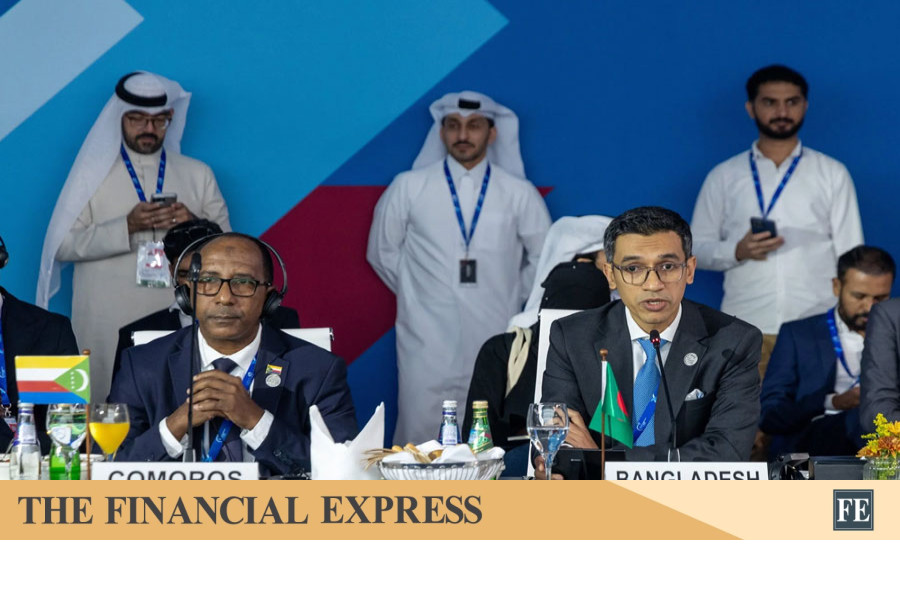
The projects, planned on under-utilised government land, are in the pipeline for advancement through PPPs in the coming months, Invest Bangladesh Chairman Ashik Chowdhury said at the World Investment Forum 2026 in Doha, according to a press release.

Speaking at a ministerial panel on turning energy-transition priorities into investable projects on the opening day of the forum, Chowdhury highlighted how the merger that formed Invest Bangladesh brought together investor identification, site preparation, policy coordination and PPP structuring to accelerate renewable energy development.

He also responded to questions about the Sonagazi solar PPP project, which aims to utilise underused government land, and discussed its potential to serve as a replicable model for similar projects elsewhere in the country.

The initiative comes as Bangladesh seeks to expand renewable energy generation and mobilise private capital to meet rising electricity demand while diversifying its energy mix.

Invest Bangladesh showcased the country's solar investment opportunities alongside other infrastructure and manufacturing projects at a Centre Stage session titled “Invest in Bangladesh: The Billion-Dollar Opportunity Hiding in Plain Sight” at the forum.

The session, attended by around 100 participants, including institutional investors, global financiers and representatives of investment promotion agencies, highlighted opportunities for project developers, operators, investors and financing partners.

Nahian Rahman Rochi, Member of Invest Bangladesh and head of its Investment Development Division, presented Bangladesh's investment prospects, citing its young workforce, competitive operating costs and large domestic market.

The presentation also covered LNG infrastructure, the proposed Chattogram Free Trade Zone, port facilities, the Matarbari green dockyard and investment opportunities in electronics, advanced textiles and medical devices.

Rochi said investors expressed interest in participating in the projects presented, while regional partners showed interest in exploring collaboration in economic zones, ports and dry docks.

At a separate investment ministerial roundtable, Chowdhury called for greater recognition of the development impact of investments in emerging economies.

He also proposed that the United Nations Conference on Trade and Development (UNCTAD) showcase successful investments and explore risk-sharing mechanisms based on investment guarantees and export credit models to help mobilise investment.

The World Investment Forum 2026, organised by UNCTAD and hosted by the State of Qatar, is being held from October 25 to 27 in Doha.​
 

Little interest in offshore gas exploration, new initiative taken

Mohiuddin


1793064328471.webp

Offshore oil and gas exploration File Photo

There has been little response to Bangladesh’s latest bidding round for offshore oil and gas exploration in the Bay of Bengal. No company participated in the bidding round that closed during the interim government’s tenure. The current government wants to avoid a repeat of that outcome.

The Energy Division is therefore making efforts to attract foreign investment in offshore exploration, holding direct meetings with various companies to gather their views. The deadline for submitting bids has already been extended by four months.

Sources at the Energy and Mineral Resources Division said separate meetings were held in London with 10 multinational companies on 29 and 30 September and 1 October. Discussions focused on the ongoing bidding round and the production sharing contract (PSC). The companies expressed satisfaction with the new PSC. They want to assess investment risks and the prospects of finding gas before deciding whether to participate in the bidding.

Two senior officials of the Energy Division told Prothom Alo that a delegation led by the state minister for power, energy and mineral resources attended the meetings in London. Meetings were also held with six companies in Singapore.

The government has given serious consideration to the views of multinational companies. It has therefore decided to make all available data on the Bay of Bengal’s hydrocarbon potential accessible to them. This will allow companies to examine the information and make informed investment decisions.

Amid the conflict in the Middle East, companies are exercising greater caution over investments. The bidding deadline has been extended for this reason as well.

Two senior Petrobangla officials said companies had conducted surveys as part of offshore exploration and submitted the resulting data. Six separate sets of survey data are available. Each set was priced at USD 1 million in the 2024 bidding round, while the price in the current round was USD 568,000.

Four sets of data have now been made available free of charge. The price of each of the remaining sets has been reduced to USD 5,000. Officials hope the move will encourage multinational companies to take an interest in the bidding. The companies will be able to analyse the data before deciding whether to invest.

Bangladesh has been facing an increasingly severe energy crisis for several years as domestic gas production continues to decline. Nearly a decade and a half after settling its maritime boundary disputes, the country has yet to discover a commercially viable offshore gas field.

The maritime boundary disputes with Myanmar and India were settled in 2012 and 2014, respectively. However, the previous Awami League government did not invite competitive bids for offshore exploration for more than a decade.

A bidding round was launched in March 2024, but that government fell in August of the same year. The interim government subsequently extended the deadline for bid submissions by three months. Although seven companies purchased bidding documents, none submitted a bid.

After taking office, the current government prioritised oil and gas exploration in the country. In May, it invited bids for exploration in 26 offshore blocks, including 15 in deep water and 11 in shallow water.

The original deadline for submitting bids was set for 30 November, with the bidding period running from 1 June. The deadline has now been extended to 31 March 2027.

According to Petrobangla, three companies had purchased bidding documents as of 25 October. Turkey’s Turkish Petroleum Overseas Company purchased documents on 23 July, while China’s CNOOC International did so on 17 August. Another Chinese company, Sinopec, purchased the documents last month.

None of these companies has previously participated in oil and gas exploration in the Bay of Bengal.

Sources at the Energy Division and Petrobangla said the companies consulted in London were among the world's leading oil and gas firms.

On 29 September, meetings were held with Murphy Oil of the United States, Petrobras of Brazil, Kuwait Foreign Petroleum Exploration Company (KUFPEC) of Kuwait, Geo Exploration of Australia, Union Energy Group of Singapore and Valeura Energy of Canada.

On 30 September, discussions took place with Italy’s Eni, US-based ExxonMobil and the United Kingdom’s BP. The final meeting, on 1 October, was with another leading company, the UK-based Shell.

Senior executives from these companies recommended making offshore survey data publicly available. They also requested more time to analyse the information.

Six Asian companies consulted in Singapore expressed similar views. Meetings are also expected to be held with several leading US companies in Houston early next year.

Anindya Islam Amit, state minister for power, energy and mineral resources, told Prothom Alo that the government had held direct discussions with multinational companies and sought their opinions. Discussions had also taken place with energy ministers from several countries, whose governments invest jointly with multinational companies.

“The deadline has been extended in response to market demand. The data has been made accessible and more readily available in line with the companies’ requests,” he said.

He expressed hope that the changes would generate a stronger response to the bidding round.

Bangladesh’s first offshore bidding round in 1974

Sources at the Energy Division and Petrobangla said the then Mujib government enacted a law on maritime boundaries in 1973. A bidding round for offshore oil and gas exploration was also launched that year.

Production sharing contracts were subsequently signed with six foreign companies. One of them, Union Oil Company, later renamed Unocal, reported a gas discovery in Kutubdia.

However, after the government led by Khondaker Mostaq came to power, all the foreign companies left Bangladesh.

Another bidding round was held in 1988, but no company participated.

Under the PSC-1994 framework, the government signed an agreement with British company Cairn Energy. The company discovered the Sangu gas field and began production in 1998. Gas production continued there until 2013, when operations were suspended because no commercially recoverable reserves remained.

In 2007, Australia’s Santos acquired shares from Cairn and took over operations at the field.

Under PSC-2008, US company ConocoPhillips signed an agreement and began deepwater exploration in 2010. The company left in 2015 after its demand for a higher gas price was not met.

Under PSC-2012, Australia’s Santos entered two shallow-water blocks in 2014, while India’s ONGC took up operations in two other blocks.

Santos announced its withdrawal from the region in 2020. South Korean company POSCO Daewoo entered under a special PSC in 2017 but also left after demanding a higher gas price.

ONGC was the latest company to withdraw, leaving last year. It drilled one offshore well but found no gas.

A draft PSC was finalised in 2019, but no bidding round was launched because foreign companies showed little interest.

Industry insiders said the Mujib government had a provision prohibiting foreign companies from appointing local agents. However, no such requirement was imposed in subsequent bidding rounds. At different times, influential local individuals acted as representatives of foreign companies.

Maqbul Elahi Chowdhury, a former member responsible for gas at the Bangladesh Energy Regulatory Commission (BERC), told Prothom Alo that 46 foreign companies had participated during Bangabandhu Sheikh Mujibur Rahman’s tenure. All relevant data had been made available free of charge at the time.

Seventeen companies also participated in 1994, he said.

“Bureaucratic complications have increased since then. Work that should take three days does not get done in three months. This discourages companies from participating,” he said.

Companies assessing investment risks

An analysis of the production sharing contracts shows that under PSC-2019, the price of gas was set at USD 7.25 per thousand cubic feet for deepwater blocks and USD 5.50 for shallow-water blocks.

PSC-2023 abandoned fixed prices and linked the price of gas in both deepwater and shallow-water blocks to 10 per cent of the price of Brent crude oil.

Under PSC-2026, the rates have been increased to 11 per cent for deepwater blocks and 10.5 per cent for shallow-water blocks.

As international oil prices rise or fall, gas prices will change proportionately. If crude oil reaches USD 100 per barrel, the price of gas from deepwater blocks would be USD 11 per thousand cubic feet.

However, the new contract will set upper and lower limits for the Brent-linked price over each five-year period to prevent gas prices from rising or falling excessively.

Under the agreement, the contractor will be responsible for building pipelines to transport offshore gas. The contractor will receive a tariff that takes into account gas reserves, supply and transportation costs.

This provision was absent from the previous PSC.

The formula for sharing profits between multinational contractors and Petrobangla has also been revised. If a contractor wishes to continue operations despite unsuccessful exploration, its share of profits could increase by one to two percentage points.

The interim government had previously introduced another incentive for foreign oil and gas exploration companies by amending labour laws. The companies’ contribution to the workers’ welfare fund was reduced from 5 per cent of profits to 1.5 per cent. Officials believe this could also encourage investment.

Several existing incentives have been retained. Imported goods will remain exempt from taxes and customs duties, while Petrobangla will pay income tax on behalf of contractors.

If Petrobangla does not purchase the gas, contractors will be allowed to sell it to third parties within Bangladesh. They will also be permitted to export gas if there is insufficient domestic demand.

Either party will be able to refer disputes to international arbitration.

In shallow-water blocks, the state-owned Bangladesh Petroleum Exploration and Production Company (BAPEX) will retain a 10 per cent participating interest.

Two officials who attended the meetings said the government had held direct discussions with several Asian companies following the London meetings. None of the companies had raised objections to the PSC. This is the best PSC so far in our history.

Every possible incentive has been offered. The price is almost equivalent to that of liquefied natural gas (LNG), one of the officials said.

The officials also believe that the presence of an elected government has helped build investor confidence.

However, companies will benefit from these incentives only if they discover gas. If exploration fails, they stand to lose their entire investment.

Multinational companies therefore tend to take more time when considering offshore investments.

Officials warned that another failed bidding round would have serious consequences for Bangladesh’s gas sector. The government is making every effort to increase participation by extending the deadline.

They said bidding rounds should be held regularly every year. Even if a company does not participate in one round, it may consider joining the next. Long gaps between bidding rounds, as in the past, should be avoided.

Energy expert M Tamim told Prothom Alo that much would depend on the international situation. Interest is high now because gas prices are elevated. But multinational companies will also consider future market conditions and examine the investment proposals available in other countries. They will assess the potential returns against the risks before making a final decision.

He added that it was difficult to predict how many companies would ultimately participate in the bidding round.​
 

Gas erupts during tube-well drilling in Cox’s Bazar


1793143824928.webp


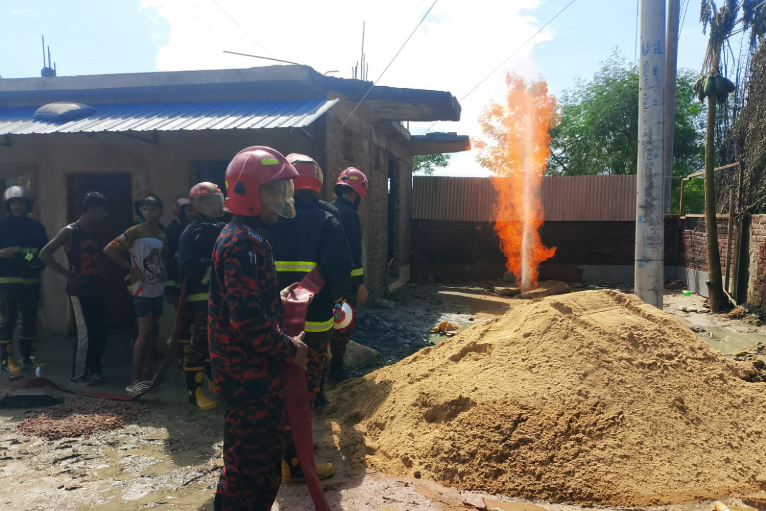
Instead of water, natural gas has started spewing from a 1,000-foot-deep borehole drilled in the Inani area in Ukhia upazila of Cox’s Bazar district.

A fire broke out around 6:00 am on Tuesday in an area near a small bridge at Inani.

Upon receiving the report, three units from the Fire Service arrived at the scene and started working to bring the blaze under control.

Belal Uddin, a supervisor for beach personnel under the district administration at Inani, said that a man named Md Abdullah is constructing a resort on his 20-decimal plot of land at Sikdarpara, Inani. Work on installing a tube-well to provide water for the resort had been going on for the last 15 days. Drilling was halted three days ago after no water was found, even at a depth of approximately 1,000 feet.

Then, at around 6:00 am this morning, gas suddenly began to escape from the borehole at high pressure, igniting upon contact with nearby electrical wires, reports BSS.

Following the incident, three fire service units from Ukhia and Cox’s Bazar Sadar arrived at the scene around 8 am and began efforts to extinguish the fire.

Confirming the incident, Syed Md Morshed Hossain, deputy assistant director of the Cox’s Bazar Fire Service, said, "Our three units are working continuously to bring the fire under control. Additionally, an army fire team has been assisting with the containment efforts since 2:30 pm. The intensity of the fire is heightened by the escaping gas. To prevent any untoward accidents, the electricity supply to the entire area has been temporarily suspended."

Meanwhile, local residents are gripped by intense panic, as the fire has persisted despite repeated attempts to smother it with sandbags, and there are concerns that it could spread further.

Concerned locals have called for the fire to be extinguished promptly and urged a geological survey to determine whether a significant gas reserve exists at the site.​
 

Bangladesh needs a strategy to wean itself off imported gas

Rassiq Aziz Kabir and Ismot Hasnine Masrur E Khuda

1793147082776.webp

Commuters wait in long queues at a refilling station in Dhaka on March 12, 2026. FILE PHOTO: MEHEDI HASAN

Energy has rarely been treated as anything more than a question of tariffs and subsidies in the concurrent policy discourse of Bangladesh. However, the war that began with the US-Israeli strikes on Iran on February 28 and the resulting disruption of shipping through the Strait of Hormuz have changed the scenario. By April, Qatar invoked force majeure on its LNG contracts, diesel stocks fell below 10 days of cover, and Bangladesh had to ration fuel sales. Nearly eight months on, the emergency has settled into a chronic condition. We still rely on imported fuel to keep our power plants, factories and farms running, leaving us exposed to shocks beyond our control. It is now clear that energy is a matter of national security.

The price of this exposure is visible across the economy. By mid-September, Bangladesh was paying nearly $30 per million British thermal units (MMBtu) for spot LNG, almost three times the pre-war rate. Zero Carbon Analytics, an international research group, projected that the country’s annual energy import bill of roughly $12 billion could rise by $4.8 billion, or 40 percent, if the elevated prices persist. The energy ministry projects this year’s LNG subsidy bill at Tk 40,000 crore, nearly triple last year’s payout, while electricity subsidies could reach Tk 50,000 crore. Consumers have not been spared either, as retail electricity prices were raised by 16.68 percent in June. More recently, the World Bank’s forecast cut Bangladesh’s growth to 3.4 percent in FY2026-27, citing a more protracted drag from energy shortages.

The roots of the problem go back almost a decade. In 2018, Bangladesh began importing LNG as a stopgap to address declining domestic gas output, which has since fallen by about 30 percent over six fiscal years. That stopgap has now become a crutch, and an expensive one, with Petrobangla’s LNG import bill rising from Tk 16,505 crore in FY2020-21 to around Tk 59,000 crore in FY2025-26. Domestic fields currently produce around 1,620 million cubic feet per day (mmcfd) of gas against an estimated demand of 3,860 mmcfd. Even with imported LNG, this leaves a shortfall of roughly 32 percent. Domestic production is itself concentrated, with a single field in Habiganj supplying about half of it. Meanwhile, imported fossil fuel now accounts for about 59 percent of our trade deficit.

What makes this dependence dangerous is the level of concentration. Between January 2025 and March 2026, the Middle East supplied 64 percent of our LNG, 69 percent of our LPG, and about 63 percent of our crude oil, as well as accounting for nearly half of over $30 billion in remittances received in FY2025-26. A single shock therefore inflates the import bill while threatening the inflows that pay for it.

Fuel rationing during the Boro season also endangers irrigation and food security. The concentration is physical as well as geographical. All imported LNG enters through just two floating terminals in Moheshkhali, which have been disrupted at least three times in as many years: Cyclone Mocha forced both terminals offline in May 2023; Cyclone Remal reduced capacity for nearly four months in 2024; and a terminal experienced a temporary, partial outage again in July 2026. Each time, the shortfall’s impact spread quickly and was felt across the country.

Japan, which imports almost all of its oil, was able to release supply worth 45 days of consumption from state and private reserves in March. This was possible because stockholding is a legal obligation in the country, rather than an administrative aspiration. By contrast, India’s strategic petroleum reserve, despite having a capacity of 5.33 million tonnes, can meet only about 9.5 days of crude requirement. Bangladesh is in an even weaker position, with no formal strategic fuel reserve at all. A legal obligation on the Bangladesh Petroleum Corporation (BPC) to hold 90 days of stock, phased in as storage expands and with stock levels published every month, should therefore be our first priority.

Bhutan offers a different lesson. Hydropower sold to India is its primary export and a major source of revenue. Bangladesh, by comparison, imports only 40 MW from Nepal and only during June-November, while India has withheld approval for an additional 20 MW, citing transmission constraints. In this regard, Dhaka should actively press New Delhi for a dedicated Bangladesh-Nepal transmission corridor. A four-country power trading agreement among Bangladesh, Bhutan, India and Nepal would also give the government’s Saarc ambitions their first concrete deliverable. At the same time, power imports must also be diversified so that cross-border trade does not simply replace one single-supplier dependence with another.

Meanwhile, more than a decade after settling our maritime boundaries, we have yet to make a major offshore gas discovery, even as India, Myanmar and Pakistan have expanded deepwater exploration. The Offshore Bidding Round 2026, with bids for 26 blocks due by November 30, must not see a repetition of the bidless 2024 round. Petrobangla should release seismic data free to pre-qualified bidders, clear approvals within 90 days through a single window, and reserve a carried stake for Bapex in each contract to keep offshore expertise at home.

Supply contracts need similar reform. Qatar has extended its supply disruption notices to Bangladesh while, in August, 22 cargoes were approved without tender. The recent deal for 117 US LNG cargoes up to 2038 is a start, but diversification must become the rule. Still, diversified contracts will mean little without the capacity to receive them, which is why the government’s decision to fast-track a third floating terminal at Kutubjom must translate into delivery.

Future long-term agreements should cap Gulf-sourced volumes at no more than half of all annual LNG imports, with the balance contracted from the US, Australia or Malaysia, and include supplier substitution clauses. Spot purchases should be made only from a panel of suppliers pre-qualified through an open tender each quarter, with the price and supplier of every emergency cargo disclosed within 30 days.

Finally, none of this will hold without an institutional home. An energy security council under the Prime Minister’s Office, bringing together the energy, finance, foreign and expatriates’ welfare ministries, should run quarterly stress tests against 30-, 90-, and 180-day closures of Hormuz and publish the results.

In 2022, the Russia-Ukraine war triggered fuel price hikes and nationwide load-shedding, a warning we largely failed to heed. Recent weeks offer a further lesson. Only a month after signing a sweeping sanctions law against Russia, the US president announced a deal to import Russian diesel, reversing a policy that was in place since 2022.

Large economies can afford such abrupt turns. Bangladesh cannot. Our contracts and terminals lock in choices for decades, so every decision in this crisis must be weighed carefully.

Rassiq Aziz Kabir is an academic and public policy analyst.

Ismot Hasnine Masrur E Khuda is a researcher and energy policy analyst.​
 

BD holds huge growth potential in clean energy sector


1793231992967.webp


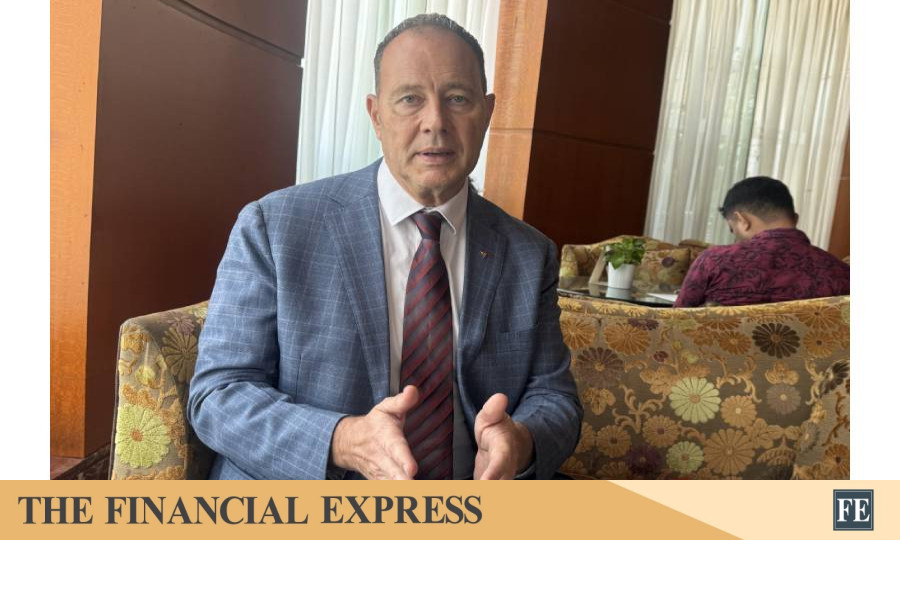
The size of Bangladesh’s domestic market offered considerable growth potential for entrepreneurs, Murray Spence, Australian Trade and Investment Commissioner for South Asia, told the FE.

Australia has a population of around 28 million, compared with Bangladesh’s population of approximately 177 million to 178 million, he noted.

“That’s more than six times the size of our market. So there is great scope for growth,” he said, adding that Australia is looking to partner with Bangladeshi businesses to expand solar power generation, battery storage and energy-management solutions, as the country’s reliance on fossil fuels and difficulties in securing energy supplies create an urgent case for accelerating the clean-energy transition.

An Australian government-funded study has identified 10 potential areas of cooperation in Bangladesh, with Australian companies exploring opportunities to introduce their technologies, expertise and systems through partnerships with local businesses.

“We know that Bangladesh, due to factors beyond its control, is facing an energy crisis, and its reliance on fossil fuels and the current challenges in securing them make this an urgent case,” Murray Spence, Australian Trade and Investment Commissioner for South Asia, told The Financial Express in an interview.

The report, outlining potential projects and challenges in Bangladesh’s renewable energy sector, was launched on Sunday as part of an Australian initiative to deepen business-to-business cooperation and help accelerate the country’s clean-energy transition.

Mr Spence said an Australian delegation comprising eight companies and 10 representatives had visited Bangladesh to assess market opportunities and explore partnerships in solar power, battery storage, rooftop installations, skills development and energy-efficiency solutions.

The delegation includes companies working in residential, commercial, industrial and utility-scale solar power, as well as battery storage and systems designed to improve the efficiency of electricity use.

“We have the technology. We are looking for local partners, and together they can identify projects and determine how to roll them out,” he said, adding that the initiative was at an early stage of assessing which Australian technologies could be adapted to Bangladesh and how they could be deployed.

He stressed that the immediate objective was to establish partnerships rather than commit to direct investment.

The Australian companies could explore different business models, including technology licensing, franchising and joint ventures, depending on the opportunities and their long-term interests in Bangladesh.

Poor-quality solar panels that fail to deliver their advertised output could weaken Bangladesh’s clean-energy transition, an Australian trade official has warned, urging the country to tighten product regulation and establish reliable testing systems as it expands renewable power amid an energy crisis.

Talking to the FE, Murray Spence, Australian Trade and Investment Commissioner for South Asia, said Bangladesh needed stronger oversight to ensure solar equipment installed on homes, businesses and factories performed as promised. He warned that mismatched power ratings could erode consumer confidence, waste investment and limit the contribution of solar power to national energy security.

“I think there needs to be some regulation,” Mr Spence told The Financial Express, suggesting that Bangladesh establish a dedicated testing body or deploy trained personnel to assess solar equipment and monitor its performance.

Australia has developed expertise across the clean-energy value chain, from electricity generation and storage to transmission, grid integration and efficient consumption, he said.

“Australia began its journey 20 years ago in clean energy. We now have the capability to generate electricity, but it is not just about generation. It is also about storing it, transmitting it, integrating it into the grid, and using it efficiently and effectively,” he said.

Some Australian states have achieved periods of electricity generation from 100 per cent renewable sources, while others generate surplus electricity that can be supplied to other parts of the country, he added.

The visiting delegation also includes a company representing one of the world’s largest battery installations developed in Australia, according to Mr Spence.

He said Australian companies could help Bangladesh develop the skills needed to install, operate and maintain rooftop solar systems, while introducing digital and computer-based solutions to monitor performance and identify technical problems.

Such systems could help businesses and households ensure that the electricity generated by solar panels is being used efficiently, he added.

He suggested that Bangladesh could consider establishing or strengthening an authority responsible for testing and regulating solar products installed on residential, commercial and industrial rooftops.

Australian companies could support such efforts by sharing technical expertise, providing training and helping develop systems to assess equipment performance, he said.

Training could also create employment opportunities for local workers in solar installation, cleaning, maintenance and performance monitoring.

Mr Spence said Australian companies would maintain their quality standards while operating in Bangladesh and could help introduce relevant Australian standards and technical practices.

He clarified that Australia was not seeking to influence Bangladesh’s choice of equipment suppliers or prevent it from buying products from China or elsewhere.

“People will buy from wherever they want. It is their choice,” he said, adding that the priority should be to ensure that products meet appropriate quality and performance standards.

The commissioner said Australian representatives had previously met Bangladeshi ministers and officials at the Prime Minister’s Office to share their experience and offer policy recommendations.

Among the issues raised were substantially reducing tariffs on imported solar components and establishing appropriate standards, he said.

He also welcomed Bangladesh’s efforts to introduce policies encouraging investment in battery storage and enabling consumers to use stored electricity when needed, or feed surplus power into the grid where the necessary infrastructure is available.

Mr Spence said the Australian government-funded study would help identify concrete projects and give prospective investors a clearer understanding of the opportunities and challenges in the local market.

The 10 potential areas outlined in the report are intended to provide a basis for discussions with Bangladeshi authorities and business partners, with the aim of translating broad clean-energy ambitions into practical projects.

Mr Spence said he hoped that by the time another delegation visited Bangladesh next year, some of the companies currently exploring the market would already be working with local partners on projects.

The initiative, he said, was intended to match Australian technology and expertise with Bangladesh’s renewable-energy needs, while allowing businesses on both sides to determine which partnerships and projects were commercially viable.​
 

Bangladesh cannot wait two years to manage its energy demand

M Niaz Asadullah


1793320463088.webp

FILE VISUAL: STAR

Finance Minister Amir Khasru Mahmud Chowdhury recently acknowledged that Bangladesh needs at least two years to stabilise its energy sector and the wider economy. The admission is sobering, but also useful. It raises a question that deserves more attention: if adequate supply cannot be restored soon, how will the country manage with scarce energy during the next two years?

The government does have plans for new wells, production-sharing contracts (PSCs), solar generation, LNG terminals, and an energy hub near Khulna. Japan’s $317 million Emergency Support Loan, highlighted during Prime Minister Tarique Rahman’s Tokyo visit, is also relevant as it supports economic and energy reforms, not a specific power plant. But these initiatives will be helpful in the medium term at best. Wells, terminals, pipelines, and renewable projects require time, capital, and capable institutions. Until they deliver, the government must decide who receives scarce energy, at what price, and with which level of reliability.

As things stand, Bangladesh is not short of installed power plants. A recent Panam Institute policy note estimates the country’s grid capacity at about 28,900 MW, against a record generation of only 17,200 MW. Its message is that the system is short of gas and money, not power plants. The same note reports that domestic gas production has been falling since 2016-17, while imports rose from contributing 47.7 percent to 62.5 percent of primary energy between 2020-21 and 2024-25.

My recent conversation with a leading industrialist in the energy business pushed me beyond this familiar supply-side diagnosis. His argument was that the deeper problem lies in industrial policy. For decades, extraordinarily cheap domestic gas influenced where firms invested, what they produced, and how much they focused on energy efficiency. Bangladesh did not pursue textbook import-substituting industrialisation throughout the 1980s and 1990s; those decades also brought trade liberalisation and the rise of export-oriented garments. But policies protected and promoted domestic processing industries such as steel re-rolling, fertiliser, ceramics, glass, cement, and textiles while gas and electricity remained priced below their full economic cost.

That model could appear successful while domestic gas was plentiful, but it is harder to justify when the marginal unit is imported LNG. An industry that saves one dollar of imports but requires more than a dollar of imported fuel, foreign exchange, and public subsidy is not genuinely saving foreign exchange. It is merely replacing one import bill with another, while part of the cost is concealed in the accounts of Petrobangla, the Bangladesh Power Development Board, and in the national budget.

This does not make steel, ceramics, or glass inherently undesirable. They create jobs and supply essential inputs. The relevant question is whether a new project or major expansion can compete when charged the full, long-run cost of reliable energy. Existing workers and capital cannot be moved without serious disruption. New investment, however, should not receive an open-ended entitlement to subsidised energy.

The allocation problem is already substantial. Industries directly consume about 19 percent of Bangladesh’s gas, while captive power generation inside factories accounts for another 17 percent—together more than one-third of supply, according to the Panam Institute policy note. However, the rules governing how shortages are distributed among grid power, industrial processes, captive generation, fertiliser production, and households remain unclear to the public. In practice, allocation is determined by pressure fluctuations, unplanned outages, administrative discretion, and political access. This is industrial policy by default, rather than by design.

This is where I partly agree with former energy adviser Muhammad Fouzul Kabir Khan’s warning that politicians and their business associates helped create today’s gas crisis. He pointed to unnecessary generation capacity, promises of industrial gas connections when gas was unavailable, and connections awarded through corruption. My argument is complementary but broader: even without an illegal transaction, a policy regime can create the wrong industrial structure when it socialises energy costs while privatising the returns.

Additionally, Professor Anu Muhammad’s recent diagnosis in this newspaper emphasises imported-energy dependence, weak national capability, and the political interests surrounding large projects. Here, a comparison with Malaysia is especially instructive. Malaysia built Petronas into a capable national institution rather than treating lack of domestic capacity as a permanent excuse. Bangladesh must likewise strengthen Bapex and Petrobangla while using foreign firms for capital and specialised knowledge under transparent contracts. But stronger supply institutions still need a disciplined demand policy.

For the next two years, grid management must therefore become an explicit part of industrial policy. The government should publish and enforce clear rules for rationing gas and electricity during shortages; introduce predictable time-of-use tariffs for large consumers; replace arbitrary interruptions with scheduled curtailments; and set public reliability standards for industrial zones. Efficient exporters should be able to plan production rather than discover their effective energy allocation through the duration of an outage. Major sectors should also be assessed for energy intensity, value added, employment, and net foreign-exchange contribution. Any subsidy that remains should be transparently accounted for in the budget, carry a time limit, and be justified by measurable economic benefits.

Over the longer term, new energy-intensive production should cluster near ports, fuel storage, regasification facilities, renewable resources, and common utilities. “Off the national grid” should not mean thousands of unregulated diesel generators, but rather serviced industrial-energy zones using dedicated generation, cogeneration, direct contracts, or transparently priced grid connections. The most energy-intensive stages may sometimes be better located in energy-abundant economies such as Malaysia, while fabrication, distribution, and higher-value activities remain in Bangladesh. Temporary duty relief for heavy fuel oil may ease an emergency, but it should be time-bound and tied to efficiency and emissions standards rather than becoming another permanent subsidy.

The costs of this model are now becoming harder to avoid. Cheap domestic gas helped generate profits and keep input costs low, but it also weakened incentives to explore, conserve, and invest in efficient machinery. The same business leaders who benefitted from that model for decades now find themselves grappling with unreliable supplies and the high cost of imported LNG.

The finance minister’s two-year timetable should be treated as more than a forecast; it should be viewed as a deadline for replacing implicit rationing with transparent demand management.

Bangladesh must accelerate exploration, renewable energy, and import infrastructure while also deciding which uses of scarce energy generate enough social and economic value to justify their cost. Otherwise, the country will continue allocating energy through outages, influence, and inherited privilege.

Dr M Niaz Asadullah is professor of economics at Dhaka University and a visiting professor at the University of Reading in the UK.​
 

Gas reserves drying up, output falls 39pc in decade
Shahriar Azam . Dhaka


1793405816139.webp


Bangladesh has depleted 74 per cent of its 30 trillion cubic feet of extractable natural gas reserve so far, while the production has fallen 39 per cent over the past decade.

Energy experts warn that without any major discovery, the country’s existing gas fields could go dry in maximum eight years.

According to a Hydrocarbon Unit report, national and international oil companies were producing around 2,660 million cubic feet of gas a day in 2015-16, with the peak production reaching 2,786 mmcfd in May 2015.

Domestic gas production has since fallen to around 1,620 mmcfd, a decline of about 39 per cent in a decade.

The decline in production has largely been caused by the depletion of the country’s mature gas fields and wells.

Bibiyana, the country’s largest gas field, was producing around 1,175 mmcfd a decade ago. Petrobangla’s latest data show that its average production fell to around 732 mmcfd on Friday.

State Minister for Energy and Mineral Resources Aninda Islam Amit told parliament in September that domestic gas production was declining by around 150 mmcfd annually.

The energy minister told the Jatya Sangsad in April that Bangladesh had an estimated 29.74 trillion cubic feet of extractable natural gas reserve. Of the total reserve, 22.11 TCF had been extracted by December 2025, leaving 7.63 TCF, or about 26 per cent, remaining.

Meanwhile, the gas demand has continued to rise while domestic production has declined.

The decline in gas reserves is affecting households and industries alike. In July, the government froze new industrial gas approvals amid a worsening supply crunch, leaving 1,857 applications pending with gas distribution companies.

Gas-fired power plants have a combined generation capacity of 12,472 MW, but severe gas shortages force the Power Division to generate less than half of that capacity during peak summer demand.

Households have received no new gas connections since 2015, while CNG-run vehicles often face low pipeline pressure. Gas-dependent industries also require substantial investment to replace existing machinery and adopt alternative technologies.

To bridge the gap between rising gas demand and dwindling supply, the previous government initiated liquefied natural gas import in 2018. Over the years, the dependency on imported LNG has grown and now it accounts for more than 35 per cent of the daily gas supply.

Energy expert M Tamim says the country has persistently failed to significantly increase domestic gas output through traditional state mechanisms though there remains various alternative options.

Due to the renewed tension in the Middle East, spot market prices saw a fresh hike. Market analytics firm Trading Economics reported Asian spot LNG benchmark Japan Korea Marker, or JKM, crossed $32 per MMBtu on Friday.

Energy economist Shafiqul Alam says the cost of domestically produced natural gas is around Tk 12-15 per cubic metre.

But Asian spot LNG price benchmark Japan Korea Marker, or JKM, was hovering above $32 per Million British thermal units on Friday, he said, explaining that if LNG was priced at $30 per MMBtu the imported cost would be around Tk 127 per cubic metre gas.

The spot LNG price surge to $32 per MMBtu marks the highest rate since December 2022.

The government allocated Tk 6,000 crore for LNG subsidies in the current financial year, but escalating conflict in the Middle East could push up the annual bill to more than six times the budgeted amount.

The government has already spent Tk 10,000 crore on LNG subsidies in the first three months of the financial year.

Energy minister Iqbal Hassan Mahmood told New Age on October 25 that the government was working to increase domestic gas production.

The BNP-led government, which took office in mid-February, has since developed some strategies to strengthen domestic production, including floating a bidding round for offshore gas exploration for 26 blocks in the Bay of Bengal.

However, identifying commercially viable gas reserves and connecting them to the national grid takes seven to 10 years, ruling out an immediate solution.

In a September 14 presentation to the prime minister, the Energy Division outlined plans to raise gas supply capacity to 5,819 mmcfd by 2030 and 8,000 mmcfd by 2035 through LNG imports and domestic production.

Short-term plans include a 1,000mmcfd land-based LNG terminal at Matarbari, a 600mmcfd floating terminal at Kutubjom, a 96km Feni-Bakhrabad pipeline and 150 wells.

Long-term plans include three additional floating terminals, diversified imports, a proposed Myanmar gas pipeline and another 150 wells.

M Shamsul Alam, energy adviser at Consumers Association of Bangladesh, warned that the government’s current initiatives could make gas and electricity prices more volatile rather than contain increases.

He said Bangladesh should have resorted to a strategy to control energy costs by utilising domestic gas resources, particularly those available in Bhola and the Chhatak East gas fields, rather than relying increasingly on imported fuels.

The global LNG market remains volatile and imports at high prices will increase the cost burden, he added.

The total domestic gas production stood at 49 billion cubic feet in June, while international oil companies were producing 28 bcf or more than 57 per cent from 42 wells and national oil companies were producing 21 bcf from 70 wells.

The imported LNG accounted for another 29 bcf in that month.

The government has increasingly relied on imported LNG to meet rising demand, raising concerns over long-term sustainability amid global tensions and market volatility.

Bangladesh’s two floating LNG terminals have a combined regasification capacity of 1,100 mmcfd, accounting for more than 35 per cent of the daily gas consumption.

Without major new gas discoveries, the country could eventually become entirely dependent on imported LNG to meet its gas demand, experts say.

Without urgent investment in domestic exploration and production, they also say, Bangladesh’s reliance on costly imported LNG will deepen, leaving gas and electricity prices increasingly vulnerable to global market volatility.​
 

Law on rooftop solar coming in next session of Parliament: Energy and Power Minister


1793489054655.webp


The government will pass a law on rooftop solar power generation in the next session of Parliament, Power, Energy and Mineral Resources Minister Iqbal Hassan Mahmood said on Saturday.

Speaking at a roundtable discussion organised by the New Age newspaper in the capital, the minister said the government was giving priority to solar power to strengthen the country’s energy security and ease pressure on conventional energy sources.

He said the energy and power crisis triggered by the prevailing global situation would not be resolved overnight, but the government was making continuous efforts to keep energy and electricity supplies at manageable levels.

The minister said the government was committed to tackling the crisis caused by the ongoing conflicts around the world, particularly the war in the Middle East, and maintaining stability in the country’s overall energy situation.

He said the government had been compelled to provide subsidies where necessary to reduce the burden of the energy crisis on consumers and protect public interests.

As an elected and responsible government, ensuring uninterrupted electricity and gas supplies to citizens was one of its key responsibilities, he said, adding that the government remained committed to maintaining normal energy supplies under all circumstances.

Iqbal Hassan said the government had also taken initiatives to establish additional Floating Storage and Regasification Units (FSRUs) or floating LNG terminals, considering future demand and the need to address supply shortages.

He said the government had launched a domestic rooftop solar programme in Bhaluka to encourage households to adopt solar power.

Responding to a question about the quality of solar panels, the minister said the government was alert and active in ensuring quality control of solar products available in the domestic market.

He said the government would maintain strict monitoring to protect consumers’ interests.

The minister said instructions had already been issued to local government institutions, health authorities and district administrations to use solar power systems.

Around 8,600 service providers have already been enlisted to install solar systems at the local level, he said.

Solar power was also creating new employment opportunities in the country, he added.

The minister said the government was standing by the people and making all-out efforts to safeguard the country’s overall energy security.​
 

More LNG, coal use planned to meet energy, power demand: minister
Staff Correspondent . Dhaka

01 November, 2026, 00:55

1793493094149.webp

Energy, Power and Mineral Resources Minister Iqbal Hassan Mahmood.


Energy, Power and Mineral Resources Minister Iqbal Hassan Mahmood said on Saturday that the government was planning to install additional, ‘expensive’ floating storage and regasification units and use ‘cheaper’ coal to meet growing demand for energy and electricity.

The country’s two existing FSRUs were insufficient to meet demand and that an accident or disruption at either facility could jeopardise supplies, as happened in July this year, he said while

addressing a national dialogue titled ‘Potential of Household Rooftop Solar: Challenges and Way Forward’ at the Bangladesh Institute of International and Strategic Studies auditorium in Dhaka.

The dialogue was jointly organised by New Age and the Coastal Livelihood and Environmental Action Network.

‘We know FSRUs are costly. But this is a political government, so we have to undertake costly measures as consumers want an uninterrupted electricity supply,’ the minister said, adding that the country needed at least three more FSRUs.

He also defended the use of coal, describing it as the cheapest source of energy and arguing that Bangladesh could not provide electricity to consumers at affordable prices without it.

‘Without using coal, we will not be able to provide electricity to people’s homes at affordable prices,’ he said.

Iqbal criticised what he described as a double standard among European countries on coal use, saying that they continued to operate coal-fired power plants while discouraging Bangladesh from doing so on environmental grounds.

Warning against further expansion of LNG infrastructure, Knowledge Hub Institute President Khondaker Golam Moazzem said new FSRUs could create long-term financial pressure by locking the country into LNG imports for 22 to 25 years.

Instead, he urged the government to prioritise renewable energy and domestic gas exploration.​
 

Gas supply returns to normal as Summit LNG terminal resumes operations


1794094613881.webp


The gas supply to the national grid has returned to normal levels after Summit LNG's floating terminal in Moheshkhali, Cox's Bazar, resumed operations following maintenance.

The terminal restarted regasification at 1pm on Saturday, with Petrobangla confirming that both LNG terminals were once again supplying gas to the national grid at their usual levels.

According to Petrobangla's data at 2pm on Saturday, the country's total gas supply stood at 2,408 million cubic feet per day (mmcfd). Of this, 1,584mmcfd came from domestic gas fields, while LNG accounted for 824 mmcfd.

The Summit terminal was shut down last Wednesday for maintenance, resulting in a significant drop in gas supply to the national grid, reports BSS.

At 8:00 am that day, total gas supply stood at 2,540 mmcfd, including 1,566 mmcfd from domestic fields and 974 mmcfd from LNG.

After the terminal was shut down, the total supply fell to 2,079 mmcfd by 10am.

Domestic gas supply remained almost unchanged at 1,565 mmcfd, while LNG supply dropped to 514 mmcfd.

This represented a decline of 461 mmcfd in total supply within two hours.

Petrobangla had earlier said maintenance at the Summit terminal would continue from 8am on November 4 until 4pm on November 7, during which regasification would remain suspended.

It had warned that the disruption could cause low gas pressure across the country.​
 

Rooftop solar power offers lifeline to industries amid gas crisis, high tariffs

Shahriar Azam . Dhaka


1794098410275.webp


Rooftop solar power is emerging as a financial lifeline for Bangladesh’s energy-intensive industries, helping factories reduce electricity costs and maintain production amid persistent natural gas shortages, frequent load-shedding and rising electricity tariffs.

Manufacturers in major industrial hubs, including Gazipur, Savar, Narayanganj and Chattogram, are increasingly turning to solar photovoltaic systems to reduce their dependence on grid electricity and fossil-fuel-based captive power generation.

The shift comes as declining gas pressure has disrupted industrial production, forcing many factories to rely on diesel generators to maintain operations at significantly higher costs.

Industrial consumers pay around Tk 14–17 per kilowatt-hour for grid electricity, while electricity generated by diesel generators can cost up to Tk 30 per unit. In comparison, rooftop solar can deliver electricity at an estimated levelised cost of Tk 5–7.5 per unit over a system’s operational life of around 25 years.

Industry experts said rooftop solar could therefore help manufacturers lower production costs, improve energy security and meet the growing environmental requirements of international buyers.

Power Division Secretary Mirana Mahrukh said on Sunday that the government was promoting the operational expenditure model to encourage private investment in rooftop solar.

Under this model, third-party investors can install solar panels on the rooftops of public and private institutions without requiring the building owners to make an upfront investment.

The arrangement could make solar power more accessible to smaller factories that lack the capital to install their own systems.

Under the net-metering framework, eligible consumers can also feed surplus electricity into the national grid, allowing them to receive credits against their electricity bills in accordance with applicable regulations.

Hasan Mehedi, member secretary of the Bangladesh Working Group on Ecology and Development, said each kilowatt of installed solar capacity could save Tk 29,600–31,300 annually in furnace oil imports and reduce carbon emissions by around 1.4 tonnes.

For factories requiring uninterrupted electricity, solar can operate alongside grid connections and captive generators, reducing fuel consumption without necessarily replacing existing power sources.

A study by the Centre for Policy Dialogue found that rooftop solar could meet a median 40 per cent of electricity demand at large factories, 33 per cent at medium-sized factories and 38 per cent at small factories.

The study estimated a combined rooftop solar potential of 1,768 megawatt-peak across 3,320 factories, highlighting the scope for expanding distributed renewable energy in the industrial sector.

Ha-Meem Group has emerged as an example of large-scale industrial adoption. The group installed 12.2MWp of rooftop solar across 10 units in 2024, investing approximately Tk 54 crore through concessional financing. A subsequent phase added around 16.9–17MWp in 2026.

At its Kaliganj facility, solar power reportedly meets the entire daytime electricity load between 10:00am and 3:00pm. Load-shedding on the relevant feeder was also discontinued, illustrating the potential operational benefits of large rooftop solar installations.

The Institute for Energy Economics and Financial Analysis said rooftop solar had become the dominant source of distributed energy resources in Bangladesh and was already contributing to a slight reduction in daytime electricity demand.

Government data showed that rooftop solar capacity stood at 418.1MW as of June 2026. IEEFA, however, estimated that installations across 239 establishments, including groups of companies, had reached 667MW.

The country’s total rooftop solar capacity could approach 1,000MW if smaller installations below 0.15MW were included, according to the estimates.

Shafiqul Alam, lead energy analyst at IEEFA, said Bangladesh’s industrial sector alone had the potential to add several thousand megawatts of rooftop solar capacity if policy and financing barriers were addressed.

The expansion could also help reduce pressure on the power system during daytime hours and limit reliance on expensive fossil-fuel imports.

Despite the economic advantages, high upfront costs, financing constraints and administrative delays continue to hinder wider adoption of rooftop solar.

Bangladesh Sustainable and Renewable Energy Association President Mostafa Al Mahmud said import permissions under the 1 per cent duty facility had enabled the import of around 88MW of solar panels and inverters and 4.5 megawatt-hours of batteries in September.

In October, permissions were issued for 120MW of solar panels and inverters and 10 megawatt-hours of batteries, he added.

However, financing remained a major bottleneck, Al Mahmud said, stressing the need for wider access to concessional loans and predictable policies to accelerate solar deployment and battery storage.

Access to affordable financing is particularly important for small and medium-sized enterprises, which often struggle to mobilise the capital required for installation despite the prospect of lower electricity bills over time.

Battery storage could further increase the usefulness of solar power by storing surplus daytime generation for use when sunlight is unavailable. However, storage adds to project costs, making financing arrangements and suitable policies important for its wider adoption.

The economic case for rooftop solar is reinforced by the growing emphasis on decarbonisation in global supply chains.

International garment brands are placing greater importance on emissions reduction and environmental performance among their suppliers. For Bangladesh’s export-oriented apparel and textile industries, adopting renewable energy can therefore help reduce operating costs while strengthening compliance with buyers’ sustainability requirements.

Rooftop solar also offers a way to reduce emissions associated with electricity consumption and fossil-fuel-based captive generation.

Industry experts argue that Bangladesh’s extensive factory rooftops represent a largely unexplored resource for clean electricity. Faster deployment could reduce fuel imports, ease daytime pressure on the national grid and improve the competitiveness of export-oriented manufacturers.

However, achieving the sector’s potential will require coordinated action to improve access to finance, simplify approval procedures, ensure the quality of imported equipment and provide stable policy support.

As domestic gas production declines and industrial consumers face persistent supply constraints and high electricity costs, rooftop solar is increasingly becoming more than an environmental investment. For many factories, it offers a practical route to lower energy expenses, more reliable daytime operations and greater resilience against disruptions in the country’s energy supply.​
 
Back
Top