[🇧🇩] Healthcare Industry in Bangladesh

[🇧🇩] Healthcare Industry in Bangladesh
78
4K
More threads by Saif

G Bangladesh Defense

Why we need a referral system in healthcare

Shiabur Rahman
Published :
Aug 15, 2025 00:43
Updated :
Aug 15, 2025 00:43

1755217827364.webp


The healthcare system in Bangladesh is plagued with so many problems that some fundamental issues are often overlooked. The absence of a strong referral system in healthcare is one of such issues, which has created a series of problems affecting patients, doctors, and the overall efficiency of the health sector.

In most countries, particularly those with well-organised healthcare systems, have a strong referral mechanism in which patients first consult general practitioners or GPs in their community - be it rural or urban areas. The GPs assess their conditions, offer primary treatment, and refer them to appropriate specialists, if necessary. This referral system ensures that patients receive the right treatment at the right time and reduces unnecessary expenses. Bangladesh should have such a system in place as a former colony of Britain, a good example of a well-organised GP-driven referral system that directs patients to start with primary care, because the foundation of Bangladesh's healthcare system was established during British rule. However, the present scenario in Bangladesh is far away from that system. Patients here usually bypass GPs, heading straight to specialist doctors of their choice due to the absence of the referral system. Most of the patients believe that specialists will solve their problems more effectively, no matter whether their condition actually requires consulting such specialists. This approach leads patients to misjudging their conditions and ending up visiting the wrong type of specialist. For example, someone with a common skin rash may rush to a highly reputed dermatologist without realising that a GP could have diagnosed and treated the issue in a fraction of the time.

This approach often causes an unnecessary burden of expenditure on patients, who have to meet a major portion of the medical expenses from their own pocket unlike the citizens of most countries. According to a World Bank report, Bangladesh's out-of-pocket expenditure on health per capita at purchasing power parity was the 8th highest among 45 least developed countries in 2021.

Specialist consultations, diagnostic tests, and treatments, which can sometimes be avoided with the guidance of GPs, generally involve higher fees compared to primary care services.

Choosing specialist doctors first also creates a huge burden of patients on "celebrity doctors", who are nationwide recognised for their expertise in particular fields. The excessive concentration of patients on a small group of doctors limits access for those who genuinely need their expertise. These doctors face overwhelming patient queues, making it difficult for them to spare adequate time for each case. Patients have to wait for hours, sometimes days, to secure an appointment, only to find that their issue does not require such specialised care. Such wastage of time sometimes heightens the risk for those encountering life-threatening conditions.

The absence of a referral system also leads to an inefficient use of medical resources. Without the system, specialist doctors spend a significant amount of time handling cases that could easily be managed at the primary care level. This inefficiency lowers the quality of care and delays in specialist treatment for serious conditions can have critical consequences.

The health scenario in Bangladesh would be changed drastically if the country is able to establish a well-designed referral system. Developing such a system would be hard, but not impossible. The existing network of community clinics and upazila health complexes could serve as the foundation for this system. But for that these facilities would have to be equipped with qualified doctors trained in general practice, along with sufficient medical supplies and diagnostic tools to handle common ailments. Besides, a campaign would also be necessary to make people understand that consulting a GP first is not a compromise in care but a smart, efficient step toward proper treatment.​
 

Healthcare is a right, not a commodity

MIR MOSTAFIZUR RAHAMAN
Published :
Aug 19, 2025 00:12
Updated :
Aug 19, 2025 00:12

1755560029895.webp


The crisis in Bangladesh's healthcare system is a known fact. It is being felt daily by millions of people who are forced to wait for hours in overcrowded public hospitals, struggle to afford exorbitant fees in private clinics or face the cruel choice between treatment and survival. The state of our hospitals today is not just a reflection of weak infrastructure and understaffed wards, but a broader indictment of failed policies and neglected priorities.

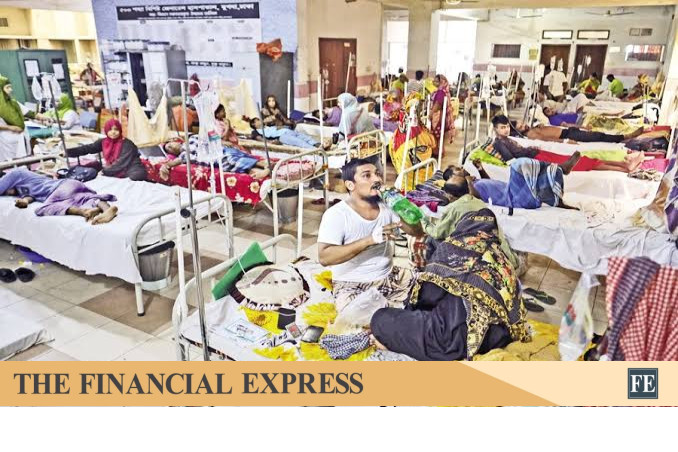
Government hospitals, meant to be the backbone of public healthcare, are crippled by dilapidated infrastructure, insufficient medical staff, lack of modern equipment, and an overwhelming patient load. Many lack essential medicines, diagnostic facilities, or even proper sanitation. The result is predictable: citizens who can better-off avoid these institutions altogether. Ironically, this flight from the public sector includes not just the wealthy, but even sections of the middle and lower-middle classes, who increasingly see no alternative but to seek treatment in private hospitals.

But here lies the cruel paradox: in the private sector, healthcare has been transformed into a commodity. Profit motives, disregard for regulations, and an absence of ethical safeguards mean that patients are often treated less as human beings in need of healing and more as customers purchasing a product. Here, life-saving services are packaged like consumer goods-sold at high prices and marketed through advertisements, promotions, and flashy claims of "world-class" facilities.

This crisis is not simply a matter of hospitals, beds, or doctors. It is the direct result of the country's failed health policy. Bangladesh's Constitution guarantees access to healthcare as a basic right. Yet, in practice, this guarantee remains confined to paper, a hollow promise that fails millions who depend on it.

There are cases where due to their inability to pay the treatment bill, parents had to flee hospitals leaving their children in the ICU.

Questions have been raised if hospitals have no responsibility beyond demanding bills? Is there no space in our healthcare system for empathy? Should poor patients always be treated as liabilities unless they can pay? At what point does a system built to heal transform into a mechanism that alienates the very people it should serve?

Healthcare in Bangladesh has now become stratified along lines of class, creating a cruel form of social segregation. The wealthy fly abroad for treatment or turn to expensive, large-scale private hospitals in Dhaka. The middle class-often the most vulnerable-take loans, sell property, or exhaust life savings just to afford operations or critical care. And the poor? They endure untreated illnesses, resort to unqualified practitioners, or, in the worst cases, abandon their loved ones in hospital corridors.

This is not merely an economic disparity; it is a form of social injustice. It is the erosion of the very idea that life has equal value, regardless of income or status. When the ability to access healthcare depends on how much money one has, society fractures into tiers of humanity-where the lives of the poor become expendable, and the wealthy are protected by privilege.

Underlying this crisis is the abysmally low budgetary allocation to healthcare. In the 2024-25 fiscal year, Bangladesh devoted only 5.4 percent of its national budget to the health sector. Experts widely agree this is far below what is required for a country of more than 170 million people. To make matters worse, even this inadequate allocation fails to translate into effective services because of widespread corruption, inefficiency, and resource mismanagement. Funds are siphoned off, equipment procurement is riddled with irregularities, and accountability remains elusive.

As a result, the gap between demand and supply grows wider every year. The private sector fills this vacuum, but without proper oversight, it is driven almost entirely by profit motives. Across the country, new hospitals and clinics emerge, not as centers of healing, but as businesses competing through "packages," "special deals," or glamorous advertising campaigns. The tragedy is that this commercialisation takes place in a sector that should, by its very nature, place life and dignity above all else.

The current situation cannot be allowed to persist. Healthcare must be reclaimed as a fundamental public good rather than a market-driven service. Several steps are urgently needed.

First, private hospitals must be brought under a strict regulatory framework. Standardised rates for admission, ICU charges, diagnostic services, and essential treatments must be set and enforced. A mandatory quota for poor patients, ensuring access to free or heavily subsidized care, should be part of licensing requirements. Transparency in billing, along with strong monitoring mechanisms, is essential to prevent exploitation.

Second, public hospitals must be strengthened. This means not only increasing budgetary allocations but also ensuring those funds are properly spent. Investments in infrastructure, training, and technology are vital. Equally important is creating an environment that promotes professionalism, ethics, and accountability among healthcare workers. Doctors and nurses must be incentivised to stay in the public system rather than migrate to private practice or abroad.

Third, healthcare must reach rural Bangladesh. The concentration of advanced facilities in urban areas leaves the majority of the population underserved. Strengthening community clinics, upgrading district hospitals, and ensuring consistent availability of medicines can create a more equitable distribution of services.

Fourth, civil society must be engaged. NGOs, charitable organizations, and corporate social responsibility (CSR) programs can play a vital role in bridging gaps. However, their contributions must complement, not replace, the responsibility of the state. A dedicated health fund for poor patients, managed transparently and independently, could provide immediate relief for those unable to afford critical treatment.

One of the most pressing questions we face is whether healthcare for the poor will remain dependent solely on sympathy and charity. While acts of compassion from individuals or institutions are valuable, they are not a substitute for systemic change. A humane society cannot allow the health of its most vulnerable citizens to depend on chance generosity or the goodwill of strangers.

Instead, healthcare must be recognized and enforced as a fundamental right. Just as access to education or protection from violence is considered non-negotiable, access to medical treatment must be guaranteed for all, irrespective of income or social position. This requires political will, legal safeguards, and a social commitment to equity.

If Bangladesh is to move forward as a just and inclusive society, it must confront the inequalities that plague its healthcare system. The story of the mother forced to leave her child behind should serve not only as a moment of grief, but as a catalyst for reform. No one should ever be placed in such an impossible situation.

The future demands that we reimagine healthcare not as a bill to be paid, but as a shared responsibility and a moral obligation. In this vision, hospitals are not businesses but sanctuaries of healing. Doctors and nurses are not service providers chasing profits, but professionals guided by ethics and compassion. And the state, rather than shirking its duties, stands firmly as the guarantor of health for all.

This is not an impossible dream. Many countries with fewer resources than Bangladesh have made remarkable progress in creating inclusive healthcare systems through strong policies, effective regulation, and social mobilization. What is required is the courage to place human lives above financial interests, and the determination to turn constitutional promises into lived realities.

Bangladesh stands at a crossroads. It can continue down the path of commercialisation and inequality, where healthcare remains a privilege of the wealthy and a torment for the poor. Or it can take decisive steps to reclaim healthcare as a basic right, accessible to all without discrimination.

The choice should be clear. Healthcare cannot remain a luxury item or a cruel lottery of fate. It must be the most basic assurance of citizenship-one that affirms the equal worth of every life. For the millions who struggle to afford treatment, and for the dignity of an entire nation, the time to act is now.​
 

Bangladesh’s healthcare market projected to reach $23 billion by 2033
United Hospital CEO says at DCCI event on Bangladesh’s healthcare system

1765674520320.webp


Bangladesh's healthcare market is projected to reach $23 billion by 2033, driven by rising demand for quality care and the increasing prevalence of non-communicable diseases such as diabetes and cancer, a top official of United Hospital Ltd said today.

The current market size, including hospitals, diagnostics, devices, and pharmaceuticals, is around $14 billion, said Malik Talha Ismail Bari, managing director and CEO of the leading hospital.

He shared the information citing studies at a seminar on Bangladesh's healthcare system, organised by the Dhaka Chamber of Commerce and Industry (DCCI) at its office in Dhaka.

"Private hospitals, clinics, and specialised care providers now serve a large portion of demand, significantly increasing the private sector's share," he said.

He added that the annual outflow of money for healthcare amounts to about $5 billion, mainly due to a deficit of trust and doubts over diagnostic accuracy.

"Patients often travel abroad not because treatment is unavailable at home, but due to a lack of confidence in diagnostic accuracy, bill shocks, hidden charges, and concerns over counterfeit drugs and low-quality surgical materials," he said while delivering the keynote address.

India remains the top destination for Bangladeshi patients, followed by Thailand, Singapore, and Malaysia.

Patients feel that Kolkata offers better value through cleaner facilities, clearer billing, and more attentive medical and nursing care than comparable private hospitals in Dhaka, he said.

He also noted that out-of-pocket healthcare expenditure in Bangladesh stands at 74 percent, which is higher than in neighbouring India, Sri Lanka, and Nepal.

At the event, National Prof AK Azad Khan, president of the Diabetic Association of Bangladesh, said that although Bangladesh has made notable progress in the healthcare sector, the desired quality standards have yet to be achieved.

He said healthcare quality in Bangladesh lags behind that of developed countries and even some neighbouring nations.

He stressed the importance of implementing primary healthcare and added that, along with overall management development, decentralisation is crucial for improving the health sector.

DCCI President Taskeen Ahmed said there are disparities in service quality between public and private hospitals.

Shortages of skilled manpower, the rise of unauthorised clinics and pharmacies, weak regulatory oversight, and limited use of modern technologies continue to erode public health security and trust, he said.

Due to the absence of an effective health insurance mechanism, individuals have to bear nearly 74 percent of total healthcare expenditure themselves, posing serious financial risks for low- and middle-income groups.

To ensure a sustainable healthcare system, he stressed the need for foreign investment, public-private partnerships, modern medical technologies, and skilled professionals.​
 

Healthcare system under severe stress

Published :
Dec 18, 2025 00:02
Updated :
Dec 18, 2025 00:02

1766020832675.webp


The United Nations World Urbanisation Prospects 2025 report reveals that Dhaka City is the second largest megacity after Jakarta. Instead of celebrating this elevated status, both experts in urban development and ordinary citizens consider this sobriquet highly concerning. Not only has the capital city with 36.6 million population surpassed Tokyo and is all set to overtake Jakarta by 2050, according to the UN report. The elevated ranking unfolds a nightmarish picture if the Economist Intelligence Unit (EIU) 2025 Global Liveability Index (GLI) is taken into consideration. According to the EIU, Dhaka has already become the third least liveable city in the world. Civic services are woefully inadequate and its air quality is one of the worst in the world. If the city's population explosion follows the current trend with internal migration of people from villages and climate refugees mostly from coastal areas, its infrastructure and utility services already gasping from an outsize population will simply experience a breakdown.

How will the medical facilities, already overwhelmed, fare then? A report carried in the FE on Wednesday focuses on this particular area highlighting the mismatch between the demand for healthcare and the existing provisions. In a centralised system of administration, specialised medical services are also concentrated in the capital. Stressed far beyond their capacities, both public and private healthcare facilities struggle to serve a far higher number of patients than they can. When the rush of patients is heavy, it is natural that the overall environment for medical care is compromised to a large extent. Experts are of the opinion that establishing a few more large government hospitals in the city will not be an answer to the problem. The very idea of centralisation of all facilities in the capital will complicate the system even more. The need is to decentralise government institutions and organisations including hospitals.

Bangladesh has an advantage here, the potential of which can be cultivated. It is the upazila health complexes, union health centres and the village-based community health centres that could be reactivated by necessary investment and recruitment of medical staff. Right now, many of those are either operating in a moribund state or abandoned altogether. Had those been organised in an efficient manner, the majority of patients did not have to rush to Dhaka for better medical treatment. Hospitals in urban centres would not be crowded so much as those have to deal with now. Thus a referral system could be developed for better treatment of patients suffering from complicated diseases.

When education and healthcare should be given priority in budget allocation, the policymakers fail to take a long view of the benefits it can bring for the nation. Instead, they feel no qualms about slashing the allocation further in the revised annual development programme (RADP). The Directorate General of Health Services (DGHS) under the Ministry of Health and Family Welfare is also to blame for its failure to utilise the allocation well. This kind of casual outlook of the health services is unacceptable. There are reports of imported medical machines and equipment remaining packed for years or not in operation because of a lack of repair. Monitoring and supervision are conspicuous by their absence. Evidently, mentality rather than paucity of money is to blame for the healthcare system's problems.​
 

Budget increases alone cannot fix public healthcare

1766452600033.webp

File VISUAL: STAR

Government allocation for Bangladesh's health sector has long been inadequate, compounded by weak implementation mechanisms. As a result, our out-of-pocket (OOP) payments for healthcare continue to rise, and access to quality services is becoming increasingly difficult for millions of citizens.

According to the Bangladesh National Health Accounts (1997-2020), nearly 69 percent of total health expenditure comes directly from individuals' OOP payments, one of the highest rates in South Asia. The WHO warns that OOP spending above 30-35 percent poses serious financial risk; Bangladesh's rate is more than double this threshold. In contrast, the government contributes only 22-23 percent of total health spending.

Public health allocation has remained at around five percent of the national budget, reaching just 5.3 percent in FY 2025-26. As a share of GDP, public spending stands at only 0.74 percent, far below the WHO-recommended five percent. Even when public and private health expenditures are combined, the figure is merely 2.34 percent of GDP. Beyond low allocation, implementation inefficiency remains severe as poor planning, weak project execution, and the trend of unspent funds persist. Consequently, poor and lower-middle-income families face growing financial hardship and often avoid necessary care. Ineffective public hospitals—plagued by management failures, staff shortages, inadequate infrastructure, weak supply chains, and medicine shortages—often force patients towards costly private care.

Addressing these systemic weaknesses requires urgent, coordinated, and structural reform. However, restoring a health system long burdened by mismanagement, complexity, and inefficiency first requires answering three fundamental questions: whether citizens are empowered to seek public healthcare services, whether public service providers are adequately motivated and incentivised to deliver services, and whether there is sufficient political will and attractiveness towards investment in the health sector.

Unfortunately, under the current reality, the answer to none of these questions is satisfactory. This failure is closely linked to three critical unknowns: patients remain unaware of the value of the services they receive; providers lack a clear understanding of the value of the care they deliver; and the government does not adequately know the monetary value, or returns, of its spending in the health sector. Addressing these questions and unknowns necessitates a policy framework capable of delivering positive change across all three areas.

First, consider how the public can be empowered to access public healthcare. Citizens are not adequately empowered due to insufficient priority given to health in personal and family life, the absence of health awareness and practical health education in educational institutions, and weak enforcement of the rule of law. As a result, many people do not know when, where, or what kind of healthcare to seek, nor are they fully aware of their rights as consumers of the health system. A lack of confidence in making health-related decisions is also evident.

To ensure access in this context, the public needs an entitlement-based system that effectively empowers them to receive necessary healthcare. Such a system could be operationalised through the introduction of a health card that legally assures citizens' access to healthcare. Each family could be provided with a ceiling-based family health card with a defined annual limit on healthcare utilisation. The card would specify the monetary value of healthcare that a family is entitled to receive annually through public institutions. This would encourage people to return to government hospitals and foster a clearer understanding of the services to which they are entitled.

If a specific service is unavailable in a public institution, it could be provided through selected private facilities via strategic purchasing while maintaining priority on delivery through the public system. In parallel, the ecosystem of public health facilities must be strengthened and made fully prepared for effective service delivery.

At the same time, beyond ensuring regular salaries and benefits, a performance-based incentive system must be introduced for service providers. Complexities surrounding promotion, transfer, and posting should also be reduced so that healthcare workers feel sufficiently motivated to serve the public interest.

Turkey offers a relevant example. Under its Health Transformation Programme, the country introduced a performance-based remuneration system for public healthcare providers, offering bonuses based on staff efficiency and effort. In addition, the government provides location-based incentives of up to 40 percent of salary for those working in regions with low socio-economic development, helping to ensure more equitable deployment of health workers. This integrated incentive package has improved service quality, motivated staff, and enhanced retention, particularly in remote areas.

This leads to the question of how interest in health-sector investment can be strengthened in Bangladesh. Valuing healthcare services is crucial to creating attraction towards such investment. To achieve this, the value of each healthcare service must be determined based on its diagnostic group. Doing so would allow patients to understand the value of the benefits they receive, thereby increasing trust, respect, and loyalty towards public hospital providers. At the same time, service providers and hospital authorities would gain clarity on the value of the services they deliver, enabling them to identify strengths and weaknesses, develop improvement plans, and foster healthy competition within the hospital system to accelerate quality improvement.

The ceiling-based family health card is central to this transformation. When services are accessed through this card, the government can clearly assess the value created for patients. If the value of the service is found to be two to ten times higher than government expenditure, the political importance of investing in healthcare will become evident. If, however, the value is lower than the expenditure, the source of inefficiency can be identified and addressed promptly.

Advancing the health sector primarily requires coordination among three elements: empowered citizens, motivated service providers, and politically valued investment. If this is prioritised and the above conditions are met, the public health system can certainly be revitalised.

Dr Syed Abdul Hamid is professor of health economics at Dhaka University, convener of Wellbeing-First Initiative Bangladesh (WFIB), and chief adviser of Universal Research Care Ltd.​
 
A year of disruptions for health sector

Scrapping of programme, medicine shortage deprived thousands of much-needed care
Health services faced disruptions throughout the year, as shortages of medicines, equipment and contraceptives left thousands of people without much-needed care following the scrapping of a decades-long operational arrangement.

Troubles began with the sudden halt of USAID funding in January, which affected the health sector -- both directly and indirectly. One immediate setback was the suspension of icddr,b's Alliance for Combating Tuberculosis, which was aimed at improving the tuberculosis case detection mechanism.

In the latter part of the year, public medical facilities witnessed protests by health workers pressing for a wide range of demands. Amid mounting pressure, the government promoted over 6,000 doctors, mostly to supernumerary posts.

Meanwhile, dengue continued to take a heavy toll on human lives, stretching the public health facilities to their limits. Influenza infection rate hit 59.2 percent in July -- the highest since surveillance of the disease began in 2007.

Adding to the concerns, the Multiple Indicator Cluster Survey 2025, released last month, revealed that the Total Fertility Rate (TFR) rose to 2.4 from 2.3 in the previous survey. This marks the first increase in TFR in five decades.

Despite extensive discussions on the urgent need for health sector reforms, progress remained elusive. A high-powered commission submitted a report recommending sweeping changes, but efforts to implement those were hardly visible.

Prof Be-nazir Ahmed, a health expert and former director of disease control at DGHS, said that though the sectoral programmes had some shortcomings, Bangladesh performed reasonably well in preventive healthcare through them over the last few decades.

"But the sudden halt to the programmes has put many of our hard-earned achievements -- such as the country's success in eliminating Kala-azar [a life-threatening parasitic disease] -- at risk of reversal," he told The Daily Star.

The interim health administration could have set an example by simultaneously taking two measures -- preventing corruption and sustaining or improving public health services.

But it could not to do so, creating a serious gap in service delivery, which will be difficult for the next administration to overcome, he added.

Prof Rashid E Mahbub, a medical expert and former president of the Bangladesh Medical Association (BMA), said the administration failed to provide an alternative plan following the suspension of the sectoral programmes, which resulted in service disruptions.

SERVICE DISRUPTIONS

Since 1998, the health ministry has implemented four Health, Population, and Nutrition Sector Programmes (HPNSPs) to provide a range of health, nutrition and family planning services, with the last one ending in June 2024.

The interim government scrapped the proposed fifth HPNSP and decided to integrate the sectoral programmes into regular ones to improve coordination and strengthen infrastructure.

The ministry took up several projects to complete the unfinished tasks of the Fourth HPNSP and to continue the supply of medicines and other emergency items. Though some projects were approved last month, many health services were disrupted for months, depriving thousands of essential care.

For example, there were disruptions in the supply of five types of medicines for diabetes and hypertension to 430 hospitals, mostly at the upazila level. The supply has yet to return to normal, even though the government recently allocated Tk 100 crore for the service, according to a health official.

Moreover, around 14,500 community clinics, which provide care to 490,000 people a day, saw disruptions in medicine supply throughout the year. No drugs were procured between July 2024 and May 2025 due to a fund crunch after the expiry of the HPNSP, severely affecting the supply of 22 types of medicines.

Though drug supply from the centre was fully restored in August this year with block allocations, procurement was halted in November due to various complications, said an official.

Regarding the disruption, Health Secretary Saidur Rahman said it took time to approve several projects to continue the supply. The situation will gradually become normal.

Health services and vaccination programmes also faced disruptions in November, as several sections of medical professionals demonstrated to press home their demands.

DOCTORS' PROMOTIONS

The interim health administration received praise for its decision to promote more than 6,000 doctors. But around 5,000 of them were placed in supernumerary posts, which are temporary positions created outside the regular structure.

Allegations were raised that many doctors were deprived of promotions this time as well due to political reasons.

Prof Rashid said it was commendable that the administration promoted many doctors who had been waiting for a long time. However, the existing health infrastructure is not adequate to absorb services from the promoted doctors, and the government does not have the necessary plan in this regard.

Asked, Saidur Rahman admitted that they would not be able to post all assistant and associate professors to medical colleges due to a lack of available posts. In such cases, they would have to work in hospitals.

Asked about the allegation that doctors affiliated with the pro-Awami League doctors' association were not promoted, he said, "Not everyone will get a promotion, and there are various reasons for that."

LITTLE PROGRESS IN REFORMS

In May, the Health Sector Reform Commission, led by National Professor AK Azad Khan, recommended a sweeping overhaul of healthcare management, but the government did not initiate any major reform.

In its report, the commission suggested that the government make primary healthcare a constitutional obligation and provide it free of cost to ensure universal access.

When asked, Saidur Rahman said the ministry implemented some minor reforms, but made little progress on major ones. "We have tried our best but it's a big sector with a lot of challenges."

Prof Be-nazir Ahmed said that had the interim administration initiated the process of implementing the recommendations properly, the next government could have carried it forward.

"But given the current situation, the next government will have to review them and start the process afresh, which will take a long time, he added.​
 
Rural health clinics: promises, performances, and despair

Abdullah A Dewan and Dulary A Maher
Published :
Jan 08, 2026 00:58
Updated :
Jan 08, 2026 00:58
​
1767833468124.webp

​
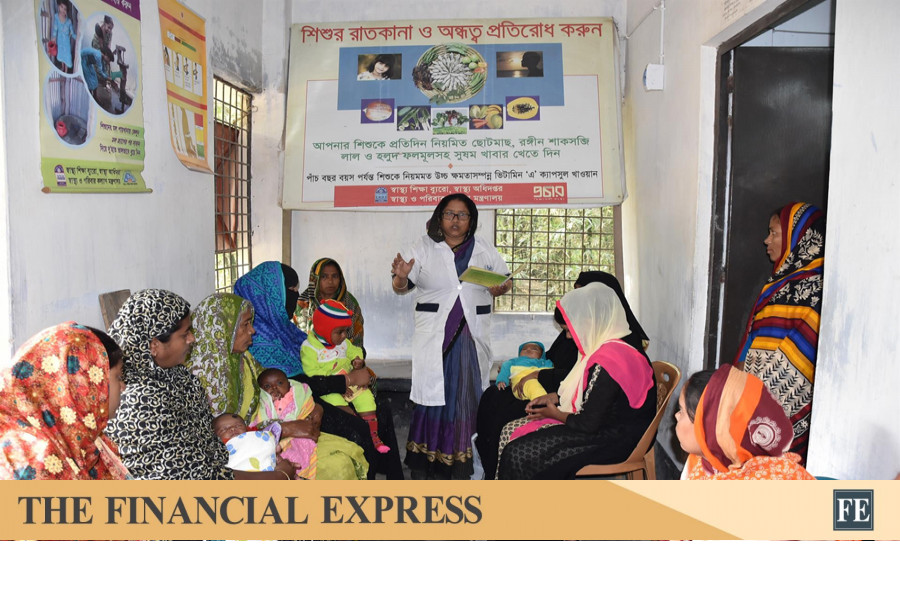
A heath worker providing health tips to a group of young mothers at a community clinic in Bangladesh — WHO Photo

Across Bangladesh’s countryside, a remarkable health-policy transformation has unfolded over the past two decades. Tens of thousands of low-level health posts—community clinics and union-level health and family welfare centres—now bring medical care within reach of rural populations. The ambition is noble: to make healthcare a right at the doorstep of every village. Yet behind the success of expanded access lie persistent deficiencies in staffing, medicine supply, and service quality. The question is no longer whether these clinics exist, but whether they effectively and consistently deliver the care rural Bangladeshis need.

Structure of Rural Health Care: Bangladesh’s rural health system rests on two foundational tiers. The first and most localised is the community clinic, each designed to serve roughly 6,000 people in a cluster of villages. These clinics provide basic preventive and promotive care—immunisations, family planning, nutrition counselling, and treatment of minor ailments. Above them are the union health and family welfare centres, which cover about 25,000 people per union and offer maternal and child healthcare, deliveries, and limited curative services. Together, they form the lowest rungs of the national healthcare ladder, linking upward to upazila health complexes and district hospitals.

The Promise of Accessibility: The World Health Organization (WHO) and the World Bank have hailed Bangladesh’s community clinic model as a milestone in reaching rural and marginalised populations. Each clinic typically has one full-time Community Health Care Provider (CHCP), assisted by two part-time workers who visit households, maintain vaccination coverage, and promote hygiene. Built on the principle of local ownership—where villagers donate land and manage operations—the system was revolutionary in its simplicity. By placing care within walking distance, the government reduced physical and psychological barriers that once kept villagers away from formal healthcare.

For millions, especially women and children, the community clinic became the first point of contact with the state’s health system. Proximity increased the likelihood that mothers would seek antenatal care and children would receive timely immunisations. Maternal and child health indicators improved steadily, and the clinics became the backbone of Covid-19 outreach and vaccination campaigns. Accessibility, once a dream, became reality.

Where the System Falters: The story of progress, however, must be balanced against performance. Efficiency—delivering the right care with the right resources—remains the system’s weak link.

Staffing shortages are the first constraint. Each community clinic employs a CHCP and shares a health assistant and a family welfare assistant. Yet these are paraprofessionals, not degree-holding physicians or registered nurses. Union-level centres, meant to have at least one doctor, midwife, and several paramedics, often operate with half their sanctioned staff. In many unions, one worker shoulders the duties of ten. Without qualified personnel, many clinics are limited to dispensing paracetamol, saline, and advice.

Medicine availability and treatment capacity present the second bottleneck. Community clinics were designed primarily for prevention, not full-scale curative care. Consequently, many lack a reliable supply of antibiotics or diagnostic tools. Drug shortages are common, forcing patients to buy medicines from private pharmacies or travel to distant upazila hospitals. A 2025 reform commission even recommended authorising these clinics to sell essential over-the-counter medicines at subsidised prices—an implicit acknowledgment that rural demand for basic treatment remains unmet.

Workload pressure and weak supervision form the third constraint. Multiple staffing studies using the World Health Organization’s Workload Indicators of Staffing Need (WISN) method reveal that staffing norms are out dated and fail to reflect actual patient volumes. Community health workers face overwhelming workloads, leading to rushed consultations that often last less than four minutes. Weak referral systems, poor transportation, and inadequate communication with higher-tier facilities further erode efficiency.

Dual Practice and Referral Malpractice: Beyond shortages and inefficiencies lies an ethical fault line that quietly corrodes rural healthcare. Many government-employed doctors, officially posted at union or upazila health complexes, also maintain part-time private practices in nearby towns. This dual practice often turns into dual morality. In the government clinic, patients complain of being hurried, dismissed, or even scolded. Yet when the same doctor is visited in a private chamber—after paying consultation fees—the tone changes to courtesy, patience, and care.

Even more troubling is the referral-for-profit network that has emerged, as documented repeatedly in media reports and health-sector studies. Some doctors routinely direct patients to city-based diagnostic centres or specialists with whom they have personal or financial ties. In many cases, the referrals are unnecessary, driven not by medical need but by commission-based incentives. Such practices impose crushing financial burdens on poor families and erode faith in local health facilities.

This behaviour transforms what should be a public service into a marketplace of manipulation. The poor, who turn to government clinics precisely because they cannot afford private care, end up neglected or deceived into unnecessary expenditures. Without strict enforcement, dual practice has become the unspoken rule of the rural health economy—where duty ends at the clinic gate and profit begins at dusk.

Measuring Efficiency: Judged by four criteria—human resources, medicine availability, quality of care, and accessibility, the results are mixed. On access, Bangladesh has succeeded impressively; nearly every rural citizen now lives within a few kilometres of a health post. But the absence of qualified physicians and nurses leaves many facilities operating on the margins of competence. Quality and monitoring vary widely across districts: some clinics thrive under motivated leadership, while others stagnate due to absenteeism or neglect. The problem is not intent but implementation design that favours coverage over capability.

What Must Change: To fulfil the promise of universal health coverage, Bangladesh must move from access to efficiency. This requires recruiting more doctors, nurses, and midwives for rural postings, supported by financial incentives and credible pathways for career advancement. The current two-tier paraprofessional model is insufficient for a country facing a rising burden of chronic and non-communicable diseases.

Equally urgent is guaranteeing consistent stocks of essential drugs, including antibiotics, and equipping clinics with basic diagnostic tools for blood pressure, glucose, and common infections. Without medicines and diagnostics, proximity offers little more than false reassurance.

The system must also pilot enhanced community clinics staffed by at least one trained nurse or physician’s assistant capable of managing uncomplicated infections and chronic conditions. Such intermediate capacity would relieve pressure on hospitals while restoring confidence in local care.

Digital registers and connectivity should be leveraged to monitor attendance, medicine stocks, and referral patterns in real time, allowing district authorities to identify underperforming clinics and intervene early. Finally, citizen participation must be institutionalised through active management committees and regular public hearings, empowering villagers to demand transparency and quality from local providers.

The Road Ahead: Bangladesh’s network of rural clinics remains one of the boldest health outreach initiatives in the developing world. It has achieved what many nations still struggle with—universal access to a health facility within walking distance. Yet access alone is not enough. Without qualified staff, adequate drugs, reliable diagnostics, and effective supervision, accessibility risks becoming a hollow victory. The measure of success should not be how many clinics exist, but how many lives they improve.

These concerns are widely shared among observers of Bangladesh’s health system. Yet the deeper problem lies in the quiet despair gripping rural patients—mistreated by medical professionals, denied basic services, and driven toward private clinics run by the very doctors entrusted with public duty. Such hopelessness reflects a broader culture of dishonesty and corruption that has trickled down from the top to every tier of society. It exposes how numerical policy achievements can conceal lived disillusion when care is indifferent, supervision weak, and accountability absent.

Part of the remedy must begin with raising the salaries of medical professionals to restore dignity to their service, while making private practice for government-employed doctors strictly illegal—punishable by permanent removal from public employment and ineligibility for future government fellowships, including FCPS and foreign training programs. The call is for a renewal of purpose, so that access is matched by care, performance by compassion, and promise by integrity.

Dr Abdullah A. Dewan, Professor Emeritus of Economics at Eastern Michigan University, USA, formerly a Physicist and Nuclear Engineer, BAEC.

Dr Dulary A Maher, MBBS (DU), PGT, CCU, Urban Primary Care Delivery Project Suja Nagar, Comilla.

​
 
Effective strategies for health care

1768181129676.webp

BANGLADESH, with significantly high life expectancy and infant mortality rates, is confronted with a growing prevalence of non-communicable diseases alongside growing mental health issues. It also faces dual challenges from chronic infectious diseases such as tuberculosis, which are intensified by inadequate funding, uneven distribution of resources, especially between urban and rural areas, and administrative shortcomings. From a geographical perspective, Bangladesh benefits from improved access and a skilled work force, which contributes to the substantial economic growth.

The primary health care initiative focused on boosting immunisation to reduce child mortality, notably in achieving a ‘polio-free’ status and implementing oral dehydration therapy for diarrhoea treatment, has seen a considerable success. However, the rapid and uneven growth of urbanisation poses long-term challenges for health management, alongside pollution and environmental pressure which are a major barrier to health infrastructure. Consequently, the current health landscape is confronted with numerous challenges and adversities.


Infectious diseases such as bacterial pathogens such as Mycobacterium tuberculosis, are responsible for tuberculosis. Over time, the focus has shifted from tuberculosis to non-communicable diseases, including stroke, heart diseases, chronic obstructive pulmonary disease, cancer and diabetes, which now account for the majority of fatalities. Simultaneously, the population bears a dual burden of inadequate public health and personal financial strain in addressing these diseases.

Mental health is another critical area of concern as Bangladesh handles a significant and escalating burden of mental health issues, with approximately 19 per cent of the adult experiencing mental disorders. The issues are exacerbated by rapid urbanisation, poverty, familial conflicts and certain genetic pre-dispositions. The acute shortage of mental health professionals, coupled with widespread medical shortage exceeding 90 per cent in this sector, is apparent. Women are particularly vulnerable to these conditions and while urban/rural discrimination is not excessively pronounced, there remains a substantial lack of mental health resources in rural areas, where conditions such as depression and anxiety are dominant.

The rise in stress, depression, neurological disorders, strokes and epilepsy is alarming. Anxiety disorders represent one of the fastest-growing categories of mental illness globally, impacting the mental development of at least 4.1 per cent of children and the adolescent. Among the most diagnosed anxiety symptoms in children and young adults aged 11 to 19 are separation anxiety or dissociative disorder; specific phobia, characterised by an irrational fear of certain stimuli; social anxiety disorder; generalised anxiety disorder; and panic disorder.


These mental anxiety disorders typically begin in early childhood or adolescence and over time, the symptoms often interact with other anxiety disorders. Bangladesh ranks among the lowest in public health expenditure globally, frequently fluctuating between about 0.7 per cent and 1.1v of its gross domestic product. As a result of insufficient funding, around 63 per cent to 73 per cent of the total health expenditure is directly incurred by patients.

This financial burden drives millions into poverty each year. Health insurance for the general populace is nearly non-existent, leaving individuals without financial protection during emergency medical situations. The scarcity of resources within the healthcare system, coupled with a lack of personnel and poor governance, perpetuates a vicious circle of underdevelopment, where the absence of resources and accountability results in significant adverse effects, including corruption, economic instability and inadequate public service delivery.

The unequal distribution of healthcare professionals, particularly specialists, between urban and rural regions is recognised as a contributing factor to the emergence of risks and illnesses. The systematic shortcomings in disease prevention and health awareness stem from various interconnected challenges within the healthcare system. A significant barrier is an inadequate emphasis on preventive measures and health promotion initiatives. The current overly centralised decision-making structure of the health ministry is deemed inappropriate, which is often the case. Top-down or top-down strategies result in a disconnect with the actual conditions in rural areas. These systemic issues are exacerbated by insufficient public health communication, particularly during emergencies such as the Covid outbreak, when misinformation proliferates because of ineffective information dissemination and subpar public health messaging.


Likewise, the recovery of the chronic infectious disease such as tuberculosis presents systemic obstacles, including inadequate patient support, exorbitant treatment costs and limited access to care, which contribute to incomplete treatment regimens and the emergence of resistant strains of Mycobacterium tuberculosis and its recovery. Despite ongoing efforts by government and non-governmental organisations through various initiatives, processes and local emergency care networks, there remains a significant deficiency in structural and institutional capacity to prioritise prevention and health education comprehensively, aiming for decentralisation and modernisation that benefits the most common and marginalised segments of the population.

The private health sector is often beyond control because of ineffective government systems, characterised by poor regulation, rampant commercialisation and high out-of-pocket expenses, leading to quality concerns and substantial financial strain for many. This unregulated landscape, marked by a focus on profit rather than quality, has driven many into debt. Conversely, key informal service providers in rural regions frequently lack adequate training, revealing significant administrative deficiencies. To transform Bangladesh into a healthy and developed nation, it is essential to establish a long-term strategic framework that addresses the issues, incorporating youth health and reproductive rights into the effective measures of the health planning structure.

At the core of this vision lies the commitment to ensuring an equitable access to health care, particularly for the adolescent and marginalised communities. It is advisable to execute the potential strategies that emphasise essential health systems, human capital, digital transformation and institutional reforms to establish a modern and stable Bangladesh, which can be viewed through the lens of current health practices, problem identification and actionable initiatives.

Universal health coverage can be broadened to encompass 75 per cent of the population by 2030, necessitating a service package that enhances health care, including lifestyle intervention and nutrition for women and children. The execution of a digital health strategy is crucial for the integration of telemedicine, electronic health records and data analysis among both public and private health service providers. The current primary health budget for the 2026 fiscal year stands at Tk 434.83 billion, reflecting a mere 5 per cent increase from the previous allocation of Tk 414.08 billion in the past financial year. This allocation constitutes 5.3 per cent of the national budget and 0.74 per cent of the gross domestic product, which is considerably lower than the 5 per cent of the gross domestic product recommended by the World Health Organisation.


Regrettably, public health allocations have consistently hovered around 5 per cent of the national budget for several years and even as the GDP share, it has marginally declined from 0.75 per cent in the 2024 financial year to 0.74 per cent in the 2025 financial year. This trend can be recognised as a clear contributor to administrative deficits and prudent management. To promote long-term health development, Bangladesh must enhance multilateral cooperation, which includes precise information sharing and investment strategies in health system infrastructure. Evidence-based decision-making, universal health coverage and community-based management will be crucial. Additionally, there will be sustainable coordination among government agencies, international donors and civic groups to align national health strategies with the Sustainable Development Goals, particularly in health.

By establishing social health protection systems and increasing government funding, while reducing out-of-pocket health expenditures for households, a blended financial system should integrates public and private capital, especially enhancing the capacity of the disease diagnostics sector, and extending medical care to health initiatives to ensure that they are more long-term, sustainable, and efficient. This can guarantee optimal resource use and social security levels.

Bangladesh has implemented several specialised training initiatives to strengthen its healthcare system, including the management sciences for health and good pharmacy practice training programme, supported by foreign funding and technology. This addresses fundamental topics including rational drug usage, patient consultation, antimicrobial resistance, pharmacovigilance and proper storage and labelling of medicines. Despite these advances, the challenges that remain include a significant shortage of healthcare workers, especially in rural areas, and a lack of investment in primary health care and community-based training. A recent survey reveals that 51 per cent of medical students are considering moving abroad, with 90 per cent expressing a preference for urban healthcare positions.

To tackle the challenges in the healthcare system, it is crucial to incorporate health workers into organised health frameworks, ensure ongoing training, and achieve a fair distribution of healthcare professionals. The progress of sustainable health systems relies on diversifying funding sources, boosting domestic investment and fortifying health systems through community-led initiatives, cross-border collaboration and integrated disease control. A modern, stable and resilient health system that promotes good health and well-being can be established through a combination of preventive services, health awareness and systemic approaches.

The concept of public-private partnership is increasingly acknowledged as a fundamental strategy for promoting long-term health development. With a population exceeding 180 million, Bangladesh faces challenges in accessing health care, particularly in rural and marginalized communities. Therefore, a measurable and sustainable model is crucial for reinforcing the health system. The governments, the private sector, non-governmental organisations and international donors are working collaboratively to address life-threatening diseases such as tuberculosis, HIV/AIDS and malaria while also establishing resilient infrastructure to achieve universal health coverage.

Sarker M Shaheen is a researcher of neurogenetics and precision medicine at the University of Calgary, Canada.​
 

Affordable care must be next govt’s focus: Say health experts

By Tuhin Shubhra Adhikary

1768698759646.webp


With the national election less than a month away, political parties are finalising their manifestos. The Daily Star spoke to experts to identify the pressing issues that should top the agenda for parties.

As major political parties prepare to roll out their election manifestos, health experts say that ensuring quality primary healthcare for all and reducing high out-of-pocket expenditure should be their top priority.

They note that primary healthcare remains weak and underfunded, particularly in urban areas, despite its critical role in preventing diseases and protecting people from falling into poverty due to high medical costs.

Health should not be treated as the sole responsibility of a single ministry; rather, it should be integrated into all government policies and activities, they observe.

To achieve these goals, the experts have called for an overhaul of health management, including restructuring the system under three separate directorates -- clinical, academic, and public and primary healthcare -- along with higher budgetary allocations to improve coordination, efficiency, and accountability.

The country goes to the polls at a time when the health sector faces major challenges, including inadequate funding, shortages of health workers, high out-of-pocket expenses, unequal access to services and weak governance.

As thousands of people continue to be deprived of quality treatment, the rise in the total fertility rate for the first time in 50 years has fuelled fresh concerns.

Public health expert Prof MA Faiz said that primary healthcare has not received due importance, particularly in urban areas, where services remain very poor. It should be given priority regardless of whether the area is rural or urban.

He suggested that a doctor-led team should provide services to a defined population size, ensuring that no one is left behind.

In Bangladesh, the universal service package exists only in name. It should be gradually expanded -- both in terms of the number of services and the population covered -- to ensure universal health coverage. Individuals should bear costs according to their financial capacity, said Prof Faiz, also former director general of Directorate General of Health Services (DGHS).

“This needs to be done to reduce people’s out-of-pocket expenditure that remains very high in the country. Excessive healthcare costs are pushing many people into poverty while depriving many others of services.”

He also stressed the need for skill-driven medical education to produce the required manpower capable of providing quality primary healthcare.

“The health budget must be increased to achieve these goals,” he added.

Outlining the major tasks for the next government, Prof Liaquat Ali, a member of the Health Sector Reform Commission, said it will need to review the commission’s report and set priorities for implementing the recommendations.

The first priority should be to enact a law declaring primary healthcare a constitutional obligation and provide these services free of cost, said Prof Liaquat, also a former vice chancellor of Bangladesh University of Health Sciences.

At least 15 percent of the national budget, or five percent of the country’s gross annual income, should be allocated to the health sector in phases, he said, adding that the allocated budget must be fully utilised.

He also recommended reorganising the healthcare system under three directorates -- clinical, academic, and public and primary healthcare -- to ensure better coordination and service delivery, with adequate manpower assigned accordingly.

Stressing the need to reduce out-of-pocket healthcare expenditure, Mohib Ullah Khondoker, a member of the executive management committee at Gonoshasthaya Kendra, said the next government must properly regulate the medicine market.

It must ensure that all stakeholders adhere to the updated National Essential Drug List once the prices of the 295 medicines on the list are fixed, he noted.

“Priority should be given to ensuring quality education for health professionals and strengthening primary healthcare services, particularly in view of the growing burden of non-communicable diseases, which involve high treatment costs,” he added.

Emphasising the importance of preventive and promotive healthcare, Prof Syed Abdul Hamid from the Institute of Health Economics at Dhaka University said these areas should be prioritised so that fewer people fall sick.

All ministries must play a role by giving priority to health issues, which means health should be integrated into all government policies and activities, he said.

The country has a large network of government hospitals to provide curative care, but these facilities are not functioning properly mainly due to poor governance and shortages of funds and manpower, he said, calling for effective measures to make them functional.

Private facilities, which charge higher fees but often fall short of quality service, must be brought under an accreditation council to ensure standards, said Prof Hamid, also convener of Alliance for Health Reforms Bangladesh.

Steps must be taken to improve the quality of medical education and promote professional development for doctors so that they stay aligned with global advancements in healthcare, he added.​
 

Healthcare costs should top agenda

SYED FATTAHUL ALIM
Published :
Jan 19, 2026 23:32
Updated :
Jan 19, 2026 23:32

1768869735643.webp


What pundits on social and economic issues say, celebrate the outlook of people on how to improve the health of politics, governance and so on. However, of late, attention is also turning to the more fundamental issue of public health or, in other words, health of the very members of society who constitute politics, economics, science and what have you. Especially, the issues of free primary healthcare, increasing health budget to 5 per cent of the Gross Domestic Product (GDP) as recommended by the Health Reform Commission formed by the interim government, (experts are of the view that health budget should be 15 per cent of the national budget), giving constitutional recognition of people's right to health, decentralizing services and so on and so forth are being hotly debated at the moment. No doubt these are big ideas about reaching health services at low cost right on the common people's doorstep.

But it is one thing to have an idea, it is quite another to implement it. Now that the interim administration is soon going to hand over power to an elected government after February 12's general election, all eyes will now be on the next government to assume power. Will that government be just a chip off the old block of politics, or mark a departure from the past? Talking of promises made in a party's election manifesto, say, on healthcare, it is better forgotten like the leaflets and posters distributed during the election campaign. So, it is time experts and public intellectuals made the issues of healthcare the main agenda of their discussion and prevail upon the next government accordingly. The focus should be on making primary healthcare accessible to the low-income people in the rural as well as urban areas.

Admittedly, the country has a vast network of government hospitals at districts and health complexes and clinics at upazilas to serve the population at the remote corners of the country. Unfortunately, most of those hospitals and health complexes are understaffed and lack the facilities to deliver the basic services to the local communities. Most importantly, for delivering the required services, these hospitals and health complexes need the necessary medical equipment, infrastructures and skilled personnel to operate those. It is also necessary to provide those hospitals/health complexes with the appropriate amenities so skilled health professionals including doctors have the incentive to stay and work there along with their family members. In fact, in modern career-oriented professions, which include medicine, the mere call of serving humanity or fear of administrative action is not enough to motivate and retain skilled health professionals for long in the countryside.

So, the programme of overhauling the healthcare system should take all these issues into consideration. In hospitals in the bigger cities including the capital city, governance is the central issue and has to be freed from bureaucracy, so service delivery mechanism is speedy and efficient. Of course, the latest digital technology including AI can help healthcare system rid itself of old-style bureaucracy. But these are all about improving the health service delivery mechanism. Seeing that costs of healthcare and medicine have gone beyond the reach of the low-income people, who make the bulk of the recipients of the service, the issue should be brought to the centre of the discussions at all public forums. And the abstract and catchy idea of affordability of medical service has to be concretized by way of reducing out-of-pocket (OOP) medical expenses to the bare minimum for the low-income segment of society. Consider that in Bangladesh, OOP payments account for more than 70 per cent of national health spending, while health expenses eat up around 35 per cent of the total earnings of the low-income households. Evidently, it is one of the main drivers of pauperization in Bangladesh. So, reducing OOP health expenses should top the agenda of the next government.​
 

Developing advanced healthcare facilities at home

Published :
Jan 20, 2026 23:04
Updated :
Jan 20, 2026 23:04

1768955785860.webp

With fewer than one hospital bed available per 1,000 patients and still fewer doctors to attend them, the need for more hospital beds and healthcare professionals in the country has been a long-felt demand. Yet, progress in this important sector has been limited so far. That explains why before the July 2024 uprising, a large number of people would visit only India every year and spend worth around half a billion US dollar for treatment purpose. In this way, huge sums of hard-earned foreign currencies would be spent outside the country. If hospitals with advanced treatment facilities could be made available within the country, then the number of outbound patients could be significantly reduced and, at the same time, a lot of foreign currency could be saved. So, Bangladesh cannot waste any opportunity to strengthen and expand its domestic capacity to serve the growing number of patients across the country. Against this backdrop, the report that the proposed 1000-bed Bangladesh-China Friendship Hospital to be set up in the northern district of Nilphamari, which is part of a series of China-funded healthcare projects to be built in the country, is now in an advanced stage of planning and approval is no doubt a welcome development.

A report carried in this newspaper recently informs that the proposed hospital project is being reviewed by the relevant government body for its finalisation. Fund worth Tk22.2 billion has been earmarked for the project as China grant. An additional amount from the government's own sources will also, as reported, go into implementation of the project. Once complete, the hospital would serve around 3,000 people, while its capacity will allow admission of 1,000 patients every day. What is further gratifying about the proposed hospital project is that, as planned, consulting fees for both outpatients and inpatients would be affordable for the common people. However, the cost of especialised services would be somewhat higher, but still within the affordable limit. Notably, the Nilphamari district and the greater Rangpur division of which it is a part, is a less developed region of the country. From that perspective, the implementation of such a large healthcare facility will be of immense service to the region with a population of over 1.7 million. Considering the range of the general and advanced specialised healthcare services the hospital would offer, it will obviously be able to draw medical service-seekers from other parts of the country as well as from abroad. Add to this the medical tourism and all the related activities the project is going to generate. So, it is not purely healthcare service as such, a large-scale project of this type can help initiate multiple economic activities that can create employment opportunities for the local population.

In that case, the general expectation is that sooner the paperwork for the project is completed and activities for the physical infrastructure started, the better for the public. More such collaborative healthcare facilities are required to be established in the country. The country has numerous privately-run hospitals fitted with advanced medical technologies, many of which boast highly paid specialist doctors working on contract from abroad. But only affluent section of society can afford their service. So, building more such expensive private hospitals won't be in the interest of the common people.

Hopefully, foreign-financed hospital projects like the China-backed one in Nilphamari would go a long way in meeting the demand gap for low-cost but advanced healthcare service in the country.​
 

Inefficiency, poor planning waste 80% of health budget
Says a leader of private hospital and clinic owners’ association


10 February 2026, 00:00 AM
Jagaran Chakma and Tuhin Shubhra Adhikary

1770772468869.webp


Bangladesh’s healthcare system has become capable of meeting the majority of domestic demand, but chronic mismanagement and poor planning are draining nearly four-fifths of the sector’s public spending, according to AM Shamim, general secretary of the Bangladesh Private Hospital, Clinic and Diagnostic Owners Association.

In a recent interview with The Daily Star, he argued that the country has reached a point of functional self-reliance in healthcare delivery, even as deep structural flaws continue to threaten efficiency, accountability and public trust.

Shamim, also the managing director of Labaid Group, one of the country’s largest private healthcare providers, said that over the past two decades, the health sector in Bangladesh has expanded in terms of both infrastructure and workforce, with the private sector now providing close to two-thirds of all health services.

The gains, however, he said, are being blunted by wastage, regulatory dysfunction and weak governance.

The Labaid MD pointed to the sharp fall in outbound medical travel as one of the indicators of the system’s growing capacity.

1770772509053.webp

Caption AM Shamim

He claimed that medical visas to India, once routine for Bangladeshi patients seeking treatment, have fallen to a tenth of their previous levels over the past 18 months.

Despite this drop, he said, the local healthcare system has faced no major disruption, reflecting its growing capacity to meet domestic demand.


Where Dhaka Medical College Hospital once served as the default option for emergencies, private hospitals such as Square and Labaid are increasingly becoming the first choice for patients seeking timely and specialised care, he said.

Shamim noted that this progress masks a disturbing reality.

“Our national health budget stands at around Tk 42,000 crore. But nearly 80 percent of that is wasted. Equipment that isn’t needed is purchased, while the ones we do need often sit idle and unused,” he said.

The problem is not a lack of resources but their deployment. For instance, he said at Labaid Cancer Hospital, two linear accelerator (LINAC) machines deliver radiotherapy to between 160 and 220 patients a day.

In contrast, he emphasised, “government cancer hospitals have 8-12 LINAC machines, yet they treat fewer patients. That’s not a technical issue -- it’s purely a matter of management.”

Red tape compounds the dysfunction. Noting that there were once around 17,500 licensed hospitals and diagnostic centres, he said that number has now dropped to just 3,000 hospitals and 7,000 diagnostic centres.

“To set up a hospital, you need approvals from at least 18 different agencies, ranging from fire services, the Department of Environment, narcotics control, boiler inspection, generator compliance, and more,” he said.

“The main issue is that licenses remain valid for just one year. By the time one agency completes its inspection, the year is already over. This opens the door for delays, bribes, and inefficiencies,” he added.

The government extended the licence validity to two years last month. But Shamim warned that the underlying problems remain.

He proposed several fixes, including a unified licensing system that would consolidate approvals under a single authority.

Besides, he called for a national accreditation programme, modelled on India’s NABH and NABL systems, which would grade hospitals from A to C based on beds, staff, equipment and services, weeding out substandard establishments.

Public-private partnerships could revive nearly 80 idle public healthcare facilities, leveraging the private sector’s proven ability to attract talent, he added, noting that two-thirds of Bangladesh’s 70,000 physicians and three-quarters of its 26,000 nurses work privately.

“This proves that public and private healthcare are complementary, not competitors,” said the general secretary of the owners’ association.

Shamim acknowledged that the private sector has its own failings. “Many doctors do not spend enough time with patients and often fail to provide adequate counselling.”

He suggested regulations on consultation lengths and daily patient loads.

He also urged the media to play a more balanced role. “Take the example of primary angioplasty after a heart attack. Worldwide, 9 out of 10 patients survive. But when that one patient dies, it makes headlines, overshadowing the success of the other nine.”

But at the end of the day, the fundamental challenge remains governance.

“People may survive skipping a meal, but they cannot function without proper treatment,” Shamim said. “It’s time we nurture and invest in this sector with the seriousness it deserves.”

Restoring public confidence in healthcare requires coordinated effort among the government, private sector, and media, he said.

“We (the private healthcare sector) are not an opposition of the government, or the people. We are part of the same system. If we work together, we can build a truly healthy Bangladesh.”​
 

Healing the health sector: A daunting challenge

FE
Published :
Feb 26, 2026 23:35
Updated :
Feb 26, 2026 23:35

1772152603823.webp


The country's health sector has long been languishing due to chronic under-funding, weak governance and systemic inefficiencies, posing a formidable challenge to the new government as it seeks to honour its electoral commitments. Beyond fulfilling ambitious campaign pledges, the administration's foremost task is to revitalise a sector that has, in many respects, underperformed for years. Without bold reforms and sustained political will, meaningful progress will remain elusive. Health experts point out that years of underfunding, fragile stewardship and repeated service disruptions have left the system ill-equipped to meet rising and evolving demands. The burden of non-communicable diseases such as diabetes, cardiovascular ailments and cancer has grown steadily, yet preventive and early detection programmes remain inadequate. Public hospitals frequently experience medicine supply disruptions, undermining patient trust and forcing many to seek costly private care. Chronic shortages of doctors, nurses and trained technicians - particularly in rural and remote areas - further weaken service delivery. Compounding these problems, insufficient and poorly prioritised funding has slowed the momentum of critical public health initiatives.

One of the most persistent concerns has been the Ministry of Health's inability to effectively implement the Annual Development Plan (ADP). Year after year, underutilisation of allocated funds and delays in project execution have hampered infrastructure expansion, equipment procurement and service upgrades. Given the centrality of ADP-funded projects to improving healthcare facilities and expanding access, such repeated underperformance raises serious questions about planning capacity, coordination and accountability within the ministry.

In its election manifesto, the BNP has pledged to pursue the vision of "Health for All" and move decisively towards universal health coverage. Among its headline promises, one is an increase in health expenditure to 5.0 per cent of GDP - a transformative target. Currently, however, health allocation in the FY2025-26 budget stands at only 0.67 per cent of GDP, far below the international benchmarks and insufficient to address mounting needs. Bridging this vast gap will require not only increased budgetary allocations but also improved financial management to ensure that funds are spent efficiently and transparently. The manifesto also outlines an ambitious expansion of primary healthcare infrastructure, proposing one primary healthcare unit in every rural union and at least one in each urban ward, along with modern secondary healthcare facilities in every district. It also promises the recruitment of 100,000 health workers, 80 per cent of them women, signalling a commitment to gender inclusion and grassroots service delivery. Strengthening maternal and child healthcare services is prioritised, recognising the endemic vulnerabilities in these areas. Additionally, public-private partnerships are envisaged for complex and high-cost treatments such as trauma care from road-traffic injuries, stroke management, cardiac care, renal failure and cancer treatment.

Given the enormity of existing challenges, a comprehensive overhaul of the sector is urgently required - one that strengthens governance, ensures timely medicine procurement, digitises health records and enhances monitoring mechanisms. Investments must be matched by reforms that promote accountability and curb wastage. If the government can align its ambitious vision with time-bound strategies, the long-neglected health sector may finally embark on a course of sustainable progress.​
 

5pc of GDP will be allocated for health sector in phases: PM

BSS

Published :
Apr 06, 2026 17:24
Updated :
Apr 06, 2026 17:24

1775521988972.webp


Prime Minister Tarique Rahman has said five percent of GDP will be allocated to the health sector in phases to make the healthcare system for every people.

In a message on the eve of World Health Day 2026, he also said preventive healthcare activities will be expanded along with quality medical services including comprehensive maternal and child healthcare in both urban and rural areas.

He said one lakh healthcare workers will be recruited in phases and 80 percent of them will be women.

The premier said his government plans to introduce e-health cards for every citizen, ensure rapid and quality treatment for chronic and multifactorial diseases through public-private partnership (PPP) initiatives.

The government will implement necessary reforms to improve service quality and keep treatment costs affordable, introduce and gradually expand health insurance, strengthen medical education and research, and enact fair laws for both service providers and recipients, he said.

“To achieve these goals, five percent of GDP will be allocated to the health sector in phases,” he said.

Tarique Rahman said with a commitment to building a healthy and safe world for our future generations, World Health Day 2026 will be observed tomorrow in Bangladesh as elsewhere in the world with the theme “Together for Health, Stand with Science”.

He said human beings, animals, and the environment—these three components are closely interconnected as the safety and well-being of one is dependent on others.

Therefore, protection of all forms of life is a demand of the time, he said adding that this is the concept of ‘One Health,’ which emphasizes not only human well-being but also the health of surrounding living beings and the environment.

To achieve this goal, it is essential to ensure research and use of sustainable technologies by integrating medical science, agricultural science, veterinary science, and environmental science, he said.

The prime minister said the rapid advancement of science worldwide has created unprecedented opportunities and possibilities in healthcare. Particularly in Bangladesh, there is no alternative to use of technology to ensure sustainable, quality, and equitable healthcare services for marginalized people, he said.

The premier said innovations, applications, and expansion of technologies such as Virtual Reality (VR), Augmented Reality (AR), Artificial Intelligence (AI), and Machine Learning (ML) must be encouraged to ensure fast and accurate diagnosis and effective treatment.

Tarique Rahman said his government believes that ‘Prevention is better than Cure.’ Based on that principle of ‘Health for All,’ this government is committed to ensuring accessible and affordable healthcare services for everyone within the existing system of a developed welfare-oriented state, he said.

“Healthcare is not a privilege; it is a fundamental human right,” he said urging all to fulfill their responsibilities with honesty, dedication, and sincerity to help build a healthy and strong nation.

He also extended sincere greetings and congratulations to everybody of the health sector and wished all success of all programs of the day.​
 

Urban healthcare to turn a corner

FE
Published :
Apr 12, 2026 00:14
Updated :
Apr 12, 2026 00:14

1775953247778.webp


That health authorities have finally proposed building 170 city health centres across Dhaka and Chattogram is a piece of welcome news, though it speaks of how badly the urban poor have been let down for decades. The Directorate General of Health Services (DGHS) under a project estimated at Tk 11.57 billion and largely financed by the World Bank plans to establish these centres across Dhaka North, Dhaka South and Chattogram City Corporation over the next three years, with each ward receiving at least one primary healthcare facility operating in two shifts. The proposal, awaiting ECNEC approval after missing the last meeting's formal agenda, comes against a backdrop that is frankly embarrassing. Nearly 40 per cent of the country's population now lives in urban areas, up from 27 per cent in 2011, and Dhaka alone is projected to hold 28 million people by 2030. Yet across all urban areas under the health ministry, only 35 government dispensaries exist, 17 of them in Dhaka and nine in Chattogram and most of them are shut down by midday. The state has been, in effect, running a healthcare system designed to be left unused.

Most of Dhaka's working poor do not have the freedom to visit a government dispensary before noon, which is the only time one is open. A garment worker or a day labourer cannot afford to visit a facility at a fixed hour but a centre if it remains open for two shifts gives them the flexibility to choose when they can visit. The same is true for a woman in a conservative household who depends on a working husband to accompany her. Similar is the case of an elderly person who may have no one at home once family members leave for work. The predictable result is that they crowd into private clinics and spend money they cannot afford, self-medicate through pharmacies or simply suffer through illness until the condition worsens. The two-shift model built into the proposal addresses this directly, and the placement of at least one centre in every ward further reduces the problem of distance. There is also the matter of cost. Millions of people pushed into expensive private care are an economic drain on households. The project's own economic analysis puts the net present value of the investment at 316 million dollars, with a nine per cent internal rate of return. Primary healthcare is thus an economic imperative as much as a social one.

What also separates this proposal from previous efforts is the ambition of its design. Urban healthcare in Bangladesh has historically been a tangle of jurisdictions, with responsibilities fragmented across institutions that coordinate poorly and leave patients without any coherent pathway from a primary consultation to specialist care. The network linking the new centres with referral facilities attempts to address this tangle. The Planning Commission has rightly insisted on a memorandum of understanding with the Local Government Division before project approval, which makes coordination a formal requirement from the outset.

What remains is the question of execution. ECNEC approval should come at the next meeting without the proposal being tabled or deferred again, and implementation timelines must be treated as a firm commitment rather than a tentative projection. The monitoring mechanism promised within the project needs to be credible, independent and open to public scrutiny, with regular reporting that allows performance to be judged in real time. More importantly, those responsible for implementation cannot be allowed to bypass findings about understaffing, medicine shortages or absenteeism without consequence, as these are failures that have undone so many public facilities in this country before.​
 

Healthcare needs more than grand plans

FE

Published :
Apr 20, 2026 00:31
Updated :
Apr 20, 2026 00:31

1776642314116.webp


Some recent initiatives by the incumbent government, in line with its vision for the future, suggest that revitalising the country's ailing health sector is a top priority. An initiative has been taken to set up 170 city health centres across Dhaka and Chattogram to ensure affordable healthcare in urban areas. At the same time, the prime minister announced on Saturday that health facilities would be upgraded at the upazila level so that people do not have to travel to cities for specialised treatment. He said that the government aims to build an accessible, affordable, effective and humane healthcare system, and urged physicians working at the grassroots level to lend their support to this endeavour.

A recent report published in this newspaper further indicates that an ambitious plan is underway to roll out a comprehensive digital health system by integrating a wide range of eHealth services, including mobile health (mHealth), while expanding up to emerging areas such as big data analytics, genomics and artificial intelligence. The proposed system is expected to bring more than 114 existing digital health initiatives under a unified framework, alongside the deployment of new software and hardware, to deliver a five-tier structure of health, nutrition and population services, from community-level facilities to tertiary care. Overall, to strengthen the health sector, the Prime Minister said that budgetary allocation for this vital sector would be increased to 5.0 per cent of GDP.

The government's lofty vision for this sector, however, comes at a time when the country is facing a deadly measles outbreak that has killed nearly 200 children so far. Thousands of children are still battling with this deadly disease in hospitals, with reports of new infections and a rising death toll emerging by the day. Attributing the outbreak to the failure of the past two governments to vaccinate children, the prime minister rightly said that not ensuring measles vaccination for children was an "unforgivable crime". He also informed that the current government has already launched an emergency vaccination campaign to contain the outbreak. At the same time, the authorities should probe any lapses in measles vaccination in recent years, and those responsible must be held to account.

Overall, when the government has given a long list of what it has done and is going to do, the ground reality in the health sector is not very reassuring and reports coming from time to time indicate that there is a long way to go before the health sector assumes a truly pro-people character. For example, the premier exhorted physicians posted in rural areas to support the government's effort to bring the rural populace under modern healthcare service. But it must be remembered that such exhortations often fall on deaf ears, and the rural people do not get proper healthcare on many occasions due to negligence on the part of physicians. Too often the media reports that rural health centres are running without a physician. Moreover, important medical equipment often lies completely inoperative for a lack of timely repair or replacement. Thus, doctors' absenteeism and inoperative medical equipment often push patients to private clinics only to buy medical services at a high cost. The government, therefore, while thinking big, should also not forget to pay attention to smaller things which can make a big difference in ensuring affordable medical services to the people.​
 

If leaders don't trust local healthcare, why should citizens?

Shafiq R Bhuiyan

Published :
May 23, 2026 00:17
Updated :
May 23, 2026 00:17

1779492526966.webp


Every time a president, prime minister, minister, senior bureaucrat or influential politician travels abroad for medical care or even routine check-ups, it sends a clear message to the public: our own healthcare system is not good enough, not even for those in charge.

This message is even more concerning now, as Bangladesh faces one of its worst measles outbreaks in recent years.

According to the World Health Organisation, measles transmission has spread across 58 of Bangladesh's 64 districts. Between mid-March and mid-May this year, more than 55,611 suspected cases with nearly 7,416 laboratory-confirmed cases were reported, alongside over 451 suspected measles-related deaths. Around 79 per cent of the cases involved children under five.

UNICEF has warned that problems such as disrupted vaccination programmes, immunity gaps, misinformation, and declining public trust in vaccines have created a risky situation. In response, Bangladesh has started a nationwide emergency measles-rubella vaccination campaign for millions of children. Despite the crisis, most public discussion is focused on blaming for vaccine procurement, stockpiling, and past decisions.

But maybe we are not asking the right question. The real question is: after decades of economic growth, why do Bangladesh's most powerful citizens still not trust the country's healthcare system?

Today, Bangladesh makes medicines that meet international standards. Local pharmaceutical companies export to many countries and are a source of national pride. The country has also made great progress in immunisation over the years. Still, public trust in healthcare is very fragile.

Even wealthy urban families now often seek treatment abroad. Cities like Bangkok, Singapore, Chennai, and Kuala Lumpur have turned into popular healthcare destinations for Bangladesh's middle and upper classes. This is not just about better technology in other countries. It is about trust.

People want predictability, accountability, accurate diagnosis, ethical care, and reliable institutions. When these seem weak at home, people who can afford treatment abroad, decide to move to places of their choice.

Ironically, Bangladesh's medical education system has real strengths. Every year, hundreds of international students, especially from India, Nepal, Bhutan, and several African countries come to Bangladesh to study medicine. Many Bangladeshi doctors also do very well abroad and are recognised in international healthcare systems. This shows the country has strong human potential, academic ability, and a solid foundation in medical education.

Even though Bangladesh produces skilled graduates and attracts foreign medical students, it has not built a healthcare system that consistently earns public trust at home. The challenge involves governance, accountability, infrastructure, ethics, research, patient care standards, and institutional reliability.

The issue becomes even more complex when national leaders themselves continue to support this pattern.

If ministers, MPs, senior officials, and political elites always go abroad for treatment, why should they be in a hurry to fix healthcare at home? Those in power are often shielded from the struggles of regular patients in crowded hospitals, understaffed clinics, and poorly regulated diagnostic centres. No country can build world-class healthcare if its leaders are emotionally and physically disconnected from local institutions.

Malaysia is a good example. Decades ago, its leaders made a clear effort to improve local healthcare, medical education, nursing standards, and specialist training. As a result, Malaysia is a regional medical tourism hub, attracting many foreign patients, including thousands from Bangladesh each year.

Malaysia's leaders kept stressing the need to develop local doctors, nurses, and hospitals rather than rely on foreign healthcare. That national attitude made a difference.

When influential people rely on foreign healthcare, pressure to improve local hospitals drops. The recent measles outbreak shows this bigger institutional weakness. Measles is not just a viral problem; it is a systemic problem. It highlights gaps in public health management, vaccine trust, communication, primary healthcare outreach, and long-term planning.

WHO and UNICEF often say that measles outbreaks happen when immunisation coverage drops below 95 per cent. Even small disruptions can create risky gaps in immunity over time.

To restore public trust and truly reform Bangladesh's healthcare, both leaders and citizens must actively choose and advocate for improving local healthcare system. Leaders must lead by example-using and investing in local healthcare themselves-so that urgent, lasting reform becomes a national priority. Only by committing fully to local healthcare system will leaders inspire citizens' trust and drive national progress.​
 

Welcome move to reduce citizens' healthcare costs

FE

Published :
Jun 06, 2026 00:10
Updated :
Jun 06, 2026 00:10

1780712939417.webp


The incumbent BNP government's health sector allocation in the proposed budget for the next financial year (FY2026-27) marks a clear departure from those of the previous governments. Historically, the health sector allocations were not only routinely kept below 1.0 per cent of the GDP, but also a large part of whatever amounts were earmarked remained unspent.

Notably, in the proposed FY (2026-27)'s development budget, the health sector might get an allocation of Tk 355.30 billion, which is 11.86 per cent of the total ADP outlay, making it the third largest sector-wise allocation after transport and education. Obviously, this is a major boost for the health sector aimed at accelerating the rollout of health cards and the ruling party's election manifesto commitments. In this connection, the Finance Minister Amir Khosru Mahmud Chowdhury at a recent discussion event held in the city told the audience that the government would introduce Universal Healthcare (UHC) in the next budget. Of course, the government's decision is welcome as it is indisputably a step in the right direction. Unfortunately, the country's citizens bear a staggeringly high out-of-pocket (OOP) expenses which hovers around 75 per cent of their total healthcare costs. Small wonder that this enormous burden of meeting their healthcare expenditures has been pushing around 3.7 per cent of the total population which is over 6.0 million people below the poverty line every year. Under the circumstances, granted that the governments' move to make healthcare accessible to all with an emphasis on protecting the low-income and marginalised people is well-intentioned, yet, the implementability of the proposed health budget in the next ADP will remain an open question.

Such observation is based on earlier experience centring around the implementing agencies' poor performance regarding the projects under the health ministry. Consider that in the first 10 months of the current financial year (FY26), only less than 10 per cent of the annual allocation could be spent by the project implementation agencies under the health ministry. On this score, experts are of the view that such performance deficit has to do with weak implementation capacity, a cumbersome procurement and approval regime and the time-worn budgeting culture. In that case, effective utilisation of the health sector allocation is predicated on the government's commitment on carrying out institutional reforms and introducing the practice of sound financial management.

It is worthwhile to note at this point that during the interim government a Health Sector Reform Commission was constituted which was in favour of raising the health sector spending to 5.0 per cent of the GDP. Gratifyingly, the health expenditure target as spelt out in the ruling party's election manifesto also reflects an identical position. So far as the nation-wide implementation of the UHC projects as proposed towards reducing the public's OOP expenses is concerned, the good news is that the incumbent government has also expressed its intention to involve the private sector as well as the NGOs.

Given the private health service providers' and the health sector NGOS' long experience in executing programmes similar to those to be undertaken by the government for the health sector in the next ADP, it is expected that the move might help overcome the implementation-deficit that was symptomatic of the past cases of the government's healthcare projects. However, there are also other discrepancies in the existing healthcare delivery system of the government that need to be addressed. Those include a lack of skilled healthcare personnel, unequal distribution of resources between the urban and rural areas and heavy dependence of private healthcare providers, and so on. But going by the history, a mere goodwill, or just the size of the allocation for the health sector is not enough to improve the country's poor healthcare service. What matters is the political will of the government. Hopefully, the present government has that will and can live up to its pledges.​
 

Bangladesh's next health breakthrough
Salina Siddiqua, S M Abdullah, and Rumana Huque

Published :
Jun 16, 2026 22:48
Updated :
Jun 16, 2026 22:48

1781670616386.webp


A mother in a rural village should not have to travel hundreds of kilometres to Dhaka for a service that ought to be available at her local health facility. Yet this remains the reality for many Bangladeshis. While the country has earned global recognition for reducing maternal and child mortality and expanding immunisation coverage, millions still struggle to access basic healthcare close to home. The problem is not a lack of success stories. It is a lack of investment where it matters most: primary health care.

Bangladesh's public health achievements over the past three decades are remarkable. Life expectancy has increased, maternal and child mortality have fallen substantially, and immunisation coverage has become a global success story. These accomplishments demonstrate the country's ability to deliver effective health interventions despite limited resources. However, they also mask a growing vulnerability: a health system that remains heavily focused on treating illness rather than preventing it.

With the FY2026-27 national budget now announced, the debate should no longer centre on whether health deserves greater attention. The more pressing question is whether Bangladesh can continue to rely on overcrowded hospitals while underinvesting in the frontline services that prevent illness, detect disease early, and keep communities healthy. More importantly, the challenge is not simply how much the country spends on health, but whether those resources are directed towards the areas where they can deliver the greatest impact.

The first challenge is that Bangladesh has long spent too little on health and asked households to shoulder too much of the burden. Encouragingly, the proposed FY2026-27 budget signals a shift in priorities, with the Ministry of Health and Family Welfare allocation almost doubling to around Tk 694.00 billion, raising public health spending to just above 1 per cent of GDP and about 7.4 percent of the national budget. This represents an important step forward. However, higher allocations alone will not be enough. Households still finance nearly 79 per cent of total health expenditure directly from their own pockets, one of the highest rates in the region. Despite the welcome increase in public spending, for many families, illness means borrowing money, selling productive assets, or delaying treatment altogether.

This financing model is not only inequitable; it is economically unsustainable. No country can achieve universal health coverage, sustain a productive workforce, or realise its development ambitions when millions remain vulnerable to financial catastrophe because of illness. Every untreated diabetic, unmanaged hypertensive patient, or preventable stroke represents not only a health loss but also a productivity loss. As Bangladesh prepares to graduate from the Least Developed Country (LDC) category and pursue upper-middle-income status, investing in health should be viewed not as social expenditure but as an investment in economic growth, human capital, and national productivity.

The second challenge is that Bangladesh's disease burden has changed, but the health system has not adapted quickly enough. Today non-communicable diseases (NCDs), including cardiovascular diseases, diabetes, cancers, and chronic respiratory diseases account for nearly 70 per cent of all deaths in the country. These illnesses are driven by risk factors such as tobacco use, unhealthy diets, physical inactivity, air pollution, and rapid urbanisation.

Yet too many people enter the health system only after complications become severe. A patient with undiagnosed hypertension may first seek care after suffering a stroke. A person living with uncontrolled diabetes may only present when kidney failure or vision loss has already occurred. At this stage, treatment becomes far more expensive and outcomes far less favourable.

This is precisely where primary health care matters. Regular blood-pressure monitoring, blood-sugar screening, nutrition counselling, smoking-cessation support, and early referral services can identify health risks long before they become medical emergencies. Community-based prevention is not simply good public health; it is one of the most cost-effective investments a government can make.

Bangladesh has already demonstrated the power of prevention. The country's success in reducing child mortality was built not through sophisticated tertiary hospitals, but through community-based health services and immunisation programmes delivered close to where people live. Millions of children were protected from diseases such as measles, polio, diphtheria, and tetanus through sustained investments in grassroots health programmes. Recent concerns surrounding measles outbreaks are a reminder that maintaining public-health gains requires continuous investment and vigilance.

The same preventive approach must now be applied to the country's growing NCD crisis.

The third challenge is that healthcare resources remain disproportionately concentrated in urban tertiary facilities, while frontline services continue to face shortages of personnel, medicines, and diagnostic capacity. Evidence suggests that nearly 35 per cent of doctors and 30 per cent of nurses serve only 15 per cent of the population living in major cities, while rural districts continue to experience persistent workforce shortages.

The consequences are visible every day. Dhaka's major public hospitals operate far beyond their intended capacity. Dhaka Medical College Hospital alone receives approximately 5,000 outpatient visits and 1,300 emergency visits daily. Many patients travel long distances seeking treatment for conditions that could have been prevented, detected earlier, or managed effectively at the primary-care level. Hospitals are increasingly being forced to compensate for weaknesses elsewhere in the health system.

Global experience offers a different path. Thailand's universal health coverage reforms demonstrated how a strong primary-care foundation can dramatically reduce out-of-pocket spending while expanding access to essential services. Similarly, the United Kingdom's National Health Service (NHS) places primary care at the centre of healthcare delivery, with General Practitioners serving as the first point of contact for prevention, diagnosis, treatment, and referral. While no model should be directly duplicated, the lesson is clear: countries that invest in strong primary-care systems achieve better health outcomes at lower overall cost.

Bangladesh already possesses one of the key foundations required for such a transformation: an extensive network of primary-care facilities. What is lacking is sufficient investment, stronger governance, and a strategic shift in priorities.

The FY2026-27 budget provides an opportunity to begin that shift. The challenge now is not only to sustain higher public investment in health, but also to ensure that resources are used strategically. A larger share of public spending should be directed towards preventive and primary-care services, where the greatest health gains can be achieved. Essential medicines and diagnostic services must be consistently available at primary-care facilities. Rural doctors, nurses, and health workers should receive financial incentives, housing support, and professional-development opportunities to encourage long-term service in underserved areas. Expanding digital health systems, strengthening accountability mechanisms, and exploring sustainable financing options, including earmarking a portion of health taxes on products such as tobacco and sugary drinks for health promotion and primary-care strengthening, could further improve efficiency and reduce financial barriers to treatment.

Bangladesh stands at an important crossroads. The country can continue spending scarce resources treating advanced disease in overcrowded hospitals, or it can invest in preventing illness before it becomes costly, disabling, and sometimes fatal.

The evidence is overwhelming: stronger primary health care saves lives, reduces inequality, protects families from financial hardship, and delivers better value for public money. Bangladesh's next health breakthrough is unlikely to come from building more hospital beds alone. It will come from preventing disease, detecting illness early, and ensuring that quality care is available close to people's homes.

The real question facing policymakers is not whether Bangladesh can afford to invest more in primary health care. It is whether Bangladesh can afford not to.

Salina Siddiqua is Postgraduate Researcher, University of York, UK and Associate Professor (on Study Leave), Department of Development Studies, University of Dhaka, ssiddiqua@du.ac.bd; , Dr S M Abdullah is Associate Professor, Department of Economics, University of Dhaka, Bangladesh; abdullahsonnet@gmail.com; Dr Rumana Huque is Professor, Department of Economics, University of Dhaka, Bangladesh​
 

Delivering healthcare on the doorstep

Published :
Jun 24, 2026 00:25
Updated :
Jun 24, 2026 00:25

1782275966219.webp


As high as 62 per cent of Bangladesh population lives in the countryside. Strangely, 75 per cent of its doctors and nurses serve the urban residents, who make up only 38 per cent of the population. Evidently, the statistics provided by Bangladesh 'Health Workforce Strategy 2024' of the Ministry of Health and Family Welfare do not present Bangladesh's overall healthcare service in the best light. When it is about the state of a nation's healthcare, one would expect that the incumbent elected government can change things for the better. Thankfully, to address particularly the poor primary healthcare delivery system, which is actually the foundation of a nation's entire healthcare regime, the incumbent government has reportedly undertaken a massive programme of recruiting 100,000 health workers and 25,000 midwives over the next three to four years.

This is to strengthen primary healthcare, expand grassroots services and thereby shift focus from the prevailing disease treatment, that is, a curative approach to one that stresses disease prevention. It could be further learnt that there is also a government initiative underway to establish primary healthcare units at the union and ward levels, upgrade upazila health complexes to 100-bed facilities and ensure an integrated service for mothers and newborns. Historically, the entire health sector in Bangladesh received a very small portion of the national budget, hovering between 5.0 per cent and 5.5 per cent over the last decade. Out of this low total, the share of the primary healthcare remained critically underfunded, generally making up less than half of the health budget. The good news is that the government has proposed a record amount of allocation for the health ministry, which accounts for roughly 7.4 per cent of the total budget. Even so, this is still far short of WHO's recommendation of allocating at least 15 per cent of the total national budget for the health sector to achieve universal health coverage (UHC). Against this backdrop, the government's plan, especially for recruiting healthcare workers and midwives towards improving country's overall healthcare system is clearly in line with the UN's SDG 3 targets of deploying midwives by 2030 to expand skilled birth attendance at the grassroots and union levels. Notably, the UN's SDG target is to reduce the present global maternal mortality ratio, which is 197 deaths per 100,000 live births.

That means the world, let alone Bangladesh, still remains off track to hit the UN's sustainable development goal (SDG) target of fewer than 70 maternal deaths by 2030. The incumbent government's aforesaid plan for recruiting so many midwives is definitely to meet the existing gap of health attendants which range between as low as 2,500 and 3,000 midwives. In that case, the government target of midwife deployment would be crucial to reach the SDG target on reducing maternal deaths during childbirth. However, rather than attaining some goals set from the top, whether by the administration at home or by the UN, the government should lay emphasis on taking a bottom-up approach. In fact, to deliver primary healthcare to the people's doorstep would require developing a database to reflect the exact picture of public health at the field level.

In this context, the government's plan of digital health which involves pilot-scale digital health cards and a referral system to reduce middlemen harassment with a view to improving service efficiency can be considered the right step forward. However, the suggested database, rather than being static, would be a dynamic one to reflect the ever-changing healthcare situation at the ground level. In sum, the government's policy of improving primary healthcare is undeniably well-intentioned. But the point is to commit the required human and financial capital as promised for the purpose, not to mention the political will. Let the government meet the expectations.​
 

Zubaida envisions Dhaka Medical College as one of South Asia's leading medical education centres

Dhaka Medical College (DMC) will transform into one of the premier centres for medical education, research, and innovation in South Asia over the next 20 to 25 years, cardiologist and former alumnus Zubaida Rahman has said.

Speaking at the 80th founding anniversary programme of DMC on Saturday, the wife of Prime Minister Tarique Rahman said she envisioned the institution reaching new heights over the period.

"We want to see Dhaka Medical College become one of South Asia's finest centres for medical education, research and innovation," she said.

A former student of DMC, Zubaida said the institution's next chapter should build on its long-standing legacy while embracing innovation, international collaboration, research excellence and humane leadership.

"The next chapter of Dhaka Medical College Hospital will not only continue its glorious legacy but also represent a new era of innovation, international collaboration, excellence in research and humane leadership," she said.

Reflecting on the global presence of DMC graduates, she said alumni were now serving in parts of the world, pursuing diverse careers while remaining connected by their shared roots.

"Today we are spread across different parts of the world. Our workplaces may differ, but the roots of our identity remain at Dhaka Medical College Hospital," she said.

Zubaida also stressed that patient care should remain at the heart of medical practice despite rapid advances in technology.

She said she hoped Dhaka Medical College Hospital would become "a centre of excellence and compassion for patients".

"A reassuring word can work like medicine. Although medical science is founded on knowledge, the true foundation of the medical profession is compassion," she said.

She added that however technology-driven modern medicine becomes, people must always remain at its centre.

"The progress of medical science may become increasingly technology-dependent, but human beings must always remain at its core," she said.

The remarks came during celebrations marking the 81st anniversary of Dhaka Medical College, one of Bangladesh's oldest and most prominent medical institutions.​
 

How to expand private-sector participation in public healthcare

Syed Abdul Hamid

1784171555526.webp

FILE VISUAL: SALMAN SAKIB SHAHRYAR

The importance of adopting Public-Private Partnership (PPP) and Strategic Purchasing (SP) has been discussed in Bangladesh's health sector for many years. Although both approaches seek to improve access, efficiency, and quality of healthcare services, they differ fundamentally in their operational design and objectives.

Under a PPP arrangement, the government delegates responsibility to a private entity for managing all or part of a public healthcare facility or service. SP, in contrast, involves the government purchasing specific health services from private providers on behalf of citizens while retaining stewardship, financing, and regulatory oversight.

Over the years, several initiatives have been undertaken to introduce PPP in Bangladesh's health sector. For example, there was an attempt to operate small public hospitals (10-20-bed facilities) through PPP arrangements; however, the initiative was never implemented. To date, one of the few notable examples of PPP is the provision of dialysis services at the National Institute of Kidney Diseases and Urology (NIKDU) and Chittagong Medical College Hospital through a partnership with Sandor Dialysis Services Bangladesh. While this initiative expanded access to dialysis services, it has also generated debate regarding contracting mechanisms, implementation arrangements, and value for money.

Similarly, Bangladesh has limited experience with SP in the health sector. During Covid, the government contracted private providers to deliver selected health services. However, the initiative faced significant operational and governance challenges and failed to achieve its intended objectives. These experiences demonstrate that private sector engagement alone does not guarantee success; rather, success depends on selecting the right intervention, designing appropriate contracts, and establishing strong monitoring and accountability mechanisms.

Against this backdrop, the current government's renewed interest in expanding private sector participation in healthcare presents an opportunity to adopt a more strategic and evidence-based approach. The key question is not whether PPP or SP should be adopted, but where each approach is most appropriate.

Where does PPP fit best?

PPP is most suitable where the government owns infrastructure but faces persistent challenges in service delivery, management efficiency, or human resource deployment. One potential area is the operation of rural health facilities, including Family Welfare Centres (FWCs) and union sub-centres, particularly in remote char, haor, coastal, and hill-tract areas where many facilities remain non-functional due to staffing shortages and management constraints. Contracting competent private providers to manage these facilities could significantly improve service availability and utilisation.


PPP is also well-suited for ancillary and diagnostic services within public hospitals. Diagnostic laboratories, imaging services, medicine dispensing, ambulance services, and dialysis units require specialised management, equipment maintenance, and operational efficiency that private providers may be better positioned to deliver under well-designed contractual arrangements.

Another promising area is infrastructure development. Bangladesh faces significant gaps in specialised services, particularly cancer care, rehabilitation services, and long-term care facilities. PPP can mobilise private investment and technical expertise, especially through foreign direct investment (FDI) to establish and operate such facilities while maintaining public oversight and ensuring affordability.

Where does Strategic Purchasing fit best?

Strategic Purchasing (SP) is most appropriate when public-sector capacity is insufficient to meet demand and private providers already possess the necessary infrastructure and expertise.

Maternal healthcare, especially delivery care, should be the top priority for SP in Bangladesh because it is a life-saving and time-sensitive service that directly reduces maternal and newborn deaths. It also imposes significant financial burdens on families, making it an ideal service for public financing to improve access to institutional delivery, equity, and financial protection.

Cancer care is perhaps the most compelling example. Public hospitals currently lack adequate capacity to meet the growing demand for oncology services. Building new public cancer hospitals and developing specialised human resources require substantial investments and can take many years to materialise. In the meantime, the government can purchase cancer services from accredited private hospitals. Dialysis services are also a strong candidate. Demand for dialysis continues to increase rapidly, while public facilities remain inadequate in many districts. SP can enable patients to receive services from qualified private providers without incurring catastrophic out-of-pocket expenditures.

Many private hospitals possess intensive care units, emergency departments, and trauma care facilities that are often more accessible than public alternatives. SP here can help ensure timely access to life-saving care, particularly during emergencies and disasters. It may also be effectively applied to a range of other health services, including primary healthcare in urban settings, especially large metropolitan areas such as Dhaka and Chattogram, general hospitalised care, and specialised interventions such as cardiac stent placement and other high-cost procedures.

The common feature across these services is that the private sector already has substantial excess capacity, while the public sector faces significant shortages. In such situations, purchasing services is often faster, more cost-effective, and less risky than building and operating new public facilities. If Bangladesh intends to scale up private-sector engagement in healthcare, it should begin with interventions that are relatively simple, politically feasible, and capable of generating quick, measurable results.

For PPP, the most logical starting point is diagnostic services in public hospitals. Diagnostic services are relatively easy to define, measure, monitor, and contract. The contracted private entity will assume full responsibility for providing diagnostic services, including pathology and imaging, within government health facilities, using its own equipment and personnel. The government’s role will be limited to providing the necessary laboratory and service space. Service prices will be determined through a negotiated agreement between the government and the private provider, while patients will continue to pay the existing user fees. For SP, the government should begin with high-priority services where public sector capacity is clearly inadequate. Delivery care, cancer care, dialysis services, and emergency care meet these criteria.

Bangladesh should start small, learn from implementation, strengthen regulatory and monitoring systems, and gradually expand to other services. Attempting large-scale PPP or SP reforms without adequate institutional capacity could repeat the shortcomings of previous initiatives. The ultimate objective should not be to privatise healthcare, but to strategically leverage private sector capacity to achieve public health goals. When carefully designed and properly regulated, both instruments can improve healthcare access, quality, efficiency, and financial protection.

Dr Syed Abdul Hamid is professor in the Institute of Health Economics at the University of Dhaka.​
 

Rethinking Bangladesh's health sector reform after SWAp

Rumana Huque

1784764107477.webp

VISUAL: SALMAN SAKIB SHAHRYAR

After more than two and a half decades of being in operation, the Health, Population and Nutrition Sector Programme (HPNSP) was discontinued by the interim government last year. Operating under the health ministry since 1998, the HPNSP oversaw basic health, nutrition and family planning services across the country. The concern that follows this decision is only natural: does Bangladesh have a credible alternative to sustain the gains achieved through the programme over a quarter of a century, while addressing the problems in the health sector it could not resolve? To answer this question, it is worth revisiting why the first Health and Population Sector Programme (HPSP) was introduced, and what lessons its evolution offers for the future.

During the 1980s and 1990s, a number of low- and middle-income countries introduced health sector reforms as demographic change, shifting disease patterns, economic restructuring, and fiscal pressures exposed weaknesses in their public health systems. In Bangladesh, the health ministry was managing around 128 donor-funded standalone projects, each with separate objectives, procurement systems, reporting requirements, and financing arrangements. Resources were fragmented, duplication was common, and development priorities often reflected donor preferences rather than a coherent national strategy, limiting government ownership and long-term planning.

To address these challenges, the Bangladesh government adopted the first phase of HPNSP, the Health and Population Sector Programme (HPSP, 1998-2003) under the Sector-Wide Approach (SWAp). This phase was followed by the Health, Nutrition and Population Sector Programme (HNPSP, 2003-2011), the Health, Population and Nutrition Sector Development Programme (HPNSDP, 2011-2017), and the Fourth Health, Population and Nutrition Sector Programme (2017-2024). Under SWAp, planning began with a strategic investment plan, which translated national health priorities into long-term investments. This informed the multi-year Programme Implementation Plan (PIP), which was operationalised through operational plans (OPs) detailing activities, outputs and budgets. Allocations from the Annual Development Programme (ADP) were then drawn from the OPs. In 2006-07, the medium-term budgetary framework introduced three-year rolling expenditure ceilings, linking strategic planning with medium-term fiscal management while retaining the PIP-OP-ADP planning sequence.

The introduction of SWAp transformed Bangladesh’s health sector from a fragmented collection of donor-funded projects into a coordinated, government-led programme. It strengthened national ownership, improved coordination among development partners, reduced duplication, streamlined procurement and financial management, and introduced unified planning, monitoring and budgeting for the health sector. The approach also enhanced institutional capacity and contributed to improvements in maternal and child health, immunisation, and overall health system governance.

However, planning under SWAp was complex. Preparing each sector-specific programme required multiple planning documents, extensive consultations, and lengthy approvals involving ministries, planning agencies, and development partners. While these processes strengthened accountability, they reduced flexibility, making it often difficult to respond quickly to emerging health challenges. More importantly, integration remained incomplete: although sector planning became unified, the country continued to separate development and operating budgets, the latter remaining outside SWAp. As a result, infrastructure investments did not always get matched with adequate staffing, maintenance or operational resources. Planning became integrated on paper, but implementation remained fragmented. Donor harmonisation was also partial. While pooled financing reduced transaction costs, several bilateral agencies and UN organisations continued operating through parallel funding mechanisms with separate reporting and procurement systems, limiting full government ownership.

SWAp was also largely confined to the health ministry, despite the country’s increasingly pluralistic health system. Local governments, private providers and NGOs, despite being key contributors to service delivery, remained largely outside sector planning, limiting the programme’s ability to govern the health system as a whole. Although disease-specific programmes for maternal and child health, communicable and non-communicable disease (NCD) control, tuberculosis, family planning, immunisation, and nutrition achieved important gains, they often operated in silos. The number of OPs expanded from 22 under HPSP to 38 under HNPSP, before being reduced to 32 and 31 in the subsequent programmes, reflecting persistent programme fragmentation. Similar and sometimes overlapping OPs existed between the Directorate General of Health Services (DGHS) and the Directorate General of Family Planning (DGFP), particularly in areas such as maternal and child health and health information systems. As a result, patients with multiple health needs continued to navigate fragmented rather than integrated services.

Institutional fragmentation was reinforced by SWAp itself. Line directors managed development-funded OPs, while permanent directors remained responsible for routine functions under the operating budget. This created parallel management structures with separate reporting, planning and accountability systems, often blurring responsibilities and complicating coordination between development activities and routine service delivery.

Ironically, the end of SWAp has also exposed its value. The abrupt discontinuation of the health sector programme created uncertainty in planning, financing and procurement. Procurement of essential medicines, vaccines, contraceptives and medical supplies experienced delays as established financing and approval mechanisms were dismantled. Critical public health programmes, including immunisation, TB control, NCD control, family planning, maternal health and nutrition faced implementation challenges during the transition. Development partners accustomed to working within a common planning framework also had to adjust to new financing arrangements, creating coordination gaps.

This experience offers an important policy lesson. While institutional reform is necessary, abrupt institutional disruption carries real costs. The challenge now is to preserve what worked while addressing what did not. Future reforms should move beyond programme management towards institutional transformation. Planning should become genuinely inclusive by bringing together government and private healthcare providers, local government institutions, professional bodies, civil society, and patient representatives. Decision-making should also become more decentralised. Equally important is the reform of the financing process. Bangladesh can no longer sustain a system where development investments and operational expenditures are planned separately. Improved coordination between these financing streams would improve both efficiency and accountability while strengthening service delivery. Finally, success should be measured not by the number of projects completed or budgets spent, but by whether people receive timely, affordable and quality healthcare.

Bangladesh’s health challenges have changed profoundly since SWAp was introduced 28 years ago. Rapid urbanisation, ageing population, the growing burden of NCDs, climate-related health risks, and increasing public expectations demand a healthcare system that is more integrated, resilient and people-centred than the one designed in the late 1990s. SWAp solved many of yesterday’s problems by bringing order to a fragmented aid environment. The next generation of reforms must go further. In addition to a planning framework, the country needs stronger institutions capable of delivering high-quality healthcare regardless of who finances, manages or provides the service. That should define the future of health sector reform.

Dr Rumana Huque is professor in the Department of Economics at Dhaka University and executive director at ARK Foundation.​
 

Hospital industry in Bangladesh: Reflections in healthcare management
Md Nawshad Pervez

1786491440147.webp

Strong leadership, mutual respect, and continuous communication between clinical and administrative teams is key to good hospital management

The hospital sector has undergone profound transformation over the past two decades. When I began my professional journey in the hospital field in 2004, the healthcare landscape was significantly different from what it is today. At that time, hospitals were largely perceived as service-oriented institutions dedicated primarily to patient care. Organisational management, structured governance, and strategic business thinking were not always central considerations in many healthcare institutions.

However, over the past twenty-two years, the hospital sector, particularly in developing healthcare markets, has gradually evolved into a structured and competitive industry encompassing both public and private sectors.
This transition did not occur overnight. It has been shaped by a combination of factors including increased demand for healthcare services, rising patient awareness, technological advancement, and substantial private investment in healthcare infrastructure.

As urban populations expanded and healthcare expectations grew, hospitals were compelled to adapt. Institutions began to adopt more formal management structures, strategic planning processes, quality control mechanisms, and financial accountability systems. In essence, hospitals started to transition from purely service-oriented institutions into complex organizations that require professional management alongside clinical excellence.

One of the most challenging aspects of this transformation has been aligning healthcare professionals with the organisational framework required to run a modern hospital. Clinical professionals, particularly physicians, are trained primarily to focus on patient care and clinical outcomes. Their professional identity and ethical obligations revolve around healing and serving patients.

While this dedication forms the foundation of healthcare delivery, it sometimes creates tension when hospitals introduce administrative structures, operational procedures, and governance policies designed to improve efficiency and accountability.

Hospital administrators often face the difficult task of balancing clinical autonomy with organisational discipline. Physicians and nurses may perceive certain administrative procedures as unnecessary bureaucracy that interferes with patient care. On the other hand, hospital management must ensure compliance with regulatory standards, financial sustainability, quality assurance, and operational coordination. Reconciling these two perspectives requires strong leadership, mutual respect, and continuous communication between clinical and administrative teams.

Over the years, hospital management practices have gradually matured. Training programs in hospital administration, healthcare management, and quality assurance have become more common. Accreditation systems and regulatory frameworks have also played an important role in encouraging hospitals to adopt standardised practices. These developments have contributed to a more professional and structured approach to healthcare management.

Another important shift that has emerged in recent years relates to hospital marketing and brand positioning. Historically, hospitals relied largely on reputation and word-of-mouth referrals from satisfied patients. Marketing activities were minimal, and the concept of promoting healthcare services was often viewed with skepticism.

Without effective management structures, even the most skilled medical professionals may struggle to deliver consistent, high-quality care.
In contrast, the contemporary healthcare environment has become significantly more competitive. The rapid growth of private hospitals and diagnostic centers has intensified competition for patients. As a result, hospitals have increasingly adopted marketing strategies similar to those used in other service industries. Advertising campaigns, digital platforms, patient engagement initiatives, and brand positioning strategies have become common tools in hospital management.

One particularly notable trend is the increasing visibility of physicians in hospital marketing efforts. Many private hospitals prominently feature their renowned physicians and specialists in promotional materials, advertisements, and public communications. In many cases, these physicians effectively serve as ambassadors of the hospital brand, highlighting their expertise and professional reputation to attract patient trust.

This development raises important questions within the healthcare community. On one hand, featuring experienced physicians can help patients identify qualified specialists and feel more confident in choosing a hospital. In a healthcare environment where trust is essential, the reputation of respected physicians can strengthen the credibility of an institution.

On the other hand, some critics argue that excessive commercialisation of medical professionals may blur the boundaries between professional ethics and marketing practices.

The debate surrounding physician-centered advertising reflects a broader challenge within modern healthcare systems: balancing ethical medical practice with the realities of a competitive healthcare market. Hospitals must remain financially sustainable in order to invest in technology, infrastructure, and human resources. At the same time, healthcare institutions must uphold the ethical principles and professional values that form the foundation of medical practice.

From my personal observation over the past twenty-two years, the transformation of the hospital sector has been both inevitable and necessary. Healthcare delivery today involves far more than clinical treatment alone. Hospitals must manage complex systems that include medical technology, human resources, supply chains, regulatory compliance, patient safety programs, and financial sustainability.

Without effective management structures, even the most skilled medical professionals may struggle to deliver consistent, high-quality care.
Yet, as hospitals evolve into sophisticated organisations, it is essential that they do not lose sight of their fundamental mission. Healthcare institutions exist primarily to serve patients, alleviate suffering, and improve the wellbeing of communities. Efficiency, profitability, and competitiveness should support this mission, not overshadow it.

Looking ahead, the hospital industry will continue to evolve in response to new challenges and opportunities. Advances in digital health, telemedicine, artificial intelligence, and data-driven healthcare management will further reshape hospital operations. Patient expectations will continue to rise, and regulatory oversight is likely to become more rigorous. In this environment, hospitals will need leaders who understand both the clinical culture of healthcare and the managerial discipline required to sustain complex organisations.

Reflecting on more than two decades in the hospital sector, it is clear that the journey of healthcare institutions is far from complete. The sector stands at the intersection of medical science, organisational leadership, and social responsibility. Successfully navigating this intersection will determine how effectively hospitals can meet the healthcare needs of future generations.

Ultimately, the greatest challenge for modern hospitals will be maintaining the human essence of healthcare while adapting to the evolving realities of a rapidly developing healthcare industry. Balancing compassion with efficiency, ethics with competitiveness, and clinical autonomy with organizational governance will remain the defining task of hospital leadership in the years to come.

* Md Nawshad Pervez is DBA (Doctor of Business Administration), Group Executive Director, Human Resources, United Group​
 

The missing pillar of Bangladesh's healthcare


1787698886559.webp


Bangladesh's healthcare system has expanded considerably over the decades, yet one of its most persistent weaknesses remains largely unchanged: there are simply not enough health professionals to meet the needs of its vast population. A new global study published in The Lancet Public Health offers a sobering reminder of this structural deficit. In 2023, Bangladesh had an estimated 56.7 health workers per 10,000 people, well below the South Asian average of 68.6. The figures are more than statistics; they reveal a healthcare system struggling to match growing demand with adequate human resources.

The study, based on estimates covering 20 health-worker categories across 204 countries and territories between 1990 and 2023, also exposes an imbalance within Bangladesh's health workforce. The country had only 7.9 doctors and 5.7 nursing personnel per 10,000 population, while the corresponding density of pharmacists and pharmaceutical assistants was considerably higher, at 11 per 10,000. Community health workers numbered 7.1 per 10,000, whereas midwifery personnel and dentists and dental assistants stood at only 1.7 and 1.2 respectively.

The imbalance deserves closer attention. A healthcare system cannot function effectively simply by increasing the number of professionals in one particular category. Doctors, nurses, midwives, pharmacists, community health workers and other professionals perform complementary roles. An abundance of one group cannot compensate for a shortage of another. Bangladesh's relatively high density of pharmacists, for instance, cannot be a substitute for the inadequate supply of nurses and doctors at the bedside or midwives in maternal healthcare.

Perhaps the more troubling aspect is that the shortage is not evenly distributed. In urban centres, especially Dhaka and other major cities, patients can often find specialists, private hospitals and diagnostic facilities, although affordability remains a major barrier. In rural and upazila areas, however, access to qualified medical professionals remains far more difficult. This urban-rural divide means that the national average itself may conceal a much harsher reality for people living outside the major cities.

The suggestion of encouraging diploma-level doctors at the upazila level therefore merits serious consideration. If properly trained, regulated and brought within the government health system, such professionals could help address the shortage of primary healthcare providers. Yet the policy must be designed carefully. Rural healthcare should not become a second-tier system in which poorer citizens receive less qualified services simply because they live far from cities. The objective should instead be to build a dependable primary healthcare network in which different categories of professionals work within clearly defined responsibilities and under effective supervision.

Bangladesh's problem is also one of investment. For years, health spending has often been viewed primarily as an expenditure rather than an investment in human capital. That perception needs to change. A doctor, nurse, midwife or community health worker is not merely an employee of the health sector; each is an essential component of the country's productive capacity. A healthier population is better able to work, learn and contribute to economic growth.

The global picture reinforces the urgency. Between 1990 and 2023, the world's health workforce nearly tripled, rising from 40.9 million to 122.1 million. Yet this remarkable expansion has not eliminated inequality. The world still needs an estimated 34.4 million additional health workers to achieve a Universal Health Coverage with an effective coverage index score of 80 out of 100. Nurses and midwives account for the largest portion of this deficit, with 23.9 million additional workers needed globally. South Asia alone requires an estimated 10 million more nurses and midwives and 2.6 million doctors.

The gender dimension is equally significant. Women accounted for more than 70 per cent of the global increase in the health workforce between 1990 and 2023. They constituted 80.7 per cent of nurses, 96 per cent of midwives and 89.5 per cent of community health workers in 2023. Yet women remained underrepresented among physicians and in leadership positions. Bangladesh, too, needs to ensure that women entering the health profession are not held back by inadequate workplace facilities, inflexible schedules, insufficient maternity support or limited opportunities for advancement.

Ultimately, Bangladesh's healthcare challenge cannot be solved merely by building more hospitals or purchasing more sophisticated equipment. Buildings and technology can only go so far without people to operate them and care for patients. The country needs a long-term health workforce strategy encompassing expanded medical and nursing education, better training facilities, competitive remuneration, safe working conditions and incentives for professionals to serve in underserved areas.

Equally important is the proper implementation of the National Health Policy 2011. Policies matter only when they are translated into sustained institutional action and adequate budgetary commitments. Bangladesh has already demonstrated that it can expand its network of community health workers and pharmaceutical services. The next task is to correct the imbalance by investing more decisively in doctors, nurses and midwives.

Healthcare ultimately begins not with infrastructure but with human beings caring for other human beings. Bangladesh's relatively low health-worker density is therefore not merely a sectoral weakness; it is a warning about the country's broader development priorities. If universal health coverage is to become more than an aspiration, health professionals must be treated as indispensable human capital. The real measure of progress will not simply be how many hospitals Bangladesh builds, but whether there are enough competent and committed people inside them to serve every citizen with dignity and care.​
 

World’s latest medical technologies to be brought to Bangladesh: Minister


1789963644298.webp


Health and Family Welfare Minister Sardar Md Sakhawat Husain on Sunday said the government will bring the latest medical technologies from around the world to Bangladesh to provide advanced treatment.

He said Prime Minister Tarique Rahman has also instructed the authorities to ensure world-class healthcare facilities at hospitals across the country.

The minister made the remarks while addressing a seminar at Dhaka Medical College in the morning, marking Polycystic Ovary Syndrome (PCOS) Awareness Week.

He said PCOS, a hormonal and metabolic disorder affecting women, is contributing to the rising rate of infertility in the country.

“In many countries around the world, modern medical treatment has created opportunities for women suffering from the condition to conceive,” Sakhawat said.

He said Bangladesh has already contacted technologically advanced countries, including China, to bring modern medical technologies to the country soon.

The minister also highlighted that 8-10 precent of women in Bangladesh suffer from the condition.​
 

MEDICAL OPPORTUNITY MISSED FOR POLICY PARADOXES
Billion-dollar medical device market unexplored, import dependence grows

Rising healthcare demand, manufacturing expertise offer opportunities for investors, but policy inadequacies keep industry stymied


1792796990164.webp


Bangladesh imports nearly 90 per cent of its medical equipment as a potential billion-dollar manufacturing opportunity is left largely untapped for policy shortcomings in the main.

As healthcare demand rises and hospitals expand, the country faces a paradox: a fast-growing market for medical technology, but a domestic industry that captures only a fraction of its value.

The market was estimated at $442 million in 2020 and projected to reach about $820 million by 2025, according to industry estimates cited in a sector study.

Rising incomes, an ageing population and the growing burden of non-communicable diseases are driving demand for diagnostic equipment, hospital supplies and medical technologies. Yet converting that demand into a competitive manufacturing industry will require the government to address policies that often make importing finished devices cheaper than producing them locally.

"We are manufacturing 99 per cent of our medicines but in medical device and equipment market the share of the local manufacturers is only 10 per cent," says Abdur Razzak, General Secretary of Bangladesh Association for Medical Devices and Surgical Instruments Manufacturers and Exporters' Association.

And this is happening in the same market, he points out.

About the existing challenges he has said high lending rate and rising dollar prices are seriously affecting the industry.

Mr Razzak, also the founder of JMI, a leading medical device-manufacturing company of the country, laments that public- healthcare sector had once stopped procuring products of his company for three years till 2025.

"Instead, they went for imported products," he says, adding that this kind of attitude is a barrier to promoting local manufacturing sector.

Bangladesh has over 5,000 public and private hospitals, with healthcare spending estimated at US$14 billion in 2025. Infrastructure upgrades and rural healthcare expansion are driving device adoption.

"The growing burden of non-communicable diseases (NCDs)-diabetes, cardiovascular issues, and cancer-is fueling strong demand for diagnostic tools and medical equipment. Diabetes cases alone are projected to reach 43 million by 2030," says a report by the Bangladesh Investment Development Authority.

As nearly 90 per cent of medical equipment is imported, it reflects the limited scale of domestic production and technological constraints facing local manufacturers. Existing manufacturing is concentrated in relatively low-technology products, including consumables, orthopaedic supplies, medical furniture and basic electro-diagnostic equipment.

According to industry insiders, the opportunity is being driven by rising incomes, an ageing population and the growing burden of non-communicable diseases, including diabetes, cardiovascular conditions and cancer.

Greater awareness of early diagnosis, alongside demand for long-term treatment, is expected to expand the use of medical devices across hospitals, clinics and households.

Bangladesh's healthcare infrastructure is also growing. The country has more than 5,000 public and private hospitals, while healthcare expenditure was projected to reach $14 billion by 2025.

The government plans to expand healthcare delivery, including outside major cities, could further increase demand for equipment and diagnostic services.

Bangladesh's medical- device imports have grown at an annual compound rate of about 10 per cent, compared with estimated global industry growth of 4.0-6.0 per cent, according to the study. This illustrates both the strength of domestic demand and the extent to which local manufacturers have yet to capture it.

Despite the growth potential, healthcare financing remains limited. Total health expenditure stood at 2.48 per cent of gross domestic product in 2019, while government spending was less than 1.0 per cent of GDP. Healthcare accounted for about 5.0 per cent of the national budget in recent years, according to the study.

Patients bear a substantial share of medical costs. Out-of-pocket payments accounted for about 73 per cent of healthcare expenditure in 2019, while insurance penetration was just 0.5 per cent, compared with an average of 3.3 per cent in emerging economies. Per-capita health spending rose from $9 in 2000 to $46 in 2019, but remained low relative to regional peers, a JICA study shows.

Diagnostic equipment, instruments and appliances account for about half of medical-device imports by value. Other segments include in-vitro diagnostic products, patient aids, implants and consumables.

The study identifies cardiovascular devices, diagnostic-imaging equipment, diagnostic kits and operating theatre and intensive-care equipment as areas with strong growth potential.

Experts have said foreign investment and joint ventures could accelerate the large shale production process, giving domestic companies access to production expertise, product designs and international distribution networks. Existing manufacturers could also expand into higher-value products as their technical- capacity improves.

Manufacturers face complex regulations, bureaucratic procedures, limited backward-linkage industries and restricted access to finance.

Incentives alone may, therefore, be insufficient. Investors need predictable regulations, transparent registration procedures and a tax structure that encourages domestic production without compromising safety or quality, the JICA study report reads.

"Developing the industry will require coordinated action by the government, manufacturers, healthcare providers, universities, research institutions and financial organisations. Priorities include attracting foreign manufacturers, encouraging reinvestment by existing companies, developing technical skills and improving access to finance," it says.

"Closer collaboration between industry and academia could support the design and commercialisation of products suited to local healthcare needs. Hospitals could help test new devices and build confidence among doctors and patients, while banks and investment funds could finance businesses requiring substantial upfront capital.

"Over the longer term, Bangladesh could move beyond basic equipment assembly towards designing and manufacturing more sophisticated technologies. Wearable devices, home healthcare products and affordable diagnostic solutions could offer opportunities, particularly for rural and underserved communities" says the JICA report.

Low labour costs and an established manufacturing base provide a starting advantage, but they do not guarantee success in a sector where technical expertise, regulation and reliability are decisive, it says, adding that without reforms to tariffs, regulation and investment conditions, Bangladesh risks continuing to spend heavily on imported equipment while capturing only a small share of the value generated by its expanding healthcare market.

The government recently offered some incentives, including zero-rated Advance Tax on imported capital equipment and parts for public-welfare-service sectors, hospitals and healthcare facilities, reduction in import duties on raw materials for medical equipment, reduction in CD on medical -device manufacturing and VAT exemption on locally manufactured medical bed.

Industry experts feel that with sustained investment and effective policy support, medical devices could emerge as a new manufacturing frontier, complementing the country's export-oriented garment and pharmaceutical industries.​
 

Unlocking medical device market's potential
1792969910615.webp


Bangladesh is making steady progress in expanding healthcare services, but one important issue deserves policymakers' urgent attention. It concerns the country's excessive import dependence for medical devices. According to a recent Financial Express report, Bangladesh imports nearly 90 per cent of its medical equipment. Even basic devices that could be manufactured locally are sourced from abroad. At a time when diversifying the export basket is crucial ahead of the country's graduation from the Least Developed Country (LDC) category, such heavy reliance on imports is economically counterproductive. The country's medical device market is estimated to be worth around US$1.0 billion and could grow to US$3.0 billion by 2030, driven by an ageing population, increasing prevalence of non-communicable diseases and rising demand for healthcare services. Building domestic manufacturing capacity for medical devices would not only reduce import dependence and save foreign currency but also create jobs, strengthen local industries and open up new avenues for economic growth.

Bangladesh's dependence on imported medical equipment stands in stark contrast to its success in developing a burgeoning pharmaceutical industry. The country once imported 90 per cent of its essential medicines. The National Drug Policy of 1982 turned the tide, paving the way for growth of a vibrant domestic pharmaceutical sector. Today, local manufacturers meet 99 per cent of the country's demand for medicines, while the sector earns more than US$200 million annually from exports. The experience offers a valuable lesson for the medical device sector. Sector insiders lament that a lack of policy support is holding back the growth of domestic devices. Medical equipment importers are well connected and manage to influence policy decisions in favour of imports. As a result, existing policies allegedly make imported finished medical devices cheaper than manufacturing them locally. They believe that, with the right policy support, Bangladesh could manufacture up to 80 per cent of its medical equipment locally.

To unlock this potential, stakeholders call for simpler business registration procedures and reforms to the tax structure to favour domestic production. Public procurement policies could also play a crucial role by encouraging both public and private hospitals to use locally manufactured medical devices that meet the required standards. Apart from development of a domestic base, experts think it is necessary to explore the potential for foreign investment and joint ventures in the sector. Foreign investment can enhance the capacity of domestic companies by giving them access to advanced technologies, production expertise, product designs and international distribution networks. Once their technical capabilities increase, local manufacturers could gradually move into higher-value products and explore export markets.

Encouragingly, the government has pledged to protect and promote domestic industry. Speaking at a recent seminar, the health minister said the government would provide all possible support to local innovators, researchers and entrepreneurs to help establish a strong medical device industry. It is hoped that such commitments would be translated into concrete policy measures in earnest. With a coherent policy framework, strategic investment and collaboration between the government and the industry, Bangladesh can reduce its reliance on imported medical devices, strengthen its healthcare system and build a new engine of industrial growth.​
 

Tk 44,757cr health infrastructure expansion proposed amid staff crisis

Experts for fully functionalising existing facilities

Jahidul Islam . Dhaka


1793147956414.webp


The Health Services Division has proposed a Tk 44,757 crore project to expand the upazila health complexes and equip them for dialysis, intensive care and cardiac treatment amid a severe shortage of healthcare personnel.

The proposal earmarks Tk 19,561.11 crore for hospital, residential and service buildings covering about 41.62 lakh square metres, alongside Tk 12,000.15 crore for medical equipment, said officials at the planning ministry.

According to the proposal, the project will be implemented in all but 60 upazilas situated in the district headquarters.

The proposal argues that expanding capacity and specialised services would enable more patients to receive treatment locally and reduce referrals.

Health economists and experts, however, called for properly functionalising local health facilities first as well as focusing on workforce development to prevent wastage of resources and prevent modern equipment from remaining unused.

Officials said that the Socio Economic Infrastructure Division of the Planning Commission would hold a scheduled meeting of the project evaluation committee today to assess the proposal titled ‘Construction, Reconstruction, Upgrading, Renovation, Repair of Infrastructure at Upazila Health Complexes in Bangladesh’.

A Planning Commission working paper prepared ahead of the project evaluation committee’s meeting has identified health personnel shortages and is set to ask for recruitment process alongside construction so that the expanded facilities can provide services immediately after completion.

Figures presented in parliament in June this year showed 23,223 vacant government health posts—9,407 doctors, 5,032 nurses and 8,784 other health workers.

The Bangladesh Health Workforce Strategy 2024 published by the Ministry of Health and Family Welfare, identifies shortages, uneven distribution and an imbalance in professional categories as major challenges, with a massive three-quarters of government doctors and nurses posted in urban areas.

The Directorate General of Health Services would implement the project, with construction undertaken by the Public Works Department and the Health Engineering Department.

The project proposes complete new 151-bed hospitals in 24 upazilas, additional buildings accommodating 51 beds each in 18 upazilas, 101 beds each in 305 upazilas, and 120 beds each in 13 upazilas.

In another 83 upazilas, dilapidated and unusable 31-bed buildings would be demolished and replaced with 132-bed facilities.

Integrated multi-storey service buildings would be constructed in 440 upazilas, while four residential buildings with doctors’ and nurses’ dormitories and staff quarters would be built in each of 195 upazilas.

Planned services include, among other services and upgrades, intensive and coronary care, stroke, trauma and infectious disease treatment, kidney dialysis, eye care, cancer screening and separate physiotherapy facilities for male and female patients and modern operation theatres.

Planning ministry officials said that today’s meeting of the project evaluation committee would suggest phased implementation based on land availability and resolving land-related issues.

A health economics expert, however, observed that the government should focus on making the existing hospitals functional first.

Professor Syed Abdul Hamid of Dhaka University Institute of Health Economics told New Age that after properly functionalising local health facilities, expansion should be made based on local demand and backed by operational funding.

Dr Abdur Razzaque Sarker, a senior research fellow at the Bangladesh Institute of Development Studies, said rising non-communicable diseases justified better rural treatment facilities, but workforce development was essential to prevent new equipment from remaining unused.

Asked about operational capacity and staffing, Health Services Division secretary Dr ANM Bazlur Rashid told New Age that the project was at the initial appraisal stage and it was too early to comment on human resource requirements.

He said he would be able to comment after receiving observations from the project evaluation committee meeting.

The Planning Commission will also assess a separate Tk 11,993.26 crore proposal today, to build, reconstruct and refurbish 16,265 facilities under an integrated rural primary healthcare network, envisaging 56,022 personnel, including 14,661 additional positions.

The Planning Commission working paper, however, questions whether an integrated staffing plan has been agreed and duplication has been critically avoided.​
 
Back
Top