[🇧🇩] Monitoring Bangladesh's Economy

[🇧🇩] Monitoring Bangladesh's Economy
1K
34K
More threads by Saif

G Bangladesh Defense

$7b pledged in foreign funds​

24 projects to be implemented in health, education, transport, energy; fund commitment may cross $10b this fiscal year

1708990072501.webp


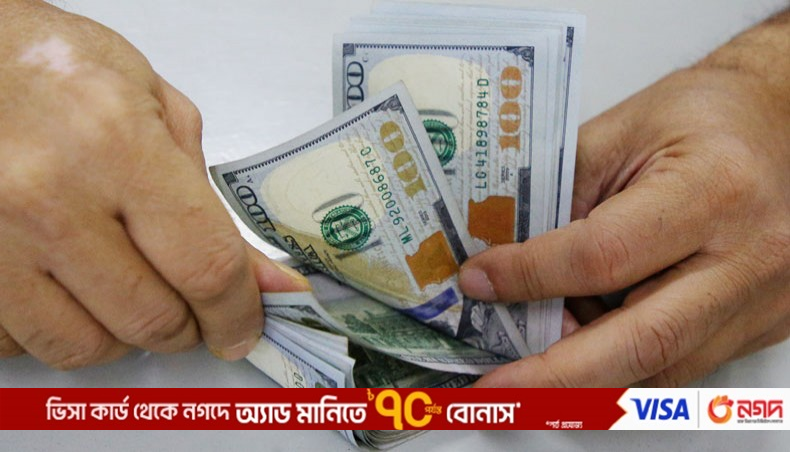
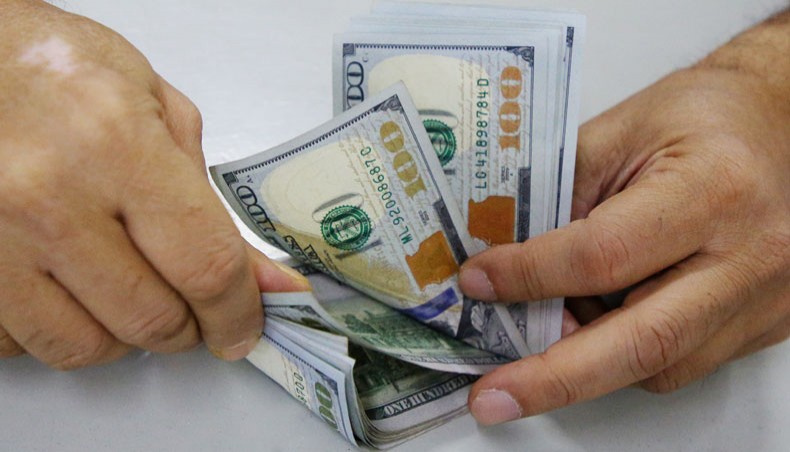
When Bangladesh is facing a reserve squeeze, it has received fresh commitments for $7.2 billion in loans from global lenders in the first seven months of fiscal 2023-24, a fourfold increase from a year earlier.

That means the new commitments crossed the foreign loan target of $6 billion for this fiscal year.​

Finance ministry officials hoped that the fund commitments would exceed $10 billion this fiscal year and provide some cushion to the economy, subject to quick utilisation.

The utilisation of the funds remains a cause for concern as Bangladesh could use only $4.4 billion in seven months against a target of $11.24 billion for this fiscal year.

To achieve the target, the government would have to spend $6.84 billion over five months, which could be difficult,given its poor record of timely project implementation.

Unused foreign funds stood at $47 billion as of January this year. It was $43.76 billion on June 30 last year, according to the finance ministry documents.

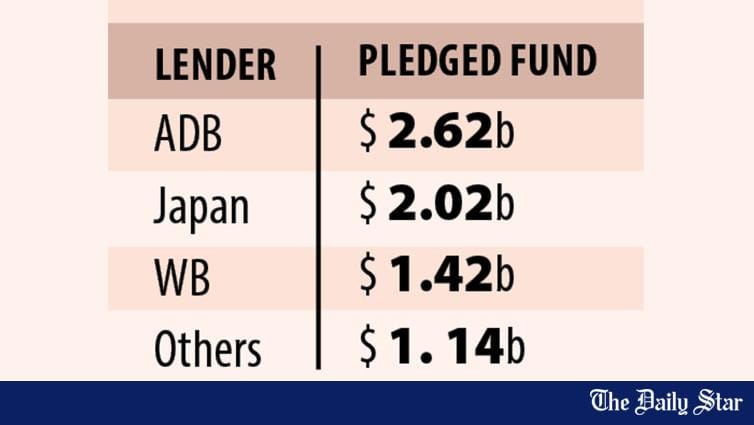
Of the $7.2 billion committed, the highest $2.62 billion was committed by the Asian Development Bank (ADB), followed by Japan $2.02 billion and the World Bank $1.42 billion. The rest $1.14 billion fund commitment came from other lenders.

Between July and January of 2022-23, Bangladesh received commitments for just $1.76 billion in foreign loans.

FUND FOR PROJECTS

As per the fresh commitments, ADB will finance 10 projects in health, education, transport, and energy sectors and for the local government and the Chittagong Hill Tracts.

The ADB has offered to finance a $336.47 million project to establish an international standard laboratory for vaccine research and production of high-quality vaccines.

It will provide $300 million for implementing a project to improve sub-regional transport and trade and 190km of Dhaka-Northwest corridor.

The ADB will also provide $200 million for the "Smart Metering Energy Efficiency Improvement Project" to prevent the waste of natural gas at home.

It will give $100 million to three public universities and the University Grants Commission to create skilled manpower in the manufacturing sector and to create jobs in the industrial sector.

About $90 million will be given to the Local Government Division's project for safe water supply and waste management in Rangamati, Bandarban, and Lama municipalities.

The Local Government Division will also get $490 million for two projects to improve rural connectivity, urban governance, and infrastructure.

Japan's $2.02 billion will go to two ongoing projects. One is the 1,200-megawatt coal power plant at Matarbari. The other project is for building the third terminal of the Hazrat Shahjalal International Airport.

The World Bank will provide $300 million for the economic inclusion of the youth through support for skill development, employment, self-employment, and entrepreneurship.

SLOW IMPLEMENTATION

The authorities have utilised $4.4 billion of foreign funds between July and January this fiscal year.

Of the amount, the ADB disbursed $1.24 billion, Japan $884 million, the World Bank $763 million, Russia $588 million, China $361 million, and India $169 million. Other lenders disbursed the rest.

Shahriar Kader Siddiky, secretary to the Economic Relations Division, said disbursement of foreign funds depends on project implementation.

"We are working in a coordinated way with the relevant ministries, development partners and their headquarters to increase the utilisation of the committed funds. Disbursement is increasing gradually," he told reporters on Sunday after a meeting between Finance Minister Abul Hassan Mahmood Ali and visiting World Bank Managing Director Anna Bjerde.
An ERD official, seeking anonymity, said they have utilised more than $10 billion in foreign funds during each of the last two fiscal years. The official said they used to spend $7 billion a year before that.

Replying to a question, the official said they were expecting commitments for $3 billion to $4 billion more during the last five months of this fiscal year.

LOAN REPAYMENT TO RISE TOO

The government's foreign debt repayment saw a rise of 44.54 percent over the first seven months of this fiscal year.

The government repaid $1.85 billion, which was $1.28 billion during the same period in the last fiscal year.

The surge in disbursement of foreign loans and interest payments against them is pushing up the debt servicing requirement, the ERD official said.​
 

Inconsistent policies, rules barriers to export diversification​


1708990390771.webp


Inconsistent policies and regulations create uncertainty for exporters and make it difficult for them to plan and invest for the long term, standing in the way of export diversification for Bangladesh, according to experts.

"Bangladesh needs a broad base export policy, addressing all bottlenecks and high tariff issues for export diversification," said Selim Raihan, executive director of the South Asian Network on Economic Modeling (Sanem).

He made the observation at a session on "Challenges of export diversification and structural transformation in Bangladesh" at the 7th edition of the Sanem Annual Economists' Conference (SAEC) at the BRAC Centre Inn in the capital on Sunday.

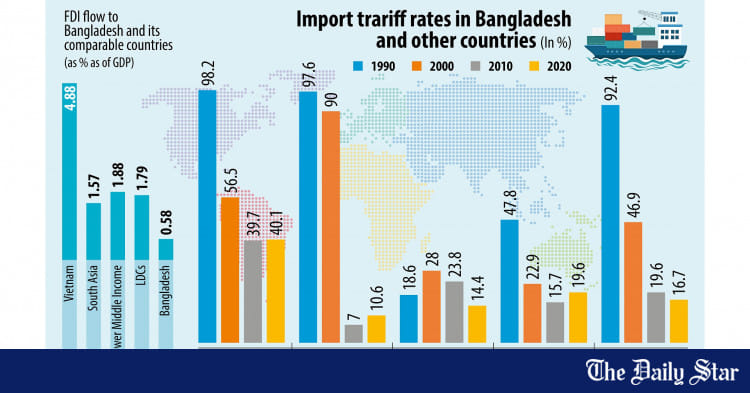
According to Raihan, the overall import tariff line in Bangladesh is 40 percent, which is much higher than in India, Malaysia, and Vietnam.

"Besides, volatile and artificially maintained exchange rates created a bottleneck for export diversification during the last few years."

Syed Akhtar Mahmood, a former lead private sector specialist at the World Bank Group, said in 1995 the economy and the export volume of Bangladesh and Vietnam were almost the same, and in some cases, Bangladesh was ahead of Vietnam.

"But, during the last 30 years, Vietnam has improved a lot while Bangladesh has remained almost the same."

Vietnam has performed well thanks to its policies and support conducive to foreign direct investments, he said, blaming a lack of necessary policy reforms for Bangladesh's failure to attract an expected level of FDIs.

According to him, around $100 billion of Vietnam's exports come from the electronics sector, which almost accounts for 70 percent of the country's total earnings from the external sector.

"Bangladesh had the same potential. But it did not happen due to a lack of timely policy support."

Bangladeshi exporters shipped goods worth $55.56 billion in the last fiscal year of 2022-23, which ended in June.

Mahmood also blamed a lack of timely rules and regulatory reforms for Bangladesh's failure to diversify exports, which are dominated by garments.

Syed Nasim Manzur, managing director of Apex Footwear Limited, said the leather and agriculture sectors have the same potential like the ready-made garments to increase the export volume if the former is granted an identical facility and importance.

He said export diversification is developed through relations, connectivity, and value-chain management.

"We need supply chain management and innovative ideas with proper implementation in order to increase product diversification for the export market. It will happen only if policy reforms are put in place."

Zaidi Sattar, chairman of the Policy Research Institute, alleged the anti-export policy and the high tariff on the import of raw materials are preventing the export sector from tapping its true potential.

There are about 1,500 non-garment products in Bangladesh that are not getting facilities like the garment sector despite having an immense potential to contribute to the export sector, he said.

Sattar said the government is keen to diversify exports but there is no particular policy support.

Zahid Hussain, a former lead economist of the World Bank's Dhaka Office, who chaired the session, said exporters face various trade barriers and protectionist measures in international markets, which limit their access to new markets and increase the cost of doing business.

"Export diversification is needed for poverty reduction and employment generation and the government can play the due role to this effect."​
 

LDC Graduation: Implications for Bangladesh beyond 2026​


1709159911348.webp

Photo: Prabir Das

It is now more or less recognized that Bangladesh is one of the world's fastest-growing and relatively more resilient economies. The country's macroeconomic performance during the pandemic-induced economic slowdown and the ongoing global supply chain disruptions caused by the Russo-Ukrainian war bear testimony to such an inference. Bangladesh's commendable successes in terms of reducing poverty, coupled with its consistent achievements in human development indicators such as the hunger index, average life span, and maternal and child mortality rates, also prove that gains from positive macroeconomic performances have been able to improve the 'quality of life' for those belonging to the bottom of the social pyramid. Yet, it must also be acknowledged that Bangladesh has faced unprecedented challenges related to the external economy and some internal structural issues. The new government faces critical challenges associated with managing persistent inflationary pressures, making the exchange rates market-friendly, managing the financial deficit, bolstering the forex reserve, creating further employment opportunities, improving the investment climate, and enhancing capacities to mobilize revenue.

Bangladeshi policymakers must make quick, potent, and prudent moves to address the above-mentioned macroeconomic challenges to further realize the country's economic potential (e.g., becoming the ninth largest consumer economy by 2030, a trillion-dollar economy by 2035 or 2040, etc.). It must also be remembered that these challenges, though critical, are only immediate ones. Policymakers must not lose focus on the bigger picture as Bangladesh is to become a 'developing country' within another couple of years (by November 2026). This graduation from the 'LDC category' will create an additional set of macroeconomic challenges for Bangladesh that must also be flagged now.

Given this context, analyzing the challenges likely to emerge due to LDC graduation and looking into the possible ways forward are very relevant. The UN General Assembly has rightly set Bangladesh to graduate from the LDC status and officially become a 'Developing Country' by the end of 2026. In 2021, when this decision was made, Bangladesh's GNI per capita stood at USD 1,827 (graduation threshold is USD 1,222). Bangladesh's scores in the other two indicators, i.e., the Economic Vulnerability Index (EVI) and the Human Assets Index (HAI), were also significantly above the graduation thresholds. The country's EVI score stood at 27 whereas the graduation threshold is 32 or below. Bangladesh's HAI score stood at 75 whereas the graduation threshold is 66 or above. These certainly proved that Bangladesh's journey of inclusive and sustainable development over the previous 10-12 years had yielded the desired results. However, this brought up burning questions about the challenges associated with this graduation.

What are these challenges? As an LDC, Bangladesh has enjoyed preferential access for its exports to many countries. This has particularly contributed to the rapid growth of the RMG exports (which have reached almost USD 50 billion annually by now). Graduating may result in Bangladesh losing such preferential treatment. Secondly, as an LDC, the country has remained flexible in implementing intellectual property rights (IPRs). This has significantly benefitted Bangladesh's pharmaceutical and software industries, which have significant growth potential as export-oriented sectors. However, after graduation, Bangladesh must be further stringent in implementing the IPRs. In other words, these industries will then face increased competition in the global marketplace. Finally, Bangladesh has leveraged long-term soft loans from international development partners as an emerging economy. After graduating from LDC status, Bangladesh will have to pay higher interest rates and deal with shorter grace periods for these International Support Measures (ISMs).

All these make it obvious that without revamping the policies and practices related to international trade, Bangladesh may lose its competitive edge to a significant extent once it becomes a 'developing country.' A UNCTAD projection from 2023 shows that the potential loss of export earnings due to losing Most Favored Nation (MFN) tariffs and withdrawal of the Duty-free Quota-free (DFQF) facilities may range from 7 to 14 percent. It must be noted that this will happen if Bangladesh follows a 'business as usual' course even after graduation from LDC status. Commentators and experts remain optimistic that Bangladesh will live up to its reputation as an ever-evolving and resilient economic engine and cope with this new set of challenges. Yet, the question remains: how to deal with these new challenges most effectively? The country, i.e., its policymakers, will have to combat these challenges in two frontiers: negotiations (mainly more brilliant economic diplomacy) at the international level and bolstering capacities at the domestic/internal levels.

Fortunately for Bangladesh and other economies in transition (e.g., Nepal and Lao PDR), the global bodies appear to be sensitized (at least to a significant extent) to these newly emerging economic challenges. The formal statement from the 12th Ministerial Conference of the WTO (publicized in June 2022) states, "We acknowledge the challenges that graduation presents … We recognize the role that certain measures in the WTO can play in facilitating the smooth and sustainable transition for these Members after graduation from the LDC category." Given this backdrop, now seems to be the high time for Bangladesh to go for a three-pronged approach to economic diplomacy in the international arena.

Firstly, Bangladesh needs to collaborate with other LDC countries to ensure that WTO's previously committed LDC-friendly initiatives (e.g., DFQF market access, LDC-friendly rules of origin, etc.) are materialized as soon as possible so that the country may enjoy the full benefits until it formally graduates.

Secondly, policymakers from Bangladesh should focus on forming and leading a coalition of soon-to-graduate LDCs to push for a new set of support measures to meet the demand for countries in transition (especially in the context of currently prevailing geopolitical turmoil).

Finally, looking beyond 2026, Bangladesh's economic diplomacy should focus on expediting negotiations with the WTO related to new/emerging sectors such as fisheries subsidies, e-commerce, investment facilitation, and promoting MSMEs.

Along with economic diplomacy, Bangladesh must prioritize domestic preparedness for smooth and sustainable graduation. The country needs to diversify its export basket (over 80 percent from one sector- RMG) and diversify its export destinations (an overwhelming share of exports going to 9 to 10 countries only). Structural transformation of the export sector will also be pivotal as 93 percent of Bangladesh's exporters are low-tech manufacturers (the ratio is 33 and 21 for Vietnam and India, respectively). While Bangladesh has made excellent strives to develop hard infrastructure, this trend needs further bolstering. A Bangladesh exporter still requires 28 days to complete an export process, whereas the average for Asia is 18 days. Private sector investment in infrastructure development must grow significantly (currently, private sector participation is only 1.1 percent of GDP). To reduce reliance on international development support/assistance, Bangladesh must also significantly improve its capacity to mobilize revenue domestically. Tax-GDP ratio for Bangladesh has been hovering below 10 percent for many years now, whereas an economy of such size and potential should have a ratio over 15 percent. This calls for fast digitization of resource mobilization and improving the governance of revenue management. Also, special attention is needed to ease the tax administration to attract more foreign direct investors.

In conclusion, it may be safely said that Bangladesh, with its extraordinary resilience and entrepreneurial zeal, has done very well in laying the foundation for a vibrant, developing country. However, the challenges remain, particularly in skilling and reskilling human resources to make the production process more efficient. In addition, the geopolitical challenges, including the latest tension in the Red Sea on the movement of ships and the threat of deglobalization or truncated trade cooperation, may constrain the potential gains from the graduation. The country may have to focus more on regional and subregional economic cooperation and greater emphasis on domestic production. The financial sector will have to reorient itself with more cooperation in the regional payment system to cope with the new landscape of trade cooperation in the new context.​
 

Utilization of marine resources for the benefit of Bangladesh​


1709160270818.webp

Photo: Prabir Das

Oceans, covering 71% of the planet's surface and containing 97% of its water, serve as a sanctuary for 2.2 million species. The utilization of marine resources, encompassed by the Blue Economy, aims to bolster economic growth by sustainably harnessing oceanic resources to foster social inclusion, enhance livelihoods, and meet increasing job demands while ensuring the environmental sustainability of ocean and coastal waters. This approach supports food security, the management and protection of marine environments, the creation of high-value employment opportunities, and diversification to exploit new resources such as energy, pharmaceuticals, protein sources, deep-sea minerals, security services for human welfare, and measures to combat climate change resilience. The estimated value-added output of the ocean-based Blue Economy exceeds 1.5 trillion USD, representing approximately 2.5% of the world's gross economic value.

1709160316303.webp

Maritime boundary of Bangladesh

Overall, the marine fisheries sector contributes a substantial $230 billion to the global economy, directly or indirectly supporting the livelihoods of 9% of the world's population. Additionally, oceans serve as vital transportation routes, facilitating approximately 80% of global trade in goods. Coastal tourism plays a pivotal role in driving economic growth for numerous coastal and island nations, generating an annual revenue of about $161 billion globally. Furthermore, the emerging field of "ocean energy," including aquatic biofuels and renewable energies, holds promise as a significant future source to meet the world's energy demands. The ocean also harbors potential for various valuable industrial products such as pharmaceuticals, antibiotics, antifreeze, and antifouling paints. However, looking ahead to the mid-century, meeting the needs for food, jobs, energy, raw materials, and economic growth will be essential to sustain an anticipated population level of between 9 and 10 billion people.
Bangladesh's coastal areas boast unique attractions, including Cox's Bazar, the world's longest sea beach, and the Sundarbans, the largest mangrove forest globally. However, the potential of coastal and marine tourism remains largely untapped, as reflected in Bangladesh's tourism and recreation performance score, currently standing at only 8%.​

Bangladesh is endowed with a vast marine ecosystem. Following an international legal ruling, led by Prime Minister Sheikh Hasina, on disputed maritime areas with neighboring countries India and Myanmar, Bangladesh's maritime territory is estimated to cover 118,813 sq. km, including a continental shelf spanning approximately 37,000 sq. km with depths of up to 50m. Bangladesh boasts rich reserves of both living and non-living resources in its extended coastal and maritime areas, presenting significant opportunities for development. The United Nations Sustainable Development agenda prioritizes the conservation, sustainability, and utilization of oceans, seas, and marine resources, particularly for the benefit of least developed countries. This agenda emphasizes sustainable management practices for fisheries, aquaculture, and tourism, aiming to maximize economic benefits while preserving marine ecosystems for future generations.

Non-living resources in Bangladesh's coastal areas encompass oil, gas, sea salt, and freshwater. Renewable resources, vital for sustainable development, include wind, water current, and solar energy. These resources support various sectors such as maritime transport, tourism, industries, ports, shipyards, shipbreaking, agriculture, aquaculture, islands, coastal protection, carbon storage, and waste disposal. Among living coastal resources, mangroves stand out as the second most important in Bangladesh. The coastal region boasts an impressive 531,000 hectares of mangroves, with 99,000 hectares designated as 'the Sunderbans'. These ecosystems harbor 345 plant species of 245 genera, with significant economic value. Additionally, the mangrove habitat supports a diverse array of wildlife, including 53 species of pelagic fish, 124 species of demersal fish, 24 shrimp species, 58 wildlife species, and 270 bird species.

Saint Martin's Island, covering approximately 7.5 square kilometers, stands as Bangladesh's sole coral-bearing island. Researchers have identified four coral species belonging to the Acropora genus and documented 66 coral species in total. Furthermore, the island boasts a rich diversity of seaweeds, with around 20-22 species present, the most abundant being Hypnea.
Establishing a robust set of mandatory environmental regulations to promote sustainable use of marine resources across all operational domains is imperative. Additionally, developing localized strategies to bolster a sustainable blue economy falls within the purview of ocean governance initiatives.

The nearshore and offshore regions along Bangladesh's coast hold potential reserves of oil, gas, and commercially important heavy minerals. Notably, 17 deposits containing valuable minerals such as Zircon, Rutile, Ilmenite, Leucoxene, Kyanite, Garnet, Magnetite, and Monazite have been discovered in beach sands stretching from Patenga to Teknaf. Sea salt production through solar evaporation techniques presents another economic opportunity, with approximately 67,757 hectares utilized for salt cultivation in coastal areas. Despite this, Bangladesh still imports salt, indicating the potential for further increasing domestic production to meet demand.​

Bangladesh's coastal areas boast unique attractions, including Cox's Bazar, the world's longest sea beach, and the Sundarbans, the largest mangrove forest globally. However, the potential of coastal and marine tourism remains largely untapped, as reflected in Bangladesh's tourism and recreation performance score, currently standing at only 8%. Additionally, the country's commercial use of marine waters is facilitated through four international ports: Chittagong, Payra, Matarbari, and Mongla.

1709160427002.webp

Rear Admiral Md. Khurshed Alam (retd) is a Secretary, Maritime Affairs Unit, Bangladesh Foreign Ministry.

A comprehensive assessment of all marine resources in Bangladesh is hindered by data limitations. The total marine fish catch reached 564,687 tons during 2017-18, accounting for 16% of the total fish production. Both inland and marine fish catches have shown a long-term increase. Over 0.8 million individuals are directly and indirectly involved in the marine fisheries sector for their livelihoods. Presently, there are 225 industrial trawlers, including 24 mid-water trawlers, and approximately 38,000 mechanized and non-mechanized boats operating in marine waters. However, deep-sea and tuna fishing are nonexistent. Bangladesh boasts the world's largest shipbreaking industry, employing over 200,000 people. Currently, 10,000 inland and coastal ships, along with 102 foreign-going vessels, transport more than 90% of total oil products, 80% of cargo, and 35% of passengers domestically and internationally. The country also hosts over 10 shipyards constructing ships of international standards.

In Cox's Bazar, approximately 263 square kilometers of land and around 20 square kilometers in Chittagong are dedicated to sea salt production. This sector generates over 5 million jobs and contributes approximately $35,313,000 to $41,198,500 annually to the national economy. A target of producing 1.8 million tons of salt annually from a 247 square kilometer area in Cox's Bazar has been set, sufficient to meet domestic demand. Salinity in salt pans provides an ideal environment for artemia culture and cyst production, with a current market price ranging from $50 to $100 per kilogram.

In Bangladesh, it is projected that 40% of productive land in the southern region could be lost due to a 65cm sea-level rise by the 2080s, affecting approximately 20 million people already grappling with saline water intrusion impacting their drinking water supply. Moreover, approximately 1 million hectares of land in southern coastal areas are at risk from saline water intrusion.

Seaweed cultivation costs $2.4 per square meter, with cultivated seaweed selling at $7.8 per square meter, yielding a net profit of $5.4 per square meter. Hence, only 34 square meters of seaweed cultivable area would suffice to cover the monthly expenses of a typical family. Non-target marine fish species like goby fish can be utilized for poultry feed production, with approximately 11,185 metric tons of prawn grow-out feed producible from 3,699 metric tons of dried goby fish, selling at $0.24 to $0.25 per kilogram.

1709160460612.webp

Photo: Rajib Raihan

Additionally, with a wind velocity of 7.34 meters per second, the extractable wind energy through windmills amounts to 0.0279 kilowatt-hours from a 1 square meter area. Thus, a family would require approximately 8,853 square meters to meet their monthly electricity demand of 247 kilowatt-hours. In Bangladesh's coastal areas, daily sunshine hours vary between 3 to 11 hours, with insolation ranging from 3.8 to 6.4 kilowatt-hours per square meter per day on average. Therefore, solar panels covering a 50 square meter area would suffice for a family's household electricity needs. Additionally, tidal and wave energy, with tidal ranges of 4 to 5 meters and wave heights of 0.5 to 2.4 meters respectively, present further renewable energy options in coastal areas.

The coastal region harbors islands with significant economic potential, offering opportunities for innovative management approaches. One such approach is the conversion of existing islands into "Model Islands." This concept involves optimizing economic returns by strategically utilizing multiple resources with available technological inputs while preserving the environmental integrity of the islands. Desalination of water emerges as a viable solution, particularly for remote and rural areas where small quantities of potable water are required. Solar stills, such as the single-effect basin-type, have traditionally been the most cost-effective method for producing drinkable water using solar energy. Although daily production is limited due to latent heat condensation rejection, typically yielding less than 4–5 liters per square meter with a specific energy consumption of around 7000 kJ/kg, the implementation of appropriate techniques can yield significant economic benefits in this sector.

Promoting the blue economy and advancing Sustainable Development Goals (SDGs), especially SDG 14, are closely intertwined objectives. Therefore, marine resources should be integrated into development planning at both local and national levels to foster the blue economy and achieve SDGs. The escalating pressures from population growth and the increasing demands for jobs and food underscore the urgency of aligning development efforts with SDGs.

Ocean governance entails managing and utilizing ocean resources in a manner that ensures the ocean's health, productivity, safety, security, and resilience. Adopting a holistic approach that addresses all marine and maritime issues is essential for effective ocean governance in Bangladesh. Establishing a robust set of mandatory environmental regulations to promote sustainable use of marine resources across all operational domains is imperative. Additionally, developing localized strategies to bolster a sustainable blue economy falls within the purview of ocean governance initiatives.

The Chittagong port annually handles over 4000 ships and 100 oil tankers, while the Mongla port manages about 1000 ships. Approximately 3000 power-driven trawlers and boats operate in fishing and shrimping activities within the Bay of Bengal. However, shipbreaking activities in Chittagong result in the discharge of significant quantities of heavy metals, waste oil, and other pollutants during washing and dismantling operations. Oil spills from ships have severe consequences on the biotic community, particularly mangroves, which are highly susceptible to oil exposure, leading to their deterioration and potential death within weeks to months.

Research activities play a crucial role in fostering the certainty and security of sustainable blue economy growth. Priorities include enhancing ocean literacy to improve understanding of marine information, spatial planning for efficient and sustainable management of sea-based activities, and maritime monitoring to gain insights into oceanic dynamics. To implement this framework effectively, integration of existing institutions is essential, and the establishment of a multidisciplinary maritime division, drawing from the experience of the Blue Economy Cell over the past decade, is recommended. Identifying bottlenecks will further facilitate cooperation, coordination, and exchange of best practices for sustainable blue economy management.

Coastal and maritime tourism, fueled by the extraordinary beauty and rich diversity of coastal areas, has emerged as a crucial sector attracting both domestic and international holidaymakers. Strengthening the blue economy serves as a long-term strategy for promoting sustainable economic development and ensuring livelihood security in Bangladesh. By harnessing proper strategies, the full potential of the blue economy can be realized, making the marine ecosystem a primary driver of the national economy. However, achieving a sustainable blue economy necessitates the development of a strategic planning and management framework, with a particular focus on sectors with high economic potential such as fisheries, shipping, shipbuilding, coastal and maritime tourism, marine biotechnology, ocean energy, mangrove forest preservation, and renewable resources. These efforts are integral to fostering smart, sustainable, and inclusive economic development in Bangladesh.​
 

Govt for offshore banking to tackle dollar shortage​

Shakhawat Hossain | Published: 00:14, Feb 29,2024

226613_160.jpg


The government on Wednesday approved the ‘Offshore Banking, Bill 2024’ aimed at increasing the inflow of foreign currency against the backdrop of the prolonged financial crises affecting the majority of people in the country.

The proposed law, approved by the weekly cabinet meeting, will allow offshore units of banks to open accounts for non-resident Bangladeshis and entities having investments in the country.

The accounts can be opened in five foreign currencies – US dollar, Euro, British Pound, Japanese Yen and Chinese Renminbi – cabinet secretary Mahbub Hossain said in a briefing at the secretariat following the meeting.
The cabinet meeting also decided not to hold any iftar parties by the government during the upcoming Ramadan to avert food waste, said the cabinet secretary.

Prime Minister Sheikh Hasina chaired the cabinet meeting at her Tejgaon office.

While approving the proposed ‘Offshore Banking Act 2024’ in principle, the cabinet noted that it would strengthen offshore banking activities in the country, said the cabinet secretary.

Former Bangladesh Bank governor Salehuddin Ahmed said enforcement of the act is more important than formulating it.

Offshore banking had been operating for a long time without giving any major benefit to the economy because of the monitoring weakness of the central bank, he said.

He noted that BB should record offshore banking transactions strictly.

The cabinet secretary said that any relative of a Bangladeshi living abroad could open an account and manage the account as a supporter.

Prepared by the Financial Institutions Division under the Ministry of Finance, the proposed act exempts income tax and other direct or indirect taxes on profits and interest earned from offshore banking businesses.

The cabinet secretary said that the passage of the act would help the government solve the dollar shortage while referring to the successful operation of offshore banking in many countries.

Answering a question, the cabinet secretary said the offshore banking units of the scheduled banks should offer attractive interest rates to attract deposits.

Former BB deputy governor SM Moniruzzaman said the proposed act would allow the central bank to increase its monitoring of offshore banking.

Since offshore banking activities were regulated by directives given from time to time in the past, it was always a difficult task for monitoring agencies to keep a tab on this and take action when needed.

The approval of the proposed law came amid a serious dollar crisis, which saw the country’s forex reserves come down to around $20 billion from $48 billion in August 2021.

BB has imposed restrictions on imports and is also taking loans from the International Monetary Fund to assist with the balance of payments under stress to meet the import bills for energy items.

An instrument under the Universal Pension Scheme was introduced in the past year to attract expatriate Bangladeshis to increase the inflow of foreign currency.

However, less than five per cent of the overall 19,158 subscribers subscribed to the particular instrument in the first six months.

The cabinet secretary said that the PM gave the directive to not hold any iftar parties at the government level to avert waste.

He also said that the government would discourage private groups from doing the same.

Answering a question, he said that the PM suggested the distribution of food to the poor by rich people instead of arranging iftar parties.

The government adopted a policy of maintaining austerity measures in FY23 to tackle the ongoing financial crisis that has pushed inflation close to double digits for the past two years.

As part of austerity measures, the government announced a suspension of funds for public housing.

The finance division announced to suspend the procurement of new vehicles, vessels, and aircraft under the operating budget with a provision for replacing 10-year-old vehicles with consent from the finance ministry.

The government has also suspended foreign tours by government officials, except for special requirements.​
 

Graduating LDCs having minimal extension of trade benefits​

Breakthrough in critical issues is yet to be reached as WTO meet nears close​

Feb 29, 2024 00:21
Updated :​
Feb 29, 2024 00:21

Little comes out of hard bargains so far about deals on major areas like agriculture, fisheries subsidies, e-commerce moratorium and reform in dispute-settlement mechanism as the WTO ministerial nears its close.

1709168024142.webp


The ongoing ministerial conference of the World Trade Organization (WTO) is getting into the finale today (Thursday) in this Arab city.

There is also a move not to extend the four-day 13th Ministerial Conference (MC13) although extension is not unusual as is evident from some previous ministerial meets when member-countries failed to break the deadlock in final-day negotiations.

On Wednesday, the third-day of the conference, delegates and negotiators were busy doing hectic conversations and discussions to minimise their differences over global trade regime. There had been no visible progress until the filing of the report at 6:00pm in Abu Dhabi.

Though India and some other members are pushing for a permanent solution to public stockholding (PSH) for food security along with some other demands, indication is rife that MC13 may not reach any conclusion on the much-sought-after permanent solution.

In that eventuality, the so-called peace clause will continue, which means an interim arrangement giving flexibility to procurement of grains from farmers at minimum support prices, and building a stockpile will be there.

In the MC12, the first part of the fisheries-subsidy agreement banned the subsidisation of illegal fishing. In MC13, the second part intends to expand the ban on subsidies that contribute to overfishing and fishing-sector overcapacity at large.

Regarding the e-commerce moratorium, European Union (EU) officials reassert their position to continue the cessation on grounds that by imposing customs duties on electronic transmission, digital innovation and activities will be disrupted.

Meantime, hectic efforts of the Least Developed Countries (LDCs) to get extensions of various trade benefits and international-support measures for the graduating LDCs, including Bangladesh, have been subdued by now.

This is reflected in the revised draft 'ministerial decision on WTO smooth transition support measures in favour of countries graduated from the LDC category.' The revised communication was submitted by Djibouti on behalf of the LDC Group before the start of the 13th minister conference here on Monday.

The first message of the revised draft is that graduating LDCs will be eligible to get three years as an extra time after their graduation to adjust with the WTO rules and provisions regarding the dispute-resolution system.

"A Member that graduates from the LDC category shall continue to benefit from the application of the Special Procedures Involving LDCs set out in Article 24 of the Dispute Settlement Understanding for a period of three years after the date on which the decision of the UN General Assembly to graduate that Member from the LDC category becomes effective," reads the revised text.

In the first draft, six years of additional time was proposed.

The Article 24 requires WTO members to give special consideration to LDC members in deciding whether to invoke and pursue dispute-settlement procedures. Those members may request the WTO Director-General or Chairman of the DSB to provide good offices, conciliation, or mediation to help resolve disputes.

Similarly, graduating LDCs will also be eligible for LDC-specific technical assistance and capacity building provided by the WTO for three years after the graduation. In the first draft, the time was six years.

Moreover, graduating LDCs are unlikely to get even three years' flexibility regarding implementing the relevant obligations regarding Agreement on Subsidies and Countervailing Measures (ASCM).

The revised text, however, requests the Sub-Committee on LDCs to continue work on the matter and make recommendations, if any, by December 2024.

An insider says that the WTO members will follow 'due restraint' approach during the three-year period for the graduating LDCs who will not comply with various WTO rules applicable to non-LDCs. In other words, they will not bring any graduating LDC to the dispute-settlement mechanism seeking remedy.

Prof Musatfizur Rahman, distinguished fellow of the Centre for Policy Dialogue (CPD), told FE that the possible outcome of the conference is still unclear.

"It appears that multilateralism will prevail, multilateral trade measures and benefits will also be there," he added. "But, the implementation of these measures and realisations of these benefits will require more bilateral efforts."

In this connection, he mentions that Bangladesh has already taken some steps to move ahead securing its business interests.

State Minister for Commerce Ahasanul Islam Titu, who heads the Bangladesh delegation to the MC13, has already met with a number of trading partners bilaterally on the sidelines of the conference.

Regarding the extension of market access for graduating LDCs, Prof Mustafiz says it is likely that the ministerial decision will follow the stance taken by the European Union (EU) and the United Kingdom (UK).

The EU and the UK have already agreed to continue the existing market- access facilities for three years to any graduated LDC. It means, Bangladesh will enjoy the benefit up to 2029, after having graduated in 2026.​
 

Forex reserves rise $377m in a week​


1709245841801.webp


Bangladesh's foreign currency reserves rose $377 million in a week to about $20.57 billion, central bank figures showed.

The Bangladesh Bank data was based on calculations made in line with the formula of the International Monetary Fund (IMF).

The forex reserve stood at $20.19 billion a week earlier.

The gross reserves have increased over the past two weeks after the central bank initiated currency swaps with commercial banks.

The move was designed to enable the BB to meet the net reserve condition set by the IMF as part of its $4.7 billion loan programme.

Under the currency swap deal, commercial banks can take local currency from the central bank in exchange for US dollars for a tenure ranging from seven days to 90 days.

The BB has secured over $400 million from nearly 12 banks under the currency swap mechanism since its introduction, said a senior official of the central bank seeking anonymity.

The central bank has sold US dollars from its reserves only to settle the import bills of state-run enterprises.

In the post-pandemic period in 2021, the country's import payments started to rise faster than remittance inflow and exports earnings, prompting a shortage of US dollars in banks.

The forex crisis intensified in the middle of 2022 due to the price hike of essential goods and commodities on the global market because of supply chain disruptions caused by the lingering impacts of the pandemic and the outbreak of the Russia-Ukraine war.

In order to help banks settle record import bills,the central bank pumped more than $28 billion into the banking sector from its reserves, which caused the reserves to halve in just two years.

Owing to the sharp fall in the reserves, Bangladesh failed to meet the IMF minimum net international reserve target of $17.78 billion as of December 31.

Industry people, however, think the forex crisis will ease soon as merchandise exports rebounded strongly in January after manufacturers shipped goods worth $5.72 billion, a single-month record. Similarly, remittance flow rose to a seven-month high in January.

Suppliers are also hoping to retain the momentum in the coming months.​
 

Govt wants upward trend of economic indicators: Finance Minister​

BSS
Published :​
Feb 22, 2024 18:02
Updated :​
Feb 22, 2024 21:00


1709248034523.webp


Finance Minister Abul Hassan Mahmood Ali today (Thursday) said that the government wants to see the economic indicators of the country going upward despite various challenges alongside some discomforts owing to inflation.

"Discomforts are there to some extent for inflation. But we want to see the overall economic indicators going upward," he said.

The finance minister was replying to a series of questions from reporters after Chief of Mission of IOM Bangladesh Abdusattar ESOEV met him at his ERD office in the capital's Sher-e-Bangla Nagar today.

He usually said it is not always possible to make good progress overnight; rather, it takes a certain time.

Ali said that it is also not always possible to make significant progress in all the major macroeconomic indicators within a single day, adding, "But, the important thing is that we'll have to carefully watch how the economy is moving."

Asked whether the growing foreign loans are putting pressure on the economy, he said pressure is there to some extent, but it is not massive. "We're dying for this... the situation is not like that."


Replying to a question on the outcome of his meeting with the relevant stakeholders, including ministers and state ministers of concerned ministries, to keep the prices of essentials under control and also to keep the major macroeconomic indicators within the desired range, Ali said progress is definitely there in some cases while others are awaiting progress. "It's not possible to pull something down by force."

He told another questioner that L/Cs' are being opened ahead of the holy month of Ramadan to keep the stock and supply of essential items normal, adding, "L/Cs are being opened. Please have some patience..."

About his participation in the 47th session of the Governing Council of IFAD held in Rome recently, the finance minister said that Bangladesh is the largest partner of IFAD and the development partner has so far invested $2 billion in Bangladesh.

"The high ups of IFAD are very optimistic that their partnership with Bangladesh is growing. As far now, they (IFAD) have provided support worth $2 billion to Bangladesh, and it will increase further," he added.

Ali said that the investment of IFAD, mainly in the agricultural sector of Bangladesh, has been yielding good results.

Citing an example of IFAD's support to Bangladesh in various sectors, the Finance Minister said IFAD is helping in breeding Rui Minnow fish on the River Halda in Chattogram by preventing pollution in that river through involving the local community, and it is also yielding good results.

About the outcome of his meeting with the IOM Mission Chief, Ali said the IOM has shared their current operations and thoughts.​
 

Latest Posts

Back
Top Bottom