 Pakistan Defense
Saif
Senior Member
- Jan 24, 2024
- 21,638
- 9,794
- Nation

- Residence
- Axis Group


US–Iran 3-way talks kick off in Pakistan
Iran’s IRNA news agency said on Saturday that after progress in indirect discussions, negotiations have begun between the United States and Iran. The country’s state-run news agency said three-party talks with the US, Iran and Pakistan had begun after a reduction in Israeli strikes on
US–Iran 3-way talks kick off in Pakistan
AP
Published :
Apr 11, 2026 19:23
Updated :
Apr 11, 2026 19:23

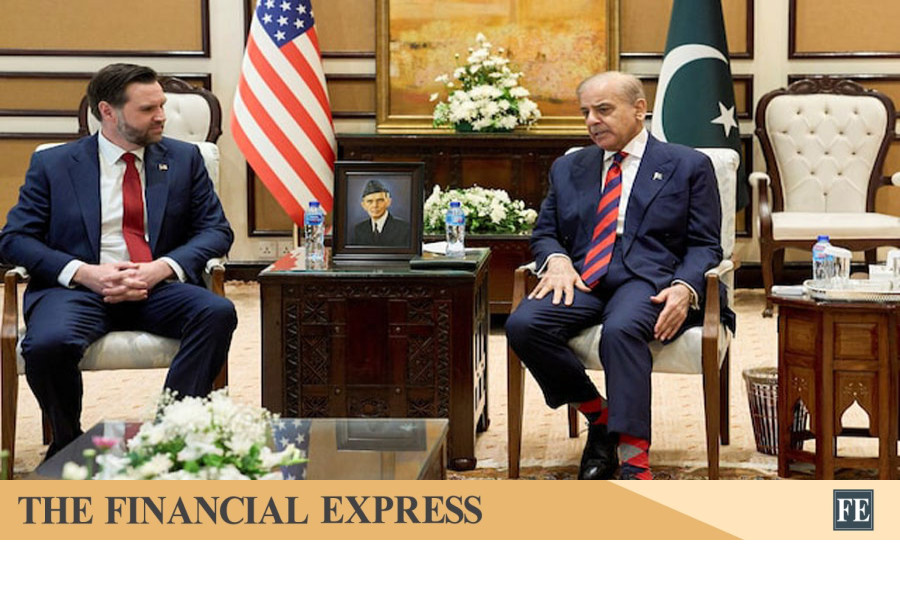
A Pakistani official is seen during the arrival of the U.S. Vice President JD Vance for talks with Iranian officials in Islamabad, Pakistan, Saturday, April 11, 2026. (AP Photo/Jacquelyn Martin, Pool)
Iran’s IRNA news agency said on Saturday that after progress in indirect discussions, negotiations have begun between the United States and Iran.
The country’s state-run news agency said three-party talks with the US, Iran and Pakistan had begun after a reduction in Israeli strikes on southern Lebanon and other preconditions being met.
Meanwhile, Israel pressed ahead with strikes in Lebanon even as Iran conditioned ceasefire talks on a pause in fighting there.
The Lebanese state-run news agency reported that Israeli strikes on Saturday killed at least three people.
The war has killed at least 3,000 people in Iran, 1,953 in Lebanon, 23 in Israel and more than a dozen in Gulf Arab states. It has largely cut off the Persian Gulf from the global economy, sending energy prices soaring and inflicting lasting damage on infrastructure in half a dozen countries in the region.
In Tehran, residents told The Associated Press they were skeptical yet hopeful about the talks after weeks of airstrikes carved a path of destruction across their country. Some said even if one is reached, the path to recovery will be long.
“Peace alone is not enough for our country, because we’ve been hit very hard, there have been huge costs, and the people have to pay for that,” 62-year-old Amir Razzai Far said in downtown Tehran.
Officials posture over key issues ahead of talks
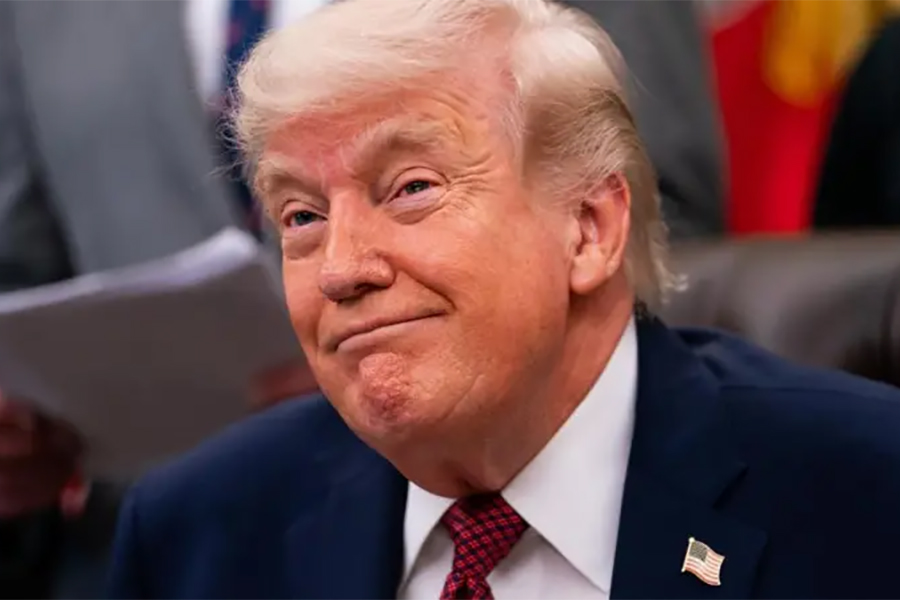
U.S. and Iranian officials claimed leverage and issued new demands and preconditions as talks approached. President Donald Trump posted repeatedly on social media leading up to Saturday, saying Iranian officials “have no cards” to negotiate with.
“The only reason they are alive today is to negotiate!” he wrote.
He accused Iran of using the Strait of Hormuz, a key artery for global energy supplies, for extortion, and told reporters on Friday it would be opened “with or without them.”
Islamabad was deserted Saturday as security forces sealed roads and authorities urged residents to stay inside, leading the normally bustling Pakistani capital to look like it was under curfew.
Vance said on Friday the US was optimistic about the talks, but warned: “If they’re going to try and play us, then they’re going to find that the negotiating team is not that receptive.”
Iranian Foreign Minister Abbas Araghchi said Tehran was entering negotiations with “deep distrust” stemming from prior strikes on Iran during previous rounds of talks. Araghchi, who is part of Iran's delegation in Pakistan, said on Saturday that his country was prepared to retaliate if it was attacked again.
Iran and the United States outlined competing proposals ahead of the weekend talks reflecting the wide gulf between the two sides on key issues.
Iran published a 10-point proposal. It called for a guaranteed end to the war and no future attacks. It demanded an end to economic sanctions and sought control over the Strait of Hormuz. It also included ending fighting against Iran’s “regional allies," explicitly calling for a halt to Israeli strikes on Hezbollah, the Iran-backed Lebanese militant group.
The United States submitted a 15-point proposal that includes restricting Iran’s nuclear program and reopening the strait.
Israel and Lebanon will have direct negotiations
Negotiations between Israel and Lebanon are expected to begin Tuesday in Washington, Lebanese President Joseph Aoun’s office said Friday.
Israel wants the Lebanese government to assume responsibility for disarming Hezbollah, much like was envisaged in a November 2024 ceasefire. But it is unclear whether Lebanon's army can establish a monopoly on arms or confiscate weapons from the militant group, which has survived efforts to curb its strength for decades.
Israel’s insistence that the ceasefire in Iran does not include a pause in its fighting with Hezbollah has threatened to sink the deal. The militant group joined the war in support of its backer, Iran, in the opening days of the war.
The day the truce was announced, Israel pounded Beirut with airstrikes, killing more than 300 people in the deadliest day in the country since the war began Feb. 28, according to the Lebanese Health Ministry.
Strait of Hormuz remains a sticking point
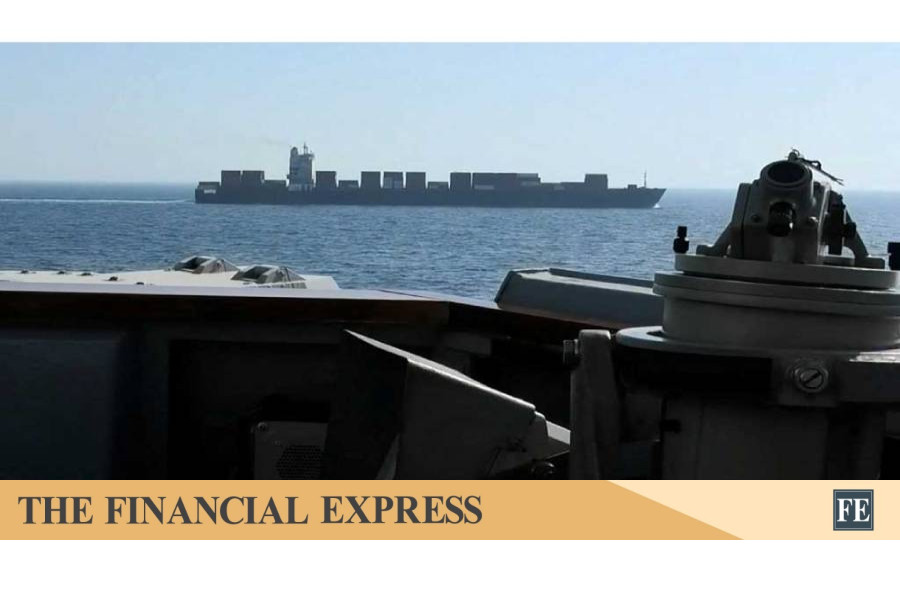
Iran’s closure of the Strait of Hormuz has proved its biggest strategic advantage in the war. Commercial vessels have avoided the strait, effectively blocking the passage of oil, natural gas and fertilizer.
The spot price of Brent crude, the international standard for oil prices, was above $94 on Saturday, up more than 30 per cent since the war started.
Before the conflict, around a fifth of the world’s traded oil typically passed through the strait on more than 100 ships a day. With the ceasefire in place, only 12 have been recorded traversing the strait.
Iran has floated charging ships passing through the strait as part of a peace deal, though the idea has been widely rejected by countries including the United States and Iran's neighbor Oman.
AP
Published :
Apr 11, 2026 19:23
Updated :
Apr 11, 2026 19:23
A Pakistani official is seen during the arrival of the U.S. Vice President JD Vance for talks with Iranian officials in Islamabad, Pakistan, Saturday, April 11, 2026. (AP Photo/Jacquelyn Martin, Pool)
Iran’s IRNA news agency said on Saturday that after progress in indirect discussions, negotiations have begun between the United States and Iran.
The country’s state-run news agency said three-party talks with the US, Iran and Pakistan had begun after a reduction in Israeli strikes on southern Lebanon and other preconditions being met.
Meanwhile, Israel pressed ahead with strikes in Lebanon even as Iran conditioned ceasefire talks on a pause in fighting there.
The Lebanese state-run news agency reported that Israeli strikes on Saturday killed at least three people.
The war has killed at least 3,000 people in Iran, 1,953 in Lebanon, 23 in Israel and more than a dozen in Gulf Arab states. It has largely cut off the Persian Gulf from the global economy, sending energy prices soaring and inflicting lasting damage on infrastructure in half a dozen countries in the region.
In Tehran, residents told The Associated Press they were skeptical yet hopeful about the talks after weeks of airstrikes carved a path of destruction across their country. Some said even if one is reached, the path to recovery will be long.
“Peace alone is not enough for our country, because we’ve been hit very hard, there have been huge costs, and the people have to pay for that,” 62-year-old Amir Razzai Far said in downtown Tehran.
Officials posture over key issues ahead of talks
U.S. and Iranian officials claimed leverage and issued new demands and preconditions as talks approached. President Donald Trump posted repeatedly on social media leading up to Saturday, saying Iranian officials “have no cards” to negotiate with.
“The only reason they are alive today is to negotiate!” he wrote.
He accused Iran of using the Strait of Hormuz, a key artery for global energy supplies, for extortion, and told reporters on Friday it would be opened “with or without them.”
Islamabad was deserted Saturday as security forces sealed roads and authorities urged residents to stay inside, leading the normally bustling Pakistani capital to look like it was under curfew.
Vance said on Friday the US was optimistic about the talks, but warned: “If they’re going to try and play us, then they’re going to find that the negotiating team is not that receptive.”
Iranian Foreign Minister Abbas Araghchi said Tehran was entering negotiations with “deep distrust” stemming from prior strikes on Iran during previous rounds of talks. Araghchi, who is part of Iran's delegation in Pakistan, said on Saturday that his country was prepared to retaliate if it was attacked again.
Iran and the United States outlined competing proposals ahead of the weekend talks reflecting the wide gulf between the two sides on key issues.
Iran published a 10-point proposal. It called for a guaranteed end to the war and no future attacks. It demanded an end to economic sanctions and sought control over the Strait of Hormuz. It also included ending fighting against Iran’s “regional allies," explicitly calling for a halt to Israeli strikes on Hezbollah, the Iran-backed Lebanese militant group.
The United States submitted a 15-point proposal that includes restricting Iran’s nuclear program and reopening the strait.
Israel and Lebanon will have direct negotiations
Negotiations between Israel and Lebanon are expected to begin Tuesday in Washington, Lebanese President Joseph Aoun’s office said Friday.
Israel wants the Lebanese government to assume responsibility for disarming Hezbollah, much like was envisaged in a November 2024 ceasefire. But it is unclear whether Lebanon's army can establish a monopoly on arms or confiscate weapons from the militant group, which has survived efforts to curb its strength for decades.
Israel’s insistence that the ceasefire in Iran does not include a pause in its fighting with Hezbollah has threatened to sink the deal. The militant group joined the war in support of its backer, Iran, in the opening days of the war.
The day the truce was announced, Israel pounded Beirut with airstrikes, killing more than 300 people in the deadliest day in the country since the war began Feb. 28, according to the Lebanese Health Ministry.
Strait of Hormuz remains a sticking point
Iran’s closure of the Strait of Hormuz has proved its biggest strategic advantage in the war. Commercial vessels have avoided the strait, effectively blocking the passage of oil, natural gas and fertilizer.
The spot price of Brent crude, the international standard for oil prices, was above $94 on Saturday, up more than 30 per cent since the war started.
Before the conflict, around a fifth of the world’s traded oil typically passed through the strait on more than 100 ships a day. With the ceasefire in place, only 12 have been recorded traversing the strait.
Iran has floated charging ships passing through the strait as part of a peace deal, though the idea has been widely rejected by countries including the United States and Iran's neighbor Oman.