 Chinese Defense
Saif
Senior Member
- Jan 24, 2024
- 20,815
- 9,685
- Nation

- Residence
- Axis Group

Trump's not so triumphant visit to China
Unarguably, Donald Trump's just concluded visit to China has not been redolent of legendary veni, vidi, vici vintage. Some commentators have described it as a pathetic disaster and a landmark diplomatic faux pas the like of which has not been seen in recent years. The sound bites accompanied by the
Trump's not so triumphant visit to China
Hasnat Abdul Hye
Published :
May 19, 2026 23:57
Updated :
May 19, 2026 23:57
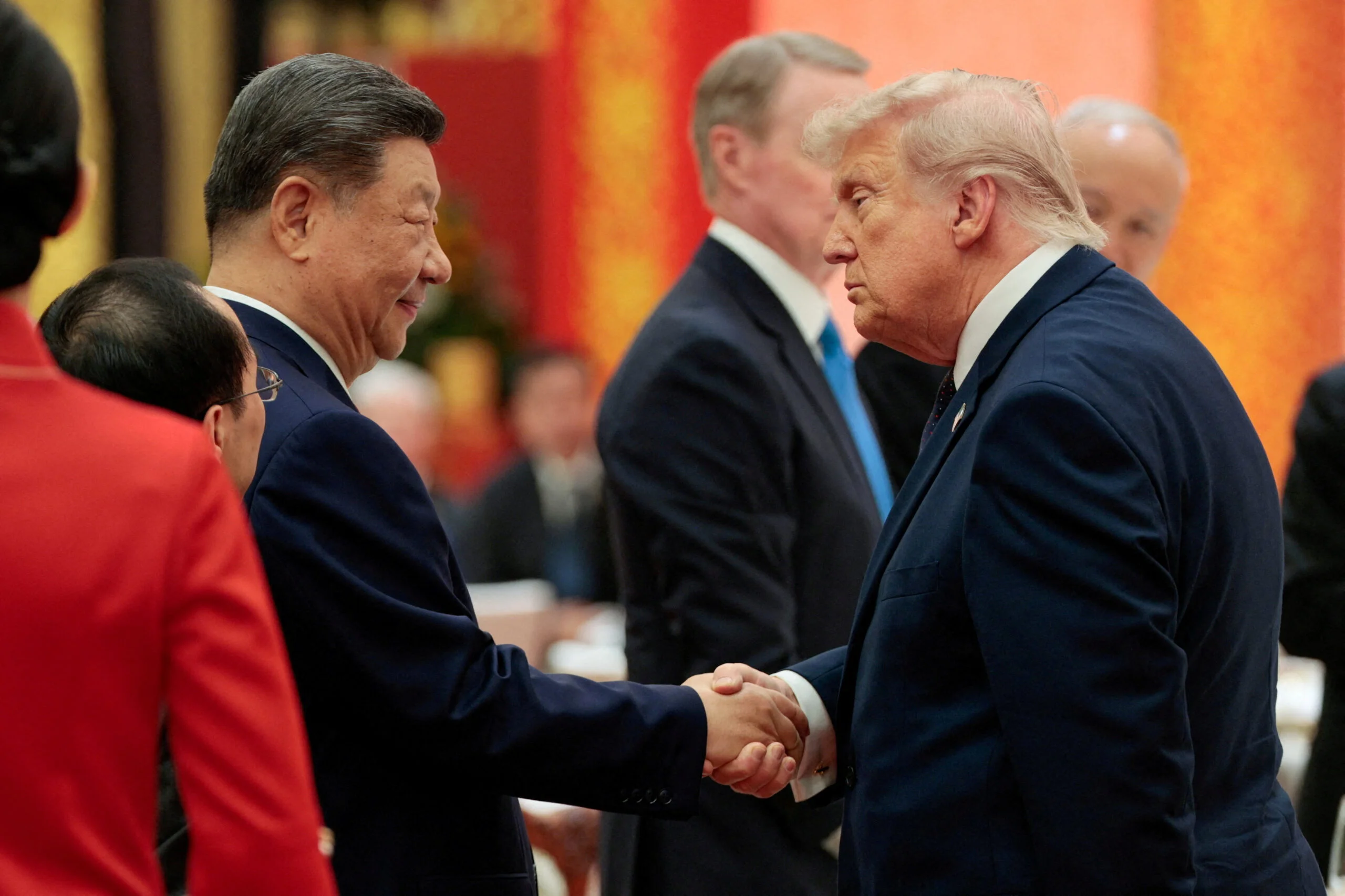
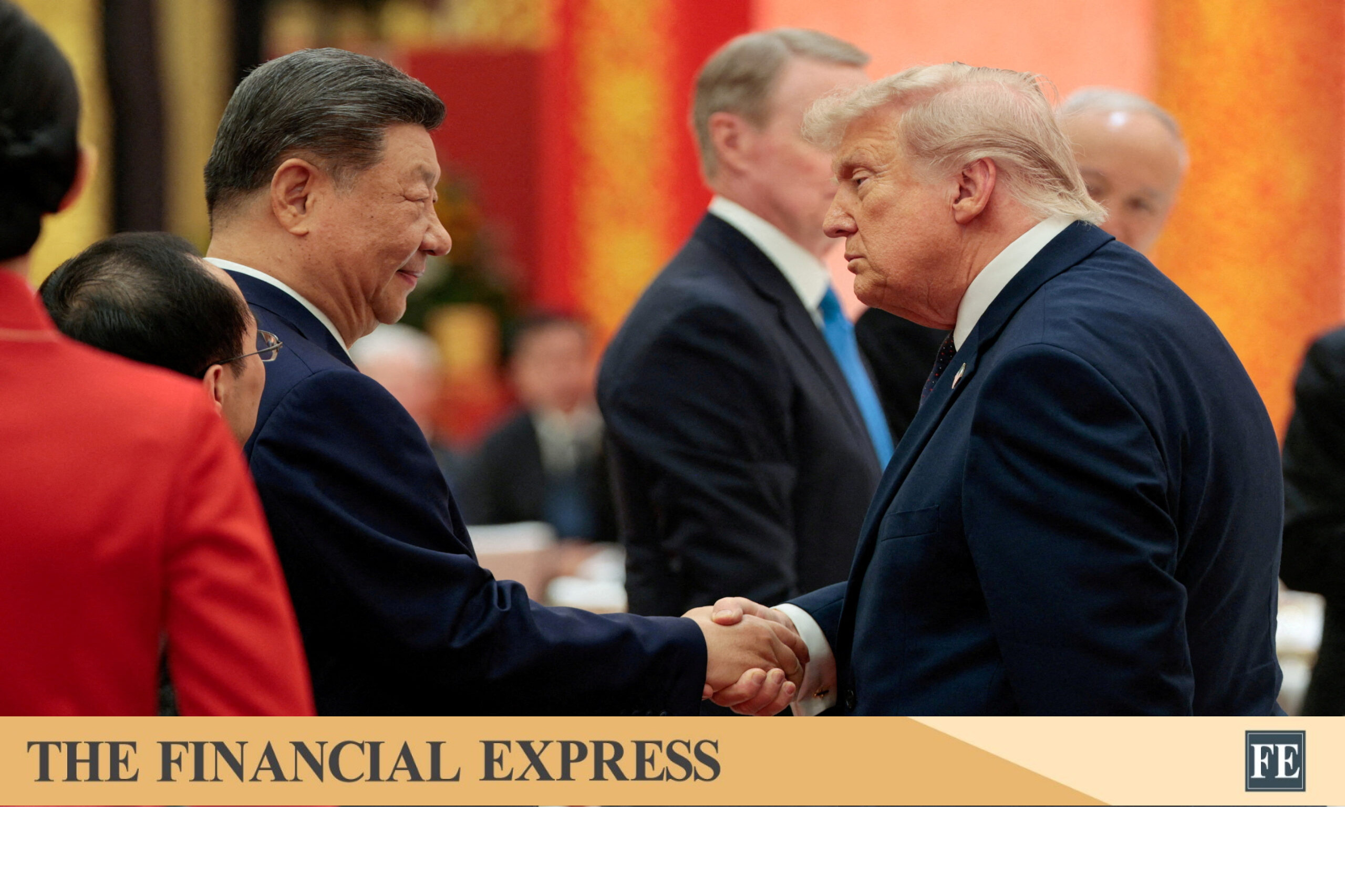
Unarguably, Donald Trump's just concluded visit to China has not been redolent of legendary veni, vidi, vici vintage. Some commentators have described it as a pathetic disaster and a landmark diplomatic faux pas the like of which has not been seen in recent years. The sound bites accompanied by the sights of Trump delegation dumping the gifts received from their Chinese hosts reveal the lack of savoir fair in the much vaunted deal making style of Trump administration. If there was any doubt about the gross, uncouth and hubris demeanour of the present occupant of White House, the gesture of his delegation desecrating the gifts removes it decisively.
The outcome of President Trump's visit to China and his summit meeting with President Xi Jinping should be measured by what was in the agenda for discussion and the covert objectives of the visit. The state visit was at the request of president Trump and took place in the backdrop of a deteriorating relation caused by tariff war. In addition, there has been growing tension over Taiwan, the island state claimed by China as its territory and supported and armed by America as an independent entity. To these two issues was added the closure of the Strait of Hormuz by Iran following American- Israeli war against Iran.
The tenor of the summit was revealed by the reception given to president Trump on his arrival when he was greeted by the vice president of China. This was a deliberate departure from the protocol of a head of state being received by the head of state of host country. In the summit President XI preempted President Trump when he pointed out that the world was watching them, implying that Trump should not say or do anything that will disappoint observers around the world. With this opening condescending statement he immediately assumed an upper hand, cautioning Trump that he should behave responsibly and not shoot from the hip as is his wont. Then he bluntly told president Trump that he should be beware of falling victim to Thucidides Trap, a direct reminder of the Greek historian's prediction about a rising power routing an incumbent great power. By debunking the Trap thesis, he directly accused President Donald Trump of promoting an adversial relation with China on the basis of an imaginary demon.
By implication, he hinted that as in Thucydides's Greece Troy became fearful of the Greek state, America has become apprehensive of China's rise as a great power. He assured and declared that America and China should work together as partners. Through these opening remarks President XI directly placed President Trump into a defensive position and that sealed the fate of the summit. Already alienated by its traditional western allies because of his unilateral decisions and actions, President Trump faced a treatment in China which was by any reckoning humiliating. On Taiwan, President XI drew a red line and bluntly told Trump that sending arms and supporting independence of the island would directly bring their countries into conflict, the shorthand for war. In response, far from reiterating America's support for Tarwan, President Trump merely said he would take a decision about sale of arms to Taiwan later.
In respect of trade, there was no discussion on retaliatory tariff and nothing was decided. Instead there was a declaration of intent from China to buy Soybean and 200 Boeing jets from America. The sale of rare earths material by China and imports of chips and semi conductors from America were discussed but no decision was made indicating that China's drive to become self-sufficient in chip making will proceed full steam. Even the inclusion of Chinese born CEO George Huang of American tech giant NVIDIA in the American delegation could not make any difference to make a breakthrough in the impasse. The war in the Middle-East figured prominently in the Summit. President XI agreed that the Strait of Hormuz should be opened, quipping ' Iran closed it and you closed it ', implying that before the war the Strait was open. Continuing on the subject, he said the Strait should not be militarised, a covert reference to America's policy regarding Panama canal. Regarding import of oil from Iran, China insisted on its right to do so, agreeing to import from America also. On the immediate issue of sale of weapons of arms to Iran, China assured that it will be complied with. The only unequivocal declaration was that Iran should not have nuclear weapons. Insignificant as the declarations were, their consequences are uncertain as no official agreements were signed. This must have been a rare summit where no official communiqué was issued on agreements reached. In the event all the ' agreements' reached in the summit, discussions are no more than declaration of intent lacking legal binding.
President Trump is fond of boasting about his genius as a dealmaker. During his second term as president there has been not a single deal worth mentioning, unless the kidnapping of president Maduro of Venezuela is considered as a deal. His most important visit to China and the summit meeting there with the Chinese counterpart is such a travesty of interrelations that it is destined to go down in history as trivial as a pleasure trip.
Hasnat Abdul Hye
Published :
May 19, 2026 23:57
Updated :
May 19, 2026 23:57
Unarguably, Donald Trump's just concluded visit to China has not been redolent of legendary veni, vidi, vici vintage. Some commentators have described it as a pathetic disaster and a landmark diplomatic faux pas the like of which has not been seen in recent years. The sound bites accompanied by the sights of Trump delegation dumping the gifts received from their Chinese hosts reveal the lack of savoir fair in the much vaunted deal making style of Trump administration. If there was any doubt about the gross, uncouth and hubris demeanour of the present occupant of White House, the gesture of his delegation desecrating the gifts removes it decisively.
The outcome of President Trump's visit to China and his summit meeting with President Xi Jinping should be measured by what was in the agenda for discussion and the covert objectives of the visit. The state visit was at the request of president Trump and took place in the backdrop of a deteriorating relation caused by tariff war. In addition, there has been growing tension over Taiwan, the island state claimed by China as its territory and supported and armed by America as an independent entity. To these two issues was added the closure of the Strait of Hormuz by Iran following American- Israeli war against Iran.
The tenor of the summit was revealed by the reception given to president Trump on his arrival when he was greeted by the vice president of China. This was a deliberate departure from the protocol of a head of state being received by the head of state of host country. In the summit President XI preempted President Trump when he pointed out that the world was watching them, implying that Trump should not say or do anything that will disappoint observers around the world. With this opening condescending statement he immediately assumed an upper hand, cautioning Trump that he should behave responsibly and not shoot from the hip as is his wont. Then he bluntly told president Trump that he should be beware of falling victim to Thucidides Trap, a direct reminder of the Greek historian's prediction about a rising power routing an incumbent great power. By debunking the Trap thesis, he directly accused President Donald Trump of promoting an adversial relation with China on the basis of an imaginary demon.
By implication, he hinted that as in Thucydides's Greece Troy became fearful of the Greek state, America has become apprehensive of China's rise as a great power. He assured and declared that America and China should work together as partners. Through these opening remarks President XI directly placed President Trump into a defensive position and that sealed the fate of the summit. Already alienated by its traditional western allies because of his unilateral decisions and actions, President Trump faced a treatment in China which was by any reckoning humiliating. On Taiwan, President XI drew a red line and bluntly told Trump that sending arms and supporting independence of the island would directly bring their countries into conflict, the shorthand for war. In response, far from reiterating America's support for Tarwan, President Trump merely said he would take a decision about sale of arms to Taiwan later.
In respect of trade, there was no discussion on retaliatory tariff and nothing was decided. Instead there was a declaration of intent from China to buy Soybean and 200 Boeing jets from America. The sale of rare earths material by China and imports of chips and semi conductors from America were discussed but no decision was made indicating that China's drive to become self-sufficient in chip making will proceed full steam. Even the inclusion of Chinese born CEO George Huang of American tech giant NVIDIA in the American delegation could not make any difference to make a breakthrough in the impasse. The war in the Middle-East figured prominently in the Summit. President XI agreed that the Strait of Hormuz should be opened, quipping ' Iran closed it and you closed it ', implying that before the war the Strait was open. Continuing on the subject, he said the Strait should not be militarised, a covert reference to America's policy regarding Panama canal. Regarding import of oil from Iran, China insisted on its right to do so, agreeing to import from America also. On the immediate issue of sale of weapons of arms to Iran, China assured that it will be complied with. The only unequivocal declaration was that Iran should not have nuclear weapons. Insignificant as the declarations were, their consequences are uncertain as no official agreements were signed. This must have been a rare summit where no official communiqué was issued on agreements reached. In the event all the ' agreements' reached in the summit, discussions are no more than declaration of intent lacking legal binding.
President Trump is fond of boasting about his genius as a dealmaker. During his second term as president there has been not a single deal worth mentioning, unless the kidnapping of president Maduro of Venezuela is considered as a deal. His most important visit to China and the summit meeting there with the Chinese counterpart is such a travesty of interrelations that it is destined to go down in history as trivial as a pleasure trip.